

Rustic Desks in Desks








About Rustic Desks in Desks - Walmart.com
Rustic desks help you create a warm workspace that feels grounded and organized. You can compare wood tones, desk shapes, and storage details that suit your room and routine.
If you're building a home office with character, rustic desks offer a lived-in look that still feels practical. You can pair natural finishes with modern tech while keeping your space visually calm.
How to choose rustic desks for your space
Start with your floor plan before you compare finishes or style details. You should measure width, depth, and chair clearance so your desk fits without crowding walkways.
If you work in a small room, you may prefer a small rustic desk under 40 inches wide. If you need multiple screens, you should consider a standard or large desktop.
You can also match your desk configuration to how you work each day. A writing desk keeps your setup open, while a rustic desk with drawers gives you hidden storage.
- You can use a writing desk when you want a simple surface for laptops, notebooks, and daily planning.
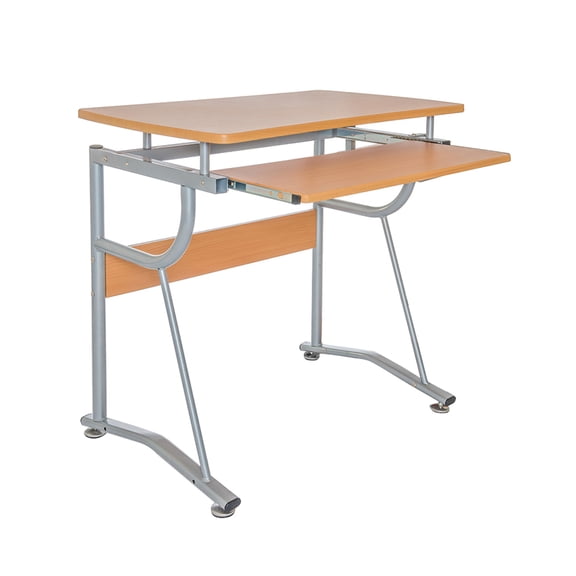
- You can choose a rustic computer desk when you need space for monitors, keyboards, and charging accessories.
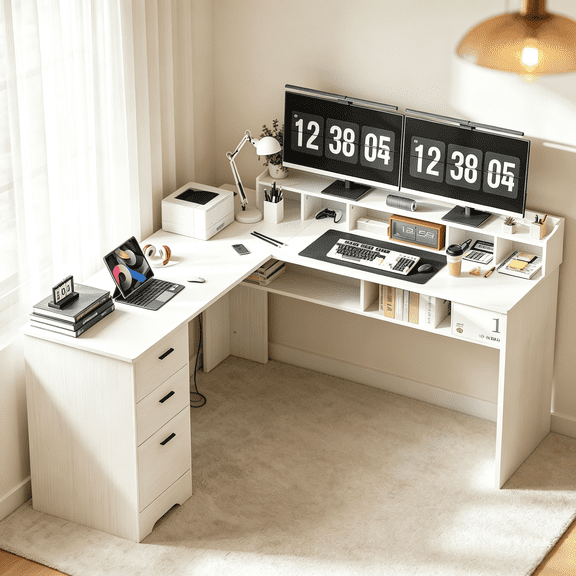
- You may prefer a rustic l shaped desk when you want separate zones for meetings, paperwork, and screens.
- You can select drawers or shelves when you want pens, files, and cords tucked out of sight.
Choosing the right rustic wood desk material and finish
You should compare material and finish closely because they shape both appearance and daily upkeep. A rustic wood desk can bring natural grain, knots, and texture that soften a busy office.
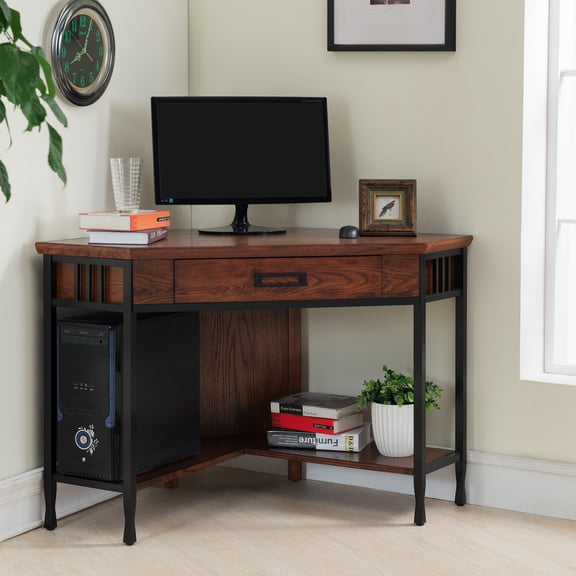
If you like a reclaimed look, you may notice varied color and character across the surface. If you prefer a cleaner finish, oak can give your room a more tailored rustic feel.
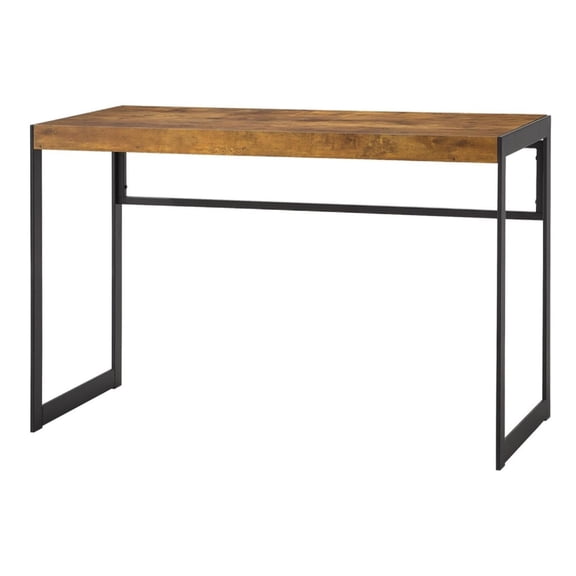
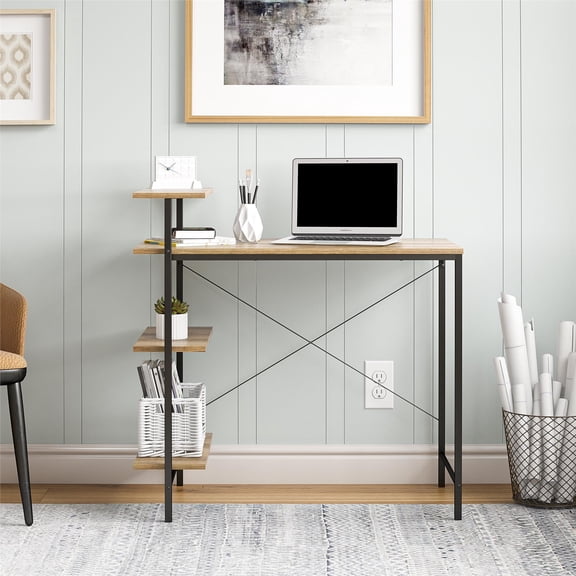
You can also compare distressed pine with metal and wood combinations. Distressed pine gives you a softer farmhouse desk look, while metal frames create an industrial rustic edge.
When you compare wood and veneer, you should check the construction details and surface feel. Solid wood often feels heavier, while veneered panels can keep larger desks easier to move.
You should also review weight guidance if you plan to use dual monitors or a printer. A wider top and strong frame help you keep equipment stable during long work sessions.
What to look for in desk configuration and storage
Your desk layout affects how easily you switch between focused work and daily tasks. You should look for a shape that supports your monitor placement, note taking, and cable routing.
A rustic computer desk often works well when you need one main screen and open legroom. A rustic l shaped desk can help you separate computer work from writing or crafts.
If your room doubles as a guest room or living area, you may want a slimmer profile. You can choose a writing desk when you want the rustic look without bulky storage.
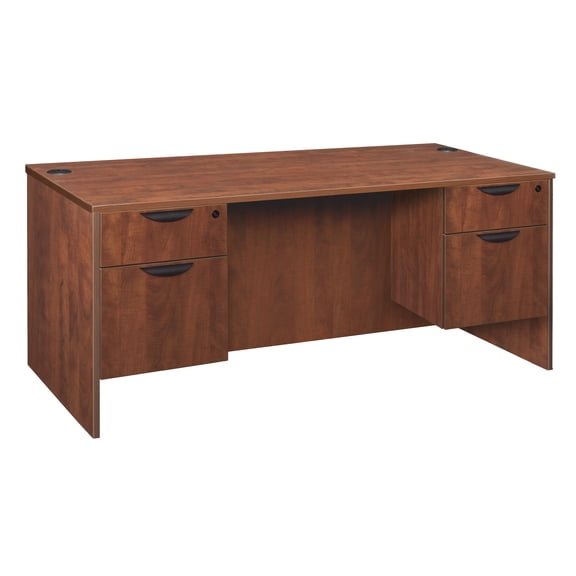
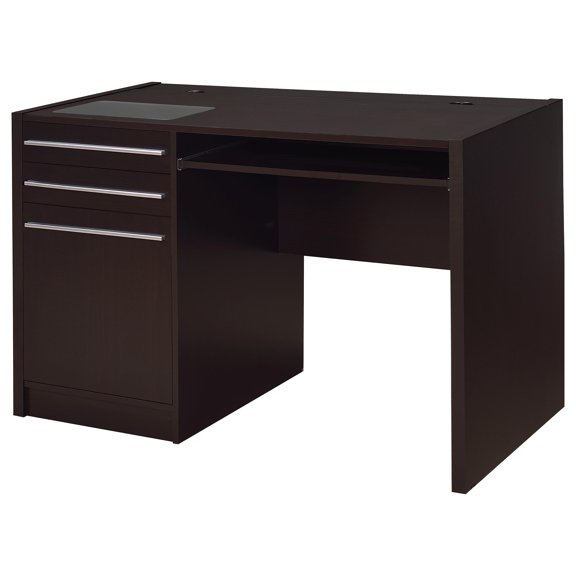
Storage changes how tidy your workspace feels at the end of the day. You can use a rustic desk with drawers for files, chargers, and paper that would otherwise cover the top.
You should also check whether shelves, cubbies, or side compartments fit your habits. If you reach for supplies often, open storage can keep essentials visible and easy to grab.
Comparing style, size, and assembly details
You can narrow your options faster when you compare design style with room size. A farmhouse desk suits soft, casual spaces, while modern rustic shapes feel cleaner and more streamlined.
If you like mixed materials, you may lean toward industrial rustic designs with black metal bases. If your room has classic furniture, traditional silhouettes can help your desk blend in smoothly.
You should measure more than the wall width before you choose a size. Check doorways, nearby shelves, and chair pullback space so your desk works comfortably every day.
Small space desks under 40 inches can fit bedrooms, apartments, and study corners. Standard 40 to 55 inch desks give you balanced workspace, while larger tops support wider setups.
You may also want to compare assembly details before you make your decision. Look for clear hardware packs, labeled parts, and tool requirements that match your comfort level.
If you want a faster setup, you should check whether basic tools handle the job. Simpler assembly can help you get your workspace ready with less interruption to your routine.
Using rustic desks in real home office setups
You can use rustic desks in more ways than a standard office corner. A farmhouse desk can anchor a guest room workspace without making the room feel too corporate.
If you work remotely, you may want a rustic computer desk with enough depth for a monitor and keyboard. That setup helps you keep your screen at a comfortable viewing distance.
You can place a rustic l shaped desk in a spare room when you need two work zones. One side can hold your computer, and the other can support planners, mail, or creative tools.
If you want a polished backdrop for calls, you should consider oak or reclaimed wood looks. Those finishes can add texture behind you without overpowering shelves, art, or lighting.
You can also use a rustic desk with drawers in family spaces where clutter builds quickly. Hidden storage helps you keep cords, documents, and school supplies out of everyday sight.
When you choose the right size, finish, and layout, your desk supports both focus and room style. You end up with a workspace that feels useful, warm, and easy to live with.