




VictrolaAudio-TechnicaCrosleyLoopToneDIGITNOWCore InnovationsRetroAudioUdreamerJensenCaymullerElectrohomeTrexonicFluanceAngels HornZURUVictorSamsungPioneerDenonProscanQlearsoulArkrocketRadioShackPIDTANLANINMAIOMixxeyesenBoytoneBN-LINKYamahaMr. ChristmasFreshnewlooksSonyUnbrandedOnkyoMusic Hall AudioMGA's MiniverseGeneralFuse Plus YouVIPQVGeminiPro-JectNewbourne MediaCOOLHOODTechnicsORCCQmerlimuiClearClickMomoReloopMemorexSoundBeastLP GearFEYRUSLilyStoreDagGenericFOMIYESRainyuLumeoLOLIPPYYBESTYASHLaiyeOuliiOunonaDEEPCRAFFHONMEETUxcellFENGGUIQULITINKIMISDFGTstoreCOMPUKASELAYARDEtereautyMilistenNOBRANDWEUVEBAooowerCTIRCHIUANXPTIMEJZROCKERKODASWNUOLUXOFFIGAMTABLZONEFUTUREORYYPAMINGONORENACLIPYUPOUARTWIND LANDAestriAmosfunCRILSTYLEOHytroveLuxshinyPTOOTPTIZUQEToyandonaYongCoCiwanningDynamic LampsHAMPPLIESNicehomfitNovlewignNovoSpherePapolorPhenoficeVERDANVERSEVTKUHOFIWEAVILUXWhalediCATIEBYEDRAFIDEEPGJXHEANUJJhejhnciiIFANLANDORKAKOWELYSOPOTUTUSWETRACEUnidiscVowenWhoasystAbacusabacoDHJPSTUYWGAXIREHOOWIFFYMyradixonOlyvanceOrvunelaPOPETPOPSTOBOKTechPlayTITINICEUonlytechYardweAluhayosArtisamCEORPERCIYISONEOSPURELYGETAJGHSDHavezkIbaseniceJesscasdayJICOKUIULSLHEUGZXLIFKOMELuyismerMINKISSYMOKKHNBNICERIOnicexmasNkeShengOrtofonPioneer DJREOFLYUPTAPDRATerraBeneVarious ArtistsAlasumAlmenclaATALRPOUAURARMLETBaluueCHANCELANDClthnxyaCOLLECTABLESCOOPHYADirect Power PlusETHZZLEFGDTREEGango Home DecorHILOGELHtovilaInnovative Technology Products CorpJIAHAOOLaikoutdLeeQinerswLYNXONPROMoluckfuMyrvandaNIYANGLEO'forceOHOIOLLAPYJDMARCA VictorRiouseryThor InstrumentsTINEASURUPGRATORVexeloraVHUNTVLSQHNCFVOQGHTUWESIEVYAWRITWAAXyreluna
Turntables and Record Players
Uses item details. Price when purchased online





















































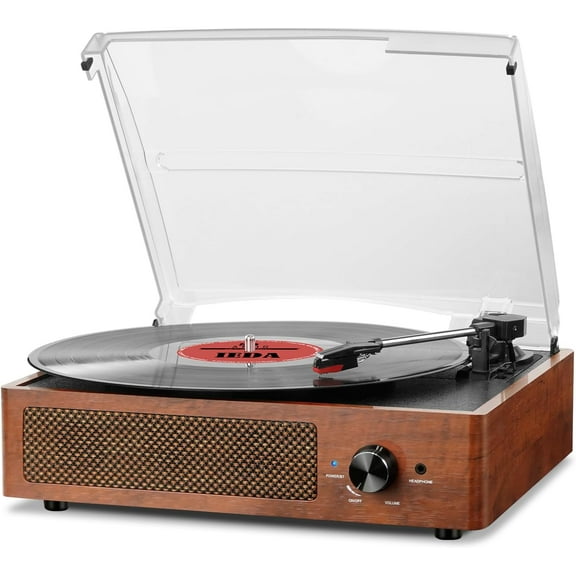


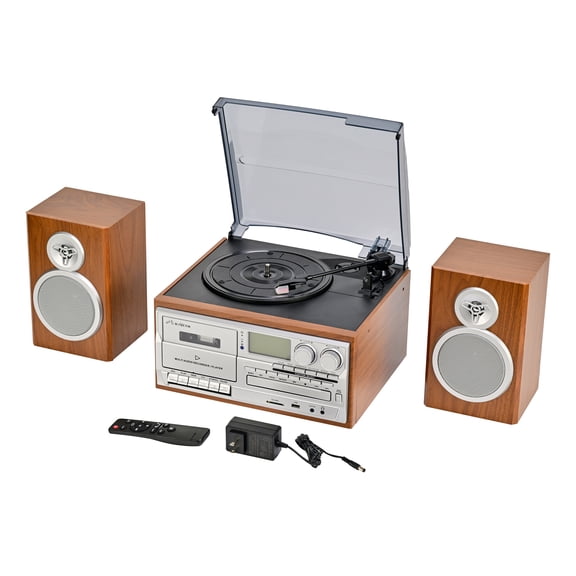


About
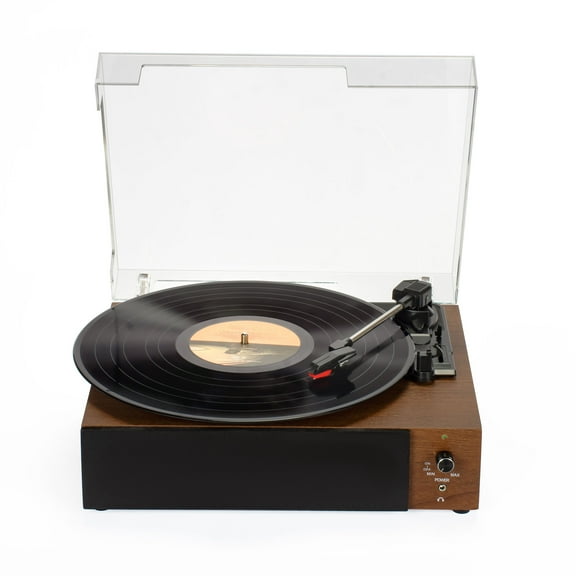
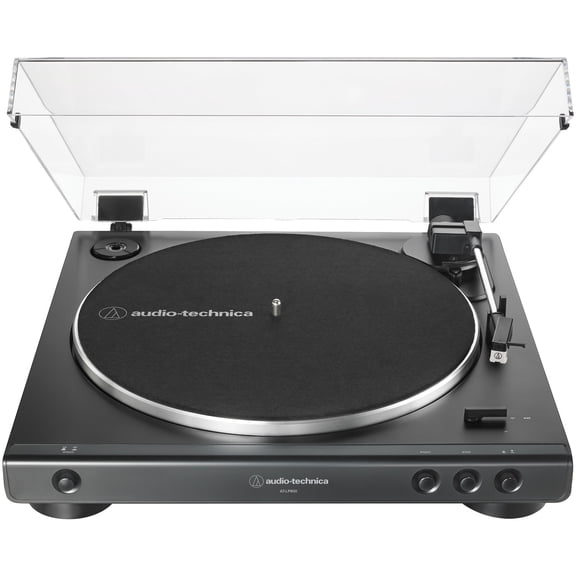
If you're wondering where to buy turntables online, you can compare record player formats, speed support, and connections at Walmart. You can use this guide to sort through beginner setups, component systems, and room-friendly vinyl player options.
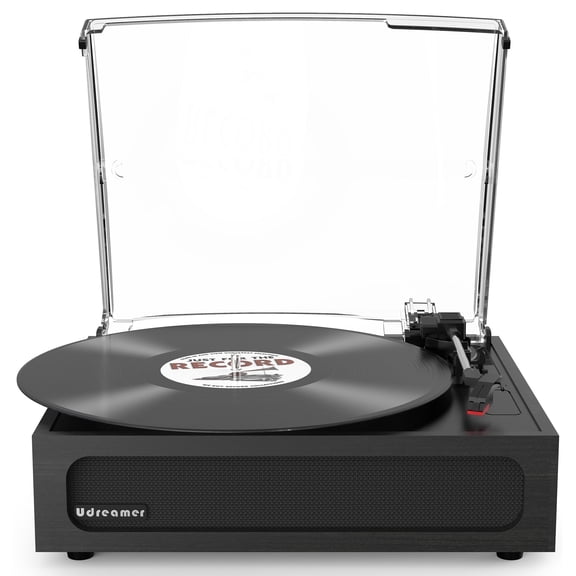
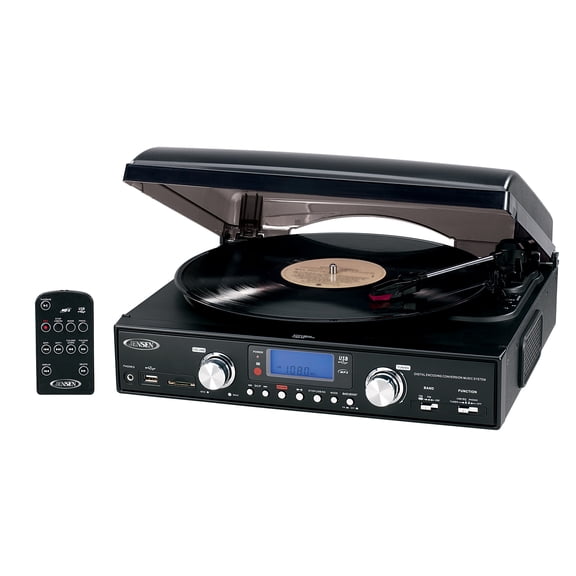
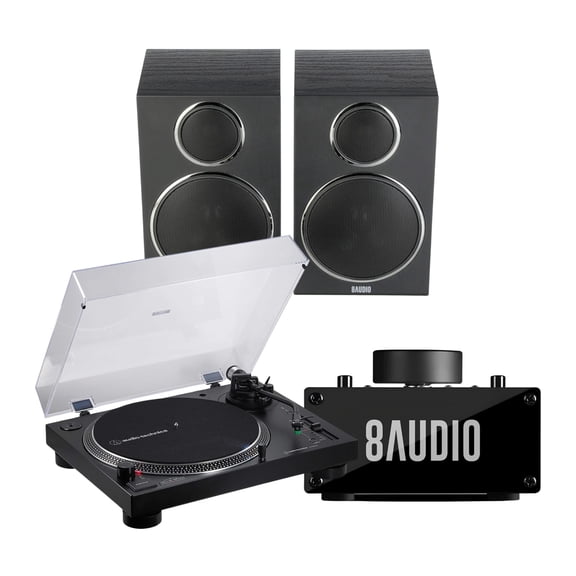
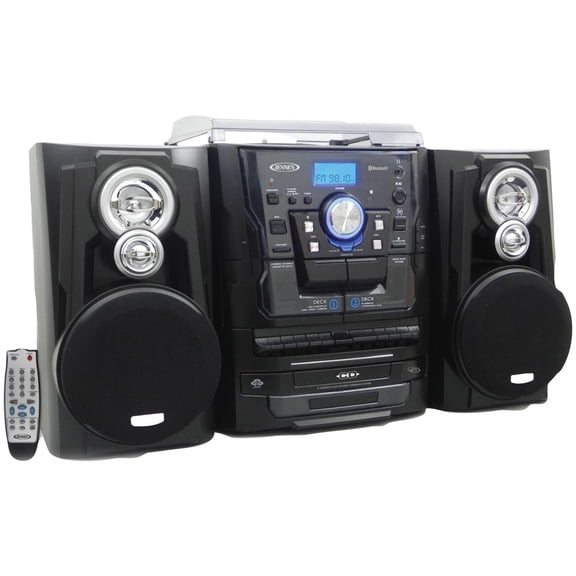
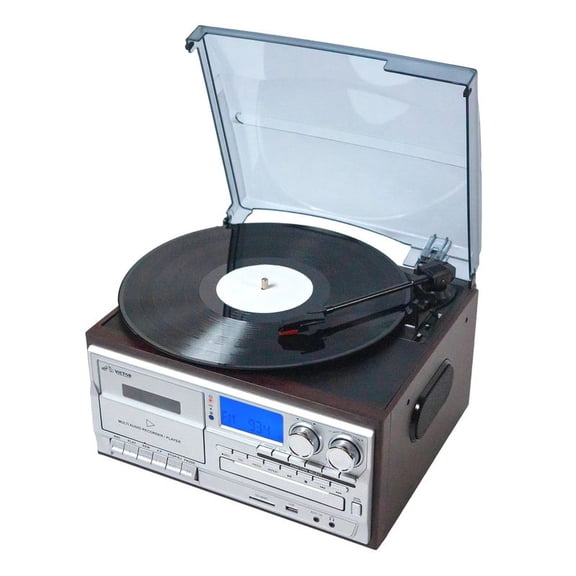
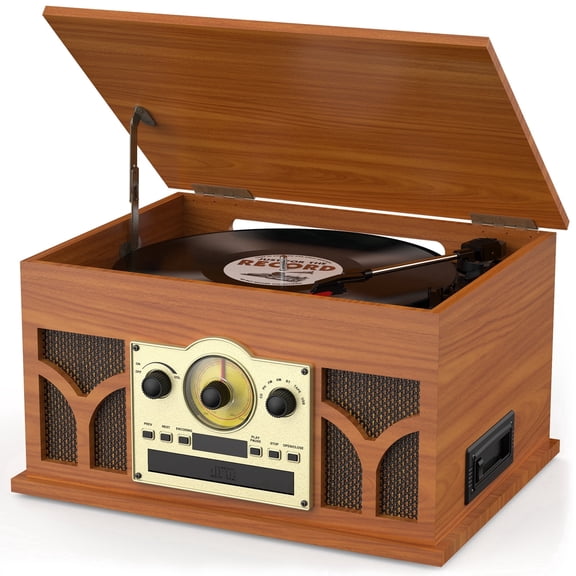
If you're choosing between suitcase models and component systems, you need details that match how you listen. You can compare drive type, speaker setup, connectivity, and record compatibility without guessing what each feature means.
Where to buy turntables online
You may want a page that helps you compare more than appearance alone. You can narrow your choice by built-in speakers, Bluetooth options, speed support, and whether your setup uses external audio gear.
For many shoppers, convenience matters as much as sound. You can start quickly with simple controls, or you can build a fuller setup with separate speakers and receiver connections.
- You can choose built-in speakers for quick setup and casual listening.
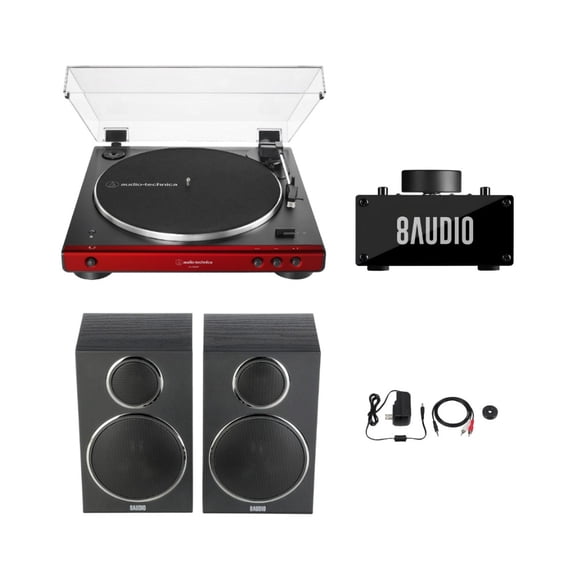
- You can pick external-speaker models when your room already has audio equipment.
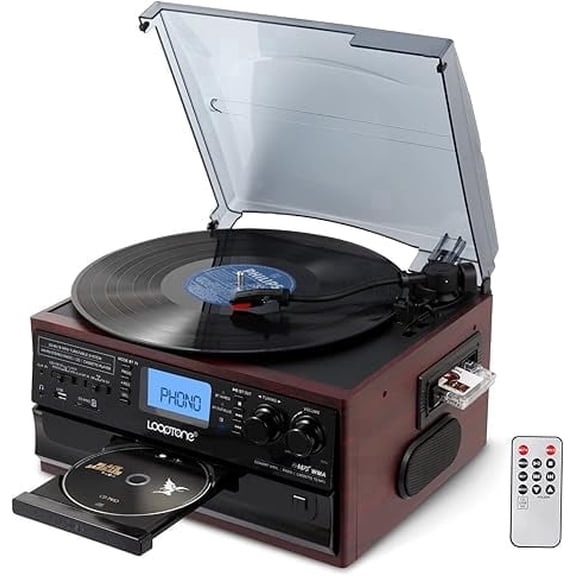
- You can compare Bluetooth, USB, RCA, and aux-in for modern and analog listening.
- You can match 33 1/3 RPM, 45 RPM, and 78 RPM support to your record collection.
- You can select belt drive or direct drive based on your listening habits.
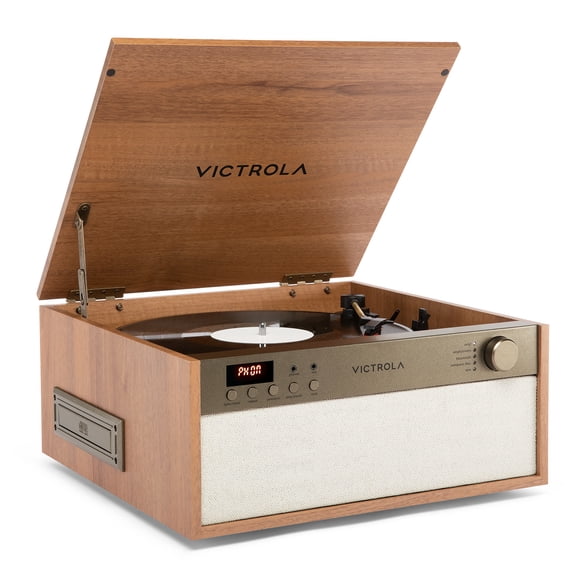
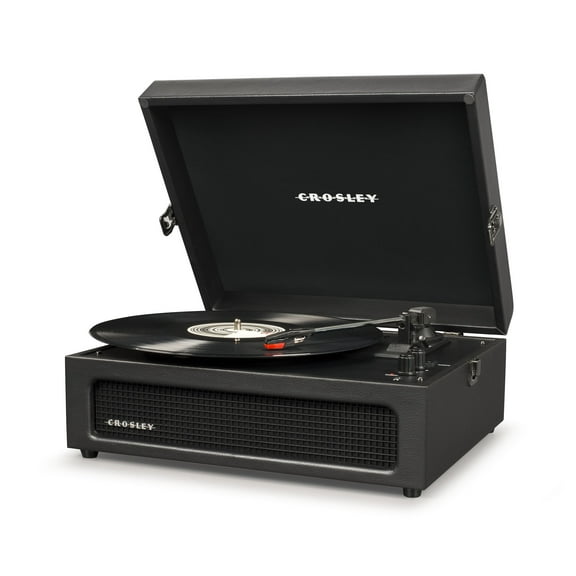
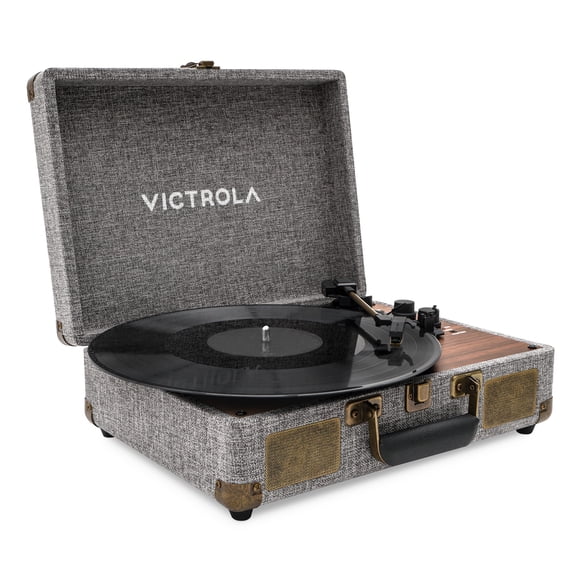
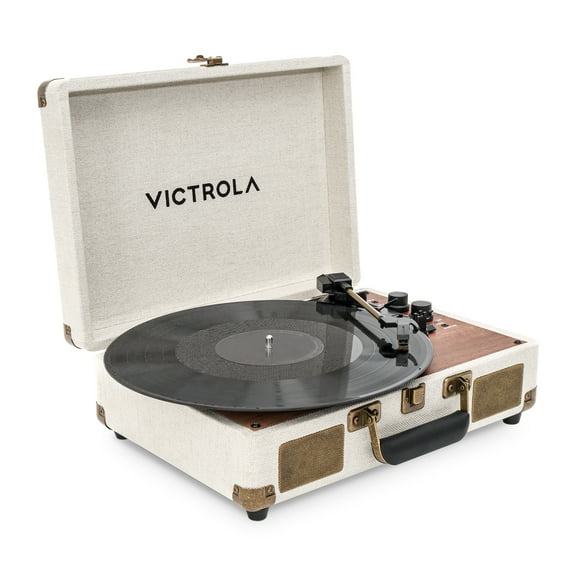
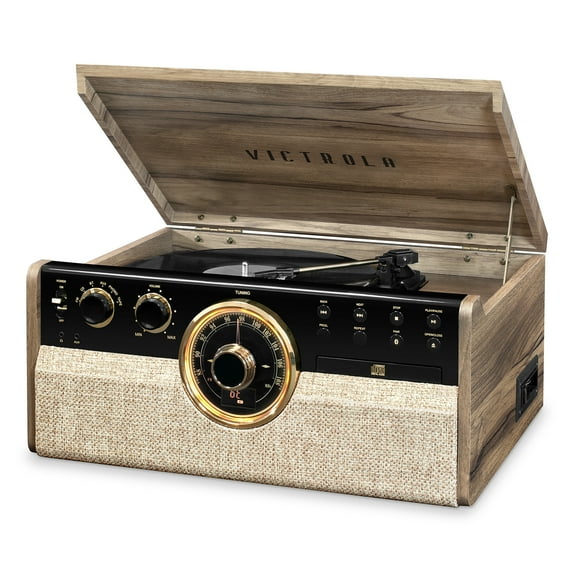
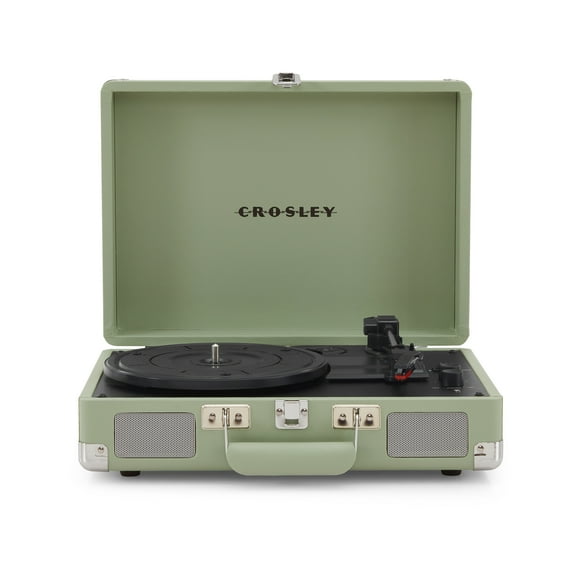
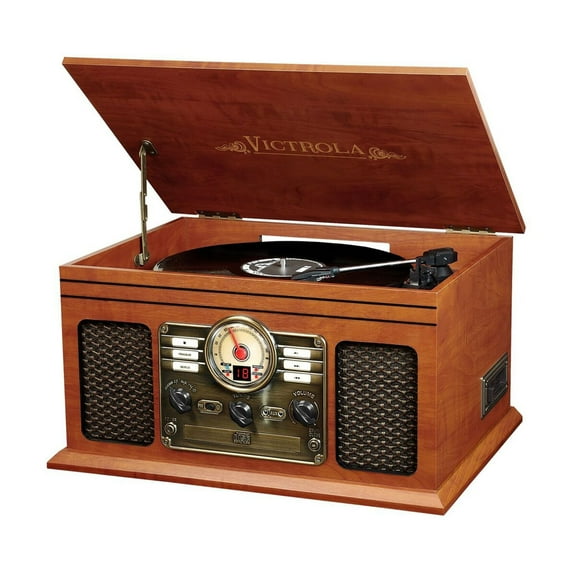
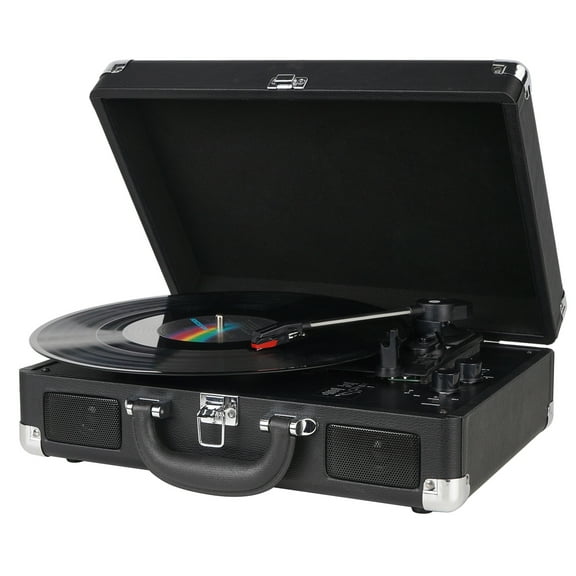
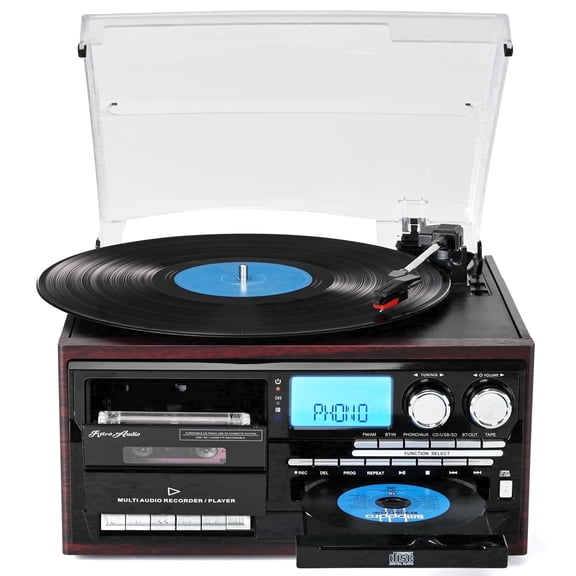
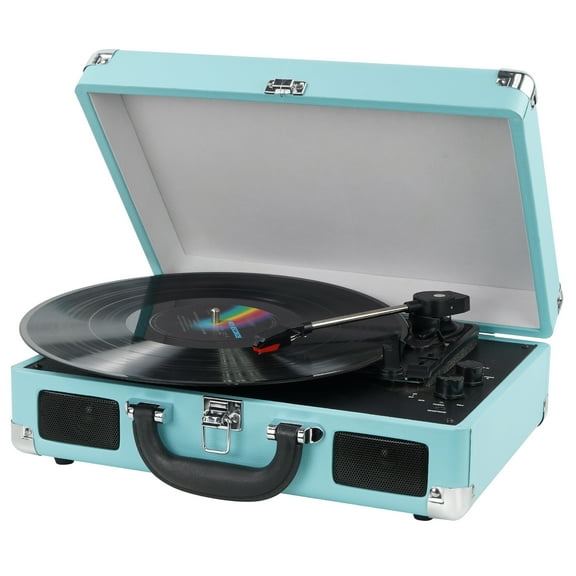
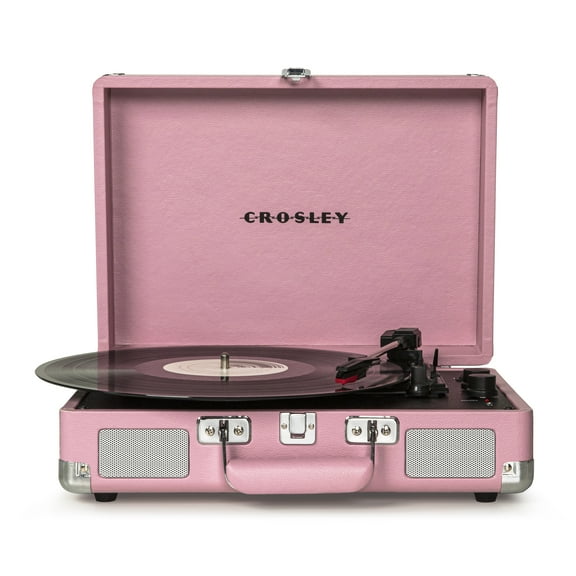
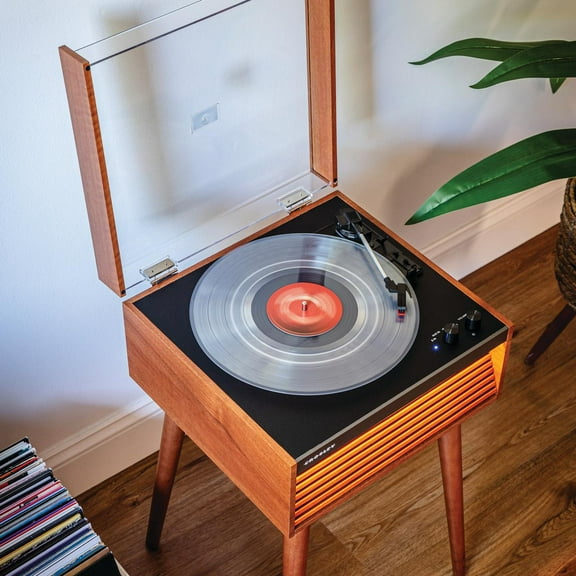
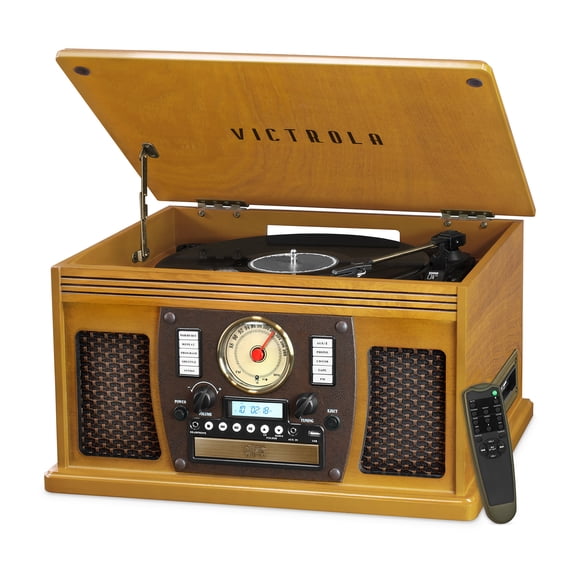
You may also notice that form factor changes how a unit fits your space. You can place a suitcase record player on a shelf, while a console style becomes part of your room setup.
Choosing the right turntable features
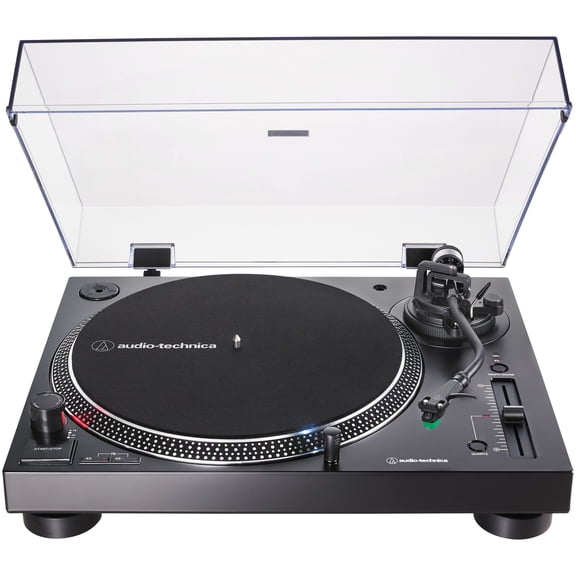
When you compare drive type, you're deciding how you want your turntable to feel in daily use. You may find belt drive models suited to home listening, while direct drive can feel more immediate.
Speed settings matter because your records aren't all cut the same way. You should check for 33 1/3 RPM and 45 RPM support first, and 78 RPM if your collection includes older discs.
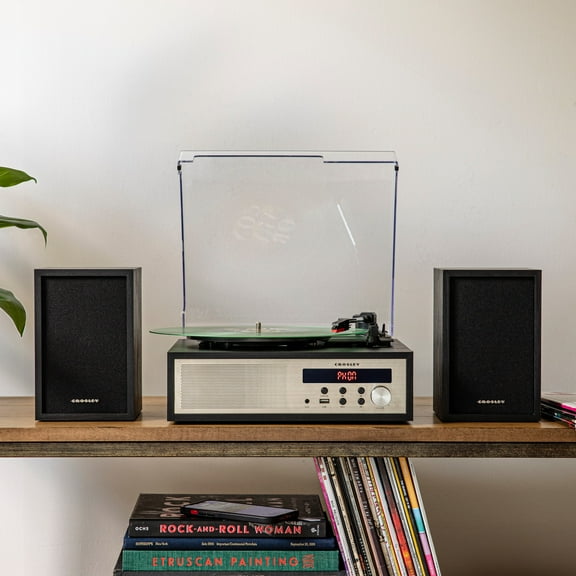
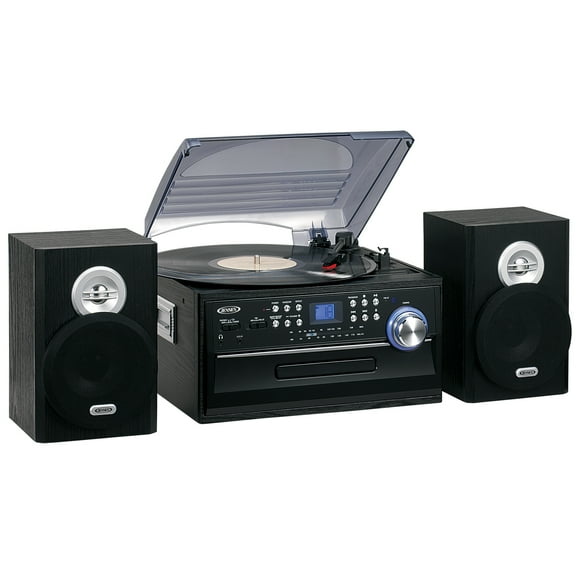
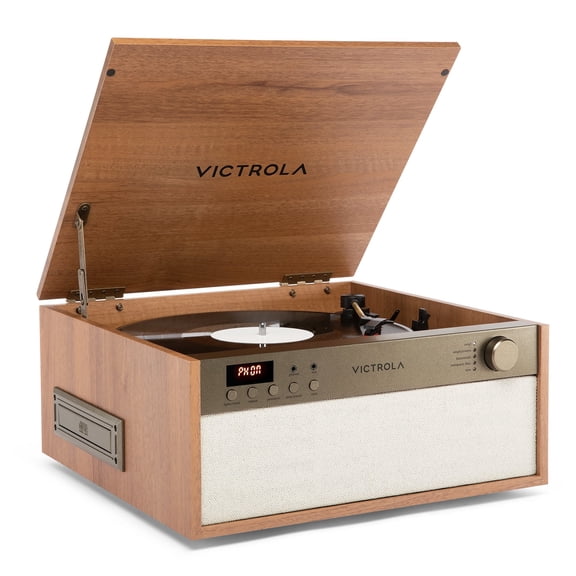
Built-in speakers simplify setup when you want an all-in-one record player. You can start listening sooner, while external speakers usually give you more control over placement and room sound.
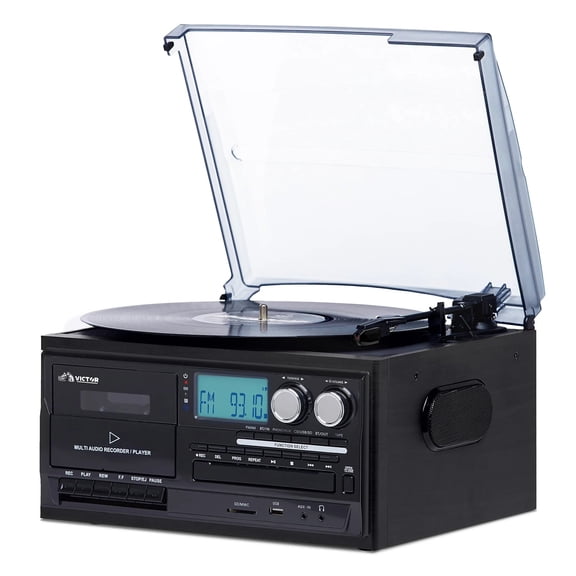
Connectivity also shapes how your vinyl player fits your routine. You can use RCA for classic stereo gear, USB for digital transfers, and aux-in when you want added playback options.
If Bluetooth matters, you should check whether it's input, output, or both. You can stream from your phone on Bluetooth-in, or connect wireless headphones on Bluetooth-out.
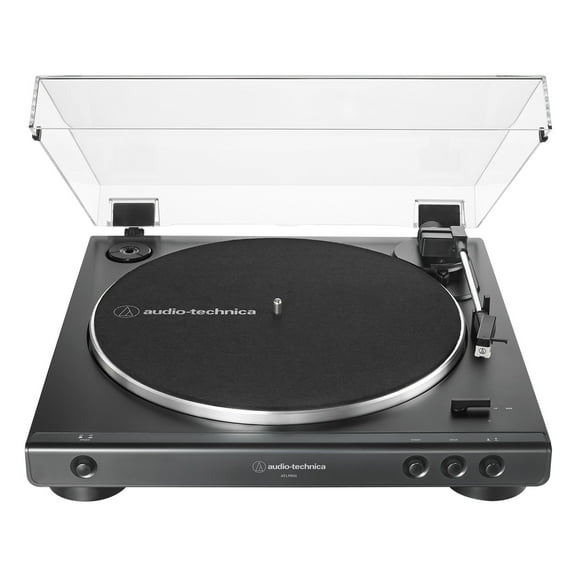
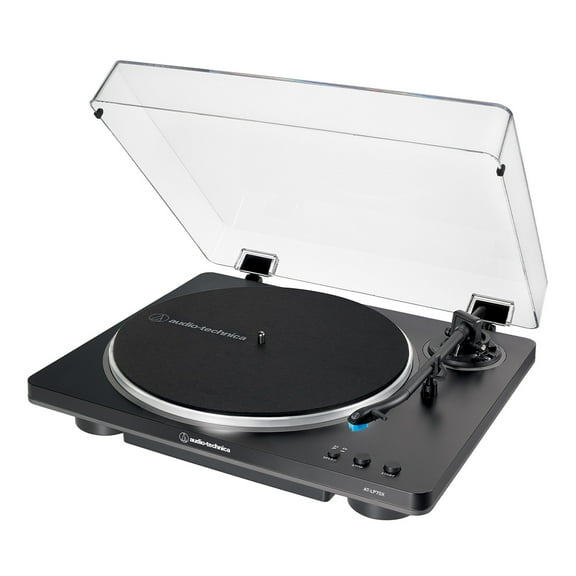
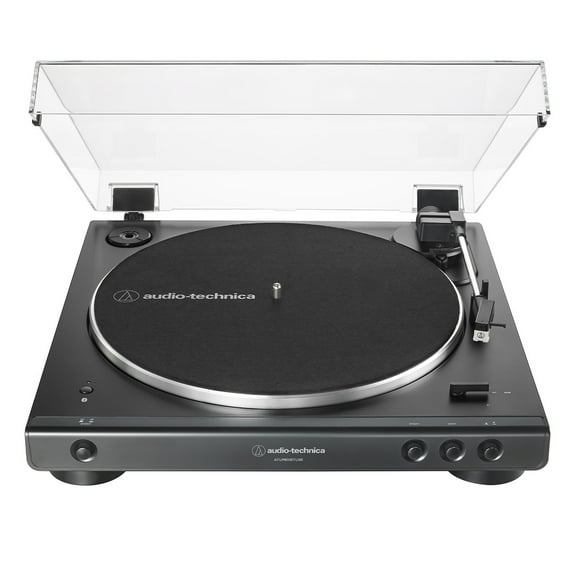
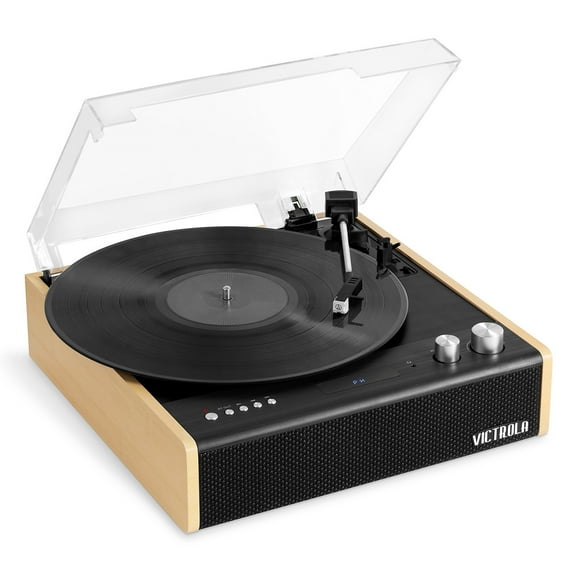
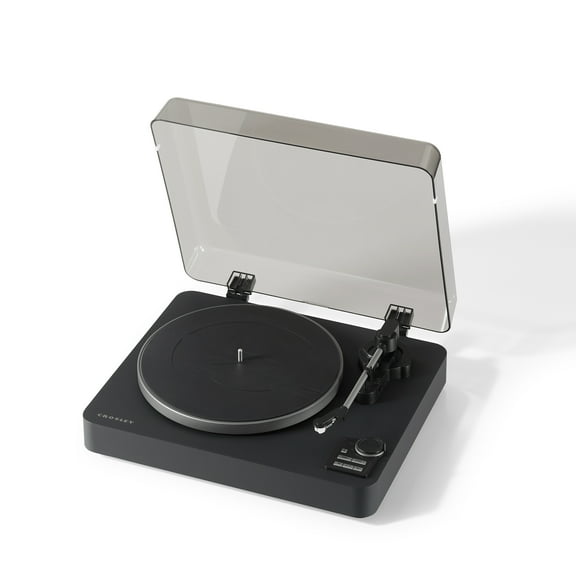
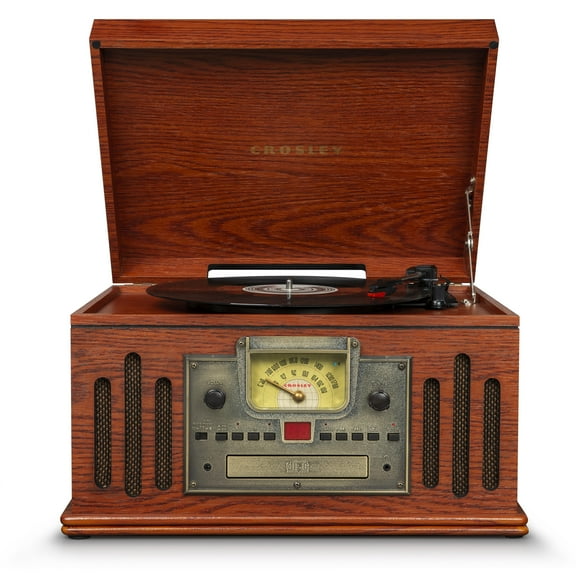
Form factor affects storage, portability, and style in a specific way. You can carry a suitcase unit easily, place a standalone turntable on existing furniture, or anchor a room with a console design.
What to look for in a record player
If you want a record player near your routine, you may compare fast pickup options with detailed online specs. You can review dimensions, connections, and speaker needs before choosing delivery or pickup.
You should also pay attention to record-handling parts if your collection matters to you. You can look for counterweight and cartridge details when you want more setup control.
Tracking force and stylus quality matter because they shape playback feel over time. You can choose adjustable elements when you want more tuning for different listening preferences.
Beginners often want a vinyl player that works with minimal extra gear. You can start with built-in speakers and Bluetooth, then move to RCA-connected speakers as your setup grows.
More experienced listeners may compare platter stability, cartridge compatibility, and whether the unit requires external speakers. You can focus on those details when you already own audio components or plan a dedicated listening area.
Matching record players to how you listen
If you play records in a bedroom, office, or apartment, you may want a smaller footprint. You can choose a suitcase or compact standalone turntable when shelf space and portability matter.
When you want a simple starter setup, built-in speakers reduce extra steps. You can unpack, connect power, and begin listening without matching separate speaker components.
If you collect older records, speed support becomes a practical checkpoint. You should confirm 78 RPM compatibility before choosing a record player for mixed-era albums and singles.
For a shared living room, connectivity can matter as much as sound style. You can pick Bluetooth for flexible listening, then use RCA when you want a wired connection to home audio speakers.
You may also want USB if you plan to archive parts of your collection digitally. You can use that option when you want your turntable to connect with a computer workflow.
Seasonal searches like black friday record player often reflect shoppers who want timing and feature clarity together. You can stay focused on speed support, drive type, and connections, so your choice still fits long after the season ends.
How to choose your vinyl player with confidence
You can make a smarter choice when you compare drive type, speed settings, connectivity, form factor, and speaker setup together. You can narrow the field quickly when each detail matches your records, room, and listening habits.
With the right record player or turntable, you can get a setup that fits your space, supports your collection, and keeps listening sessions more seamless. You can enjoy vinyl in a way that matches how you actually play it.