

Reading Floor Lamps in Floor Lamps





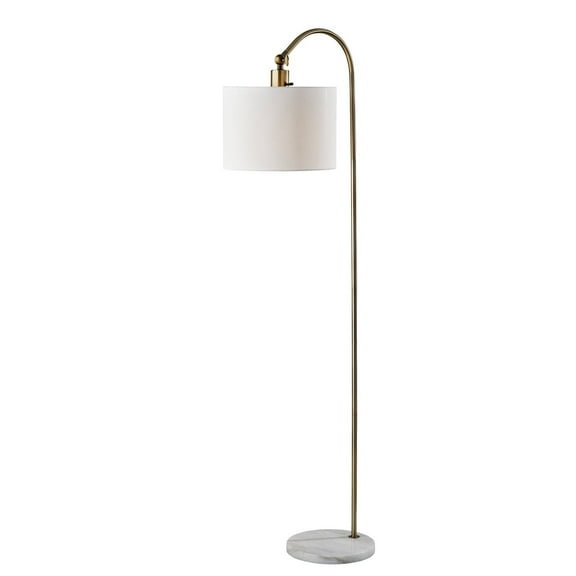


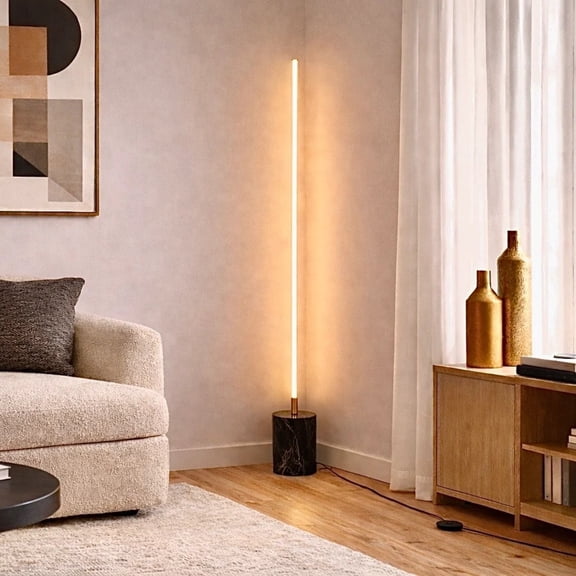
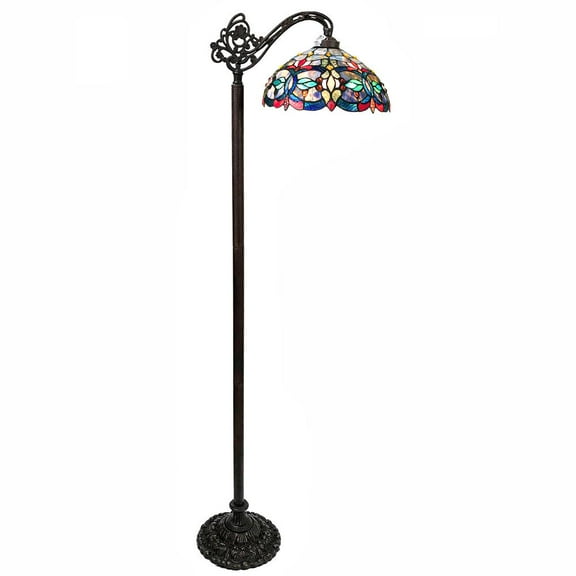


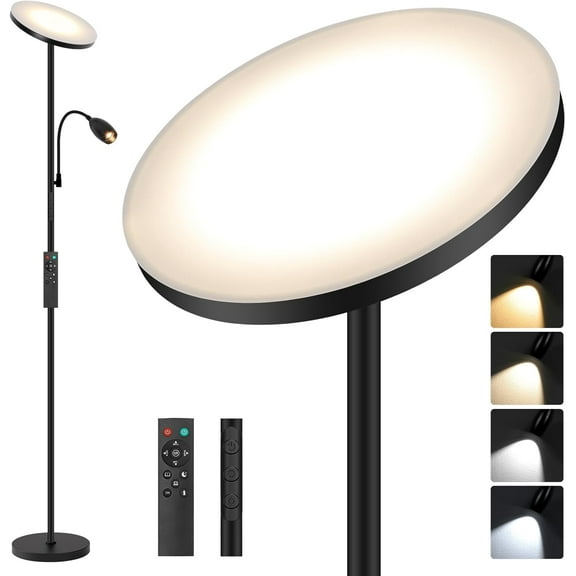
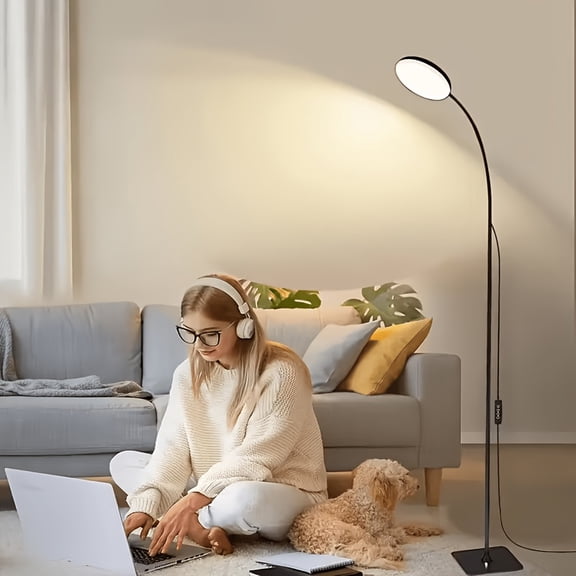
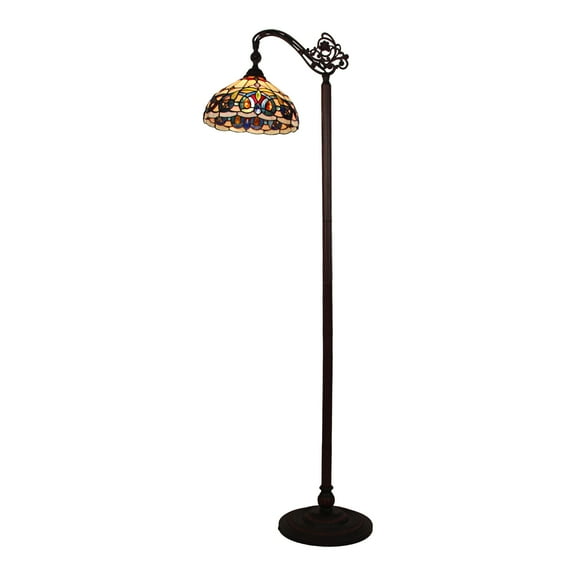

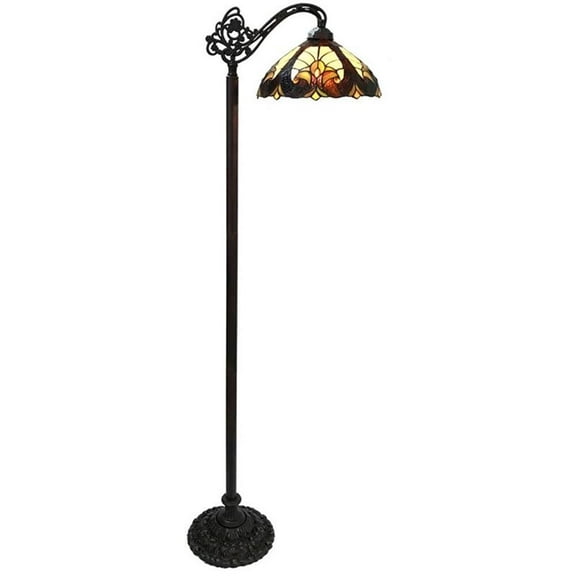
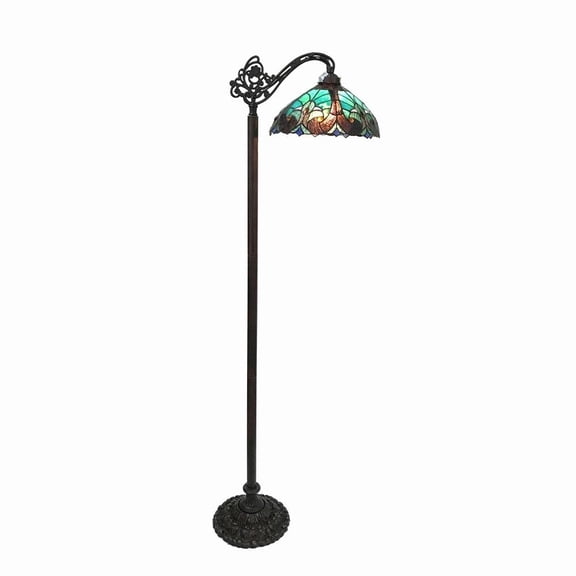


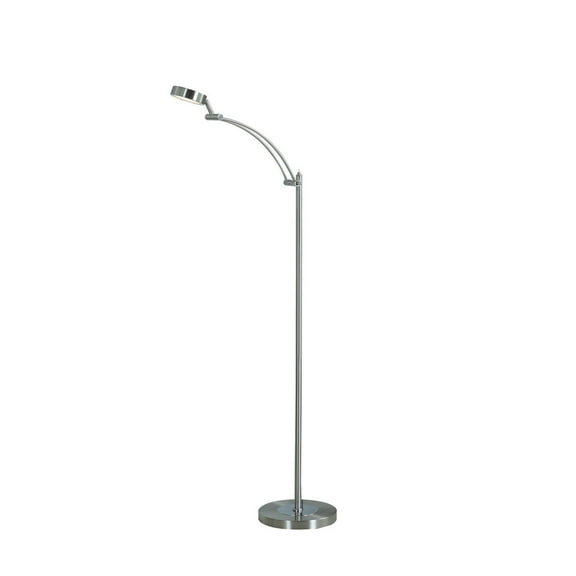


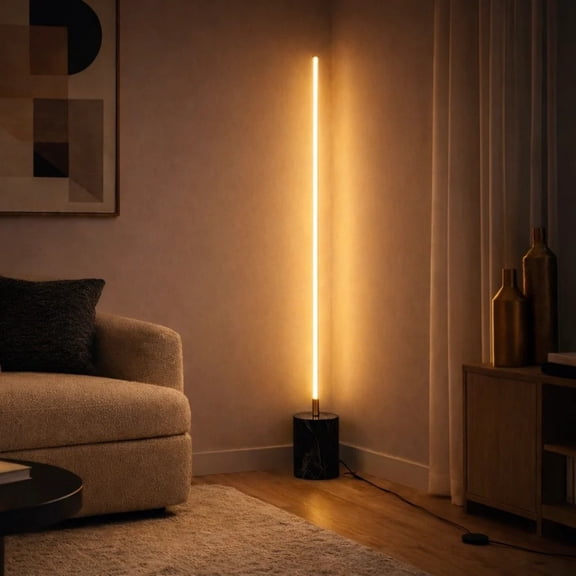
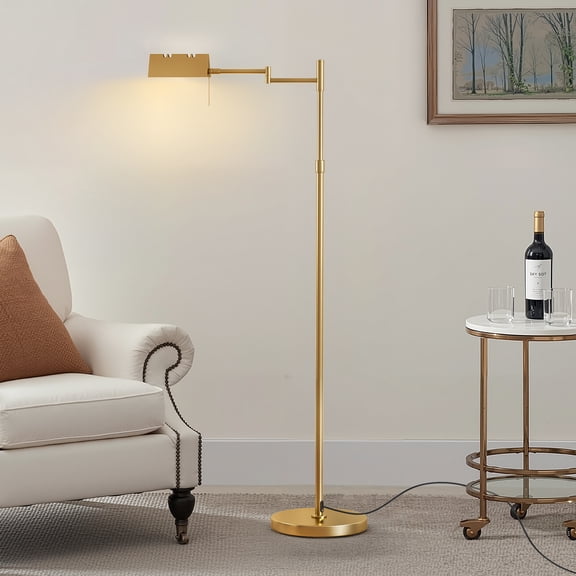

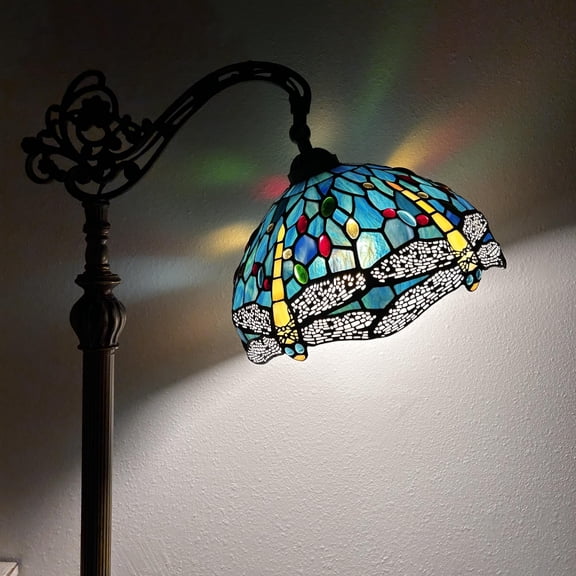

About Reading Floor Lamps in Floor Lamps - Walmart.com
You can upgrade your corner lighting with a reading floor lamp that directs focused light where your pages, screens, and projects need it. You’ll notice this category stands out because it combines task lighting, room placement flexibility, and tall profiles that work beside seating.
When you compare options, you should look beyond shade color alone and focus on placement, adjustability, and light output. You’ll make a clear choice when you match the lamp to your chair, sofa, desk, and daily reading habits.
How to choose a reading floor lamp
You should start with the spot where your lamp will stand, because placement shapes height, reach, and base size. You’ll usually want different proportions for a living room, bedroom, reading nook, or home office.
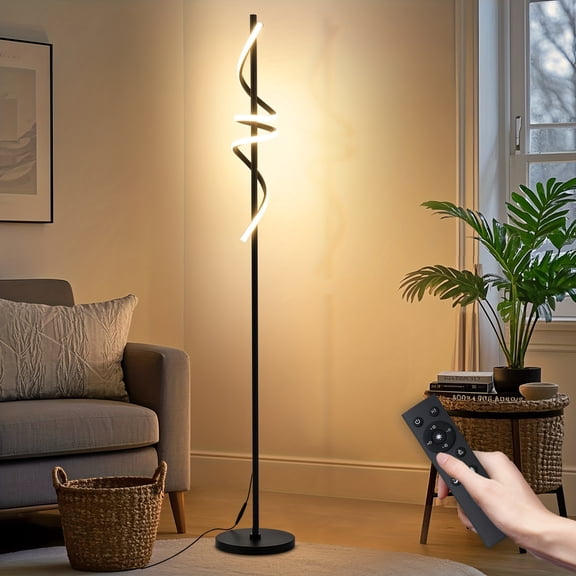
In a living room, you may prefer a standing reading lamp for living room seating that reaches over an armchair or sectional edge. In a bedroom, you might choose a slimmer profile that fits beside a nightstand or accent chair.
For a reading nook, you’ll often want a narrow footprint and easy aiming, so your light stays focused without crowding the space. In a home office, you may prefer a taller reading light stand that supports both paperwork and screen-side tasks.
- You can direct light onto books, tablets, puzzles, and craft surfaces without relying on overhead lighting.
- You can match the lamp’s footprint and height to tighter corners, open seating areas, or desk-adjacent layouts.
- You can choose LED, incandescent, or halogen formats based on bulb preference, brightness, and replacement needs.
- You can compare heavy-duty bases, slim silhouettes, and adjustable stands for stability and reach.
Choosing a standing reading lamp for living room use
You should measure the space beside your chair or sofa before you choose a floor reading lamp. You’ll want enough clearance for the base, plus reach that places the light above your shoulder line.
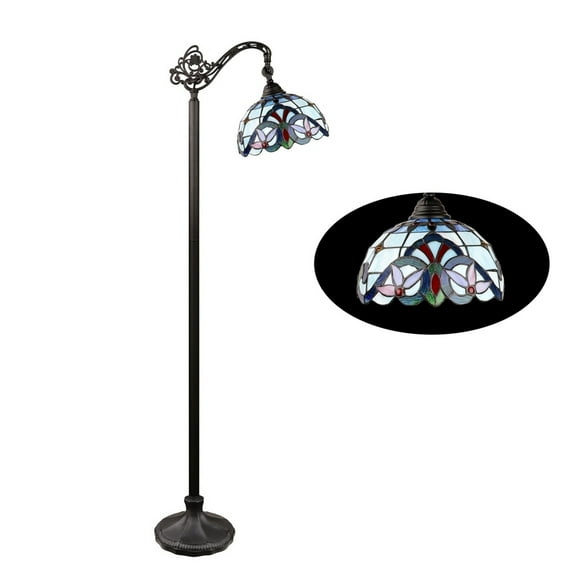
Beside a chair, you may prefer a reading lamp for chair placement with a focused beam and a compact base diameter. Over a sofa, you might want a longer arm or curved profile that extends light toward the middle cushion.
For desk-adjacent use, you should check whether the lamp’s shade and stem leave room for monitors, side tables, and charging accessories. You’ll keep the setup cleaner when the lamp height supports seated reading without glare.
What to look for in light source and brightness
You should compare bulb type first, because it affects brightness, maintenance, and everyday use. You’ll often find an LED floor lamp with reading light helpful when you want built-in efficiency and fewer bulb changes.
When you review brightness, you should check lumens rather than relying on vague descriptions. You’ll usually want enough output for close reading, while dimming helps you shift toward softer ambient light.
You should also compare Kelvin ratings if you want a clearer sense of light tone. You can expect lower Kelvin numbers to create a warmer look, while higher Kelvin numbers feel crisper for detailed reading.
If you prefer familiar replacement options, you may still consider incandescent or halogen designs where compatible bulbs matter to you. You’ll want to confirm bulb inclusion, socket type, and replacement availability before deciding.
Comparing adjustability and build style
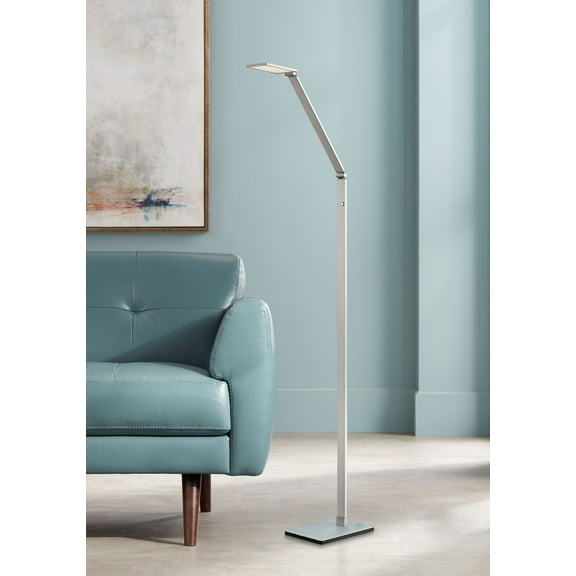
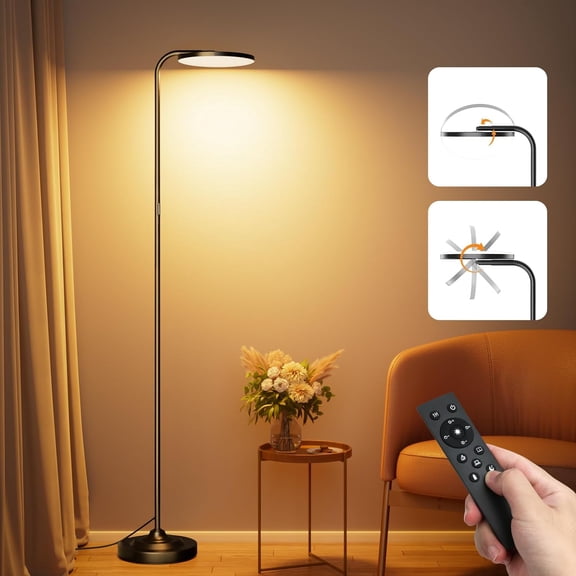
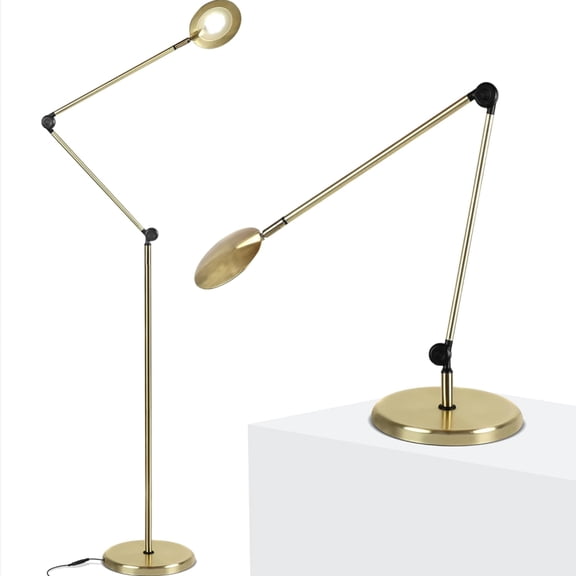
You should look for a gooseneck, swing-arm, or adjustable stand when precise aiming matters in your space. You’ll notice these designs help you move light closer to a page, pattern, or keyboard.
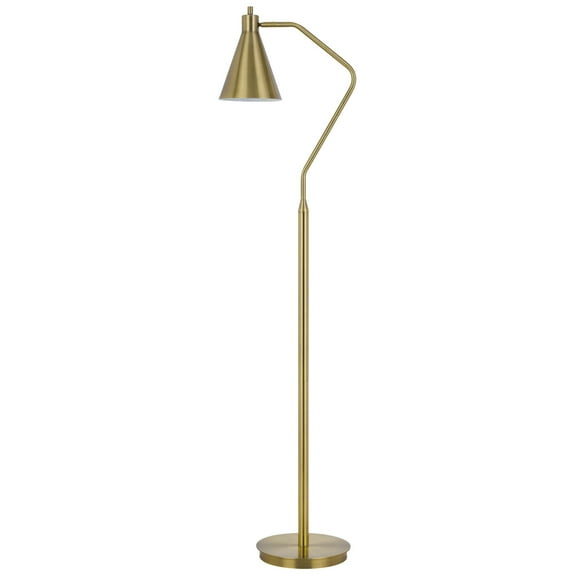
With a fixed stem, you may get a cleaner silhouette, but you’ll have less control over beam direction. With an adjustable stand, you can fine-tune height and reach as your seating position changes.
You should also review heavy duty floor lamps with reading light if your setup needs added stability beside active seating areas. You’ll often want to check base weight in pounds and base diameter for a steadier feel.
If your room feels tight, you may prefer a slim profile that slides beside a chair leg or side table. If you need extra confidence in placement, you may choose a broader base that stays grounded.
Matching features to your daily reading routine
You may read paperbacks in a quiet corner, review documents in a home office, or follow recipes from a nearby stool. You’ll get highly useful light when the lamp’s height, beam direction, and brightness match that routine.
For long evening sessions, you should consider dimming levels that let you shift from focused reading to softer room lighting. You’ll appreciate that flexibility when one lamp supports both task light and general ambiance.
If you move between seating spots, you may want a reading floor lamp with easy controls and a manageable footprint. You’ll find that simple on-off access and directional adjustments make everyday use smoother.
When you share a room, you should compare shades and beam control that keep light concentrated near your book or tablet. This helps reduce spill across the room while keeping your own area bright and usable.
You can feel confident choosing by measuring placement, checking lumens and Kelvin ratings, and comparing adjustability with base stability. You’ll end up with lighting that fits your chair, supports clear reading, and complements your room layout.