

Radiometer(1)
EDTM UV & Solar Meter (XM1400) Handheld Digital Radiometer, Made in USA $353.85
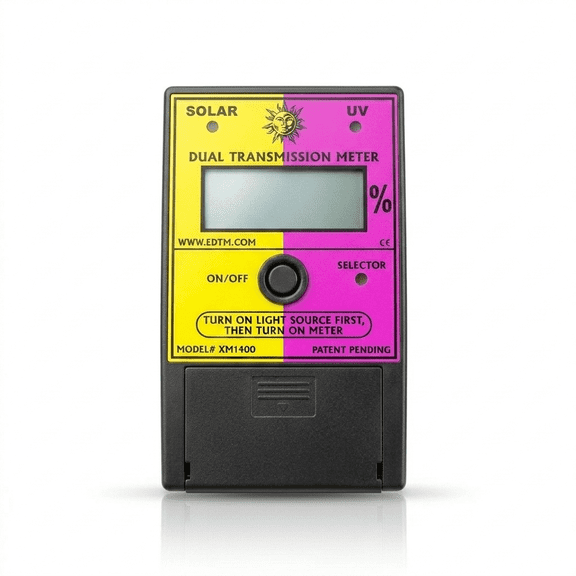
EDTM UV & Solar Meter (XM1400) Handheld Digital Radiometer, Made in USA
Other options to consider(3)
SureCall SC-METER-01 Portable 5-Band RF Signal Meter $349.00

SureCall SC-METER-01 Portable 5-Band RF Signal Meter
Analog Multimeter Tester AC DC Voltmeter Ammeter Ohm Meter for Electrical Teaching Radio Experiments Model -110A $13.49
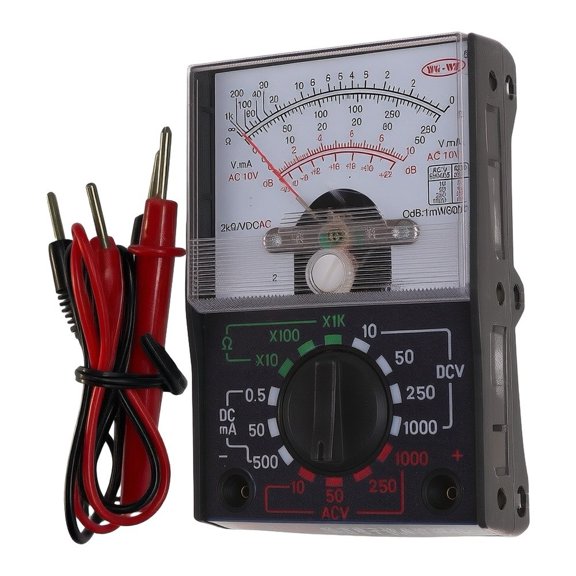
Analog Multimeter Tester AC DC Voltmeter Ammeter Ohm Meter for Electrical Teaching Radio Experiments Model -110A
Digital Pocket Multimeter Tester Black Mini Analog Volt Ohm Meter for Electrical Teaching Radio Maintenance $4.40 Was $5.41

Digital Pocket Multimeter Tester Black Mini Analog Volt Ohm Meter for Electrical Teaching Radio Maintenance
FAQ
What does a radiometer actually measure?
A radiometer measures energy from electromagnetic waves, such as light or radio frequency signals. Depending on the type, it can detect things like solar power, ultraviolet rays, or radio frequency strength. Key uses include:
- Evaluating solar panel output
- Testing UV exposure for safety or scientific projects
- Checking RF signals for electronic installations
When using a radiometer, always check the specifications so you know what kind of readings it provides—this helps match the device to your project or testing needs.
How do I know which radiometer type I need?
Choosing the right radiometer depends on the kind of signals or energy you want to monitor.
- If you're interested in sunlight or UV readings, look for a solar or UV radiometer.
- For radio frequency (RF) work, like setting up antennas or testing signals, an RF meter is a better fit.
- General testers can help with electrical projects, like checking voltage or signal strength.
Tip: Always check the measurement ranges in the product details to ensure they're compatible with your tasks.
Can I use a radiometer for home science projects?
Absolutely! Radiometers can be great tools for home experiments, classroom activities, or hobby projects. They're useful for:
- Demonstrating how solar energy varies by time of day
- Measuring the effect of different types of light sources
- Exploring basic electronics or radio signals
What should I do if my readings seem off?
If your radiometer isn't giving expected results, try these troubleshooting steps:
- Check the batteries—low power can affect performance
- Make sure the sensors and display are clean and free from debris
- Review the manual for calibration instructions or reset options
- Use the device in the recommended environmental conditions (like temperature and humidity)
If problems continue, it might help to consult the manufacturer or consider device servicing. Always handle troubleshooting with care to avoid damage.
How should I store my radiometer when not in use?
To keep your radiometer in good shape, store it in a cool, dry place away from direct sun or moisture.
- Remove the batteries if you won't use it for a while, to prevent corrosion
- Keep it in its original case or a padded pouch to protect it from bumps
- Avoid exposing the device to strong magnetic or electrical fields, which could affect its accuracy
Popular in Radiometer Devices for Auto and Tires Measurement
Related Products
Ultra-Tow 7- and 4-Way Circuit Tester
 Ultra-Tow 7- and 4-Way Circuit Tester$34.99current price $34.99
Autel PowerScan PS100 Automotive Circuit Tester with AVOmeter, 20ft Cable, Lights
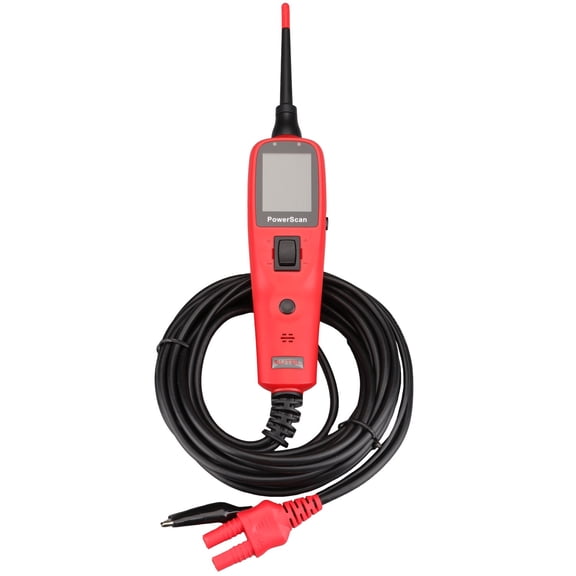 Autel PowerScan PS100 Automotive Circuit Tester with AVOmeter, 20ft Cable, Lights$73.83current price $73.83
DSO510 Handheld Digital Oscilloscope Portable Multifunction Signal Generator
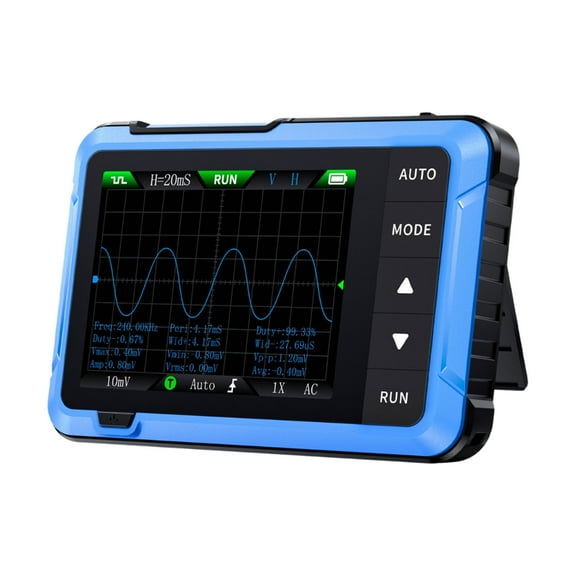 DSO510 Handheld Digital Oscilloscope Portable Multifunction Signal Generator$51.61current price $51.61
Autel PowerScan PS100 Automotive Circuit Tester, Power Circuit Probe Scan Tool, 12-24V Electrical Short Open Breaker Circuit Finder, AC/DC Current Resistance, 20ft Extension Cord, for 99% Car
 Autel PowerScan PS100 Automotive Circuit Tester, Power Circuit Probe Scan Tool, 12-24V Electrical Short Open Breaker Circuit Finder, AC/DC Current Resistance, 20ft Extension Cord, for 99% Car$89.99current price $89.99
TOPDON Phoenix Lite 3 8" OE-Level Scan Tool, Service Functions, Bi-Directional Controls
 TOPDON Phoenix Lite 3 8" OE-Level Scan Tool, Service Functions, Bi-Directional Controls$837.42current price $837.42
Tester Automotive Light Tester, 0.8-100V Car Digital LED Circuit Tester Vehicle Voltage Resistance Detector Pen Electrical System Test Tools
 Tester Automotive Light Tester, 0.8-100V Car Digital LED Circuit Tester Vehicle Voltage Resistance Detector Pen Electrical System Test Tools$6.19current price $6.19
SMART SENSOR Sound Level Meter,Sound Level Meter Tester 30-130dba St9604 Meter Noise Decibel Noise Meter Decibel Tester Meter Lcd Display Qinquan Laoshe Sound Meter
 SMART SENSOR Sound Level Meter,Sound Level Meter Tester 30-130dba St9604 Meter Noise Decibel Noise Meter Decibel Tester Meter Lcd Display Qinquan Laoshe Sound Meter$17.34current price $17.34
LiteBee Handheld Digital Oscilloscope Kits, Portable Automotive Oscilloscope 2-Channel Signal Generator 250MSa/s Sampling Rate
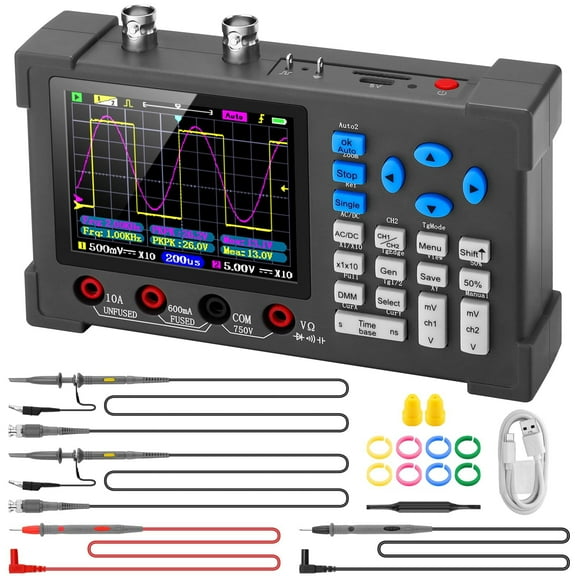 LiteBee Handheld Digital Oscilloscope Kits, Portable Automotive Oscilloscope 2-Channel Signal Generator 250MSa/s Sampling Rate$116.99current price $116.99
Upgraded TinySA Ultra Spectrum Analyzer – Handheld Frequency Analyzer with 100kHz~5.3GHz Range, 4-Inch Touchscreen, Built-in Battery, and Signal Generator Functionality
 Upgraded TinySA Ultra Spectrum Analyzer – Handheld Frequency Analyzer with 100kHz~5.3GHz Range, 4-Inch Touchscreen, Built-in Battery, and Signal Generator Functionality$148.00current price $148.00
SWR / Power METER for VHF / UHF Ham Radio 120 - 500 MHz 150 Watt - Workman Model 104
 SWR / Power METER for VHF / UHF Ham Radio 120 - 500 MHz 150 Watt - Workman Model 104$42.92current price $42.92
Treedix DSO-TC3 3 in 1 Handheld Digital Oscilloscope LCR Transistor Tester DIY Detection Kit, PWM Signal Generator, with Integrated Hidden Stand
 Treedix DSO-TC3 3 in 1 Handheld Digital Oscilloscope LCR Transistor Tester DIY Detection Kit, PWM Signal Generator, with Integrated Hidden Stand$61.99current price $61.99
Racing Electronics 440-Channel Backlit LCD Display Scanner, Multicolor, Re3000
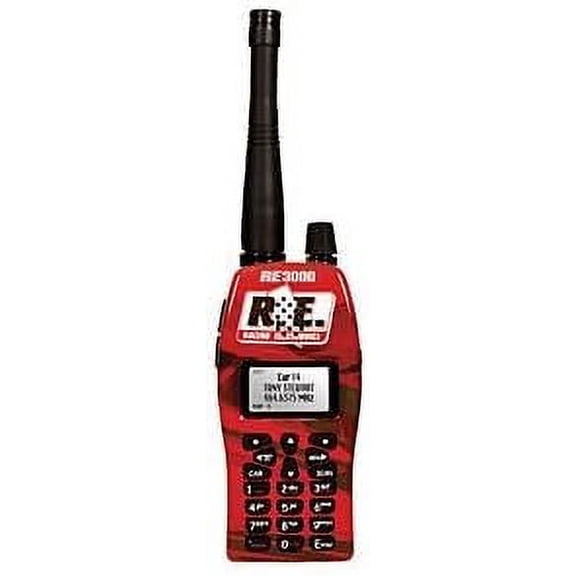 Racing Electronics 440-Channel Backlit LCD Display Scanner, Multicolor, Re3000$260.84current price $260.84
Mgaxyff Radio Counter,Frequency Meter,Accurate RK560 50MHz-2.4GHz Frequency Counter Meter Portable Handheld Radio Frequency Testing
 Mgaxyff Radio Counter,Frequency Meter,Accurate RK560 50MHz-2.4GHz Frequency Counter Meter Portable Handheld Radio Frequency Testing$20.67current price $20.67