

Propane Lighters(1)
Ultimate Utility Premium All Occasion Lighters for Candles BBQ Kitchen Fireplace Grill (Pack of 5) 14 x 11 x 1 inches $17.49
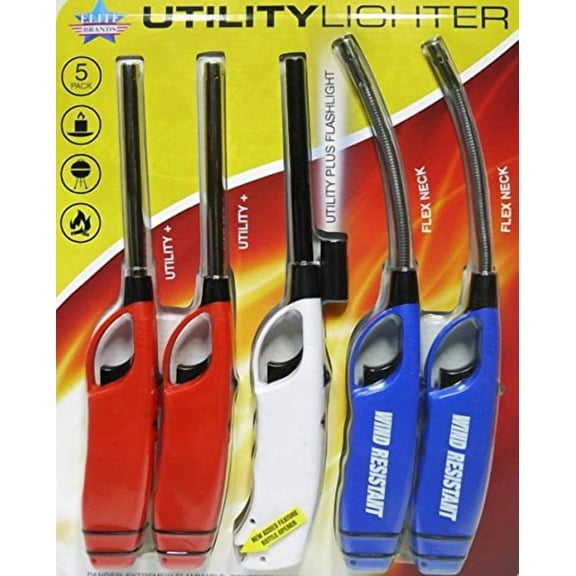
Ultimate Utility Premium All Occasion Lighters for Candles BBQ Kitchen Fireplace Grill (Pack of 5) 14 x 11 x 1 inches
FAQ
Why aren't propane lighters more common?
Propane lighters aren't as common as butane lighters because propane is typically stored under higher pressure, which requires sturdier and more specialized containers. Most everyday lighters use butane since it's easier to handle in small, portable devices. Propane lighters do exist, but they're usually designed for specific tasks like torches or grills rather than general use. If you're looking for a lighter for candles, fireplaces, or the kitchen, you'll likely find butane models more widely available and convenient for everyday needs.
What's the 80/20 rule for propane tanks?
The 80/20 rule for propane tanks means that tanks are only filled to about 80% of their total capacity. This safety guideline leaves space for the propane to expand as temperatures change, reducing the risk of overpressure or leaks. For example, a 20-pound tank will typically hold about 16 pounds of propane. This rule helps ensure safe storage and transport, especially if the tank is exposed to heat or sunlight. Always follow manufacturer instructions when handling or refilling propane tanks.
How do you safely release air from a torch?
To safely release air, or "burp," a propane torch, first make sure it's turned off and cool.
- Take the torch outdoors or to a well-ventilated area.
- Slowly open the valve to let any trapped air escape, then close it once you hear propane start to flow.
Does a blue or yellow flame burn hotter?
Generally, a blue flame burns hotter than a yellow flame. A blue flame indicates complete combustion, meaning the propane is burning efficiently and producing more heat. A yellow flame can signal incomplete combustion, which may result in less heat and more soot. For tasks like lighting grills or fireplaces, a blue flame is usually preferred for better performance. If you notice a consistently yellow flame, it may be worth checking your lighter or torch for proper function and safety.
Can I use these lighters for outdoor grills?
Yes, utility lighters are often designed for versatile use, including lighting outdoor grills. Their long necks help you reach burners safely, keeping your hands away from the flame.
- Make sure the lighter is rated for outdoor use and follow all safety instructions.
- Only use it in dry conditions and avoid windy environments, as wind can affect the flame.
Popular in Shop Reliable Propane Lighters and Torches
Related Products
Szbaoan Refillable Windproof Butane Torch Lighter with Adjustable Blue Flame Metal Construction for Cigarettes Candles Outdoor Cooking BBQ Camping Fire Starting USB Rechargeable Portable Design
 Szbaoan Refillable Windproof Butane Torch Lighter with Adjustable Blue Flame Metal Construction for Cigarettes Candles Outdoor Cooking BBQ Camping Fire Starting USB Rechargeable Portable Design$7.59current price $7.59
Limei 1 Pack Torch Lighter, Jet Flame, Butane Gas, Mini Refillable Windproof Lighters, for Candle, Fireplace, Grill
 Limei 1 Pack Torch Lighter, Jet Flame, Butane Gas, Mini Refillable Windproof Lighters, for Candle, Fireplace, Grill$6.80current price $6.80
TOPRenddon Torch Lighter Butane Lighter Refillable Jet Flame Torch Lighters Windproof Gas Long Torch Lighter Adjustable Butane Pen Lighter for Candles Grill BBQ Stove Camping(Gas Not Included)
 TOPRenddon Torch Lighter Butane Lighter Refillable Jet Flame Torch Lighters Windproof Gas Long Torch Lighter Adjustable Butane Pen Lighter for Candles Grill BBQ Stove Camping(Gas Not Included)$9.06current price $9.06
WeldingCity Single-mounted Flint Spark Lighter for Flame Torch Ignition
 WeldingCity Single-mounted Flint Spark Lighter for Flame Torch Ignition$9.99current price $9.99
ShaoXinWan Windproof Straight Torch Lighter with Blue Flame & Butane Fuel - Turbine Torch Windproof Lighter for BBQ, Baking, and Outdoor Use, Refillable & Reliable(Purple)
 ShaoXinWan Windproof Straight Torch Lighter with Blue Flame & Butane Fuel - Turbine Torch Windproof Lighter for BBQ, Baking, and Outdoor Use, Refillable & Reliable(Purple)$3.99current price $3.99
Single Flint Torch Striker / Spark Lighter + Replacement Flints (5 pkg)
 Single Flint Torch Striker / Spark Lighter + Replacement Flints (5 pkg)$14.99current price $14.99
Jetline Fatboy Triple Torch Lighter - Black
 Jetline Fatboy Triple Torch Lighter - Black$20.21current price $20.21
Swiss Luxury Retro Crisp Sound Brass Kerosene Lighter, Soft-Flame, Refillable, Side-Slide, Flip-Top, Inlay, Electroplated Chrome Color, Classic, Collectible, Men's Gift, Thorens Stellar Mesh
 Swiss Luxury Retro Crisp Sound Brass Kerosene Lighter, Soft-Flame, Refillable, Side-Slide, Flip-Top, Inlay, Electroplated Chrome Color, Classic, Collectible, Men's Gift, Thorens Stellar Mesh$99.00current price $99.00
Navpeak Windproof Butane Torch Lighter - Refillable Jet Flame Lighter Bullet Shaped for Cigars, Candles, Outdoor, Desserts, and Baking, BBQ & Emergency Survival Gear (Butane Not Included) (Gold)
 Navpeak Windproof Butane Torch Lighter - Refillable Jet Flame Lighter Bullet Shaped for Cigars, Candles, Outdoor, Desserts, and Baking, BBQ & Emergency Survival Gear (Butane Not Included) (Gold)$14.99current price $14.99
LACKUST Torch Lighter with Butane Included,Double Fire Metal Lighter - Unique Shape,Open Flame Conversion,Pink
 LACKUST Torch Lighter with Butane Included,Double Fire Metal Lighter - Unique Shape,Open Flame Conversion,Pink$6.42current price $6.42