

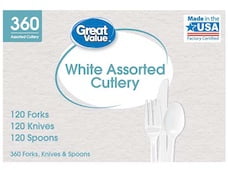
Plastic Spoons in Disposable Tableware
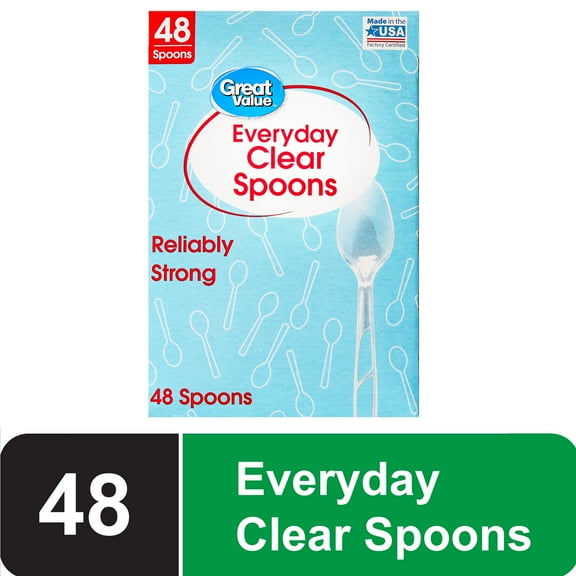

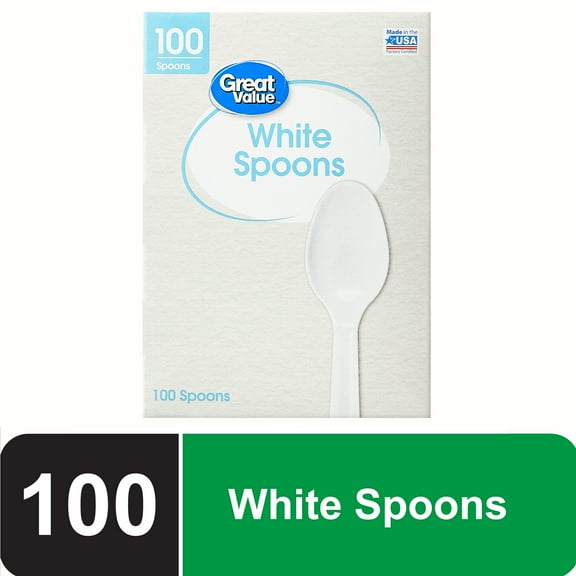
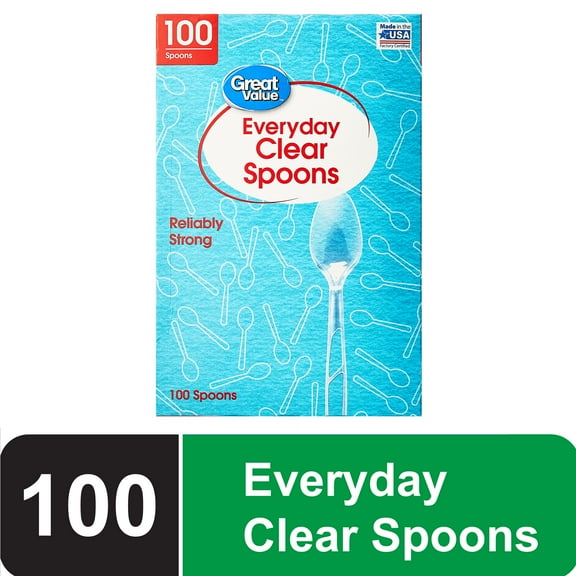




















About Plastic Spoons in Disposable Tableware - Walmart.com
Spoons help you handle daily meals, baking tasks, and party serving with one essential category. You can compare materials, sizes, and care needs to match your table, kitchen routine, and hosting plans.
When you shop spoons, you’ll see choices built for dining, stirring, scooping, and measuring. Your decision gets simpler when you understand material, type, pack size, and cleanup needs.
How to choose spoons by material
Stainless steel spoons suit daily dining when you want a polished look and a solid feel in your hand. You can use them for cereal, coffee, side dishes, and place settings.
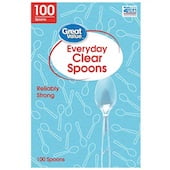
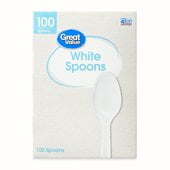
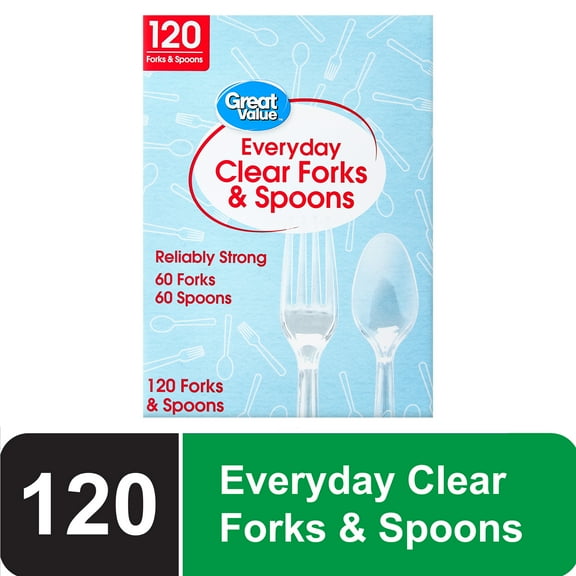
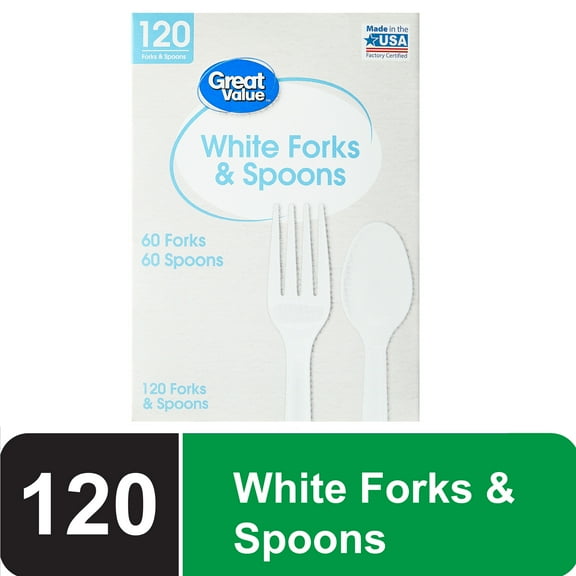
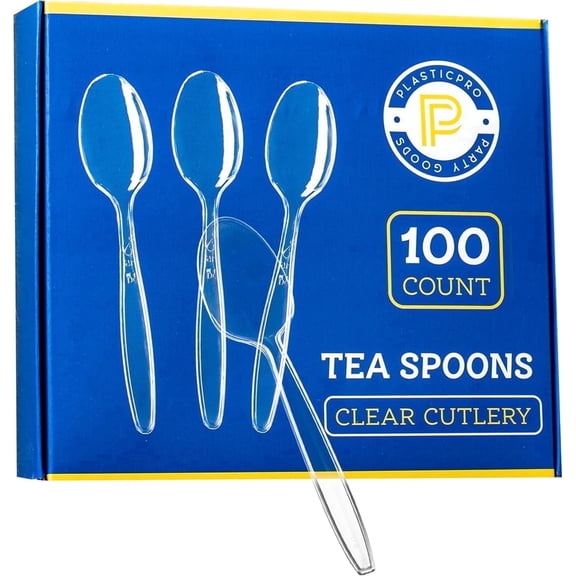
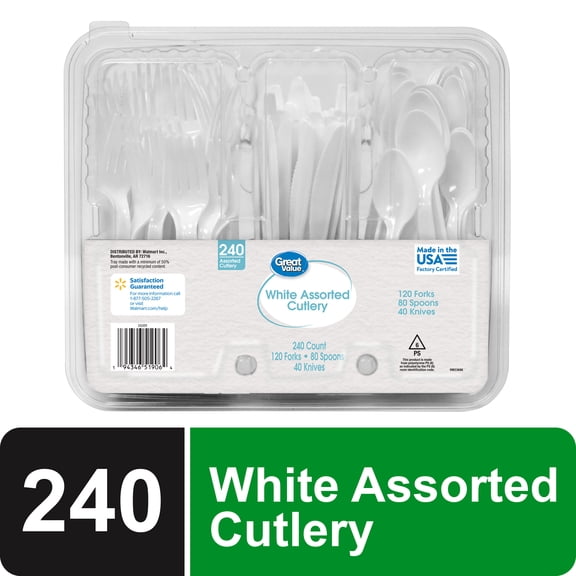
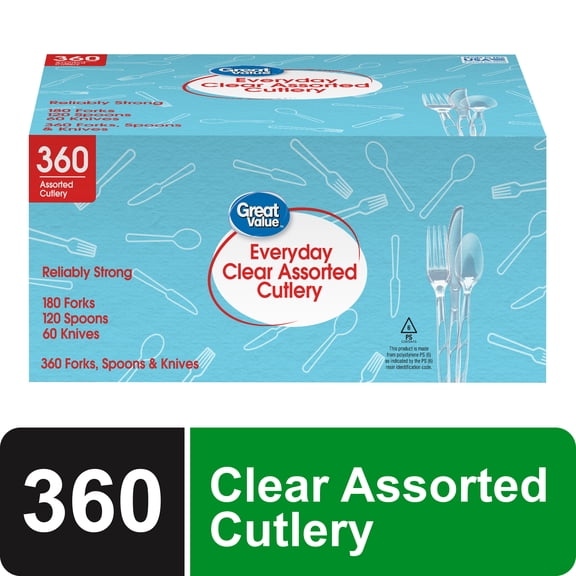
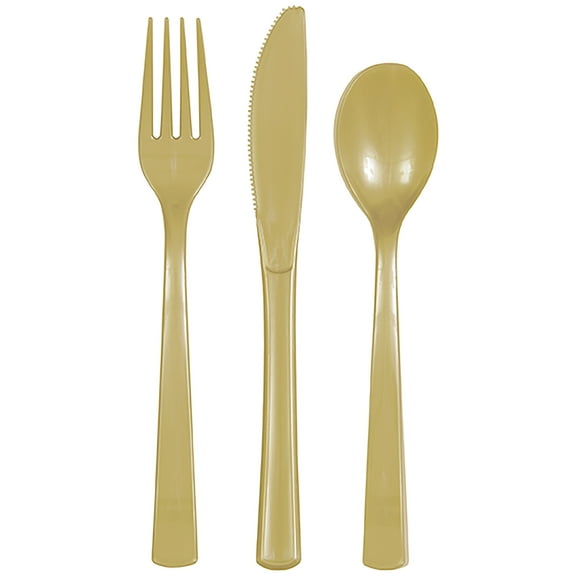
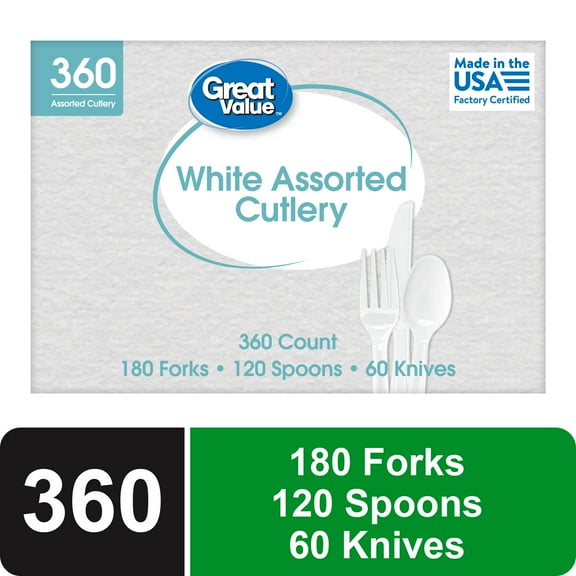
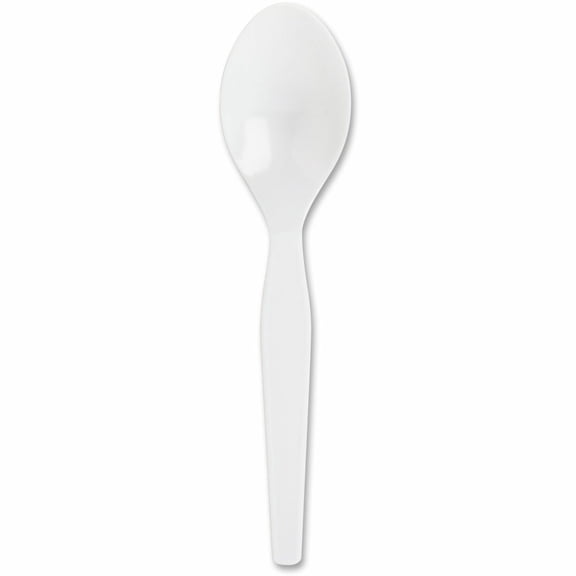
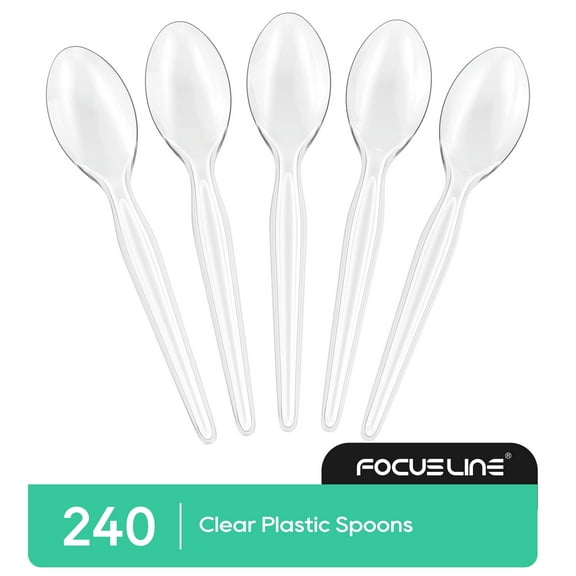
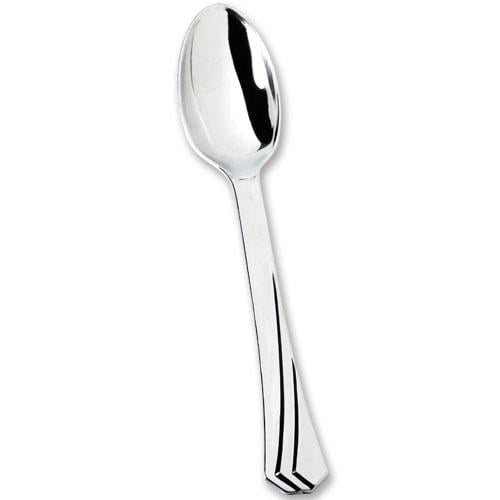
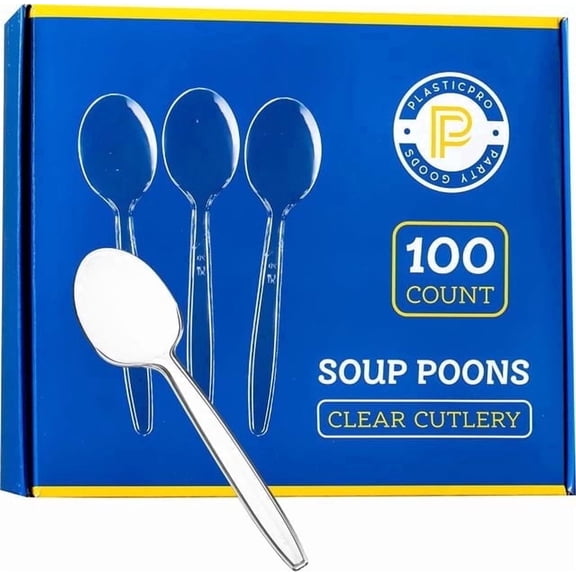
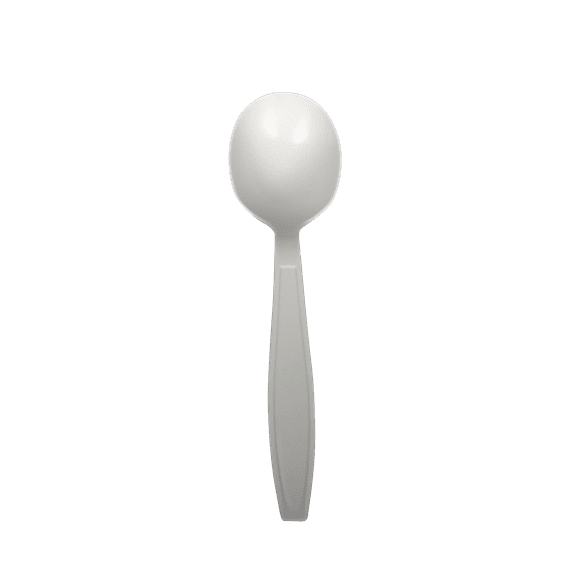
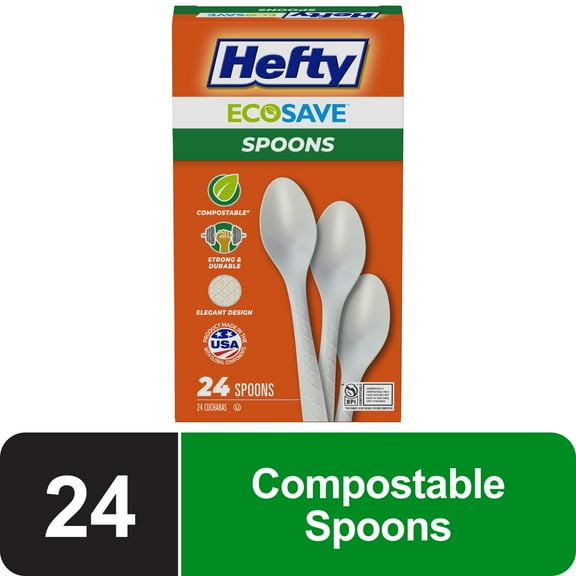
Plastic spoons work well when you need quick setup for parties, breakrooms, or packed lunches. Your choice can be disposable or reusable based on how often you serve guests.
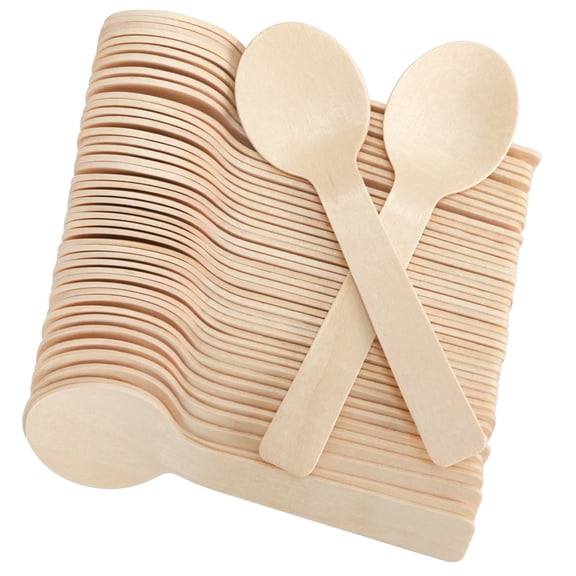
Wood and silicone styles fit specialized kitchen tasks instead of serving as everyday flatware sets. You can use wood for mixing and serving, while silicone helps you scoop from coated cookware.
- You can pick stainless steel spoons for everyday meals and a coordinated table.
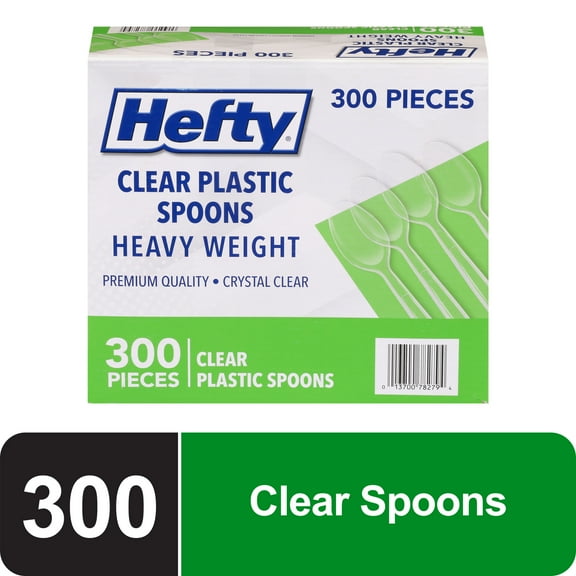
- You can choose plastic spoons for events, takeout stations, and large gatherings.
- You can use wood or silicone spoons for cooking, serving, and nonstick-friendly tasks.
- You can compare finish, weight, and handle shape for comfort during repeated use.
Choosing between stainless steel spoons and plastic spoons
When you compare stainless steel spoons with plastic spoons, you should start with durability and presentation. You’ll usually notice metal options feel heavier, while plastic options support quick setup and cleanup.
Weight and balance matter when you hold a spoon through a full meal or dessert course. You can look for handles that feel steady, bowls that fit your bite size, and edges that feel smooth.
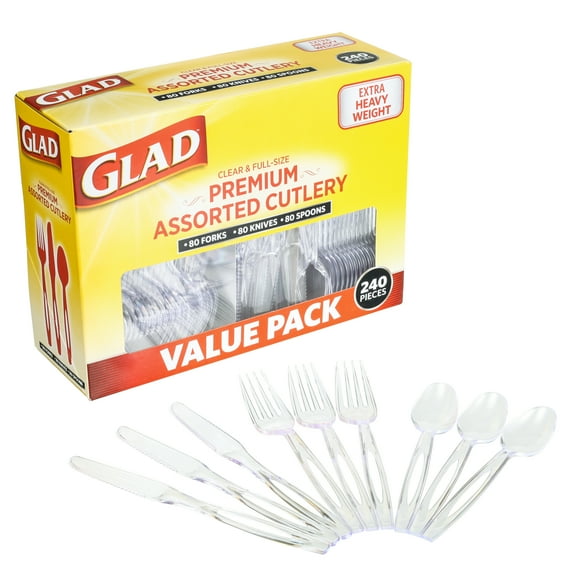
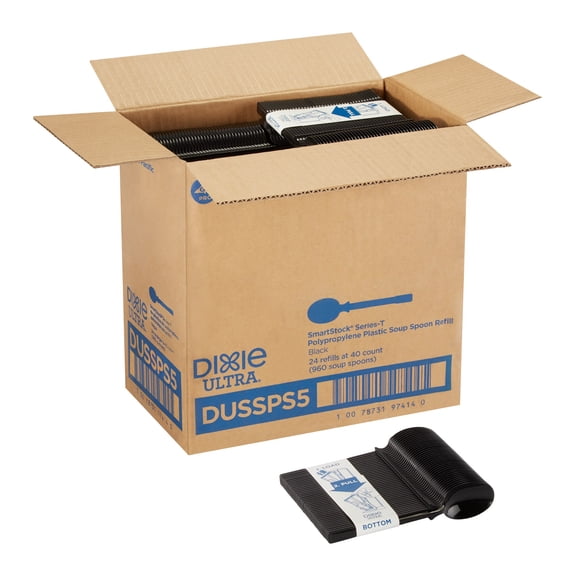
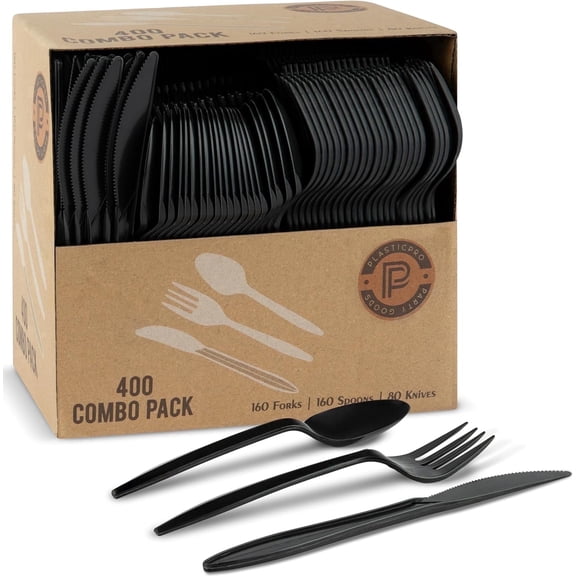
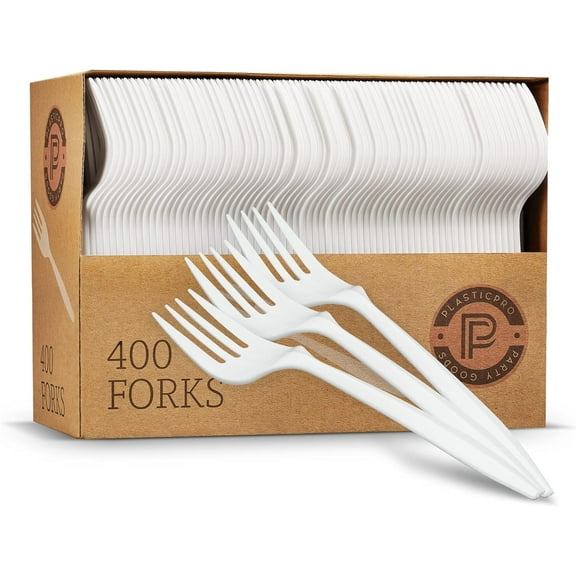
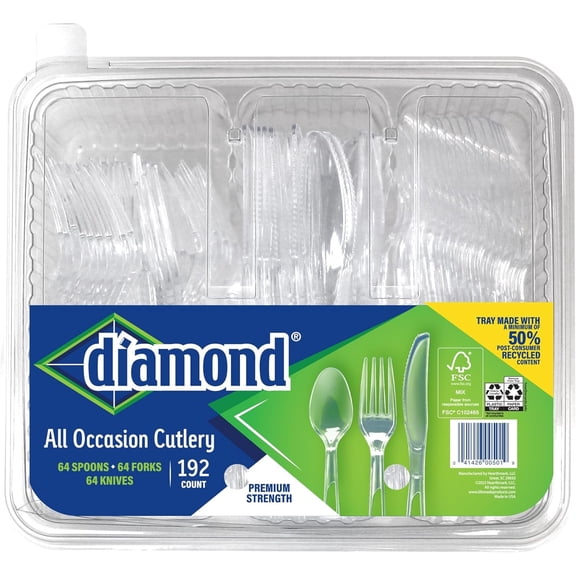
For casual entertaining, bulk plastic spoons can help you cover larger guest counts with less sorting afterward. You can also pick reusable plastic styles when you want lighter utensils for repeat use.
What to look for in soup spoons and measuring spoons
Type matters because each spoon shape supports a different task at your table or counter. You can compare dinner spoons, soup spoons, dessert spoons, teaspoons, and tablespoons before you choose a set.
Soup spoons usually have a rounder, deeper bowl that helps you scoop broth and chunky soups. You can use them for stews, ramen, chowder, and other bowl-based meals.
Dessert spoons often feel smaller and more delicate for pudding, fruit, or ice cream. You can keep teaspoons nearby for coffee service, yogurt cups, and everyday stirring.
Measuring spoons help you portion ingredients with consistency during cooking and baking. You can check whether a set includes common sizes like 1 tablespoon, 1 teaspoon, 1/2 teaspoon, and 1/4 teaspoon.
Those size labels matter because tablespoons and teaspoons aren’t interchangeable in recipes. You can avoid guesswork when your measuring spoons have clear markings and nested storage.
How pack size affects your spoons selection
Pack size changes how your spoons fit daily use, occasional hosting, or workplace needs. You can choose a single replacement, a set of four, a set of 12, or a bulk pack.
A single spoon works when you need one matching replacement for an existing set. You can choose a smaller set when your household needs extras for lunchboxes, desserts, or coffee service.
Larger sets make sense when you rotate through frequent family meals and dishwasher loads. You can also keep bulk packs ready for birthdays, office kitchens, school events, and holiday serving spoons.
Checking care needs, finish, and everyday convenience for spoons
Care instructions can shape your final choice as much as size or material. You can compare dishwasher safe, hand wash only, disposable, and reusable options before you commit.
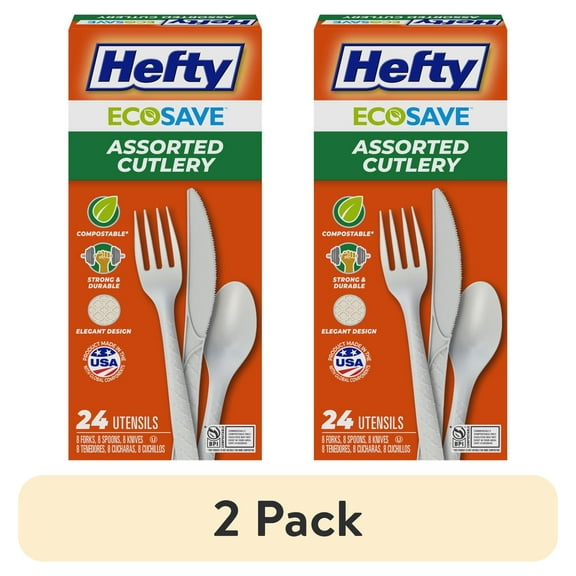
If cleanup speed matters, you may prefer dishwasher safe flatware for regular family meals. You can also choose disposable plastic spoons when you want simple post-party cleanup.
Finish and construction also affect how spoons feel over time. You can look for smooth edges, comfortable handles, and shapes that fit easily in drawers, caddies, or place settings.
For serving pieces, you may want larger bowls and longer handles for casseroles, sides, or holiday dishes. You can keep separate serving spoons from dinner spoons to make table setup easier.
Using spoons for meals, prep, and entertaining
You’ll likely use different spoons across breakfast, lunch, dinner, and baking projects. You can reach for teaspoons with hot drinks, dinner spoons with everyday meals, and soup spoons with brothy dishes.
In the kitchen, measuring spoons support spice blends, baking mixes, and weeknight recipes. You can keep a set near your prep area when you want quicker ingredient portioning.
For entertaining, you may want dessert spoons for cake, mousse, or ice cream bars. You can also set out plastic spoons at buffets, picnics, and classroom celebrations.
During holiday meals, serving pieces help you portion sides, sauces, and shared dishes neatly. You can pair your spoon choice with matching forks, knives, flatware sets, or dinnerware for a coordinated table.
When you compare spoons by material, size, pack count, and care, you can choose with confidence. You’ll end up with utensils that fit your meals, your kitchen tasks, and your cleanup routine.