



Table Tennis Paddles in Table Tennis



















About Table Tennis Paddles in Table Tennis - Walmart.com
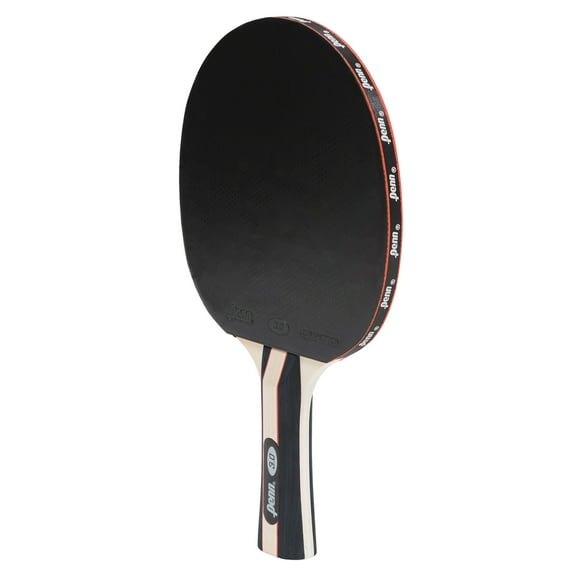
Your ping pong paddle choice shapes how your shots feel, spin, and land. You can compare grip style, blade build, and set options here for practice, family play, or match-ready control.
If you're replacing an old table tennis racket or building a full game setup, you need clear decision points. You can use this guide to compare ratings, materials, and bundle formats without guesswork.
How to choose a ping pong paddle
You should start with performance ratings because speed, spin, and control affect every rally. You can use those ratings to match your paddle to your playing style and experience level.
If you like fast counters and harder drives, you may prefer higher speed ratings. If you want steadier placement and easier returns, you may prefer stronger control ratings.
Spin ratings matter when you brush the ball for serves, loops, and angled returns. You can usually create more rotation with tackier rubber and the right sponge thickness.
- You can choose control-focused paddles for casual games, school rec rooms, and learning basic strokes.
- You can choose balanced ratings if you want one paddle for family play and steady skill building.
- You can choose faster, spin-ready faces if you practice serves, topspin loops, and aggressive exchanges.
- You can check whether ITTF approval matters if you plan to use your paddle in organized competition.
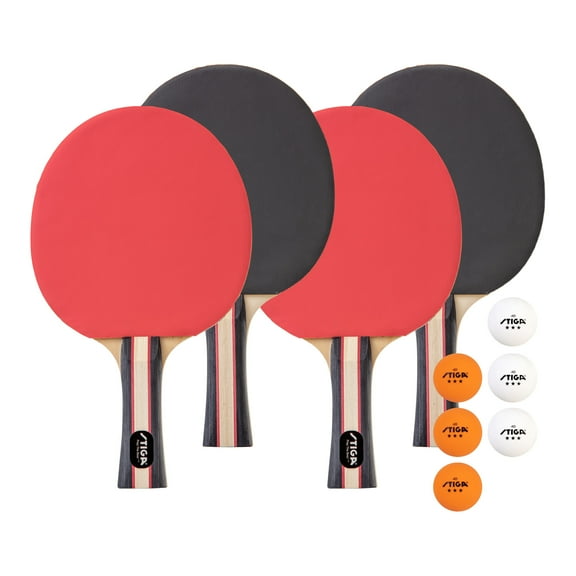
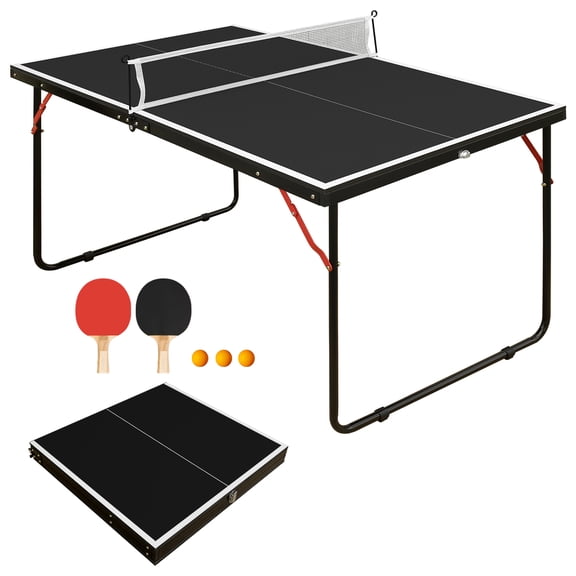
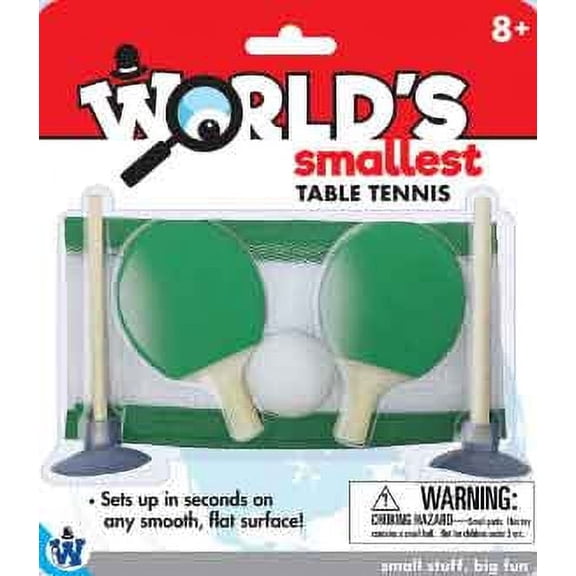
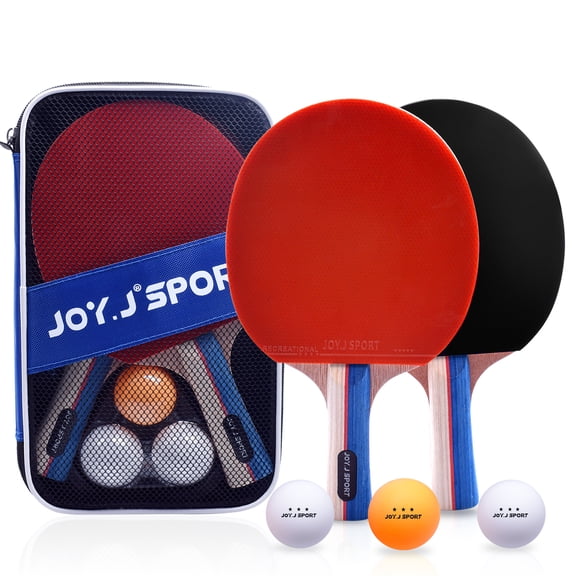
You may also compare a ping pong paddle set if you want paddles and balls together. You can keep extras ready for guests, office games, or quick basement matches.
Choosing grip style in table tennis paddles
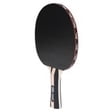
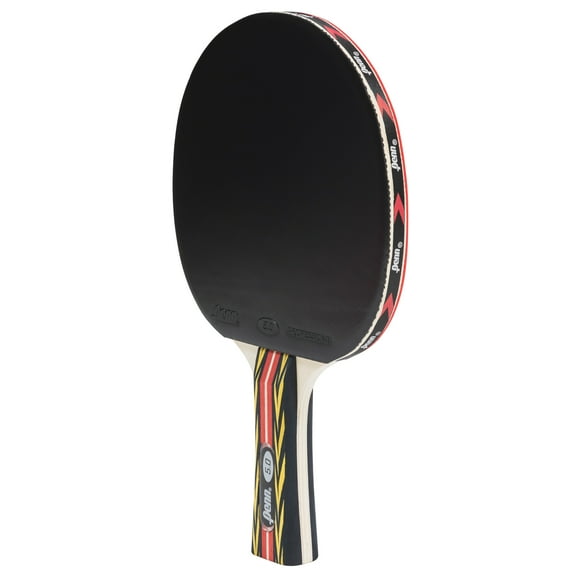
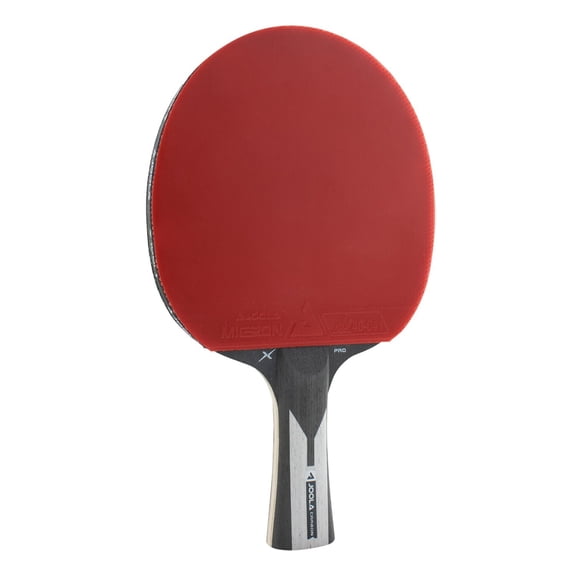
You should compare shakehand and penhold grips before you focus on materials. Your hand position changes your comfort, backhand reach, and wrist movement during play.
If you use a shakehand grip, you'll hold the handle like a standard handshake. You may like that style if you want familiar handling and balanced forehand and backhand strokes.
If you use a penhold grip, you'll wrap your fingers around the handle differently. You may prefer that shape if you want quick wrist action and close-to-the-table control.
You should also consider handle comfort during longer sessions. Your grip can feel more secure when the shape matches your hand size and usual stroke pattern.
What to look for in blade material and build
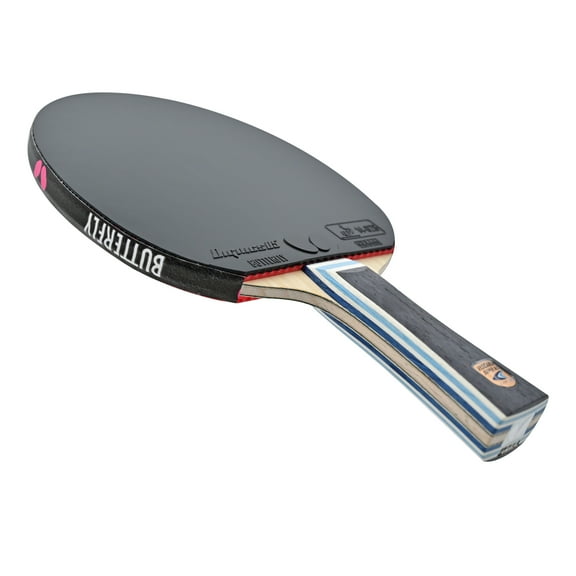
You can learn a lot from blade construction because the core affects feel, rebound, and stability. Your choice often comes down to five-ply wood, seven-ply wood, or carbon fiber layers.
If you choose five-ply wood, you'll usually get a lighter, more controlled feel. You may like that option if you're learning placement, touch shots, and steady rally rhythm.
If you choose seven-ply wood, you'll often notice a firmer response and added pace. You can use that extra stiffness when you want stronger drives and quicker put-away shots.
If you choose carbon fiber, you'll often get a larger sweet spot and faster rebound. You may prefer that build if you're an intermediate or advanced player refining quicker attacking play.
You should also check sponge thickness because it changes how the rubber responds on contact. Thicker sponge can support stronger spin and speed, while thinner sponge can feel easier to control.
Matching set configuration to how you play
You can narrow your choice faster when you compare single paddles with multi-player sets. Your setup should match whether you practice solo, play doubles, or host casual games.
If you need one main table tennis racket, you can focus on grip, blade, and rubber details. You may choose a single paddle when you're upgrading your personal game or replacing a worn favorite.
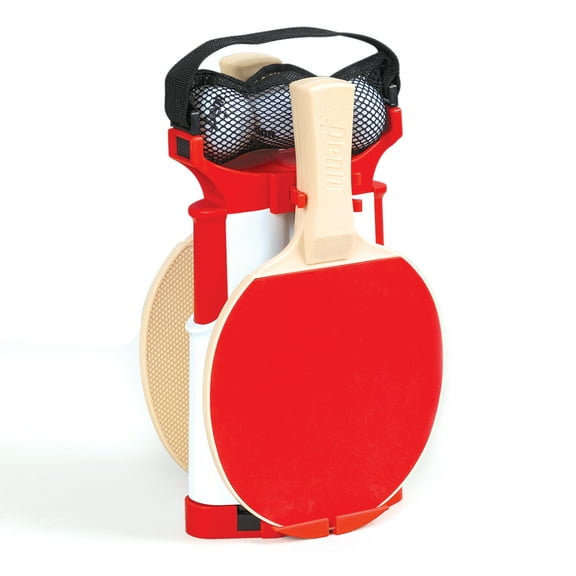
If you want a two-player set, you'll usually get a ready-to-play pair for quick matches. You can use that format in apartments, break rooms, or small family game spaces.
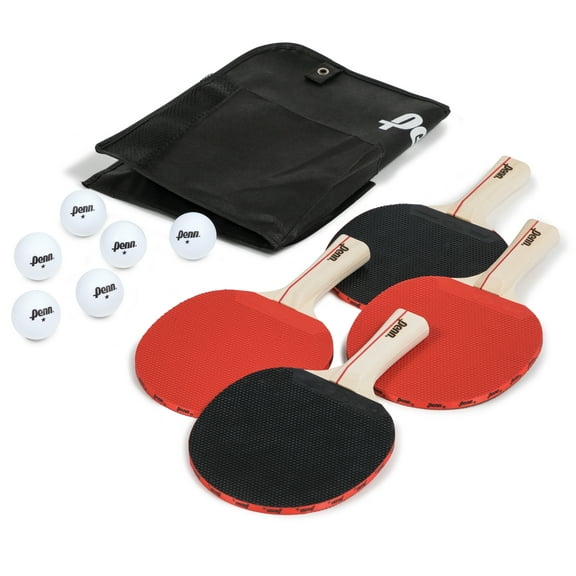
If you want a four-player set, you can keep more people involved without hunting for extra gear. You may also like ping pong paddles and balls packed together for parties or shared rec rooms.
You should think about storage and convenience too. Your set may be easier to manage when it includes a case or keeps paddles and balls in one place.
Use cases and related game setup choices
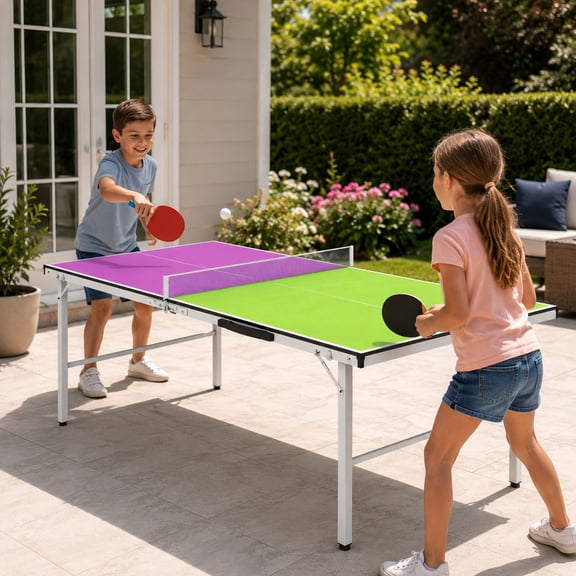
You can choose control-oriented paddles for youth lessons, first apartments, and weekend rec play. Your rallies often feel more forgiving when the face helps you block and place shots cleanly.
If you play several times a week, you may want a balanced paddle with steady speed and spin. You can build consistency for serves, returns, and all-around practice without an overly fast response.
If you compete or train seriously, you may compare carbon layers, sponge thickness, and ITTF approval. Your equipment choices matter more when you want match-ready feel and sharper ball feedback.
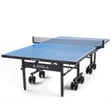
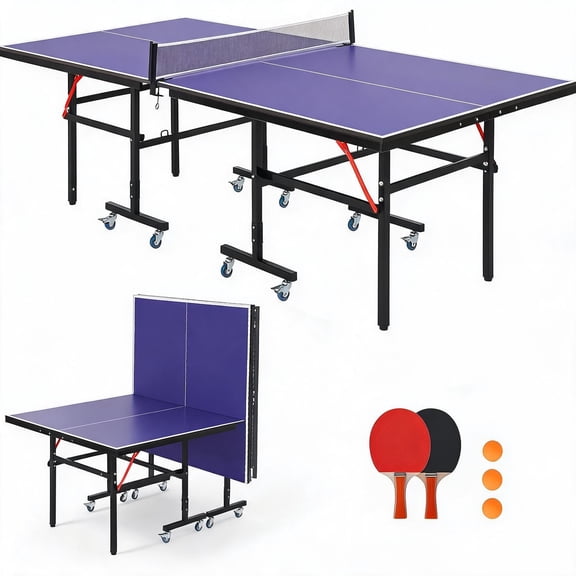
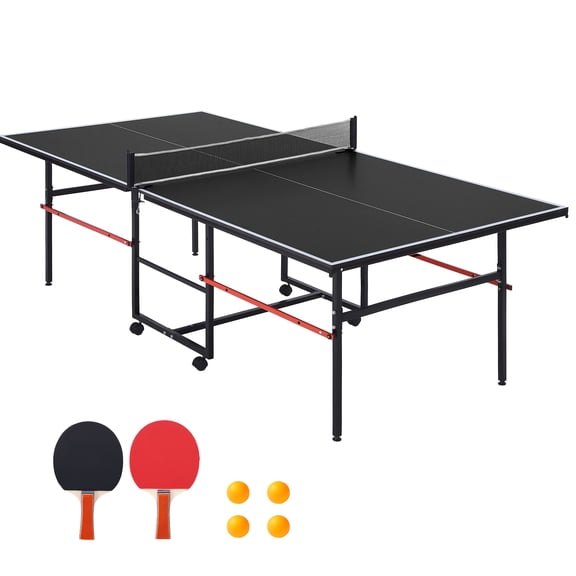
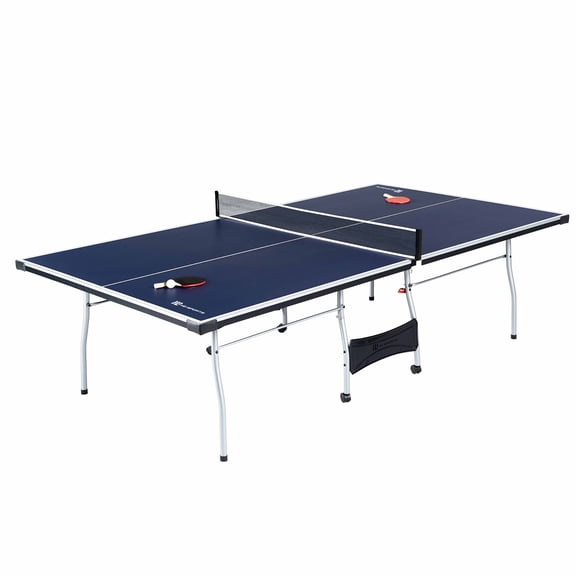
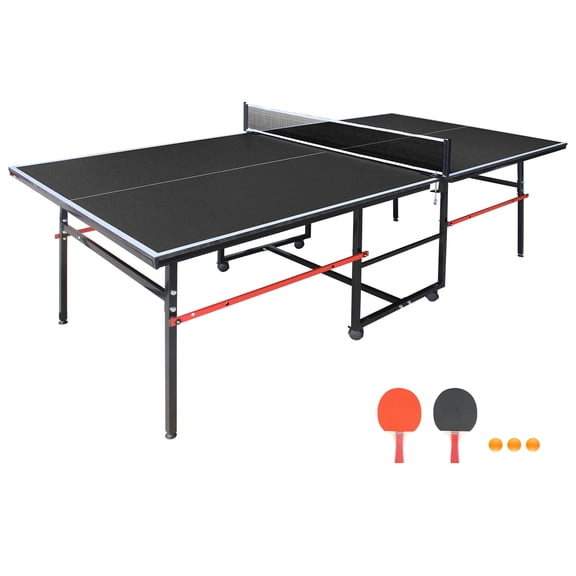
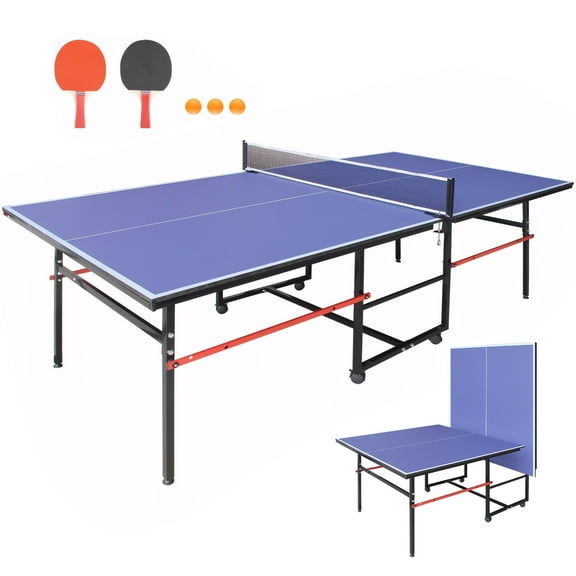
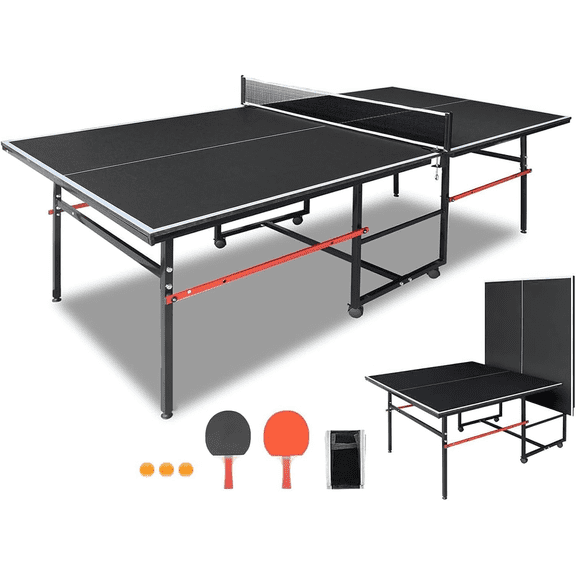
You can also complete your setup with table tennis tables, ping pong balls, and table tennis nets. Your game nights run smoother when your paddle matches the table space and ball supply you use.
When you compare ratings, grips, sets, and blade builds, you can find a ping pong paddle that fits your game. Your choice can lead to cleaner contact, steadier rallies, and more satisfying play from the first serve.