


Find auto parts that fit
Let’s search for parts that fit your vehicle.Motorcycle Pistons in Motorcycle Engine Parts
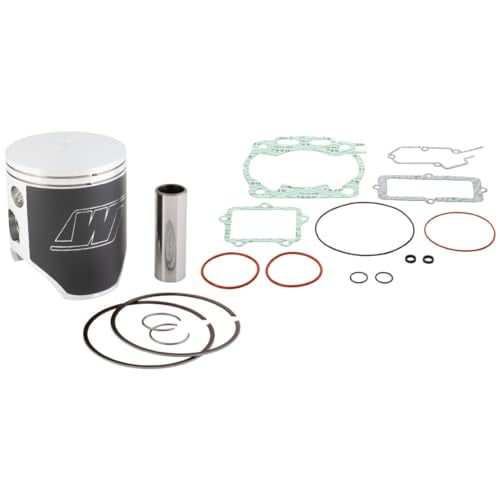

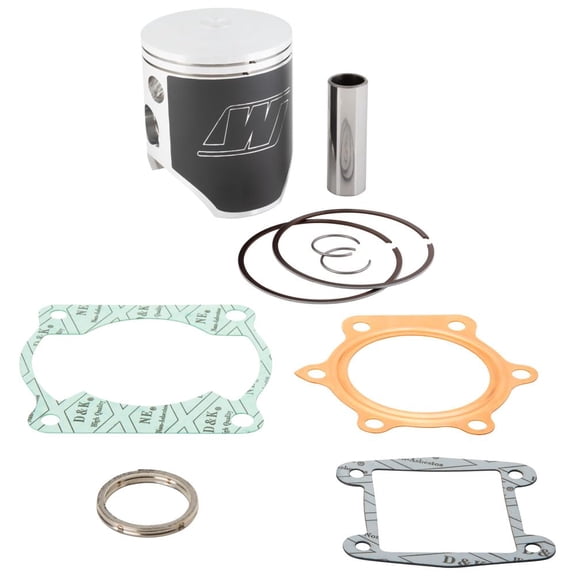


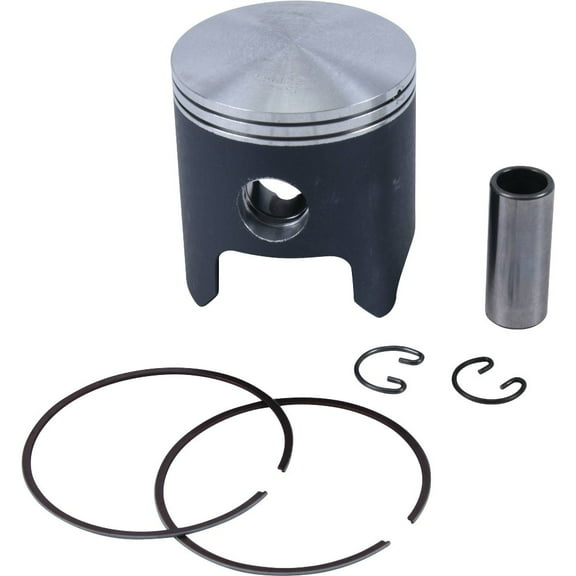
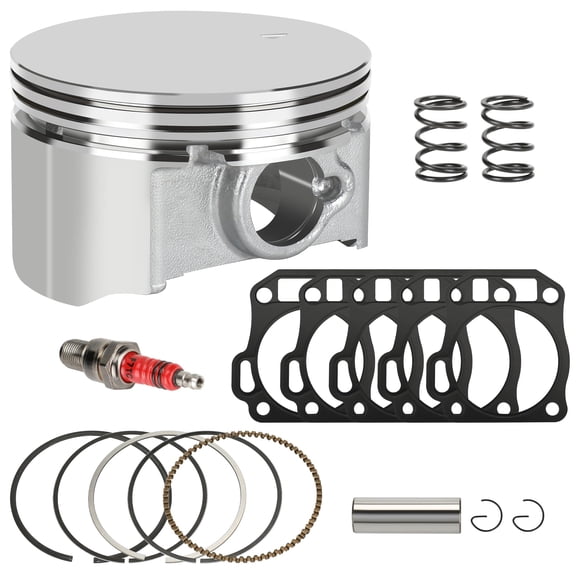



















About Motorcycle Pistons in Motorcycle Engine Parts - Walmart.com
Motorcycle pistons help you restore engine fitment, match your rebuild plan, and compare sizing details that matter. You can review bore size, material, and engine type directly when you need a precise replacement path.
If you're rebuilding a trail bike, refreshing a street machine, or planning an overbore setup, you need clear fitment guidance. You should check bore size, wrist pin diameter, and compression height before you choose any replacement.
How to choose motorcycle pistons
You should start with engine fitment, because small measurement differences can change how your rebuild comes together. You can confirm OEM part numbers, compare piston diameter, and check pin size against your service information.
When you compare standard bore and overbore options, you should match the piston to your cylinder condition and machining plan. You may need an overbore size after cylinder work, while a standard size fits an unchanged cylinder.
You should also look at compression height, because that measurement affects how the piston sits in the cylinder. You can use that spec to narrow choices for your exact engine platform.
- You can choose standard bore sizes for direct replacement projects.
- You can compare overbore options for rebuilt or machined cylinders.
- You can verify wrist pin diameter for proper connecting rod fit.
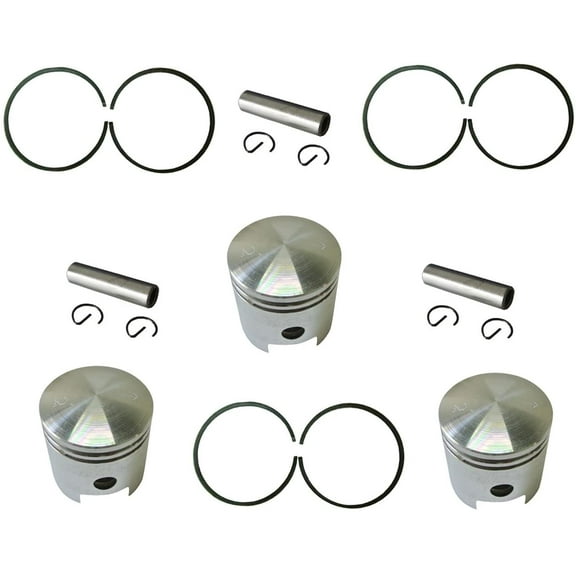
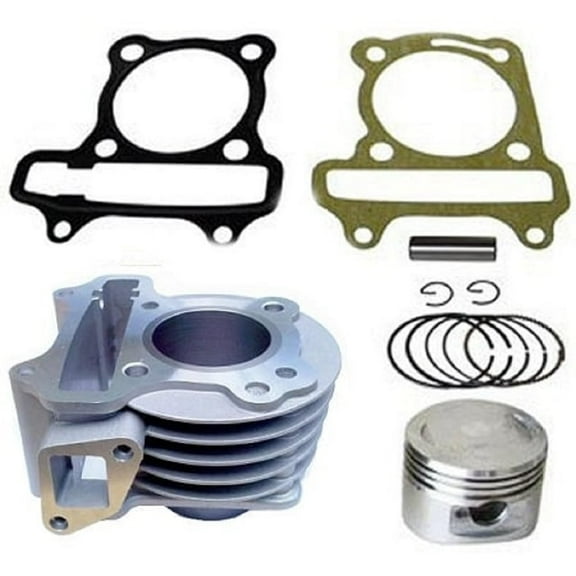
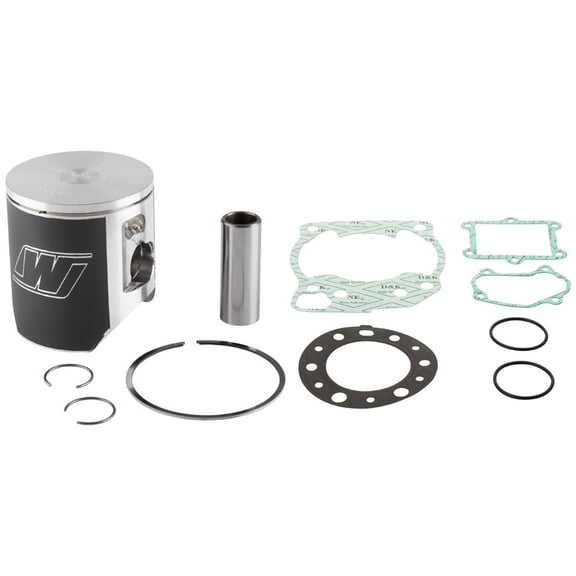
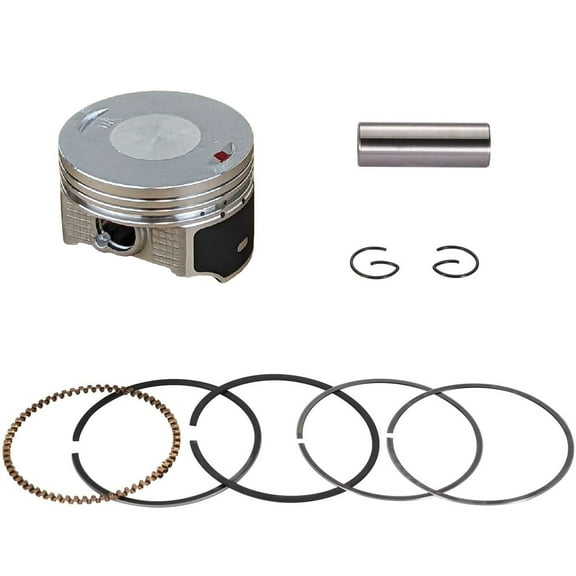
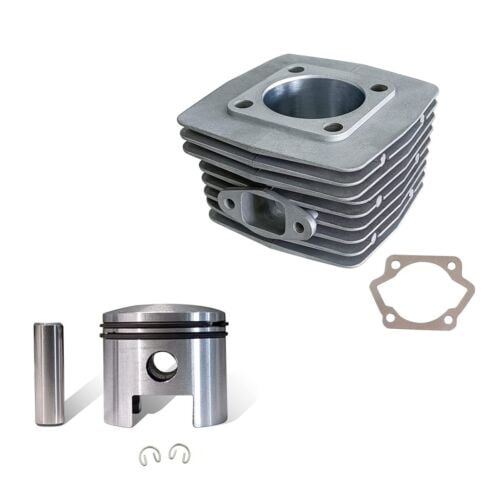
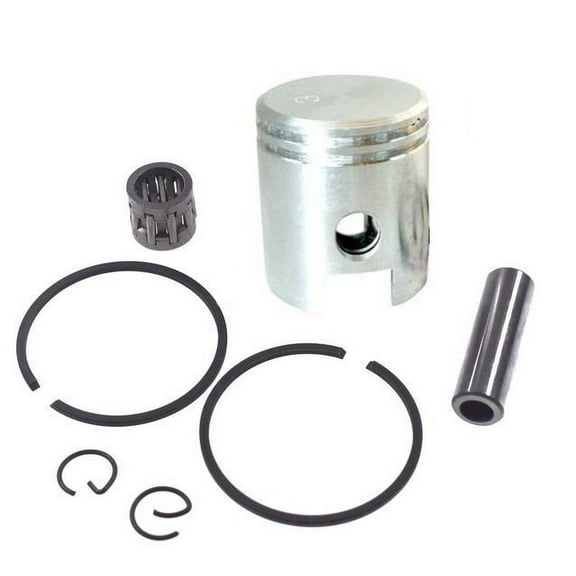
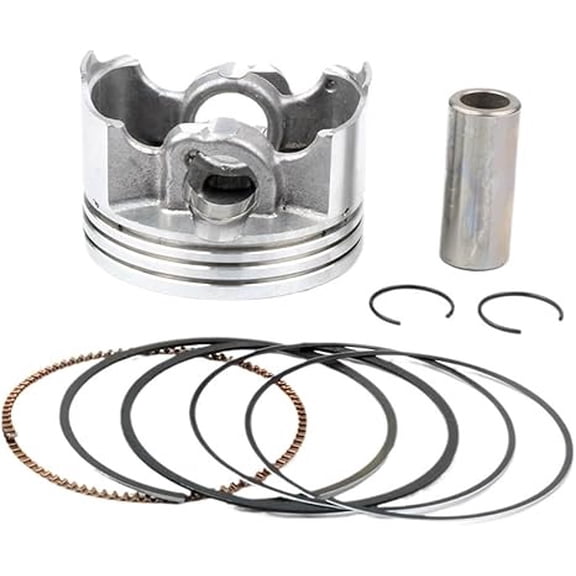
- You can check kit contents when your rebuild needs rings, pins, and clips.
Choosing between forged pistons and cast aluminum
You should compare material next, because it affects how the piston handles heat, rpm, and riding style. You may prefer forged pistons when your build focuses on demanding performance use.
Cast aluminum options can suit many stock-style replacements, especially when you want original-style construction for everyday riding. You should still confirm fitment first, because material choice never replaces exact sizing.
When you review forged and cast designs, you should think about your engine setup and how you ride. You can use forged construction for aggressive applications, while cast designs often fit straightforward refresh projects.
Choosing 2 stroke pistons or 4 stroke designs
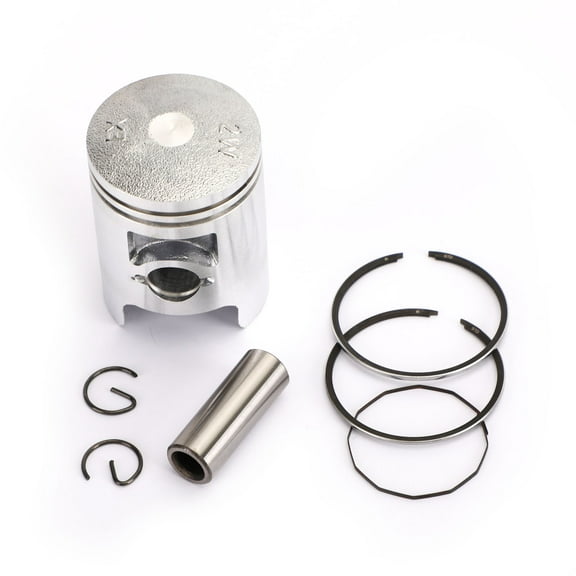
You need to match the piston to your engine type, because 2 stroke pistons and 4 stroke pistons use different designs. You should compare ring configuration and port window details before you finalize your choice.
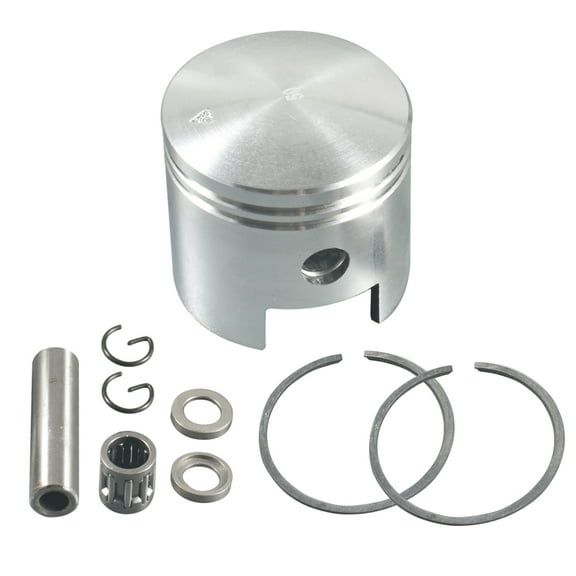
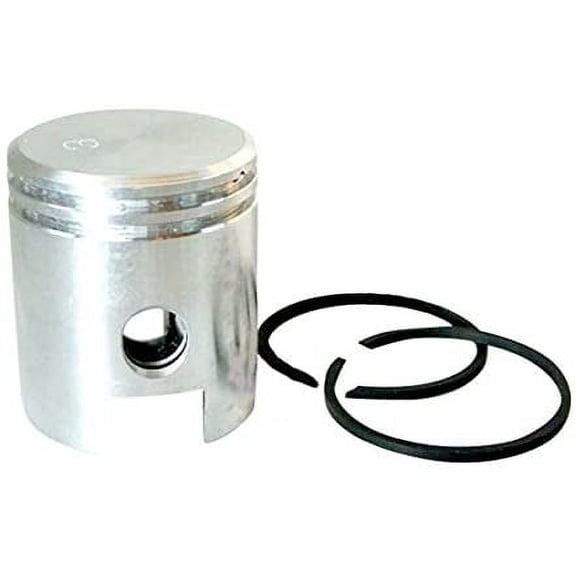
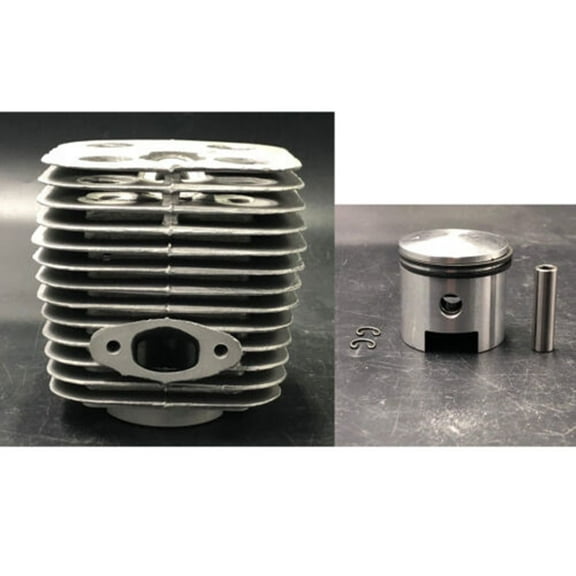
If you ride a two-stroke machine, you may look for port windows and specific skirt shapes. You should confirm those design cues against your cylinder and model information.
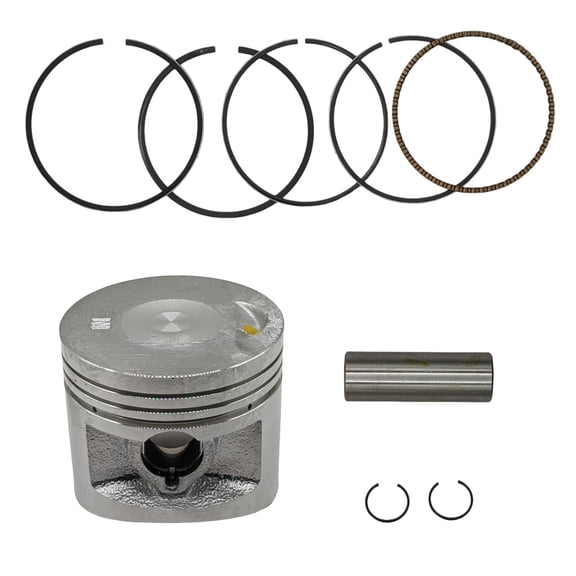
If your engine is four-stroke, you should check crown shape, valve reliefs, and ring layout. You can avoid mismatch issues when your dimensions and engine cycle match from the start.
How motorcycle piston kits support rebuild planning
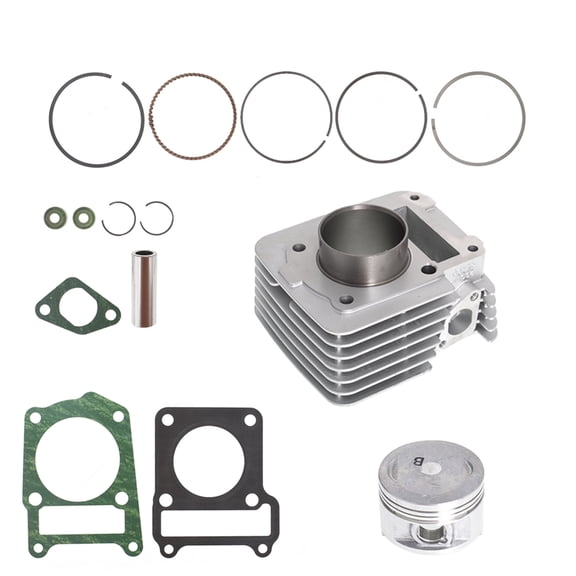
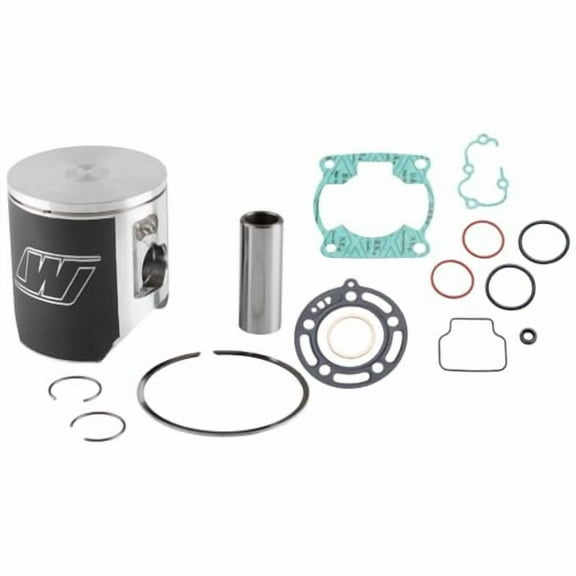
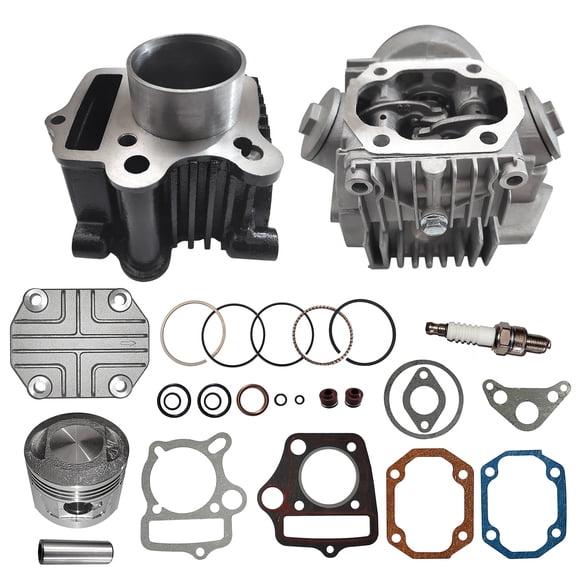
Motorcycle piston kits can help you gather key rebuild parts in one selection. You should check whether your kit includes rings, a wrist pin, and circlips before you move forward.
That kit completeness matters when you want a smooth assembly process. You can compare included components directly, especially when your project needs a full top-end refresh.
If you're replacing worn internal parts, you may prefer a complete set instead of sourcing each piece separately. You should still verify every included part against your engine measurements and model details.
Choosing dirt bike pistons, street motorcycle options, and ATV fitment
Dirt bike pistons often fit riders who need parts for high-rpm off-road engines and frequent rebuild schedules. You should check displacement, stroke cycle, and bore size closely on off-road applications.
If you ride a street motorcycle, you may focus on smooth operation and exact OEM-style fitment. You can compare standard replacement sizes and material choices based on your engine plan.
ATV builds also require careful piston matching, because engine layouts and displacement targets vary by machine. You should measure carefully and review platform-specific specs before selecting parts.
What specs to compare before you decide on motorcycle pistons
You should treat technical measurements as decision tools, not just catalog details. You can use bore size, wrist pin diameter, and compression height to narrow options with confidence.
Ring design also matters, because groove count and ring configuration must match your engine type. You should review those details closely when you're comparing replacement parts or motorcycle piston kits.
If you're planning a rebuild with cylinder work, you should compare overbore increments and confirm machining targets first. You can reduce guesswork when your piston size matches your measured cylinder dimensions.
With motorcycle pistons, you get a category built around exact fitment choices, engine-specific designs, and rebuild-ready options. You can choose with confidence when your piston matches your bore, pin, and engine type from the beginning.