




Mobility Aids in Caregiver

























About Mobility Aids in Caregiver - Walmart.com
You can compare mobility aids more clearly when you know how frame strength, wheel design, and foldability affect daily movement. You can also find mobility equipment for indoor routines, outdoor errands, and travel days that call for easier transport.
If you’re choosing for yourself or your family, you’ll want category guidance that matches your routine. You can narrow options faster when you compare aid type, weight capacity, terrain compatibility, portability, and material.
How to choose mobility aids by aid type
You’ll usually start with aid type because each design supports a different walking pattern and daily setup. You can compare walkers, rollators, wheelchairs, canes, and mobility scooters by how much support or seated transport you need.
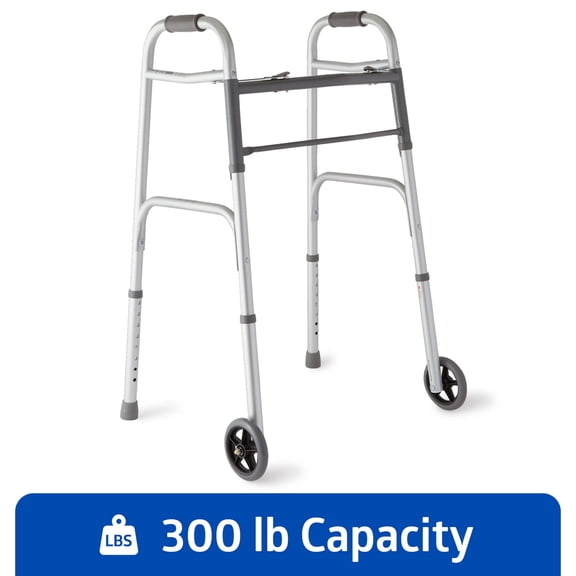
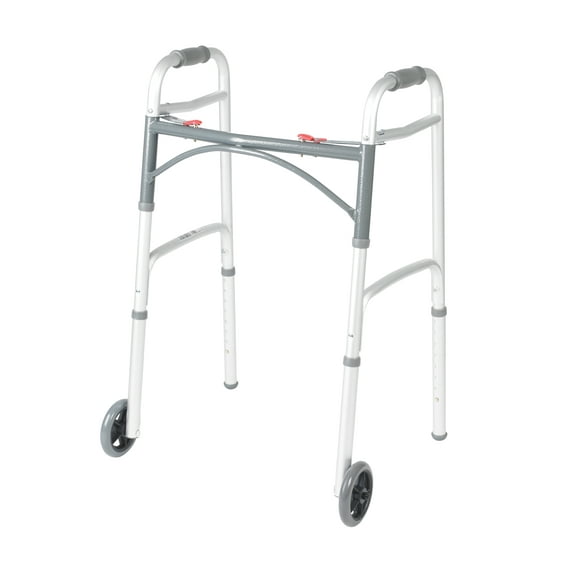
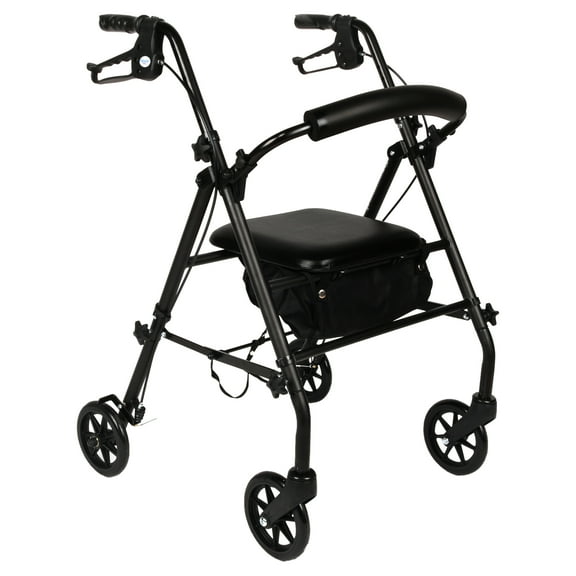
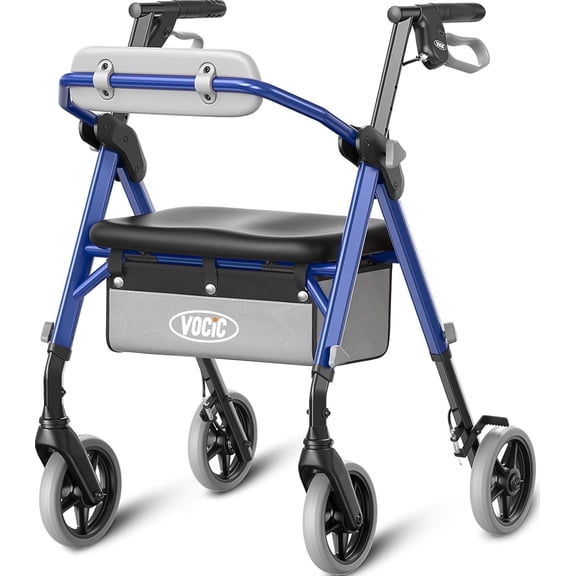
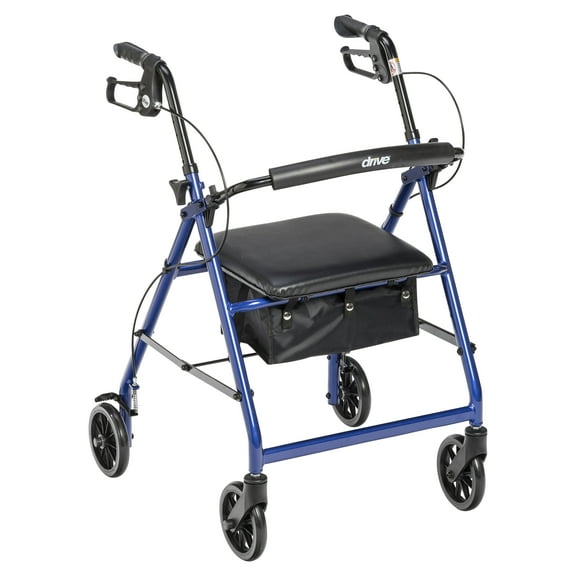
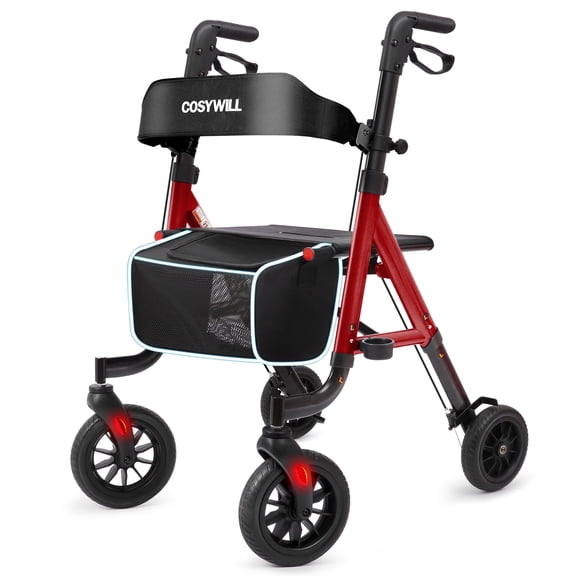
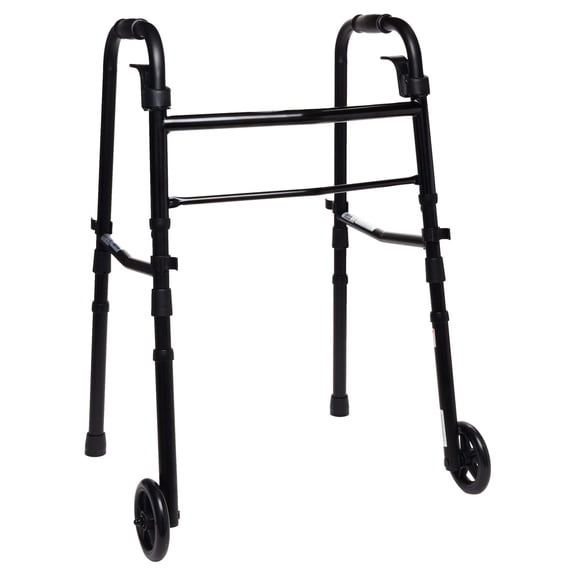
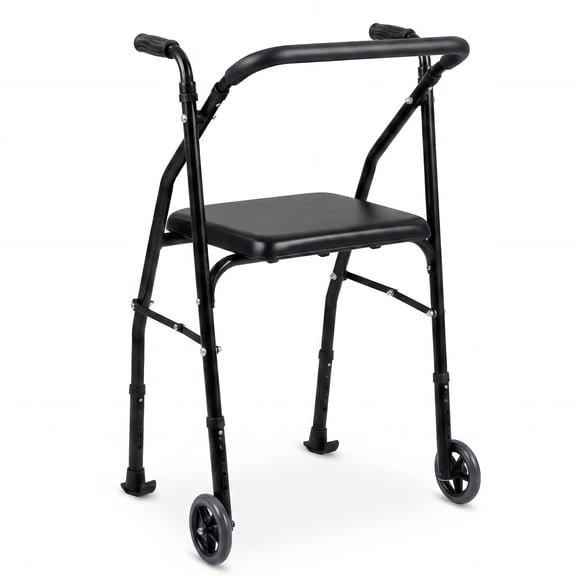
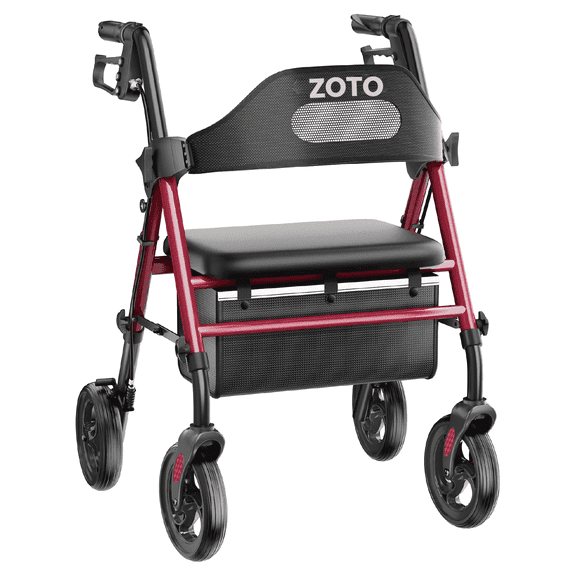
With walkers, you can find a stable frame that can suit short indoor routes and slower pacing. With rollators, you can find wheels and hand brakes that can help you move through longer hallways and paved outdoor paths.
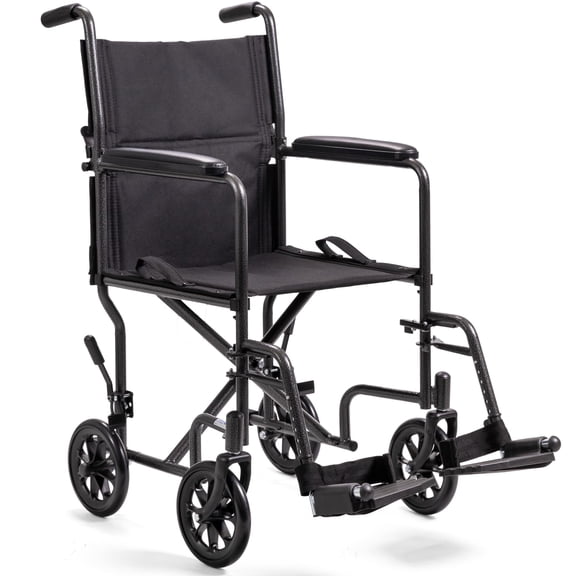
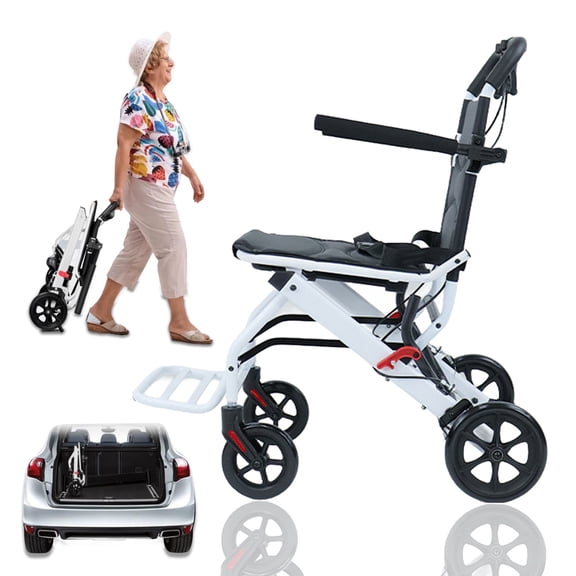
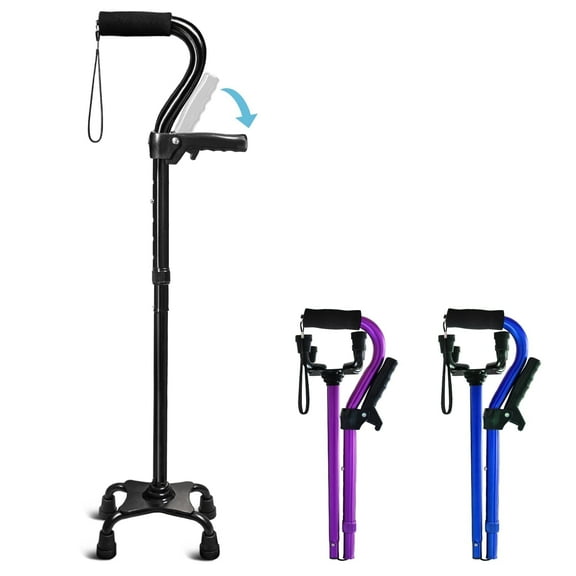
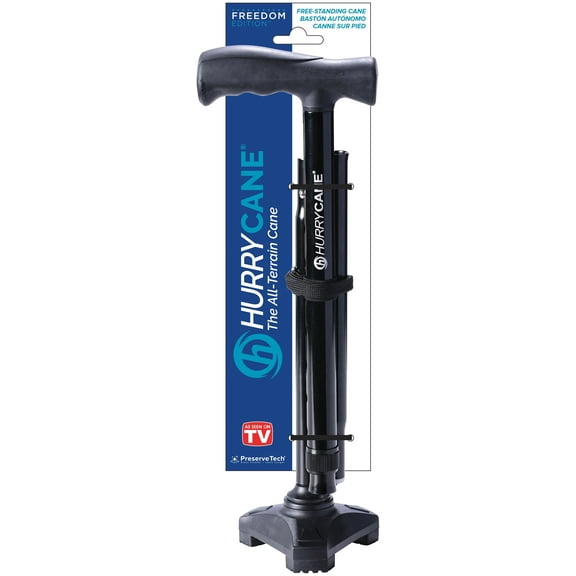
If you need seated transport, you may compare wheelchairs by frame style, wheel size, and portability. If you want a simpler option, you may prefer canes for lighter support during short trips around your home.
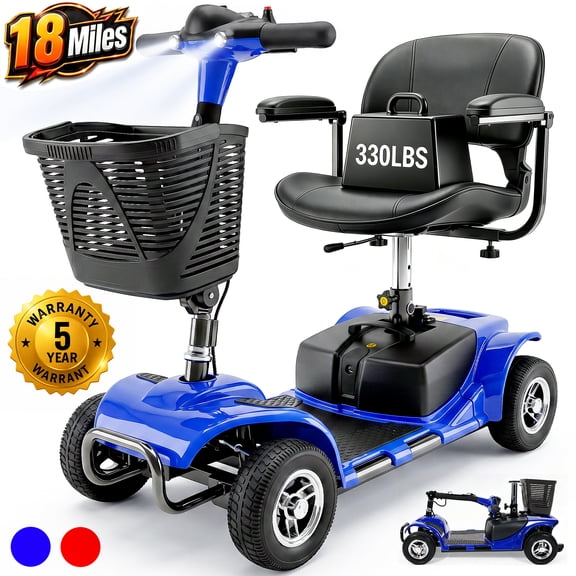
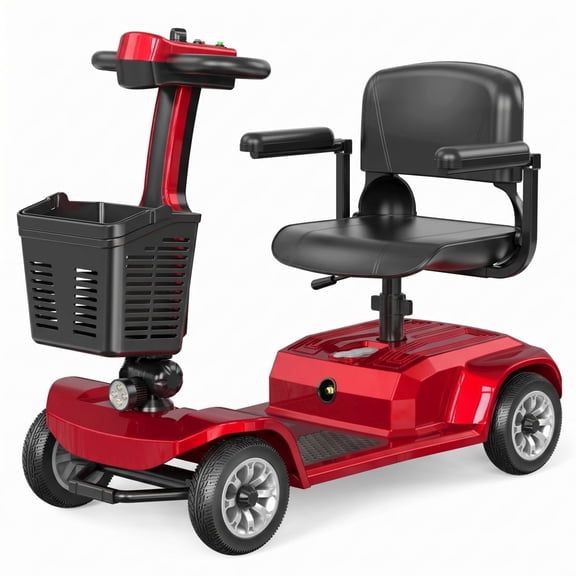
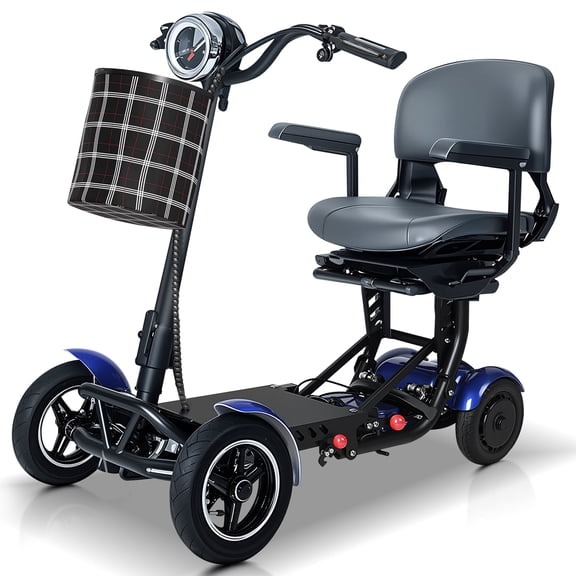
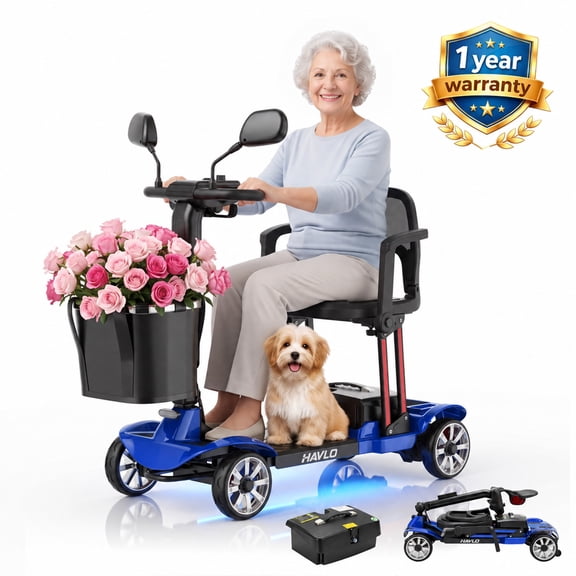
For longer distances, you may look at mobility scooters that reduce repeated walking during errands and appointments. You can use this aid-type comparison to sort walking aids and other mobility devices by routine first.
What benefits you can notice from the right mobility equipment
You can make daily movement feel more manageable when your selection matches your pace, surfaces, and storage space. You can also spend less time second-guessing features when you focus on the choices that affect fit.
- You can improve maneuverability indoors by comparing narrow frames, tighter turning space, and lighter designs.
- You can support longer outings by choosing larger wheels, seat options, or scooter formats built for extended routes.
- You can simplify transport by checking folding frames, trunk fit, and overall product weight before you choose.
- You can match body support needs by reviewing standard, heavy duty, and bariatric weight ratings.
When you compare these details first, you can sort elderly mobility aids with more confidence and less guesswork. You can also notice which designs fit apartment living, car travel, or uneven sidewalks more naturally.
Which features are key when you compare walking aids
You’ll want to check weight capacity first because frame strength shapes comfort, fit, and everyday stability. You can compare standard models up to 250 pounds, heavy duty models from 300 to 400 pounds, and bariatric options at 450 pounds or more.
Height adjustability also matters because you’ll want handles or grips that match your posture. You can check the adjustment range to see whether your selected walking aids fit your height without awkward arm placement.
Wheel size affects where you’ll use the item primarily. You may find smaller wheels easier for indoor turns, while larger wheel diameter can feel smoother on sidewalks, thresholds, and mixed surfaces.
If you’re comparing outdoor-ready options, you may also review pneumatic and solid tires. You can think of pneumatic tires as cushioned and solid tires as lower-maintenance for regular routes.
Foldability and portability matter when you store gear in a closet, trunk, or back seat. You can compare folding frames, lightweight travel builds, and fixed frame styles by how often you lift or transport them.
Material can change the feel of daily handling, so you’ll want to compare aluminum, steel, and carbon fiber. You may prefer aluminum for lighter carrying, steel for a sturdier feel, or carbon fiber for reduced lift effort.
How to match use cases to mobility devices
If you’re mostly moving through kitchens, bedrooms, and narrow doorways, you may prefer indoor use designs. You can focus on compact frames, smaller wheel setups, and turning ease for tighter spaces.
When your routine includes sidewalks, parking lots, and appointments, you may want outdoor use models with larger wheels. You can also compare brakes, seat availability, and frame strength for longer trips away from home.
For mixed surfaces, you may look at all-terrain options that handle pavement changes more comfortably. You’ll want to check wheel diameter and tire style if your route includes cracked sidewalks or rougher paths.
If you travel frequently, you may choose lightweight travel designs that fold quickly and fit a trunk. You can compare folded dimensions and overall frame weight before picking mobility aids for car-based routines.
When your storage space is limited, you may lean toward folding walkers or compact rollators. You’ll also want to measure entryways, closets, and cargo space so your equipment fits your home and vehicle.
If you’re helping a parent or older adult, you may start with elderly mobility aids that prioritize fit and routine. You can match a cane, walker, or rollator to shorter household trips, community outings, or seated rest needs.
What to look for before you decide on mobility aids
You can make a stronger choice when you compare weight rating, height range, wheel design, and portability together. You can avoid mismatches by measuring your storage space and checking where the equipment will roll primarily.
With the right mobility aids, you can find a setup that fits your routine, your surfaces, and your transport needs. You can move forward with clearer decision points and a category view built around everyday use.