


Leg Curl in Home Gym Equipment
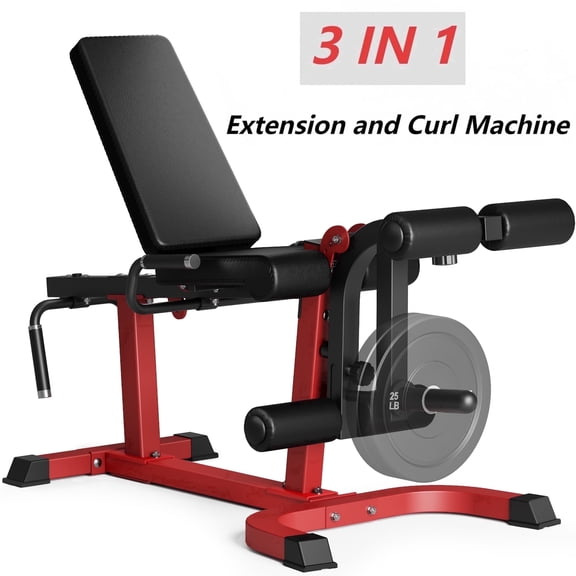
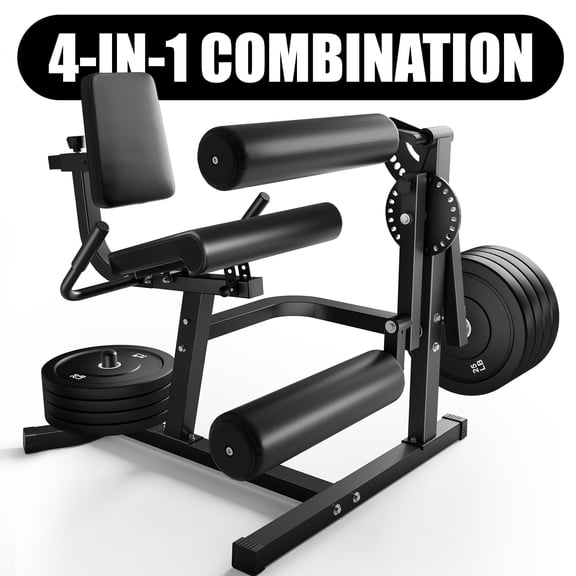


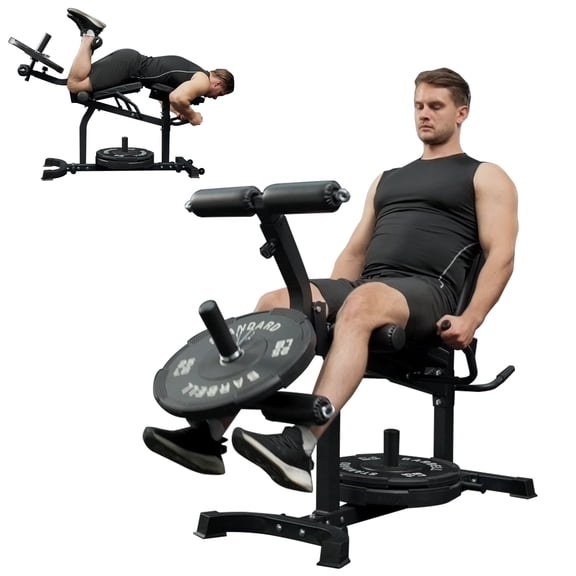
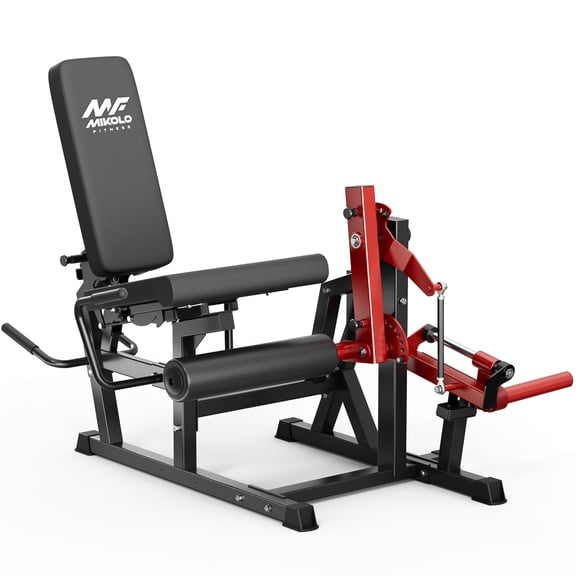


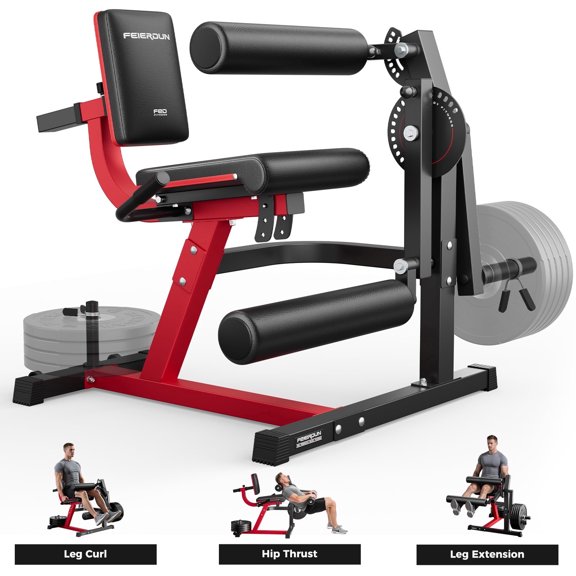


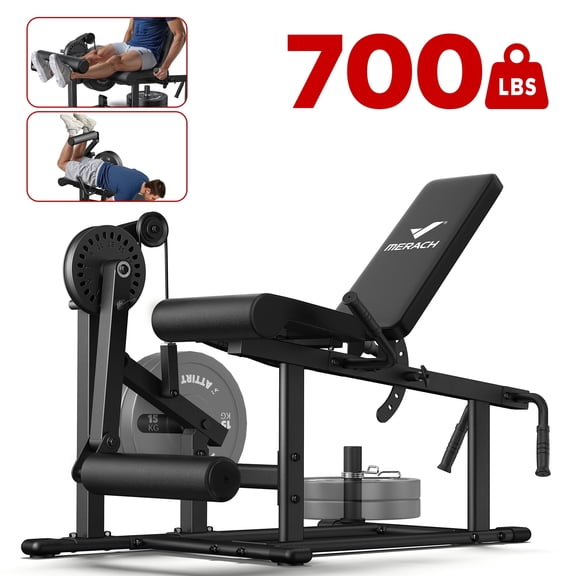
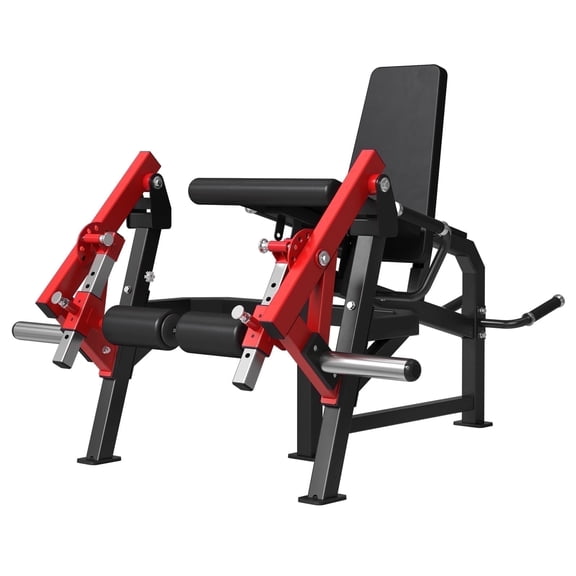


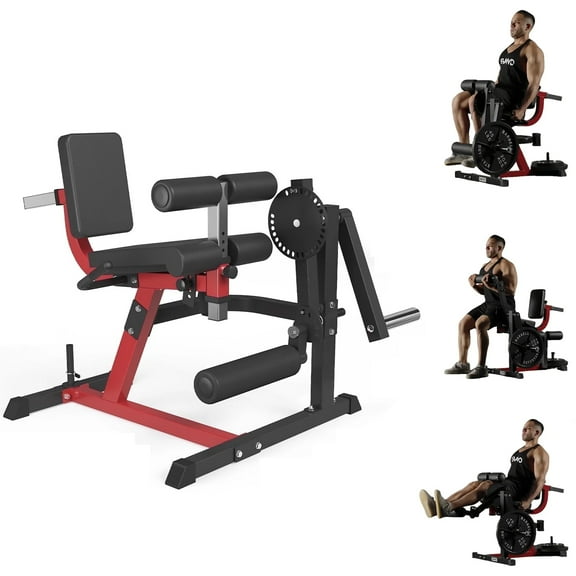


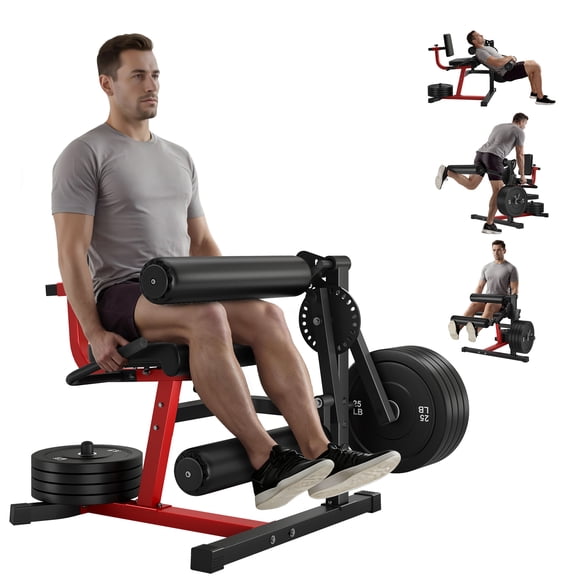


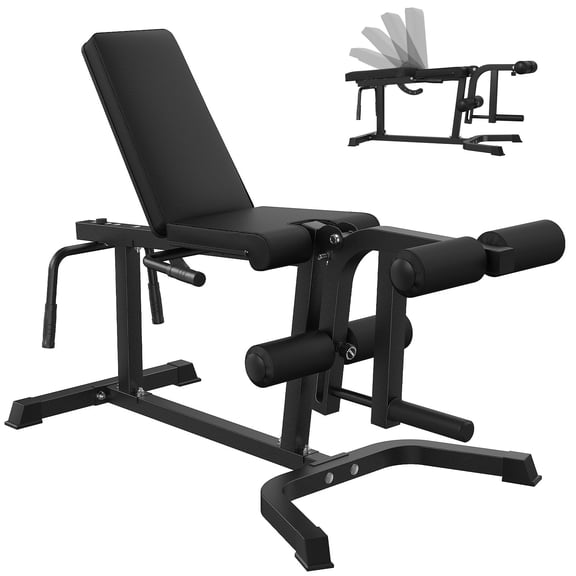
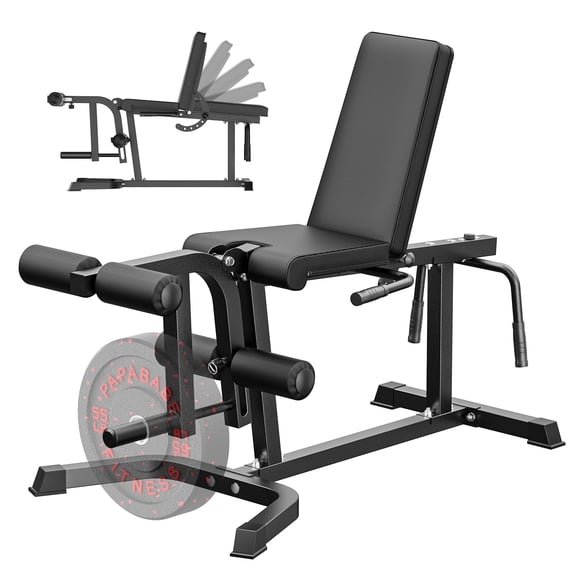
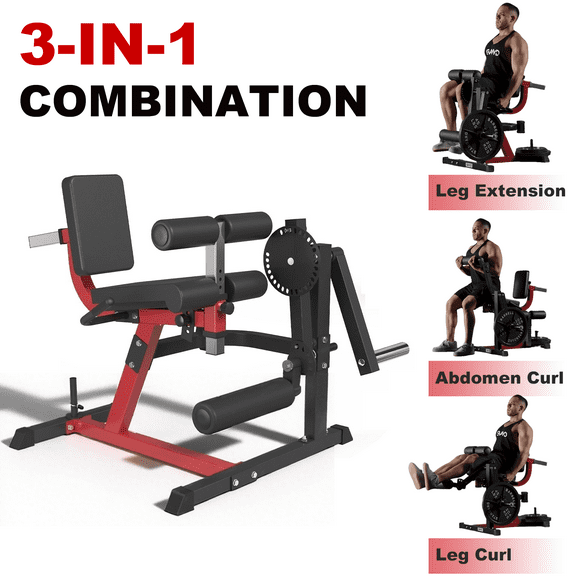







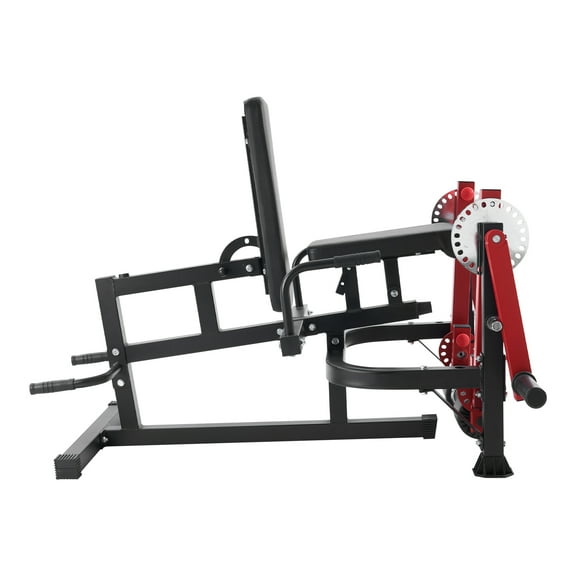


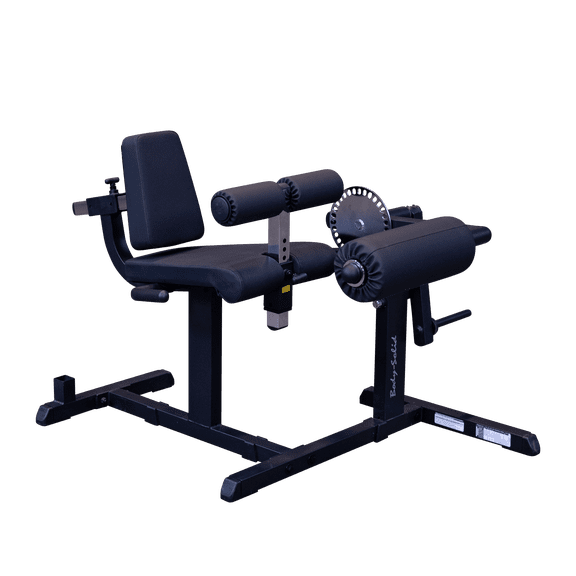
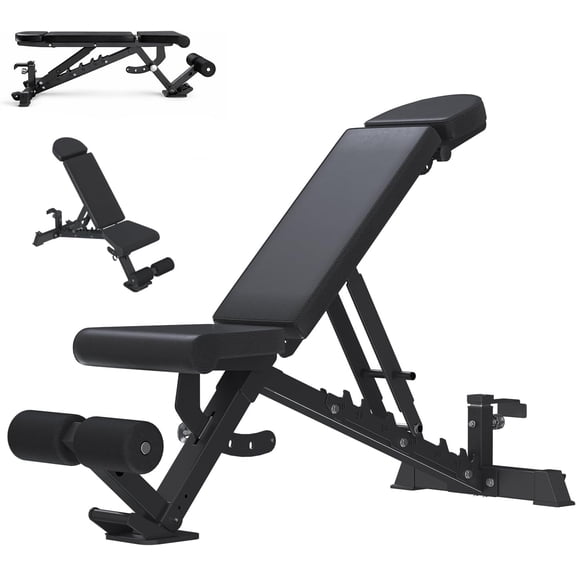


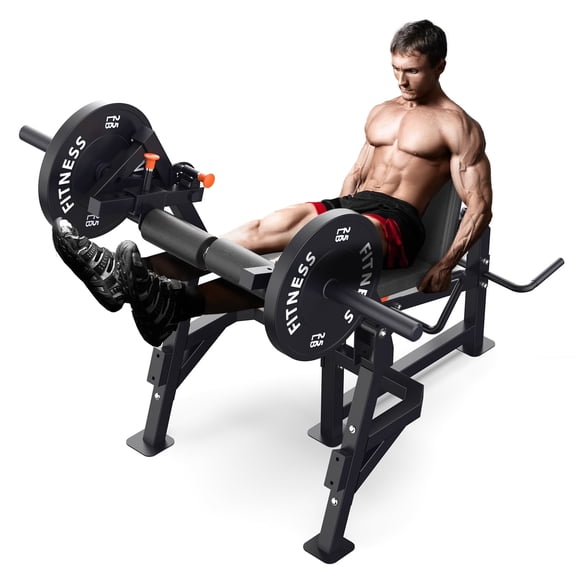
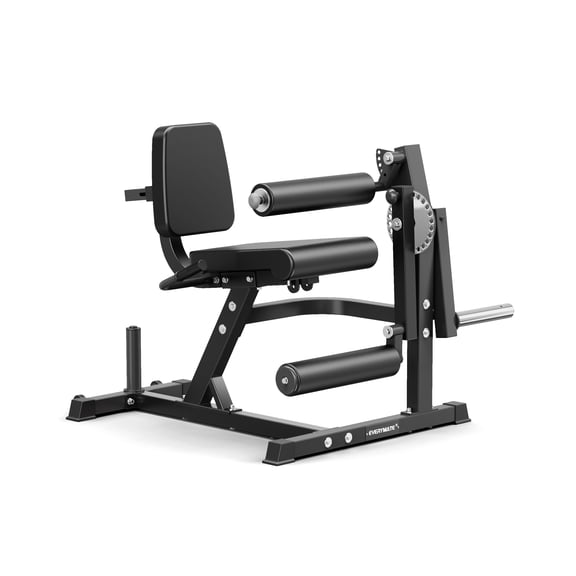


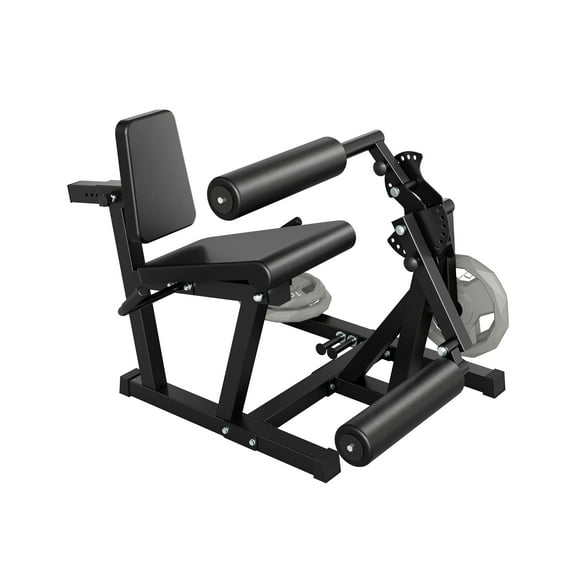


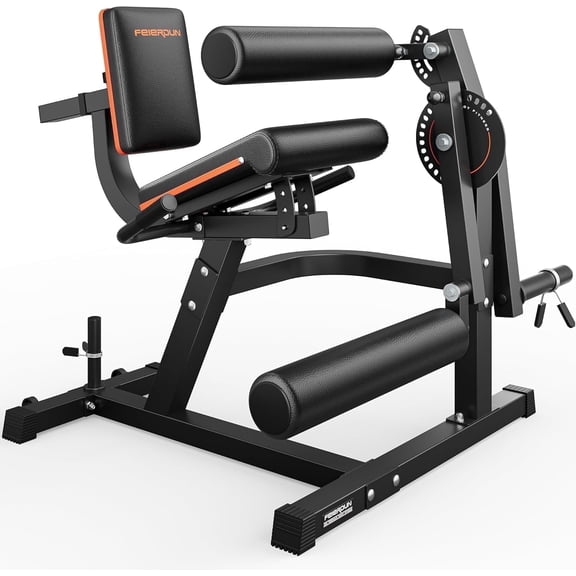
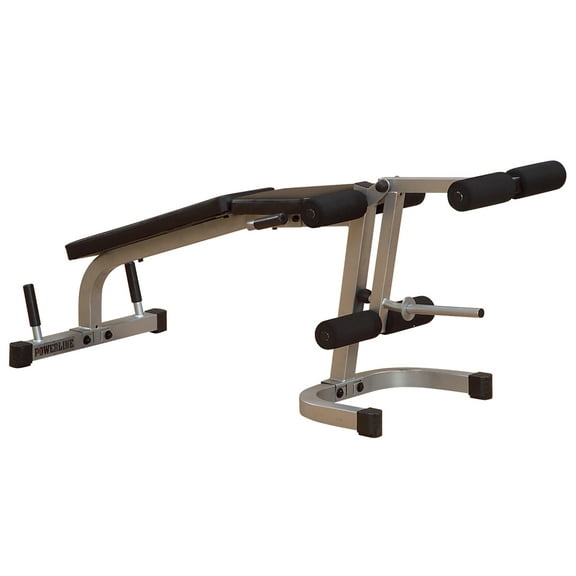


About Leg Curl in Home Gym Equipment - Walmart.com
When you compare machine leg curls, you can narrow your setup by space, resistance style, and training position. You can also find options that fit a home gym, support hamstring isolation, and match your workout routine.
If you’re building lower-body strength equipment, you should look closely at lying, seated, and standing formats. You can use those differences to choose a leg curl machine that feels stable, fits your room, and supports repeatable reps.
Choosing machine leg curls for your space and routine
When you plan around your training area, you can avoid a machine that crowds your bench, rack, or walk path. You should measure floor length, width, and clearance before you compare frame styles.
If you want a leg workout machine for home, you may prefer a compact footprint and simpler loading method. You can often place those models more easily beside dumbbells, mats, or a storage rack.
For shared training rooms, you may want a seated leg curl or standing leg curl with quick adjustments. You can switch users faster when pads, rollers, and starting points move without complicated setup.
How machine configuration changes your workout
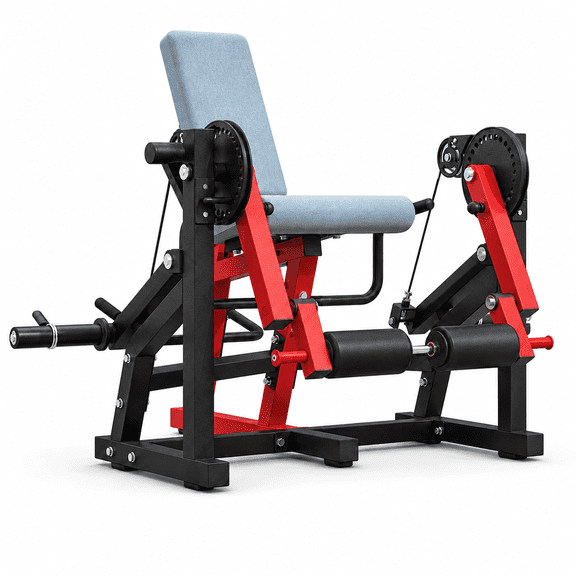
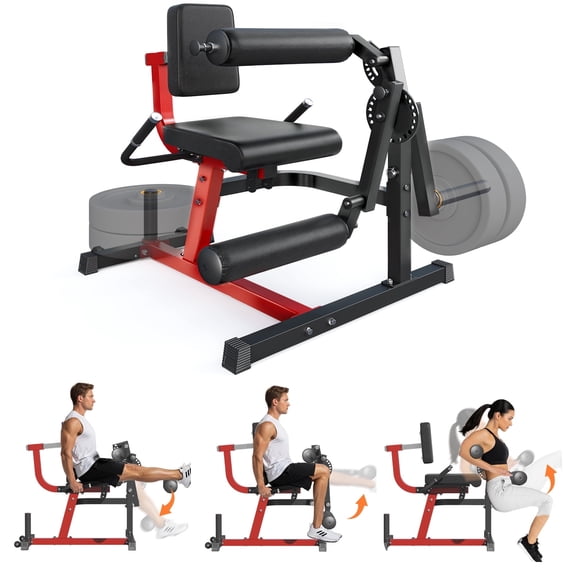
If you’re comparing a lying leg curl machine with seated options, you should focus on body position and pad contact. You can notice how each setup changes your legs’ starting and finishing curl path.
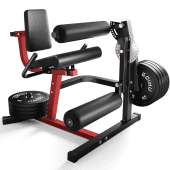
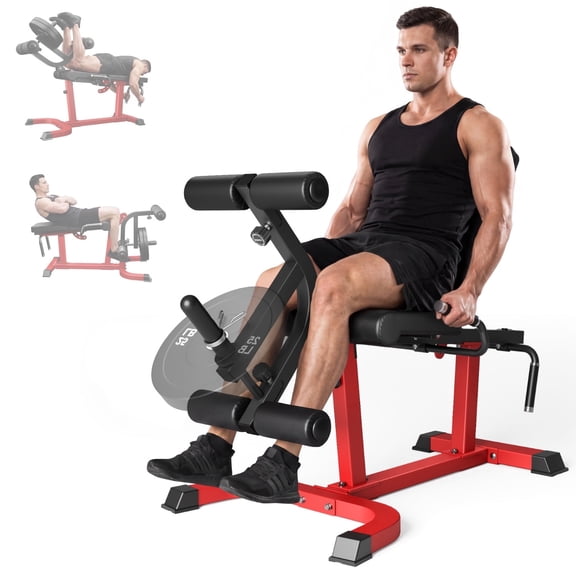
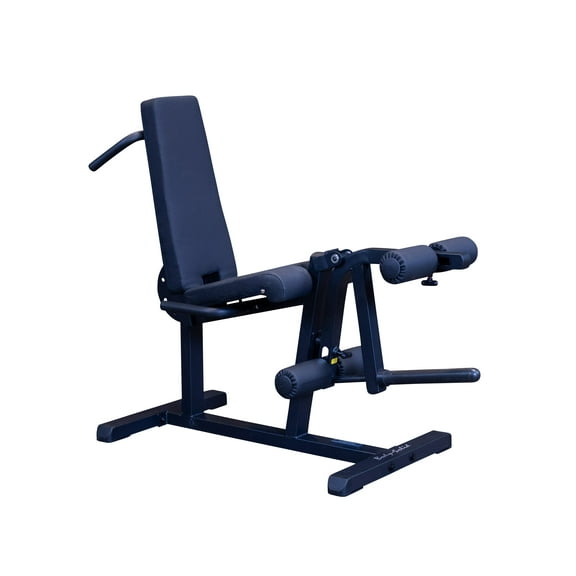
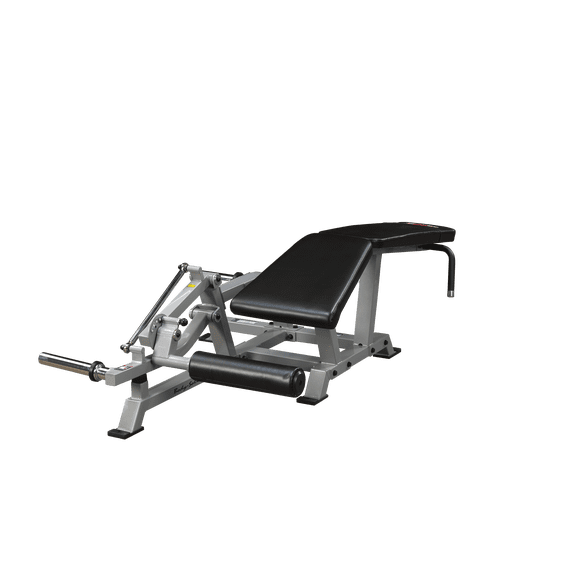
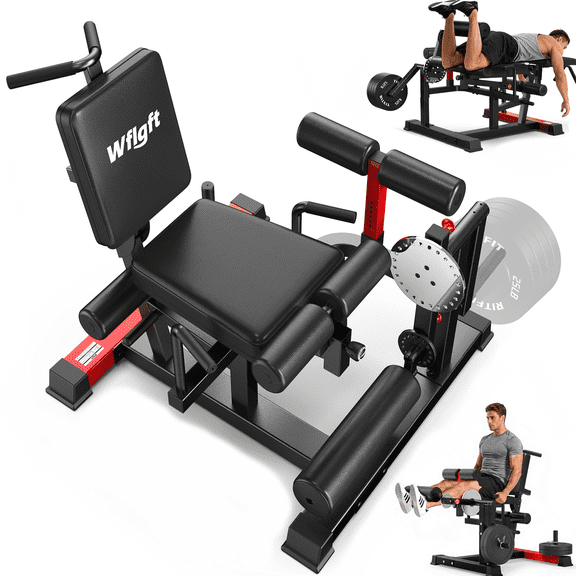
With a lying leg curl, you position your body face down and keep your hips supported by a long bench pad. You may prefer that layout when you want a familiar home gym leg curl feel.
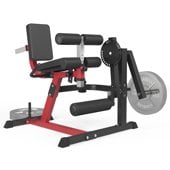
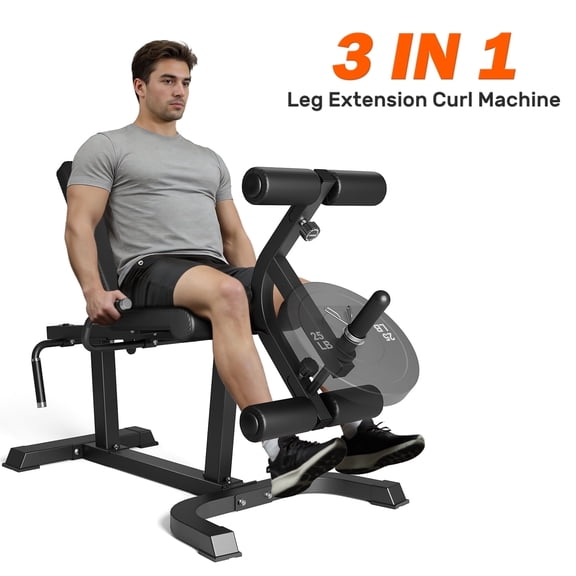
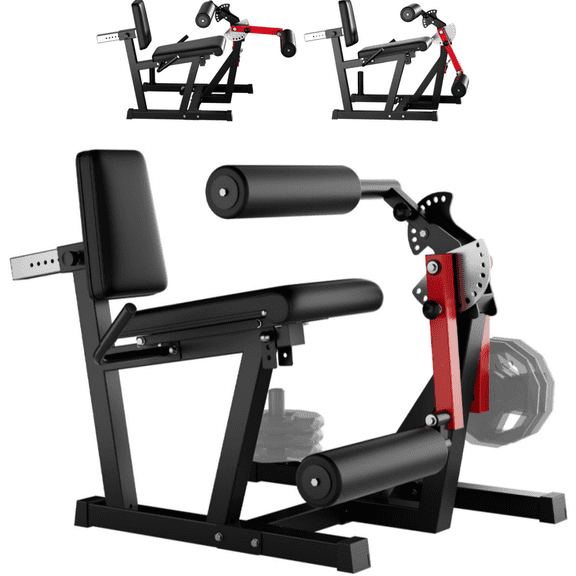
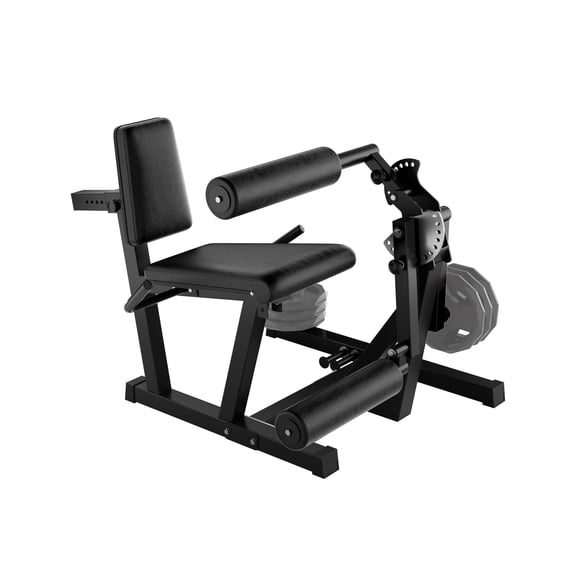
With a seated leg curl, you stay upright and lock your thighs under a top pad. You can get in and out quickly, and you can often adjust the back support more precisely.
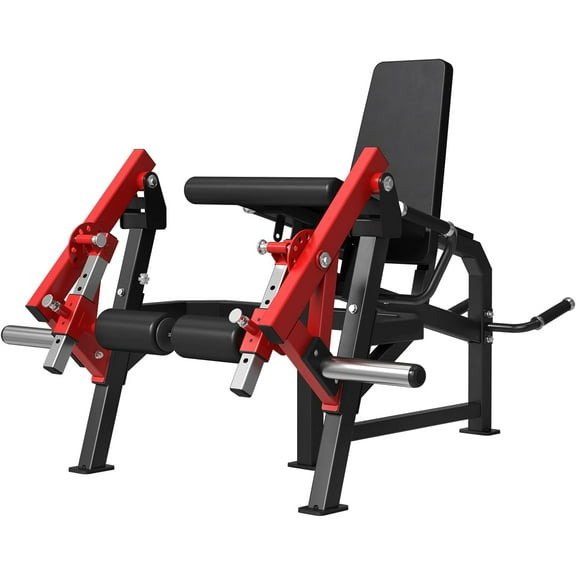
With a standing leg curl, you train one leg at a time and keep your torso upright against support pads. You may like that setup when you want focused single-leg leg flexion work.
- You can target hamstring isolation with a controlled curl path and fixed support points.
- You can choose a body position that matches your flexibility, comfort, and setup preference.
- You can fit a compact workout area by comparing overall footprint and entry space.
- You can train one leg or both legs, depending on the machine configuration you select.
Comparing resistance types on a leg flexion machine
When you compare resistance, you should decide whether you want plate-loaded arms, a selectorized weight stack, or band-based tension. You may feel different loading patterns, setup times, and progression styles with each format.
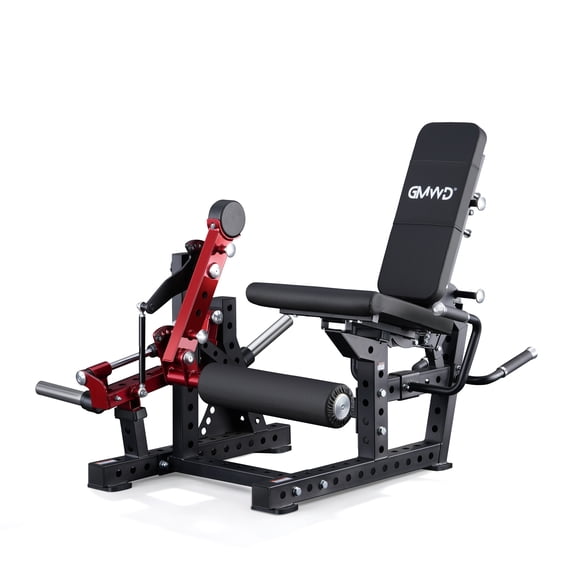
With plate-loaded designs, you add your own plates to weight horns and control the load directly. You should check sleeve diameter first, because your plates need to fit the machine correctly.
Many home users prefer plate-loaded machine leg curls because they pair easily with existing Olympic weight plates. You can keep your setup simple if you already own matching weight plates.
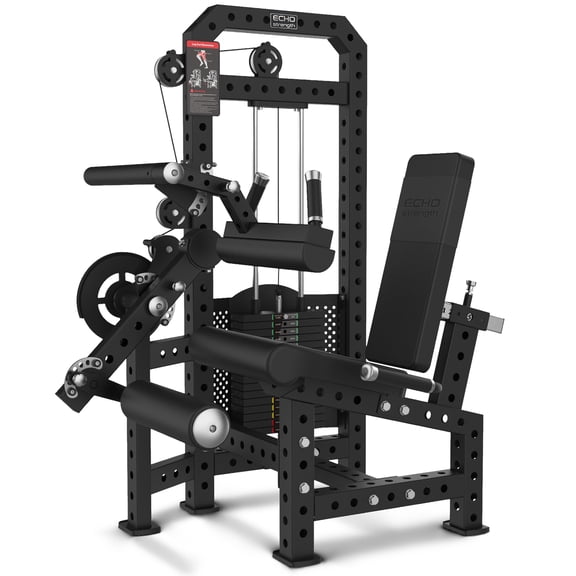
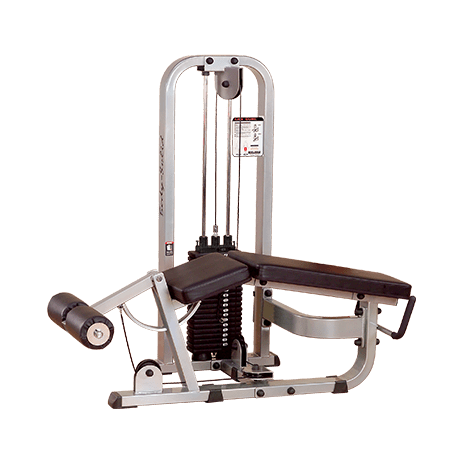
With selectorized machines, you move a pin to change resistance between sets. You should also review the weight stack ratio, because that number helps you understand the felt load.
If a stack uses a two-to-one ratio, you may move a lighter felt resistance than the labeled stack total suggests. You can use that detail to compare smoothness and progression between models.
With resistance band designs, you can keep the footprint lighter and the setup more portable. You may choose that format when your compact workout area needs easy movement or storage.
What to look for in adjustability and fit
When you evaluate fit, you should check roller height, thigh pad placement, and starting angle options. You can get a cleaner curl path when the pads line up with your leg length.
If the rollers sit too high or low, you may feel awkward movement through the rep. You should look for adjustment points that help your knees line up with the pivot area.
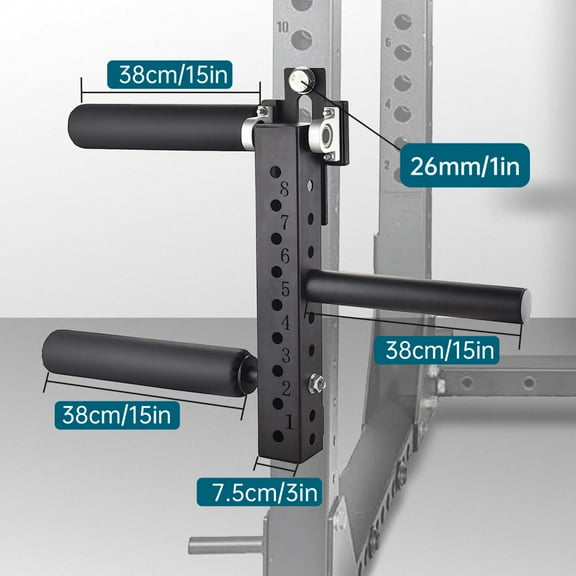
For a shared home gym, you may want numbered settings or quick pop-pin adjustments. You can move between users faster when pads slide smoothly and lock in place clearly.
You should also compare seat depth, back support, and ankle roller padding before you choose. You may notice those details during longer sets, especially when you train leg curl machine movements often.
Matching use cases to the right leg curl machine
If you’re outfitting a home gym, you may want a leg curl machine for home with a smaller frame. You can pair compact designs with benches, racks, and plate storage without crowding your room.
For commercial fitness spaces, you may prefer selectorized equipment with faster changes between users. You can support smoother rotation when trainees need quick adjustments and consistent setup points.
If you want a focused lower-body station, you can compare a leg curler machine with nearby leg extension options. You should know that leg extension trains a different movement than leg flexion.
When you want curl-focused training, you should choose a machine built for bending the knee under resistance. You can use a leg crunch machine search term as a clue, but leg curl designs follow a specific hamstring path.
If you train around sport drills, lifting days, or general lower-body sessions, you can use these machines for structured accessory work. You can get more consistent positioning than many free-weight curl alternatives.
When you compare related equipment, you may also want to coordinate your setup with leg extension machines, weight benches, and Olympic weight plates. You can build a more organized training area around compatible strength equipment.
Once you match configuration, resistance, and adjustability to your space, you can choose machine leg curls with more confidence. You can end up with a setup that fits your room, supports smooth reps, and keeps your lower-body training consistent.