







Ladder Desks in Desks






















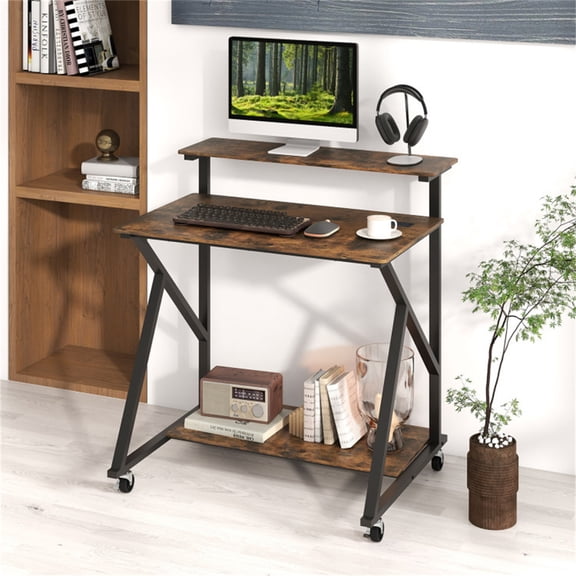
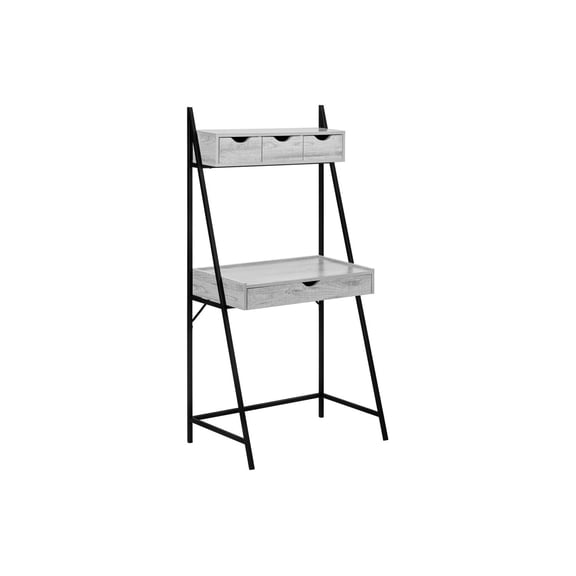
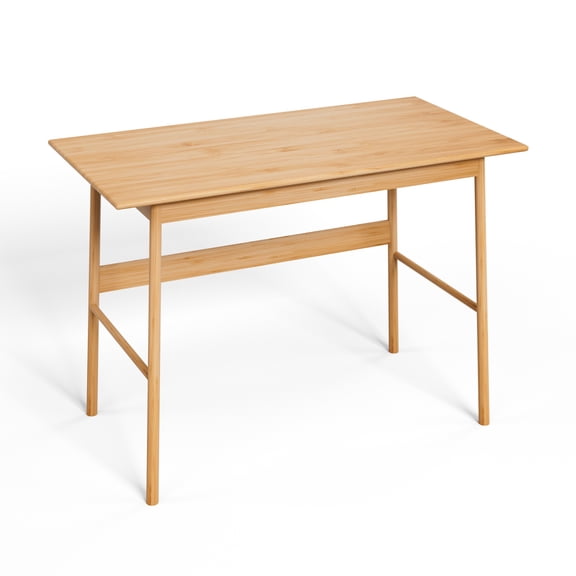
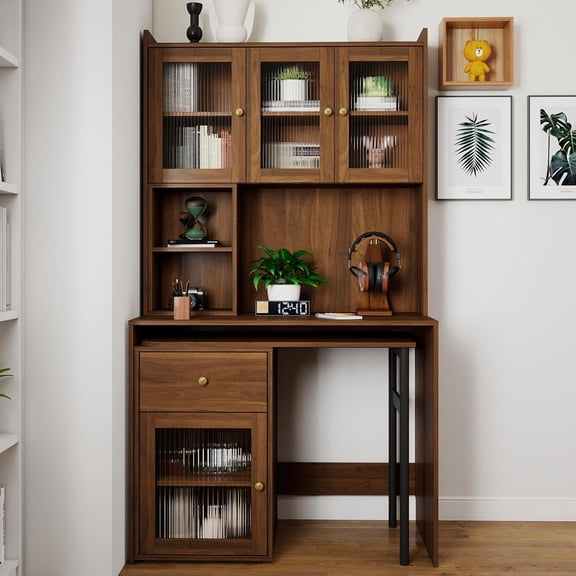


About Ladder Desks in Desks - Walmart.com
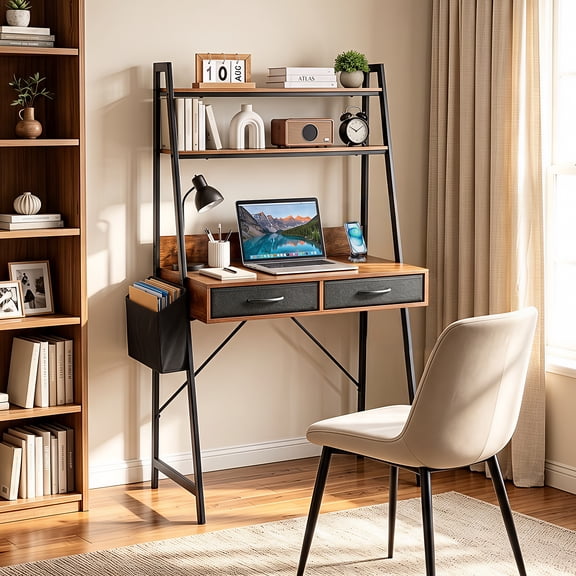
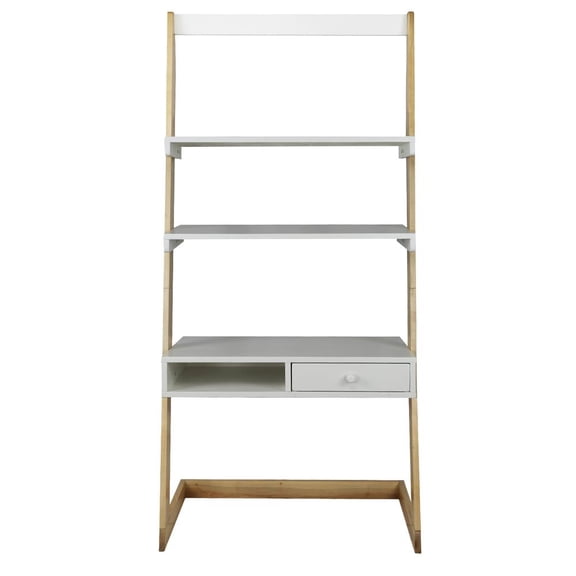
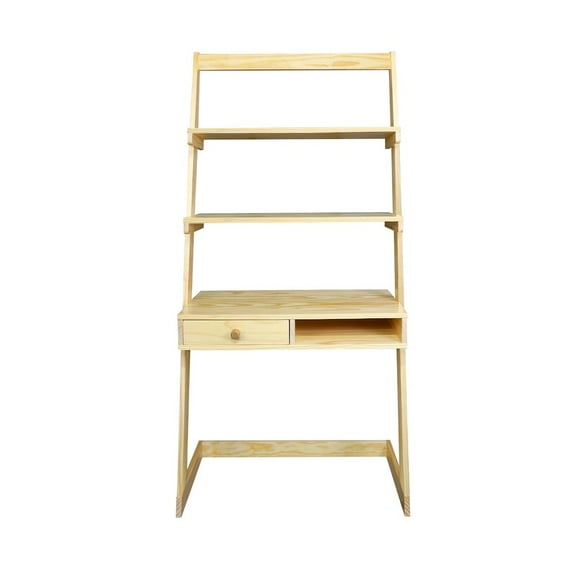
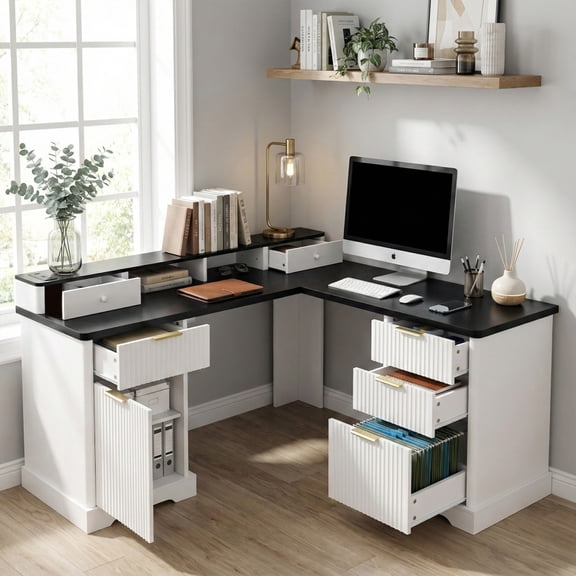
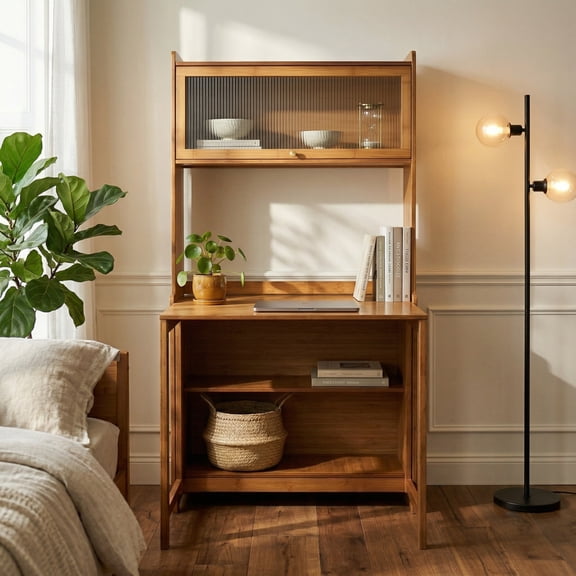
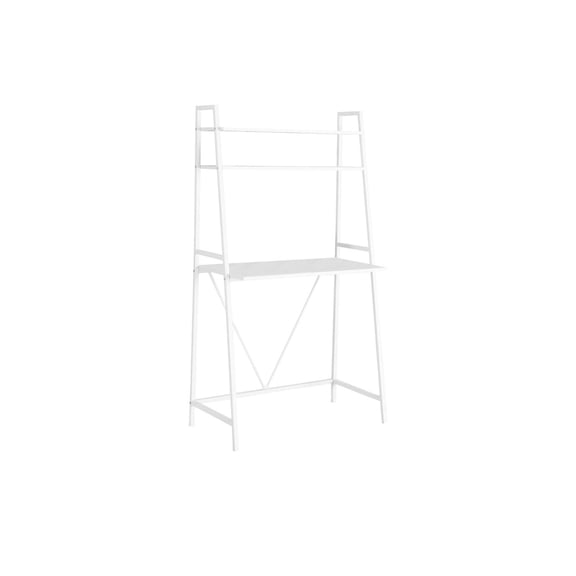
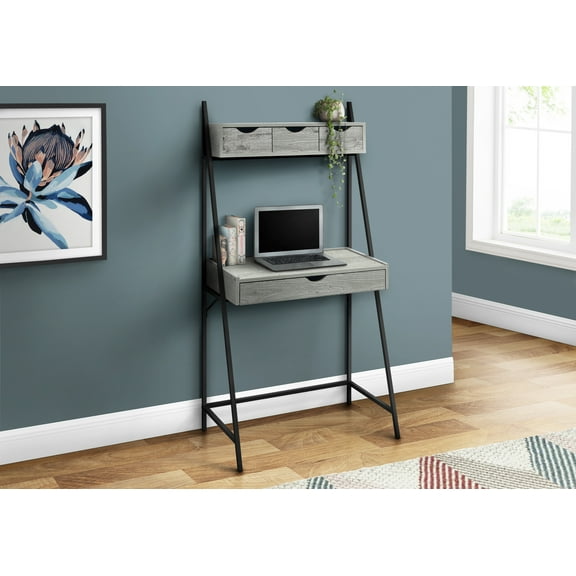
You can organize a compact workspace with a ladder desk with drawer that adds vertical storage without taking over your room. You can also use the slim profile to fit bedrooms, apartments, dorms, and flexible home office corners.
When you compare ladder desk options, you should look beyond the desktop alone. You can use storage type, mounting style, material, and shelf layout to match how you work each day.
How to choose a ladder desk with drawer for your space
You should start with your available wall width and floor depth before choosing any small ladder desk. You can see how a narrow frame fits tight spots while still giving your setup shelves above the worksurface.
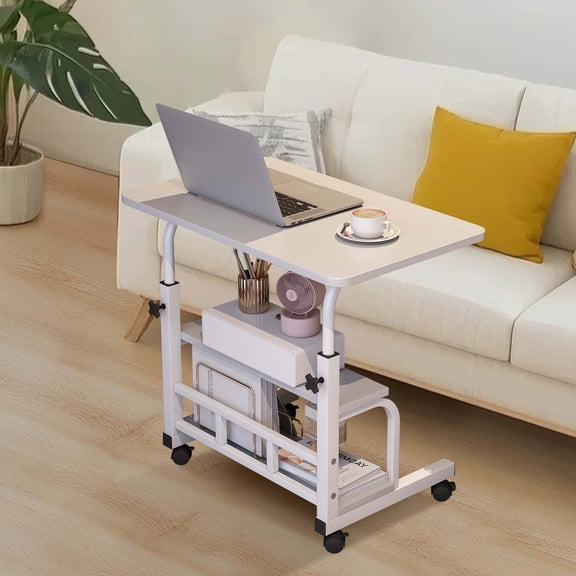
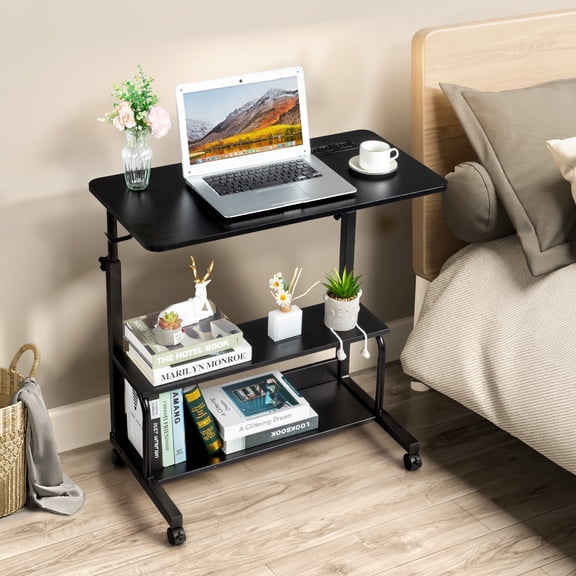
If you use a laptop, you should compare desktop width and depth with your device, mouse, and notebook. You can work more comfortably when your surface leaves room for daily tasks, cords, and a drink.
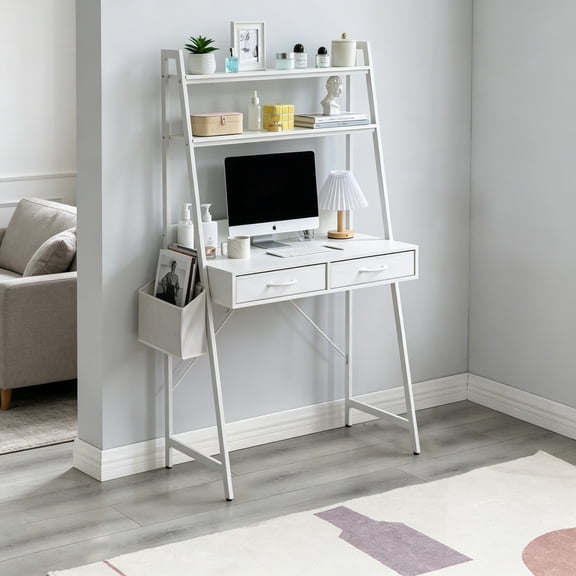
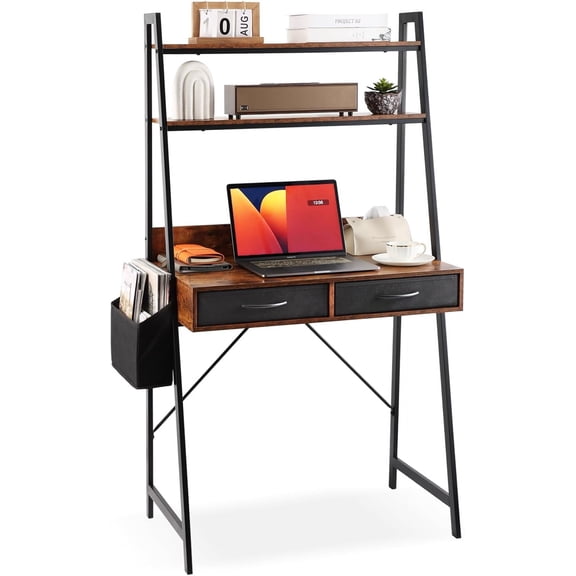
You can also use storage type as your main filter when you want a tidier setup. You can keep chargers and papers out of sight with drawers, while open shelves hold books, bins, and decor.
- You can keep paperwork tucked away with drawer storage.
- You can display books and baskets on open shelves above the desk.
- You can fit a compact workstation into tighter rooms with a vertical ladder frame.
- You can match your office look with industrial, modern, rustic, or minimalist styling.
Choosing storage type and ladder desk with shelves
You should compare drawers, shelves, cabinets, and cubbies based on what you need to access often. You can use drawers for small supplies, while shelves make it easier to grab printers, binders, and baskets.
If you want a ladder desk with shelves, you should check shelf spacing as well as shelf count. You can make room for books, speakers, framed photos, or storage boxes without crowding the desktop.
You can use a ladder desk with storage to separate work tools from decorative pieces. You can keep your surface clearer when upper tiers hold reference books, desk lamps, or small organizers.
When you compare shelf capacity, you should look for the weight limit per shelf in the product details. You can avoid overcrowding when you match heavier books and electronics to the stated capacity.
Comparing leaning, wall-mounted, and corner styles
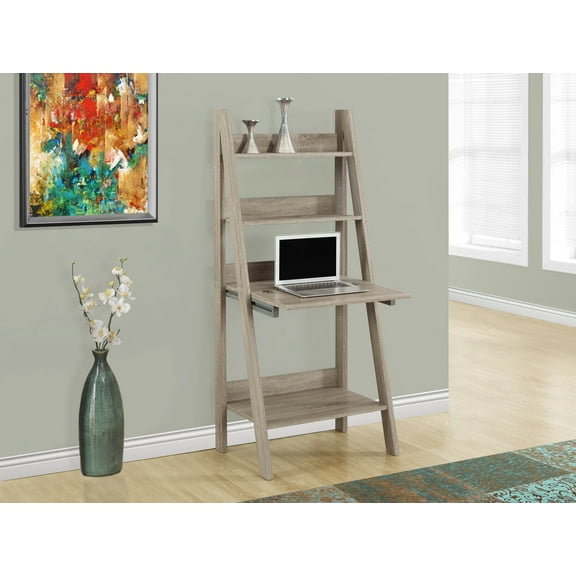
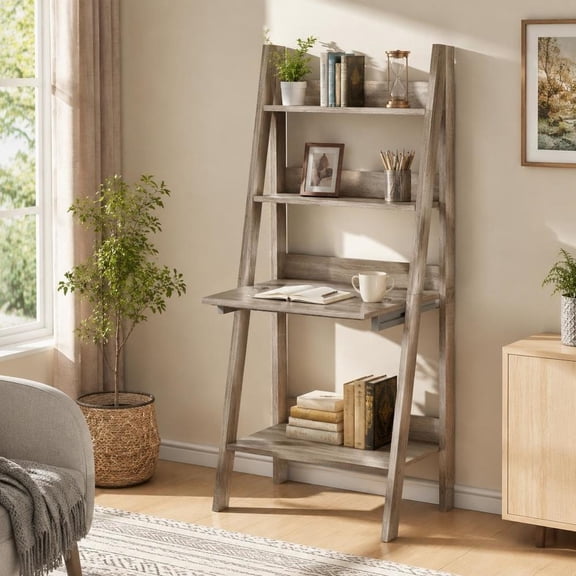
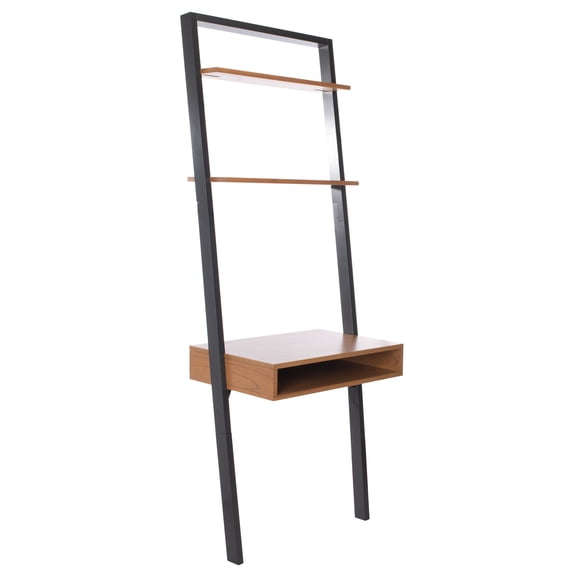
You should choose mounting style based on your room layout and installation comfort. You can see leaning models rest against the wall, wall-mounted styles free floor space, and corner options use underused angles.
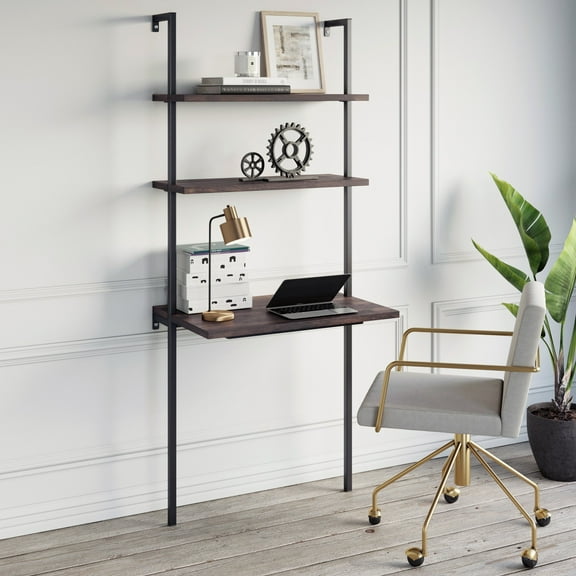
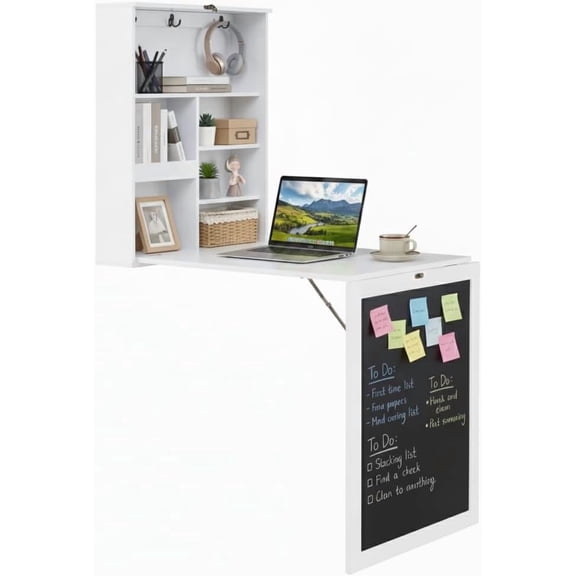
If you consider a wall mounted ladder desk, you should check whether the package includes wall anchors and requires wall studs. You can plan installation more easily with a stud finder and clear hardware guidance.
You can compare weight capacity before placing monitors, books, or storage bins on upper shelves. You can build a more practical setup when your desk frame and shelves support the load you expect.
For a leaning desk, you should measure base depth and top height so the frame fits under trim or shelves. You can also leave enough clearance to pull out a chair and move comfortably.
Picking materials and industrial ladder desk finishes
You should use material and finish to match both your style and daily routine. You can find wood or engineered wood tops paired with metal frames for an industrial ladder desk look.
If you prefer a cleaner profile, you should compare modern and minimalist designs with simple lines and open shelves. You can get a lighter visual feel that works well in bedrooms, studios, and shared spaces.
You can also choose rustic finishes when you want warmer wood tones around books and office accessories. You can create a more relaxed workspace without losing the vertical function that makes ladder styles useful.
When you review materials, you should consider cleaning needs and the weight of the unit. You can notice glass looks airy, while metal and engineered wood support a more structured office setup.
Finding the right size for a small ladder desk
You should measure both width and usable desk depth before choosing a small ladder desk. You can leave enough room for your laptop, keyboard, writing space, and any monitor stand you use.
If your room is narrow, you should compare compact models with slimmer shelves and a tighter frame. You can keep walkways clearer while still gaining upward storage for daily office supplies.
You can move up to standard or wide designs when you handle paperwork, dual screens, or craft materials. You can appreciate extra width when your tasks need more elbow room across the surface.
Before you assemble, you should check the tool list, estimated build time, and instruction style in the listing. You can feel more prepared when the setup details match your comfort level and schedule.
Using a ladder shelf desk in real rooms
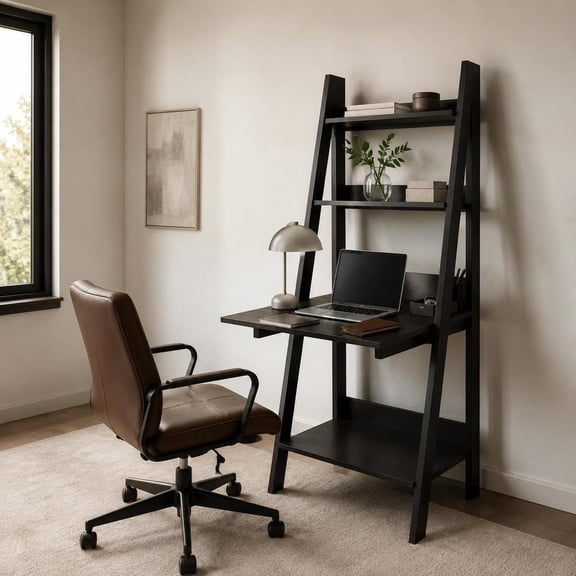
You can place a ladder shelf desk in a bedroom when you need a study zone that doesn’t dominate the room. You can get workspace below and storage above without adding a bulky office footprint.
In a living area, you should consider leaning shelves with desk designs that blend with surrounding furniture. You can keep books, framed art, and office tools together in one vertical station.
If you work remotely, you can use a ladder style computer desk for a laptop, planner, and compact printer. You can create a cleaner routine when shelves hold supplies and the drawer hides smaller items.
You may also prefer a computer ladder desk in a dorm or apartment where every inch matters. You can make use of wall height, especially when floor area is limited and shared.
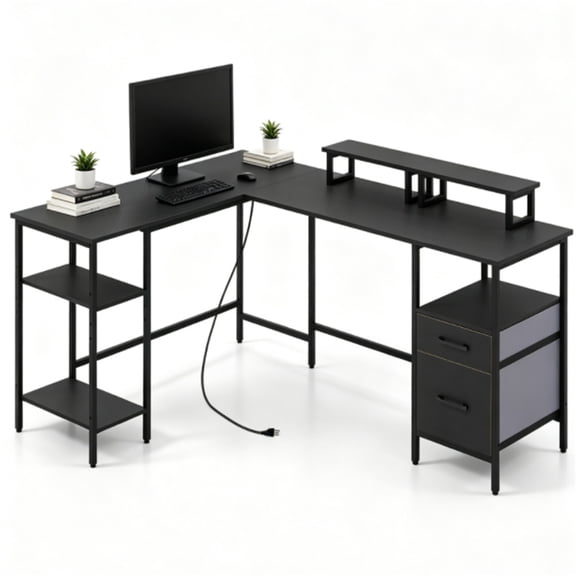
For flexible layouts, you should compare corner units or wall-mounted options with compact chairs and nearby bookcases. You can build a focused workspace that feels organized, balanced, and easier to maintain.
You can choose with more confidence when you compare storage, mounting, size, material, and assembly details together. You can end up with a ladder desk that fits your room, supports your setup, and keeps essentials close.