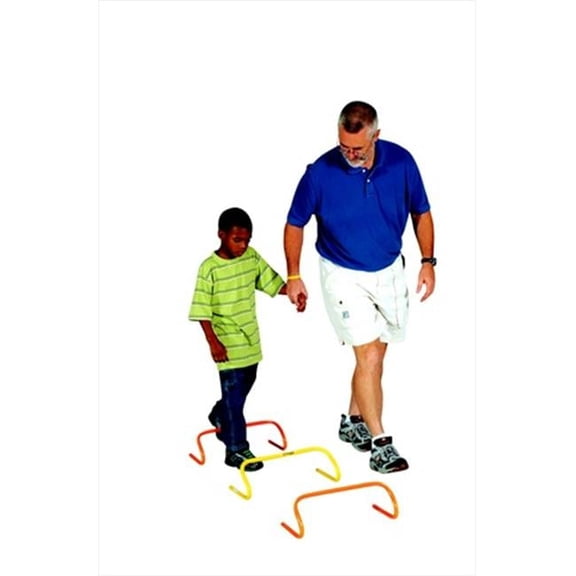
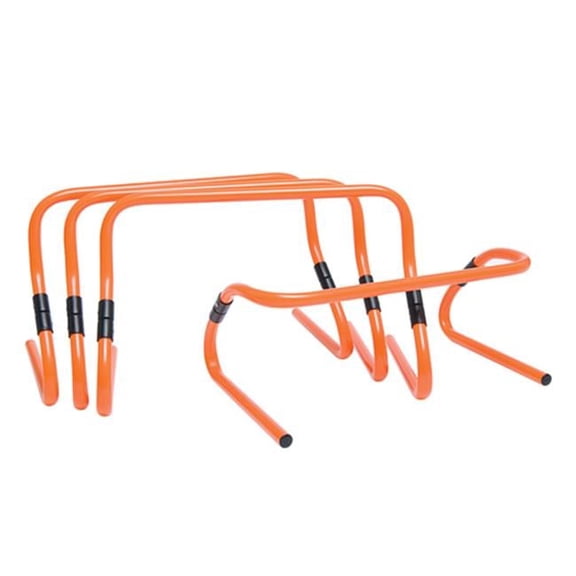
Hurdles(3)
Champion Sports Outdoor Sports Agility Pole Set, 6 Hurdles of 12 Inches, 12 Inches, Yellow $114.99
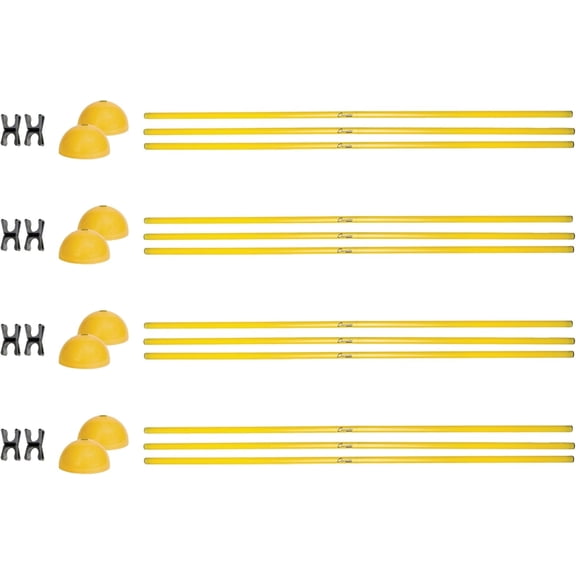
Champion Sports Outdoor Sports Agility Pole Set, 6 Hurdles of 12 Inches, 12 Inches, Yellow
yotijay Agility Hurdle Adjustable Height for Jumping Obstacle Courses Indoor Outdoor blue From $15.99
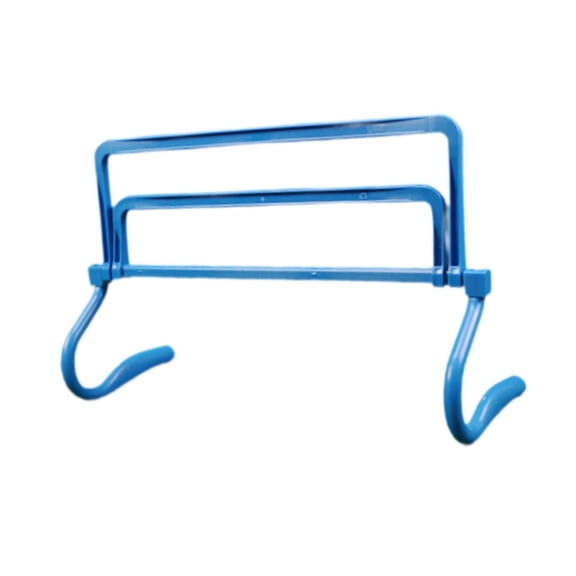


yotijay Agility Hurdle Adjustable Height for Jumping Obstacle Courses Indoor Outdoor blue
QccHieUs Agility Hurdle Adjustable Obstacles Jumping Bar Set Speed Training Equipment Set red

QccHieUs Agility Hurdle Adjustable Obstacles Jumping Bar Set Speed Training Equipment Set red
FAQ
What are training hurdles used for?
Training hurdles are versatile tools for building quickness, coordination, and explosive movement across many sports. They’re commonly used in:
- Speed & agility drills: Improve footwork, change of direction, and reaction time.
- Plyometrics: Practice controlled hops and bounds to develop power.
- Running mechanics: Promote knee lift, posture, and rhythm for track & field.
- Multi-sport skills: Helpful for soccer, basketball, and football drills.
Most options on this page are lightweight and portable, with fixed or adjustable heights to match different training goals. For safe sessions, set them on a flat surface, clear the area, and start with lower heights before progressing. Results can vary based on your training plan and experience.
Hurdles vs huddles—what’s the difference?
Great question—these words sound alike but mean different things:
- Hurdles: Physical obstacles athletes step or jump over during drills or track events. On this page, you’ll find training hurdles used for speed, agility, and plyometric work.
- Huddles: A brief team meeting or gathering (often seen in football) to plan or motivate—no equipment involved.
If you’re shopping for training gear, you’re in the right place with hurdles. Check the product details for height, width, and set size to match your space and workout style. If you meant team communication or strategy, that’s a different topic entirely.
What’s the difference between track and agility hurdles?
They serve related but different purposes:
- Track hurdles: Taller, competition-style units with adjustable heights (often in the 27"–42" range). They’re designed for hurdling events and form work.
- Agility hurdles: Lower, lighter obstacles (commonly 6"–12" and other low options) used for quick feet, plyometrics, and multi-sport drills. Many fold or nest for easy transport.
- Stability & size: Track models typically have wider bases and more mass; agility versions prioritize portability and fast setup.
Review each product’s height range, material, and base style to pick what fits your training. Availability for delivery or pickup can vary by location—check the listing for options that work for you.
How do I choose hurdle height?
Match height to your goals, experience, and space:
- Define the use: For quick footwork, lower heights help keep speed and rhythm. For power or knee drive drills, consider medium heights. For hurdling form, look for taller, adjustable options.
- Consider experience: Many beginners start low (e.g., 6"–9") and increase as control improves. Advanced athletes may mix heights for progression.
- Check adjustability: Adjustable designs can support different drills and training partners.
- Measure your space: Ensure enough run-up and landing area for safe clearance.
Since training styles vary, it’s a good idea to review the product specs for height ranges and choose a set that aligns with your program. Progress gradually to stay safe.
Can I use agility hurdles indoors?
Many training hurdles can work indoors, but setup matters:
- Surface: Use a flat, dry floor (like a gym surface). Avoid slick areas.
- Stability: Look for bases that sit flush; some designs include non-slip features. Test each hurdle before starting.
- Space: Clear the area around your lane and allow a safe run-up and landing zone.
- Floor care: If you’re concerned about marks, place a thin mat or check the product details for material tips.
- Storage: Wipe dry after use and avoid extreme heat to help prevent warping.
Always adjust height and drill intensity to your experience level. Product pages list dimensions and materials so you can choose a setup that fits your indoor space.
Popular in Shop Hurdles for Track and Field Training
Related Products
HolaHatha Adjustable Height Speed And Agility Training Hurdle, Cardio Fitness
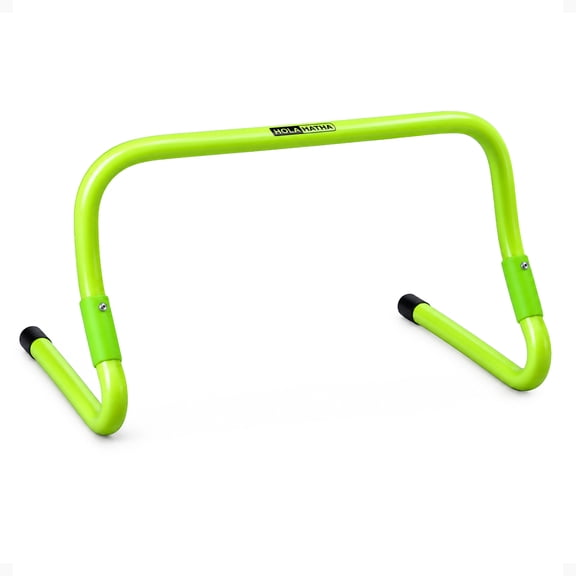 HolaHatha Adjustable Height Speed And Agility Training Hurdle, Cardio Fitness$18.99current price $18.99
Champion Sports Speed Hurdle – 6", Yellow – Low-Profile Hurdle for Agility & Training
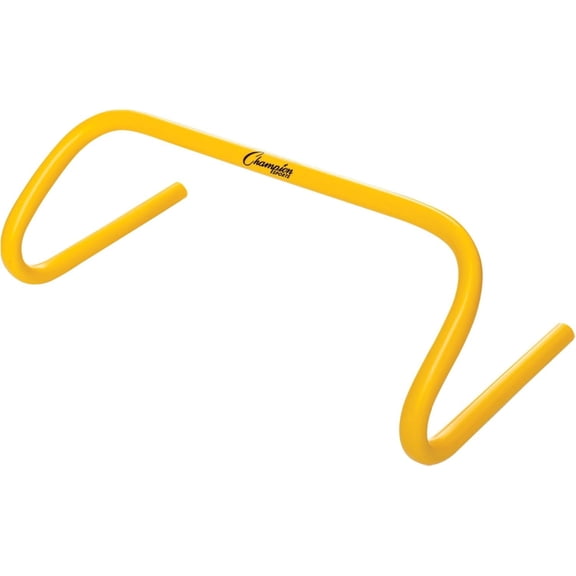 Champion Sports Speed Hurdle – 6", Yellow – Low-Profile Hurdle for Agility & Training$9.99current price $9.99
Agility Speed Training Hurdles, Adjustable Agility Training Hurdles for Football, Basketball, Soccer Hurdles Training Equipment Set 6set
 Agility Speed Training Hurdles, Adjustable Agility Training Hurdles for Football, Basketball, Soccer Hurdles Training Equipment Set 6set$37.99current price $37.99
Speed Parachute Strength Training Umbrella Football Basketball Running Exerciser Resistance Bands Drag Parachutes
 Speed Parachute Strength Training Umbrella Football Basketball Running Exerciser Resistance Bands Drag Parachutes$8.49current price $8.49
GoSports Inflataman Basketball Defender Training Aid
 GoSports Inflataman Basketball Defender Training Aid$39.99current price $39.99
1 Piece Basketball Blocking Pad Padded Training Equipment PU Leather Shield Pad for Coaches Players Indoor Gym
 1 Piece Basketball Blocking Pad Padded Training Equipment PU Leather Shield Pad for Coaches Players Indoor Gym$33.92current price $33.92
CIMAXIC Light Green PVC Soccer Training Hurdles for Outdoor Use Durable and Stable
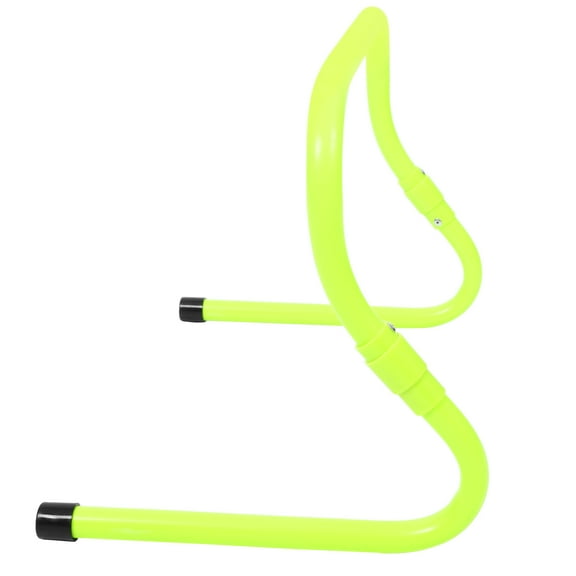 CIMAXIC Light Green PVC Soccer Training Hurdles for Outdoor Use Durable and Stable$15.30current price $15.30
Champion Sports Weighted Training Hurdle Set, Yellow, 9 Inch
 Champion Sports Weighted Training Hurdle Set, Yellow, 9 Inch$79.99current price $79.99
LEXSOMEO Professional Track Training Hurdles Set - , Wear-Resistant Speed Hurdles for Athletic Performance
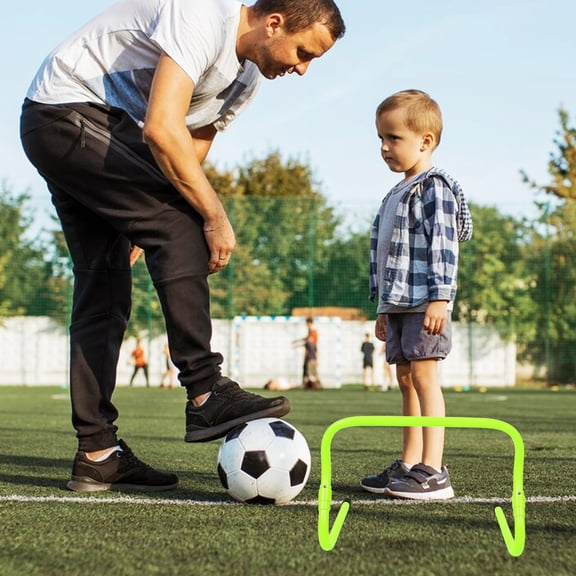 LEXSOMEO Professional Track Training Hurdles Set - , Wear-Resistant Speed Hurdles for Athletic Performance$15.09current price $15.09
Yes4All Agility Speed Training Agility Hurdles for Athletes for Soccer Basketball Football Hurdle Training - Set 5 Hurdles Yellow
 Yes4All Agility Speed Training Agility Hurdles for Athletes for Soccer Basketball Football Hurdle Training - Set 5 Hurdles Yellow$31.99current price $31.99