


Find auto parts that fit
Let’s search for parts that fit your vehicle.Car Hood Panels and Exterior Hood Accessories




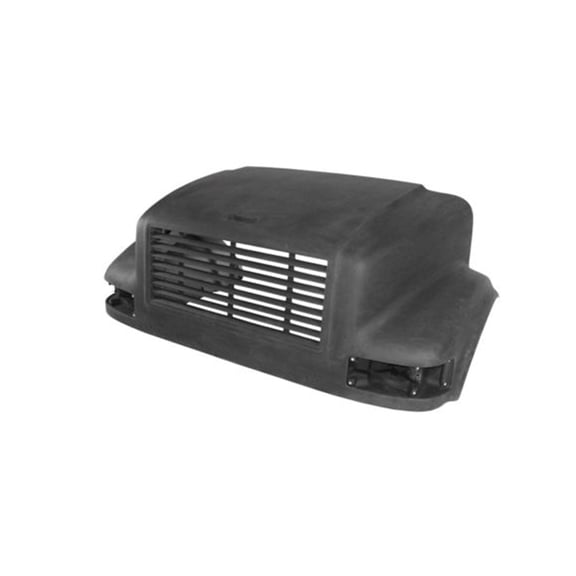

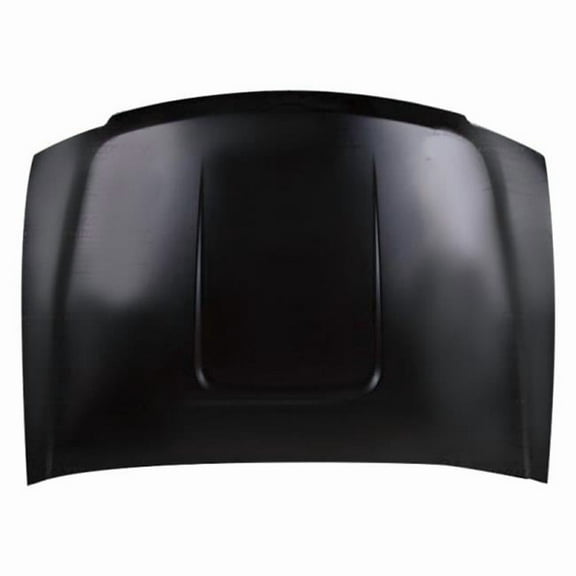

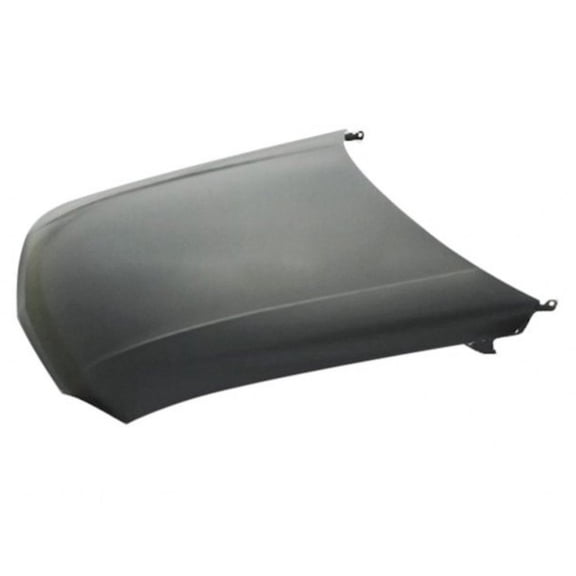

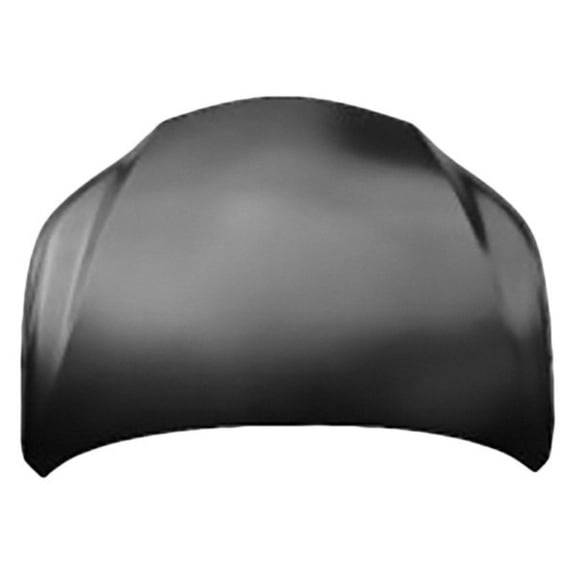


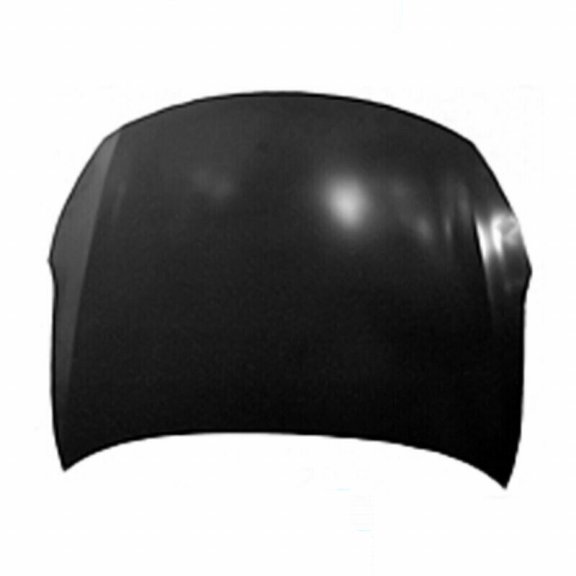
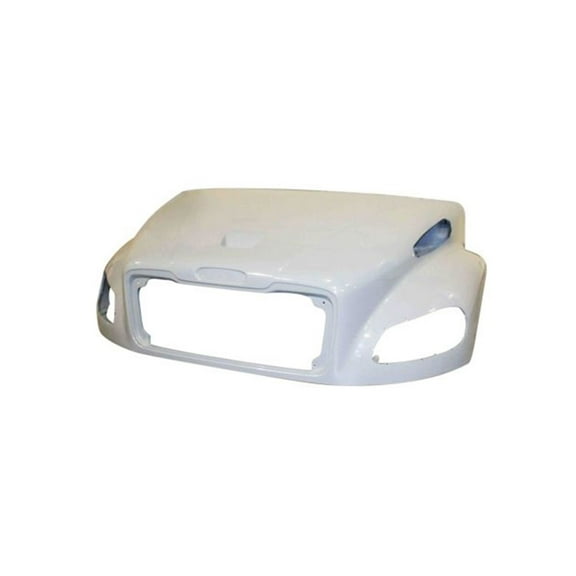
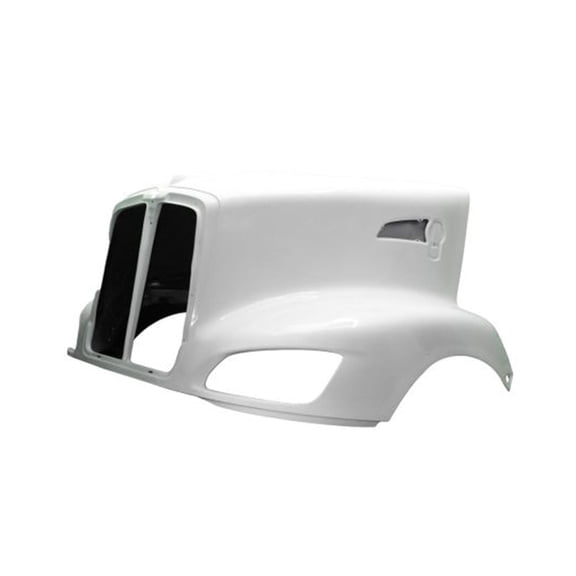
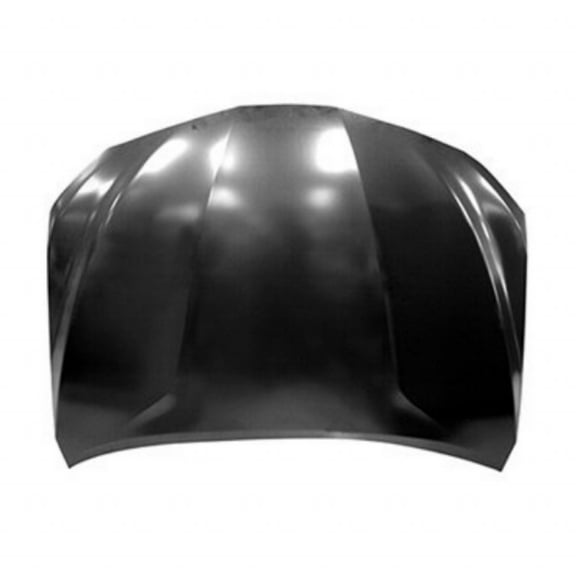

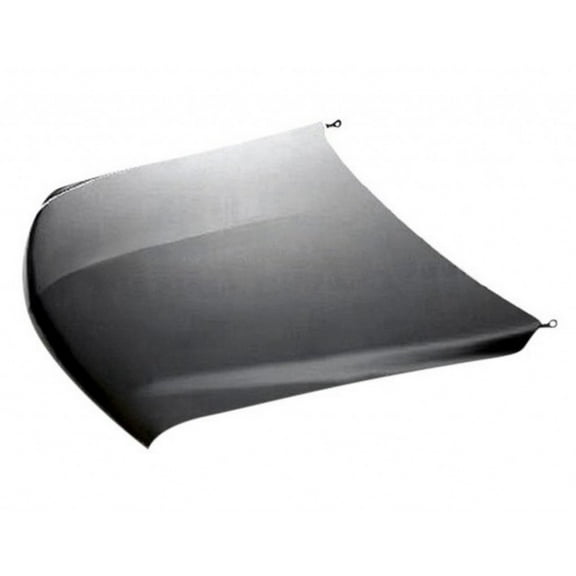
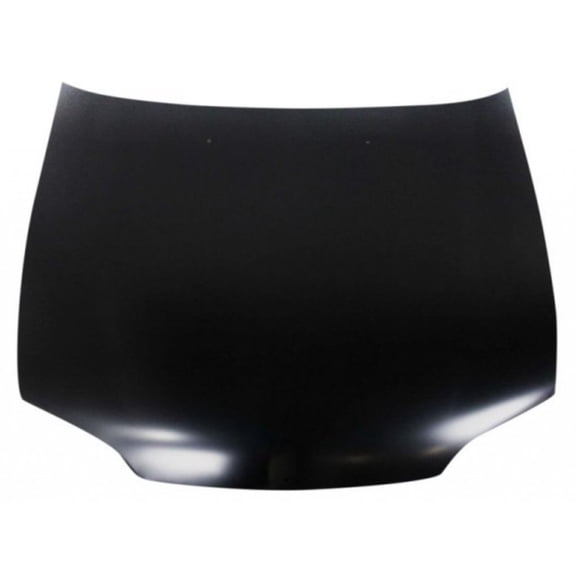
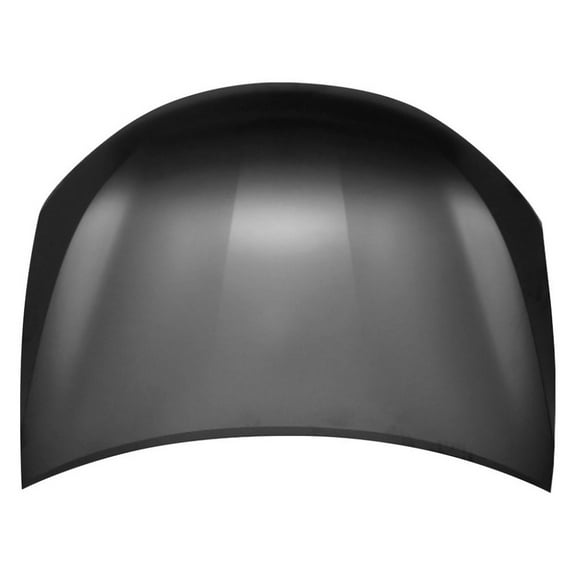

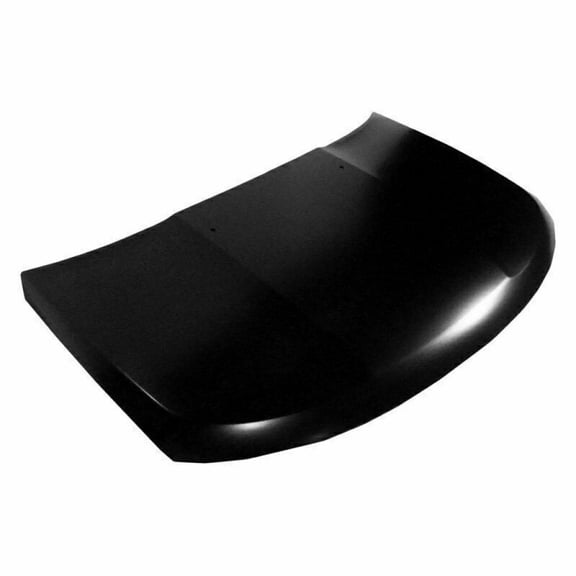


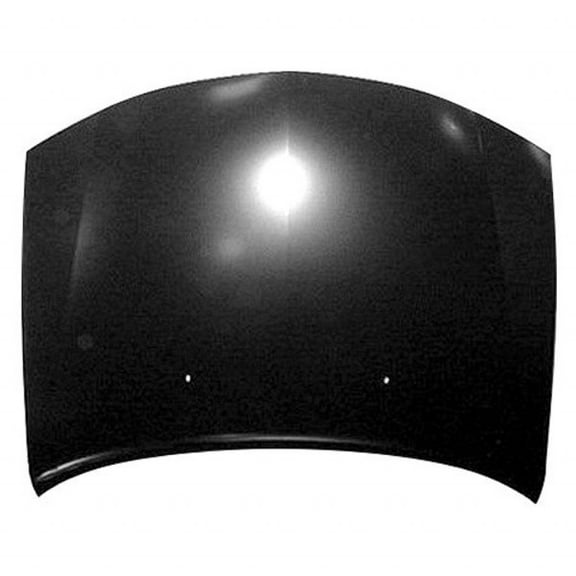

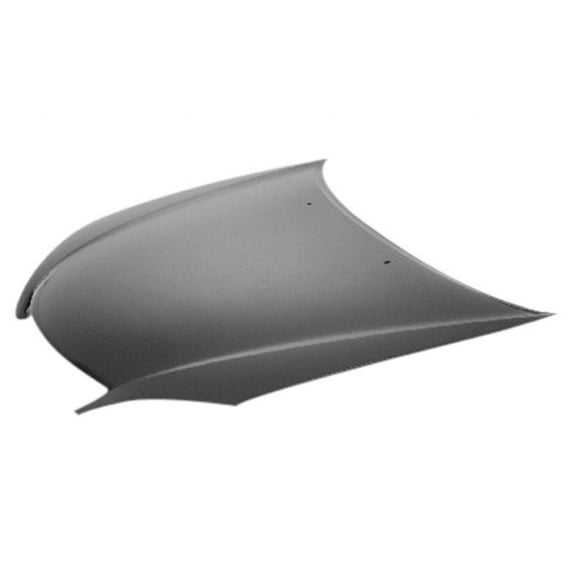


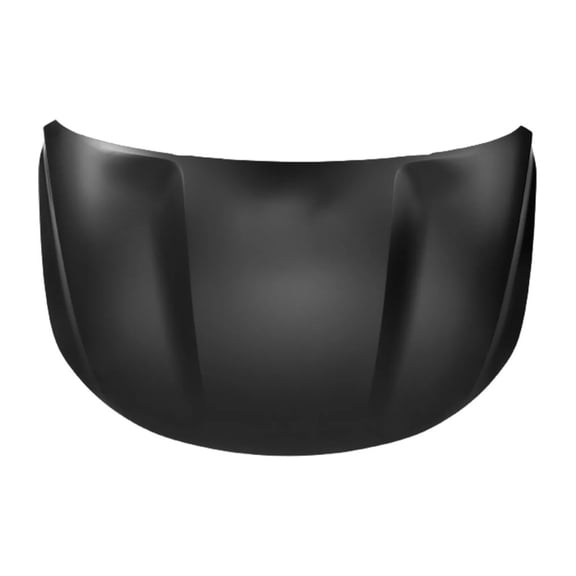
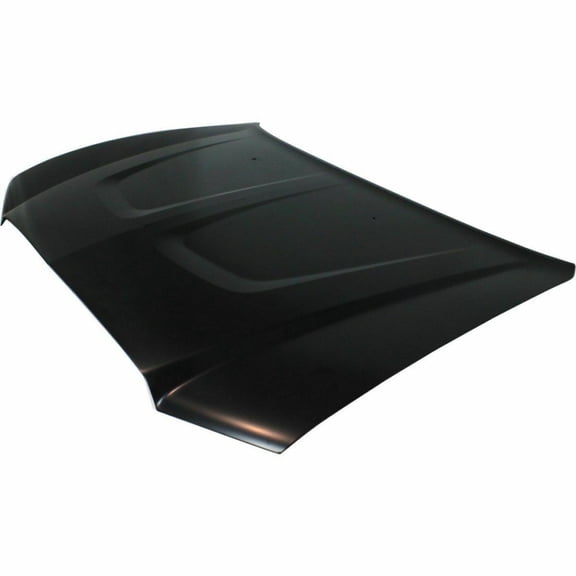



About Car Hood Panels and Exterior Hood Accessories - Walmart.com
Your hood panel choice affects fit, finish, and front-end appearance, so you need options that match your vehicle and repair plan. You can compare direct fit replacement parts, full hood assemblies, and ready-to-paint finishes for a smoother hood replacement process.
Choosing the right hood panel for your vehicle
When you shop for a hood panel, you should start with your vehicle year, make, and model. You can narrow your options faster when you compare fitment details before you choose a car hood panel.
You should also check whether the part matches OEM spec dimensions and mounting points. You’ll want hinge and latch compatibility, because those details affect alignment when you install a hood panel assembly.
If you’re comparing universal fit and direct fit replacement options, you should know they serve different projects. You may prefer direct fit parts for straightforward replacement, while universal fit pieces can suit custom builds.
- You can match Year/Make/Model details for a more exact fit.
- You can compare OEM spec notes for familiar panel dimensions.
- You can choose direct fit replacement parts for simpler mounting.
- You can review finish information before paint and body work begin.
How to compare hood panel assembly types
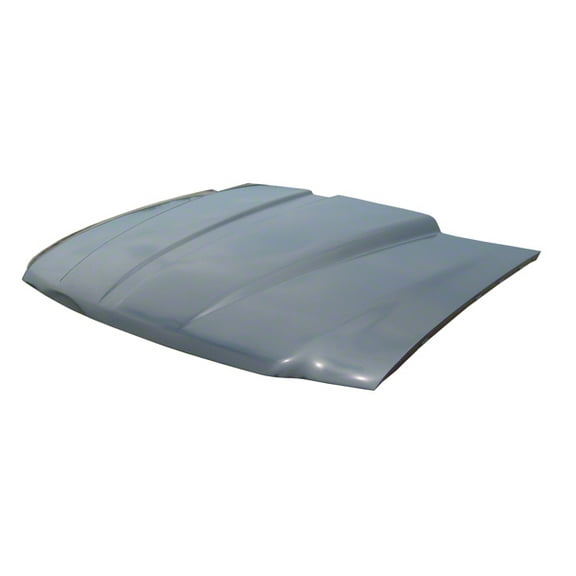
You’ll find that component type matters when you plan your repair. You can choose a hood panel for the outer shell, or you can select a full hood assembly for a broader replacement.
If you’re replacing visible damage across multiple mounting areas, you may lean toward a full hood assembly. If your project focuses on the panel skin, you may only need a hood panel.
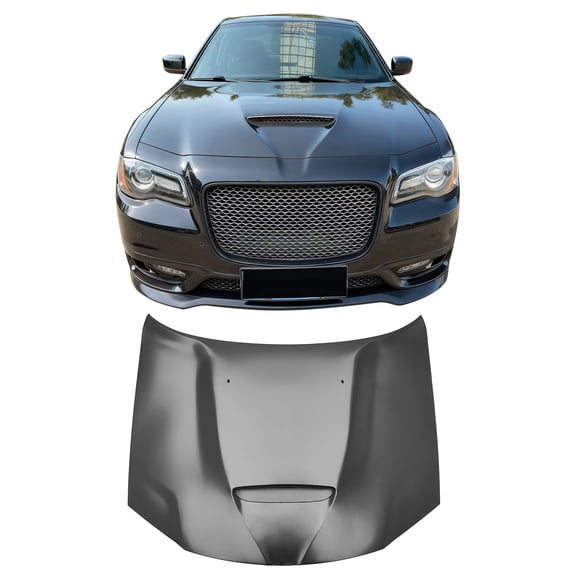
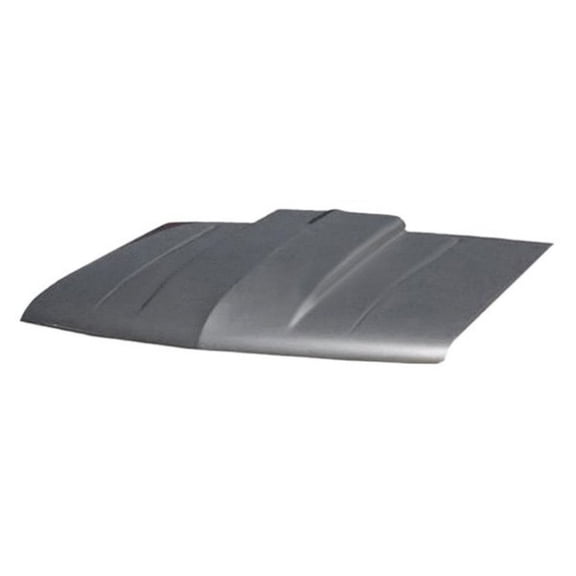
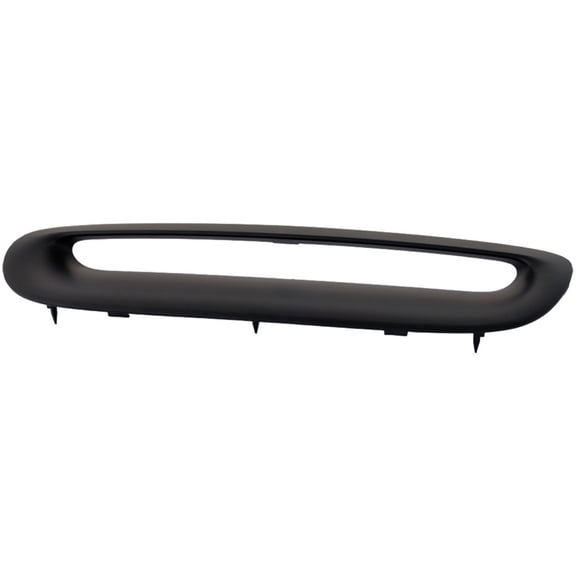
You may also see related parts like hood scoops and bezels in this category path. You should compare those pieces separately, because they serve styling or trim roles rather than full hood replacement.
Choosing material for hood panels
Material changes how your hood replacement feels during installation and daily driving. You can compare steel, aluminum, carbon fiber, and fiberglass based on weight, finish needs, and intended use.
If you want a familiar repair path, you may look at steel for its common use in collision repair. If you want a lighter car hood panel, you may compare aluminum options for reduced weight.
You might also consider carbon fiber or fiberglass for custom builds and appearance-focused projects. You should review fitment notes closely, because material choice can affect hardware use and finishing steps.
When you compare materials, you should think about how you’ll use the vehicle. You may want steel for everyday replacement, while aluminum or composites may fit projects where lower weight matters.
Understanding primer and finish options
Finish details help you plan body work before the part arrives. You can choose primed, painted, or bare metal options based on how much prep your project requires.
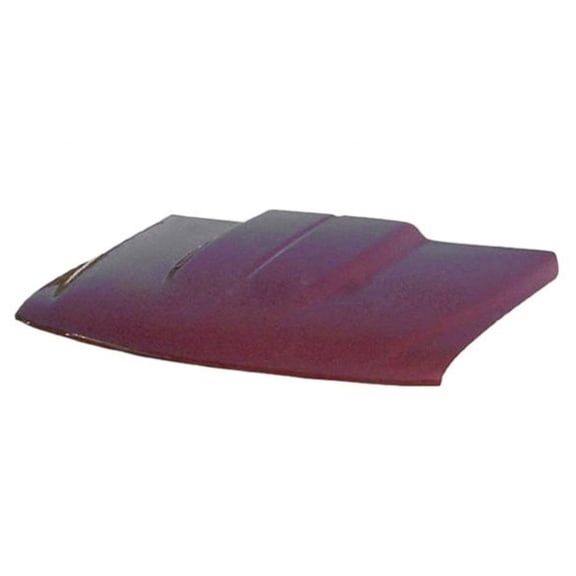
If you choose a primed hood panel assembly, you should expect to paint it to match your vehicle. If you choose a painted or color-matched option, you should still confirm the listed color details carefully.
When you select bare metal, you’ll usually plan more prep before paint. You can use finish information to estimate your next steps and keep your hood replacement project organized.
What to look for in installation and everyday use
You should compare installation notes before you order, especially for large exterior parts. You may find some hood panels support bolt-on replacement, while others may need added alignment work during setup.
If you enjoy DIY projects, you should look for direct fit replacement options with clear mounting compatibility. If your vehicle has complex alignment needs, you may prefer professional installation for a cleaner final fit.
You’ll also want to think about how the hood opens, closes, and lines up with nearby body panels. You can avoid extra guesswork when you confirm latch points, hinge locations, and edge contours early.
Using hood panel options for common repair scenarios
If you’re fixing collision damage, you may focus on OEM spec fitment and primed finishes. You can move from prep to paint more smoothly when your hood panel matches your repair workflow.
If you’re restoring an older vehicle, you may compare bare metal and painted options differently. You might choose based on how much custom finishing you want and how closely you want the exterior to match.
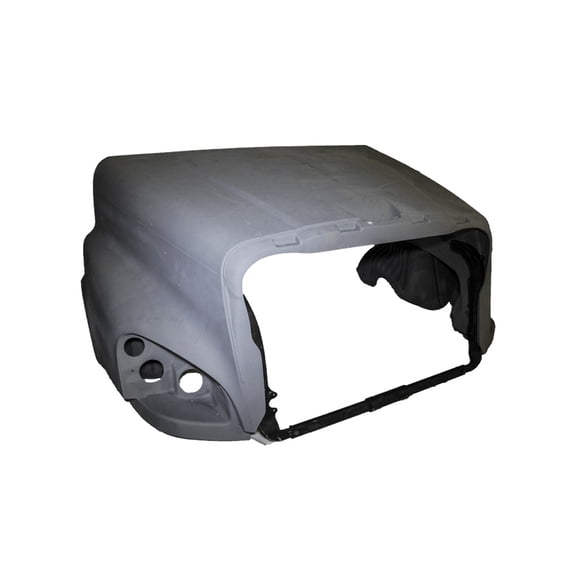
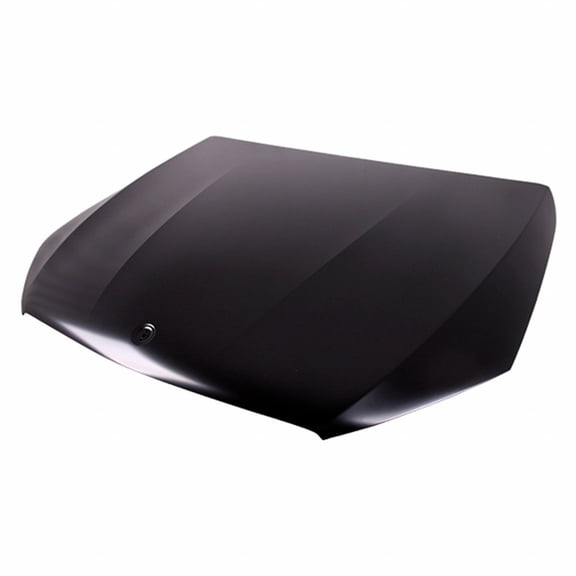
When you’re replacing a work truck hood, you may focus on Year/Make/Model fit and durable materials. You can also compare listings for vehicle-specific searches, including applications like a 2011 Audi A4 hood or International LT625 hood.
If you’re updating style details, you may pair your hood replacement with nearby front-end parts. You can also compare related categories like fenders, grilles, and car collision repair parts for a more complete exterior refresh.
You’ll make a smarter purchase when you compare fitment, material, component type, and finish together. Your hood panel can arrive ready for the repair path you already planned, which helps your project stay on track.