


Hidden Safes in Safes & Lockboxes

































About Hidden Safes in Safes & Lockboxes - Walmart.com
Hidden safes help you store cash, jewelry, and documents in plain sight while keeping your everyday rooms looking natural. You can compare disguise styles, lock types, placement options, and interior measurements to match your space and access needs.
How to choose hidden safes for your space
When you compare hidden safes, you should start with where you want the safe to disappear. You may prefer a bookshelf, wall cavity, pantry shelf, or closet based on how often you reach for your items.
Visual authenticity matters because you want the disguise to blend into your normal home setup. You should look for finishes, shapes, and labels that match nearby household items without drawing extra attention.
Storage capacity also shapes your decision because you may need room for folded cash, passports, jewelry, or small papers. You should check interior measurements before you choose, since the outer size rarely shows usable space. If you plan to store documents, you should compare depth and width together.
Choosing the right disguise type
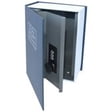
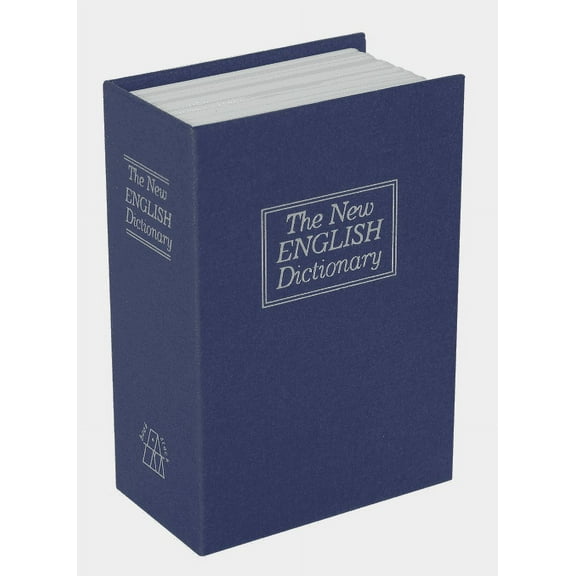
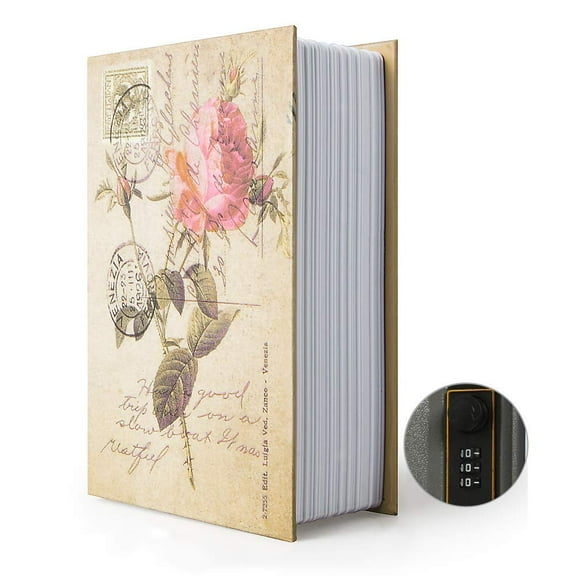
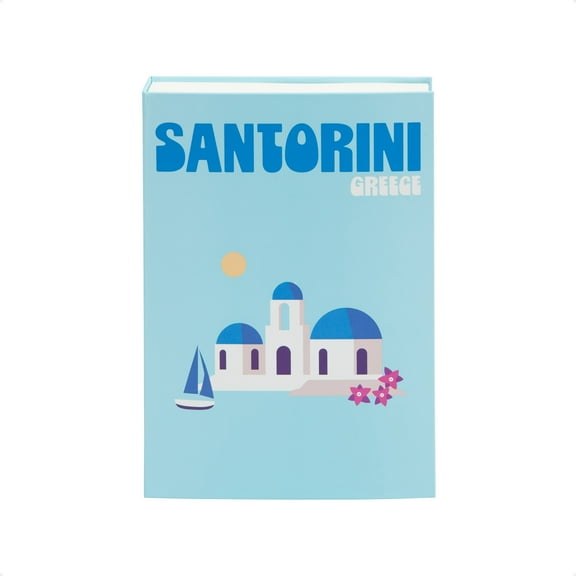
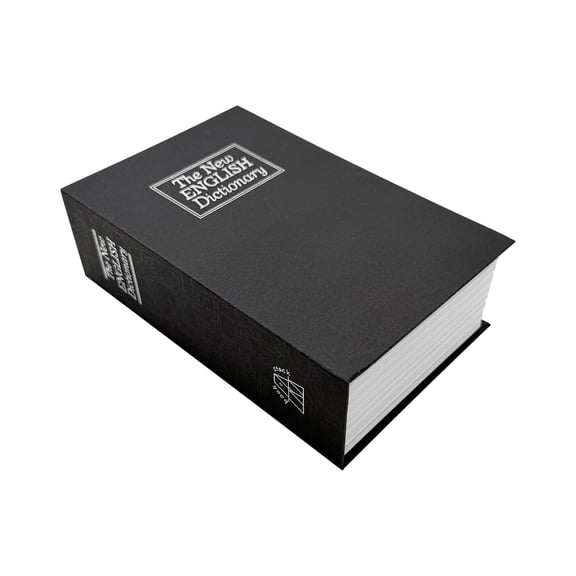
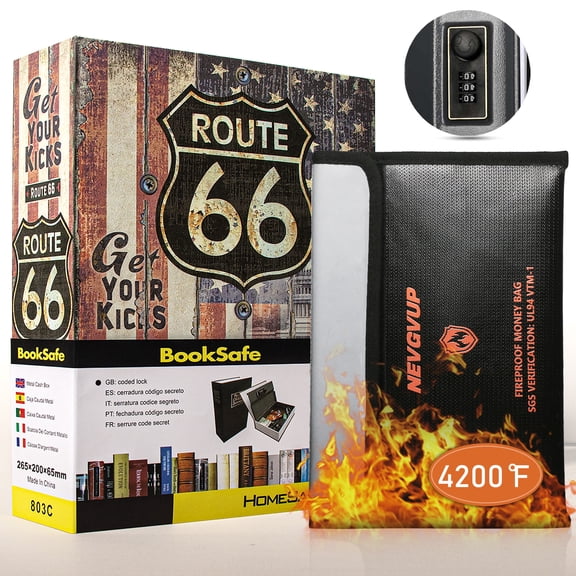
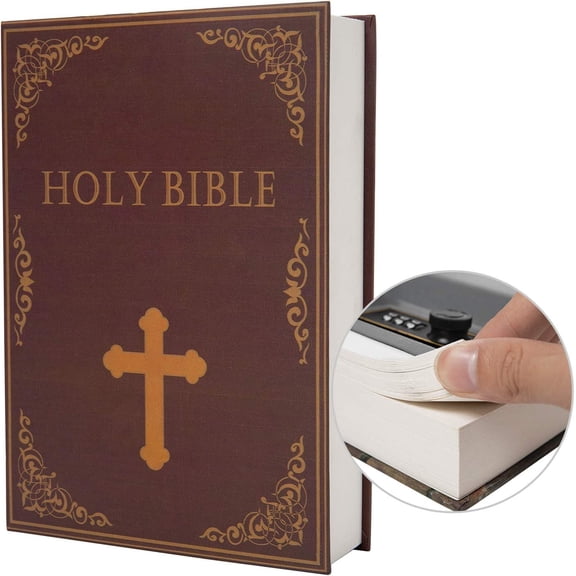
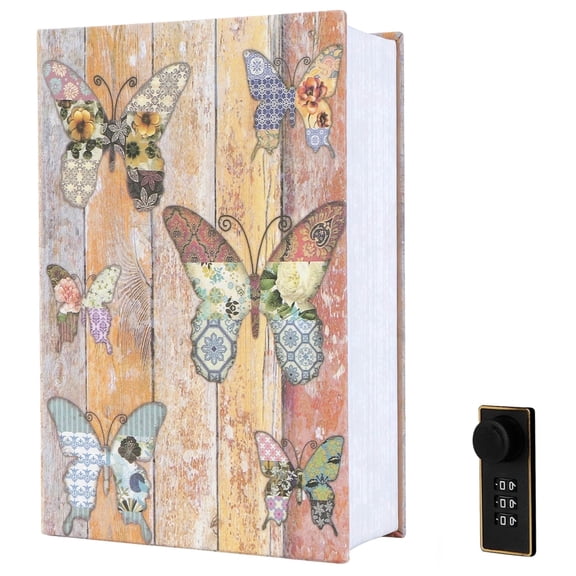
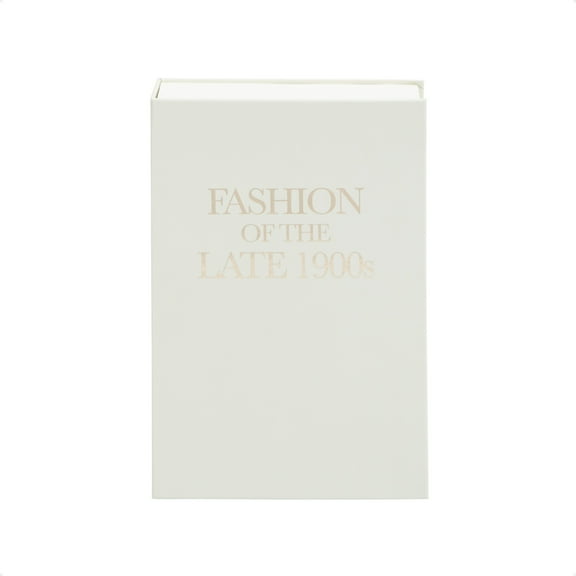
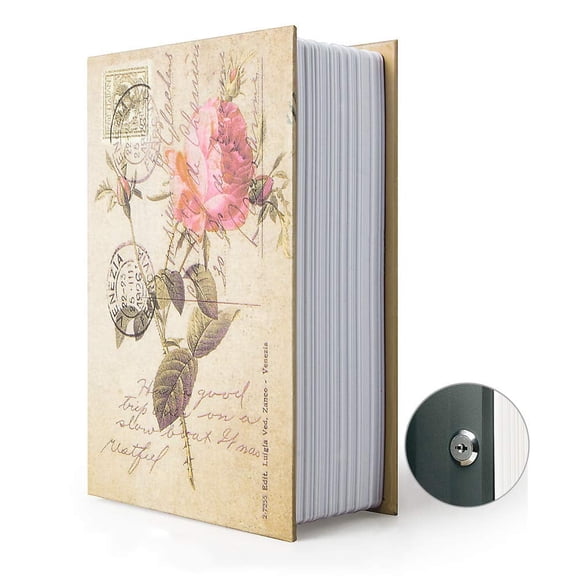
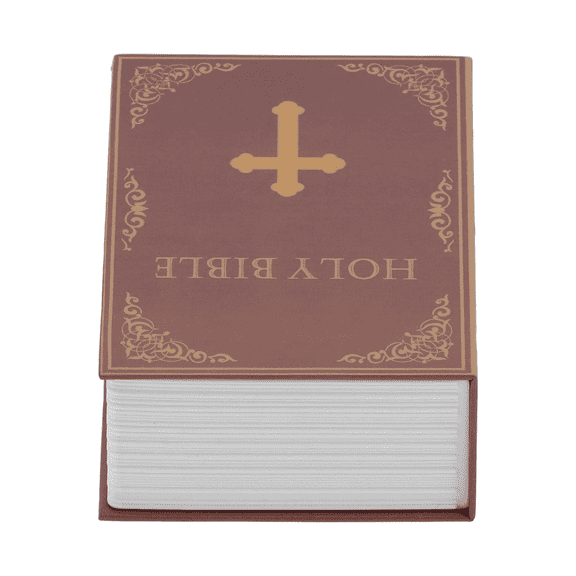
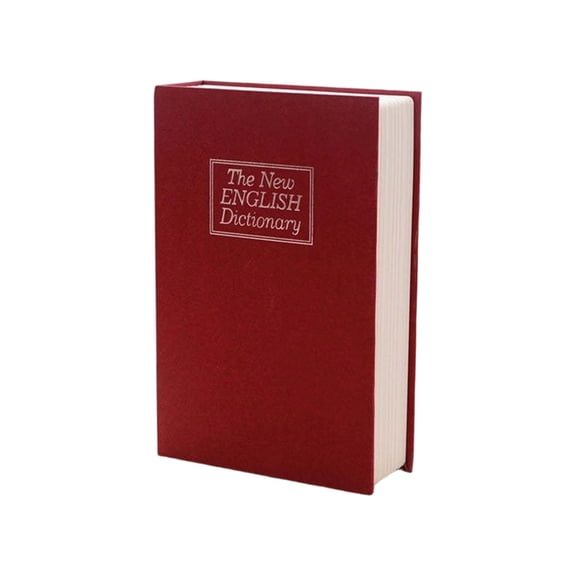
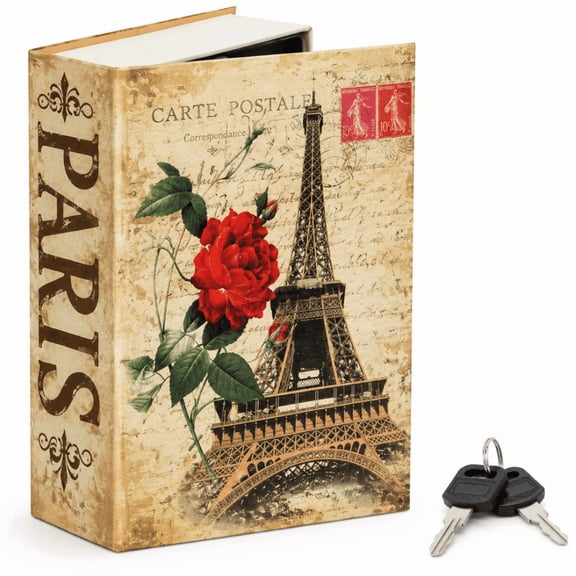
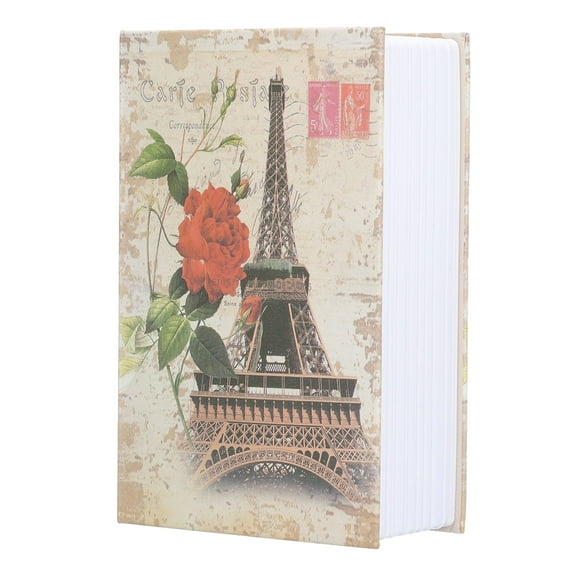
Book safes work well when you want a familiar look on a shelf or desk. You can place them between real books, and you can keep small valuables close without changing your room layout.
Wall outlet safes and hidden wall safes suit you when you want a built-in appearance. You may need to measure stud spacing and wall depth, because your fit affects both concealment and installation.
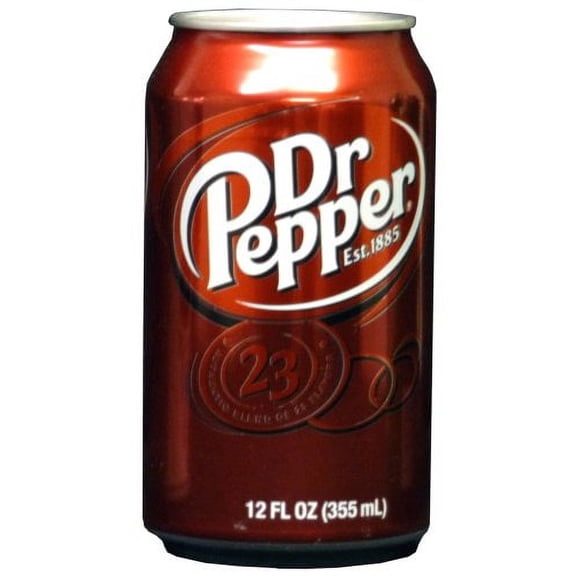
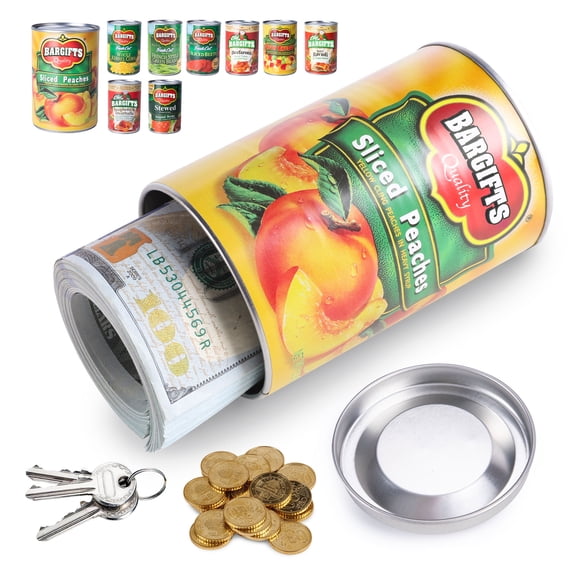
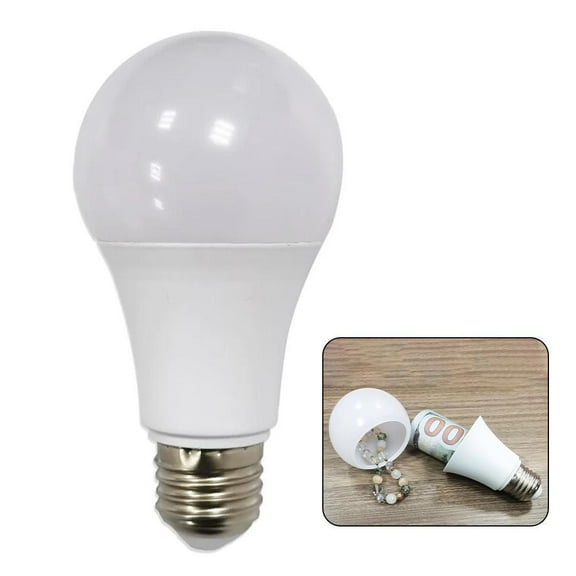
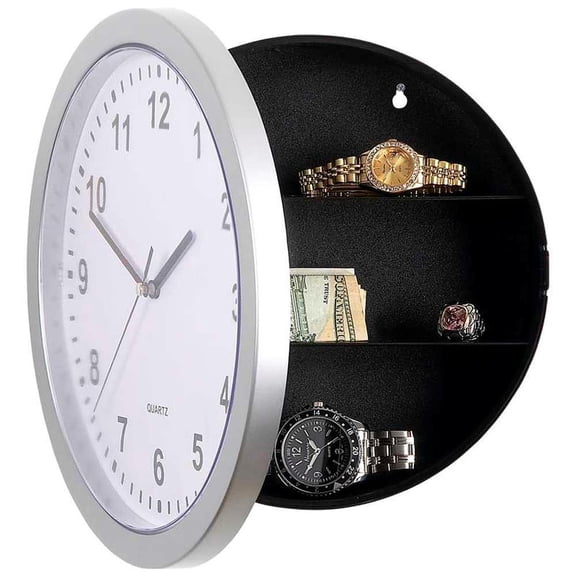
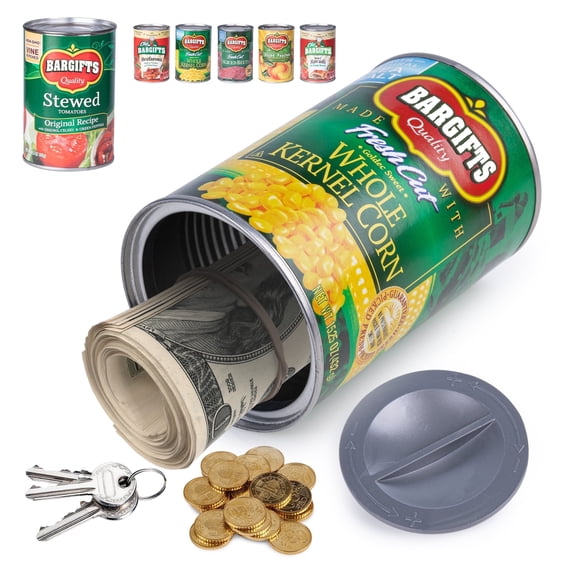
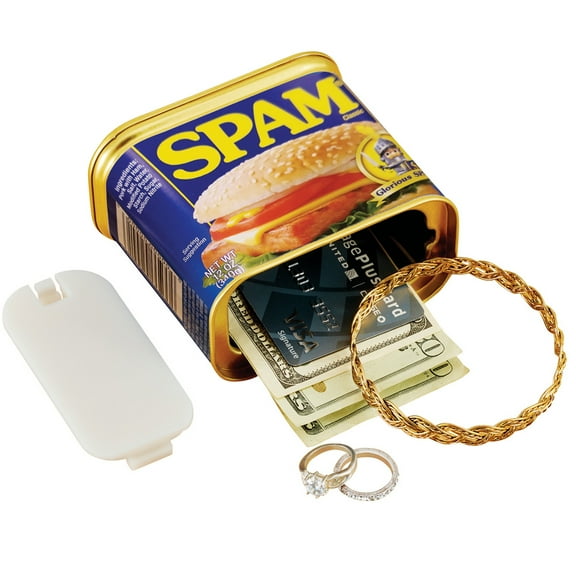
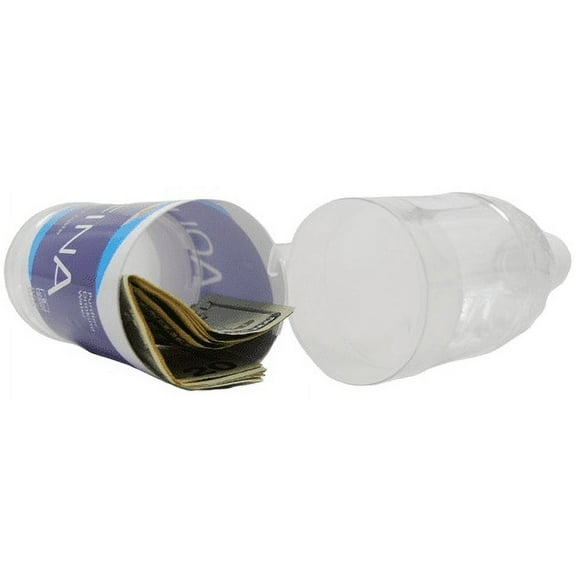
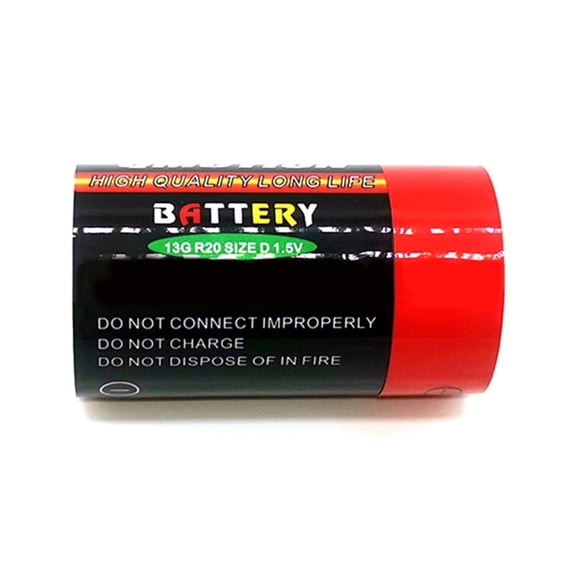
Clock safes give you a larger face item that can blend into living rooms or home offices. Canned diversion safes fit naturally in pantries, and you can mix them with household diversion containers for a less obvious setup.
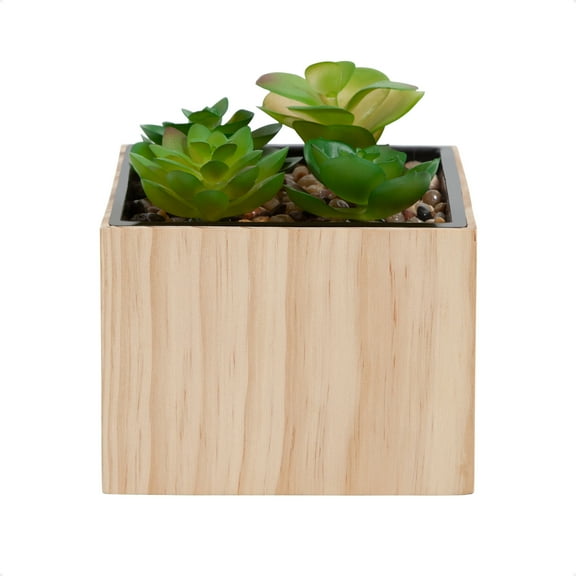
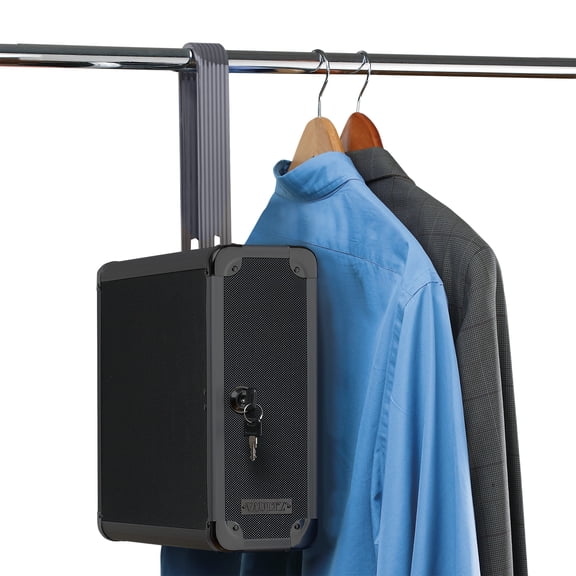
Shelf safes make sense when you want concealed storage inside closets, cabinets, or existing shelving. You can keep access simple, and you won't always need to cut into walls or rework furniture.
- Book safes give you quick shelf access with a familiar disguise.
- Wall outlet safes give you a compact look within a wall surface.
- Clock safes give you room for larger valuables and easy wall placement.
- Can diversion designs help you use pantry placement that looks ordinary.
- Shelf safes help you conceal items inside closets or cabinets.
Comparing hidden safes by lock and access speed
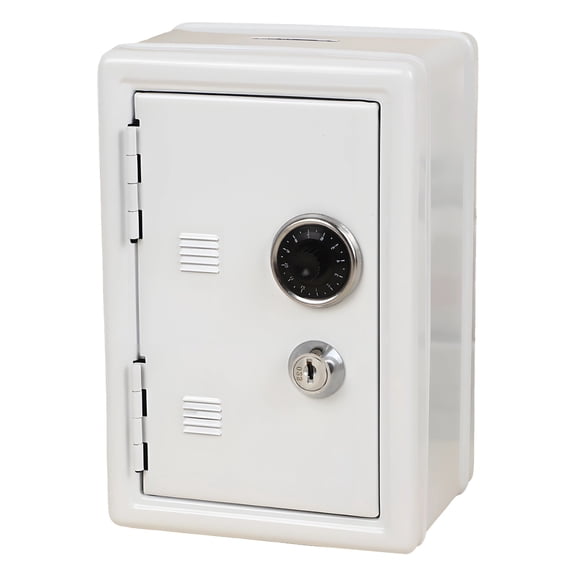
Locking mechanism affects how quickly you can open your safe and how often you want to manage keys or codes. You should compare key lock, combination lock, magnetic lock, and electronic keypad options before you decide.
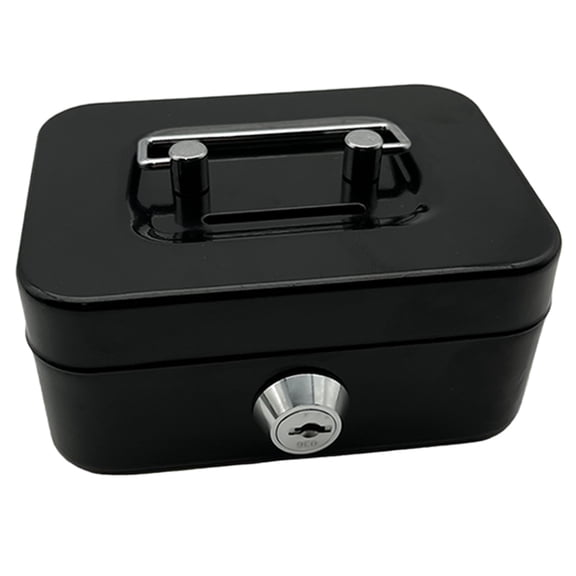
A key lock can feel straightforward when you want simple operation and a familiar setup. You should keep track of the key location, because your access depends on having it nearby.
A combination lock works well when you don't want a separate key to store. You may prefer it if you want consistent access without batteries, though you should remember the code clearly.
A magnetic lock can help you keep the exterior disguise cleaner and less obvious. You should check how the release tool works, because your access speed depends on that small detail.
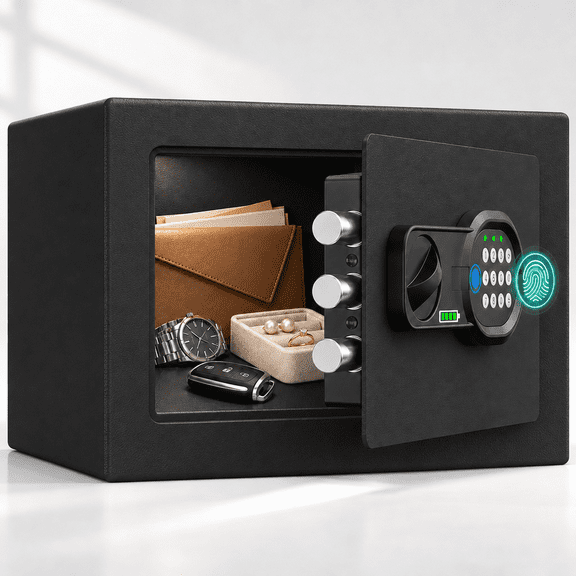
An electronic keypad may suit you when you want code-based entry with a modern feel. You should confirm power requirements and keypad placement, since those details affect your daily routine.
What to look for in materials and construction
Material construction influences how your hidden safes feel, fit, and blend with surrounding items. You should compare solid steel, reinforced plastic, and wood veneer based on your location and disguise type.
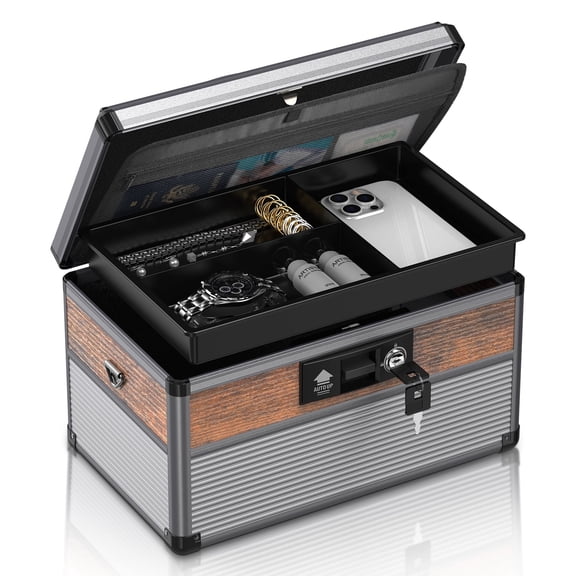
Solid steel can give you a sturdy interior storage box for cash, jewelry, and documents. You may notice extra weight, so you should check whether your shelf or wall location supports it comfortably.
Reinforced plastic can keep a diversion safe lighter and easier for you to place around the home. You should review the outer finish closely, because visual realism matters as much as the storage compartment.
Wood veneer can help a shelf safe or book-style design match your furniture and shelving. You should compare grain, color, and edges so your safe looks natural next to books, frames, or décor.
Installation requirements vary by construction and placement, so you should measure before you choose. You can place many diversion safes right away, while hidden wall safes usually need planning around wall cavities.
Matching disguise and placement to everyday use
You might want a dictionary safe style for a home office where books already line your shelves. You can keep passports, folded documents, or cash nearby while maintaining a familiar study look.
If your pantry has canned goods in clear rows, a can diversion design may fit your routine. You can store small items discreetly, and you can keep the container among everyday kitchen staples.
When your room layout includes an open wall section, hidden wall safes can support a built-in approach. You should measure the cavity first, and you should confirm the door swing fits your reach.
If you want quick access in a bedroom or hallway, a clock safe may feel practical. You can place it where a standard clock belongs, and you can reach stored items without moving other objects.
For closets and storage nooks, shelf safes work well when you want hidden storage without visible wall work. You can compare deeper compartments if your jewelry box, envelopes, or backup documents need more room.
As you narrow your options, you should compare disguise type, interior dimensions, lock style, and installation needs together. You can choose a setup that blends naturally, opens smoothly, and fits the valuables you actually store.