

Footstools & Storage Footstools in Ottomans








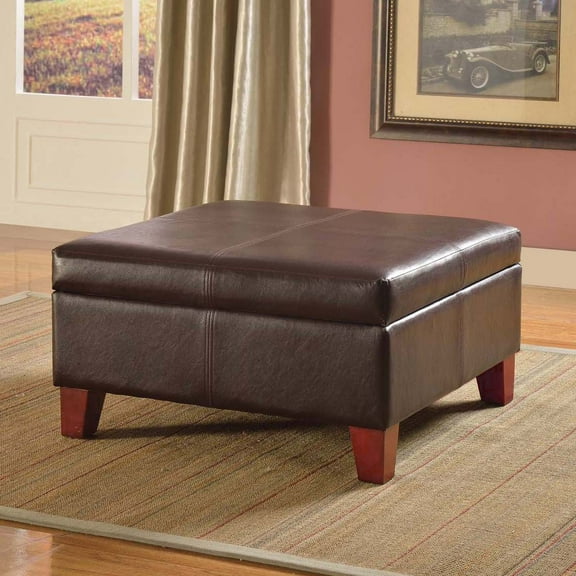
About Footstools & Storage Footstools in Ottomans - Walmart.com
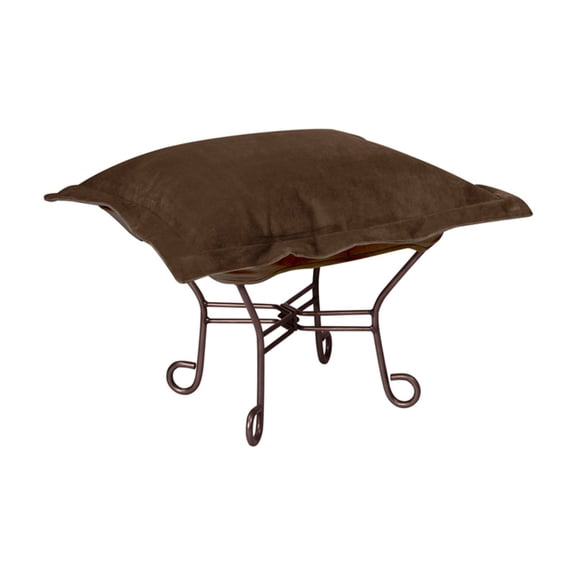
Foot stools bring comfort, flexible seating, and hidden organization to living rooms, bedrooms, and entryways. This category includes compact footstools and storage footstools for real daily use. You can prop up your feet, tuck away throws, and finish a room with texture. Many designs fit beside sofas, accent chairs, or vanity setups without taking over floor space. That mix of comfort and function makes this furniture category distinct from standard ottomans and benches.
Why foot stools fit everyday spaces
A well-chosen foot stool helps your seating area feel more complete. It creates a natural place to stretch out while reading, streaming, or catching up on emails.
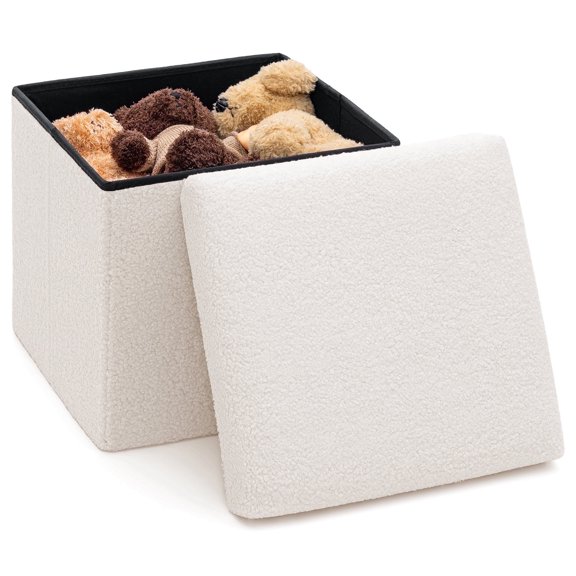
Storage styles add another layer of function. Lift-top designs can hold blankets, remotes, small pillows, or toys between uses.
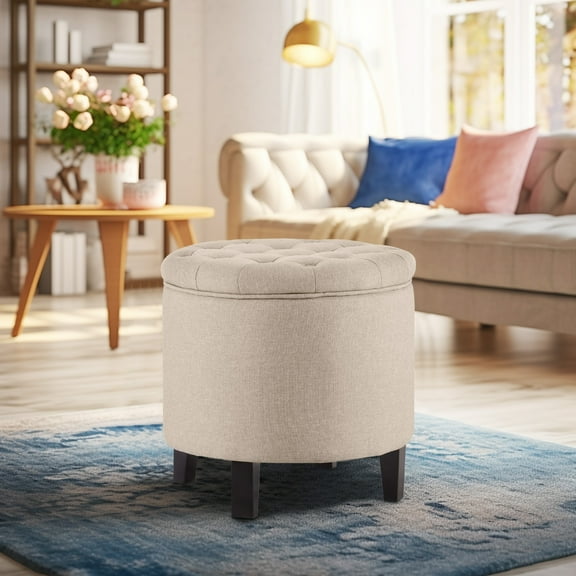
These pieces also adapt easily across rooms. A round design can soften sharp furniture lines, while a square silhouette can look structured beside a sectional.
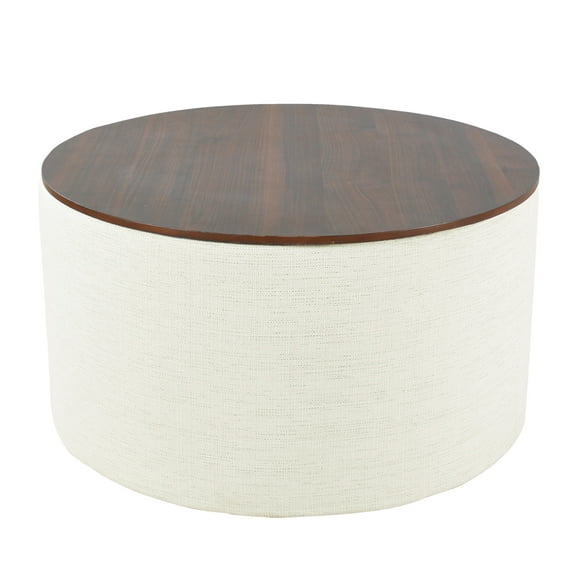
Upholstered options add warmth, and wood or metal accents can echo nearby tables and chairs. That flexibility helps one piece support comfort and room design.
- Gives your sofa or chair a dedicated spot for leg support.
- Offers compact seating when guests need an extra place to sit.
- Hides everyday clutter inside storage footstools with lift-off or hinged tops.
- Fits small apartments, corners, reading nooks, and layered living room layouts.
How to compare a foot stool or foot rest ottoman
Size matters first. Check height against your sofa or accent chair so the surface feels balanced and easy to use.
Lower profiles often pair well with lounge seating. Taller styles can suit upright chairs or vanity areas.
Width and shape matter too. Round pieces ease traffic flow, while rectangular forms align neatly with loveseats or window benches.
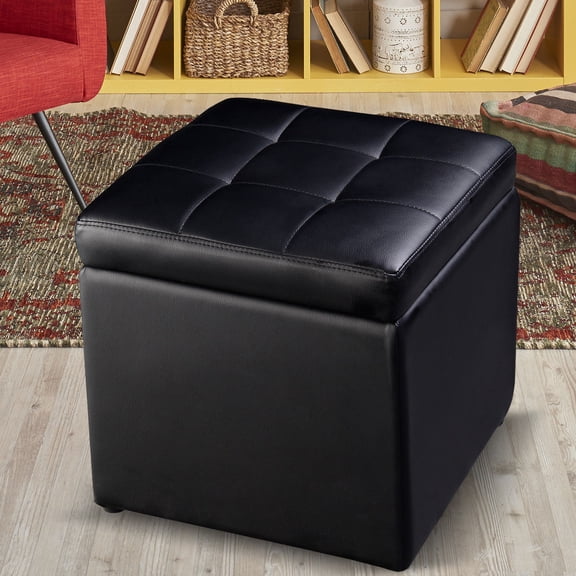
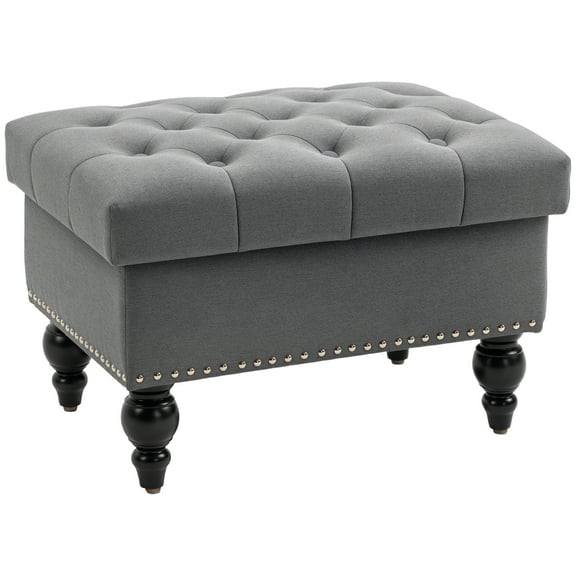
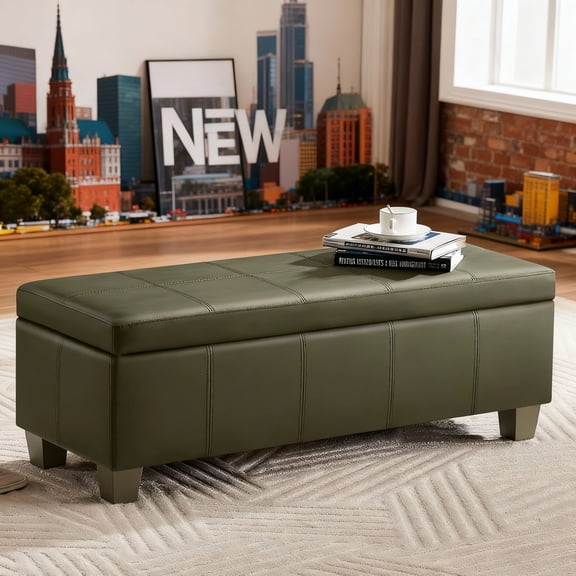
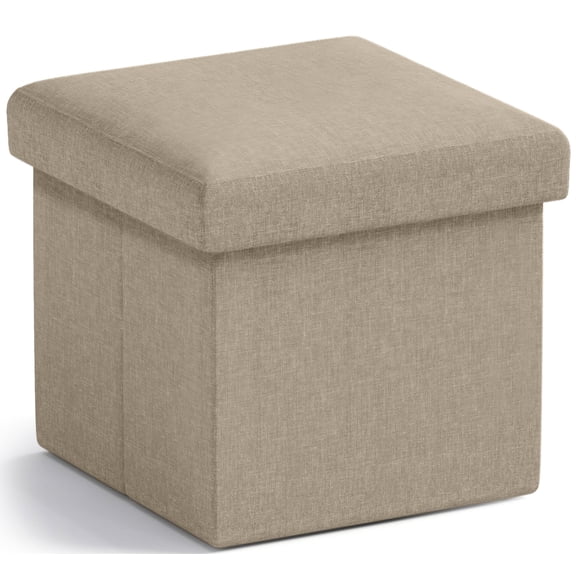
Materials change both look and upkeep. Velvet adds a plush finish, faux leather gives a smooth tailored feel, and woven fabric can blend into relaxed spaces.
Tufting, nailhead trim, channel stitching, and wood legs create different style directions. Some foot stools include firm foam tops, while others feel softer and more cushioned.
Storage details deserve a close look. Some designs open with a removable lid, and others use a hinged top for quicker access.
Interior capacity, divided compartments, and sturdy bases can make a difference when you use them every day. These details matter more here than they would on a standard accent seat.
Footstool styles for living rooms, bedrooms, and entryways
In living rooms, footstools often anchor a favorite chair or complete a sectional corner. A foot rest ottoman can also stand in as a movable perch during movie nights.
Bedroom use looks different. Storage footstools at the end of the bed can hold spare linens, throw pillows, or seasonal accessories.
That placement adds a finished furniture layer without the bulk of a storage bench. It also keeps lightweight essentials close but out of sight.
Entryways benefit from compact shapes and practical storage. A small footstool can provide a quick sitting spot while tying together rugs, consoles, and wall hooks.
In dressing spaces, upholstered options pair well with vanities because they feel softer and easier to move. That versatility helps this category cover more than one furniture need.
Style coordination is simple when you match color and texture to nearby pieces. Neutral upholstery blends with existing seating, while bold jewel tones create a clear accent.
Leg finishes, trim details, and silhouette can connect your footstool to coffee tables, side tables, or accent seating. Those visual links help the room feel intentional.
Choosing storage footstools that work harder
Storage footstools stand out because they do two jobs at once. They support comfort in front of a chair, then help clear visual clutter.
This makes them useful in shared living areas, apartments, and family rooms. A hidden compartment can hold game controllers, books, pet accessories, or lightweight blankets.
Consider how often you’ll open the top. Frequent access may call for a hinged lid, while occasional storage can work well with a lift-off design.
If the piece doubles as seating, look for a shape and base that feel stable in everyday use. Soft upholstery can keep the room inviting.
Structured edges can make the piece feel tailored. The right mix of softness and shape depends on the room’s furniture style.
Think about traffic flow before choosing placement. A compact footstool can slide beside a chair when not in use, while a larger design may sit centered in front of a loveseat.
The right proportions help the piece feel intentional and comfortable every day. That balance is especially important in smaller rooms with layered seating.
What makes foot stools distinct from other accent furniture
Unlike a coffee table, foot stools add softness and comfort right where you relax. Unlike a bench, they’re usually sized for closer pairing with chairs and sofas.
Storage footstools also offer concealed space in a format that feels decorative rather than bulky. That combination helps each piece earn its place in the room.
When height, material, and storage style line up with your room, the result feels polished and practical. The right piece supports lounging, adds a flexible seat, and keeps essentials tucked neatly out of sight.