Sort by|

Flip Charts

Uses item details. Price when purchased online

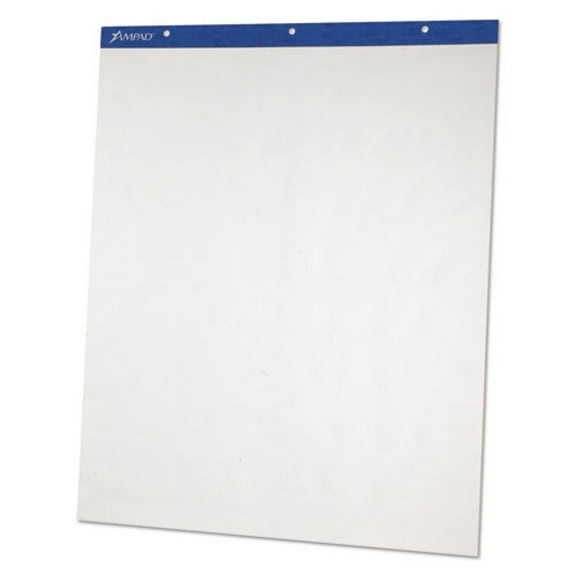
Universal Renewable Resource Sugarcane Based Easel Pads, Presentation Format (1" Rule), 27 x 34, White, 50 Sheets, 2/Carton $42.12

Universal Renewable Resource Sugarcane Based Easel Pads, Presentation Format (1" Rule), 27 x 34, White, 50 Sheets, 2/Carton
current price $42.12

Universal Renewable Resource Sugarcane Based Easel Pads, Presentation Format (1" Rule), 27 x 34, White, 50 Sheets, 2/Carton

4.8 out of 5 Stars. 12 reviews

Pacon Heavy Duty Anchor Chart Paper - 27" x 34", Non-Gridded $41.36 Was $51.31

Pacon Heavy Duty Anchor Chart Paper - 27" x 34", Non-Gridded
current price Now $41.36, Was $51.31

Pacon Heavy Duty Anchor Chart Paper - 27" x 34", Non-Gridded

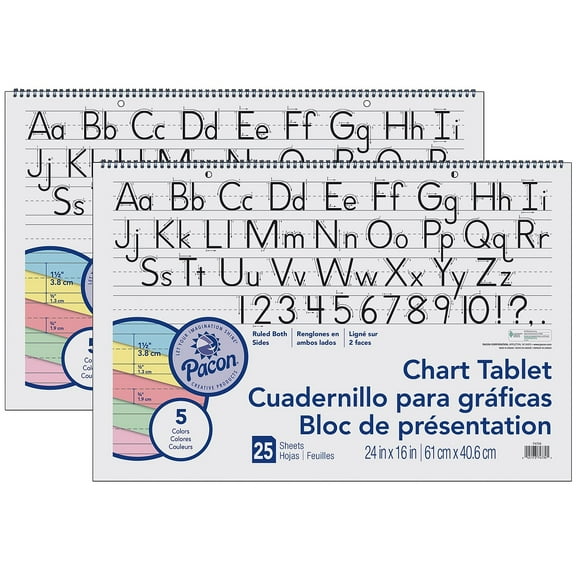
Chart Paper Pad, 32 x 24 Inches, Unruled, 25 Sheets $21.23 $7.08/lb

Chart Paper Pad, 32 x 24 Inches, Unruled, 25 Sheets
current price $21.23
$7.08/lb

Chart Paper Pad, 32 x 24 Inches, Unruled, 25 Sheets

3.6 out of 5 Stars. 18 reviews

Universal Renewable Resource Sugarcane Based Easel Pads, Unruled, 27 x 34, White, 50 Sheets, 2/Carton $31.06 Was $37.99

Universal Renewable Resource Sugarcane Based Easel Pads, Unruled, 27 x 34, White, 50 Sheets, 2/Carton
current price Now $31.06, Was $37.99

Universal Renewable Resource Sugarcane Based Easel Pads, Unruled, 27 x 34, White, 50 Sheets, 2/Carton

4.5 out of 5 Stars. 13 reviews

PACON CORPORATION Heavy Duty Wall Chart, Unruled, 24"W x 32"L, 25 Count

PACON CORPORATION Heavy Duty Wall Chart, Unruled, 24"W x 32"L, 25 Count

PACON CORPORATION Heavy Duty Wall Chart, Unruled, 24"W x 32"L, 25 Count

FAQ

What is a flip chart, exactly?

A flip chart is a large pad of chart paper that you flip page by page during lessons, meetings, or workshops. It’s typically placed on an easel or mounted on a wall so everyone can see ideas as they’re written.

  • Formats can include presentation rule (for neater handwriting), unruled, and non-gridded options.
  • Common sizes on this page include 27 x 34 inches, as well as smaller 24 x 32 or 32 x 24 pads.
  • Sheet counts vary (for example, 25 or 50 sheets), and some options come in multipacks.

Because it’s low-tech and highly visible, a flip chart can help groups brainstorm, outline plans, and create anchor charts without relying on screens. Exact benefits can vary based on your space and how you use it.

How do people use flip charts?

Flip charts are handy for making ideas visible and keeping groups engaged. Many teachers and teams use them to capture input in real time and create reusable visuals.

  • Classrooms: Build anchor charts, word walls, or lesson outlines.
  • Meetings: Map goals, action items, and workflows.
  • Workshops: Facilitate exercises, sketch diagrams, and track feedback.
  • Planning: Create checklists, timelines, or daily stand-up notes.

For clearer results, consider using bold, contrasting markers and writing large so the back row can read. Label pages at the top for quick reference and photograph finished pages to share later. Displaying finished sheets can help reinforce takeaways, but always follow your venue’s guidelines for posting materials.

Why do flip chart pads vary in price?

Pricing can vary because pads differ in size, format, and quantity. Instead of focusing on a single number, it can help to consider what you need for your setting.

  • Size: Larger pads (like 27 x 34 inches) may be priced differently than smaller formats.
  • Format: Presentation rule vs. unruled or non-gridded paper can influence cost.
  • Quantity: Single pads versus multipacks (for example, 2/carton) affect the total value.
  • Paper build: Heavier or “heavy duty” chart paper may be priced differently than lighter options.

On Walmart, you can filter by size, ruling, and sheet count to find options that fit your budget and usage. Availability and promotions can change, so checking current listings can be helpful.

Are flip charts still worth using today?

Many classrooms and teams still find flip charts useful because they’re quick to set up and easy for everyone to see. They can complement digital tools rather than replace them.

  • Collaboration: Pages can invite participation, sketches, and brainstorming without devices.
  • Visibility: Large paper can be readable across a room when written clearly.
  • Flexibility: You can move pages, reorder topics, and display takeaways around the space.
  • Hybrid use: For remote participants, positioning the pad in camera view or sharing photos afterward can help include everyone.

Whether they’re “worth it” depends on your group size, room setup, and workflow. In many teaching, training, and planning scenarios, they continue to play a helpful role.

Which size flip chart should I get?

Choose a size based on how far people will be from the pad, how much you need to write, and where you’ll use it.

  • Larger rooms: A 27 x 34 inch pad can offer more writing area and visibility for bigger groups.
  • Smaller spaces: Formats like 24 x 32 or 32 x 24 inches can be easier to fit on walls and to transport.
  • Audience distance: If attendees sit farther away, a larger page can make headings and diagrams easier to read.
  • Portability: If you travel often, a smaller, lighter pad may be more convenient.

It’s also a good idea to check your easel’s recommended pad size to help ensure a comfortable fit.

About Flip Charts for Office and Presentation Use

What kind of markers can I use on flip charts?

Flip charts come in a variety of different writing surfaces and marker types are dependent upon the surface type. For paper flip charts, you can use permanent markers. For laminated flip boards, use a white board marker or washable marker so you can easily clean and reuse the board. Use a bullet tip marker on white board flip boards to avoid squeaks and allow for easy removal.

What are the benefits of flip charts?

Flip charts are an active form of information management and can be used at the office as well as in the classroom. In the office, flip charts are great for brainstorming ideas, and since they are low tech the focus is on the topics. In the classroom, flip charts allow teachers to demonstrate topics in a clear manner as well as encourage students to participate and ask questions.

Can I easily store a flip chart?

Most flip chart stands are foldable and can be stored underneath furniture or flat against wall surfaces. Other flip charts are designed to attach directly to the wall via an adhesive strip. Easels can be chosen to match existing furniture for a seamless look.

Related Products