

Eppendorf Tubes(1)
Micro Tubes: Safe-Lock Micro-centrifuge Tube, Eppendorf Type, 0.5mL, Packaging: 500 per Resealable Bag, Non-Sterile by Sponix BioRx $15.29

Micro Tubes: Safe-Lock Micro-centrifuge Tube, Eppendorf Type, 0.5mL, Packaging: 500 per Resealable Bag, Non-Sterile by Sponix BioRx
Other options to consider(1)
Celltreat 229441 Micro Centrifuge Tube, Non-Sterile, 1.5 mL, Clear (Pack of 1000) CA1 $52.45

Celltreat 229441 Micro Centrifuge Tube, Non-Sterile, 1.5 mL, Clear (Pack of 1000) CA1
FAQ
What are eppendorf tubes used for?
Eppendorf tubes, also known as microcentrifuge tubes, are commonly used in laboratories for storing, mixing, and centrifuging small volumes of liquid. They're ideal for tasks like sample preparation, DNA extraction, and protein analysis. Their secure lids help prevent leaks and contamination, making them a reliable choice for handling sensitive samples. If you're working on a science project or need to organize tiny amounts of liquid, these tubes can be a handy solution.
How do I open and close eppendorf tubes safely?
- To open: Hold the tube firmly and gently lift the lid using your thumb. Avoid using excessive force to prevent damage.
- To close: Press the lid down until you hear a soft click, which means it's securely locked.
Safe-Lock designs help minimize spills and keep your samples protected. Always check that the lid is fully closed before moving or centrifuging the tube. If you're unsure, give the lid a gentle tug to confirm it's locked.
Can I reuse eppendorf tubes?
Most eppendorf tubes are intended for single use, especially in research or clinical settings, to avoid cross-contamination. If you're using them for non-critical tasks, you can rinse and reuse them, but make sure they're thoroughly cleaned and dried. For sensitive experiments, it's best to use a new tube each time. Always follow your lab's guidelines for safety and cleanliness.
How should I store unused eppendorf tubes?
- Keep tubes in their original resealable bag to protect them from dust and moisture.
- Store them in a cool, dry place away from direct sunlight.
- Make sure the bag is tightly closed after each use to maintain cleanliness.
Proper storage helps keep your tubes ready for use and prevents accidental contamination. If you have a lot of tubes, consider organizing them in a dedicated container or drawer for easy access.
Are eppendorf tubes compatible with all centrifuges?
Most microcentrifuge tubes, including eppendorf types, fit standard microcentrifuges. However, it's a good idea to check your centrifuge's rotor specifications to ensure compatibility with the tube size and capacity. Using the correct tubes helps prevent damage to your equipment and ensures safe operation. If you're unsure, consult your centrifuge's manual or ask a lab supervisor for guidance.
Popular in Eppendorf Tubes for Lab Testing and Sample Storage
Related Products
McKesson Transfer Pipette, Non-Sterile, 7 mL, 0.5 mL, 3 mL, 500 Count
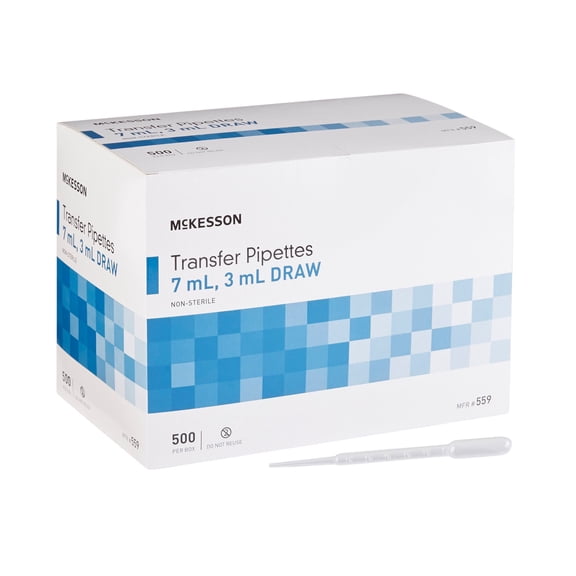 McKesson Transfer Pipette, Non-Sterile, 7 mL, 0.5 mL, 3 mL, 500 Count$20.80current price $20.80
BH Supplies 60mL Syringe Catheter Tip Sterile with Caps - (No Needle) - Sterile, Individually Wrapped - 50 Syringes
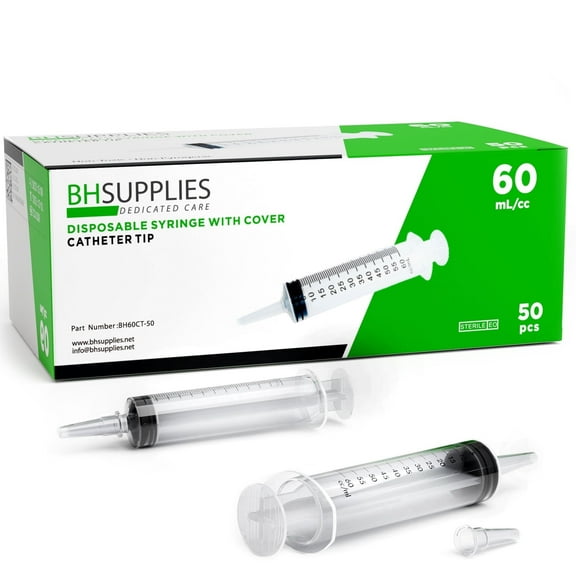 BH Supplies 60mL Syringe Catheter Tip Sterile with Caps - (No Needle) - Sterile, Individually Wrapped - 50 Syringes$27.99current price $27.99
60ml Catheter Tip Syringe with Covers 50 Pack by Tilcare - Sterile Plastic Medicine Food Droppers for Children, Pets or Adults – Latex-Free Oral Medication Dispenser - Large Feeding Tube Syringes
 60ml Catheter Tip Syringe with Covers 50 Pack by Tilcare - Sterile Plastic Medicine Food Droppers for Children, Pets or Adults – Latex-Free Oral Medication Dispenser - Large Feeding Tube Syringes$37.99current price $37.99
RKZDSR Moveland 100PCS 1ml/2ml/3ml/5ml Disposable Plastic Transfer Pipettes, Calibrated Dropper Suitable For Science Laboratory
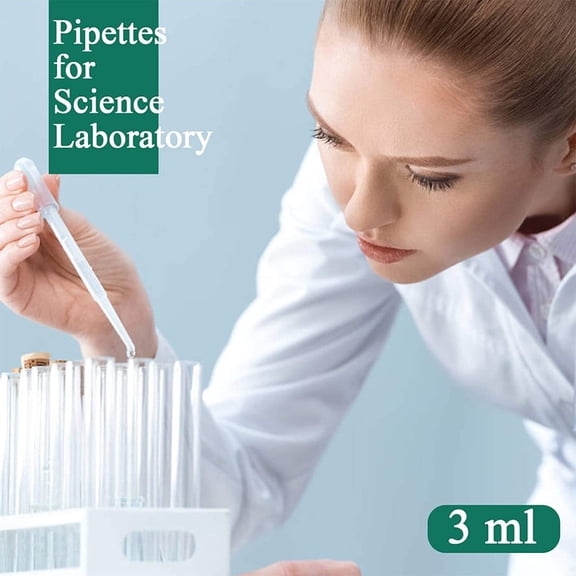 RKZDSR Moveland 100PCS 1ml/2ml/3ml/5ml Disposable Plastic Transfer Pipettes, Calibrated Dropper Suitable For Science Laboratory$7.99current price $7.99
Wovilon Moveland 100Pcs 1Ml/2Ml/3Ml/5Ml Disposable Plastic Transfer Pipettes, Calibrated Dropper Suitable For Science Laboratory
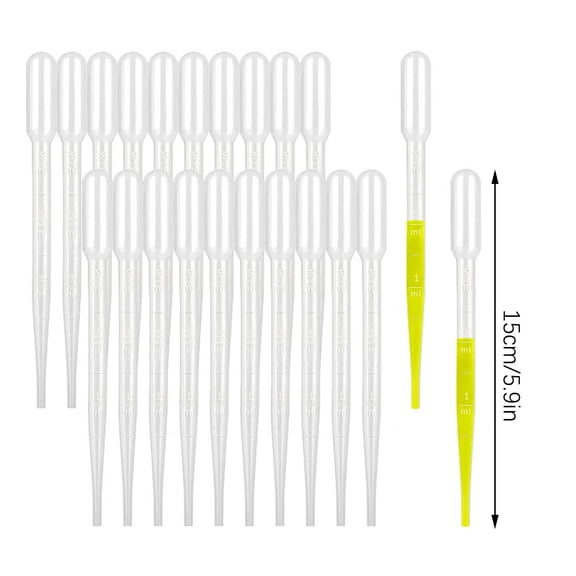 Wovilon Moveland 100Pcs 1Ml/2Ml/3Ml/5Ml Disposable Plastic Transfer Pipettes, Calibrated Dropper Suitable For Science Laboratory$4.68current price $4.68
Manufacturer Varies Light Bulb Transfer Pipet,7mL,PK500 21F228
 Manufacturer Varies Light Bulb Transfer Pipet,7mL,PK500 21F228$23.17current price $23.17
Microchemistry Pipets, Super Jumbo, Overall Length 12", Capacity 23.0 Ml, Pack Of 10
 Microchemistry Pipets, Super Jumbo, Overall Length 12", Capacity 23.0 Ml, Pack Of 10$6.50current price $6.50
Pyrex Disposable Glass Serological, Nonsterile, Nonplugged Pipet, 10 Ml, Pack Of 20
 Pyrex Disposable Glass Serological, Nonsterile, Nonplugged Pipet, 10 Ml, Pack Of 20$17.95current price $17.95
Manufacturer Varies Disposable Transfer Pipet,7.5mL,PK500 21F226
 Manufacturer Varies Disposable Transfer Pipet,7.5mL,PK500 21F226$27.78current price $27.78
Fixed Volume Micropipette - Fully Autoclavable - 20uL Volume - Includes Calibration Report - Eisco Labs
 Fixed Volume Micropipette - Fully Autoclavable - 20uL Volume - Includes Calibration Report - Eisco Labs$90.49current price $90.49
Medicool Medi-Clip Syringe Clip and Storage Snip off and Dispose of Needles (Holds 1500 Needles)
 Medicool Medi-Clip Syringe Clip and Storage Snip off and Dispose of Needles (Holds 1500 Needles)$16.98current price $16.98
Uxcell Disposable Transfer Pipette, 100pcs 1ml LDPE Pipette Individually Wrapped for Transfer Liquid Clear
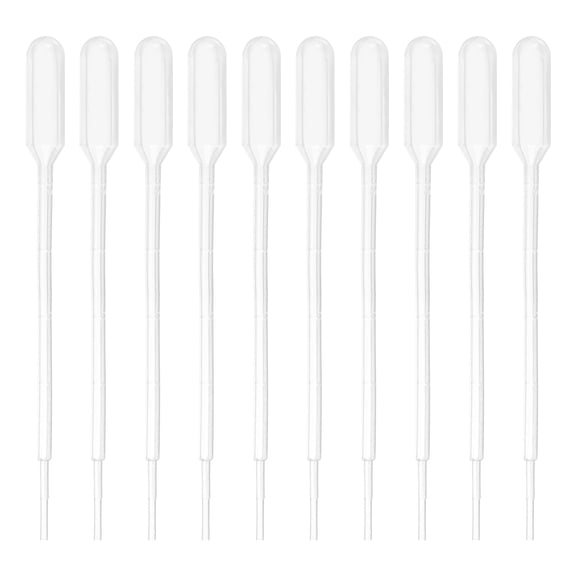 Uxcell Disposable Transfer Pipette, 100pcs 1ml LDPE Pipette Individually Wrapped for Transfer Liquid Clear$18.99current price $18.99
Manufacturer Varies Disposable Transfer Pipet,8mL,PK500 21F227
 Manufacturer Varies Disposable Transfer Pipet,8mL,PK500 21F227$31.39current price $31.39
Mast Coil Shader Tattoo Machine 3030 Shading
 Mast Coil Shader Tattoo Machine 3030 Shading$55.99current price $55.99
