


Dr Scholls in Foot Care












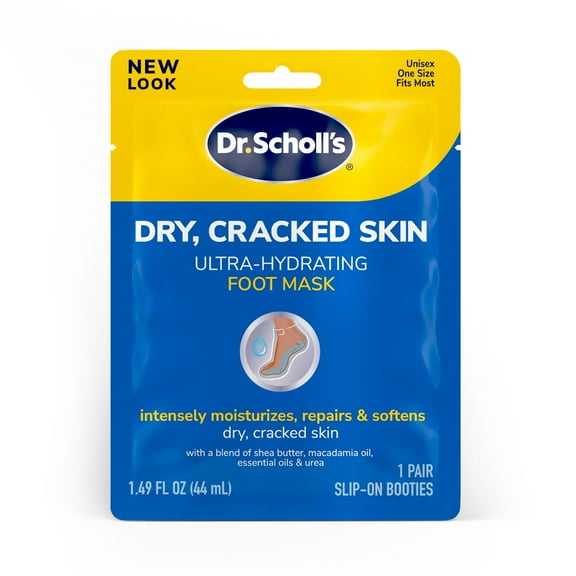


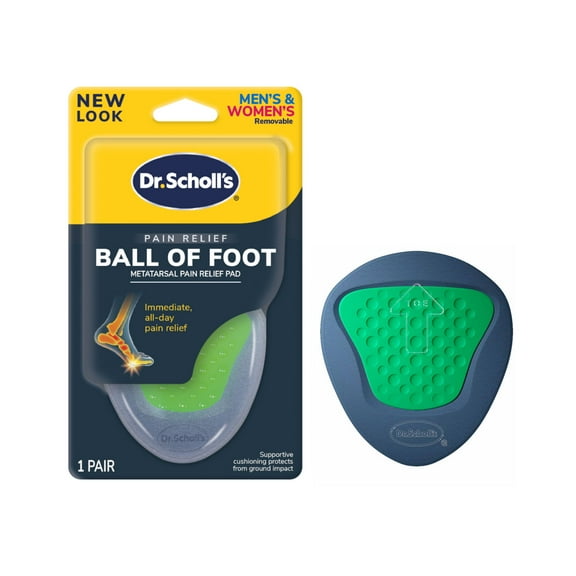
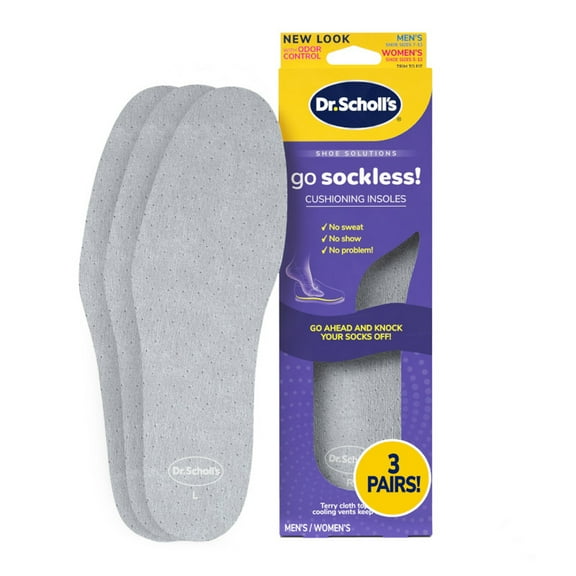
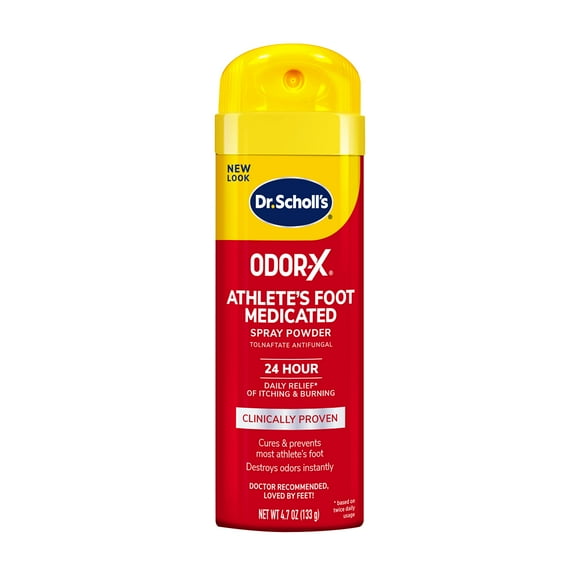







About Dr Scholls in Foot Care - Walmart.com
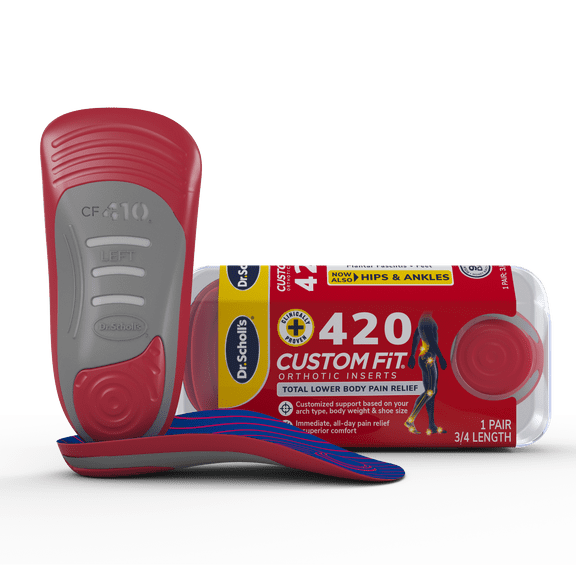
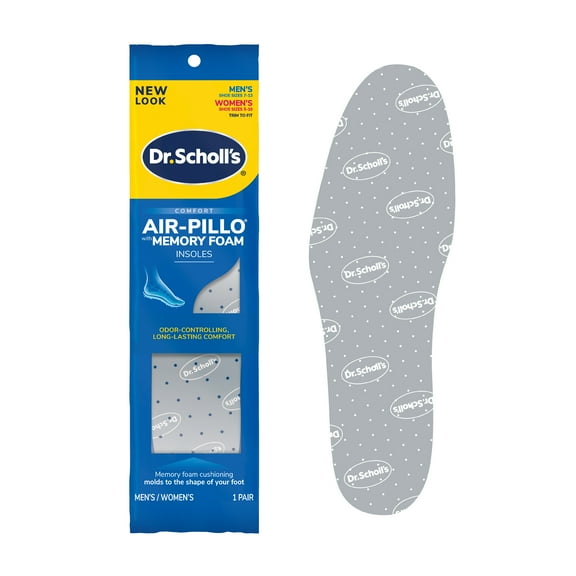
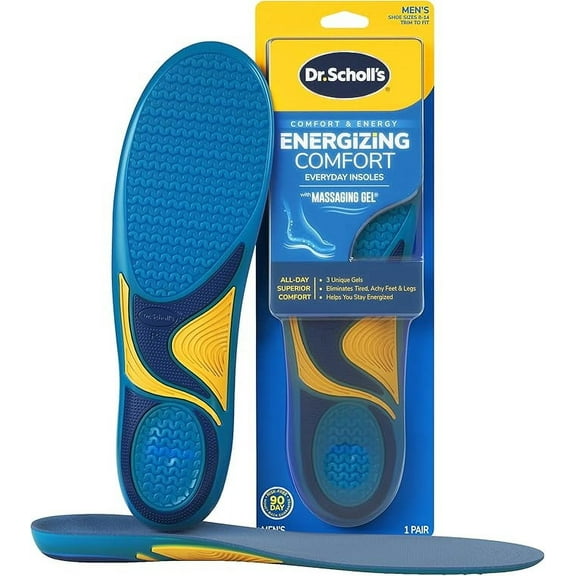
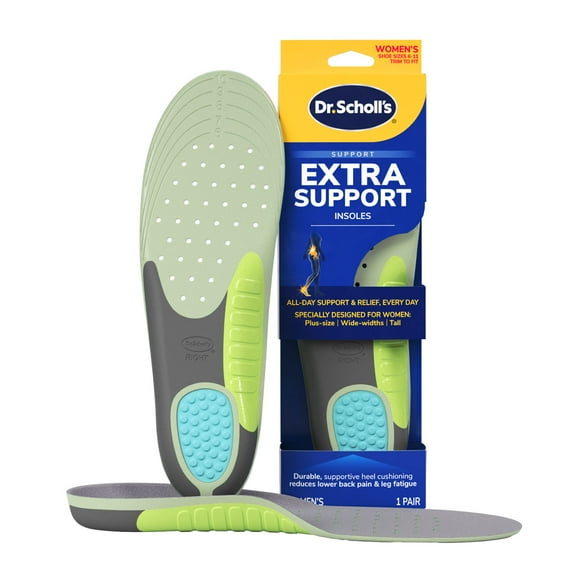
With Dr. Scholl's on Walmart.com, you can compare insoles, inserts, and foot care options for daily comfort and shoe-specific support. You can use this guide to match cushioning, arch shape, and shoe fit without guessing.
How to choose Dr. Scholl's by insole benefit
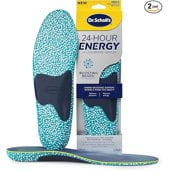
When you compare insole benefit types, you should start with what your feet need during the day. You may want cushioning for standing, orthotic support for alignment, or athletic performance for active movement.
If you want a softer step, you can look for cushioning layers that add comfort inside casual shoes or work boots. If you want steadier support, you can compare firmer builds that help your shoes feel more structured.
You can also narrow your options by how long you wear your shoes each day. You may prefer lighter inserts for errands, while longer shifts may call for fuller-length support.
- You can choose cushioning when your shoes feel hard underfoot.
- You can compare orthotic support when your arches need a more guided feel.
- You can look at athletic performance designs when your sneakers need responsive comfort.
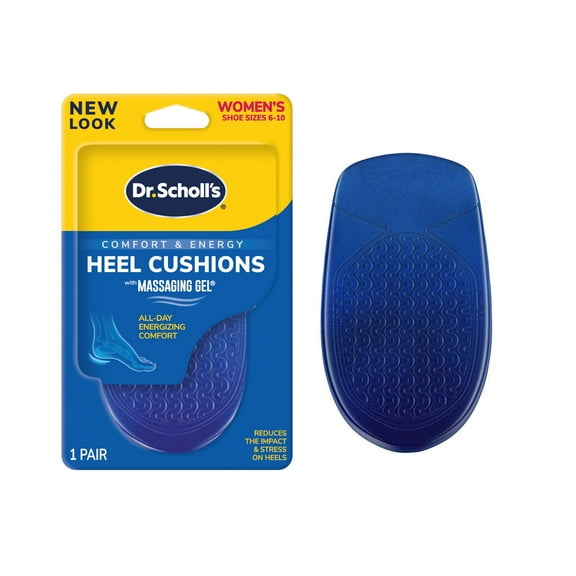
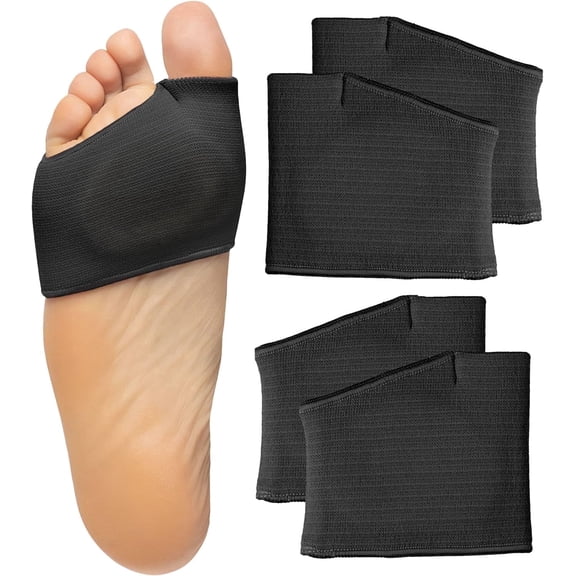
- You can consider targeted formats when you want heel cushions or focused support zones.
Choosing Dr. Scholl's insoles for your arch type
Your arch type can shape how an insert feels from the first step. You should compare high arch, flat feet, and neutral arch options before you pick a pair.
If you have high arches, you may look for arch support inserts with a more defined contour. If your feet are flatter, you may prefer a broader contact area across the midfoot.
For a neutral arch, you can often choose balanced support that doesn't feel too raised or too flat. You should also check whether the insert feels flexible or firm inside your usual shoes.
You can use arch height as a fit guide, not just a comfort detail. You may notice that the right contour helps your shoes feel steadier during walking, standing, and commuting.
What to look for in Dr. Scholl's inserts by foot condition
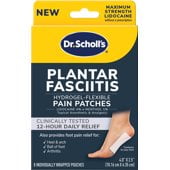
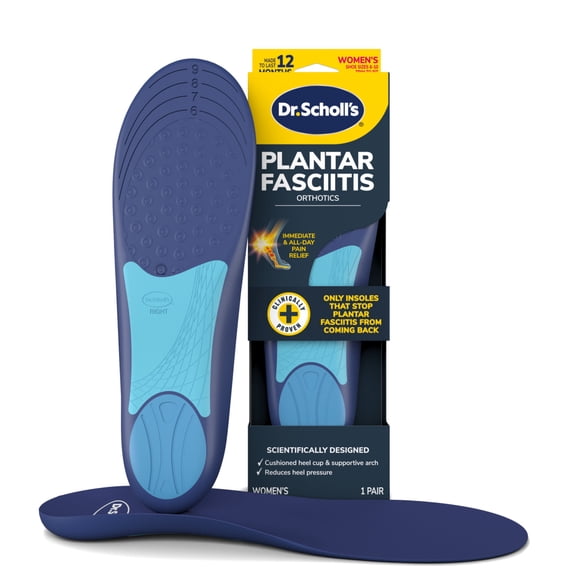
You can make a faster choice when you match inserts to the discomfort you notice most often. You may compare plantar fasciitis insoles, heel cushions, and other shoe inserts by where you need support most.
If your discomfort starts near the heel, you can look for focused heel cushioning or structured heel support. If your arch area feels stressed, you may prefer plantar fasciitis insoles with a supportive midfoot shape.
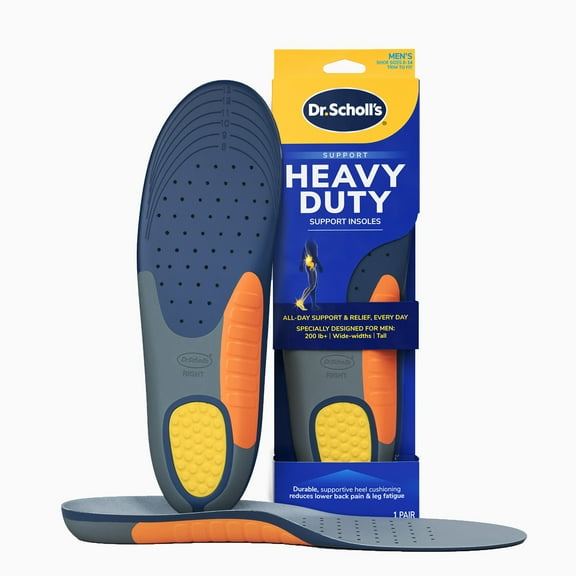
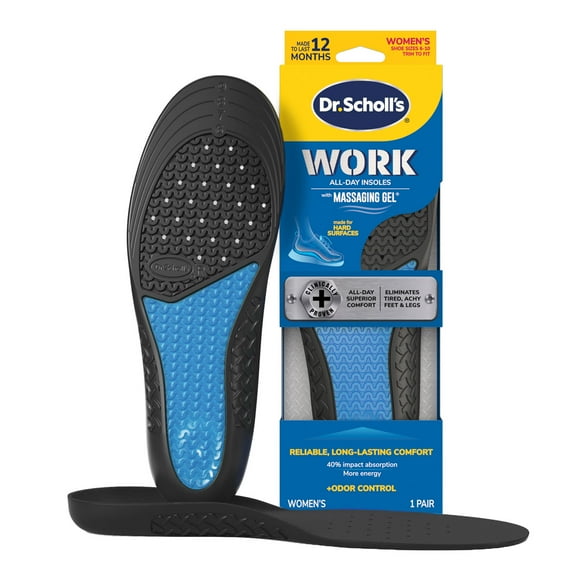
You can also compare options labeled for tired achy feet, lower back pain, or long workdays. You should read those labels as guidance for placement, firmness, and everyday wear patterns.
When you want a simple filter, you can start with the spot that feels the most pressure. You can then compare whether you need full-length coverage or a smaller insert section.
How to match Dr. Scholl's orthotics to your shoes
Your shoe type matters because inserts sit differently in sneakers, boots, flats, and dress shoes. You should check profile, length, and trim details before you choose Dr. Scholl's orthotics.
For athletic sneakers, you may want fuller coverage that stays comfortable during movement. For dress shoes, you may need slimmer Dr. Scholl's inserts that fit lower-volume interiors.
If you wear work boots, you can look for durable support that fills extra space without crowding your toes. If you wear casual shoes, you may prefer everyday cushioning that slips in easily.
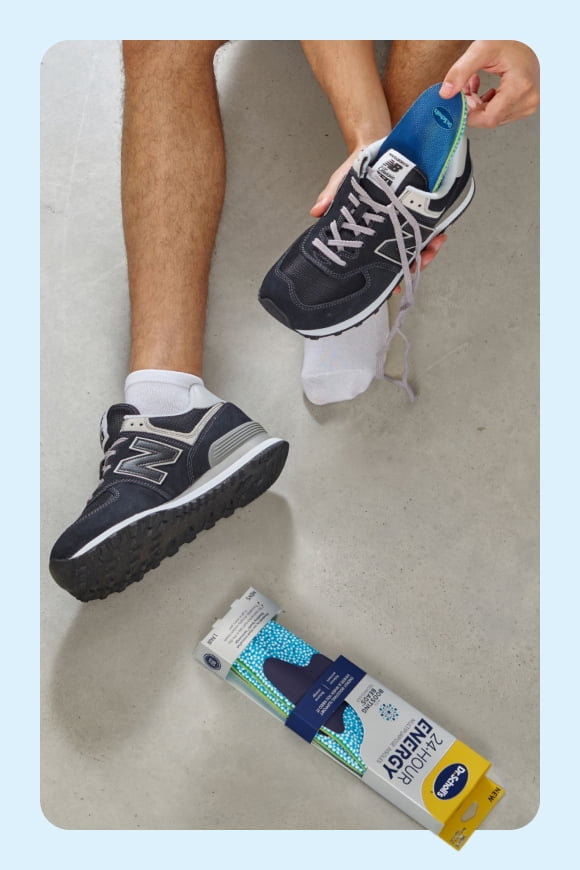
You should also check whether you need trim-to-fit sizing. You can usually compare your shoe size to the package range, then trim carefully for a cleaner fit.
Key features to compare before you choose
You can make a more confident pick when you compare length, thickness, and material feel together. You should measure how much room your shoe has before choosing a thicker insert.
Full-length shoe inserts can offer more underfoot coverage through the toe and heel. Three-quarter designs can work when you want arch support inserts with less bulk in the front.
You may also compare gel zones, foam layers, or firmer support shells. You should use those details to judge feel, flexibility, and how the insert may sit inside your shoes.
Another useful detail is whether your shoes already have removable liners. You can often get a smoother fit when you replace that liner with your new insert.
How to use these options in everyday routines
You can use these inserts across workdays, walks, travel days, and gym sessions. You should match the insert shape to the shoes you wear most often, not just one occasion.
If you rotate between sneakers and dress shoes, you may want different profiles for each pair. If you stand for long stretches, you may prefer a pair designed for all-day wear.
You can keep a trim-to-fit style on hand when several shoes need similar support. You may also find heel cushions useful when you want a smaller add-in for specific footwear.
When you compare Dr. Scholl's with your arch type, shoe profile, and support preference in mind, you can narrow the options quickly. You can finish with a pair that fits your routine and feels right inside the shoes you already wear.