


Find auto parts that fit
Let’s search for parts that fit your vehicle.Diesel Fuel Additives in Fuel Additives


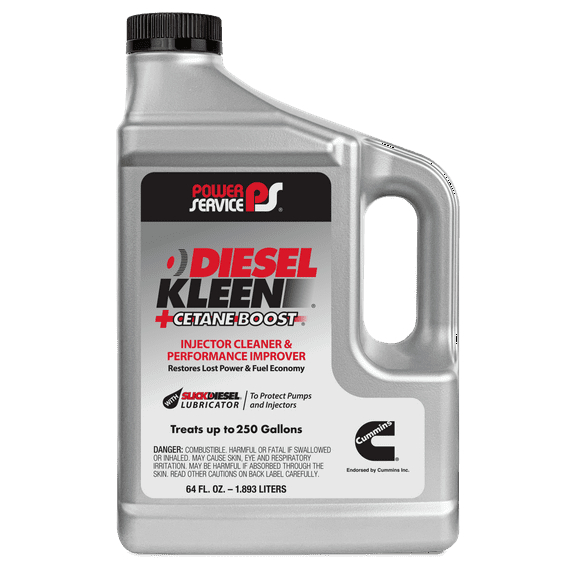
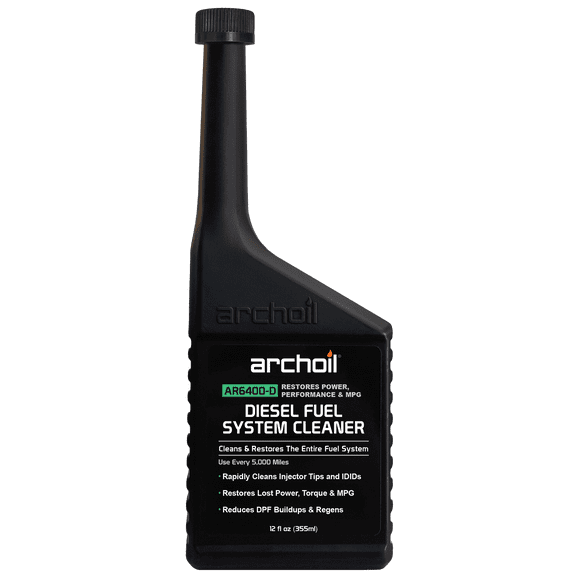
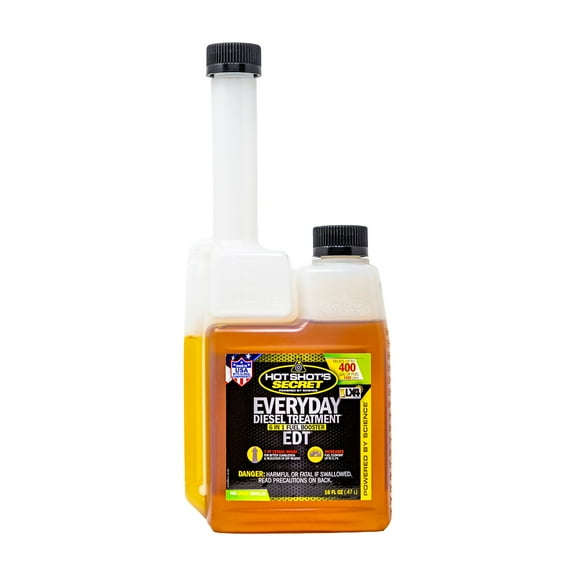
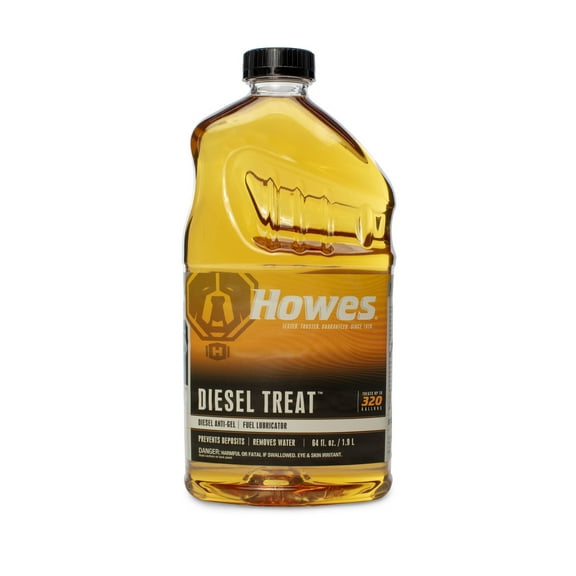


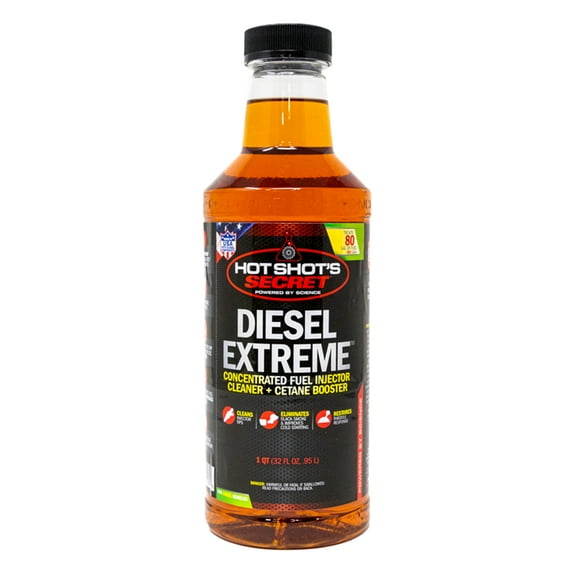

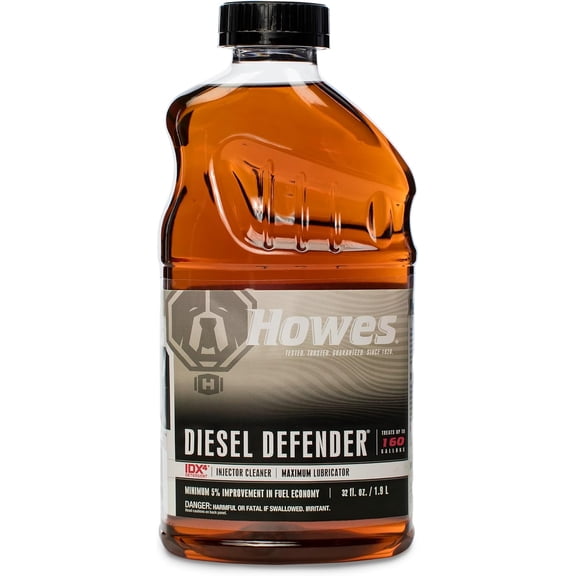
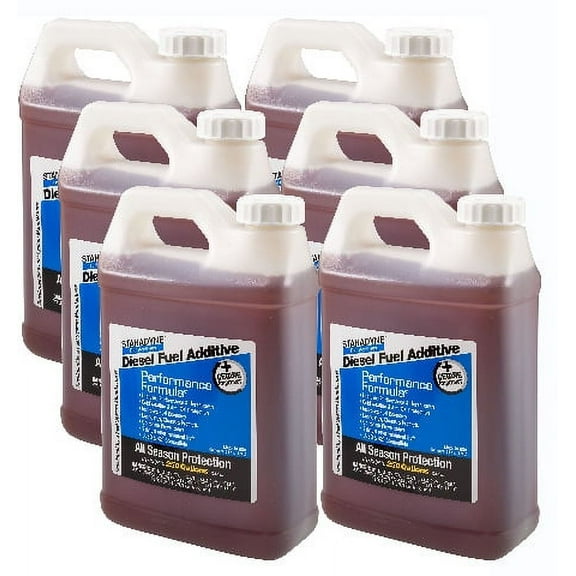
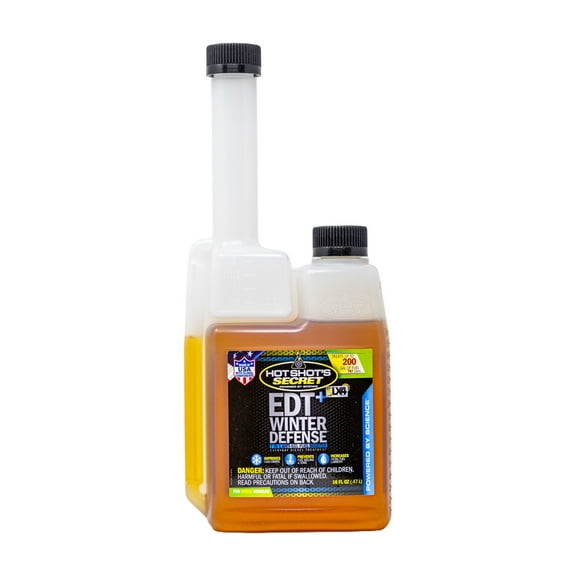
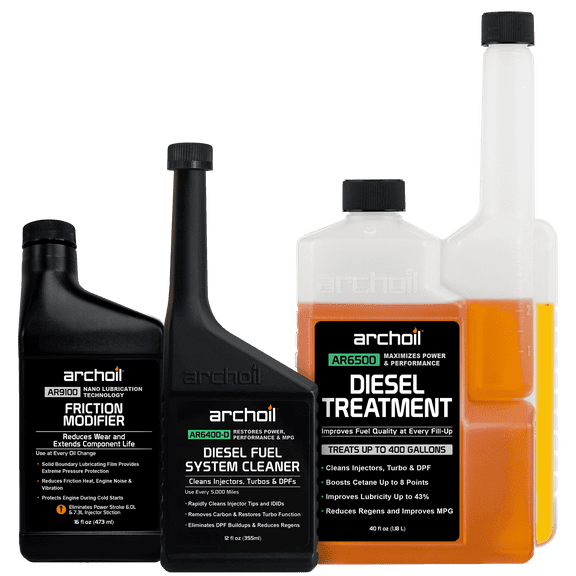

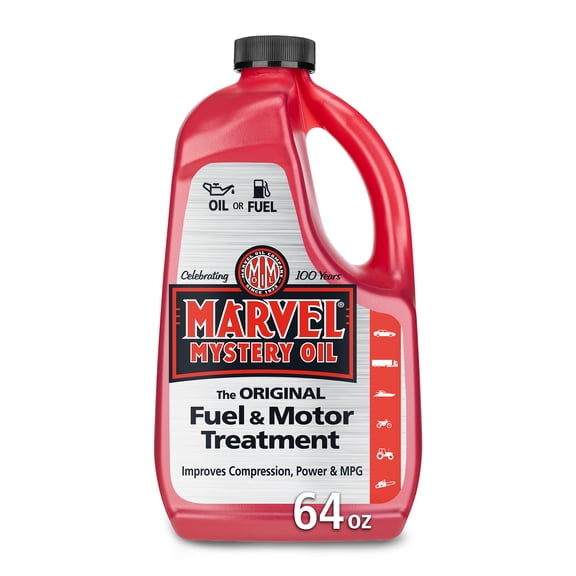

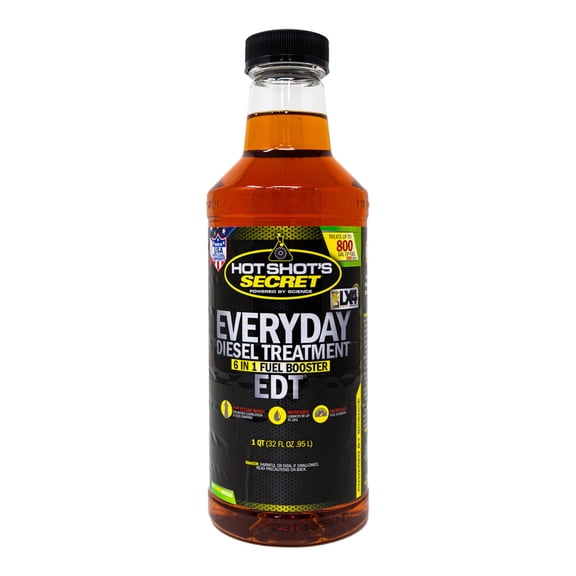
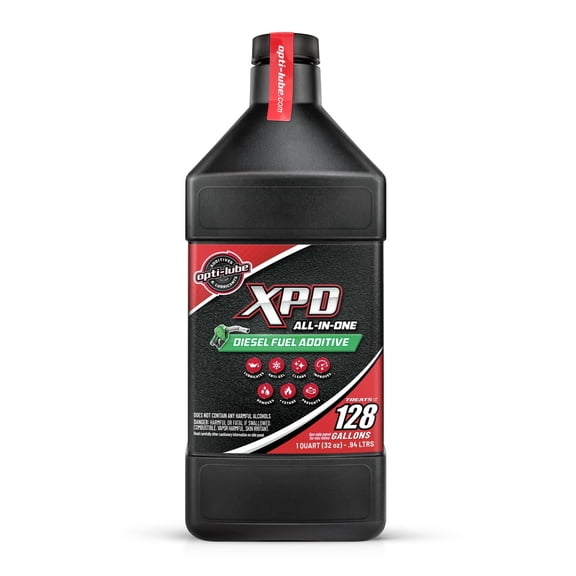
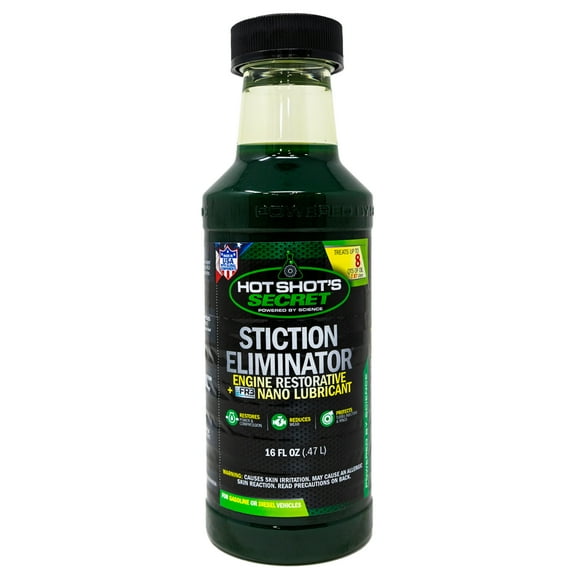
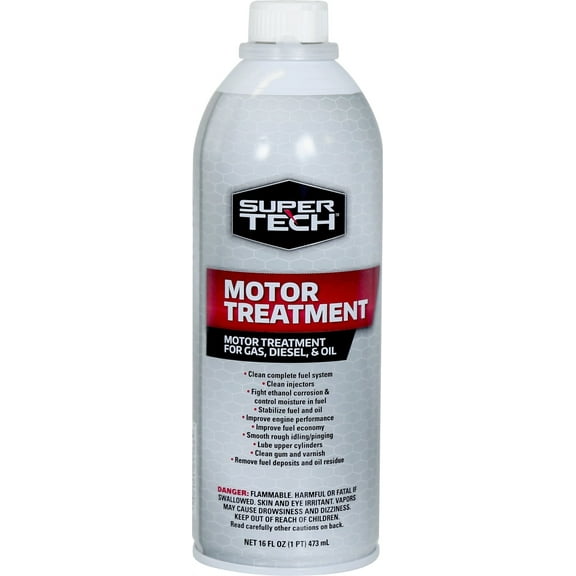
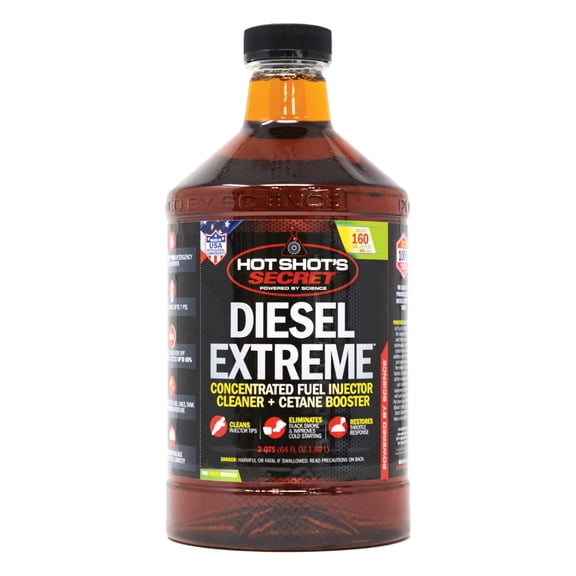










About Diesel Fuel Additives in Fuel Additives - Walmart.com
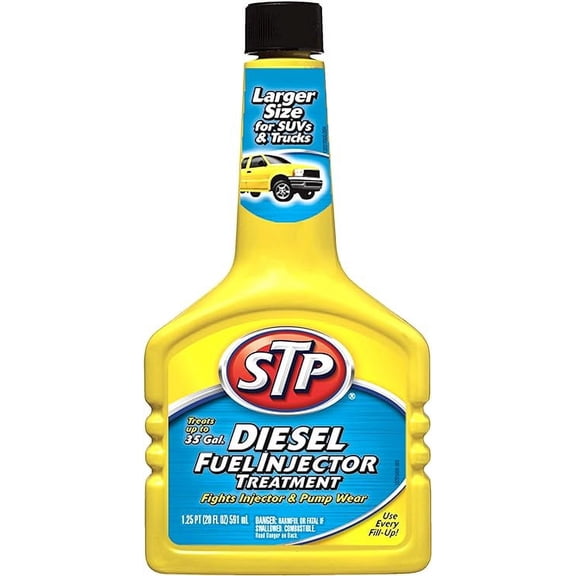
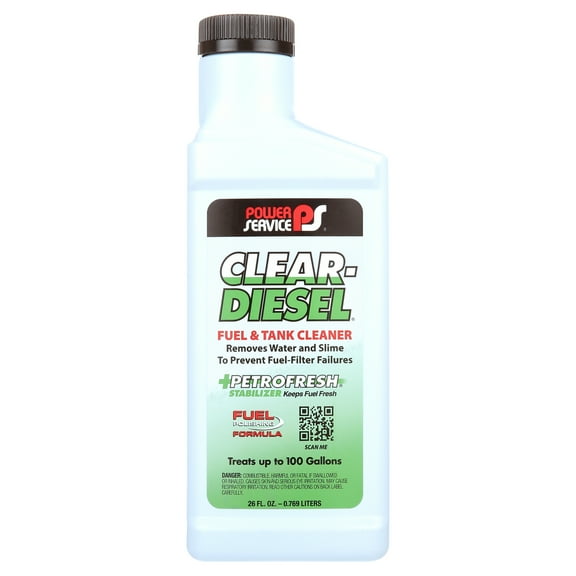
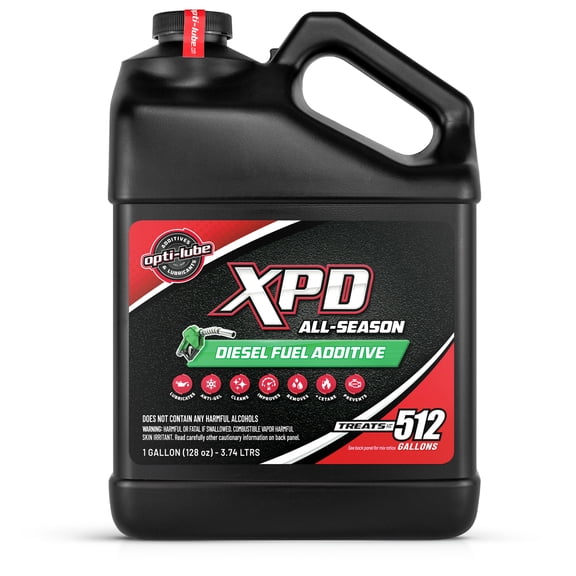
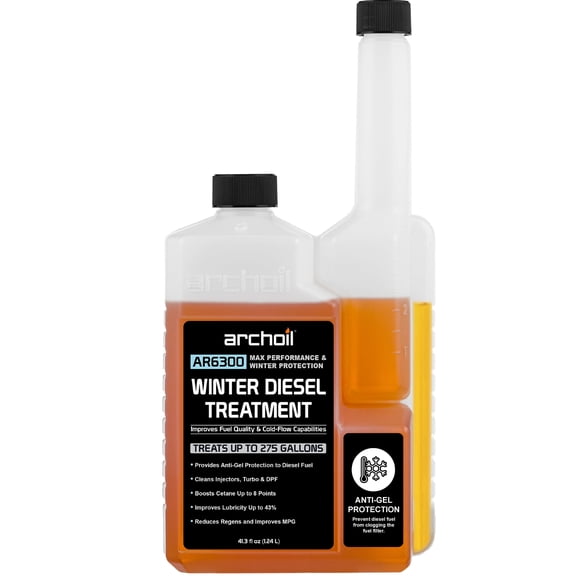
You can compare fuel additive brands with practical guidance for diesel upkeep, towing, and seasonal driving. You’ll find diesel-focused choices for anti-gel support, injector cleaning, and modern system compatibility.
If you maintain a pickup, work truck, or off-road machine, you likely need a targeted formula. You can use this guide to compare additive type, engine fit, seasonality, and target system before you choose.
How to choose fuel additive brands for diesel fuel additives
You should start with additive type because each formula supports a different maintenance goal. You’ll usually compare cetane booster, anti-gel, injector cleaner, and fuel stabilizer options first.
When you compare diesel fuel additives, you can narrow choices by matching the formula to your routine. You’ll often see options for winter driving, long storage periods, or regular truck maintence schedules.
If you drive in freezing weather, you may look for anti-gel support and cold filter plugging point guidance. If you want smoother starts, you may compare cetane-focused formulas with clear treatment instructions.
- You can use anti-gel formulas when your diesel faces cold starts and low-temperature operation.
- You can choose injector cleaner formulas when you want to focus on spray pattern and fuel system cleanliness.
- You can compare cetane booster options when you want quicker ignition and a more consistent driving feel.
- You can pick fuel stabilizer formulas when your diesel equipment sits between uses or seasonal jobs.
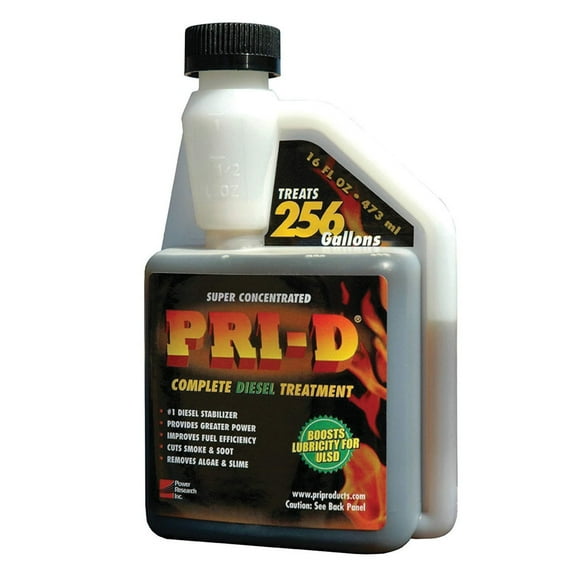
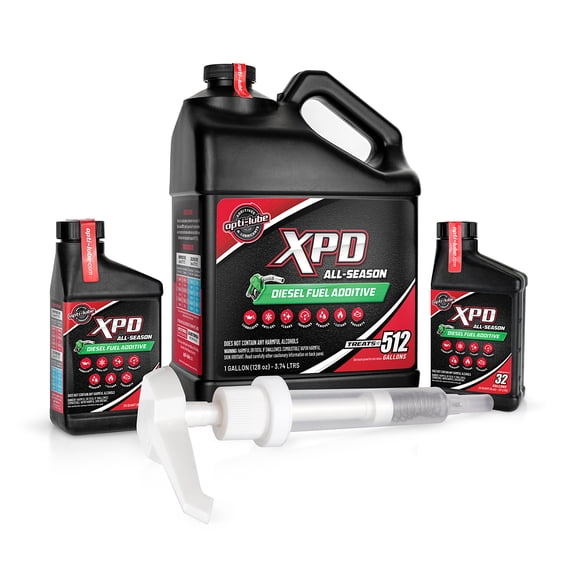
You’ll also benefit from checking bottle size and treatment ratio before you commit. You can compare how many gallons each ounce treats, which helps you match dosing to your tank size.
Choosing additive type, seasonality, and diesel supplement needs
You should treat seasonality as a real decision point because winter and summer demands aren’t the same. You’ll often see diesel supplement formulas designed for all-season use or specific cold-weather support.
When you compare a diesel fuel conditioner concentrate, you should check whether one bottle covers several needs. You may find blends that support lubricity, cetane improvement, and cold-weather use in one treatment.
If your truck works through winter, you may prioritize anti-gel support over extra features. If your diesel runs hard in warm months, you may focus on cetane improvement and day-to-day consistency.
You can also compare concentrate strength instead of judging only by bottle size. You’ll want to measure how much product treats each fill-up so your maintenance routine stays consistent.
For equipment that sits between jobs, you may lean toward stabilizer blends with all-season usefulness. You can keep your plan simpler when one formula aligns with your storage habits.
Comparing engine compatibility and diesel oil additives
You should match formulas to your engine type because diesel systems vary by age and workload. You may compare options for light-duty pickups, heavy-duty trucks, offroad diesel equipment, and oil additives for older diesel engines.
If you run an older engine, you may look for formulas that support routine cleanliness and steady operation. You can focus on labels that clearly state compatibility for older diesel platforms.
When you maintain newer trucks, you should check emissions-system language before choosing a treatment. You’ll want formulas described as DPF safe or ashless, because that wording helps you compare intended fit.
You can also compare whether a formula targets commuting, towing, or commercial mileage. You may need a different treatment plan when your truck idles often, hauls regularly, or runs under heavy load.
If you manage mixed equipment, you should check whether one product works across several diesel applications. You can simplify garage storage when the same bottle fits pickups, heavy-duty use, and off-road machines.
What to look for in diesel dpf cleaner and target-system formulas
You should identify the system you want to focus on before you compare labels. You’ll commonly see formulas aimed at fuel injectors, the fuel pump, or diesel dpf cleaner applications.
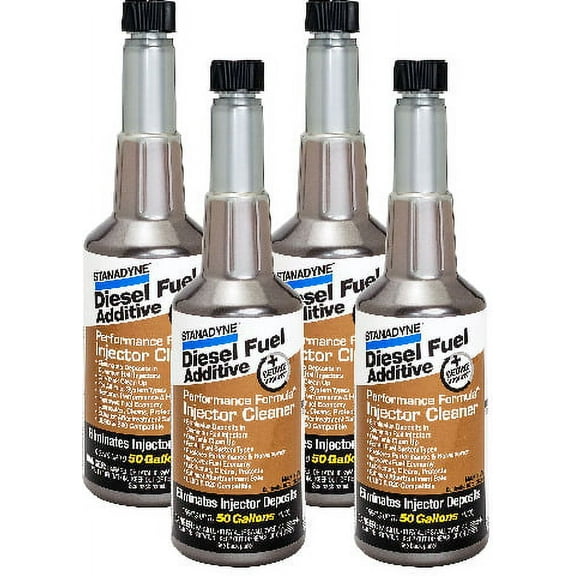
If injector performance is your priority, you may look for cleaner formulas that emphasize deposit control. You can use that focus when rough operation or repeated short trips shape your maintenance routine.
When you’re comparing DPF-related options, you should read compatibility wording closely. You’ll want ashless formula language and emissions-system fit notes that align with modern diesel requirements.
You can also compare fuel pump support when your diesel sees hard towing or long highway stretches. You may prefer formulas that fit regular treatment intervals instead of occasional one-time use.
For heavy-duty use, you should measure convenience as well as formula focus. You’ll often prefer bottles with clear markings, straightforward dosing, and treatment ratios that fit larger tanks.
Matching diesel fuel additives to real driving situations
You can use winter anti-gel formulas when overnight temperatures drop and cold-weather support is a priority. You’ll likely compare cold-weather options first if your truck starts early and sits outside.
If you tow, haul, or cover long highway miles, you may look for cetane support and injector cleanliness together. You can keep your selection practical by checking whether one treatment handles both priorities.
When your diesel equipment sits between seasons, you may choose a stabilizer-focused formula for storage periods. You can match that option to tractors, generators, or backup equipment that runs less often.
If you maintain an older pickup, you may compare diesel oil additives with clearly stated engine compatibility. You can narrow choices by checking treatment frequency, bottle size, and intended use notes.
You may also want convenient access through shipping, pickup, or fast reorder options on Walmart.com. You can keep recurring maintenance easier when your preferred formula is simple to find again.
You can compare fuel additive brands with more confidence when your formula matches your engine, season, and fuel-system goal. You’ll make a clearer choice when you compare treatment ratio, DPF compatibility, and cold-weather support together.