

Stomach Medicine in Digestive Health






































About Stomach Medicine in Digestive Health - Walmart.com
Stomach medicine helps you narrow choices by symptom, active ingredient, form, and timing. You can compare heartburn medicine, antacids, and upset stomach relief options with clearer guidance for everyday digestive needs.
If you're sorting through heartburn, nausea, gas, or indigestion, you need category guidance that matches the moment. You can use this page to compare formats, speeds, and ingredient types before you choose.
Choosing stomach medicine by symptom
You should start with the symptom addressed, because heartburn and gas call for different products. You can look for heartburn, acid reflux, indigestion, nausea, gas, or diarrhea on labels and filters.
When you feel burning after meals, you may compare heartburn medicine and acid reflux relief options first. When you notice bloating or queasiness, you may focus on upset stomach relief instead.
You can make faster decisions when you match the category to your main concern. You won't need to sort through unrelated forms when your symptom points you in the right direction.
- You can target heartburn and acid reflux with acid-reducing options or antacids.
- You can look for indigestion relief when fullness and discomfort follow meals.
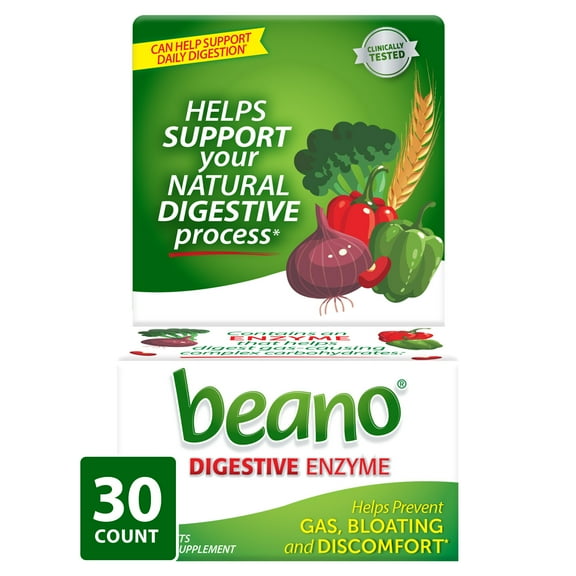
- You can compare nausea, gas, and diarrhea options by label wording and intended use.
- You can simplify your search by starting with one symptom, then refining by form.
Comparing heartburn medicine and relief timing
You should also compare how quickly you want support and how long you want coverage. You may prefer fast-acting formats for immediate use or 24-hour protection for planned coverage.
Fast-acting choices often appeal when you want chewable tablets or liquids that fit quick routines. Preventative options may suit you when you plan ahead for recurring meal-related discomfort.
You can compare timing language on packaging to understand whether a product is meant for quick use. You can also check whether it emphasizes longer coverage across the day or night.
If you're choosing for travel, work, or your nightstand, timing matters as much as the symptom. You may keep one format for quick access and another for scheduled use.
Understanding active ingredients in stomach medicine
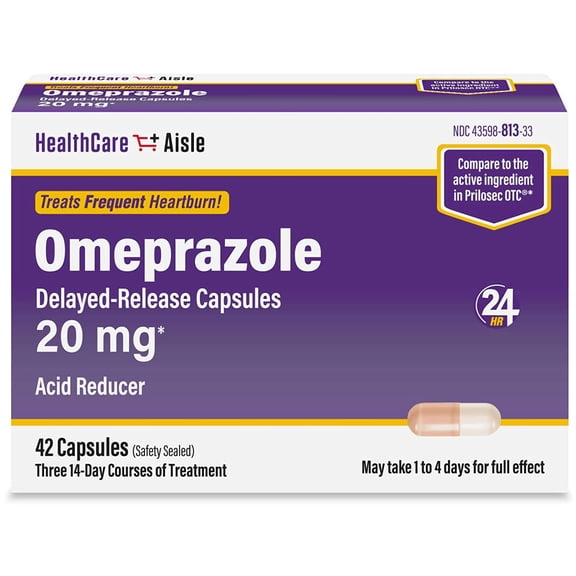
You can make a more informed pick when you compare active ingredients in plain language. You may see calcium carbonate, bismuth subsalicylate, famotidine, or omeprazole across this category.
Calcium carbonate appears in many antacids, and you may recognize it in chewable formats. You may consider it when you want a familiar option for acid-related discomfort.
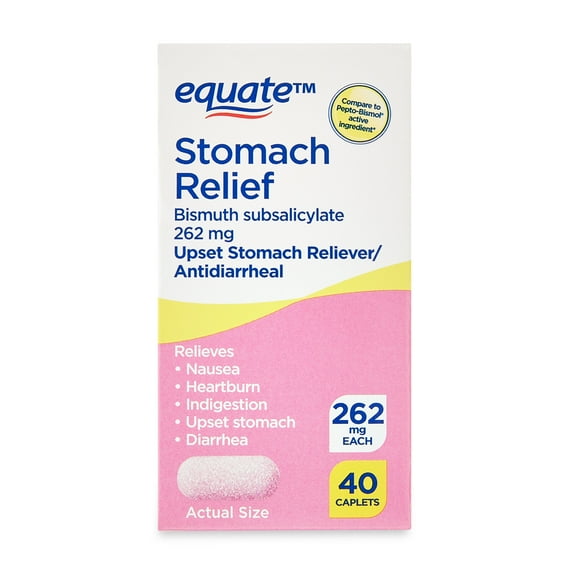
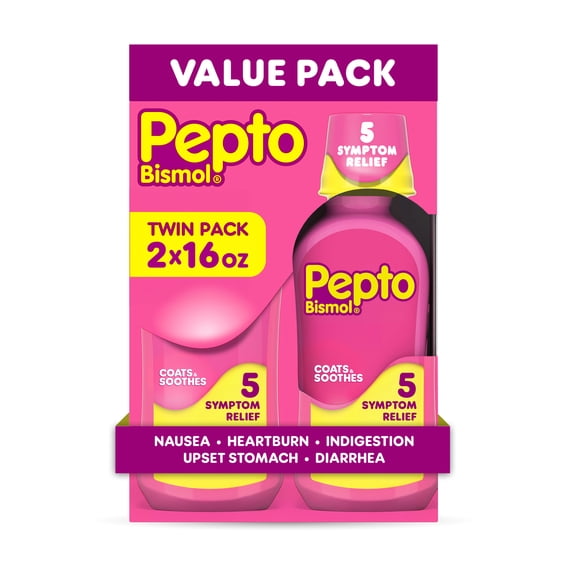
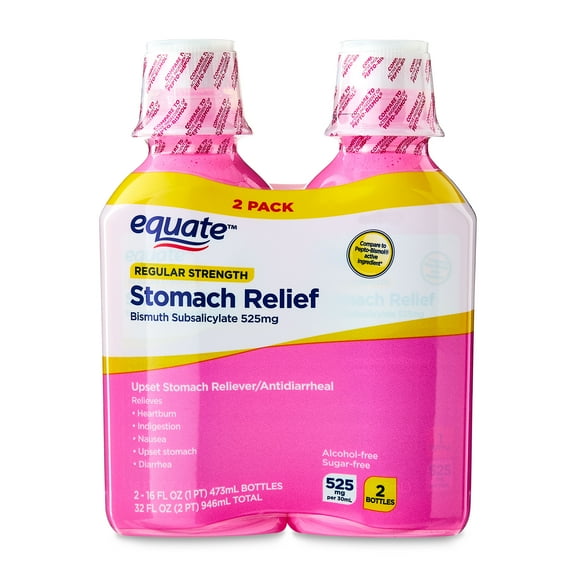
Bismuth subsalicylate often appears in liquids, tablets, and other stomach-focused formats. You may look for it when your search centers on nausea, indigestion relief, or general stomach ache medicine.
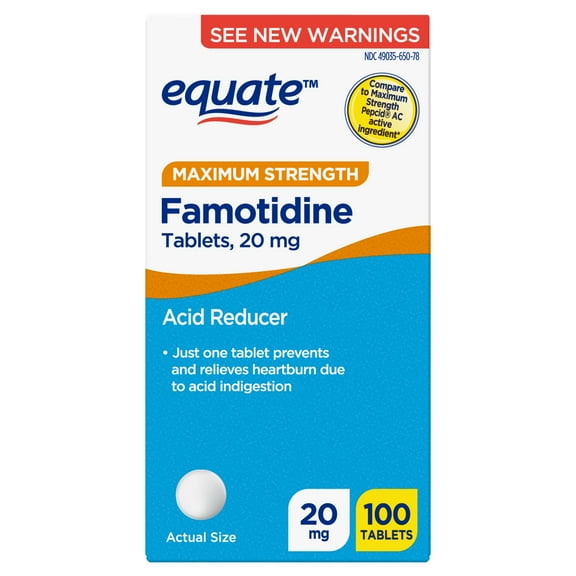
Famotidine and omeprazole are important decision terms when you compare acid reflux relief choices. You can use those ingredient names to separate acid-reducing options from standard antacids.
You don't need to memorize every formula, but you should compare ingredient panels before choosing. You can often narrow your options quickly once you recognize the ingredient type you want.
Picking the right product form for your routine
You should compare product form based on how and where you'll use it. You may prefer chewable tablets, liquids, capsules, or softgels depending on your routine.
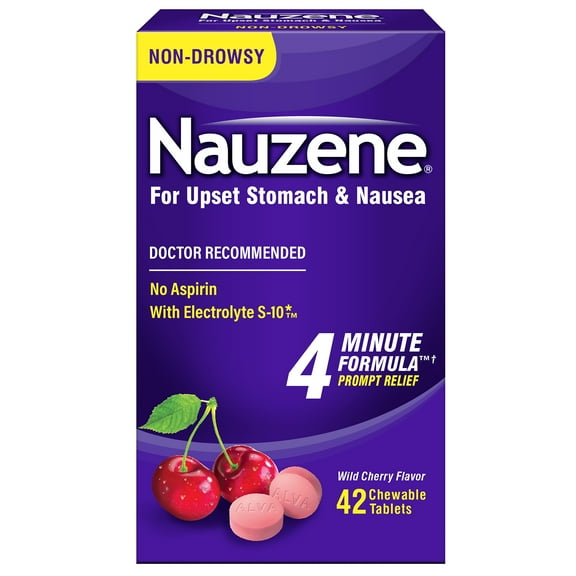
Chewable tablets can fit your desk, car, or bag when you want grab-and-go convenience. Liquids may work for you when you prefer measured servings and a familiar format.
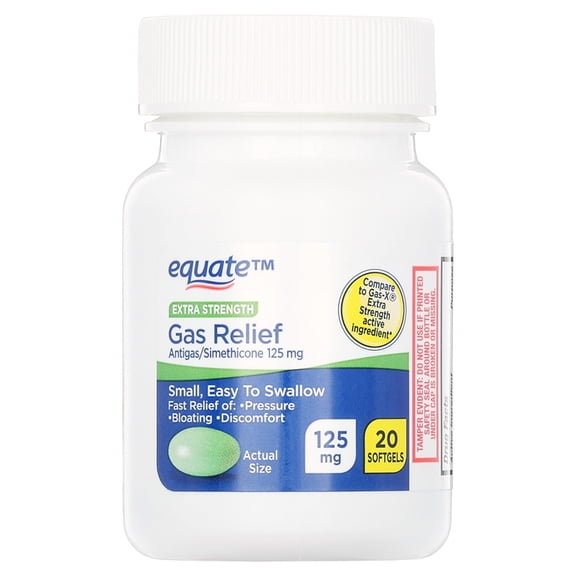
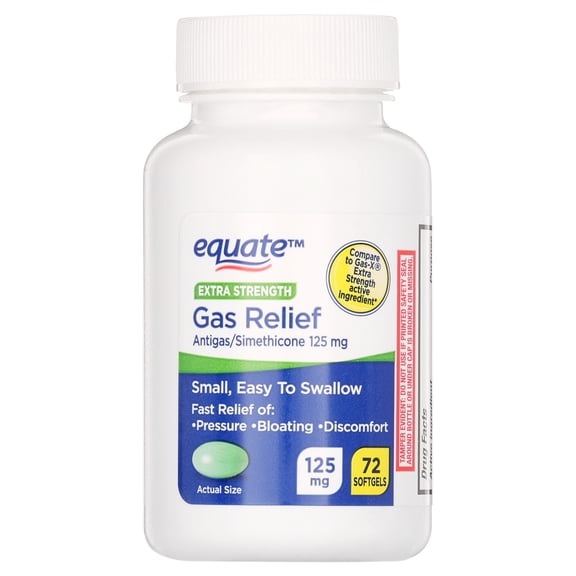
Capsules and softgels can make your shelf look more organized when you like simple daily routines. You may compare count size, package shape, and serving directions for easier storage.
If you're stocking a shared medicine cabinet, mixed forms can make shopping easier for different preferences. You can choose a format that feels straightforward for home, travel, or workday use.
Using symptom, ingredient, and form together
You can make this category easier by combining the key decisions instead of shopping randomly. You should match your symptom first, then compare relief timing, ingredient, and form.
If you want acid reflux relief for evenings, you may compare acid-reducing options with longer coverage language. If you want quick after-meal support, you may prefer antacids in chewable tablets or liquids.
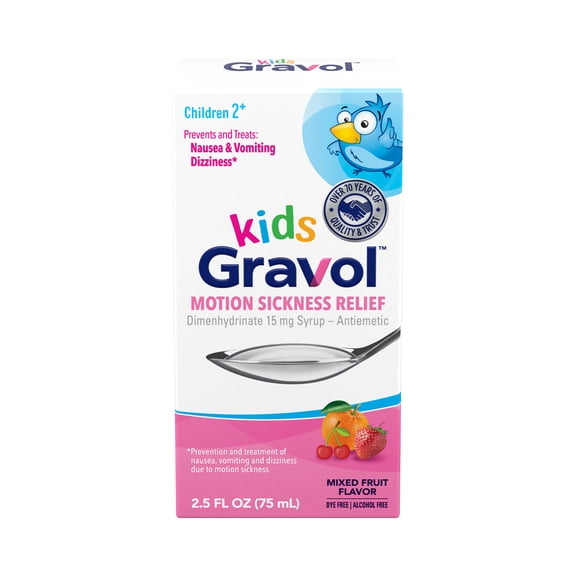
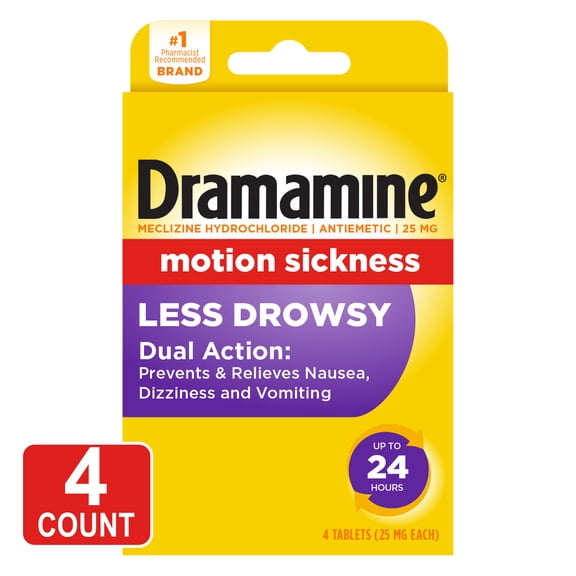
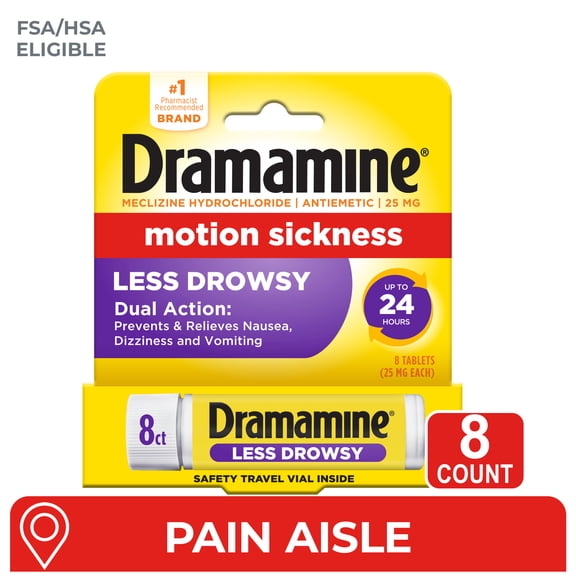
When your focus is indigestion relief during busy days, you may want portable capsules or softgels. When your concern is nausea during travel, you may look for compact formats that store easily.
You can also build a practical household routine by keeping different use cases in mind. You may choose one option for occasional heartburn and another for broader upset stomach relief needs.
With stomach medicine, you can shop more confidently when labels, ingredients, and forms match your routine. You end up with options that fit your symptom, schedule, and preferred format.