



Clip on Running Lights in Running Safety & Visibility





















About Clip on Running Lights in Running Safety & Visibility - Walmart.com
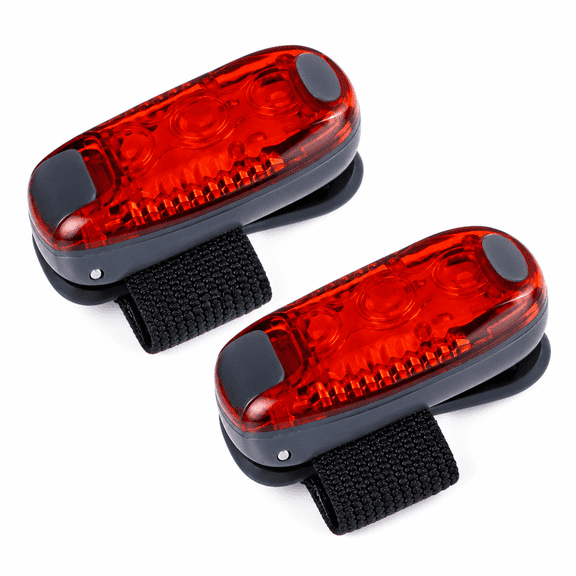
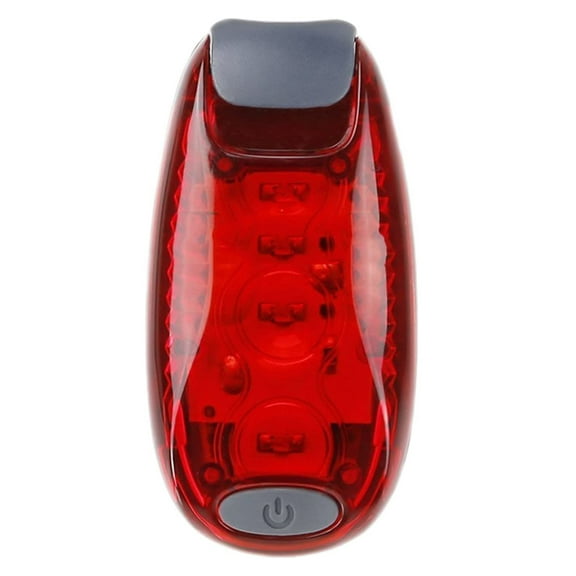
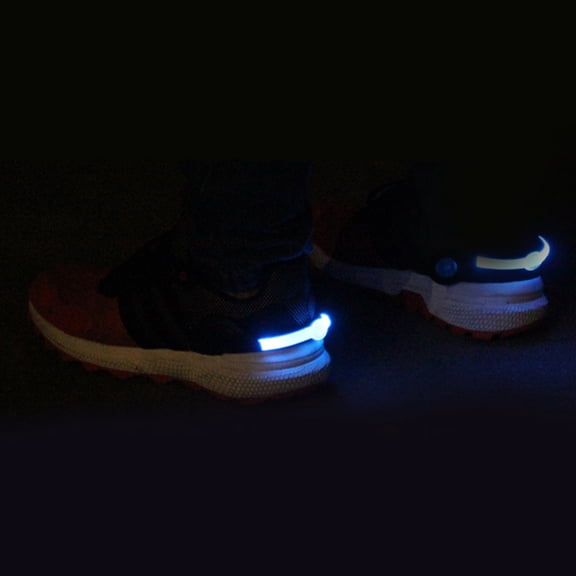
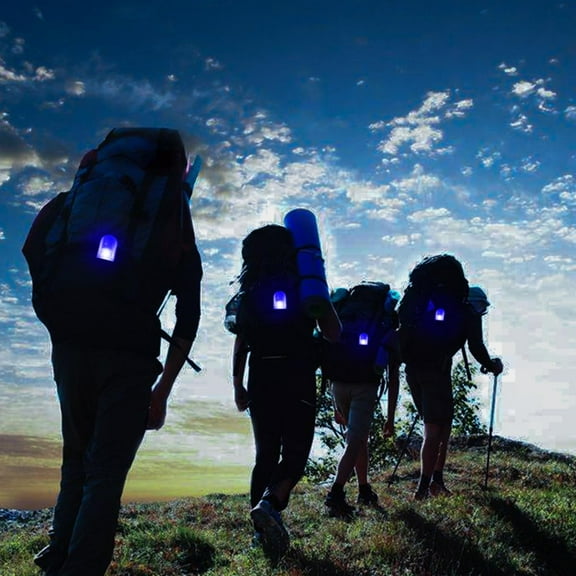
Clip-on running lights for evening workouts help you stay visible without changing your stride or filling your hands. You can attach them to shirts, belts, waist packs, or jackets for flexible placement during low-light miles.
If you're comparing options, you should focus on attachment security, charging style, brightness modes, and weather-ready construction. You can use those details to narrow choices for running, jogging, walking, and clothing attachment.
How to choose clip-on running lights for evening workouts
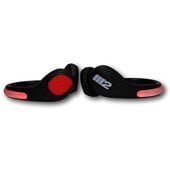
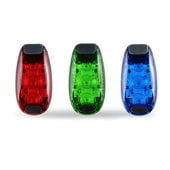
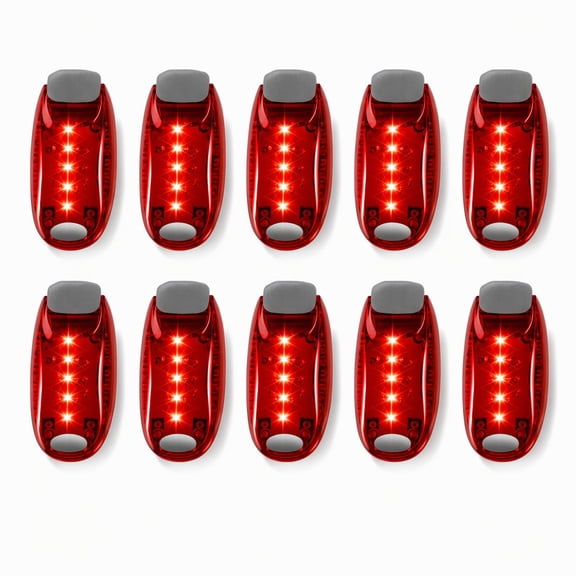
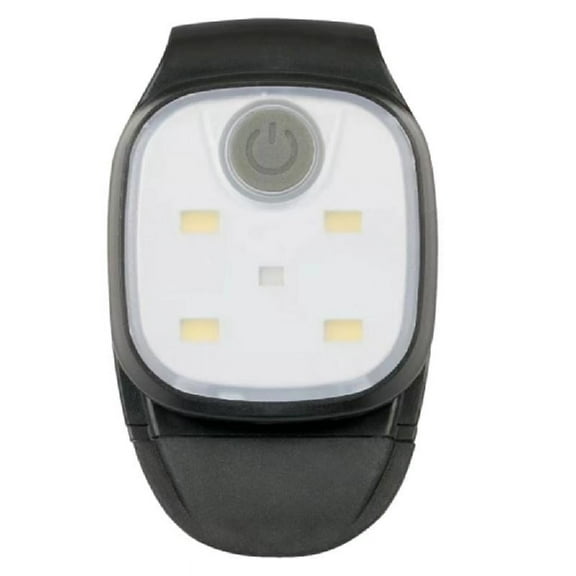
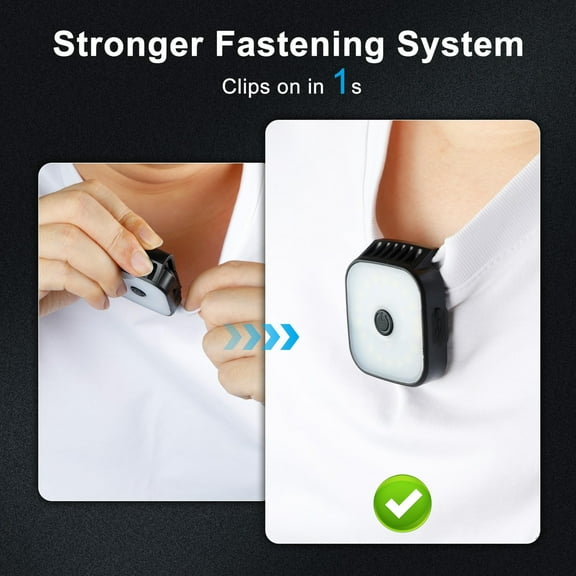
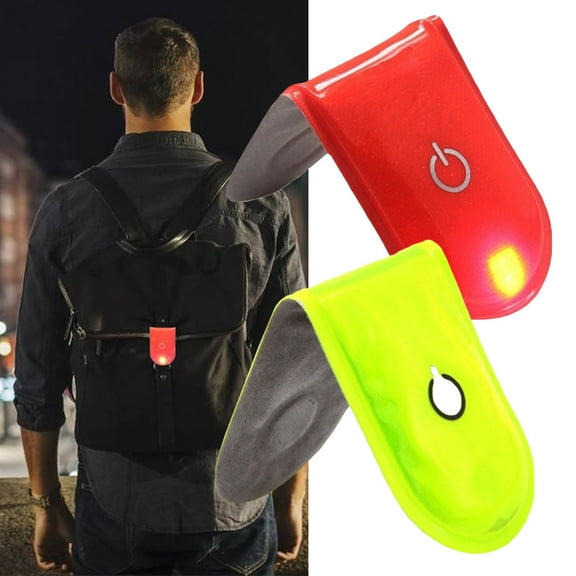
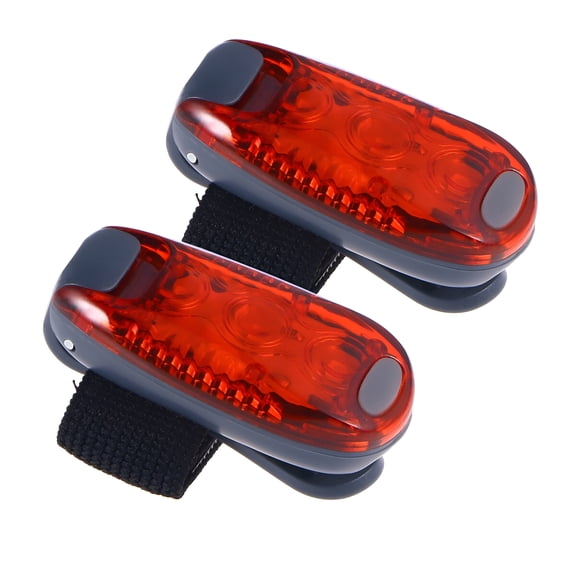
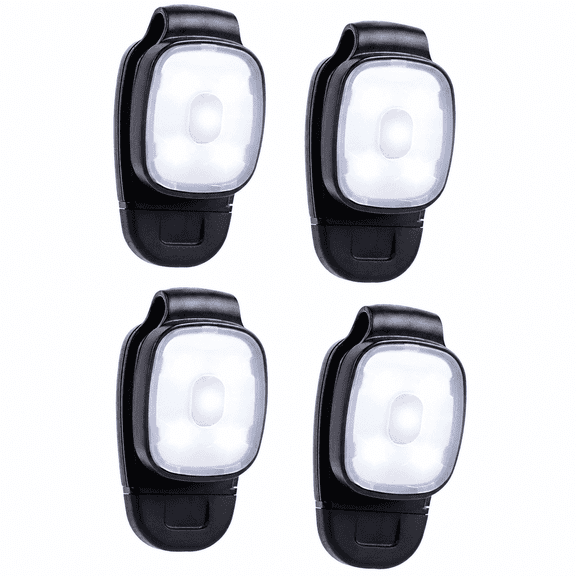
When you choose clip-on running lights for evening workouts, you should start with how the light attaches during movement. You may prefer a clip-on design for quick use, a magnetic design for thin fabrics, or a strap-on style for gear.
Clip tension matters when you're moving through fast intervals, long jogs, or neighborhood walks. You should look for a secure hold that stays put on waistbands, pockets, hydration straps, or layered tops.
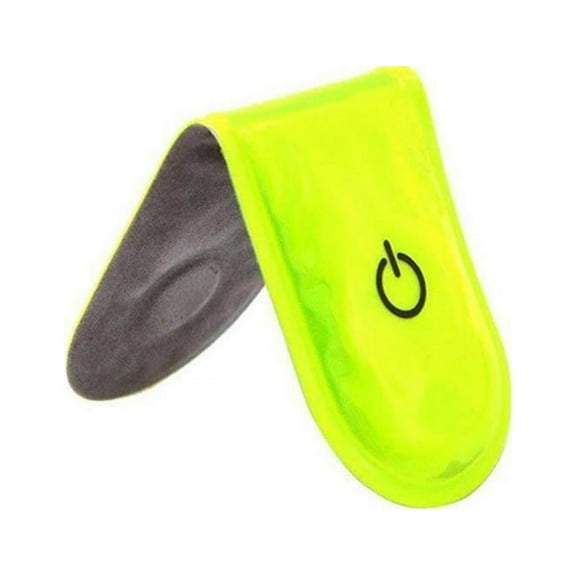
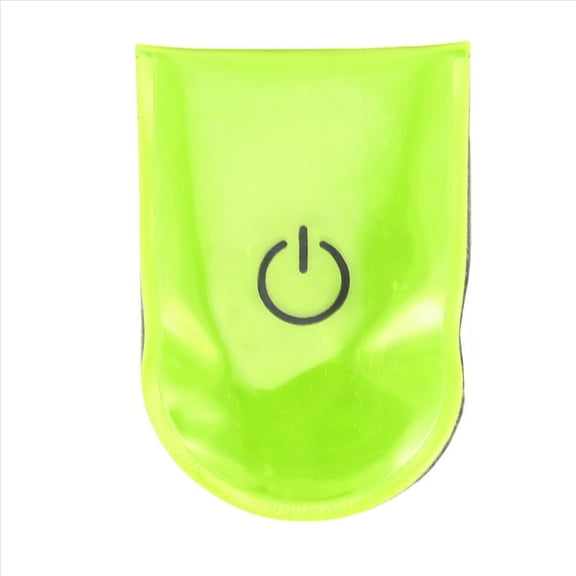
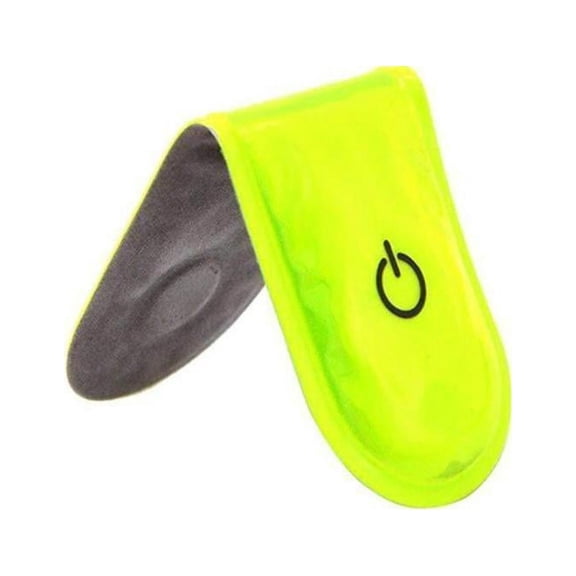
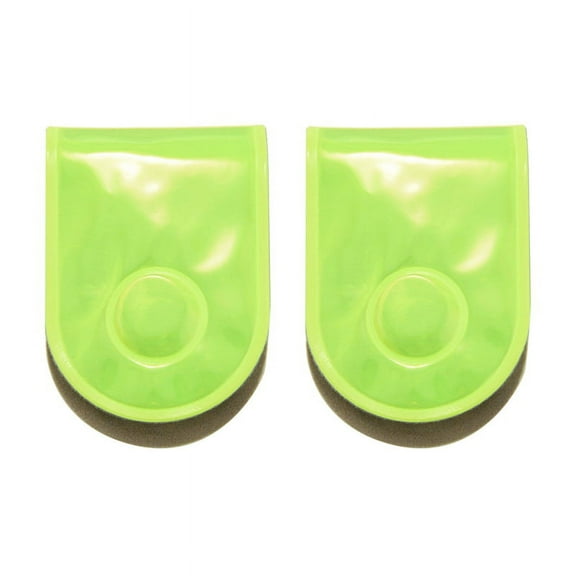
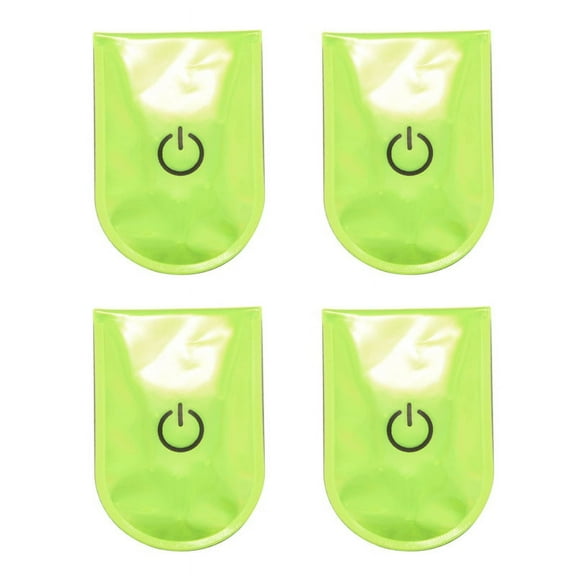
Magnetic styles can work well when you want a flat profile on lightweight clothing. You should check whether the magnet feels stable through arm swing, turns, and repeated motion.
- You can keep your hands free while your light stays on clothing or gear.
- You can switch placement easily between a shirt hem, vest, belt, or pack strap.
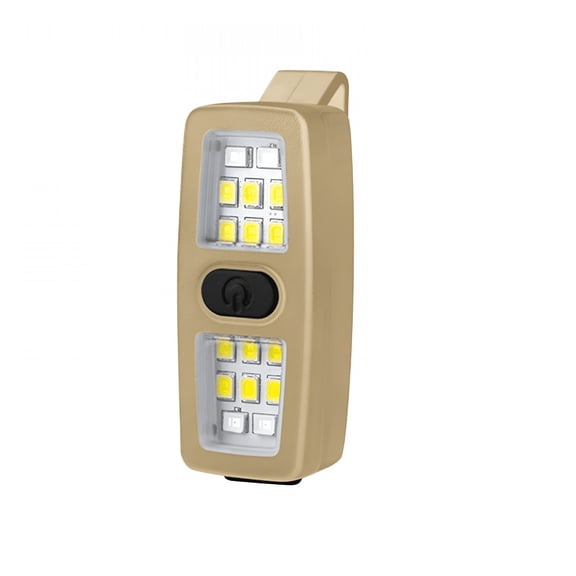
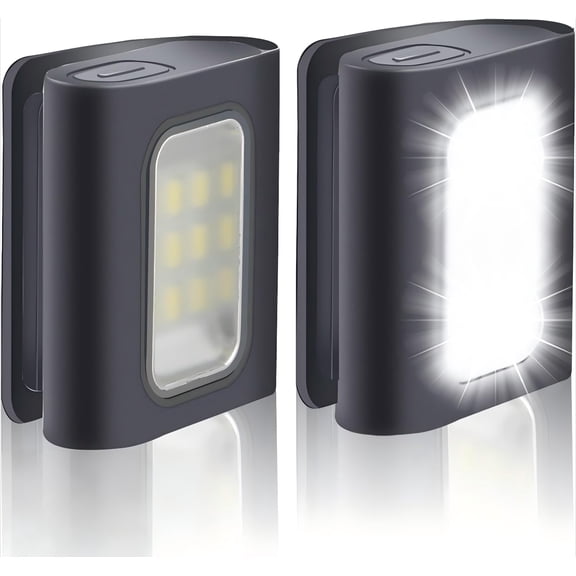
- You can choose flashing, strobe, or constant beam modes for different routes and visibility needs.
- You can pick rechargeable or battery-operated options based on how often you head out.
Choosing attachment type and power source
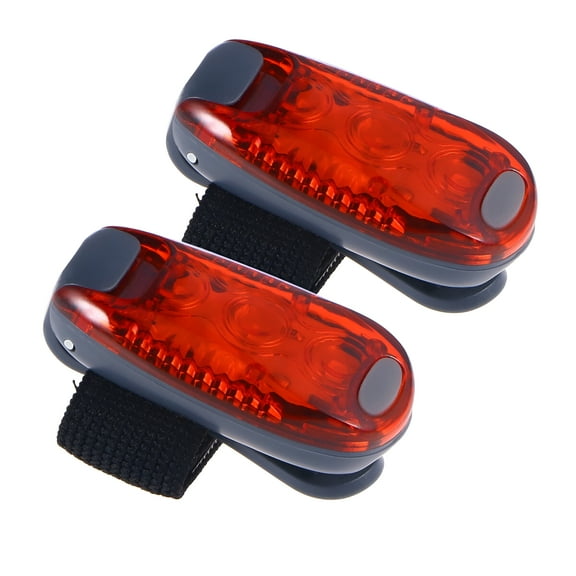
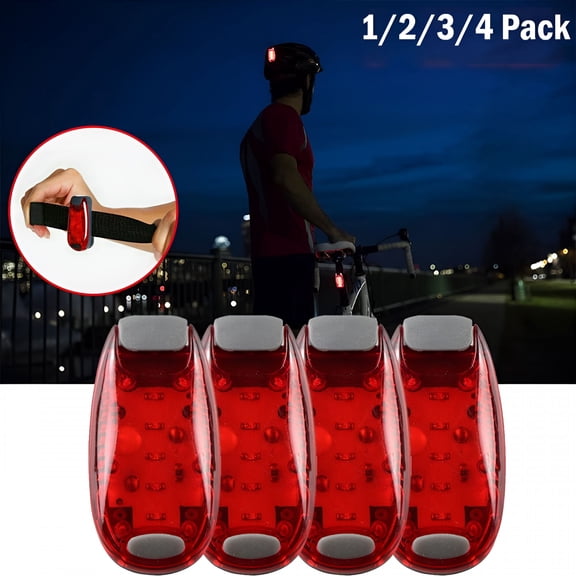
You should compare attachment type first because your light needs to stay secure through impact and motion. You may want clip-on lights for quick transfers, magnetic lights for simple placement, or strap-on lights for thicker gear.
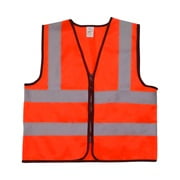
If you wear layers, you should check whether the clip opens wide enough for jackets or reflective vests. If you run in lighter tops, you may prefer a smaller running light clip that feels less bulky.
Power source also shapes your routine, especially if you train several times each week. You can choose rechargeable LED lights for jogging when you want easy USB charging between sessions.
Battery-operated options can suit you if you want quick swaps and simple backup planning. USB charging can suit you if you keep cords in your car, office, or gym bag.
You should also compare runtime claims against your usual distance and schedule. If you run before work or after dinner, you may prefer a light that charges fast and lasts through repeat outings.
What to look for in brightness modes and weather resistance
You should compare lumens because that number helps you judge how visible the light may appear in darker conditions. If you use dim streets or mixed paths, you may want enough output for clear noticeability.
A constant beam can fit steady visibility during routine laps or sidewalk miles. A clip on flashing light or clip on strobe light can fit busier intersections, changing weather, or more crowded shared paths.
You should check mode controls before choosing, especially if you want quick changes with gloves or cold hands. You may prefer a simple button that cycles cleanly between constant, flashing, and strobe settings.
Weather resistance matters if you head out in mist, light rain, or damp morning air. You should compare IPX4 and IPX6 ratings because those numbers help you gauge splash resistance during outdoor use.
If you train year-round, you should also look for a sealed housing and durable lens cover. Those details help your light handle repeated clipping, pocket carry, and everyday transport in a gym bag.
Matching clip on running lights to your routine
You can use clip on running lights across more than one activity, which makes placement flexibility important. If you alternate between running, jogging, and walking, you may want a design that moves easily between outfits.
For neighborhood runs, you may clip a light to a waistband or pocket edge for simple setup. For walking the dog or evening strolls, you may prefer a safety light for walkers on a jacket hem.
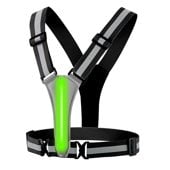
If you wear outer layers, you should consider clip on LED lights for clothing designed to help prevent tugging or sagging. If you carry a vest or hydration pack, you may prefer a light that clips securely to webbing.
You may also want a magnetic option when you switch often between workwear, casual wear, and training gear. That setup can help you move the light quickly without threading straps through each garment.
For commutes, travel, or early starts, you should think about charging access and storage space. A compact rechargeable unit can fit easily in a pocket, while spare-battery models can suit longer days away from home.
If you want broad versatility, you should compare mode variety, attachment options, and charging habits together. That approach helps you choose a running light that fits your route, clothing, and weekly training pattern.
You can feel more confident when your light matches how you move, what you wear, and when you head out. The right setup helps you stay visible and comfortable through every evening workout.