

Climbing Carabiners in Climbing & Mountaineering Equipment







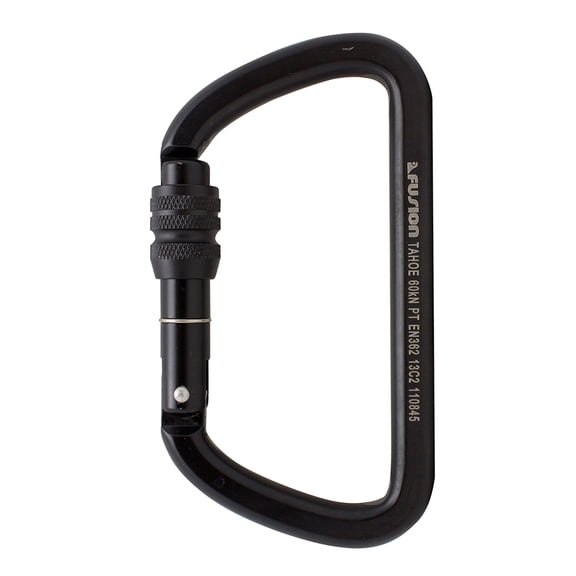

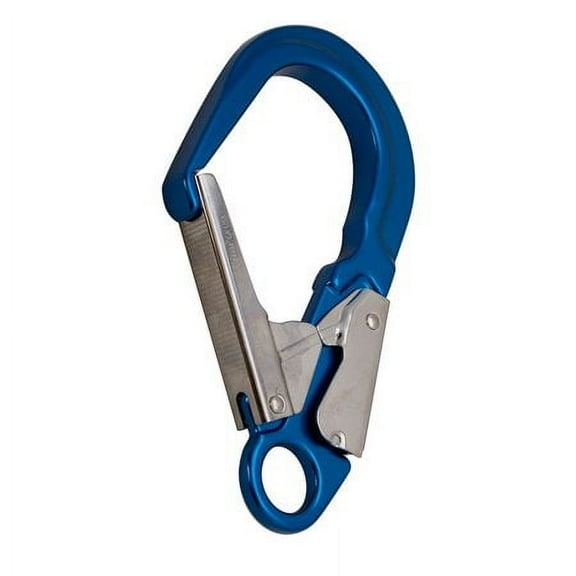
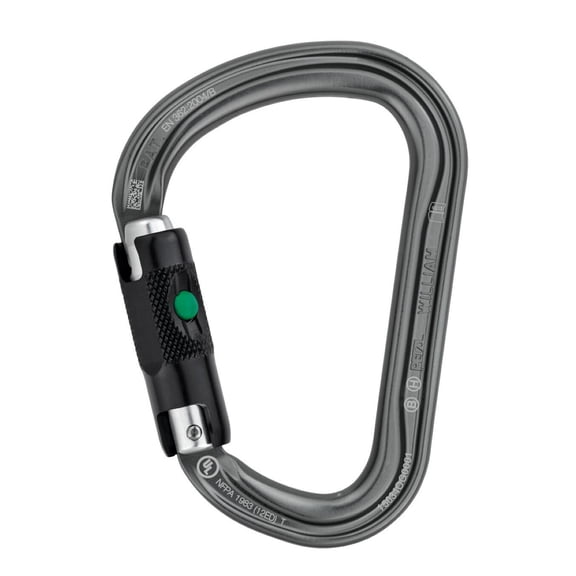
About Climbing Carabiners in Climbing & Mountaineering Equipment - Walmart.com
You can narrow your search for a climbing carabiner faster when you compare climbing-specific ratings, gate styles, shapes, and materials. You also get a clearer path to the right setup when you focus on belaying, quickdraws, anchors, and gym sessions.
If you compare a climbing carabiner near me result with broader online options, you should start with climbing-rated hardware only. You may want gear marked with UIAA or CE details, because utility clips and keychain styles do not support rope systems.
Find climbing carabiner near me options
If you search for climbing carabiners near me, you likely want quick access to familiar gate styles and trusted markings. You can use filters and product details to check shape, locking method, and intended climbing use before pickup or delivery.
When you compare local-intent results with broader listings, you may spot a triangle carabiner or a belay-friendly shape faster. You can keep your search practical when you focus on compatibility with your rope, device, and anchor plan.
How to choose a climbing carabiner
You should first check whether your gear lists UIAA or CE markings and a kN strength rating. You can use those details to confirm the carabiner clip for climbing supports real rope work.
Next, you should separate climbing carabiner clips from general carry clips before you compare shapes or materials. You can avoid mix-ups when your gear list clearly matches belay, anchor, or quickdraw use.
You can simplify your decision by focusing on four choices: gate type, shape, locking mechanism, and material. You get a more useful match when each choice fits your climbing routine and device setup.
- You can choose locking models for belay setups, rappel systems, and anchor points that need extra gate security.
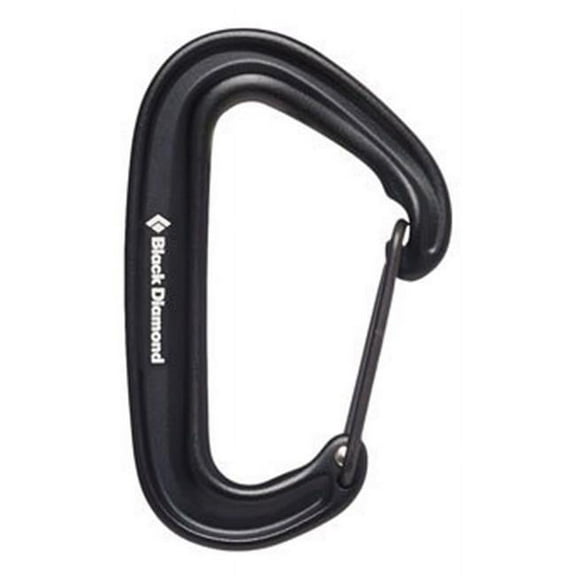
- You can choose wiregate designs when you want lower weight and smooth handling on quickdraws.
- You can choose pear-shape HMS options when your belay device needs more basket room for rope movement.
- You can choose steel models when your setup sees repeated contact at gyms or fixed training stations.
Choosing the right gate type for climbing carabiner clips
You should compare straight gate, bent gate, wiregate, and locking gate designs based on how you clip. You may notice each style changes how the gate feels in your hand and on your harness.
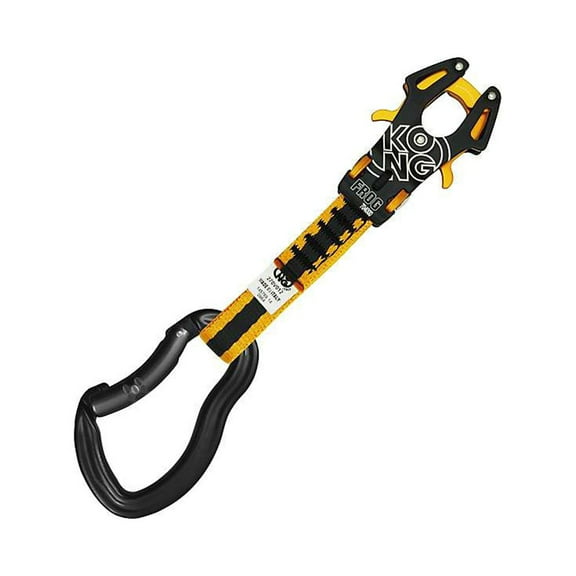
If you build quickdraws, you may prefer a bent gate or wiregate for easier clipping on the rope side. You may choose a straight gate for the bolt side when you want clear, direct handling.
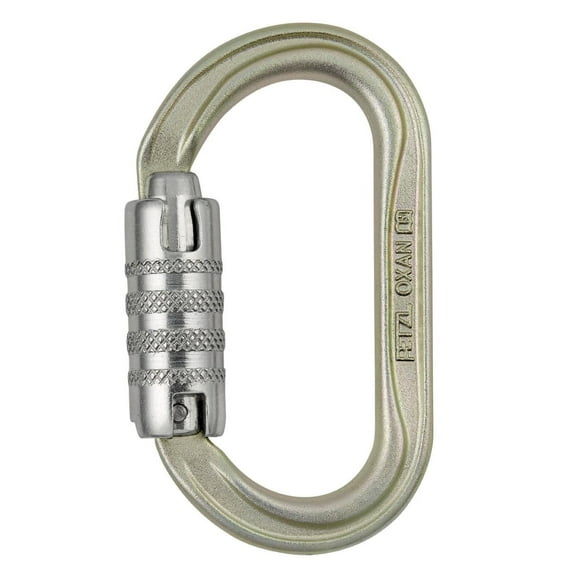
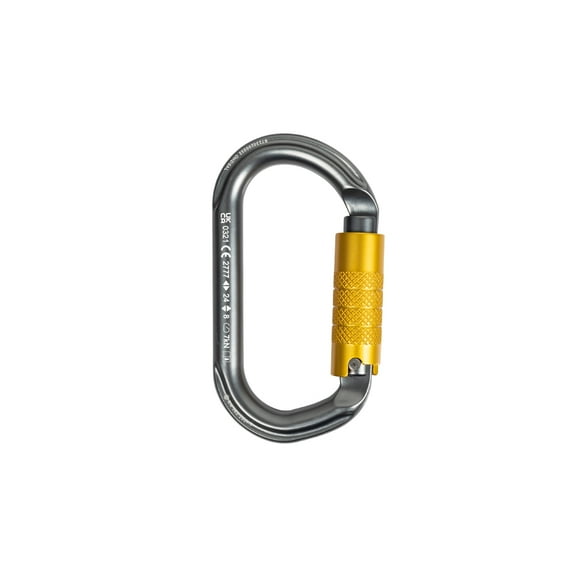
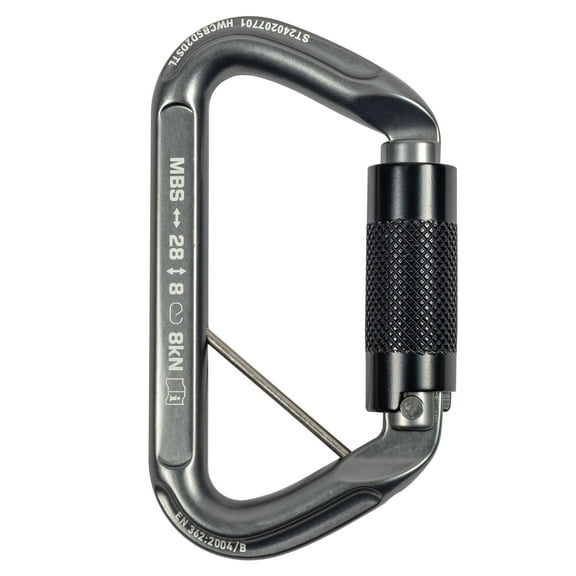
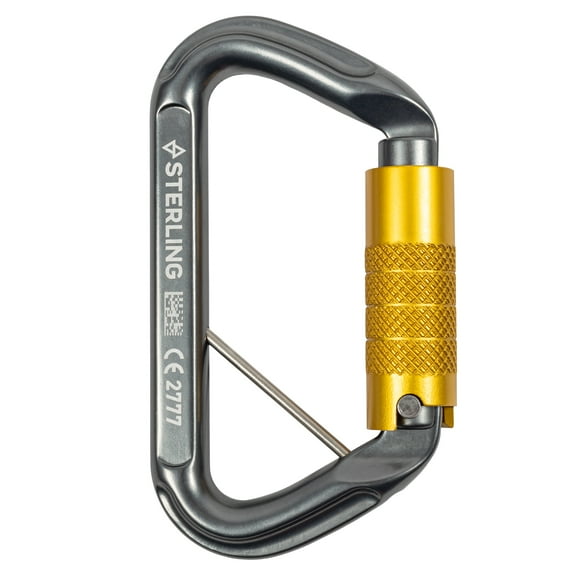
When you belay or rappel, you should look closely at screw-lock, auto-lock, and twist-lock options. You get extra gate security for systems where an open gate does not fit your setup.
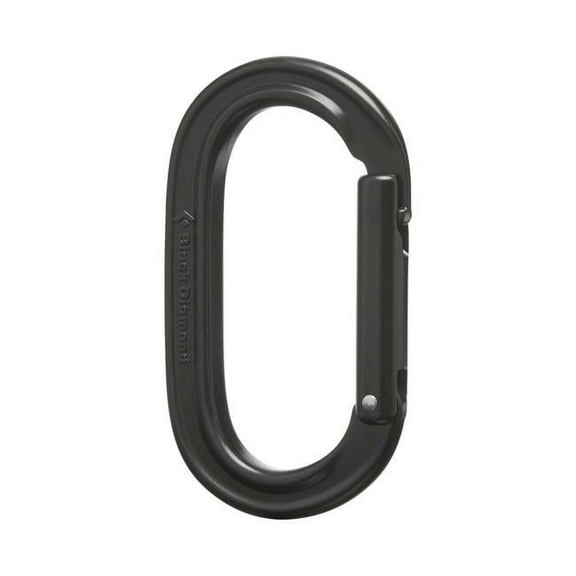
You may still want non-locking options for draws and racking gear, depending on your setup. You make a cleaner pick when the gate style matches the exact job.
Comparing shape options, including triangle carabiner styles
You should treat shape as a fit question, not just a style choice. You may notice basket size and spine shape affect rope movement, knot space, and device compatibility.
If you use belay devices often, you may prefer a pear-shape HMS design for extra room. You get more space for a Munter hitch or thicker rope paths with that profile.
When you want a strong everyday shape, you can compare D-shape and asymmetric D designs. You often see these move force toward the spine while keeping the frame compact.
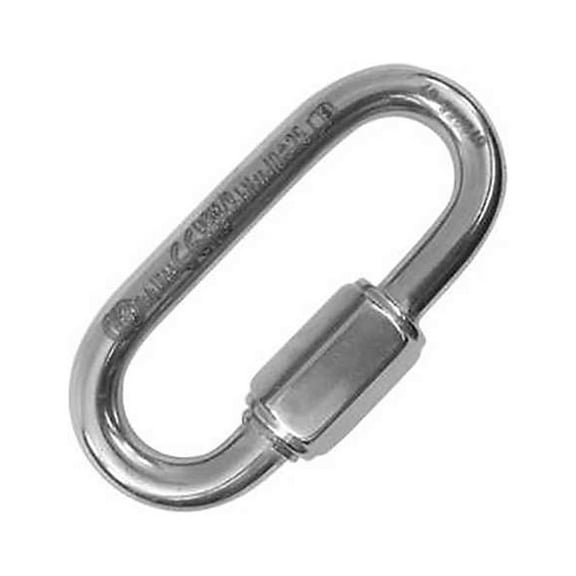
If you need balanced gear placement, you may choose an oval shape for racking or aid setups. You may also look for a triangle carabiner style when you want a distinct attachment profile.
Choosing aluminum or steel for carabiner mountain climbing
You should compare aluminum and steel by asking how often you carry the piece and how much surface wear you expect. You may notice aluminum feels lighter on harness-heavy days and longer approaches.
If you climb outside and carry several pieces, you may lean toward aluminum for reduced rack weight. You may appreciate that difference when you build a full rack or long multipitch setup.
When your carabiner mountain climbing setup includes frequent lowering, gym laps, or fixed-contact points, you may prefer steel. You get a sturdier feel in spots where repeated rope contact matters to your buying decision.
Matching rock climbing carabiner clips to your setup
You should match your choice to the exact task instead of treating all rock climbing carabiner clips the same. You get more confidence when your belay biner, anchor biner, and quickdraw biner each fit their role.
For belaying, you should look for a locking gate with an HMS or larger basket shape. You give your belay device more room and keep your setup easier to manage.
For sport climbing draws, you may want lighter non-locking options with wiregate or bent gate designs. You can move quickly between clips when the handling feels direct and predictable.
For anchor building, you should consider locking models with clear strength markings and a shape that works with slings. You keep your system organized when attachment points sit neatly and load cleanly.
If you train indoors, you may compare steel and aluminum based on handling and repeated use. You also want dimensions that fit your device, rope diameter, and preferred clipping style.
You can make a smarter final choice when you compare ratings, gate action, shape, and material together. You end up with climbing gear that fits your rope system, your device, and your day on the wall.