

Brass Wall Plates in Wall Plates by Color & Material
























About Brass Wall Plates in Wall Plates by Color & Material - Walmart.com
Brass wall plates help you give switches and outlets a finished look that matches your room hardware. You can compare finishes, sizes, and configurations that fit remodels, replacements, and new installations.
How to choose brass wall plates by finish
You should start with finish type because your wall plate needs to work with nearby knobs, faucets, and lighting. You can create a cohesive look when your plate finish echoes the brass tones already in your space.
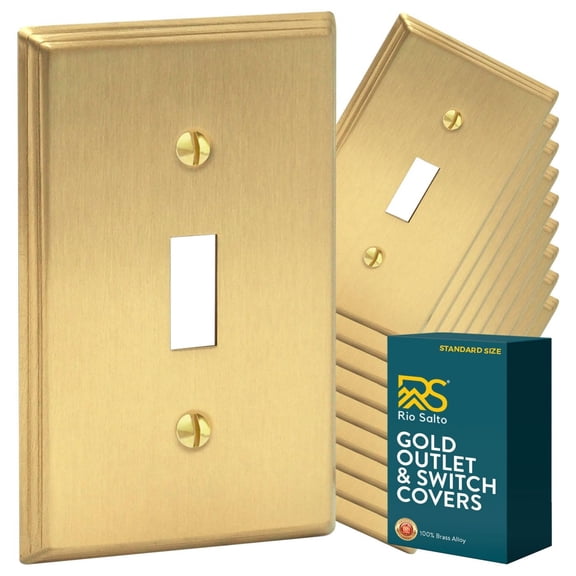
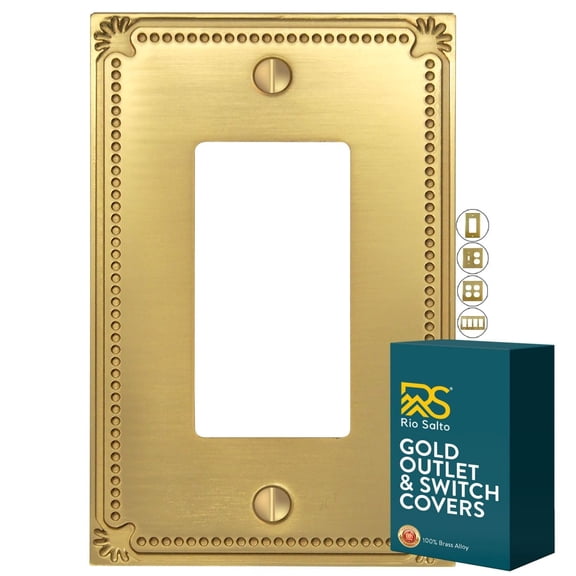
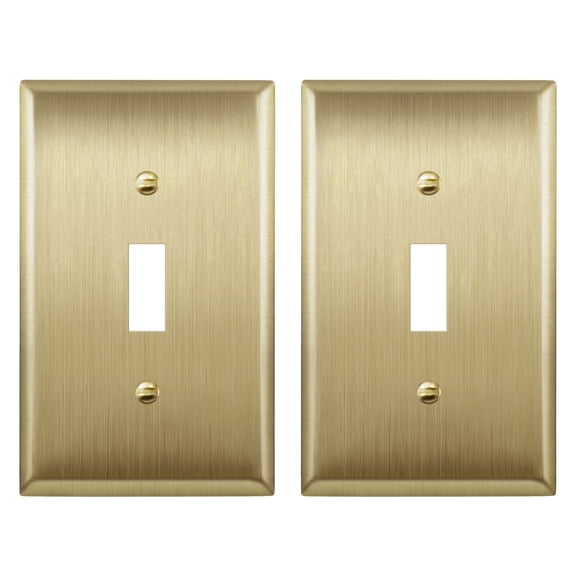
Polished brass switch plates give your room a bright, reflective surface that suits traditional decor and formal spaces. Brushed brass wall plates give you a softer sheen that pairs well with current fixtures and muted palettes.
Antique brass wall plates help you bring in darker undertones that suit vintage rooms, classic millwork, and aged metal accents. Satin brass outlet covers give you a smooth, understated finish that feels clean without looking too shiny.
- You can match warm metallic hardware across entryways, kitchens, and bathrooms.
- You can choose a reflective or muted finish based on your room style.
- You can keep switches and outlets from standing out against brass fixtures.
Choosing configurations and gang counts for brass wall plates
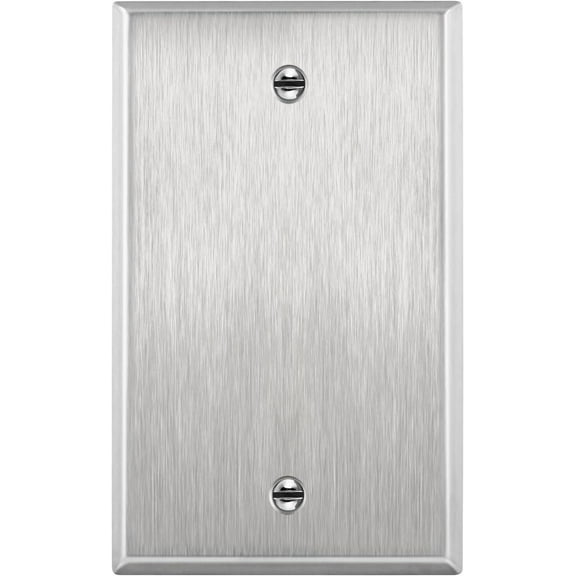
You need the right configuration before you think about appearance because the cutout must match your device. You should compare toggle, duplex, decorator, rocker, and blank options before you select a finish.
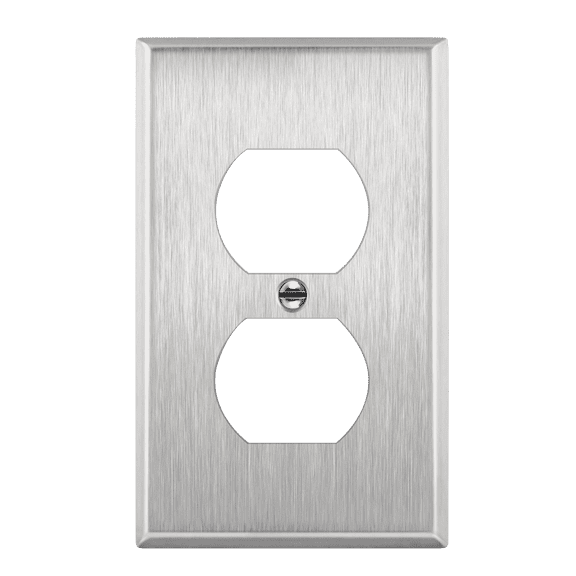
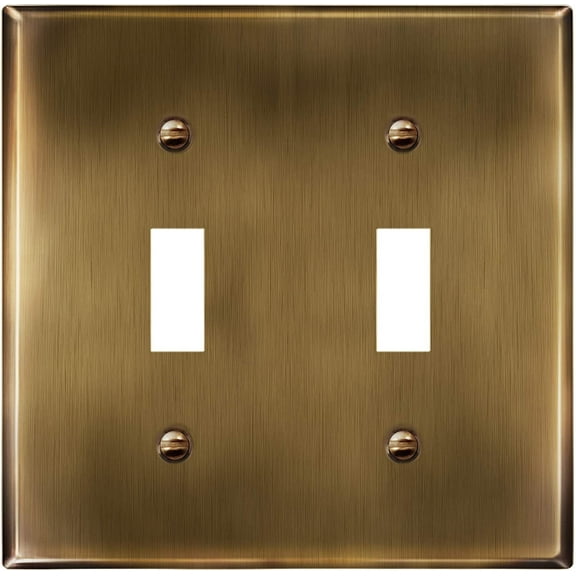
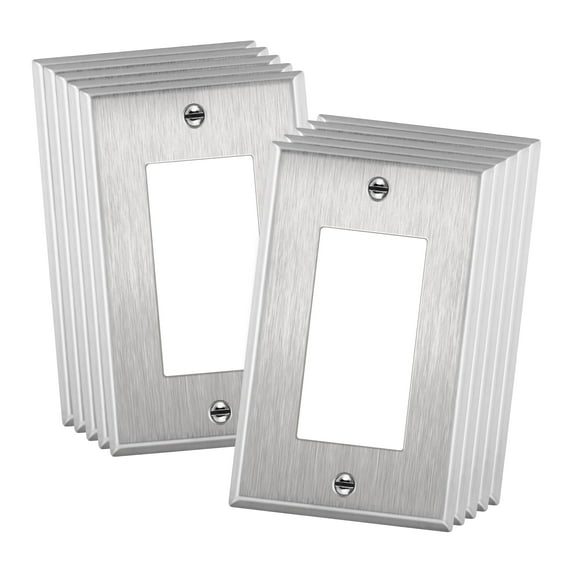
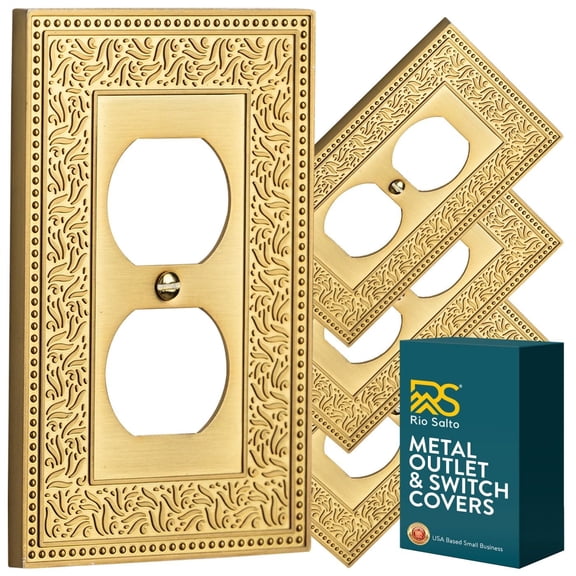
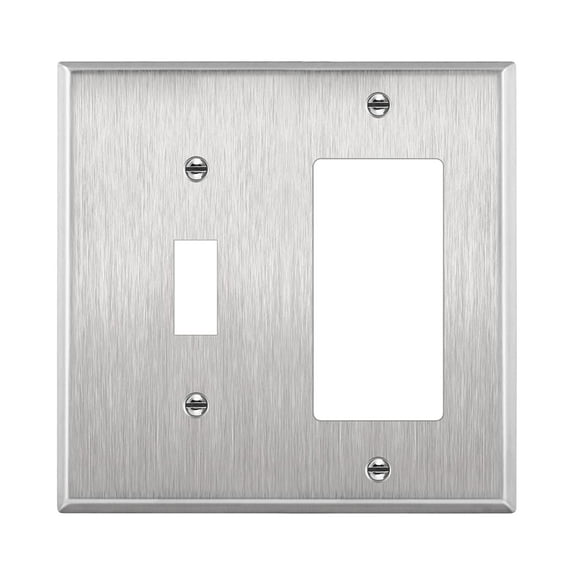
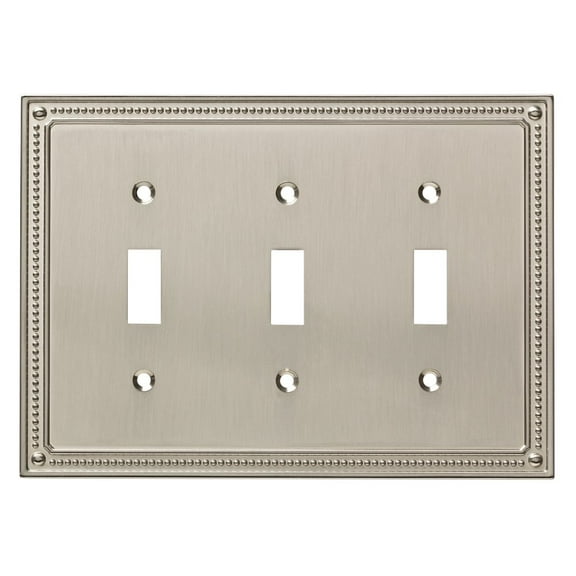
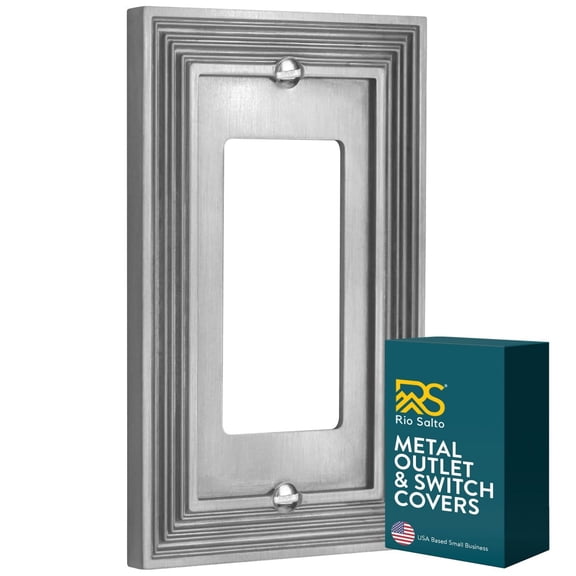
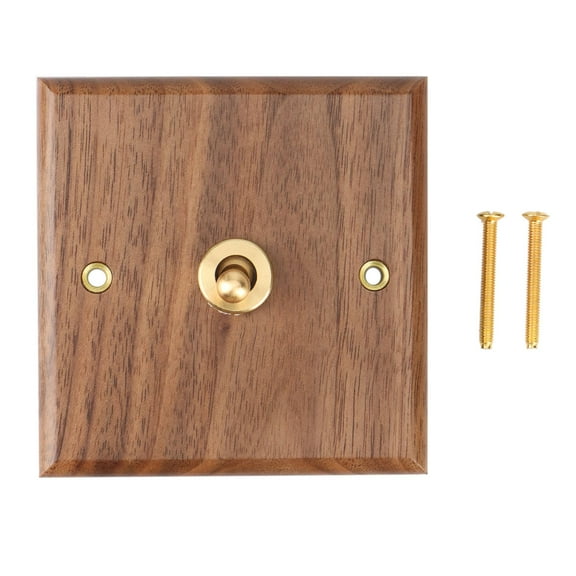
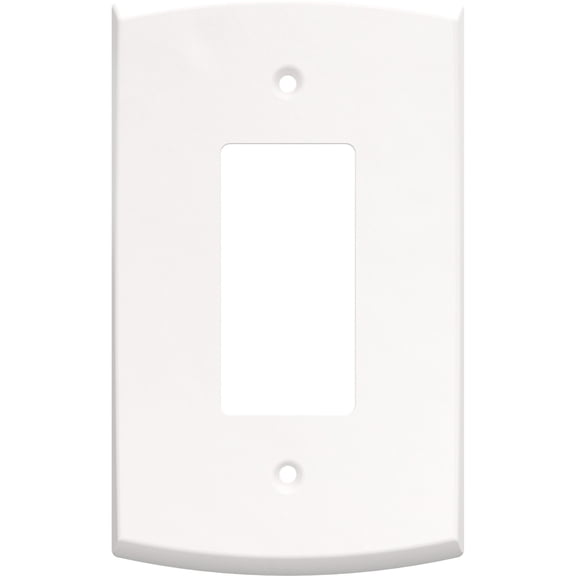
A brass toggle switch plate fits classic up-and-down switch openings that many older rooms still use. A duplex opening works for standard two-socket outlets, while decorator and rocker openings fit wider modern devices.
You should also check gang count because one-gang, two-gang, and three-gang plates cover different wall box layouts. Multi-gang options help you line up several switches or outlets with a clean, coordinated face.
If you’re updating a mixed room, you may need different cutouts in the same finish to keep everything consistent. You can use matching brass outlet covers and switch plates to tie together several device types.
Choosing size and material construction
You should compare plate size based on how much wall area you need to cover around the device. Standard sizes work for many clean installations, while mid-size and oversized options cover more of the surrounding wall.
If you’re replacing older plates, oversized or jumbo styles can help your opening look neater after paint changes. You can also use a larger plate when you want extra coverage around uneven cut lines.
Material construction matters because you may want a certain weight, feel, and surface detail in your space. Solid brass gives you a substantial feel, stamped metal gives you a lighter option, and forged brass can offer a more defined look.
You should also consider how much maintenance you want with your chosen finish and material. You’ll usually find that brushed or antique looks make fingerprints less noticeable than highly reflective surfaces.
How polished brass switch plates and other finishes fit your space
You can use polished brass switch plates in dining rooms, foyers, and formal living areas where reflective accents already stand out. You may prefer brushed brass wall plates in kitchens, bedrooms, and offices with softer hardware finishes.
Antique brass wall plates work well when your room has traditional trim, dark wood, or vintage-inspired lighting. Satin brass outlet covers fit transitional spaces where you want warmth without a glossy look.
You should think about traffic patterns and visibility when you choose your finish and size. If your switch sits in a focal area, you may want a finish that intentionally coordinates with nearby hardware.
For remodels, you can mix configurations across a home while keeping one brass tone throughout the project. That approach helps your outlets, dimmers, and switches look planned instead of pieced together.
What to look for before installation
You should confirm the device style, gang count, and plate size before you order replacement covers. You can avoid mismatched openings by checking whether your device uses toggle, rocker, decorator, duplex, or blank formatting.
You may also want to compare screw placement and edge coverage when you’re refreshing painted walls. A properly sized plate helps your installation look tidy and aligned with the rest of your room.
When you choose brass wall plates with the right finish, cutout, and size, your switches and outlets look intentional. You’ll end up with hardware that completes the wall and supports a polished room design.