


Bilge Pumps in Marine Supplies






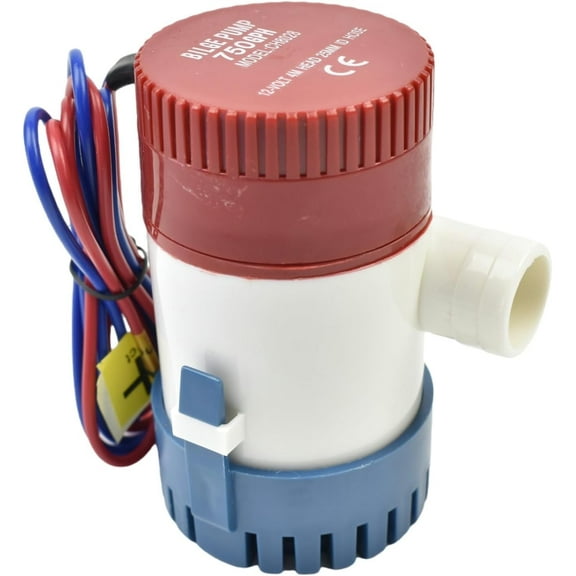


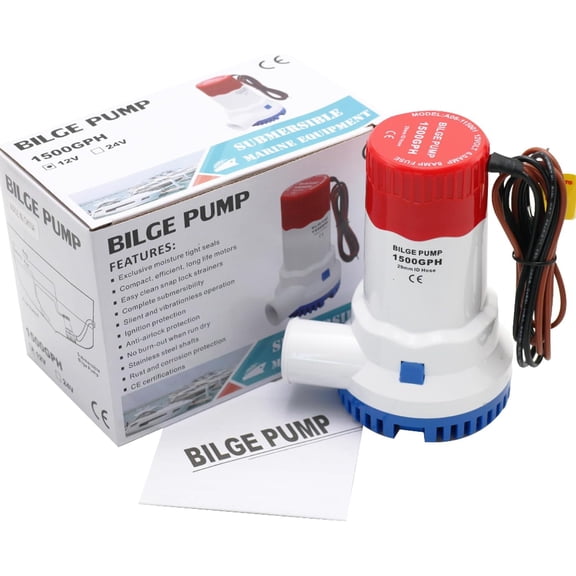


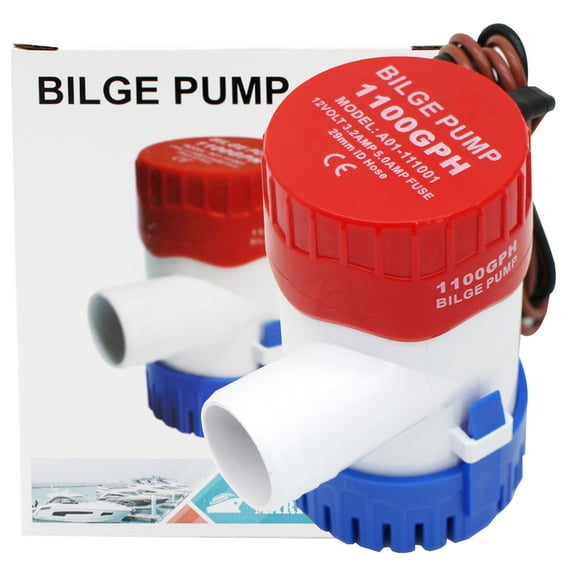

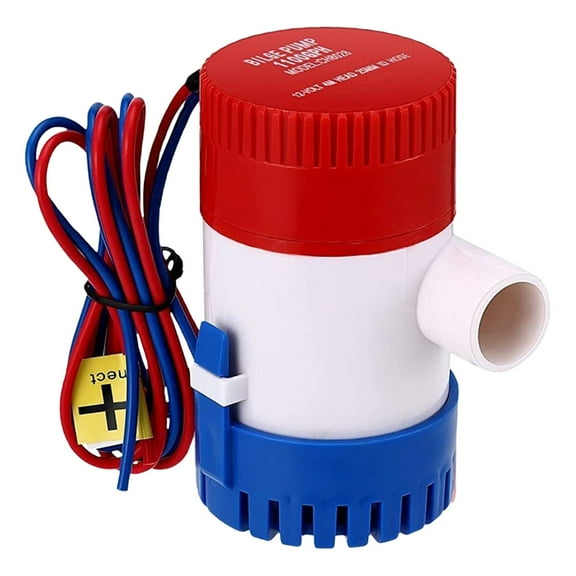





![Rule 1100GPH Standard Bilge Pump - 12V [27DA]](https://i5.walmartimages.com/seo/RULE-1100-GPH-STANDARD-12V-BILGE-PUMP_107e9a59-c7f2-4c3f-b724-101196bcd268.76ad6204457302aa41b63c3e5c01325c.jpeg?odnHeight=576&odnWidth=576&odnBg=FFFFFF)



About Bilge Pumps in Marine Supplies - Walmart.com
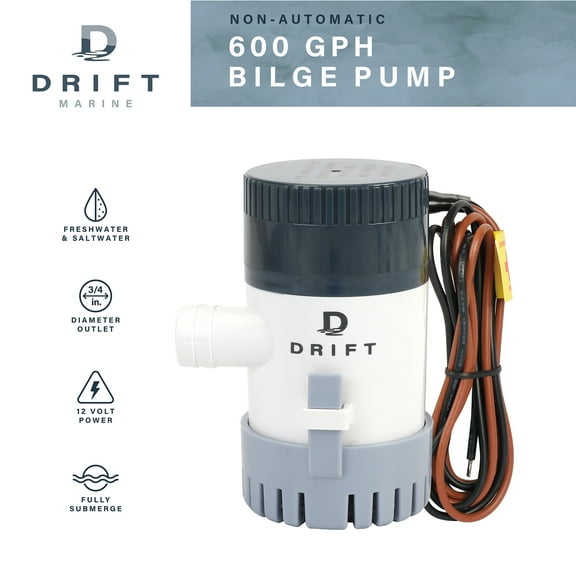
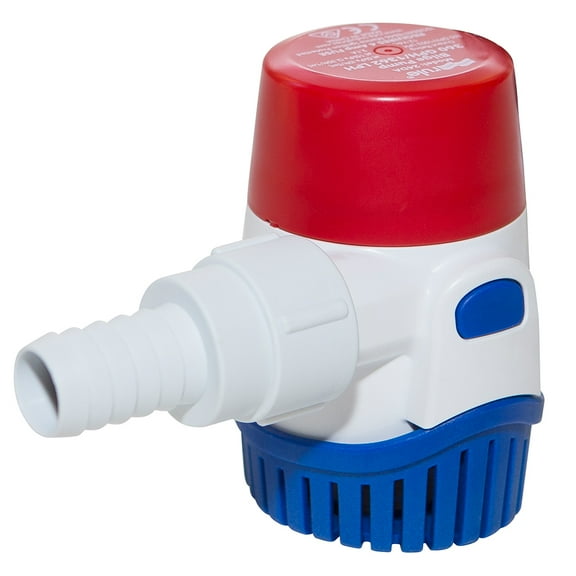
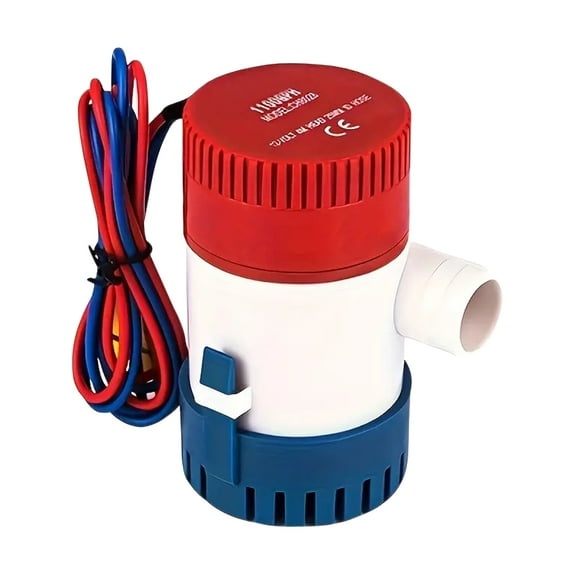
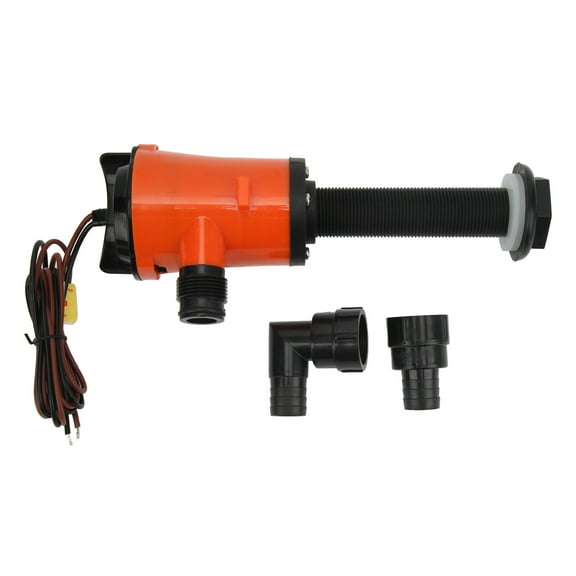
Bilge pumps help you manage unwanted water in your boat with the right flow rate, voltage, and activation style for marine use. You can compare manual and automatic options here, while narrowing choices by GPH, float switch setup, and boat type.
How to choose bilge pumps for your boat
When you compare bilge pumps, you should start with the amount of water your bilge may collect. You should also check your boat length, bilge space, and wiring setup before you choose a pump.
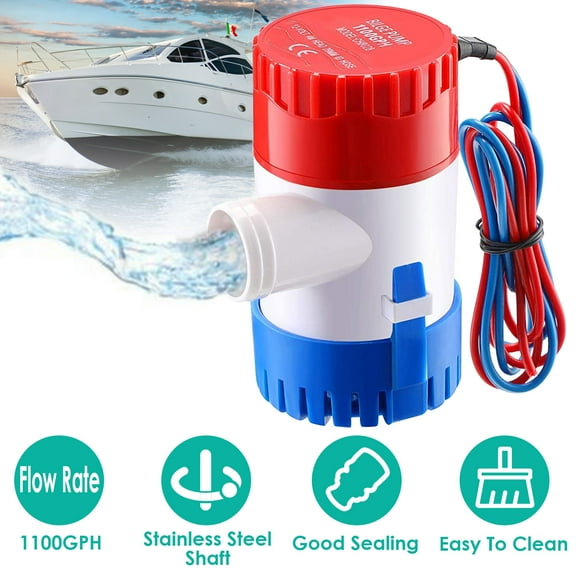
A smaller hull often needs a lower GPH bilge pump, while a larger boat may call for more output. You can use 500 GPH, 800 GPH, 1100 GPH, 1500 GPH, and 2000 GPH ranges as practical comparison points.
Your decision gets easier when you match pump output to your real boating conditions. You may want extra capacity for rough water, frequent washdown use, or a deeper bilge area.
Choosing flow rate, voltage, and activation
You should treat flow rate as one of your main buying decisions because it affects how quickly your system moves water. You can compare GPH ratings in plain terms by thinking about your hull size and typical water volume.
- You can choose lower GPH options for compact spaces, light-duty use, or a kayak bilge pump setup.
- You can consider midrange output for jon boats, small sailboats, and everyday boat bilge pump replacement needs.
- You can look at higher GPH models when your powerboat has a larger bilge compartment or longer discharge runs.
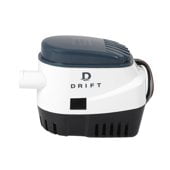
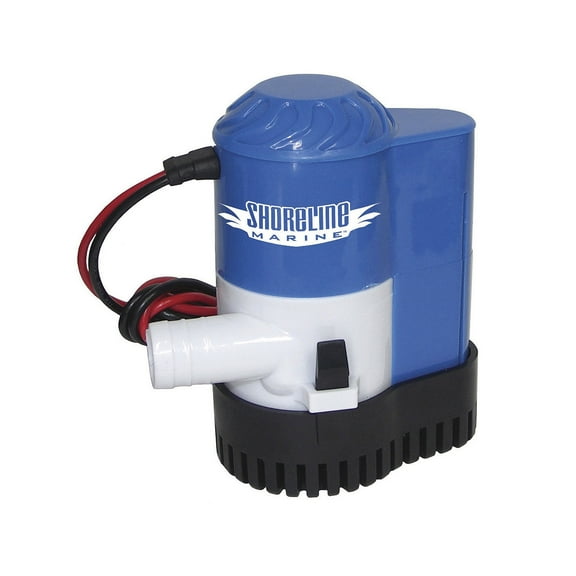
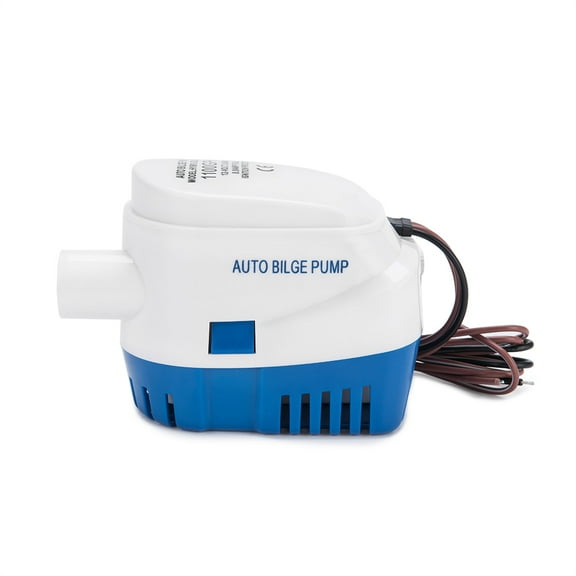
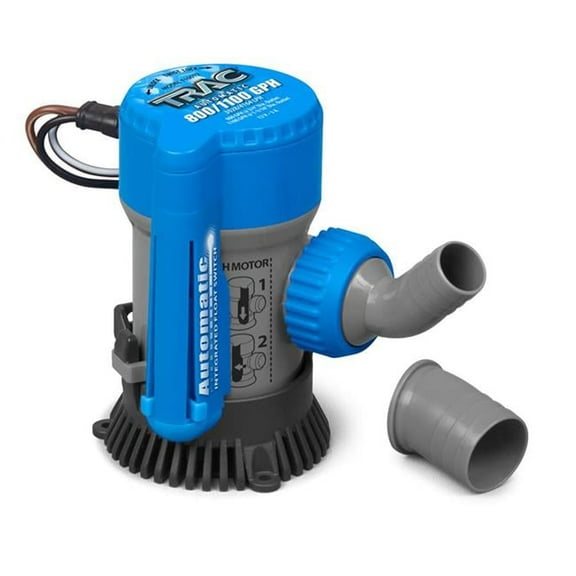
- You can check whether automatic bilge pumps fit your routine when you want water removal to start without manual switching.
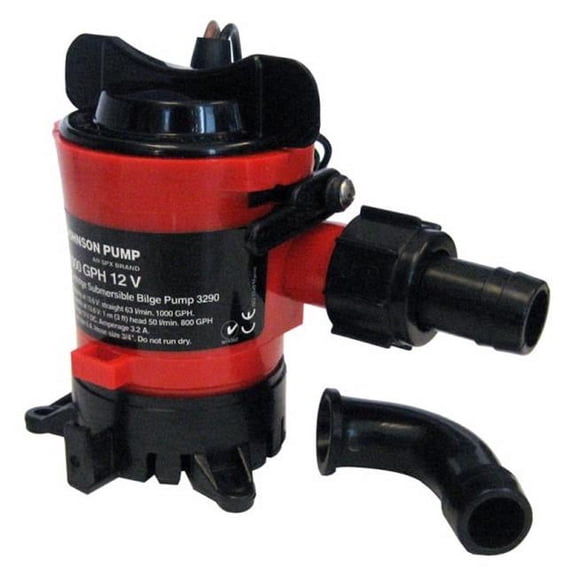
Voltage matters just as much because your pump needs to match your electrical system. You should check whether your boat uses 12V bilge pumps, 24V systems, or a battery operated setup.
If you boat on a common small craft electrical system, you’ll often compare 12v bilge pumps first. If your vessel uses a different onboard setup, you should confirm that voltage before you install anything.
Automatic bilge pumps vs manual bilge pumps
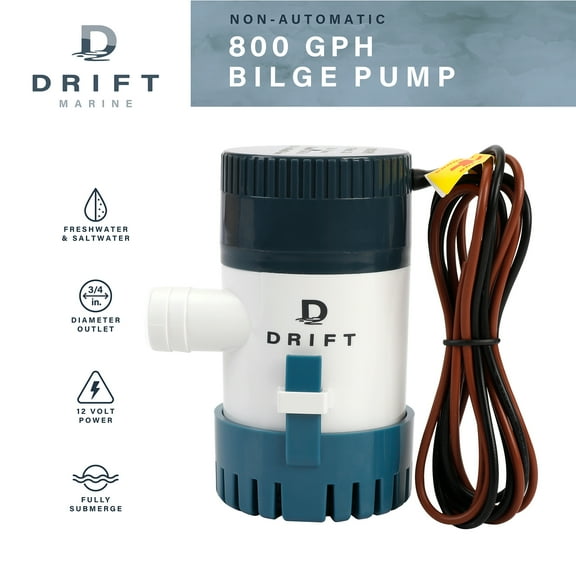
You can choose automatic bilge pumps when you want the pump to start as water rises. You can choose manual bilge pumps when you want direct control and a simpler setup.
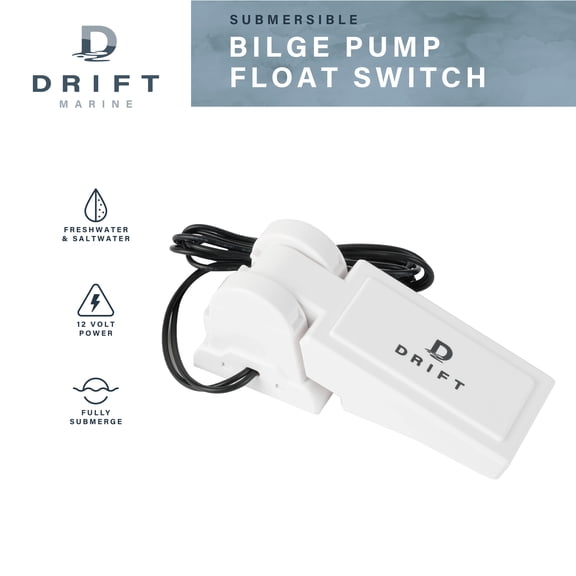
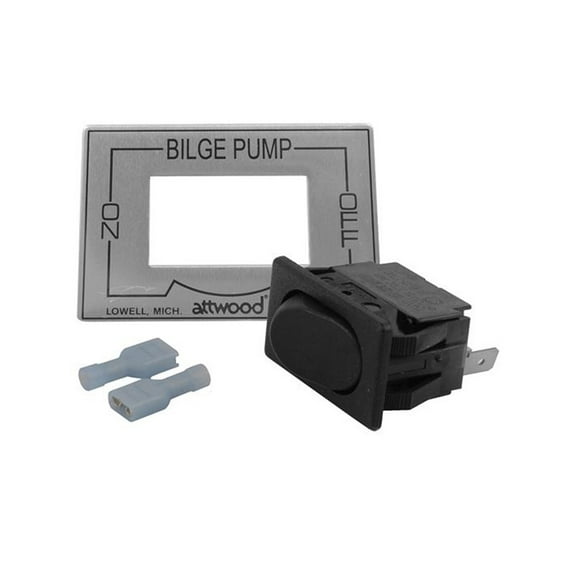
A bilge pump float switch helps you automate activation by turning the pump on at a set water level. You should check whether a pump has a built-in switch or needs a separate bilge pump float switch.
That choice affects wiring, battery planning, and everyday operation on the water. You may prefer float switch controlled designs when your boat stays moored, while manual options can suit short trips.
You can also keep a manual pump in a compact craft where simplicity matters. You may find this especially useful in a kayak, canoe, or lightly equipped jon boat.
What to look for in marine bilge pumps
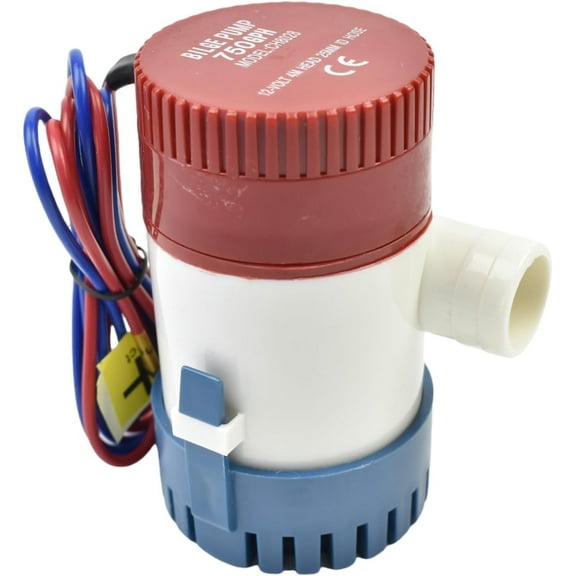
Marine bilge pumps should fit your hose routing, outlet size, and mounting space without forcing complicated changes. You should measure your current outlet port and compare it with your thru-hull fitting before you choose.
Hose diameter compatibility matters because mismatched parts can slow installation and complicate your plumbing layout. You can avoid guesswork by checking the outlet port size listed in each pump specification.
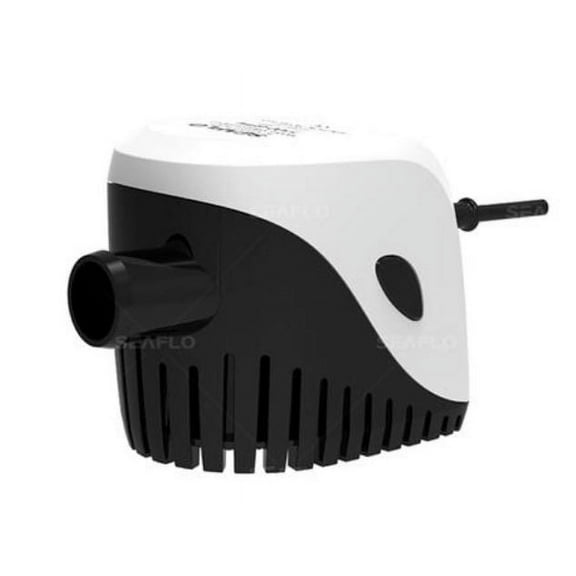
You should also consider pump shape and footprint when your bilge area is narrow or irregular. If your access is tight, you may want a compact boat bilge pump that fits low in the hull.
Power lead length and mounting style can also shape your decision. You should compare these details when you’re replacing an older unit and want a smoother install.
Matching pumps to boat type and use
You can narrow marine bilge pumps by thinking about how and where you boat. Your hull style, storage setup, and trip length all affect the type of pump that makes sense.
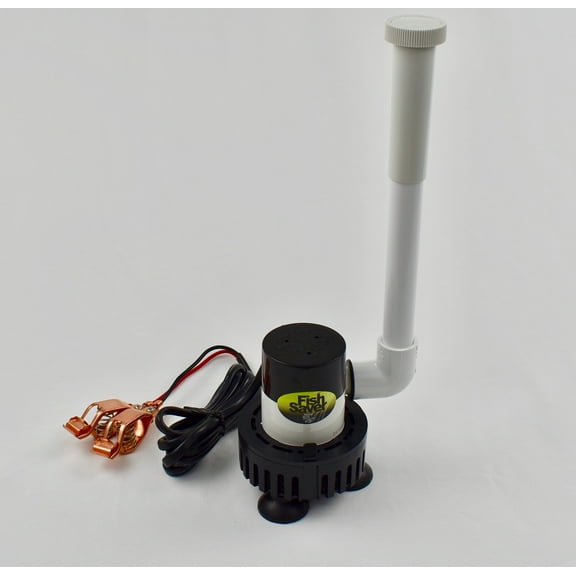
For a kayak bilge pump, you may prioritize hand-operated or battery operated designs with compact storage. For a jon boat, you may want a straightforward 12V setup that fits a smaller bilge area.
If you run a sailboat, you may compare automatic activation for longer dock time and changing water conditions. If you run a powerboat, you may look for a gph bilge pump with enough output for a larger compartment.
You can also match your choice to your maintenance habits and wiring confidence. If you want fewer manual checks, automatic activation and float switch control may feel more practical.
Related marine system considerations
You should think about your pump as part of a larger marine plumbing setup. Your installation may also involve discharge hose routing, wiring connectors, marine batteries, and switch accessories.
If you’re replacing an older system, you should compare outlet direction and hose path before you order. You can also look for related parts like float switches and boat plumbing accessories to complete the setup.
Your final choice should reflect how your boat is powered, how much water you expect, and how hands-on you want operation to be. When you match those details carefully, you get a bilge system that fits your boat and routine.