

Food Dehydrators in Specialty Appliances





















About Food Dehydrators in Specialty Appliances - Walmart.com
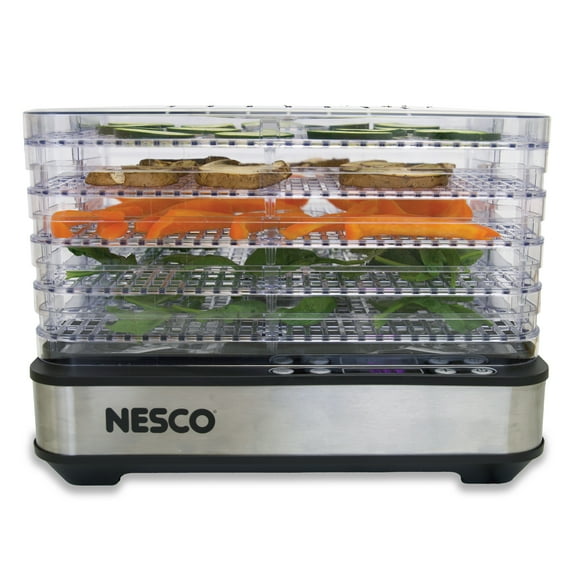
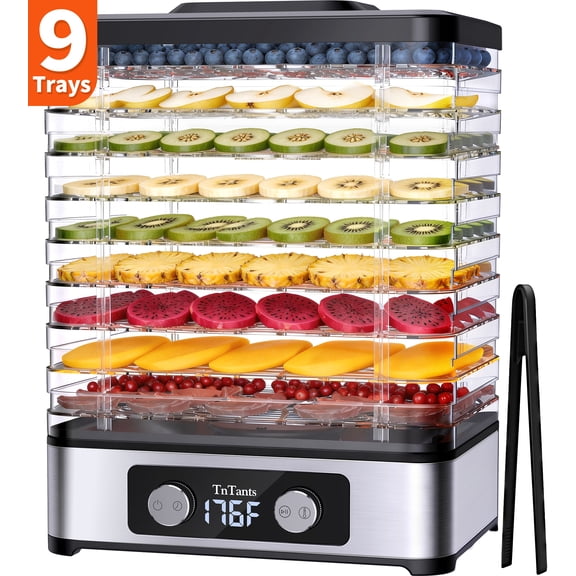
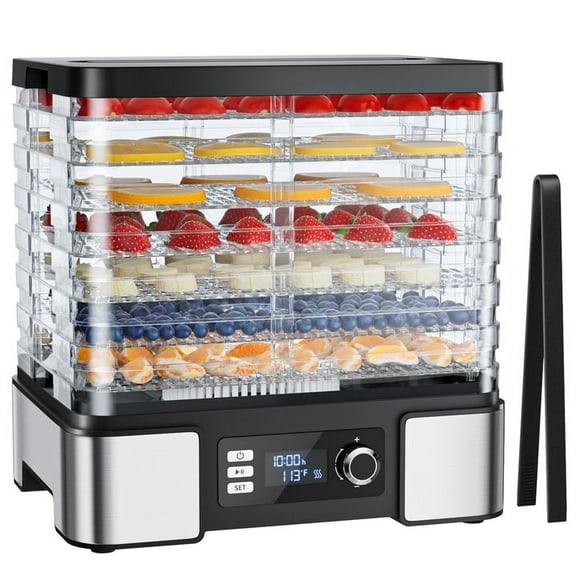
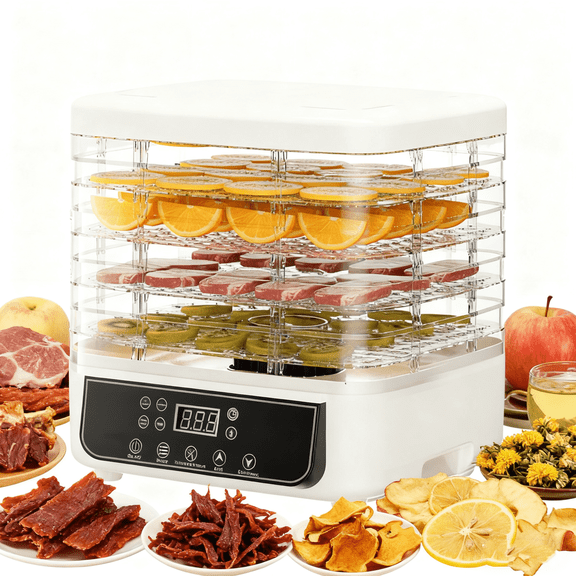
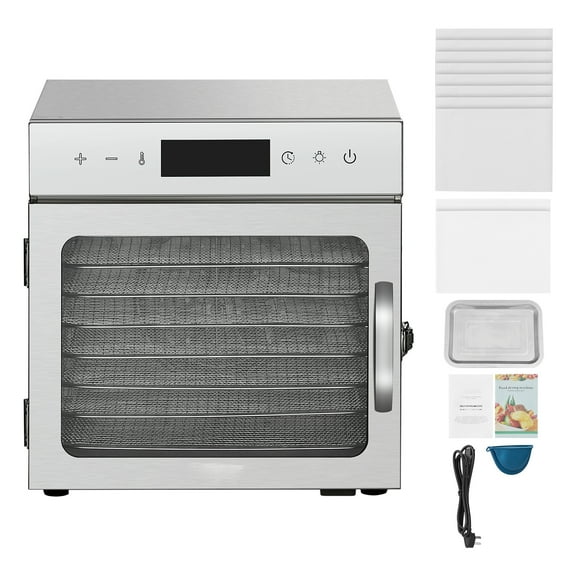
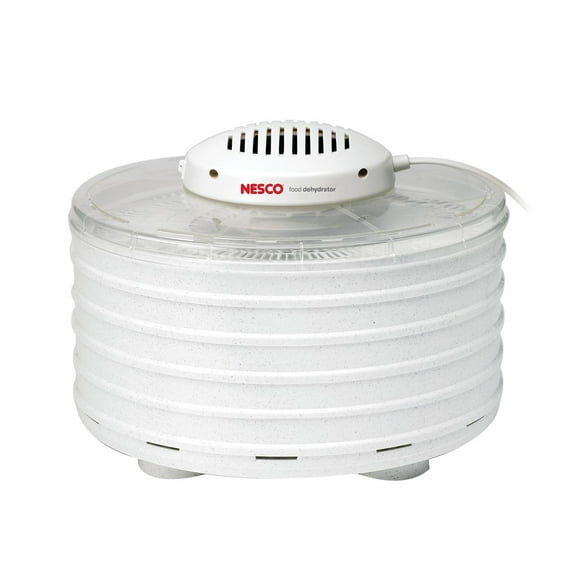
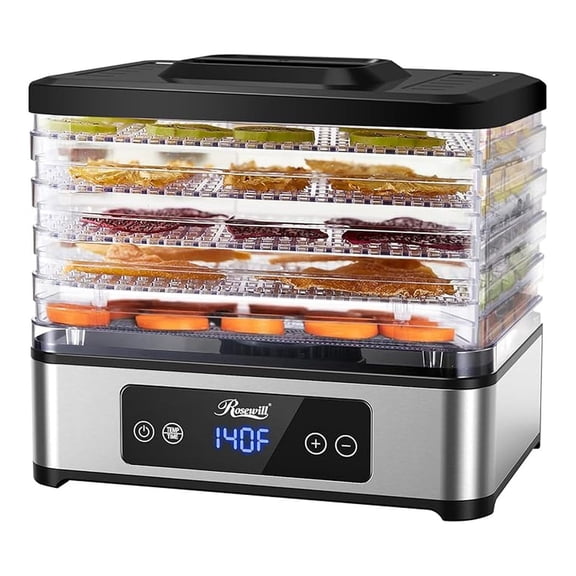
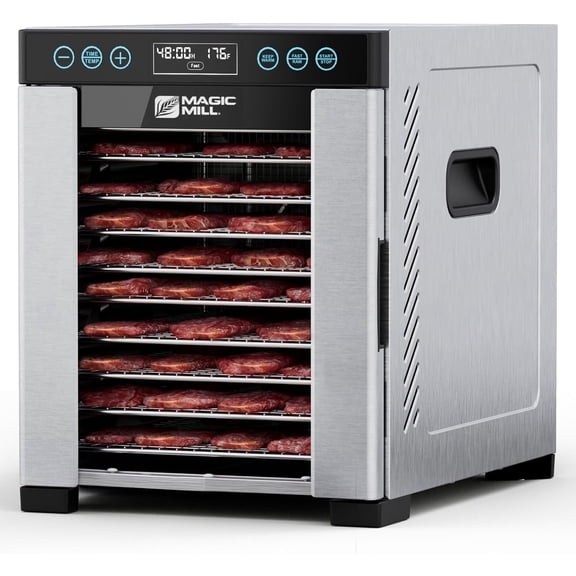
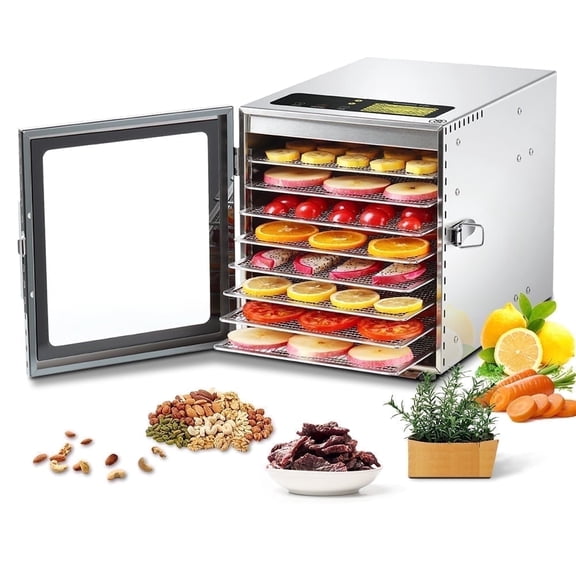
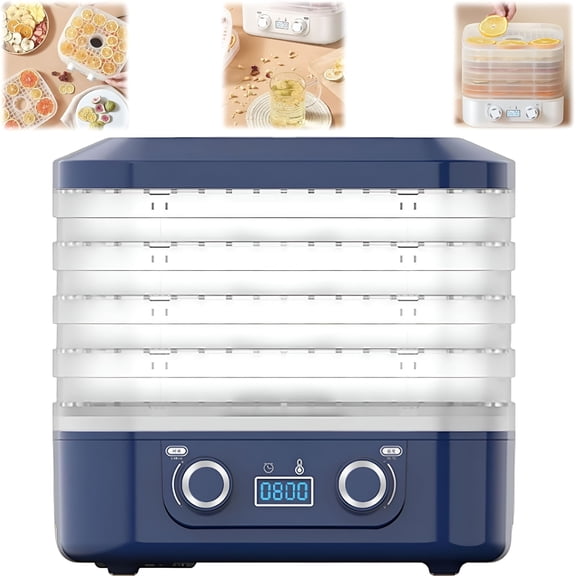
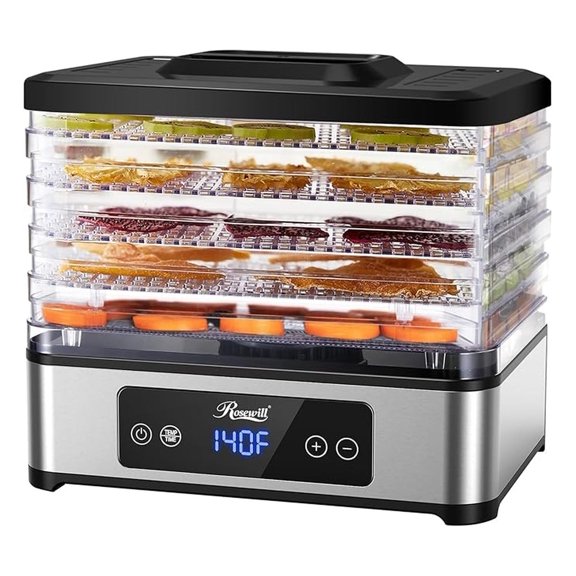
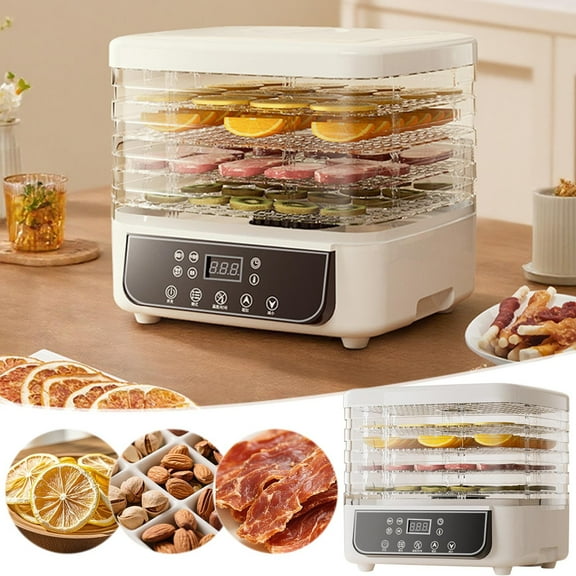
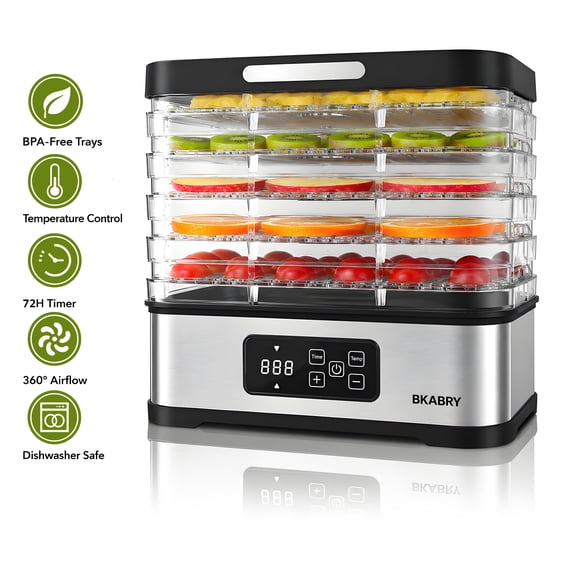
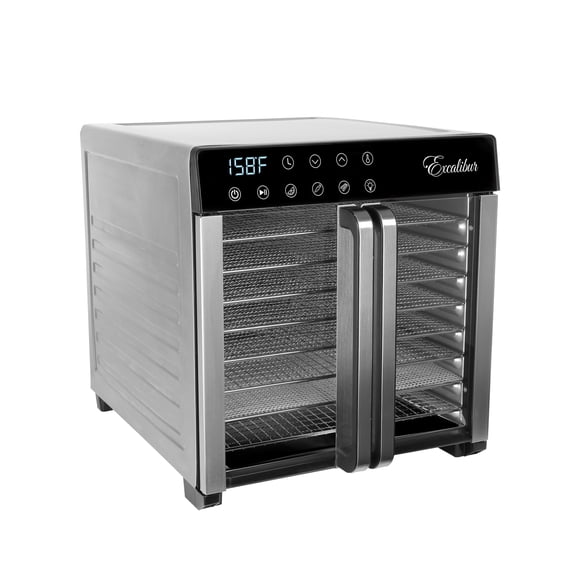
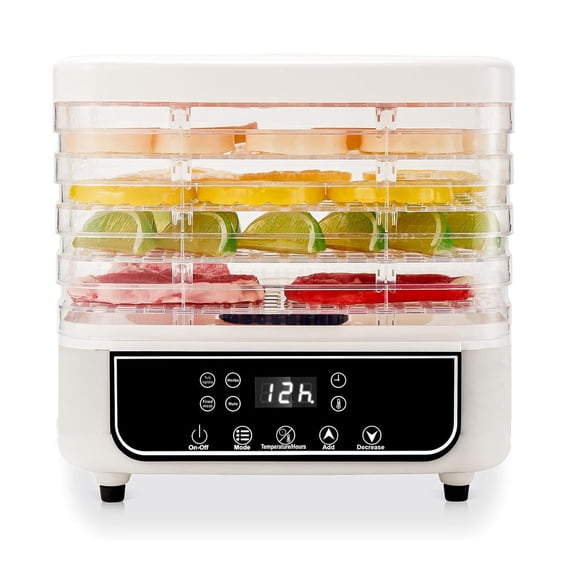
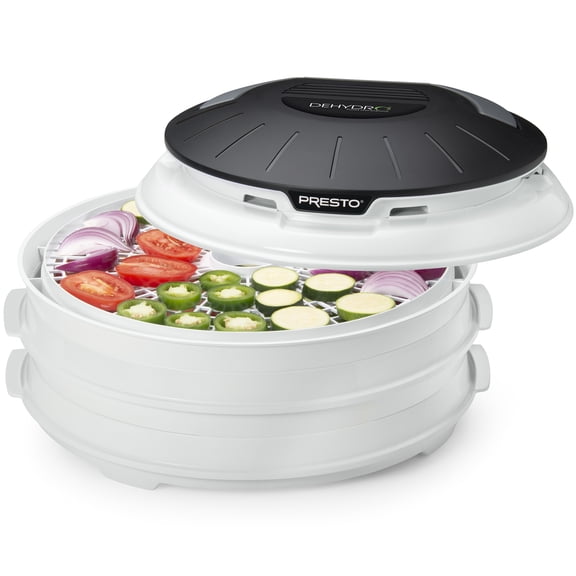
A food dehydrator helps you prep shelf-stable snacks at home, with consistent drying and less waste. At Walmart, you’ll find models sized for countertops, meal prep, and family batches. Choose the airflow, temperature range, and tray setup that fits jerky, fruit, and herbs. Many options add timers and auto shutoff, so you can dry overnight with fewer check-ins.
Dehydrating is all about control and consistency, not guesswork. The right unit keeps airflow moving across every tray for even texture. That matters when you’re drying mango slices, herbs, or a full load of beef strips.
Food dehydrator benefits you’ll notice fast
A food dehydrator turns fresh produce and proteins into grab-and-go snacks you control. You can season batches your way and dial in texture from chewy to crisp. It also helps you preserve garden harvests and bulk buys with less freezer crowding.
Consistent heat and airflow reduce hotspots that can overdry edges. That means fewer brittle pieces and more uniform results across trays. You’ll also get more predictable timing for fruit, herbs, and jerky.
- Make beef jerky with controlled heat that supports classic chew and consistent finish.
- Dry fruit for lunchboxes, trail mixes, and baking, with less mess than oven drying.
- Preserve herbs and citrus slices while keeping aromas stronger than high-heat methods.
- Create fruit leathers and snack sheets using compatible liners and flat trays.
- Prep pantry-friendly ingredients like dried mushrooms, peppers, and onions for soups.
A dedicated beef jerky dehydrator setup can help you repeat recipes reliably. You can run thinner cuts on upper trays and thicker pieces lower. You’ll spend less time rotating racks than with an oven method.
Features to compare before choosing a dehydration machine
Start with temperature control, since different foods dry at different heat levels. Jerky usually needs steadier heat than delicate herbs. A wider temperature range gives you more menu flexibility.
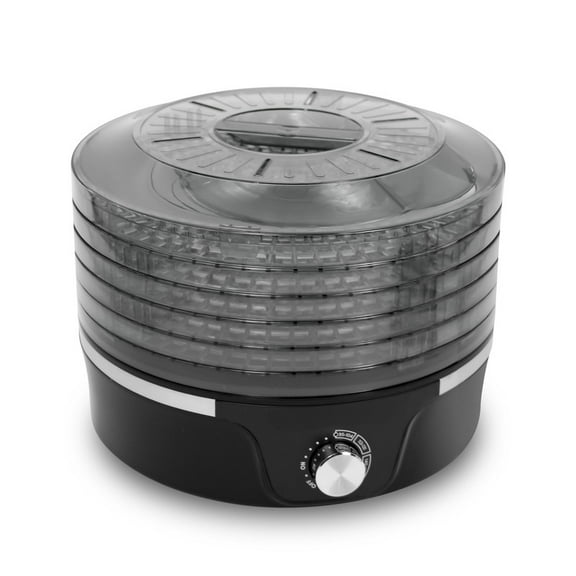
Tray count affects batch size and how often you’ll need to reload. More trays can mean more airflow resistance, so design matters. Look for units built to push air evenly across every level.
Fan placement changes how you manage drips and mixing flavors. Rear fans often support even drying and reduce tray swapping. Bottom fans may need liners when working with marinades or juicy fruit.
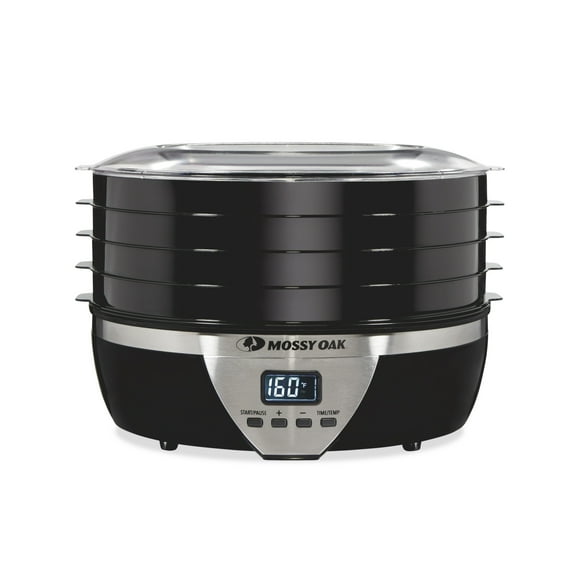
Timers and auto shutoff help you run longer cycles with fewer interruptions. Digital controls can make repeat batches easier to replicate. Clear displays also help when you’re tracking hours across multiple recipes.
Tray material and cleaning needs matter for weekly use. Many shoppers prefer dishwasher-safe racks for easier cleanup. If you’re researching BPA-related concerns, check each listing’s tray details.
For research-minded shoppers, food dehydrator consumer reports intent often centers on consistency and durability. Focus on wattage, airflow design, and control precision rather than one spec. Those factors shape drying times and batch-to-batch repeatability.
Use cases: jerky, fruit, herbs, and more
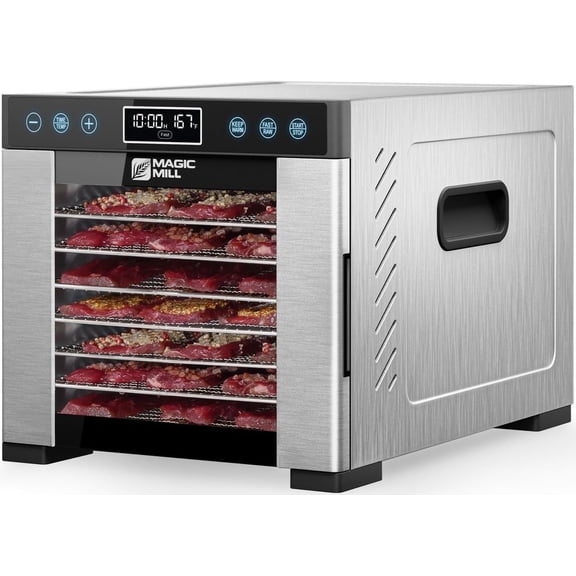
If you’re building a beef jerky dehydrator routine, start with uniform slices and consistent spacing. Avoid overlapping pieces so air can pass around each strip. You’ll get more even texture and fewer soft spots.
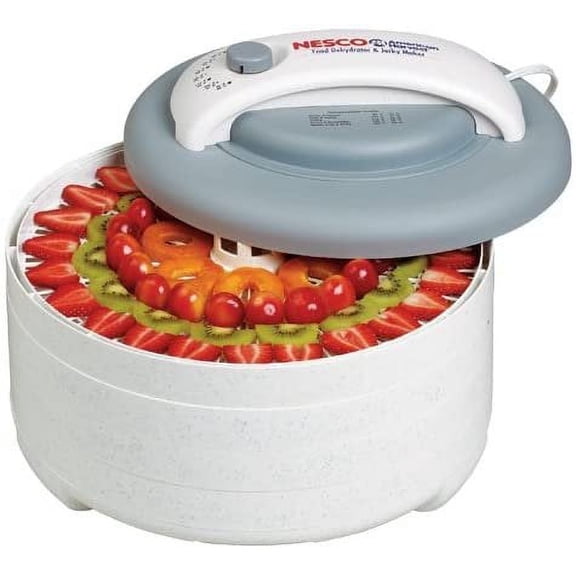
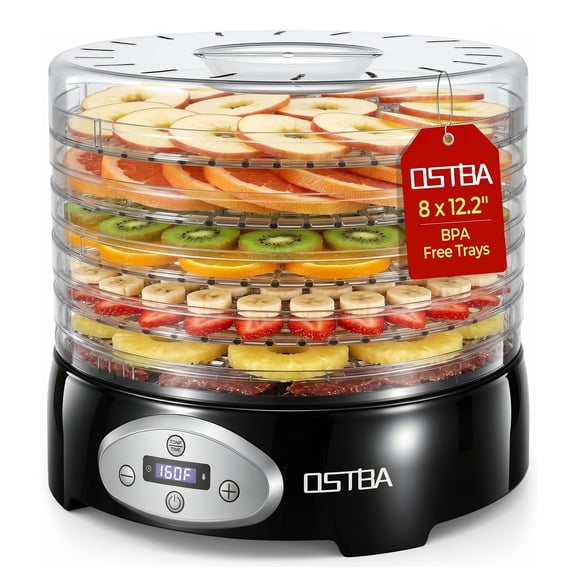
A fruit dehydrator setup shines with apples, bananas, pineapple, and mango. Slice evenly and consider pretreating apples to reduce browning. Use mesh screens for smaller berries that can shrink through gaps.
Herb drying works well at lower temperatures and shorter cycles. Spread leaves in a single layer and remove thick stems. Store dried herbs in airtight jars to help maintain aroma.
For snack variety, try yogurt drops, veggie chips, or seasoned chickpeas, when your model supports those temperatures. Use fruit leather trays for purées and sauces. Rotate trays only if your unit’s design calls for it.
Spanish-language searches like deshidratador de frutas and deshidratador de alimentos often map to the same goals. You want dependable drying for frutas deshidratadas and carne seca. A carne seca machine approach benefits from steady heat and good airflow, like jerky batches.
Pairing dehydrating with other preservation tools can streamline your pantry system. Vacuum sealing helps portion dried fruit and jerky for storage. Canning supplies can round out sauces, jams, and shelf-stable sides.
Confidence points to finish your choice
A food dehydrator is worth it when it matches your batch size and your go-to recipes. Prioritize steady airflow, usable tray space, and controls you’ll actually use. You’ll get repeatable jerky and fruit snacks with less hands-on monitoring.