

Coverlets in Bedding
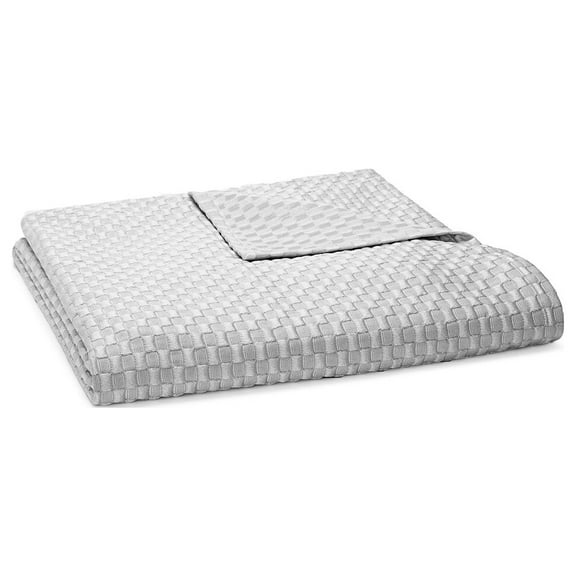
About Coverlets in Bedding - Walmart.com
Coverlets give your bed a lighter, layered look that feels polished through changing seasons. You can use coverlets for everyday styling, easier bed making, and a neater finish than bulkier top layers.
If you're comparing bedding types, you'll notice coverlets usually sit flatter than comforters and look more tailored than many quilts. You can also fold them at the foot of your bed or layer them over sheets and blankets.
How to choose coverlets by size
You should start with mattress size, because fit changes how your bed looks and how much drape you get. You may want a twin option for a smaller bed, a full coverlet for shared youth spaces, or a queen bed coverlet for everyday primary bedrooms.
When you compare a coverlet queen option with king sizing, you should check inches, not just the label. You can get a cleaner edge when your coverlet matches your mattress depth and your preferred side drop.
If you like a fuller look, you may size up when your bed is tall or layered with a thicker mattress. You should also measure pillow placement if you want your top layer to sit neatly beneath sleeping pillows.
What to look for in coverlets materials
You can narrow your choice faster when you compare material by weight, texture, and season. If you sleep warm, you may prefer cotton for breathable comfort and a crisp, lighter hand.
When you choose polyester or microfiber, you may notice a smoother feel and simpler daily care. If you want a relaxed, airy texture, you may lean toward linen for casual bedrooms.
If you're shopping for a cotton coverlet king size, you should check weave and fill-free construction details. You can usually expect a flatter layer that folds easily and works well with other bedding pieces.
- You can use cotton when you want breathable layering for warmer nights.
- You can choose microfiber when you want a soft hand and straightforward upkeep.
- You can pick linen when you want texture that looks relaxed and understated.
- You can compare polyester blends when you want a smooth finish for everyday use.
Choosing between an individual coverlet and a coverlet set
You should check set configuration before you decide, because some options include only the top layer. If you want a more coordinated bed, you may prefer a coverlet set with matching shams.
When you buy an individual coverlet, you get more freedom to mix pillow colors and sheet patterns. If you like an easier finished look, you may prefer a set that reduces guesswork.
You can also compare sham count and pillow size so your bedding looks balanced from headboard to footboard. If your bed is a queen or king, you should confirm whether included pieces match standard pillow dimensions.
How style and pattern shape your bed coverlets look
You can change the whole mood of your room with stitching, surface texture, and pattern choice. If you want a calm look, you may choose solid bed coverlets with subtle quilting or a lightly textured finish.
When you want more visual detail, you can compare floral patterns, channel stitching, or geometric quilting. If your room already has patterned curtains or rugs, you may prefer quieter bedding for balance.
You should also think about how your coverlet looks folded back during the day. Textured or quilted styles can keep your bed looking finished, even when you keep the rest of your bedding simple.
Using coverlets through the year
You can use coverlets in ways that match your room, climate, and sleep setup. In warmer months, you may use one as your main top layer with sheets for a lighter bed.
During cooler months, you can layer it over a blanket or under a comforter for extra depth and a tidy top surface. If you like flexible bedding, you'll appreciate how easily a coverlet folds, stacks, and stores.
You may also keep one in a guest room when you want a bed that looks complete without feeling overly heavy. If you style seasonal bedding, you can swap colors and textures without changing every layer.
Checking care details before you decide
You should read care instructions early, because upkeep can matter as much as feel or color. If you want easier routine cleaning, you may look for machine washable options with simple drying guidance.
When you compare materials, you should note whether the fabric needs extra care to keep its shape and texture. If your household changes bedding often, you may prefer low-fuss fabrics that return to the bed quickly.
You can also check stitched areas and edging details, because those affect how the layer keeps its shape over time. If you want a smoother routine, you'll benefit from choosing bedding that fits your normal laundry habits.
With the right coverlets, you can create a lighter, more tailored bed that suits your size, material, and styling preferences. You’ll feel more confident choosing a layer that fits your mattress, your season, and your everyday routine.