





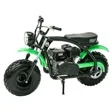
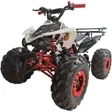
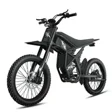
Dirt Bikes for Kids and Adults Off-Road Riding
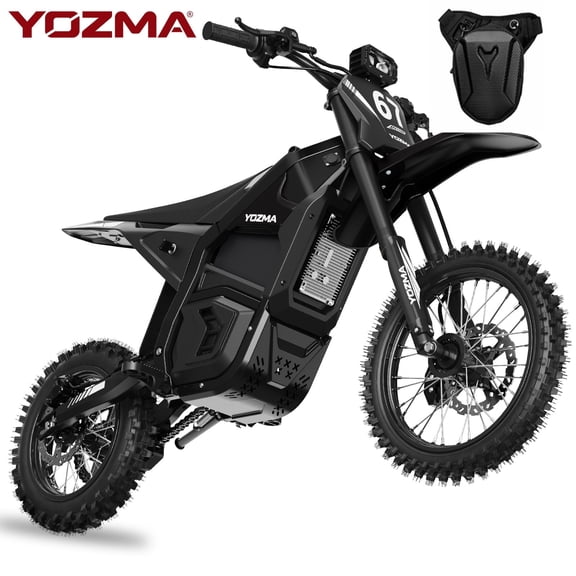








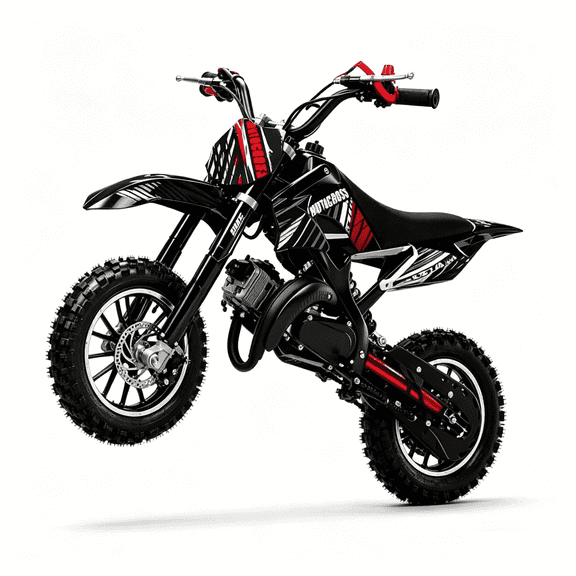


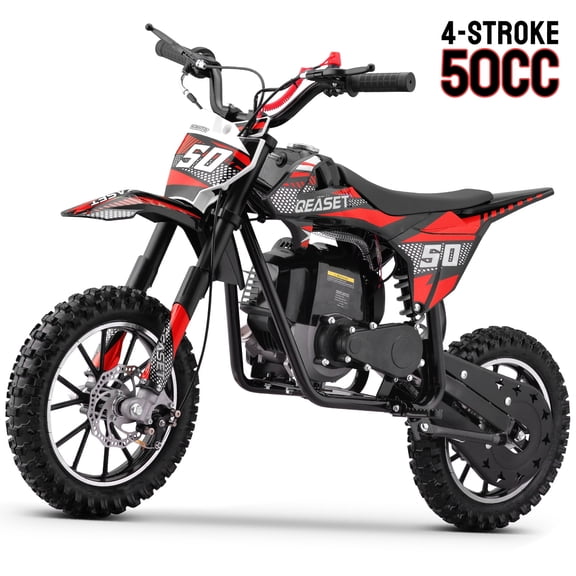


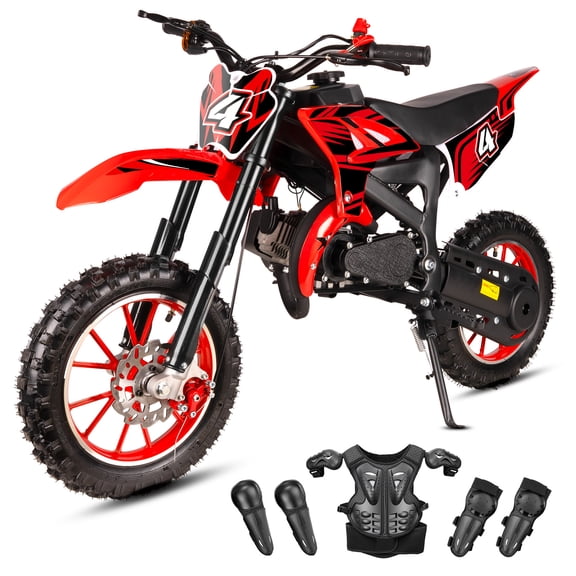


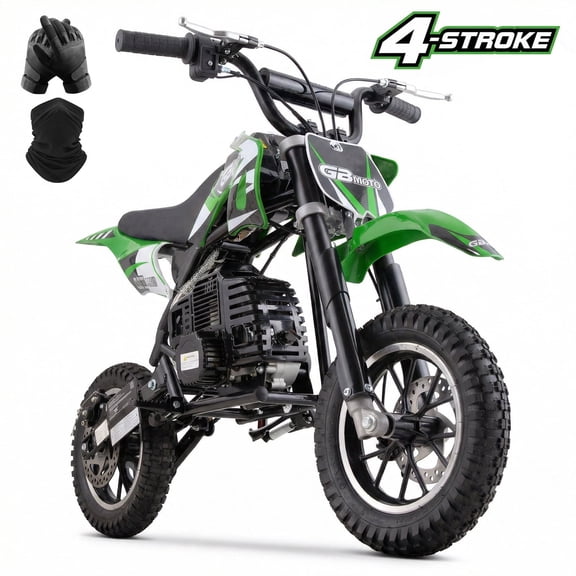






















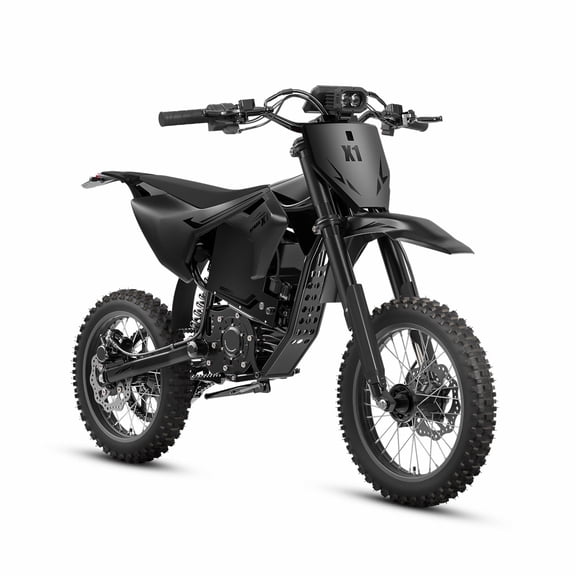


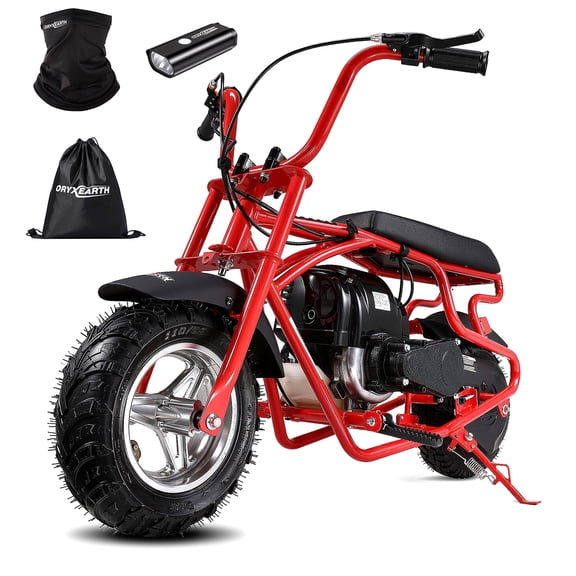


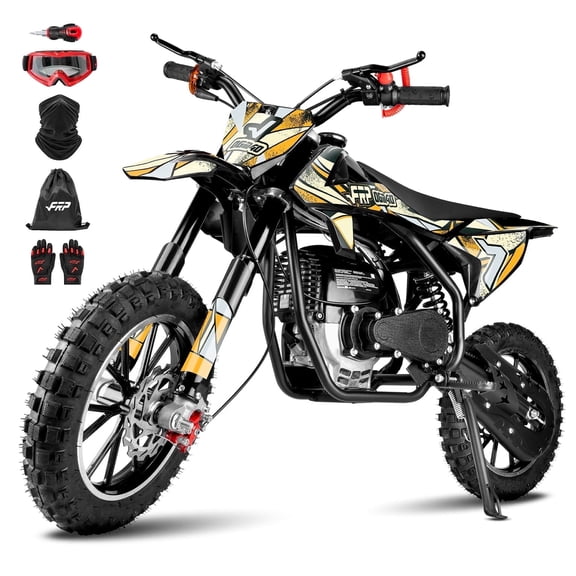


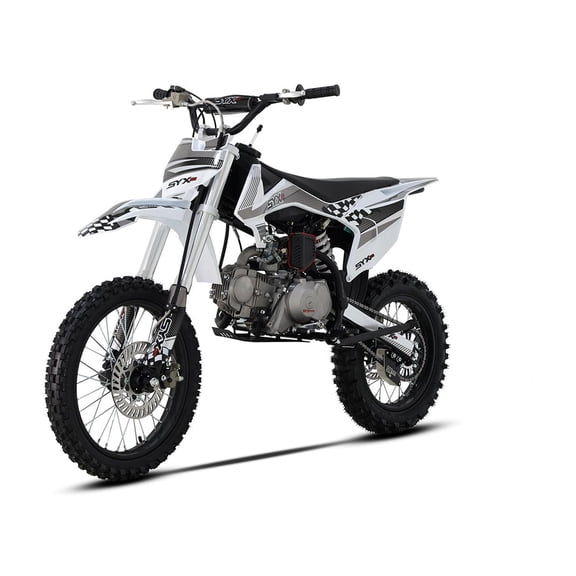


About Dirt Bikes for Kids and Adults Off-Road Riding - Walmart.com
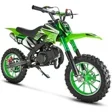
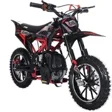
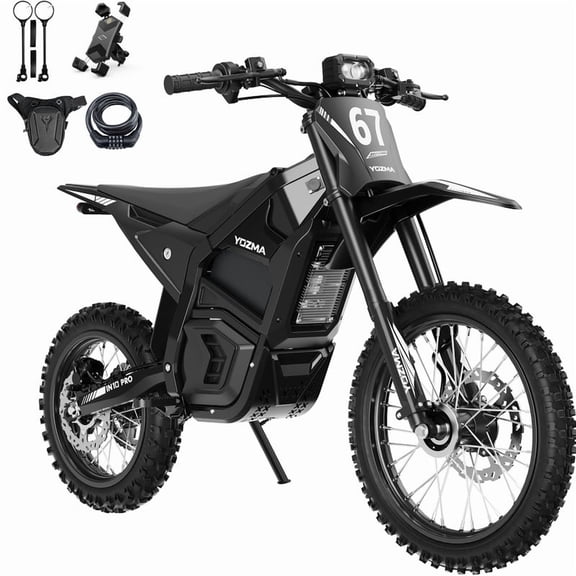
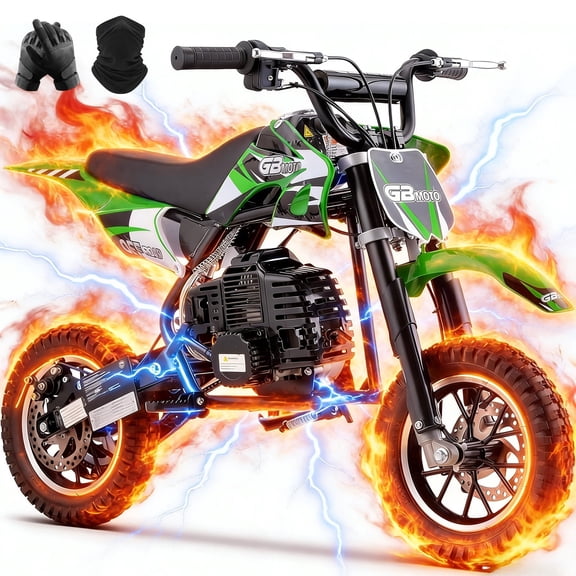
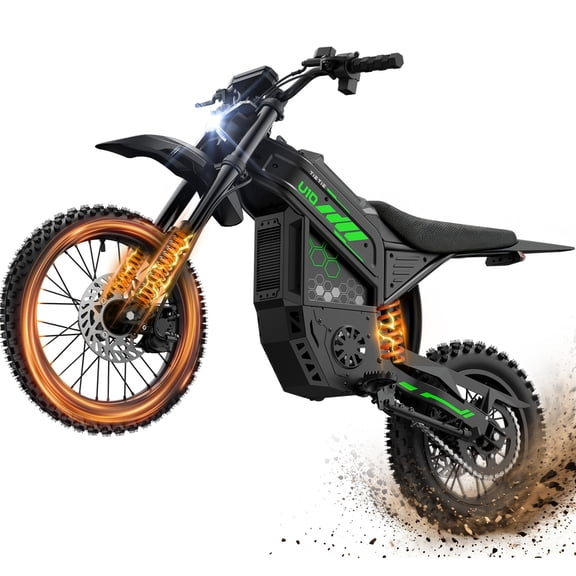
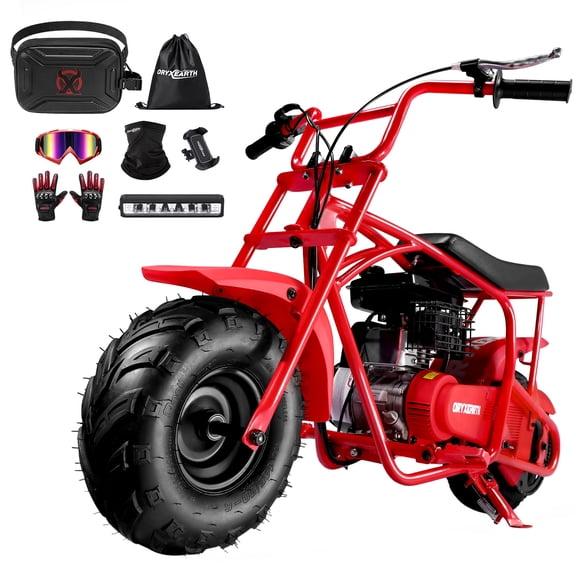
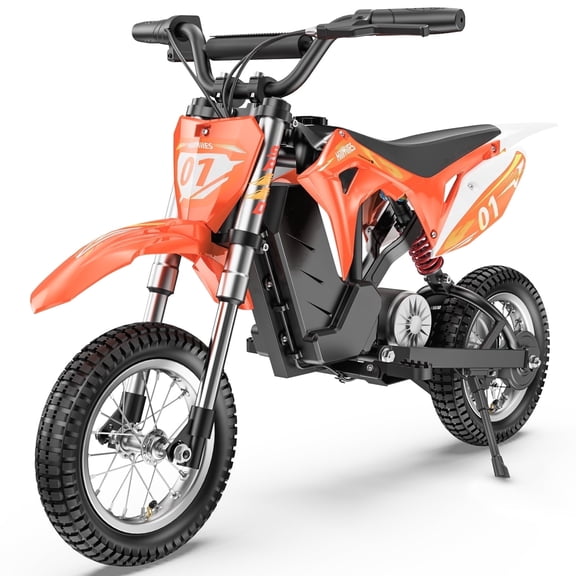
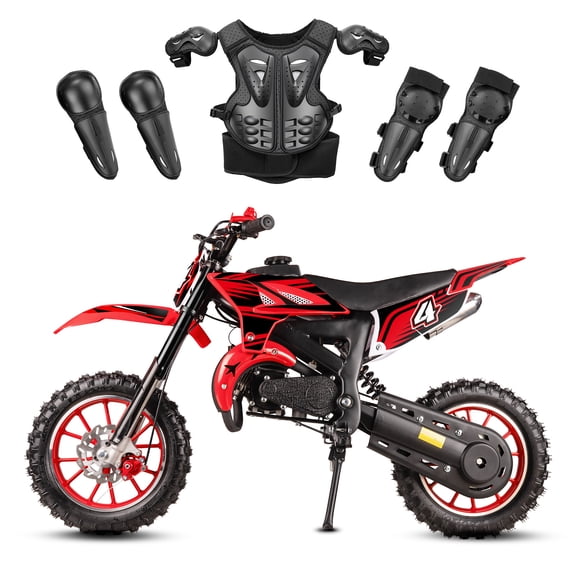
Dirt bikes help you compare gas and electric power, rider fit, and control style before you choose a trail-ready option. You can sort kids dirt bikes, youth dirt bikes, and dirt bikes for adults with practical buying guidance.
Choosing dirt bikes by power source
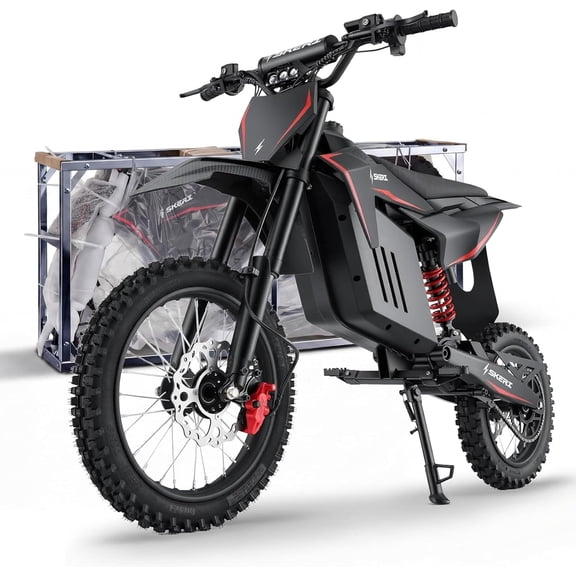
When comparing gas and electric dirt bikes, start with where you plan to ride and your upkeep routine. You may prefer gas dirt bikes for longer riding sessions, or you may choose electric dirt bikes for simpler starts.
If you want a classic off-road feel, you’ll often compare gas power with engine size. If you want less routine upkeep, you’ll likely focus on charging time and quieter operation.
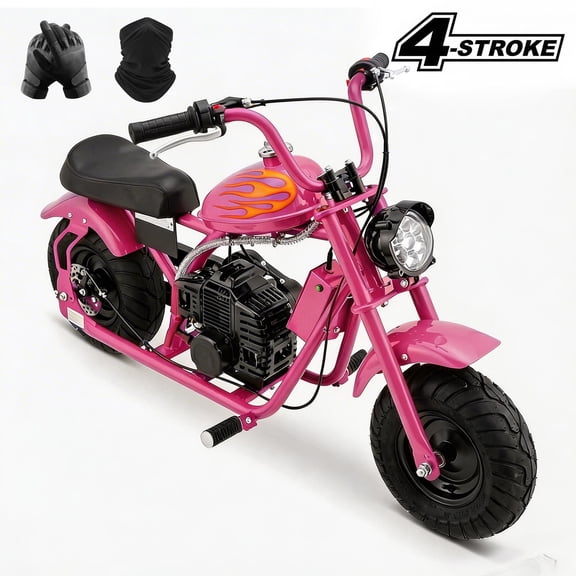
- You can compare gas power for longer trail sessions and familiar throttle response.
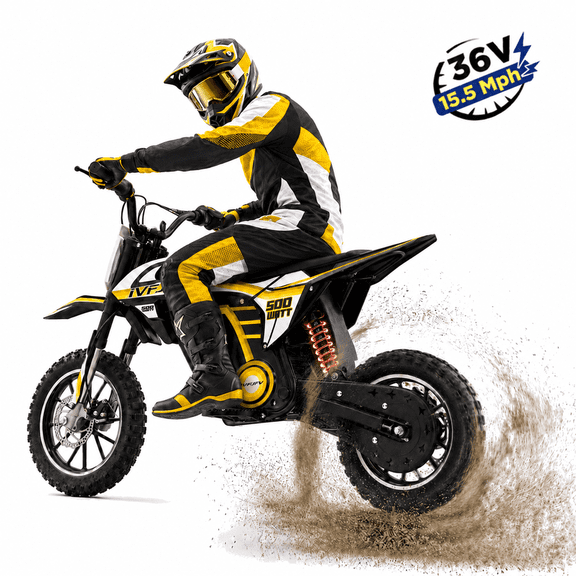
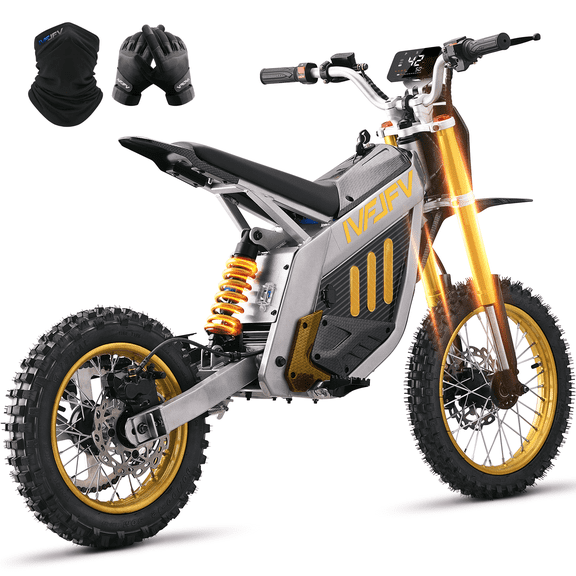
- You can consider electric power when you want simpler operation and less hands-on upkeep.
- You can narrow choices faster by matching power source to your riding location and rider experience.
For younger riders, you may want a setup that feels easier to manage during first rides and practice sessions. For experienced riders, you may want stronger acceleration, longer ride time, and more room to grow.
Choosing dirt bikes by rider age and fit
You should match rider age with seat height, weight capacity, and overall bike size before you focus on style. You’ll get a more useful comparison when your rider can reach the controls comfortably and sit with steady balance.
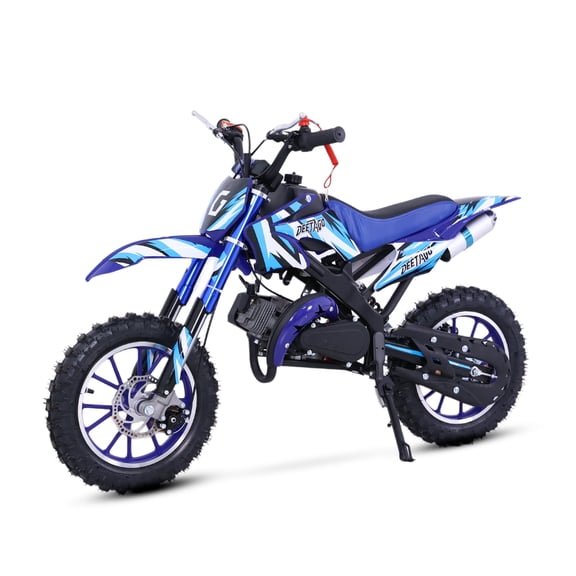
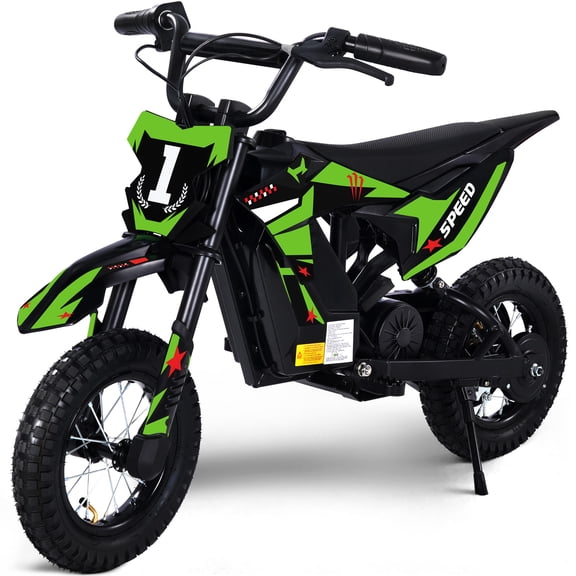
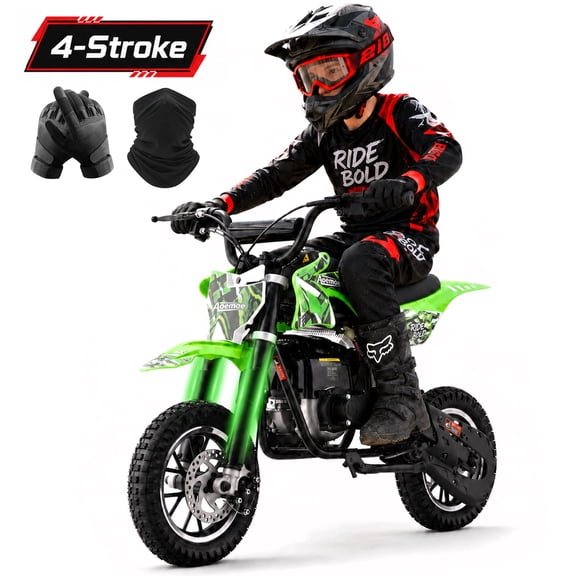
Kids dirt bikes usually make sense when you need a smaller frame and an approachable riding position. Youth dirt bikes often give you extra room while still helping newer riders stay in control.
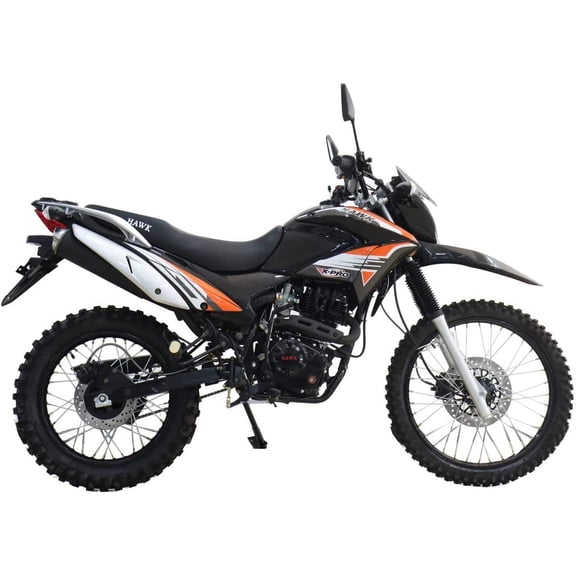
If you’re shopping for dirt bikes for adults, you’ll want more attention on frame size, rider support, and terrain plans. You can avoid guesswork when you compare fit first instead of choosing by appearance alone.
Choosing dirt bikes by engine displacement
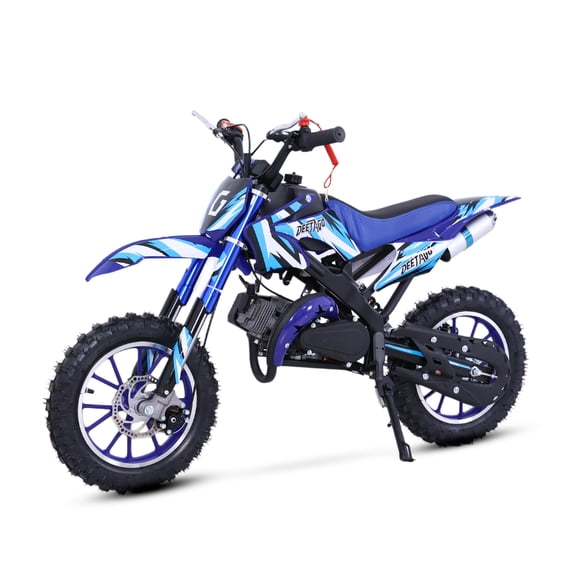
When you compare engine sizes, treat cc ratings as a control guide, not only a power number. You’ll usually see a 50cc dirt bike as an entry point for smaller or less experienced riders.
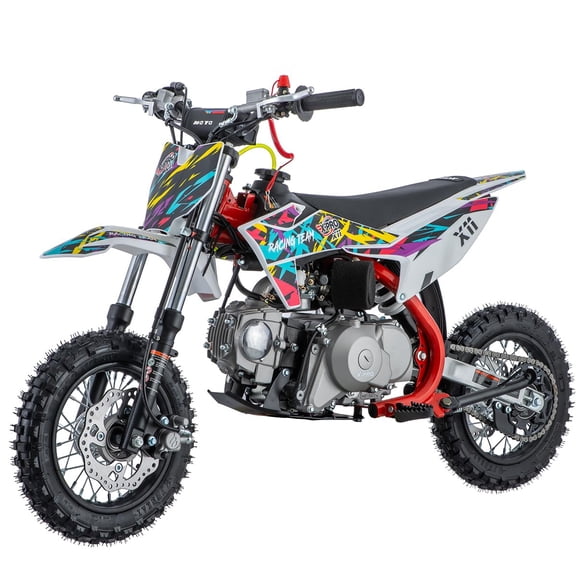
A 110cc dirt bike often fits riders who need more pull and more room to progress. If you’re considering 125cc options, you should check rider experience and comfort with stronger response.
You’ll also want to compare transmission type with engine size because that pairing affects ride feel. Automatic options can feel simpler for learning, while semi-automatic and manual setups ask for more rider input.
If you’re buying for a first-time rider, you may want a smaller engine and easier controls for predictable starts. If you’re buying for a practiced rider, you may consider added displacement and a manual shifting experience.
Choosing dirt bikes by transmission and control
You should think about transmission style as part of your rider’s skill level and patience for learning. You can use automatic, semi-automatic, and manual options to narrow choices by control preference.
Automatic models can help you focus on steering, braking, and balance during early practice. Semi-automatic options can give you a step between beginner riding and full manual shifting.
Manual transmissions may suit riders who want direct gear changes and more hands-on control. You’ll usually compare manual setups when your rider understands throttle feel and clutch timing.
Key features to compare before you choose
You should check seat height, wheel size, and weight capacity before you make a final decision. You’ll get a stronger match when those measurements fit your rider’s height and intended terrain.
Assembly needs also matter because some models ask for more setup after delivery. You should confirm whether you’re comfortable with basic tools, final adjustments, and regular maintenance tasks.
For gas models, you may expect routine upkeep tied to fuel-powered riding and regular checks. For electric models, you’ll want to review run time, charge timing, and how charging fits your schedule.
You can also compare frame size and suspension style based on where you plan to ride most often. If you’re thinking about trails, packed dirt, or open property, you’ll want a bike that matches that surface.
How dirt bikes fit different riding needs
If you’re shopping for a young beginner, you may start with kids dirt bikes that have manageable fit and simpler controls. A smaller frame, approachable seat height, and automatic setup can make early practice easier.
If your rider is gaining confidence, youth dirt bikes with more size and stronger response may make more sense. You can look at a 110cc dirt bike when you want a step up from entry-level riding.
When you’re shopping for larger riders, dirt bikes for adults usually call for more attention to frame proportions and support. You may also compare manual or semi-automatic transmissions if your rider wants more involvement.
If your riding plans include shorter sessions around private property, electric dirt bikes may fit your routine well. If you expect longer off-road stretches, gas dirt bikes may line up with that use more closely.
You’ll make a smarter choice when you compare power source, cc rating, transmission, and fit as one package. That approach helps you find a dirt bike that matches your rider’s size, skill level, and riding plans.
With this buying guide, you can compare dirt bikes with more confidence and less guesswork. You’ll leave with a clearer path to the right size, power type, and control setup for your rider.