


Find auto parts that fit
Let’s search for parts that fit your vehicle.
ATV Spotlights for Off-Road Lighting Needs
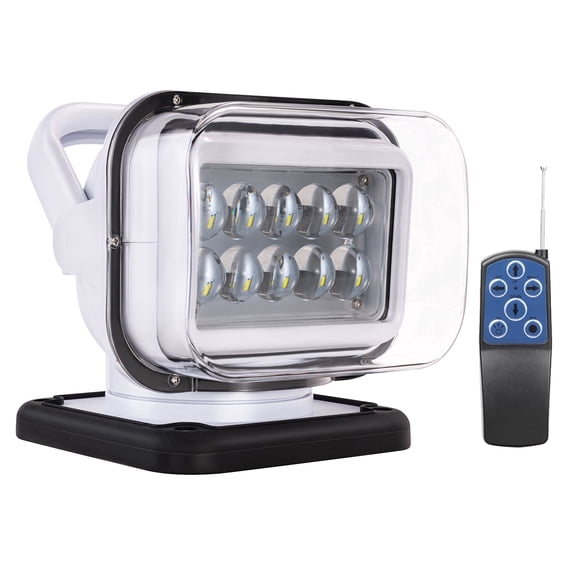


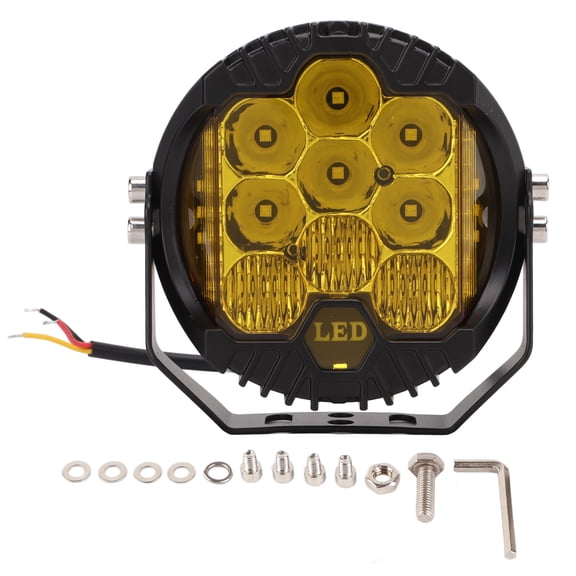


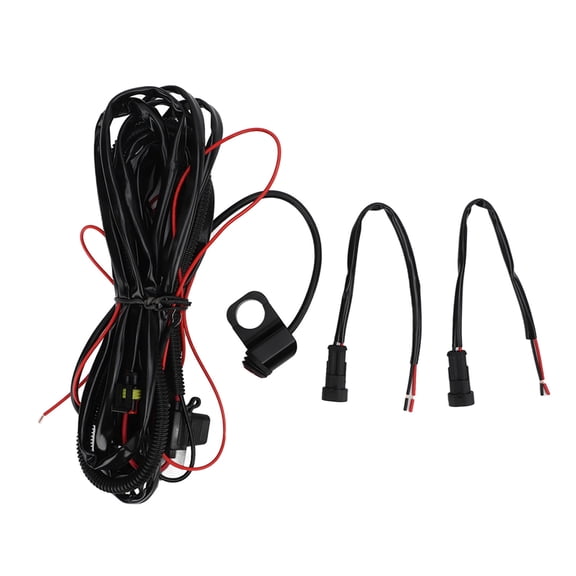


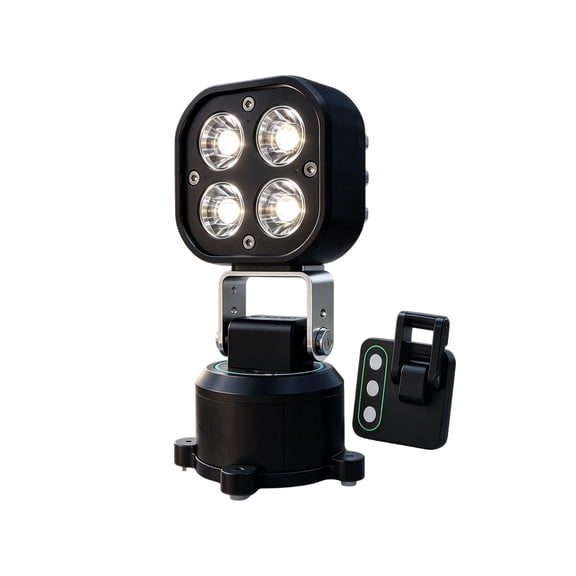


About ATV Spotlights for Off-Road Lighting Needs - Walmart.com
ATV spotlights help you see farther on dark trails and work paths. You can compare beam patterns, mounting points, and voltage needs before you choose.
You may want lighting that fits a handlebar clamp, bumper bracket, or roll cage mount. You can also look for sealed housings that stand up to mud, rain, and dusty rides.
How to choose ATV spotlights
You should start with the beam type that matches your riding style. You can use a spot beam for distance, a flood beam for width, or a combo pattern for both.
If you ride faster on open trails, you may prefer a focused beam that reaches ahead. If you work around camps or property lines, you may want broader side coverage.
- You can choose spot beams when you need longer forward reach.
- You can choose flood beams when you want wider trail coverage.
- You can choose combo beams when you want distance and side visibility together.
- You can compare LED, halogen, and HID light sources by power draw and output style.
- You can check IP67 or IP68 ratings when you expect wet, muddy riding conditions.
Choosing between led atv spotlights and other light sources
You’ll often compare LED, halogen, and HID options by brightness style and electrical demand. You may lean toward led atv spotlights when you want crisp light and lower draw.
Halogen choices can suit simple setups where you want familiar replacement options. HID styles can appeal when you’re comparing output characteristics and ballast-based systems.
You should also think about heat, startup behavior, and wiring complexity before you decide. You may prefer a simpler installation path when you’re upgrading an existing ATV harness.
What to look for in voltage and power compatibility
You should check whether your machine uses a 12V or 24V system before buying lights. Many shoppers want a 12v spotlight for atv setups because that matches common electrical systems.
You can compare stated power draw with your ATV stator output for a cleaner match. That step helps you choose lighting that fits your charging system and riding accessories.
If you already run a winch, heated grips, or a GPS unit, you should review total load. You may want lower-draw lighting when your machine powers several add-ons.
Choosing the right mounting location
You can narrow options quickly by deciding where your light should sit on the vehicle. Common choices include handlebar, bumper, and roll cage mounting points.
ATV handlebar spotlights can place light where you naturally aim during tight turns. You should measure bar clamp diameter and bracket design so your mount fits securely.
Bumper mounts can keep lights low and forward for utility riding and trail work. Roll cage mounts can raise your beam position when your vehicle uses a cage setup.
You should also check bracket adjustability before you commit to a mount style. That feature helps you fine-tune beam direction for trails, fields, and jobsite tasks.
How to compare waterproof ATV lights
You should look for waterproof atv lights when your rides include stream crossings, deep mud, or heavy rain. IP67 and IP68 ratings help you compare sealed protection levels with confidence.
An IP67 rating generally signals strong dust protection and resistance to temporary water exposure. An IP68 rating often supports deeper or longer water contact, depending on the design.
You may also want sealed connectors, protected switches, and durable housings for rough conditions. Those details matter when you ride through washboards, branches, and repeated spray.
Matching beam patterns to real riding situations
You can use a spot beam when you ride open ground and need to see farther ahead. You’ll often notice that focused light helps with route planning at higher speeds.
You can use a flood beam when wooded trails demand wider edge visibility. You may find that broader coverage helps you read turns, ruts, and trail markers sooner.
An atv spot flood combo light can fit mixed rides that change from fields to tree cover. You get a more balanced pattern when you want distance and peripheral spread together.
If you plow, check fences, or move around a property after dark, you may want flood-heavy coverage. If you ride long straight stretches, you may prefer stronger forward reach.
Features that help you compare off road spotlights
You should compare housing materials, lens style, and switch options before you choose off road spotlights. These details affect fit, aiming control, and everyday convenience on rough terrain.
You may look for aluminum housings when you want a sturdy shell with manageable weight. You can also compare clear lenses and reflector designs for a cleaner beam pattern.
Wiring length matters if you’re routing power from the battery to bars or a bumper. You should check harness contents, fuse protection, and switch placement before installation.
You can feel more confident when your ATV spotlights match your mount, power system, and riding conditions. That kind of fit helps you get useful light exactly where your next ride demands it.