




Atomic Wall and Digital Clocks


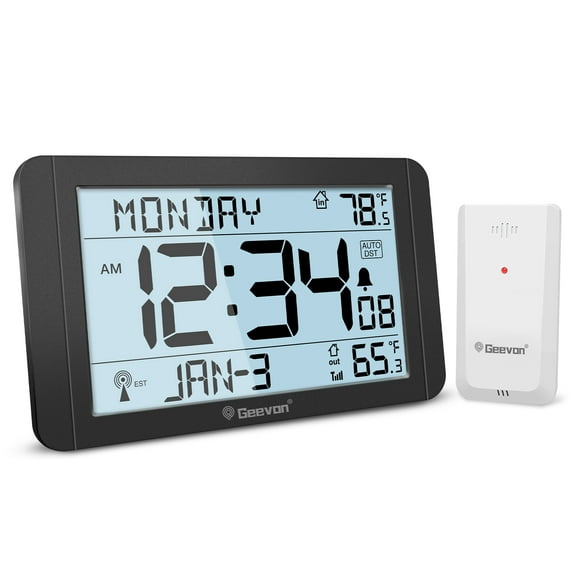
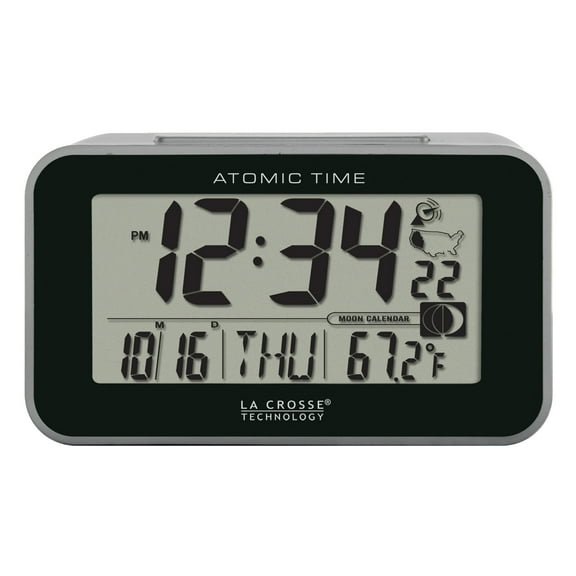

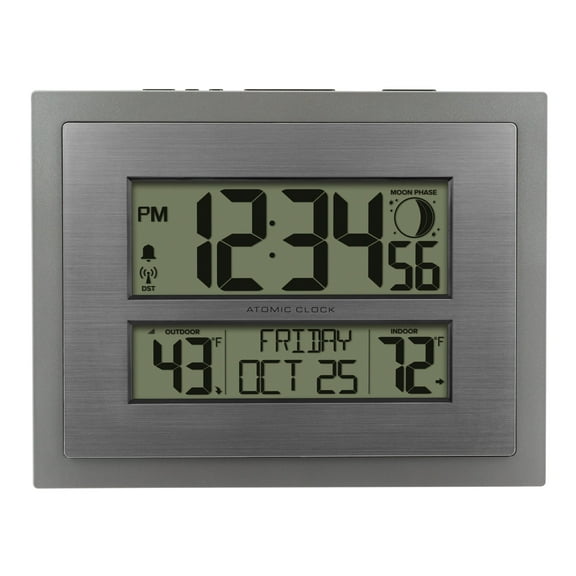

























About Atomic Wall and Digital Clocks - Walmart.com
Anatomical clocks help you bring science-inspired style to your walls while keeping time easy to read in study spaces, offices, and themed rooms. You can compare subjects, movement types, and finishes to find decor that feels educational, artistic, and practical at once.
If you’re decorating with medical themes, you may want an eye-catching alternative to a standard timepiece. You may prefer detailed illustrations, clear numerals, and balanced layouts that fit classrooms, clinics, libraries, or home offices.
How to choose anatomical clocks for your space
When you shop anatomical clocks, you’ll first choose the subject that matches your room and your interests. You may lean toward heart, brain, skull, skeleton, or ribcage artwork for a more specific visual focus.
A heart design gives you a strong focal point that works well in study areas and giftable decor themes. A skull or skeleton design gives your room a darker edge that fits gothic spaces.
You’ll also want to compare scientific detail with artistic interpretation before you pick a design. Vintage medical illustration styles give you labeled, textbook-inspired charm, while watercolor versions soften the look.
- You can use heart and brain designs to create a classroom or study-centered look.
- You can choose skull and ribcage themes when your decor leans gothic or dramatic.
- You may prefer vintage anatomy decor when you want old-chart character and muted tones.
- You can select modern minimalist art when you want cleaner lines and simpler backgrounds.
Choosing an anatomy wall clock by style and visibility
An anatomy wall clock should look striking, but you’ll still need hands and markers that stand out clearly. You should compare contrast levels, background detail, and hand color before you decide.
If your artwork includes dense linework, you’ll want bold hands that stay visible across the full dial. If your room uses softer lighting, you may prefer larger numerals and cleaner spacing.
You can also choose between wall clock, desk clock, and pendulum clock formats based on placement. A wall clock fills open wall space, while a desk clock keeps the theme close at hand.
Pendulum styles add motion and a classic feel, so you may prefer them in libraries or traditional rooms. Desk clocks work well when you want anatomical decor on shelves, counters, or study tables.
What to look for in movement type and sound level
You should check movement type early because sound level can shape your daily experience. Silent non-ticking and quartz sweep options suit bedrooms, offices, and reading spaces where you want less noise.
If you like a more traditional feel, you may choose standard ticking movement for a familiar clock sound. If you share the room with others, you may prefer quieter operation for calmer surroundings.
Medical wall clocks often appear in workspaces where focus matters, so you should compare movement notes carefully. You’ll want product details that explain whether the second hand sweeps or ticks.
You should also consider maintenance and battery access when comparing clock construction. A simple back compartment helps you change batteries quickly without disturbing wall placement for long.
Comparing materials and durability
You’ll find that material choice affects both look and long-term use. Acrylic faces can feel lightweight and modern, while wood frames add warmth and glass fronts create a crisp display.
If you’re styling a study or office, you may want a finish that complements bookshelves, desks, and frames. If your room already has metal accents, you might prefer a cleaner, sleeker clock surround.
You should check how the printed artwork appears under the front cover before choosing. Detailed anatomy graphics look clearer when colors stay defined and the clock hands don’t blend in.
Mounting style matters too, especially when you’re placing larger clocks on feature walls. You’ll want hanging hardware that supports steady placement and keeps the clock centered and easy to view.
Using a human heart clock and other designs in real rooms
A human heart clock can give you a bold statement piece for a study nook, office wall, or themed gallery arrangement. You can pair it with framed diagrams, dark wood furniture, or vintage anatomy decor.
If you’re decorating a classroom, you may prefer a brain or skeleton design with stronger educational detail. If you want softer styling, you can choose watercolor anatomy art with gentler tones.
You can use a wall clock in an entryway when you want your theme visible right away. You may place a desk clock in a reading corner when you want science decor without filling wall space.
For gift-focused shopping, you should match the subject and style to the recipient’s interests. You might choose gothic skull artwork for dramatic interiors or vintage medical illustration for academic spaces.
If your room needs quiet function, you should prioritize silent sweep movement with high-contrast hands. If your decor needs texture, you may look for wood-tone framing or layered dial artwork.
When you compare anatomical subjects, style direction, clock type, and movement, you can narrow your options with more confidence. You’ll end up with a timepiece that fits your space and keeps your science-inspired decor cohesive.