

TYPE SXUKEYJoncePechamGenericAUTOXBERTTop10 RacingNUISKMonsterINTELIVESUNLINKCOAUXITOQhnvtdUnbrandedAlla LightingLeisure LEDNOBRANDRiroolLEDGlowAsunbyGLUAAEHQRPHXXFtekuisiUnique BargainsAlpenaPower AcoustikMega RacerTJSFuruluFaconLIABEIAUQCOSomnrTiokMcOBNDVUsyenllCCiYUHibibudVarthemCROSSDESIGNABALDISYNETICUSAHopkins Towing SolutionsHUJOOByikunCherry HomeAcaigelEEEkitNilightSylvaniaPinetree Brighter Your LifeBAGUEREugene ColorGeneralIcbeamerLilyStoreNovoSphereRainyuTAPDRAXubinwwwAgiufgsCHUSYYRAYSporticultureXtremevisionPhyunPilotLightsNZRUANEYASSDWBNCommand ElectronicsBENCHUANFZPJJNBHFDAYONGPutcoLUVCLSXINYUANZyutaosanFaufulsailesitiGTintheboxRheaFEAMCEFYUUHEFEIXIANXINLINLINOptronicsRebaydoSuyinCOCEQUCDream LightingNFTIGBORACLE LightingFangkenuoRNLUGMSuodokaVensiohedaHella MarineliraijeiSpshopXanyeZcargelAmerteerARCADORABlissphereDwaogomFanglongggOunonaQENASHAINGQHUDLVYajisiZHIMAOCENLBJDiode DynamicsKyusrdM BuderNoriuBESTYASHCTWGiunmculGroteJMYHOAMMosieePULMCheergerSumllaryWest Coast CorvetteBASHIcpengpjGOPUAMOHMCYCIJkapagzyRuiJiaoSNGMNVxdvouWzmzjyXirurusYANTONGYICAIAPLJZHZQAPPLAYERRBIMZUCBSBSDJBBWTAUTTOFOMIYESGZYFHave Fan ShopJIHUIKiplykiLICHENGTAILOLIPPYYMIMIRGBNOMTIXPretxorveRXTSQISYJIIPTianyuxxxTYNZEOWRD-AutoPartsZYADOXIANBlarkrusBosisaCAIROYARDecorlandfuntasicaGeaboGINTBNGleamNesthosiiiooHOZVOMIHUICHENGIreezecJIAHAOOJialinnnLianggggzyuLngoorNOTTOAAOFFROADTOWNOzniumSINKITASpeedway MotorsSUGkeneagnTgbvmtTINEASURTYFRWValley ForgeVivaVaultVLSQHNCFxjwjuwYuvazihaoZZERHUOOAlasumAmpperAuto WayfengBESTUNDCeveminCircuitCrazeCSYANXINGEIMELI

Find bulbs that fit
Let’s search for bulbs that fit your vehicle.*Required fields
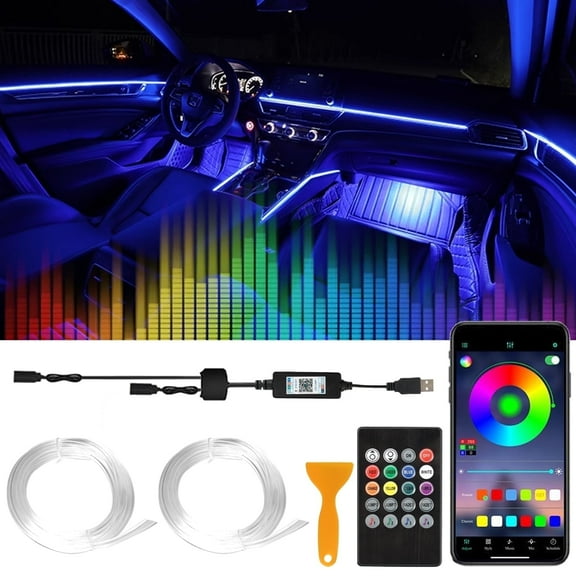
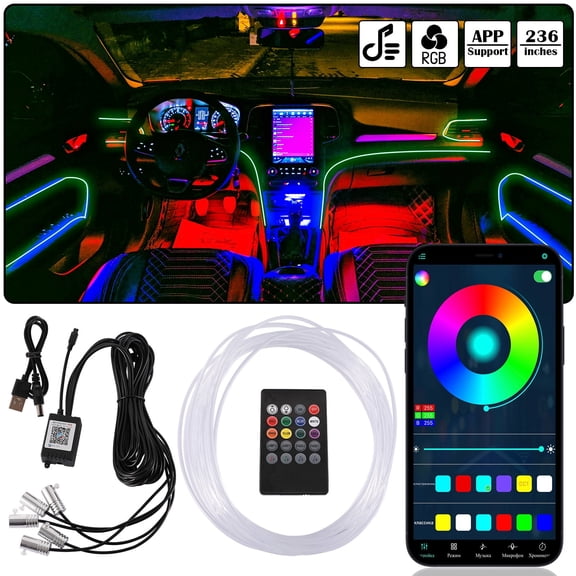
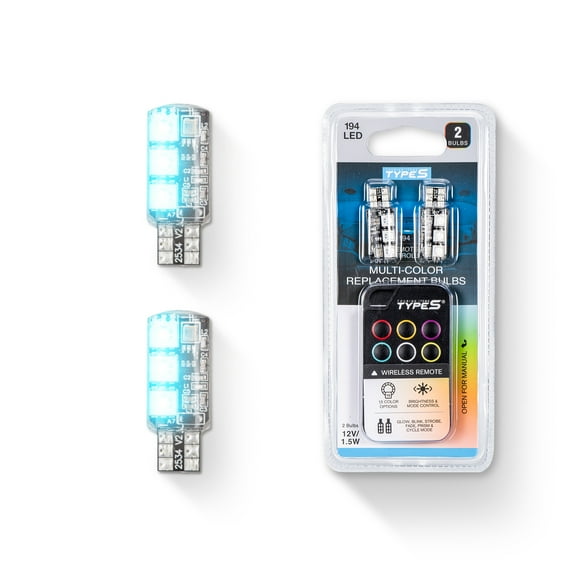
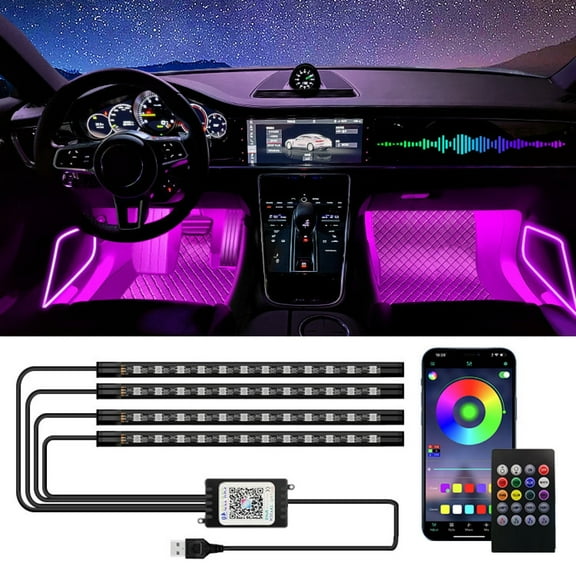
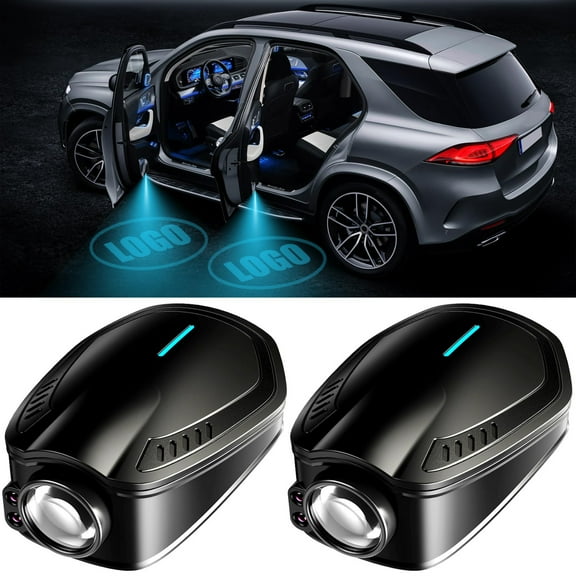
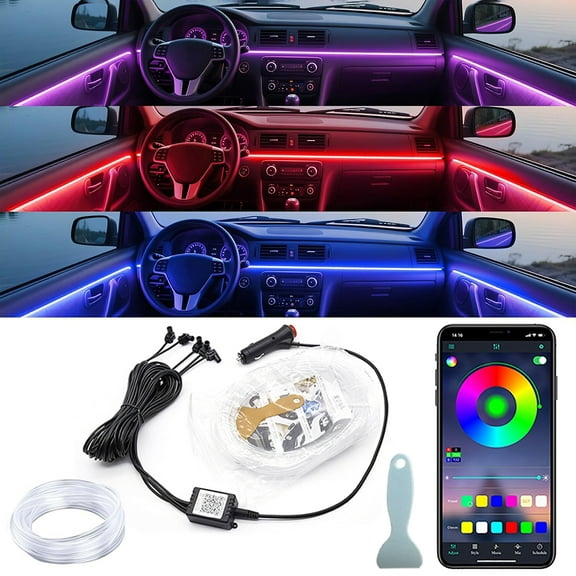
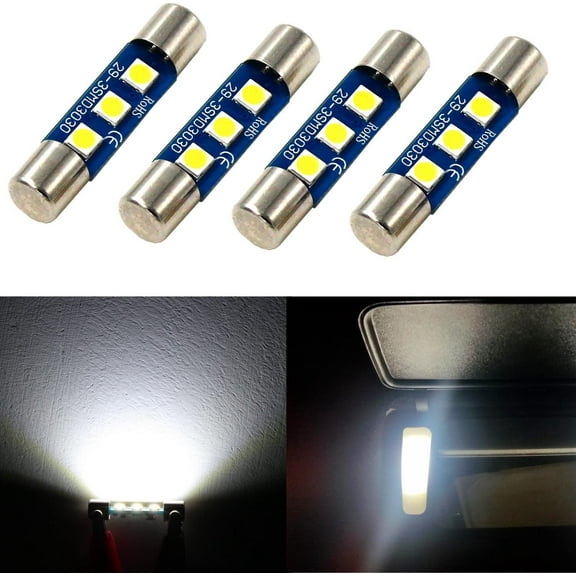
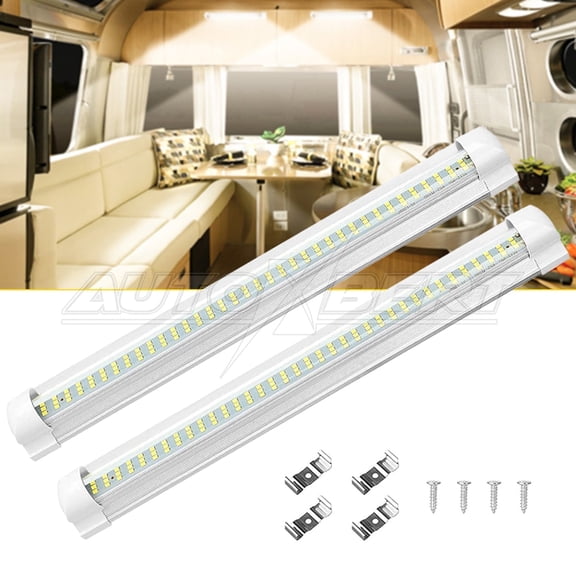
Interior Car LED Lights & Ambient Lighting Kits
Uses item details. Price when purchased online
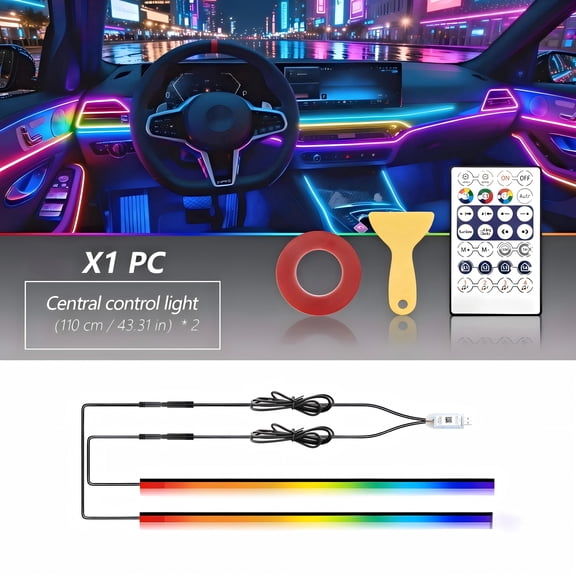
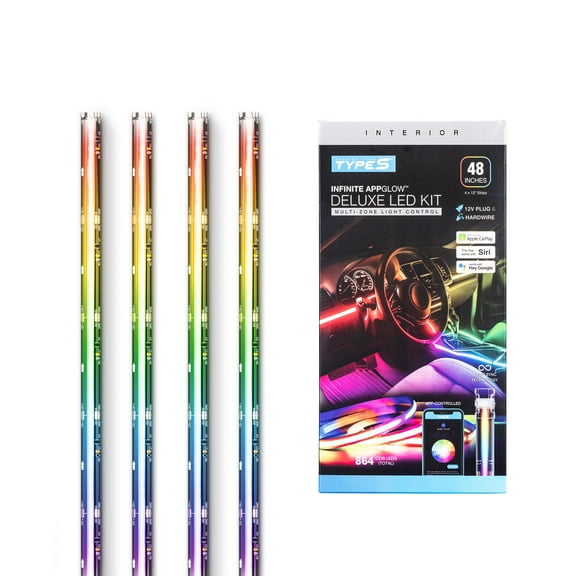

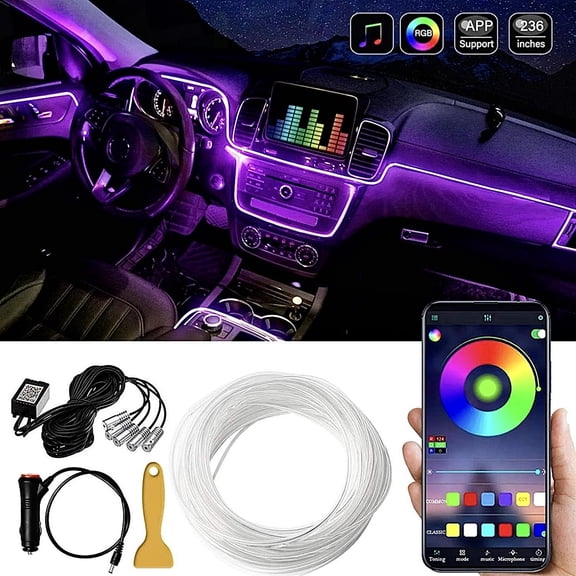
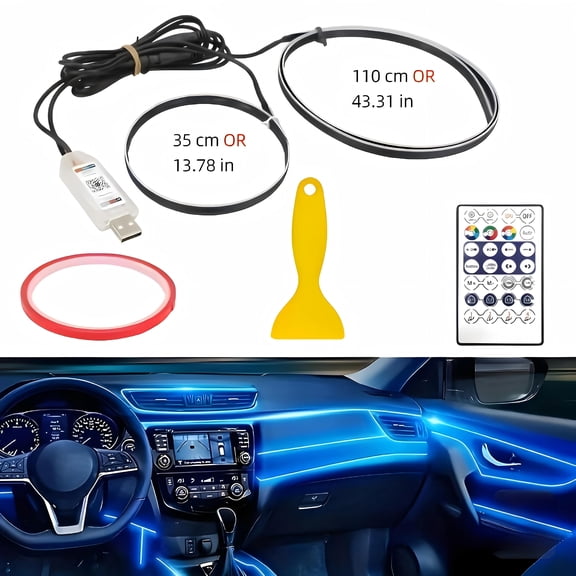

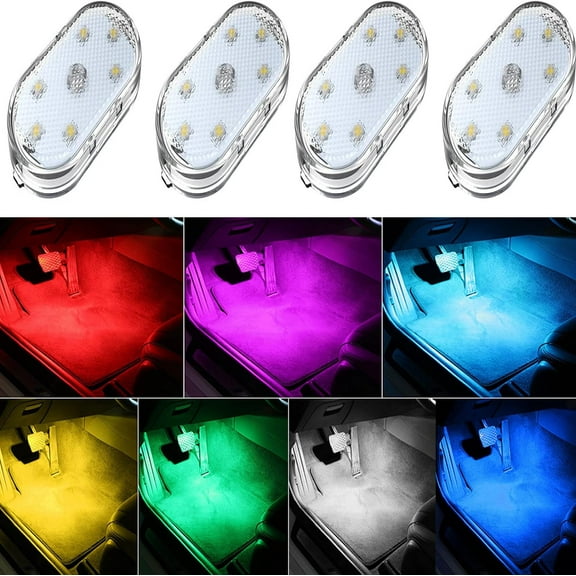


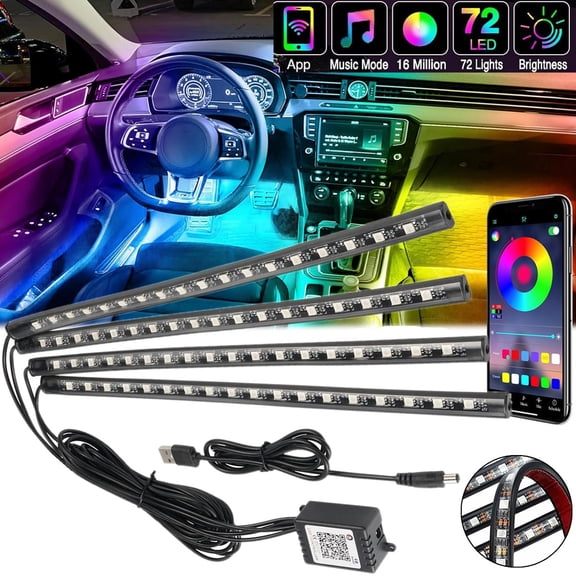
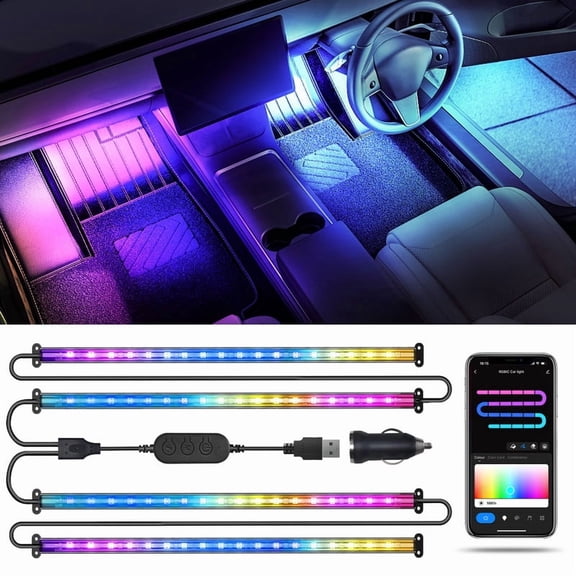
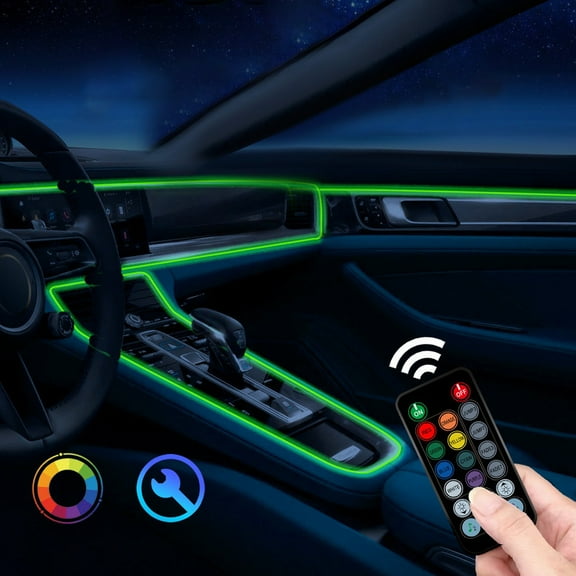
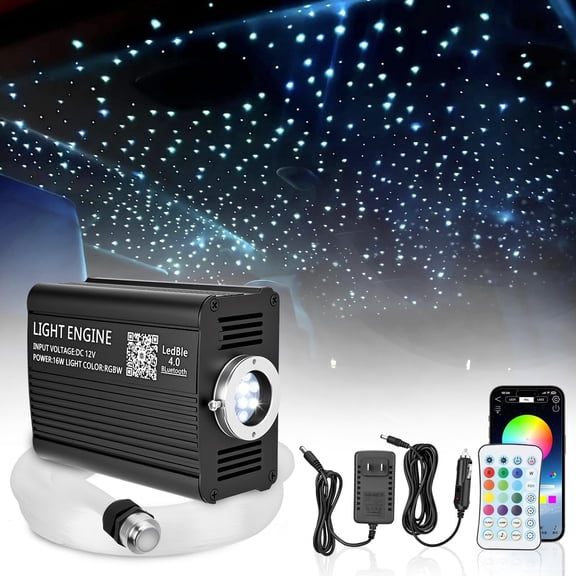
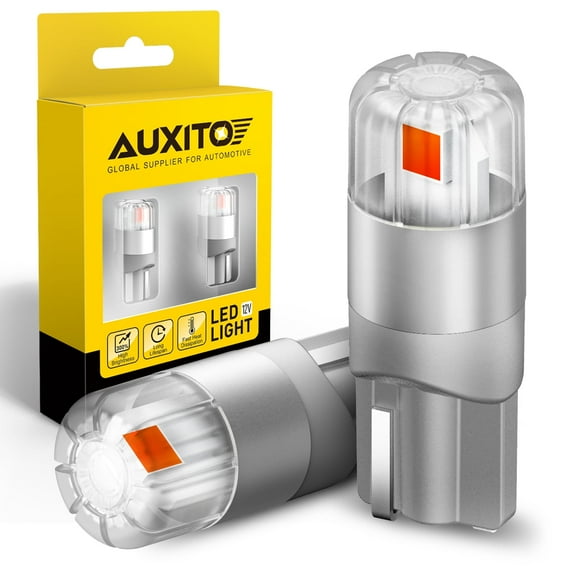


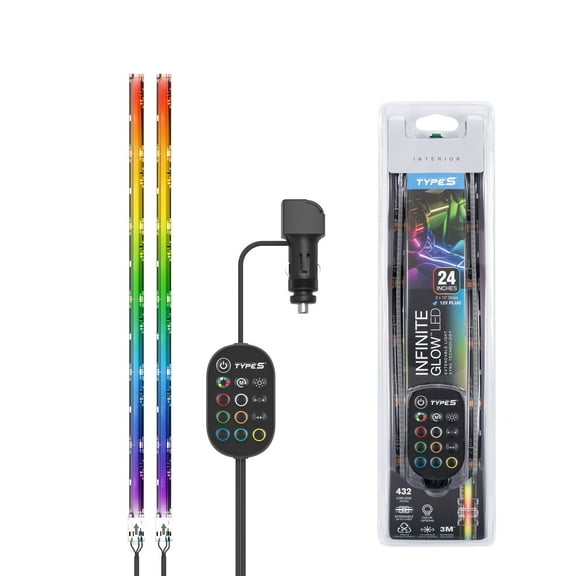
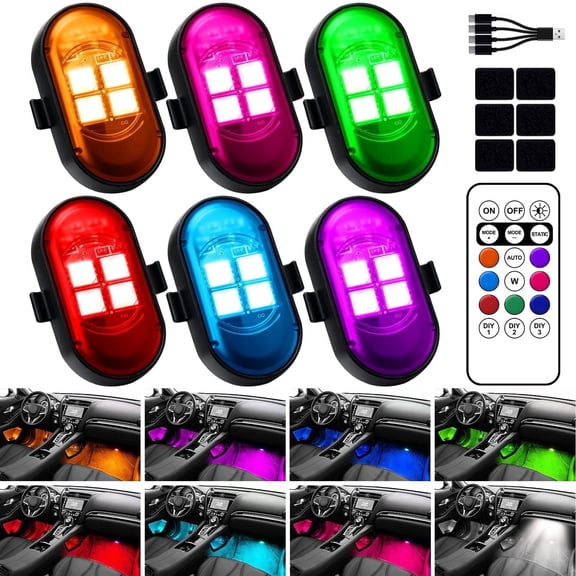





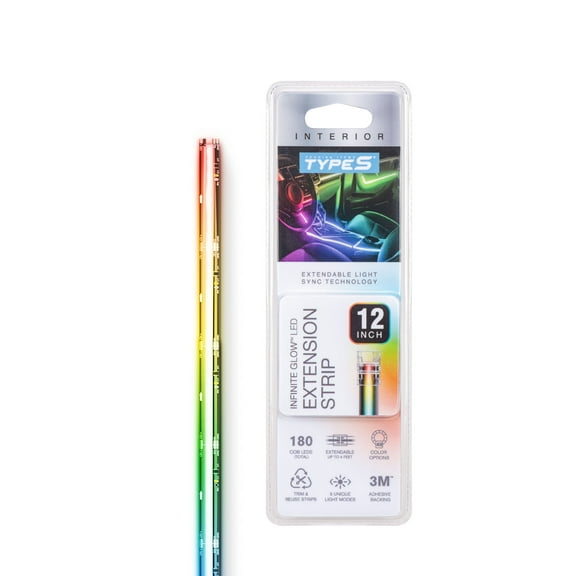

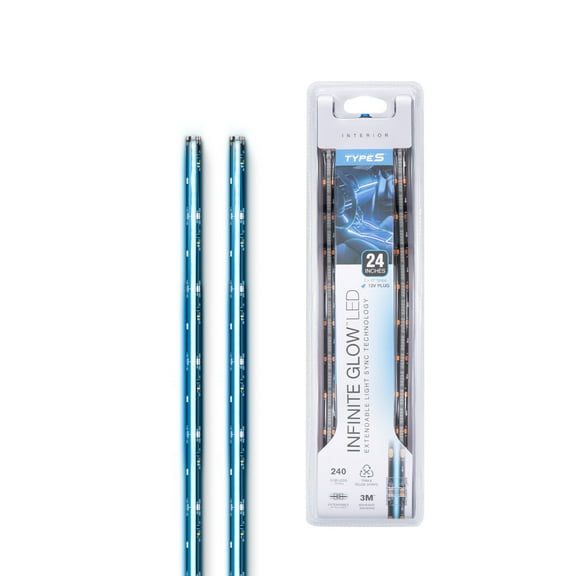
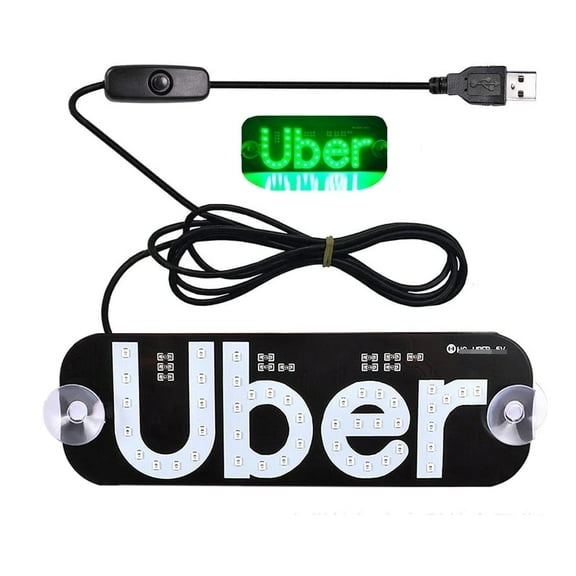


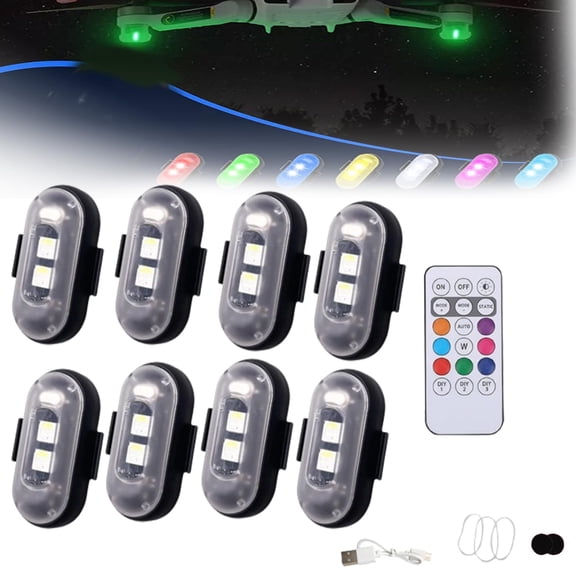


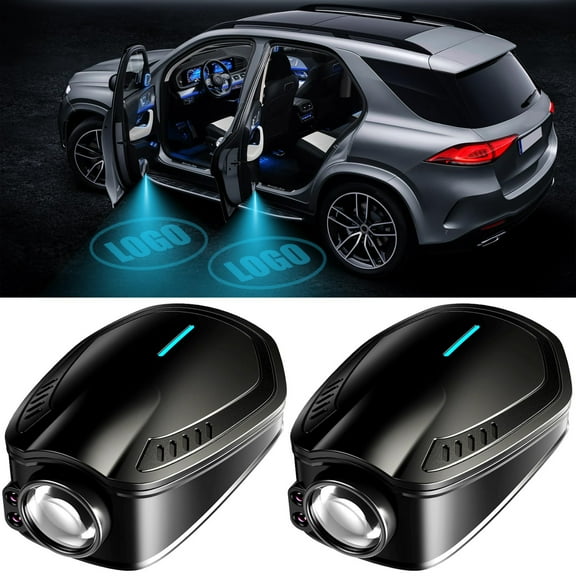


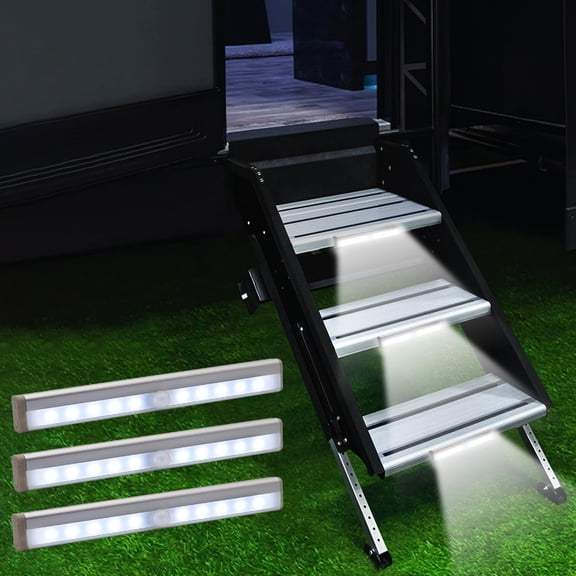
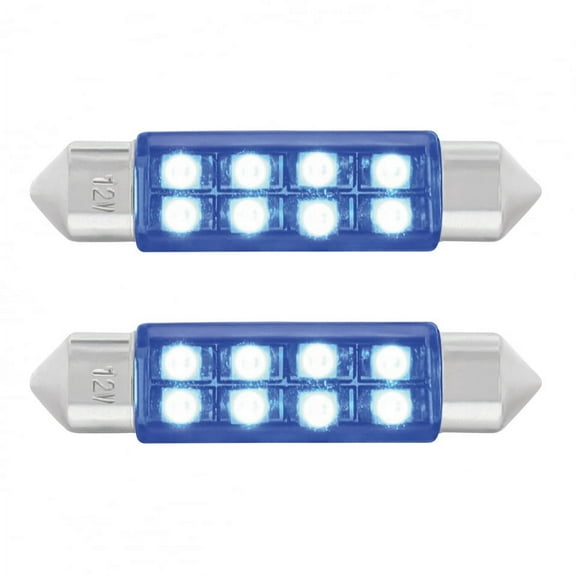


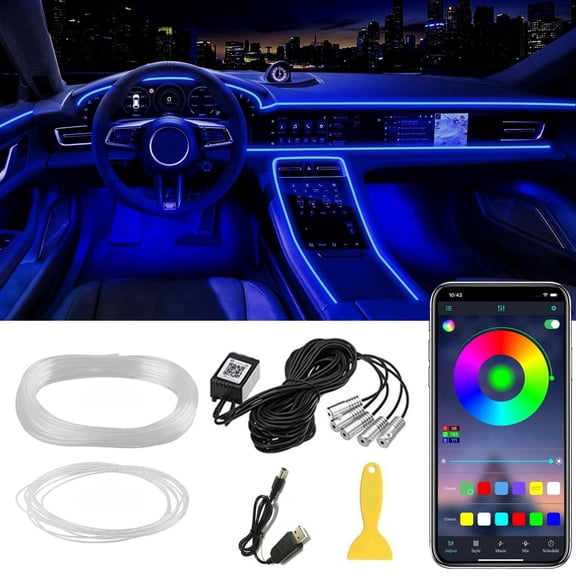
About Interior Car LED Lights & Ambient Lighting Kits - Walmart.com
Outdoor Entertaining Essentials: Elevate Your Gatherings
Planning an unforgettable backyard get-together starts with the right outdoor entertaining essentials. Discover solutions that help you create a welcoming space for friends and family—from practical lighting to versatile seating and décor. At Walmart, you'll find everything you need to enhance your outdoor ambiance, streamline setup, and make every moment enjoyable.
Key Benefits & Use Cases
- Discovery Made Easy: Explore a variety of outdoor essentials designed for both casual and formal occasions. Whether you need weather-resistant furniture or stylish lighting, Walmart offers options that simplify the selection process.
- Effortless Setup: Choose products like portable tables, easy-install lights, and multifunctional storage to minimize prep time and keep your gatherings running smoothly.
- Ambiance Enhancement: Mix and match lighting, cushions, and decorative accessories to set the perfect tone—creating an inviting atmosphere for everything from sunset dinners to late-night celebrations.
- Safety & Comfort: Look for essentials made with durable materials and smart design features that support comfort and promote safe outdoor entertaining—so you and your guests can relax and enjoy.
- Confident Shopping: Compare essentials by compatibility, ease of maintenance, and user-friendly features. Make informed decisions with Walmart’s trusted selection, ensuring you invest in items that add lasting value to your outdoor space.
Finish Your Space With Confidence
Shop Walmart’s outdoor entertaining essentials to transform your backyard, patio, or deck into the ultimate social destination. Enjoy dependable quality, practical solutions, and a refreshed outdoor setup tailored to your entertaining style.