

Curtain Rods in Curtains & Window Treatments

































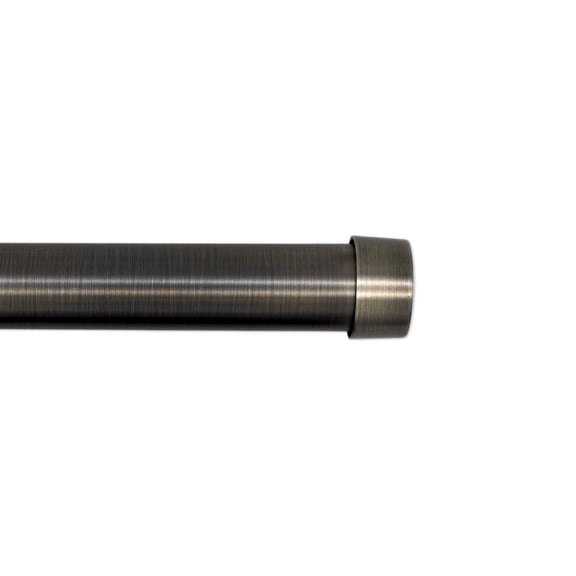

About Curtain Rods in Curtains & Window Treatments - Walmart.com
Curtain rods help you frame your windows, control light, and finish each room with cleaner lines. You can compare rod types, lengths, finishes, and diameters to match your curtains and your installation style.
If you're updating a bedroom, patio door, or kitchen window, you need hardware that fits both your space and fabric weight. You'll also find options for layered panels, quick setups, and coordinated finishes at Walmart.
How to choose curtain rods by rod type
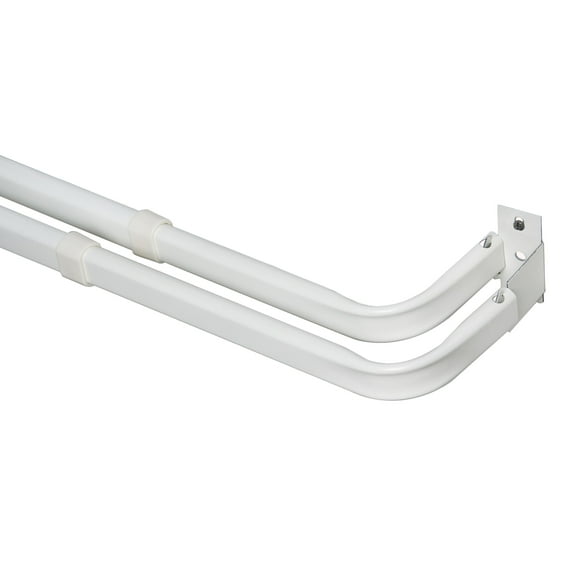
You should start with rod type because it changes how your window looks and how your curtains hang. You can choose single rods for simple panels, or double curtain rods for layered curtains and sheers.
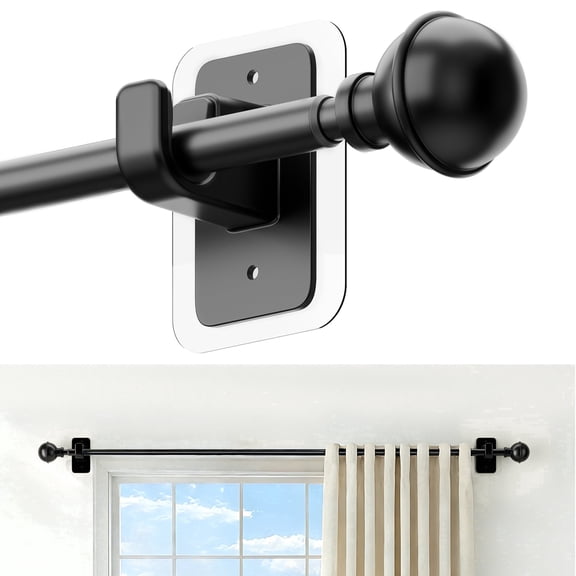
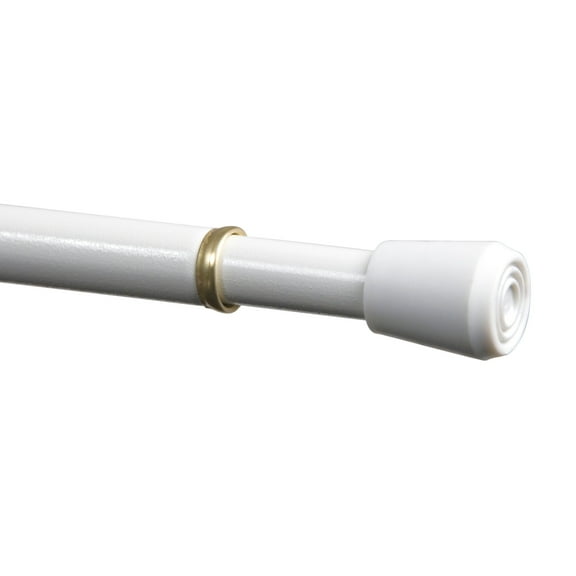
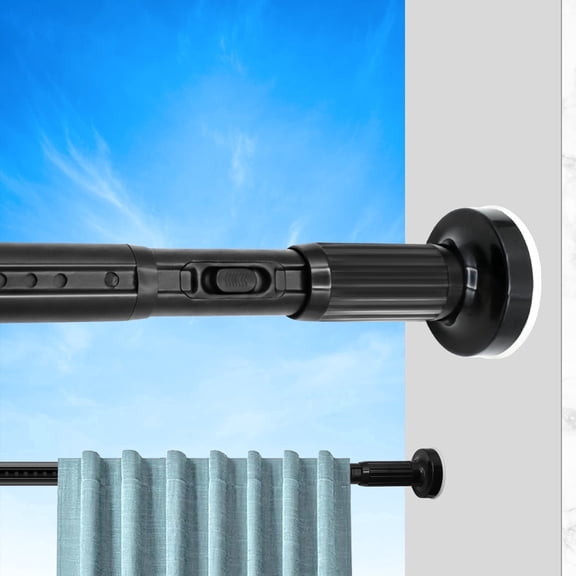
If you want a no-drill setup, tension curtain rods can fit inside many window frames with pressure-mounted ends. If you need metal-door or steel-frame placement, magnetic curtain rods can offer a simple hanging option.
- You can use single rods for everyday curtain panels in bedrooms, living rooms, and dining spaces.
- You can use double curtain rods when you want a sheer layer and a room-darkening layer together.
- You can use tension curtain rods when you want quicker setup inside a window frame.
- You can use magnetic curtain rods when your space works with metal surfaces and compact panels.
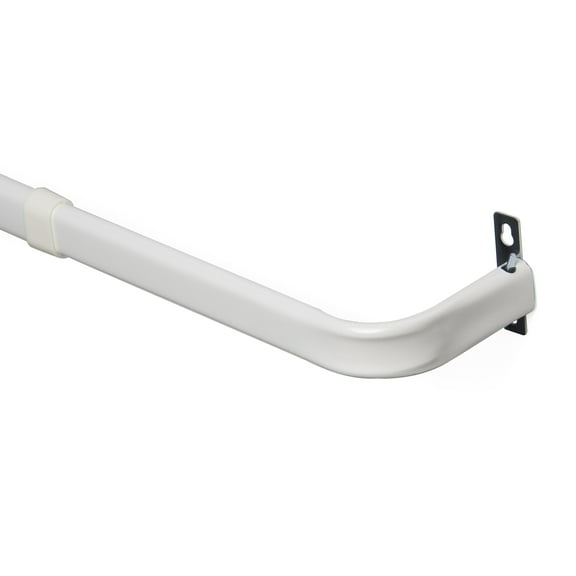
You should also think about stability before you choose your mount style. You'll usually get stronger support from wall-mounted hardware when your curtains feel heavier or span wider windows.
Choosing the right curtain rods length
You need the right rod length for smooth opening, fuller coverage, and balanced proportions around your window. You should measure your window width, then plan for the rod to extend four to six inches past each side.
If your window is narrower, you may choose 28-48 inch sizes for smaller rooms and standard frames. If your window is wider, you may need 48-84 inch or 66-120 inch rods for larger openings.
You should consider stack-back space too, because extra width lets your curtains sit off the glass when open. You'll often notice the room feels brighter when panels clear more of the window.
Comparing black curtain rods and other finishes
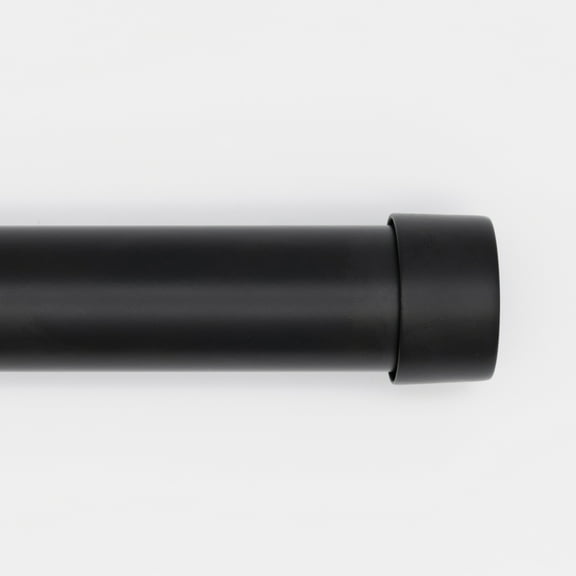
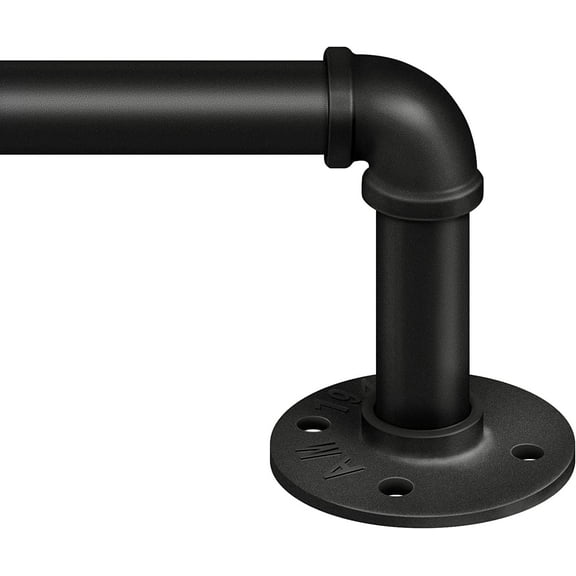
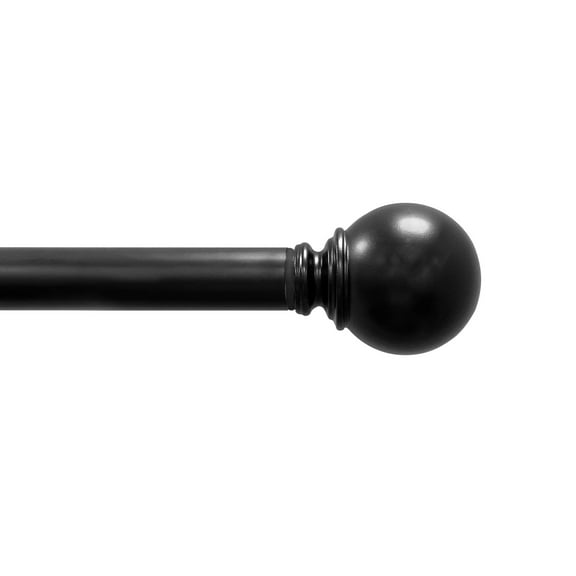
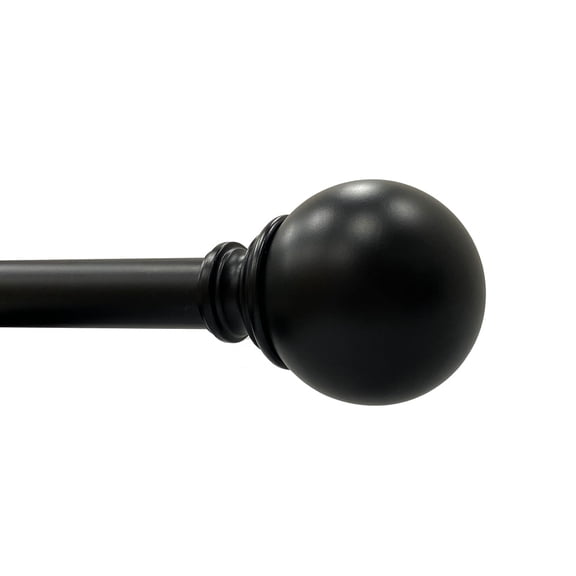
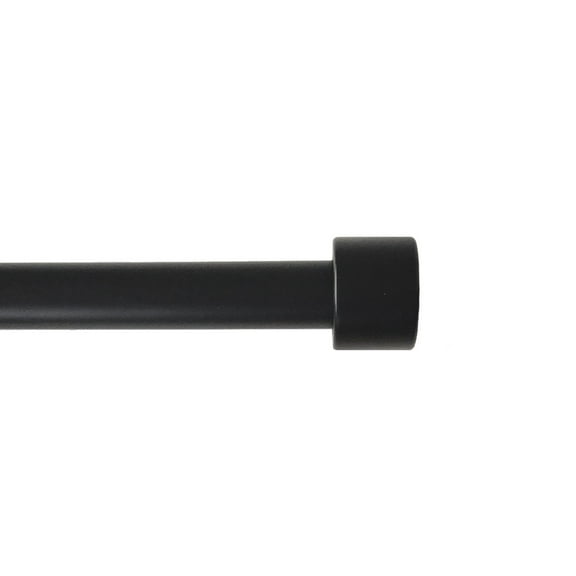
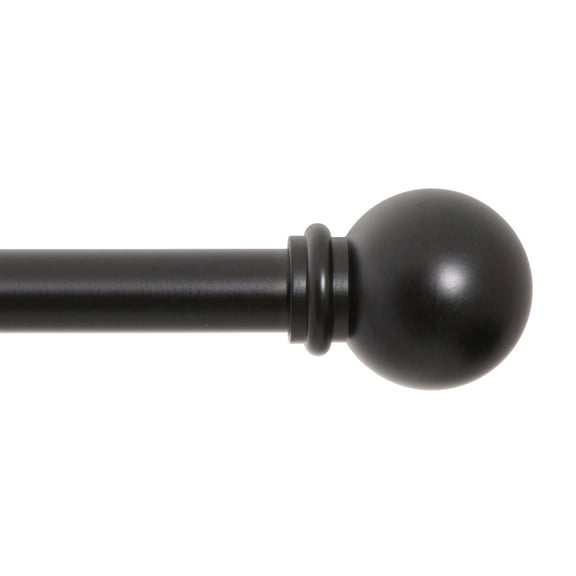
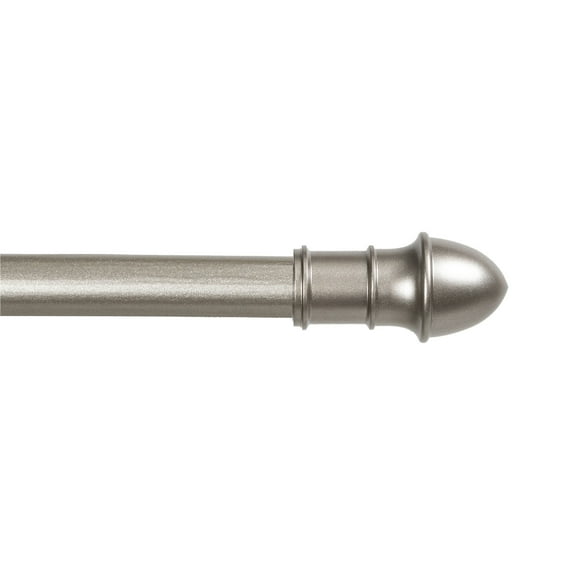
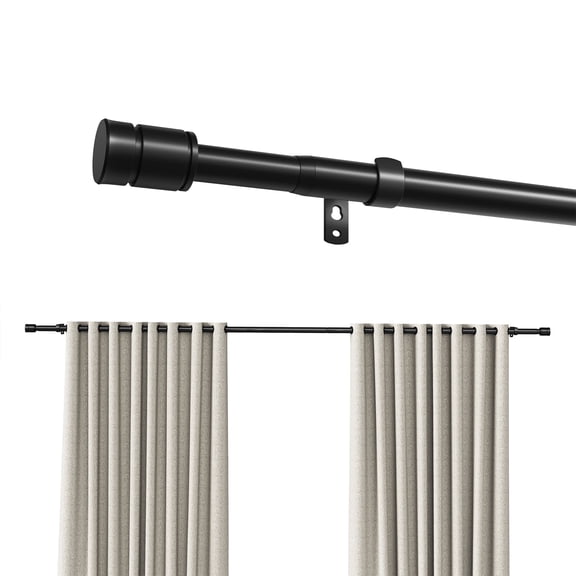
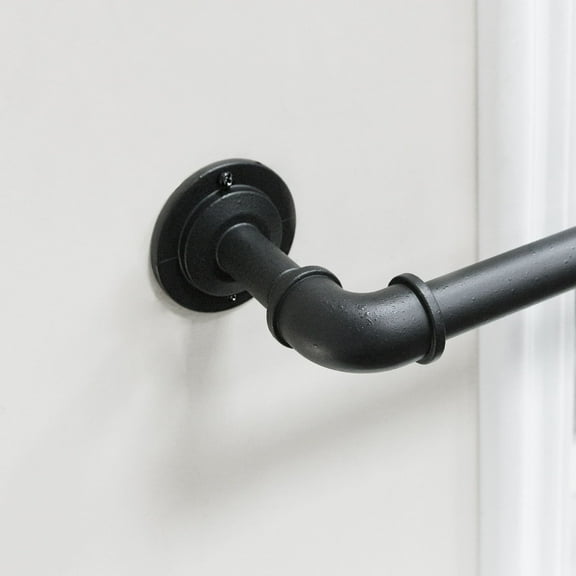
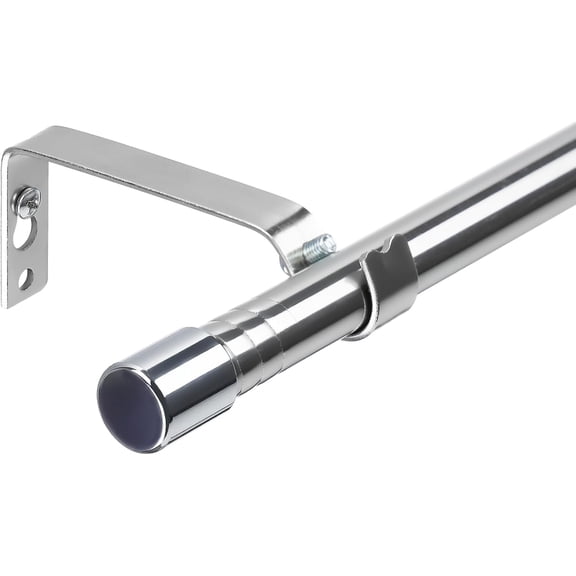
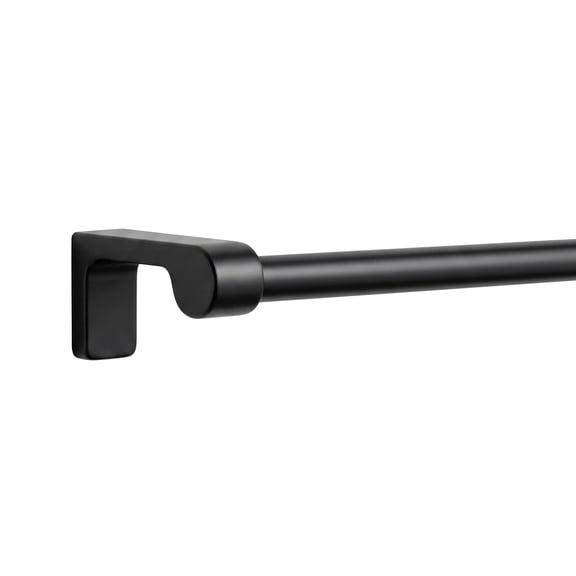
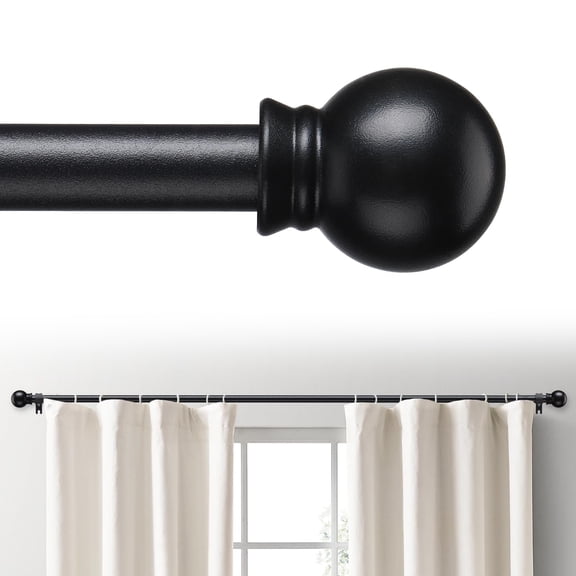
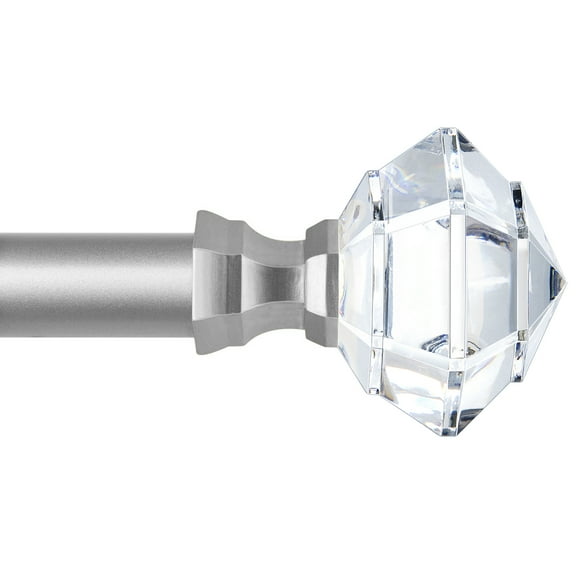
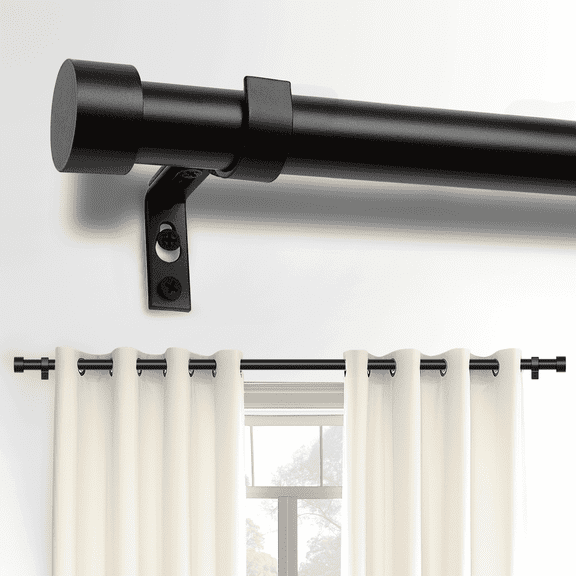
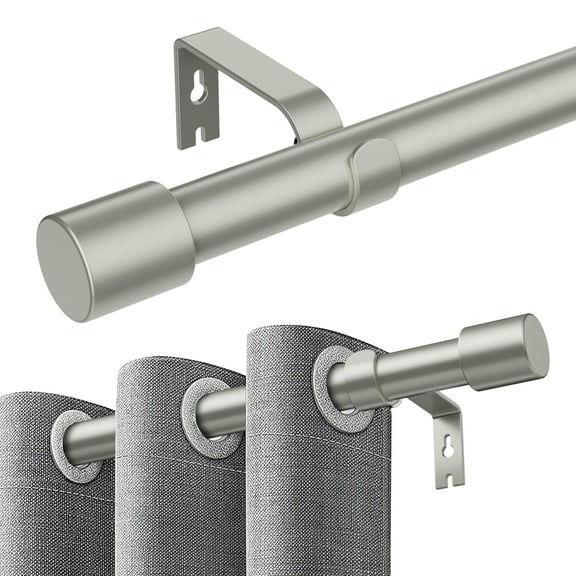
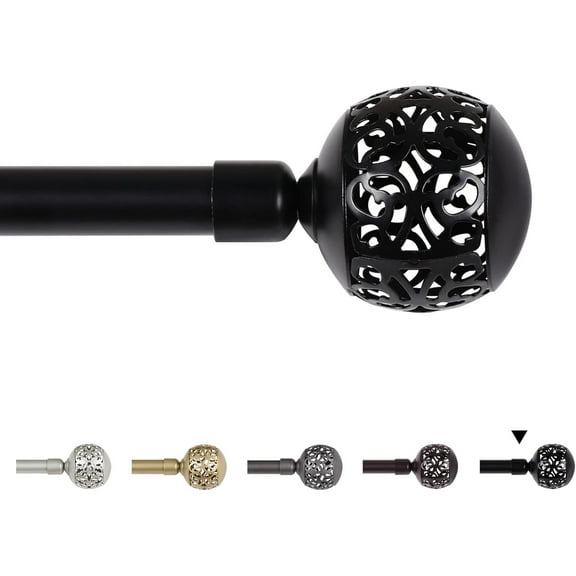
You can use finish as a design tool that ties your window hardware to the rest of your room. Black curtain rods often give you crisp contrast, while brushed nickel can feel lighter and more understated.
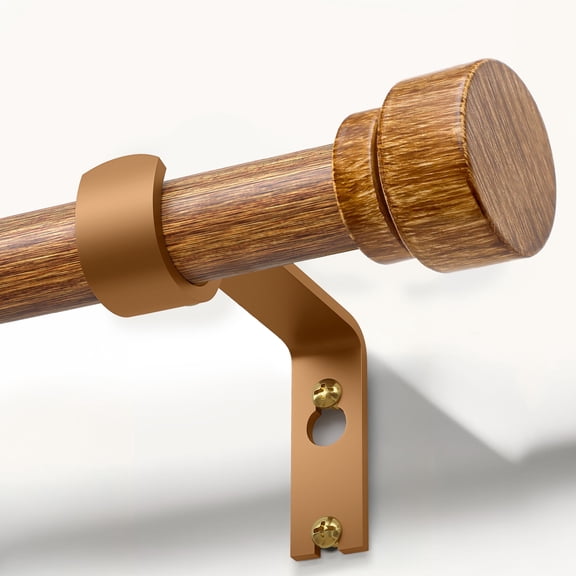
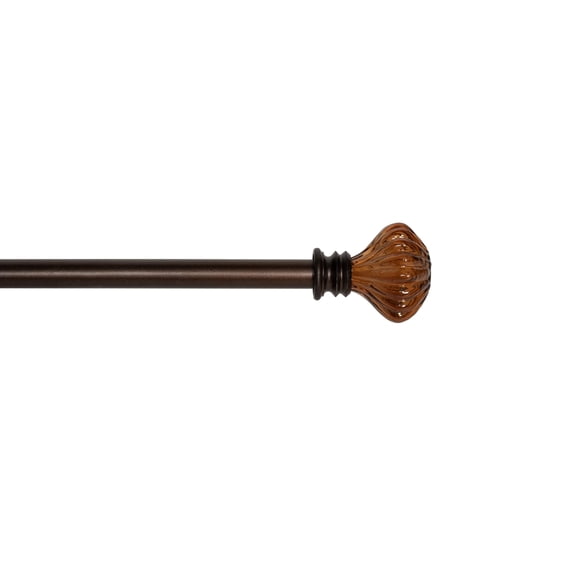
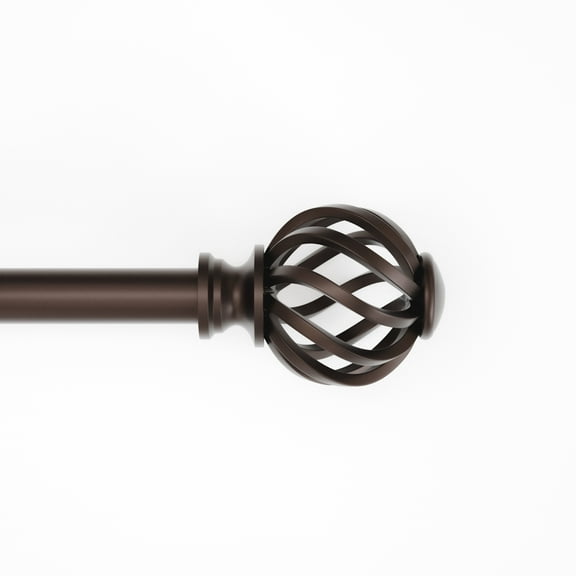
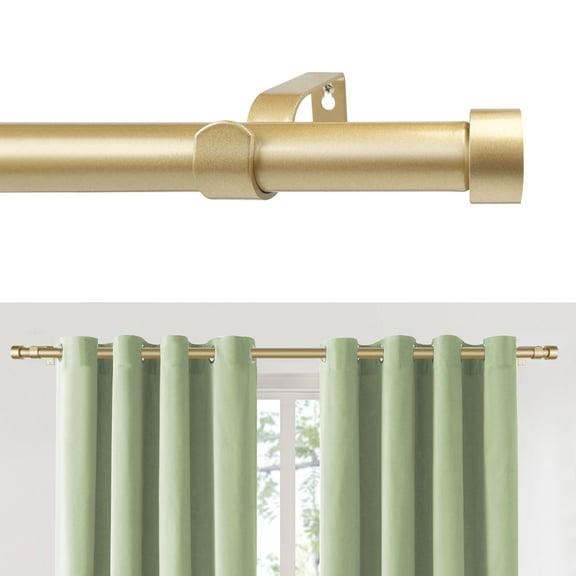
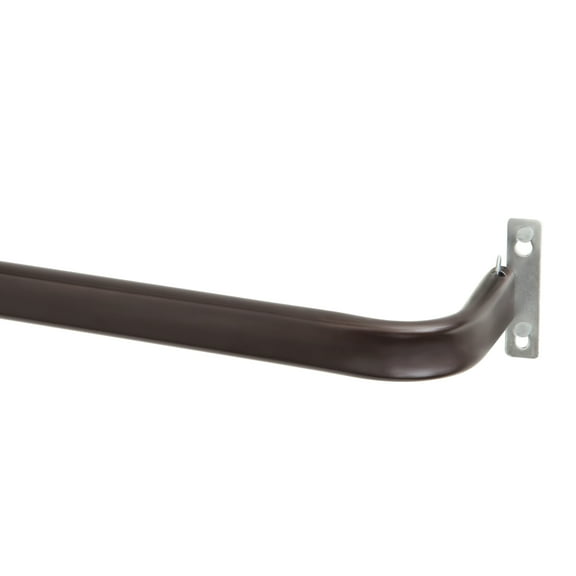
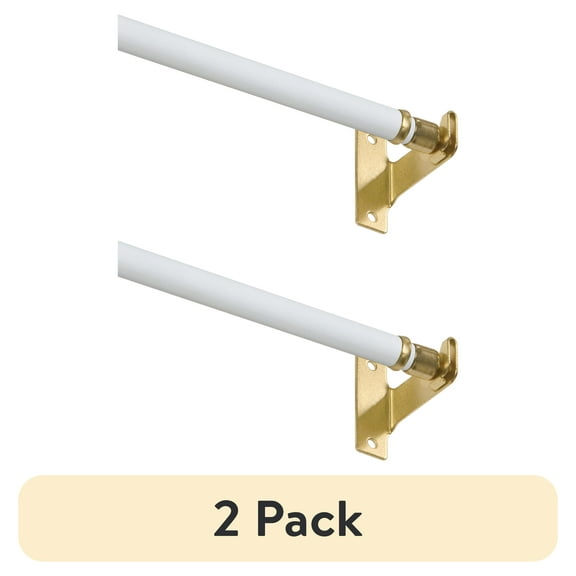
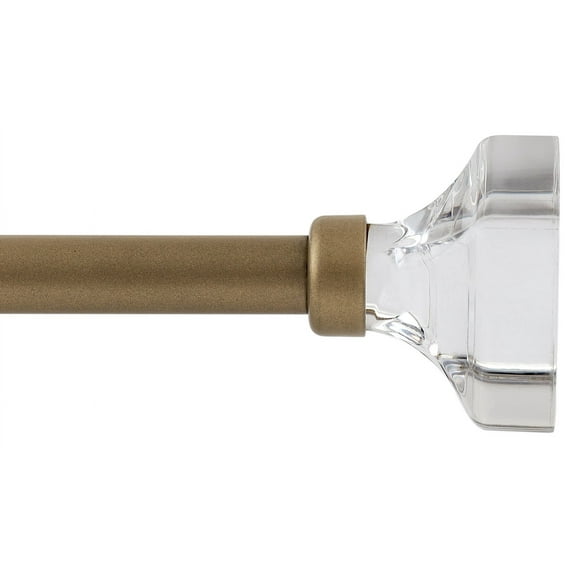
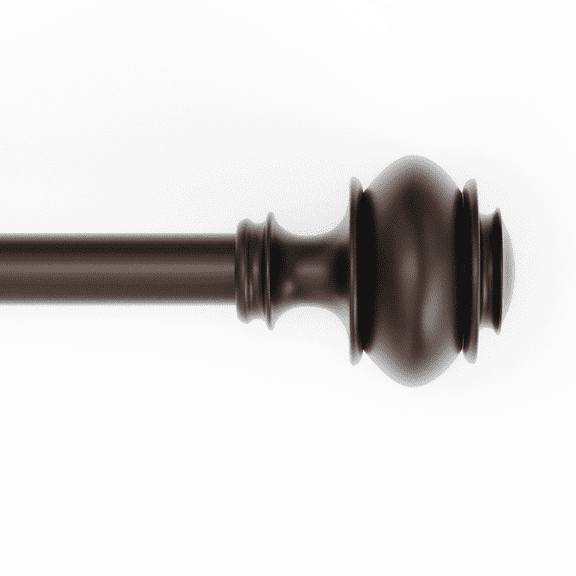
If your room has warm metals, brass curtain rods or bronze finishes can connect with lamps, mirrors, and door hardware. You should compare your rod finish with nearby light fixtures, drawer pulls, and frames for a more cohesive look.
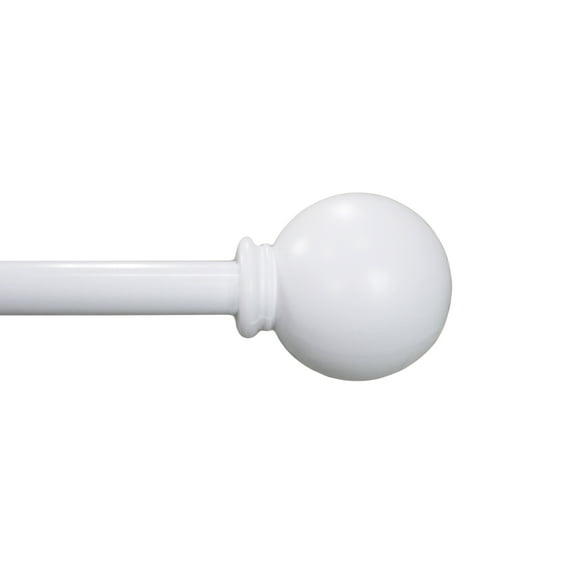
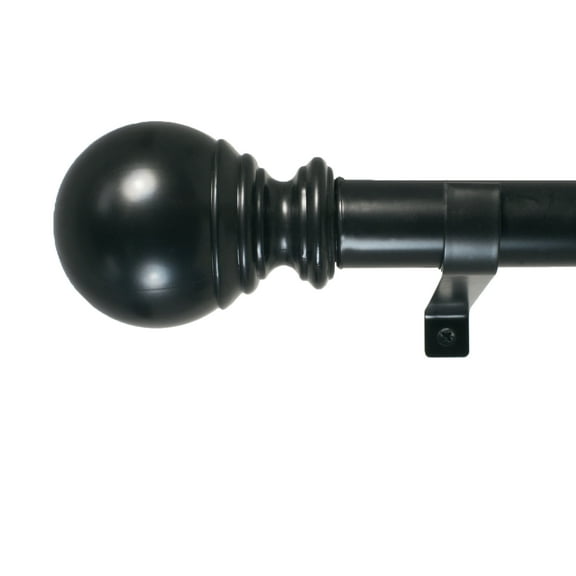
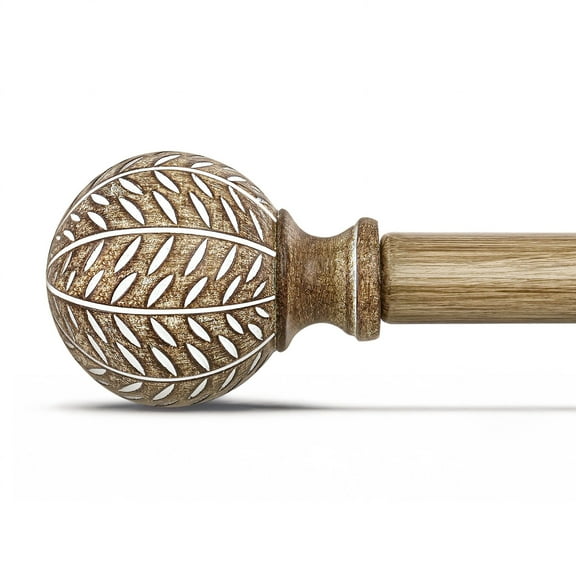
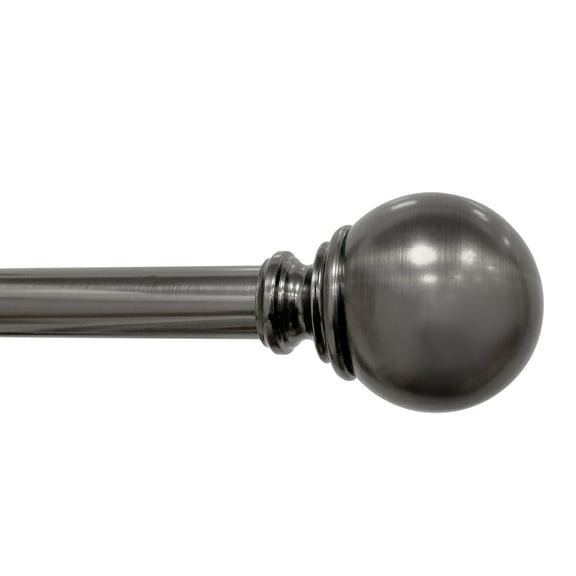
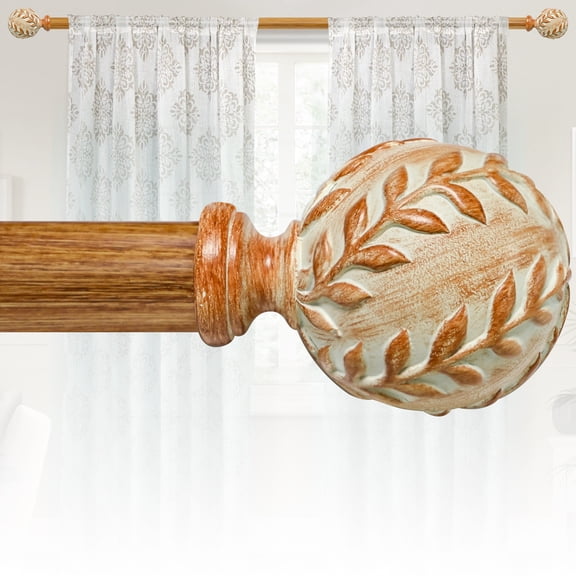
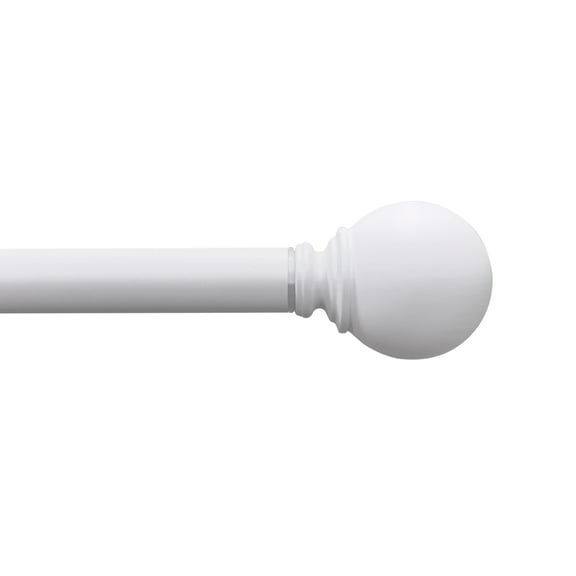
You may also want to match finial shapes to your room style. You'll often see cleaner end caps in modern spaces, while shaped finials can suit traditional or transitional rooms.
Understanding diameter and support for heavy curtains
You should check rod diameter before you choose fabric, because thicker rods usually support more weight and wider spans. A 5/8 inch rod can work for lighter curtains, while 1 inch rods often suit heavier panels.
If you're hanging blackout curtains or long drapes, you should look at 1 inch or 1.5 inch options. You'll also want middle brackets on wider windows, because added support helps the rod stay straighter across the span.
You can treat diameter as both a style choice and a performance detail. You'll usually see slimmer rods on casual windows, while thicker rods create a more substantial look with heavier fabrics.
Using curtain rods in different rooms
You can choose different setups based on the room, the fabric, and the amount of privacy you want. Double curtain rods work well when you want sheers during the day and fuller panels at night.
In kitchens or bathrooms, you may prefer tension curtain rods for smaller windows and simpler installation. If you're styling a sliding door or large living room window, longer wall-mounted rods can give you steadier coverage.
You can also consider outdoor curtain rods for covered patios, pergolas, and porch spaces. You'll want hardware designed for exterior use when your curtains need to hang in open-air settings.
If you're coordinating a full window update, you may pair your rods with curtain rings, curtains, or drapery hardware. You can create a cleaner finished look when your hardware pieces work together in scale and finish.
What to look for before you install curtain rods
You should confirm your measurement, mount type, and bracket placement before you start installation. You'll want enough clearance above and beside the frame so your curtains can move without rubbing.
If your curtains feel heavy, you should place brackets where they support the rod across the full width. You'll get a neater result when your rod diameter, length, and bracket count match your panel weight.
You can narrow your options faster when you compare rod type, finish, size range, and support needs together. You'll end up with curtain rods that fit your window, complement your room, and hang your curtains with more confidence.