

Room Dividers in Decor




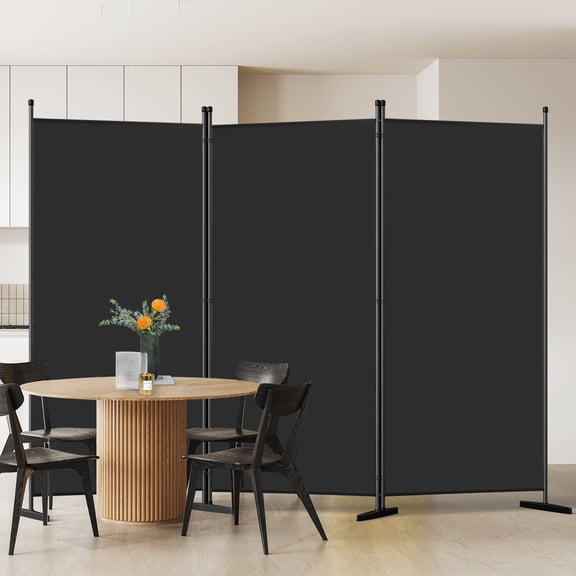
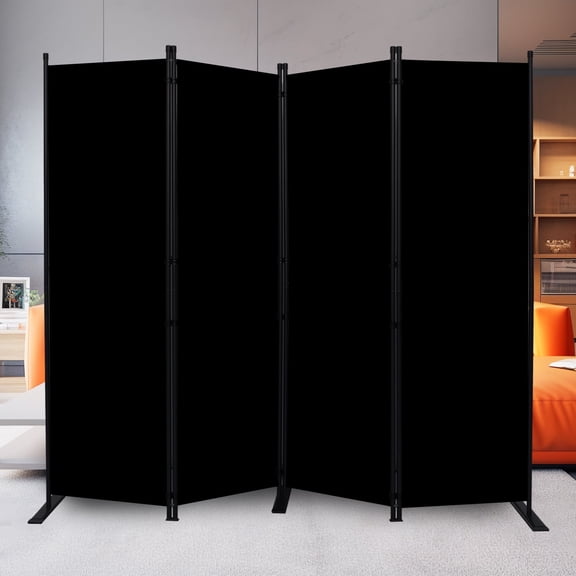

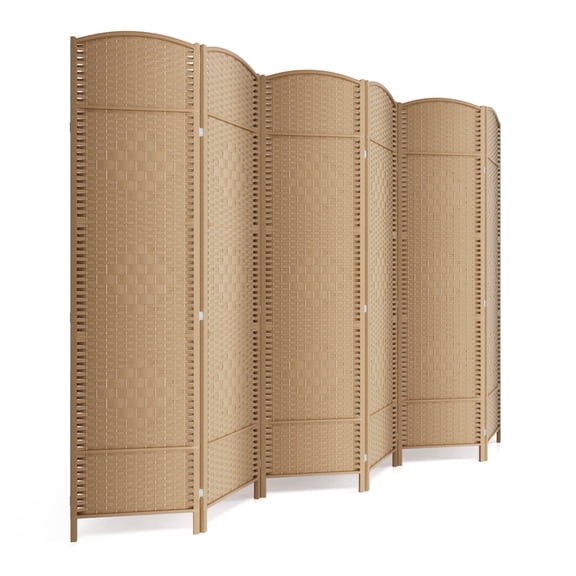


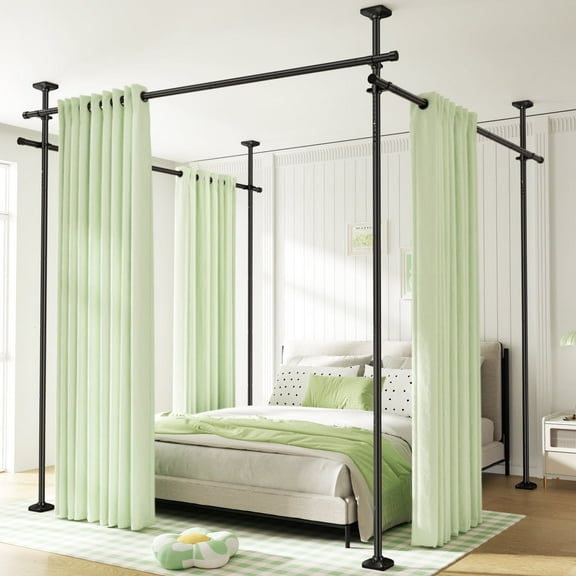





























About Room Dividers in Decor - Walmart.com
You can narrow down bed sheets efficiently when you compare material, pocket depth, cooling details, and size before you buy. You’ll also notice that the right sheet set can change how your bed feels, fits, and washes through busy weeks.
Start with the way you sleep and the mattress you own. You’ll get a clearer match when you compare cotton, microfiber, rayon from bamboo, and linen with your preferred feel.
How to choose bed sheets for your bed
Material is usually your first decision because you’ll feel it every night. You should compare softness, breathability, and care needs before you focus on color.
Thread count can help you compare cotton options, but you shouldn’t use it alone. You’ll want weave type, fabric weight, and finish to guide your choice too.
- You can choose cotton when you want a familiar feel and easy everyday care.
- You can choose microfiber when you want a smooth finish and lighter maintenance.
- You can choose rayon from bamboo blends when you want a cooler touch and airy comfort.
- You can choose linen when you want a textured look and a relaxed drape.
Percale and sateen matter because you’ll notice a different surface feel right away. You’ll usually get a crisp, matte touch from percale and a smoother sheen from sateen.
Soft bed sheets can come from several fabrics, not one material alone. You should compare brushed finishes, weave, and fabric weight if softness is your main goal.
Comparing cotton bed sheets and other materials
Cotton bed sheets work well when you want a classic bedding staple for guest rooms, kid rooms, or your main bed. You can usually wash them easily and pair them with many comforters.
Microfiber can make sense when you want a light feel and simple upkeep. You may prefer it in dorms, apartments, or frequent-turnover spaces where you wash bedding often.
Rayon from bamboo blends and linen give you different textures, so you should check product details closely. You’ll often find rayon from bamboo blends feel smoother, while linen feels more relaxed and lightly textured.
If you’re comparing thread count, you should treat it as one clue, not the whole answer. You’ll often see cotton options balance thread count with percale or sateen construction.
Choosing deep pocket sheets for mattress fit
Pocket depth matters because you need fitted sheets that stay in place through the night. You should measure your mattress height before you choose standard, deep pocket, or extra deep styles.
Deep pocket sheets are useful when you have a taller mattress or a thick topper. You’ll usually get a more secure fit when the pocket depth matches your bed height.
Standard pockets can work well on lower-profile mattresses without extra layers. You should check dimensions carefully if you use a mattress pad, pillow top, or foam topper.
Extra deep options help when your bed sits taller than average. You’ll avoid loose corners and constant readjusting when you match the fitted sheet to the full mattress depth.
How cooling bed sheets support comfort
Cooling bed sheets often focus on breathability, moisture-wicking fabric, or a percale weave. You can use those details to compare how airy and dry your bedding may feel overnight.
Breathable sheets let more air move around your bed, which can help your setup feel less heavy. You may prefer that lighter feel during warm seasons or in heated rooms.
Moisture-wicking fabrics move dampness away from the surface. You’ll often notice they feel drier against your skin during warm nights.
Percale weave is a useful term to know because you may want a crisp, cooler hand feel. You’ll often choose percale when you like bedding that feels fresh instead of silky.
Matching size and style to your room
Size should be an exact decision, so you should match your sheets to twin, full, queen, king, or california king dimensions. You’ll get a cleaner look when flat and fitted pieces match your mattress correctly.
Queen and king sizes are common choices for primary bedrooms, but you should still verify measurements. You may see slight differences across mattresses, especially when toppers add extra height.
Twin and full sets can simplify kids’ rooms, guest rooms, and smaller spaces. You’ll appreciate an easier fit when you confirm both mattress size and pocket depth together.
Color and pattern also shape your final choice because your sheets sit in view every day. You can pair solid neutrals with changing quilts, or use prints to give your room more personality.
Using bed sheets in everyday rooms
You can choose cotton or percale for a guest room when you want a crisp, familiar feel. You’ll create an easy bed reset after each wash with fabrics that fold neatly.
For a main bedroom, you may compare sateen, soft bed sheets, and cooling features together. You should balance texture, temperature preference, and mattress height before you decide.
In a dorm or apartment, you might prefer microfiber or easy-care cotton blends. You’ll likely want sheets that wash simply, dry quickly, and fit compact storage routines.
If you use a tall mattress with a topper, deep pocket sheets can make setup easier. You’ll spend less time fixing corners when the fitted sheet features extra height.
When you compare bed sheets by material, fit, and cooling details, you can choose with more confidence. You’ll end up with bedding that fits your mattress well, feels right at night, and stays easier to care for.