

Shop All Table Lamps in Table Lamps

















About Shop All Table Lamps in Table Lamps - Walmart.com
Table lamps help you layer light, define your style, and finish each room with useful function. You can compare height, material, and features to match bedside tables, consoles, desks, and end tables.
Choosing table lamps for your space
When you shop table lamps, you should start with where you'll place them and how you'll use them. You can narrow your options faster when you compare bedside, living room, desk, and nightstand setups.
For a nightstand, you should check lamp height against your table height before you choose a shade. You want the light source to sit comfortably near eye level when you're sitting up.
In a living room, you may want fuller ambient light that balances your sofa, side table, and floor lamp. On a desk, you may prefer a focused beam that supports reading, writing, or computer tasks.
How style and material affect your table lamps
You can use style to connect your lamp with the rest of your room instead of treating it like an afterthought. Modern table lamps often feature clean lines, simple silhouettes, and finishes that suit streamlined spaces.
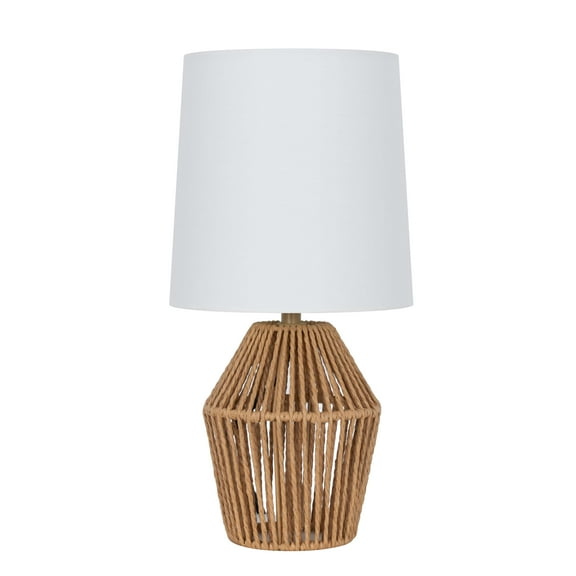
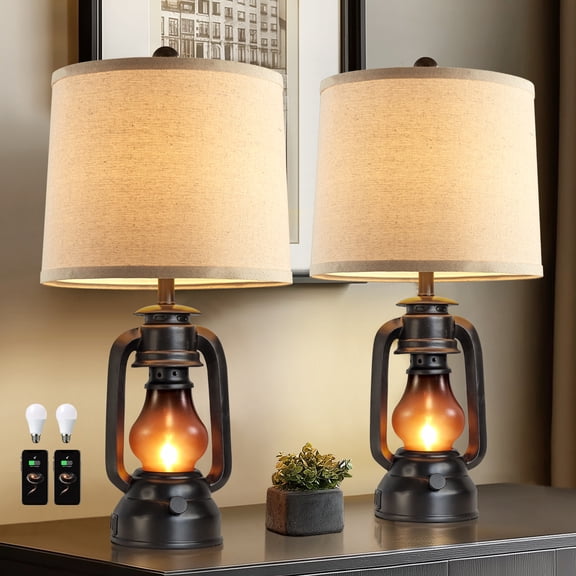
If your room feels warm and layered, you may lean toward traditional, boho, industrial, or rustic looks. You can pair these styles with textured shades, shaped bases, or darker finishes for a more grounded feel.
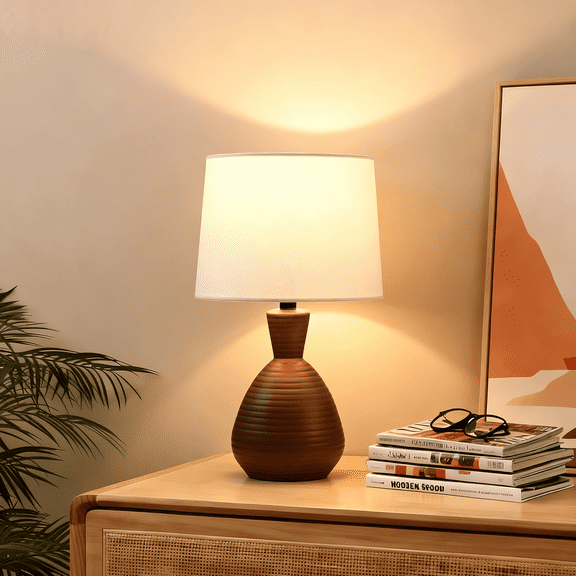
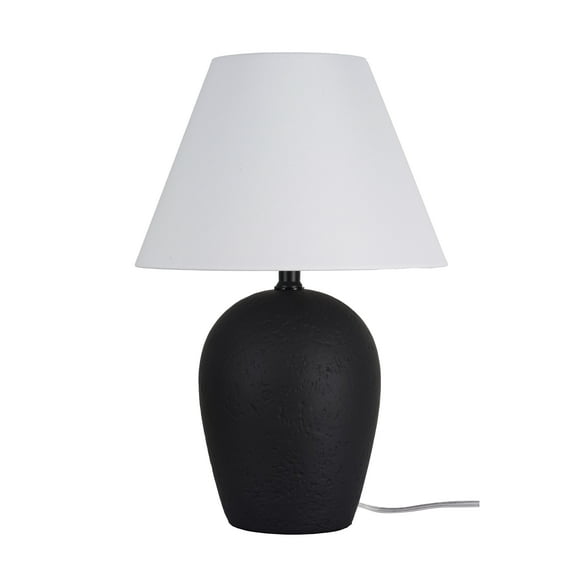
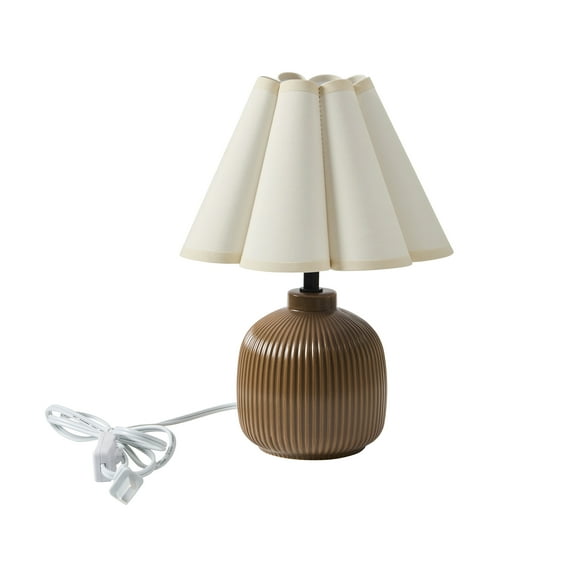
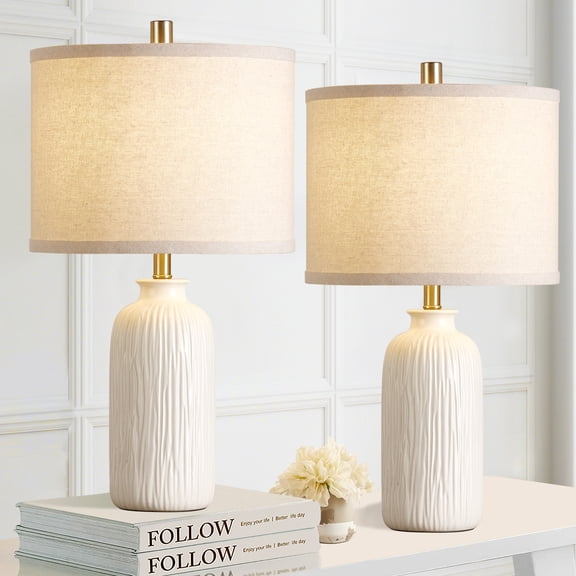
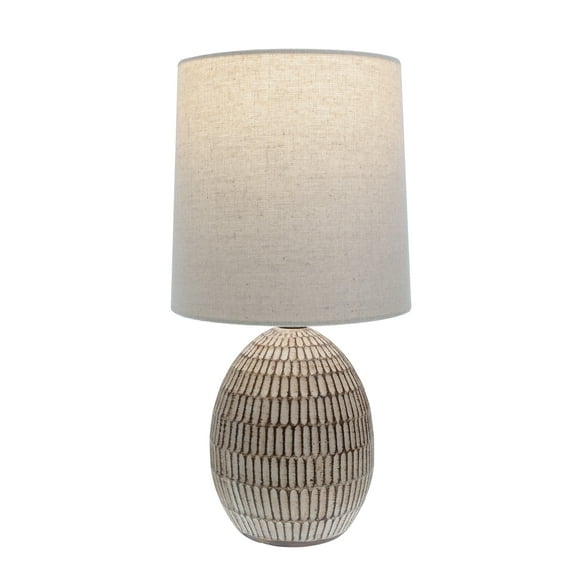
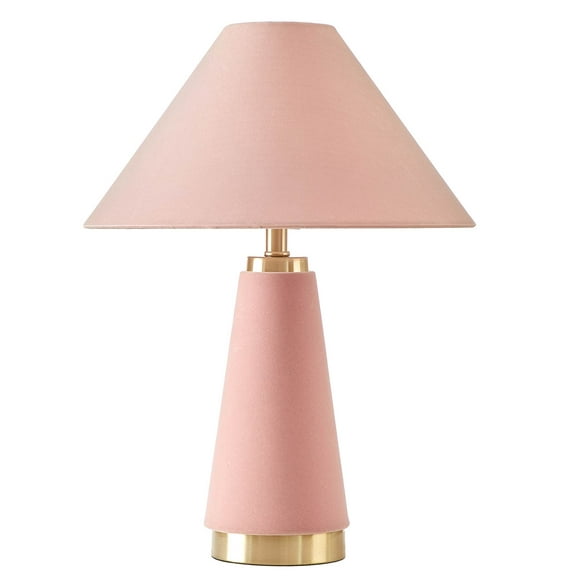
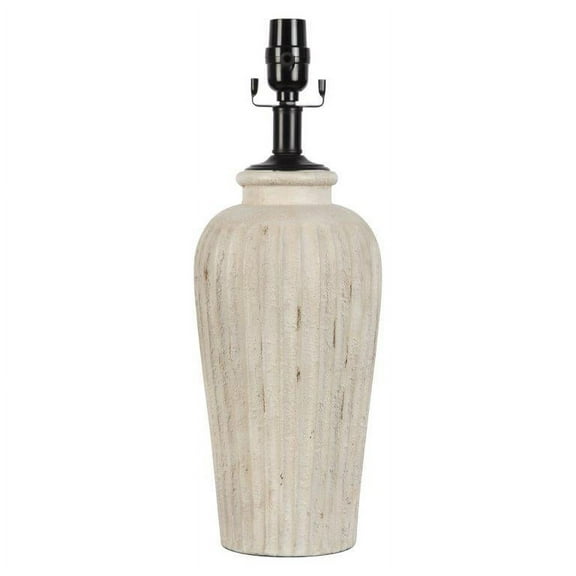
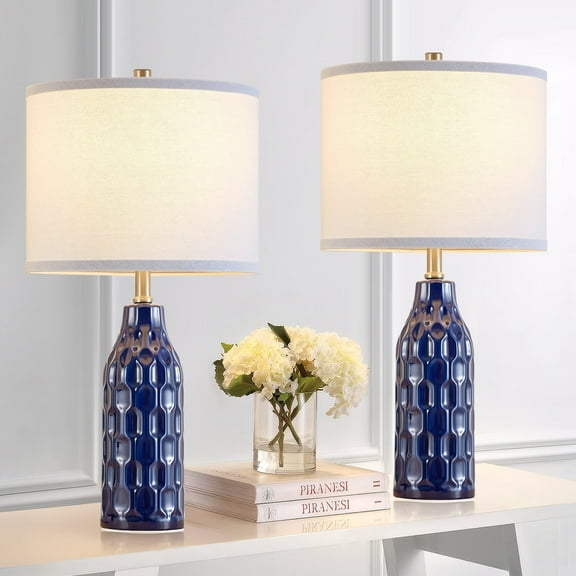
Material also changes the look of your lamp in a very noticeable way. Ceramic table lamps can add color and a substantial base, while metal options can look sleek and architectural.
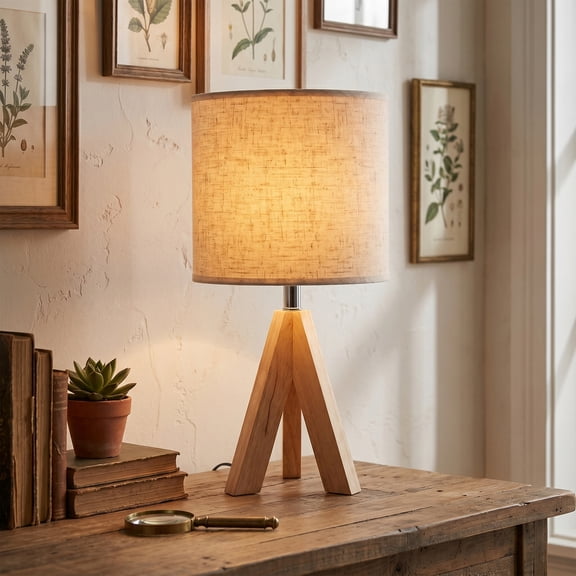
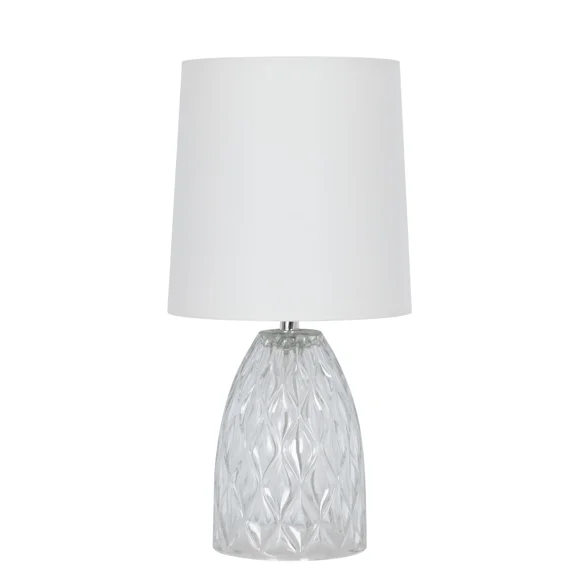
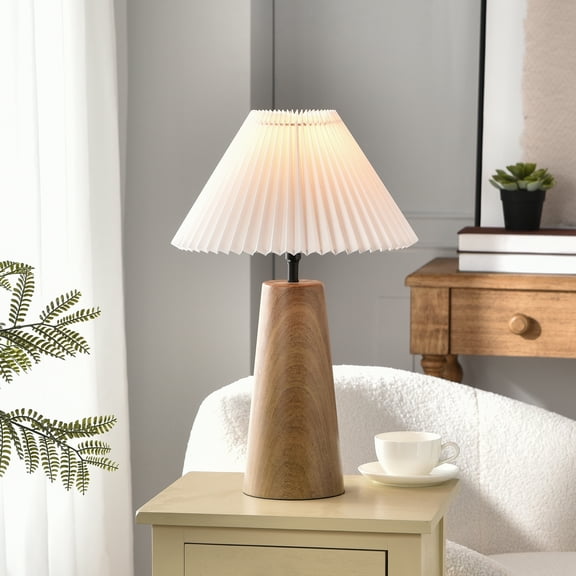
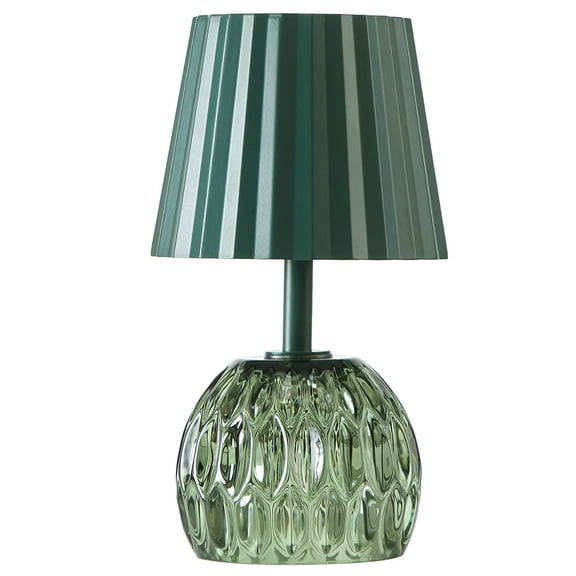
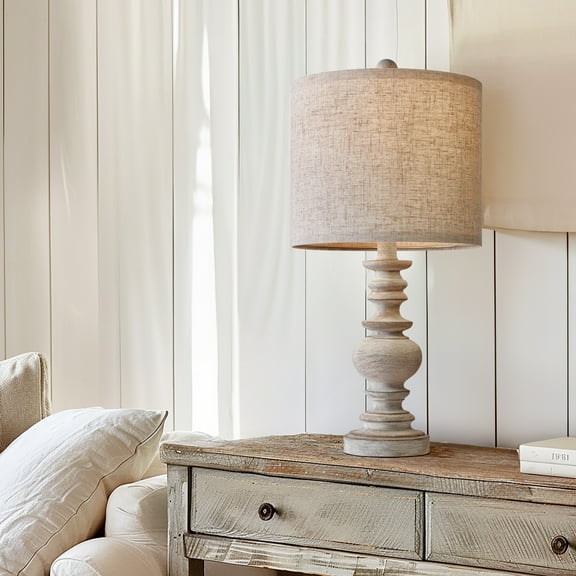
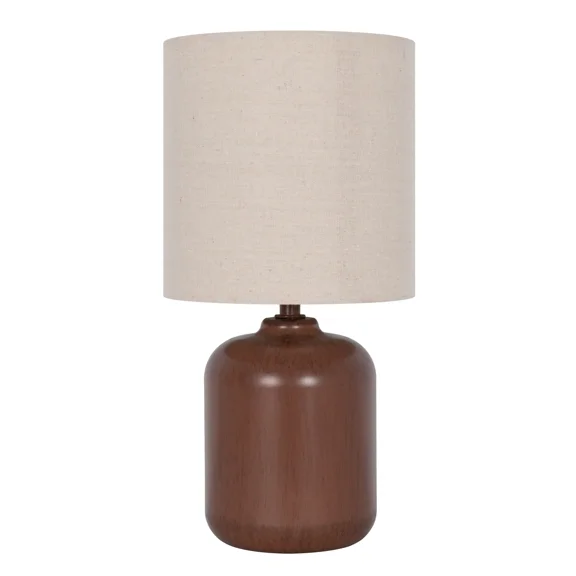
Glass bases can help your space feel lighter and more open, especially on smaller tables. Wood bases can bring natural texture that works well with rustic rooms and casual decor.
- You can choose modern styles for clean, simple rooms.
- You can use ceramic bases when you want color or visual weight.
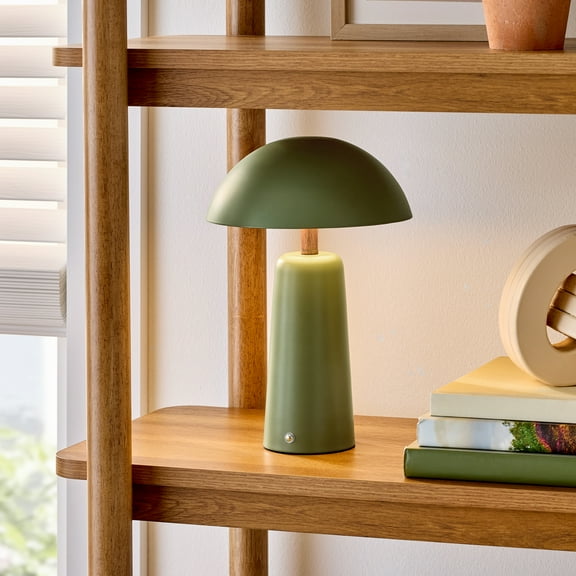
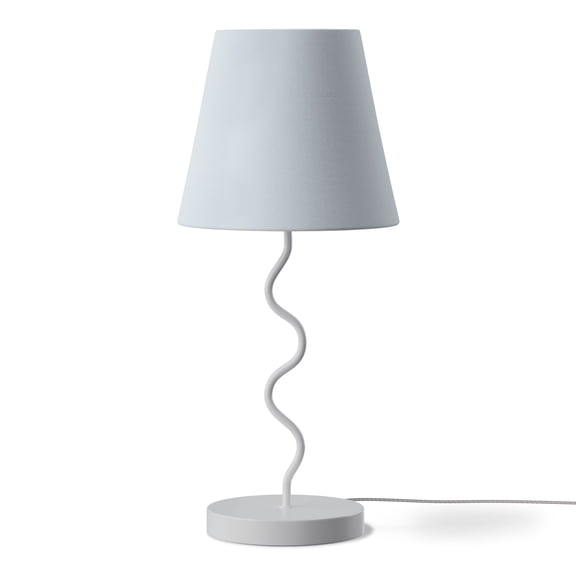
- You can pick metal or glass when you want a lighter, sharper look.
- You can coordinate wood finishes with rustic or traditional furniture.
Choosing size, height, and light output
You should measure your tabletop before you choose between small table lamps, mini styles, standard heights, or taller profiles. A lamp that fits your surface well can make your room feel balanced and easier to use.
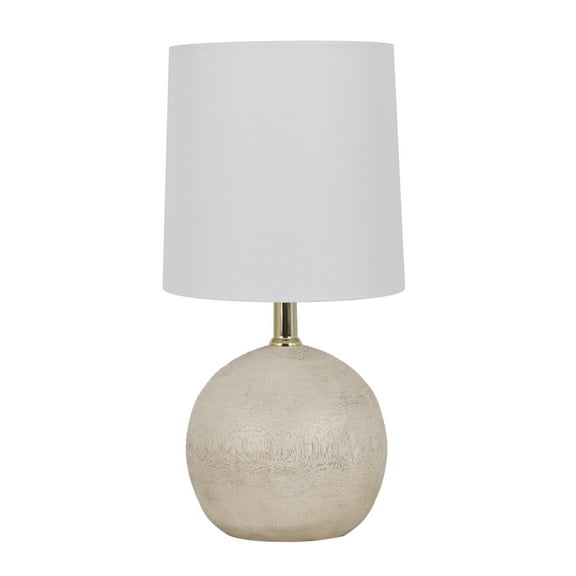
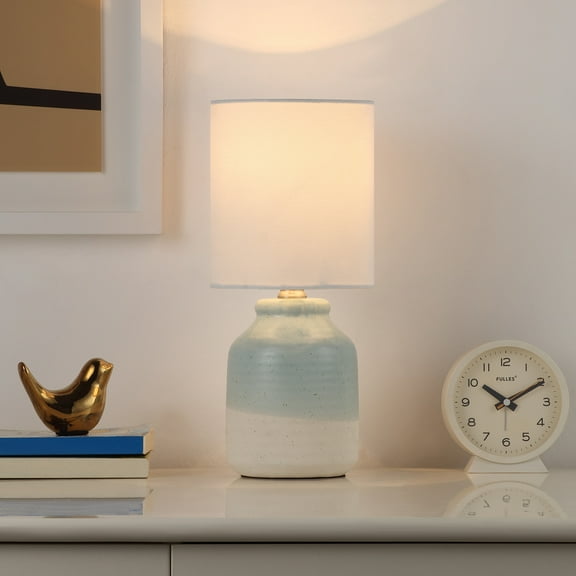
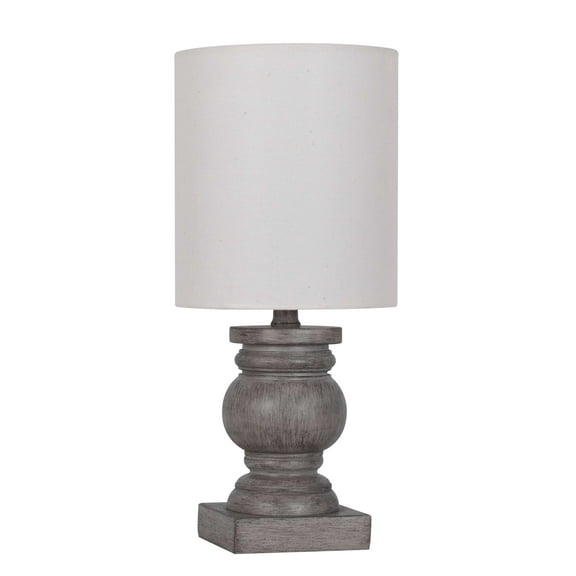
Small table lamps work well when you have limited space on a nightstand, entry table, or narrow shelf. Taller lamps can anchor larger end tables and help distribute light across a wider seating area.
You should also think about shade width along with overall height. A wide shade can spread light more broadly, while a narrower shade can feel more focused and compact.
Bulb compatibility matters when you want the right brightness and routine upkeep. You can check whether a lamp supports LED bulbs and review wattage limits before you make your choice.
If you want softer evening light, you may prefer 3-way dimmable options that give you more control. If you read or work nearby, you may want a brighter bulb setup that supports task lighting.
Comparing bedside table lamps and living room table lamps
Bedside table lamps should fit your nightstand without crowding books, chargers, or a glass of water. You may want a compact base, easy switch access, and a shade that softens light before bed.
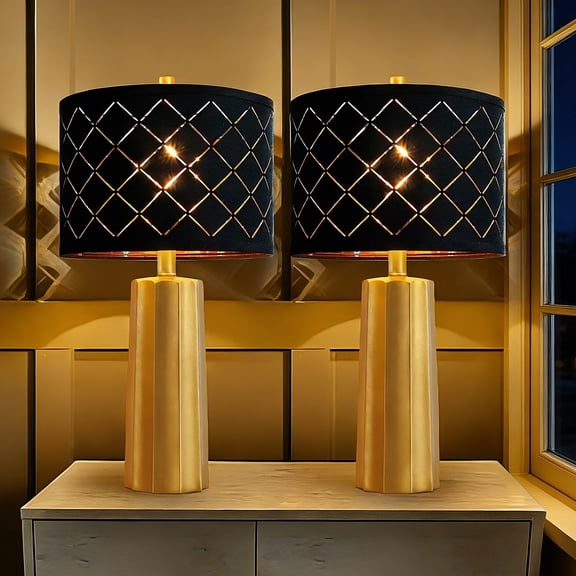
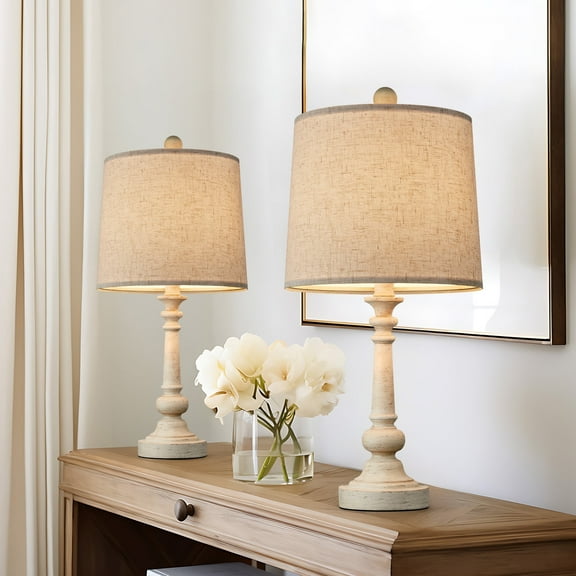
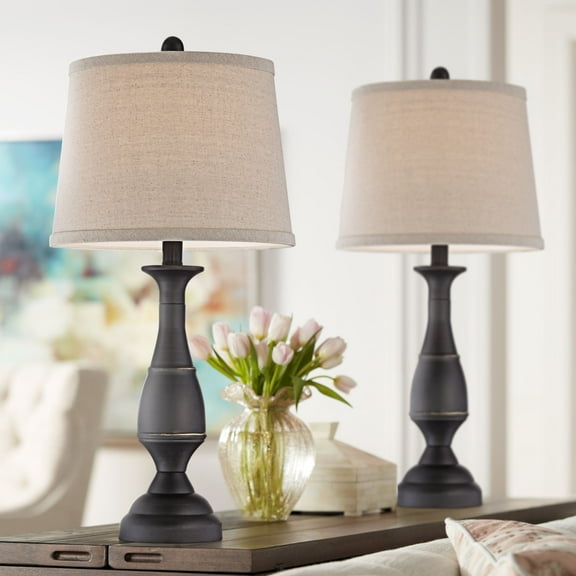
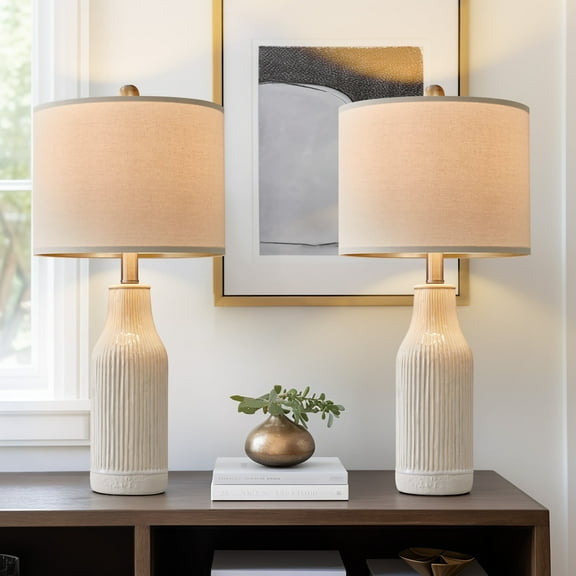
Living room table lamps usually need to support a broader lighting plan across seating areas. You can use matching pairs on end tables or mix shapes and materials for a more collected look.
For guest rooms, you may want lamps that feel simple to use and easy to place. For family rooms, you may look for sturdy bases and finishes that complement everyday furniture.
If you style a console or sideboard, you can use a taller lamp to frame art or mirrors. If you furnish a reading corner, you may prefer a focused lamp that supports a chair-side table.
Looking for useful features in table lamps
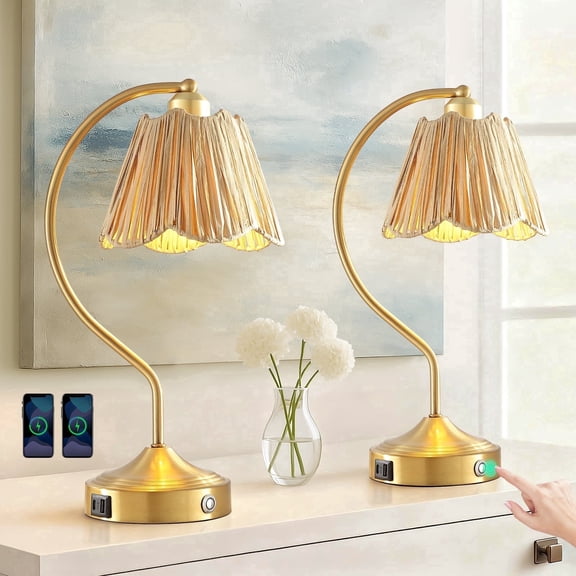
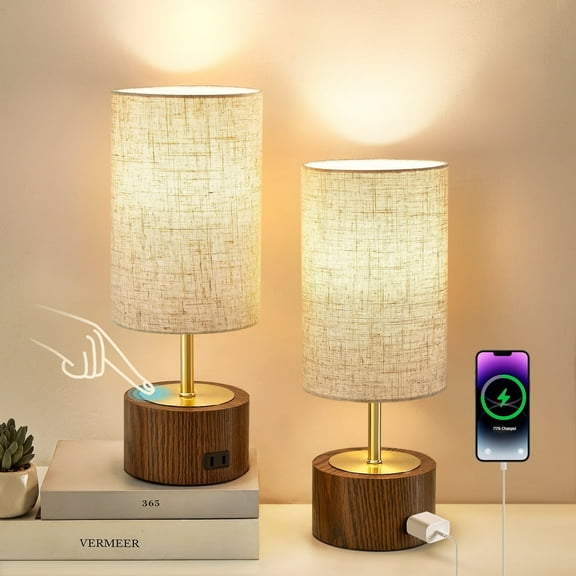
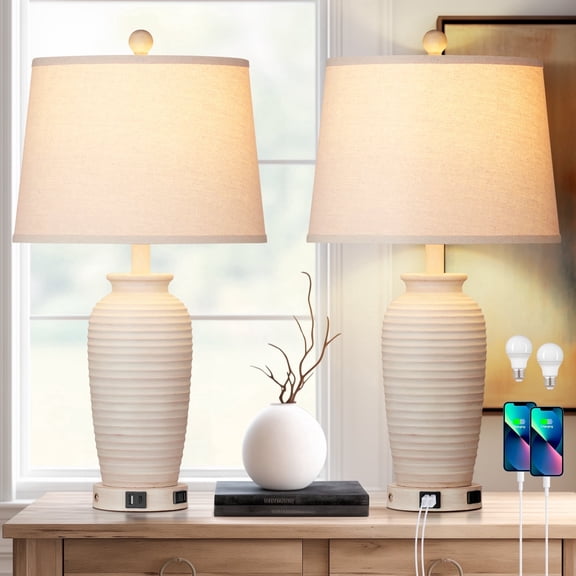
Special features can make your lamp work harder in the spaces you use every day. Table lamps with USB ports can keep phones, tablets, or e-readers charging without adding extra adapters nearby.
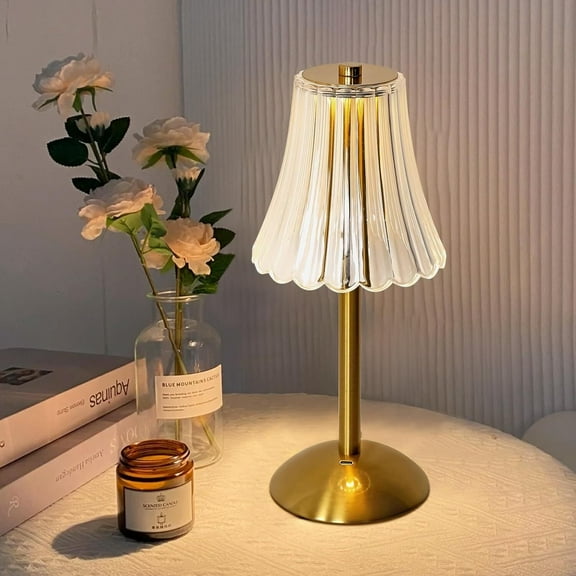
You may also appreciate touch control when you want simple on and off access from your bed or sofa. Cordless options can help when you place a lamp where outlets aren't close or cords look distracting.
When you compare features, you should match them to your daily routine instead of choosing extras at random. A reading setup may benefit from dimming control, while a guest room may benefit from USB charging.
You can also check base shape, switch placement, and shade style for everyday convenience. These details can affect how easily your lamp fits beside books, frames, and other tabletop essentials.
What to look for before you decide
You should compare style, use case, base material, size, and lighting purpose before you narrow your options. When you measure first and match features to your routine, you can create light that feels intentional.
With the right table lamps, you can bring usable light, balanced scale, and a finished look to bedrooms, living rooms, and work areas. You end up with lighting that fits your space and supports how you live.