

Jersey Frames in Wall Decor











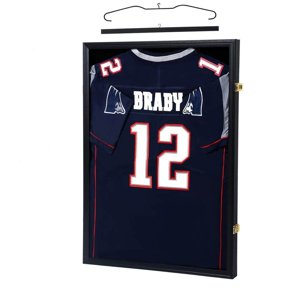
About Jersey Frames in Wall Decor - Walmart.com
Jersey frames help you preserve signed uniforms, game-day keepsakes, and team memories with sizing and depth options that fit real display needs. You can compare frame size, protection, mounting style, and materials before you choose a display that suits your wall and your collection.
How to choose jersey frames by size and depth
Start by measuring your jersey before you compare frame dimensions. You’ll want enough width and height for sleeves, numbers, and any folded presentation style you prefer.
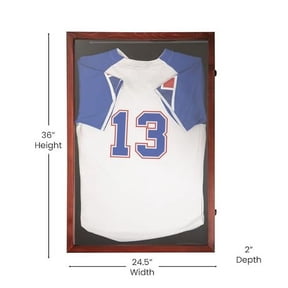
A 24x30 inches frame can suit youth jerseys or tighter folds in smaller spaces. A 30x40 inches frame gives you more room for adult sizes and fuller layouts.
Depth matters just as much when you’re framing thicker uniforms. You should compare 1.5 inches, 2 inches, and extra deep designs for football pads, hockey stitching, or layered fabric.
If your jersey has bulkier seams or patches, you may need a large shadow box frame. You’ll get more clearance around raised logos, embroidery, and folded sleeves.
Choosing a sports jersey display case for fabric and signatures
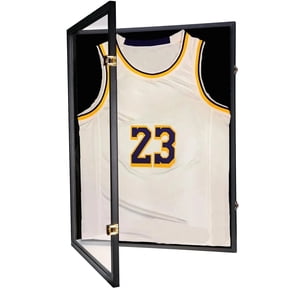
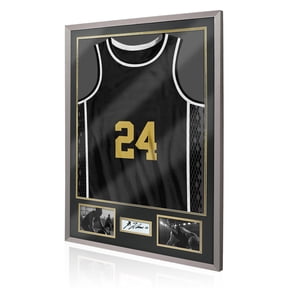
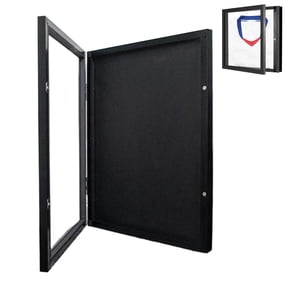
Protection features can make a big difference when you display autographs and team colors. You should look for a sports jersey display case with clear front panels and enclosed construction.
UV-resistant acrylic helps you limit fading from bright rooms and sunny walls. Anti-glare glass can help you see details more clearly when your display hangs near lamps or windows.
A dustproof seal helps you keep fabric cleaner between wipe-downs and room refreshes. You’ll spend less time opening the frame when your display stays enclosed.
- You can protect signatures and printed numbers with covered front panels.
- You can keep colors looking clearer with UV-resistant acrylic or anti-glare glass.
- You can display bulky uniforms more neatly with the right shadow box depth.
- You can choose mounting styles that match your setup time and presentation preference.
What to look for in a shadow box jersey frame
Frame depth and mounting style work together when you want a clean presentation. You should compare a shadow box jersey frame with your jersey’s thickness, fold style, and hanging method.
A hanger mount can give you a familiar display shape with less folding. A jersey hanger frame may work well when you want the shoulders and collar to keep their form.
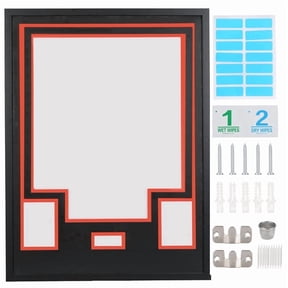
A pin board setup gives you more control over sleeve placement and jersey tension. You can center logos, numbers, and signatures more precisely with adjustable pin placement.
Adhesive strip mounting can offer a simpler setup for lightweight displays. You should check the frame’s intended use and interior layout before you choose that method.
Comparing frame materials and display styles
Frame material affects the look you bring into your room and the weight you hang on your wall. You can compare solid wood, aluminum, and MDF wood composite based on style and placement.
Solid wood can suit traditional sports rooms, offices, or memorabilia walls with warmer finishes. Aluminum can feel cleaner and more modern when you want a sharper edge profile.
MDF wood composite can give you a polished look across many display styles. You should also check the back panel design, closure type, and hanging hardware placement.
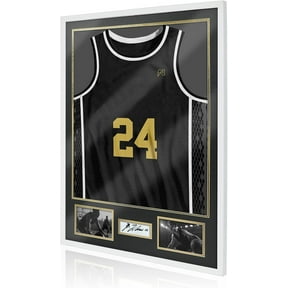
If you’re framing more than jerseys, a jersey frame display case can also suit ticket stubs or photos. A t-shirt display frame may also fit spirit wear, school shirts, or commemorative tops.
Matching jersey frames to your sport and room
Your sport can influence the depth, size, and layout you need. You should think about fabric weight, shoulder width, and patch thickness before you choose a frame.
A football jersey frame often needs extra room for larger cuts and heavier material. You may also want more interior depth when numbers, patches, or layered trim stand out.
A hockey jersey frame can benefit from extra deep designs for thicker fabric and wider sleeves. You’ll usually want more display space when winter jerseys carry larger logos and denser stitching.
Baseball and basketball styles may fit slimmer displays when you prefer a flatter fold. You can also use a sports jersey display case in hallways, offices, game rooms, or fan caves.
If your wall space is limited, you should measure the hanging area before you choose. You’ll avoid crowding nearby art, shelving, or team photos when you plan your layout first.
How to narrow your choice with confidence
When you compare jersey frames, focus on size, depth, protection, mounting method, and material together. You’ll get a display that fits your jersey properly and keeps your memorabilia looking organized on the wall.
Those details matter when your collection includes signed fabric, bulky stitching, or special event pieces. You can frame your memories with a cleaner fit and a display that looks ready for everyday viewing.