

Strapworks Collection(1)
strapworks heavyweight polypropylene climbing webbing, red, 1.5" x 50 yd

strapworks heavyweight polypropylene climbing webbing, red, 1.5" x 50 yd
FAQ
What can I use polypropylene webbing for?
Polypropylene webbing is incredibly versatile! Many customers use it for projects like repairing outdoor gear, making pet collars, crafting tote bags, and even creating custom straps for camping or hiking equipment. Its lightweight yet durable design makes it handy for both indoor and outdoor DIY tasks. Just be sure to check the webbing's width and length to make sure it fits your needs, and avoid using it for heavy-duty load-bearing applications unless noted as suitable by the manufacturer.
How do I cut poly webbing without fraying?
If you want to cut polypropylene webbing and prevent fraying on the edges, it helps to use sharp scissors or a hot knife. After cutting, you can lightly run the cut edge near a flame or heated blade, which melts the fibers and helps seal them together. Always exercise caution and do this in a well-ventilated area—never leave an open flame unattended. This can keep your webbing looking neat and ready for your next project.
Is this webbing waterproof?
Polypropylene webbing is naturally resistant to moisture, making it a popular choice for outdoor and marine uses. While it doesn’t soak up water, it’s important to remember that prolonged exposure to water may still impact the webbing over time, depending on usage conditions. For most crafts, pet accessories, and gear repairs, its moisture resistance is a real advantage, especially compared to materials that absorb water.
Can I sew this webbing with a home machine?
You can sew lightweight polypropylene webbing using most standard home sewing machines. It’s helpful to use a strong needle, like a size 16 or 18, and polyester or nylon thread for best results. Start with a slow speed and test with a scrap piece if possible. Try adjusting your machine’s tension and stitch length to match the thickness of the webbing for smoother sewing.
How should I clean polypropylene straps?
Cleaning polypropylene webbing is straightforward. Just wash it with mild soap and warm water—avoid harsh chemicals or bleach, as they can weaken the fibers. If there’s tough dirt, use a soft brush to scrub gently. Allow the webbing to air dry completely before storing or reusing. This process helps keep your straps durable and looking their best through multiple projects or uses.
Popular in Explore Brand Selection on Walmart Home Page
Related Products
Varsbaby Women's Bra Extenders Elastic Stretchy Bra Extension Strap 4 pcs
 Varsbaby Women's Bra Extenders Elastic Stretchy Bra Extension Strap 4 pcs$9.99current price $9.99
6 Pack 3 Hook Bra Extenders, Adjustable Bra Buckle Extension Straps for Bras and Lingerie, TIKA
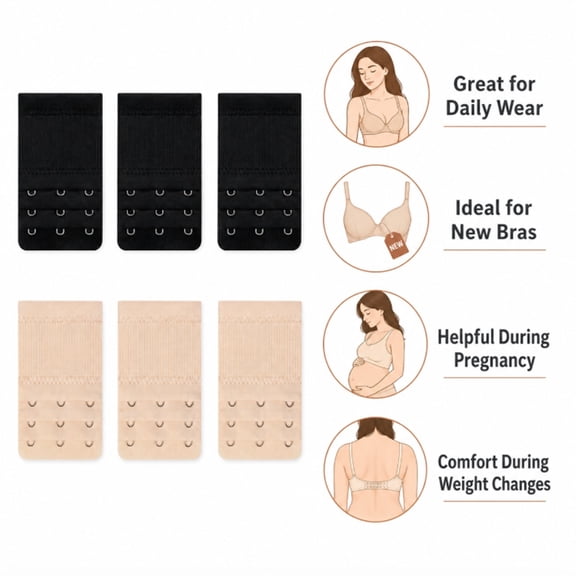 6 Pack 3 Hook Bra Extenders, Adjustable Bra Buckle Extension Straps for Bras and Lingerie, TIKA$8.50current price $8.50
Bekayaa Women's Bra Extender 5 Hook Plus Size Bra Strap Extenders 3pcs-Pack
 Bekayaa Women's Bra Extender 5 Hook Plus Size Bra Strap Extenders 3pcs-Pack$9.99current price $9.99
HAOYUNL Women's Bra Extender 4 Hook Soft Elastic Comfortable Bra Extension StrapUnderwear Extended Buckle Multicolor 3Pcs
 HAOYUNL Women's Bra Extender 4 Hook Soft Elastic Comfortable Bra Extension StrapUnderwear Extended Buckle Multicolor 3Pcs$5.98current price $5.98