


Sentrysafe in Office Supplies & School Supplies by Brand












About Sentrysafe in Office Supplies & School Supplies by Brand - Walmart.com
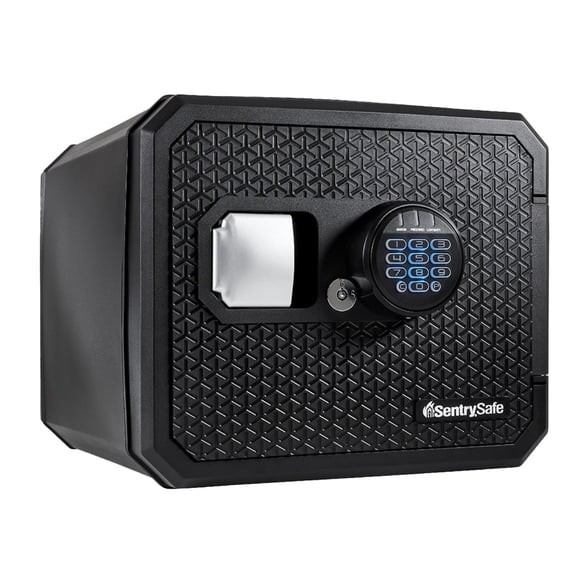
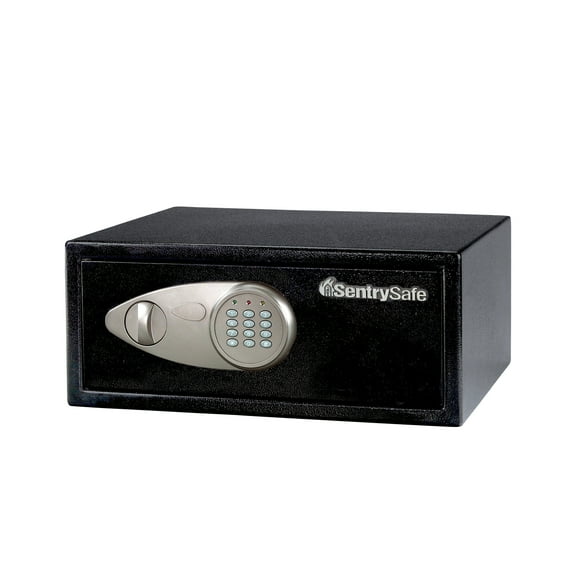
SentrySafe helps you protect important papers, digital media, and household valuables with options designed for fire, water, and theft concerns. You can compare lock types, protection ratings, and interior sizes, so your next safe fits your space and routine.
How to choose a SentrySafe for home or office
When you buy a safe for home, you should start with what you need to store and how quickly you need access. You may need flat document storage, compact placement, or room for cash, passports, and backup drives.
You'll also want to compare where your safe will sit and whether your floor plan allows a larger unit. Your choice often comes down to access speed, storage shape, and the level of fire or water protection you prefer.
Choosing protection ratings in sentrysafe models
You should check whether a SentrySafe fireproof safe lists UL classified fire protection or ETL verified water protection. Those terms help you compare waterproof and fireproof safes using standards experienced shoppers recognize.
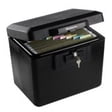
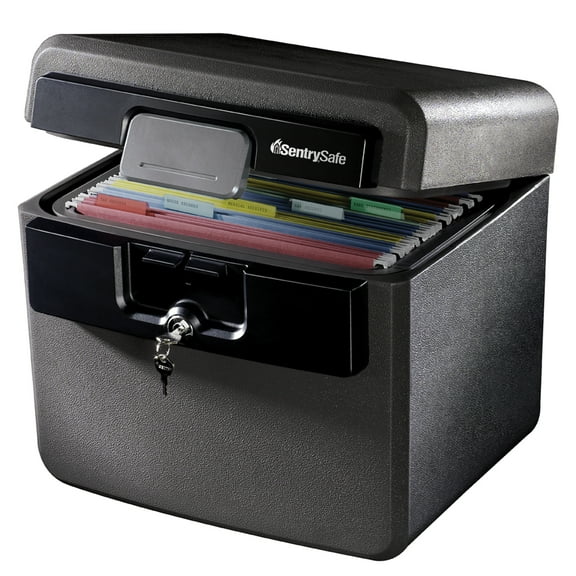
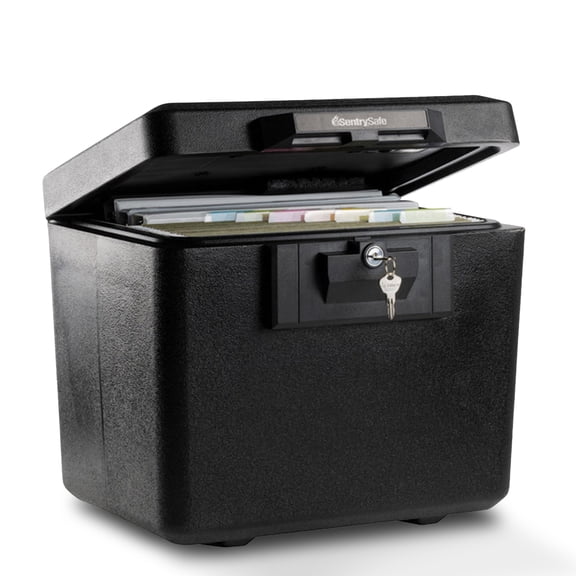
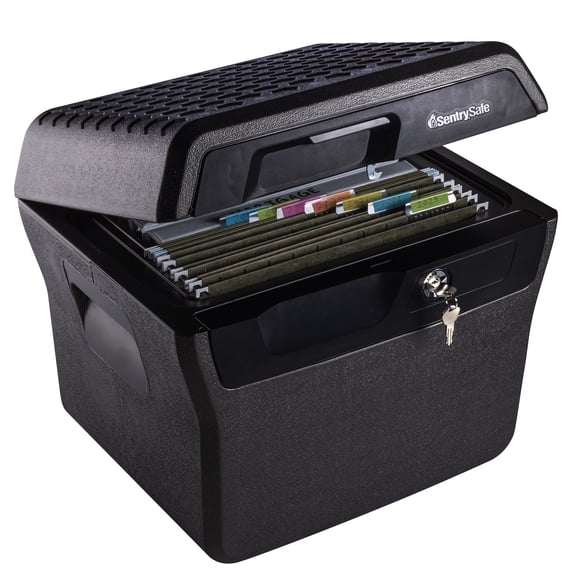
If you store paper records, you may want a fireproof home safe box that supports flat document storage. If you store flash drives or media cards, you should verify the interior layout and the listed protection details.
- You can compare fireproof, waterproof, and fire & water resistant options based on what you store most often.
- You should look for ratings that match document storage, digital media storage, or mixed household valuables.
- You can narrow your choice faster when you match protection claims to your actual storage habits.
For many households, fire and water resistant safes make sense when you want one unit for papers and backup media. You can use that approach to simplify placement and reduce clutter around filing areas.
Comparing lock types and backup access
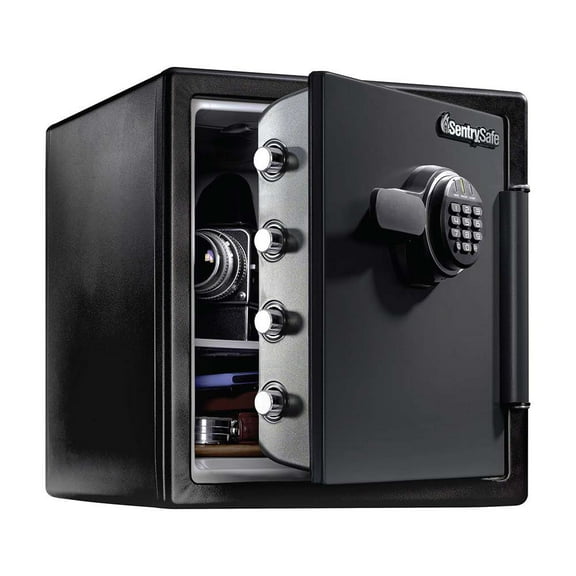
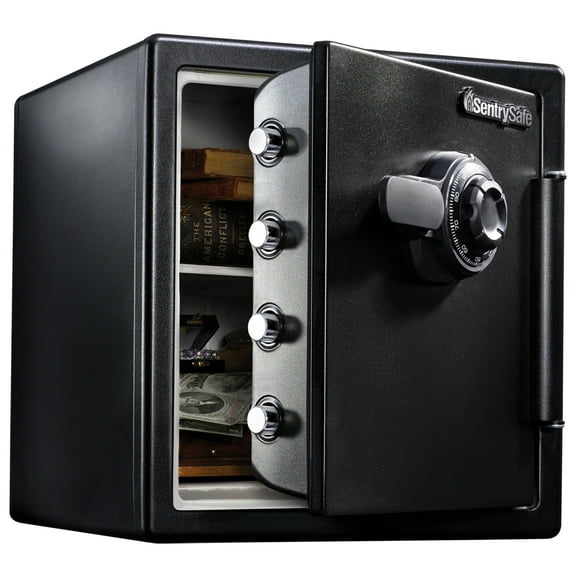
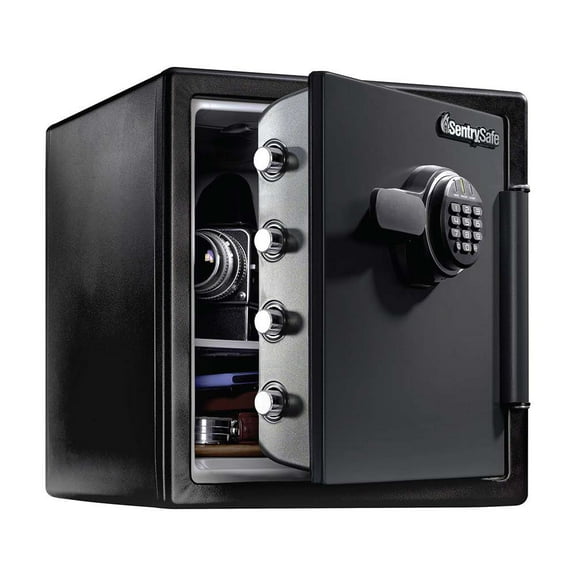
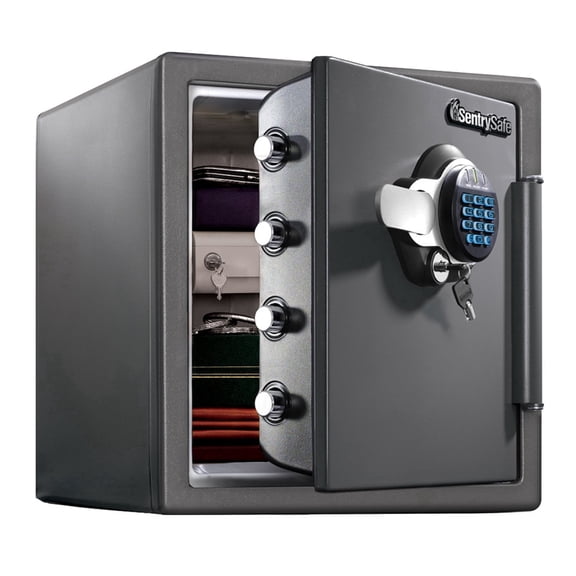
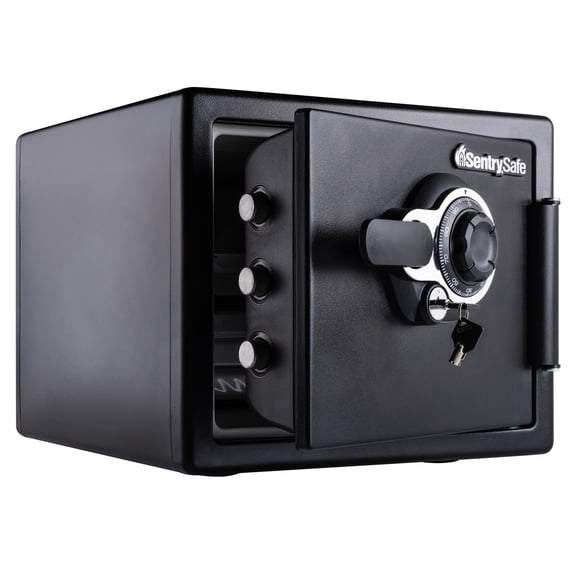
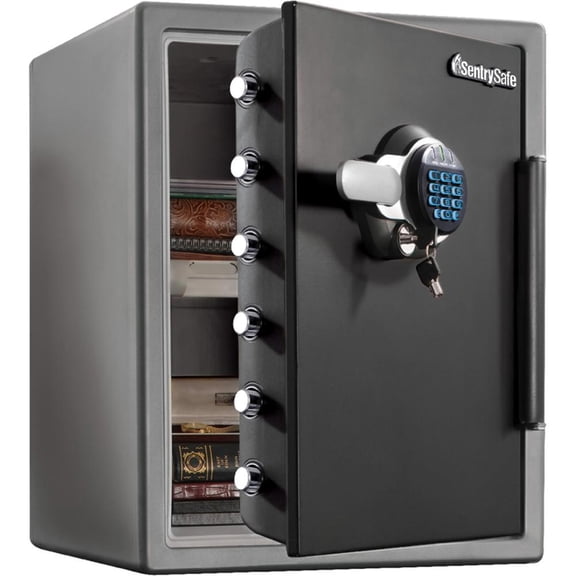
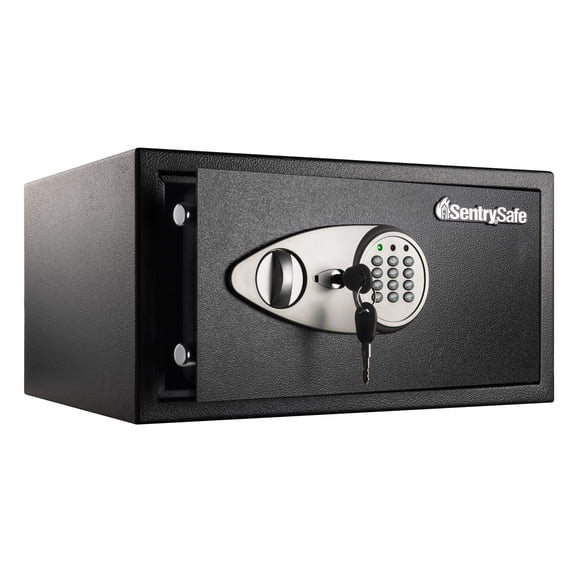
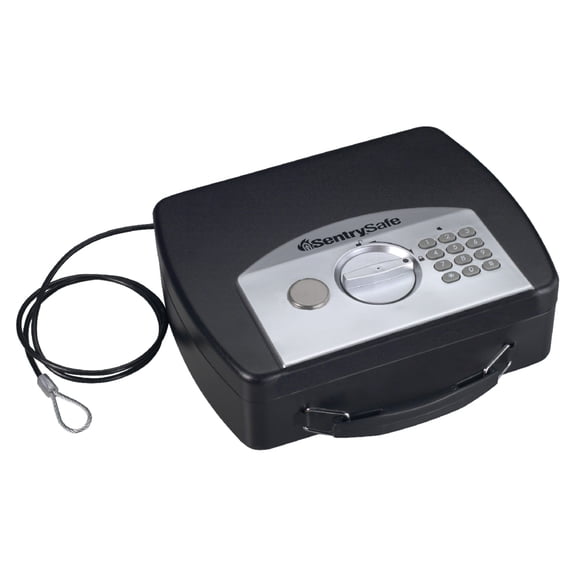
You can choose digital keypad, combination dial, dual key, or biometric fingerprint entry based on how you prefer to open your safe. Each option changes how quickly your safe opens and how you manage shared access.
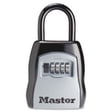
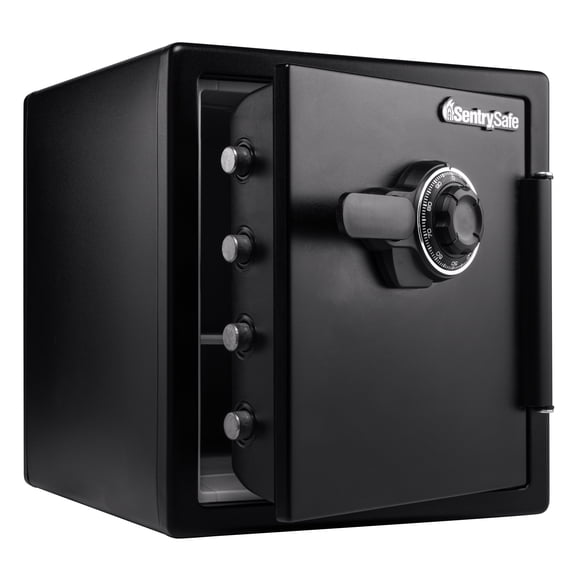
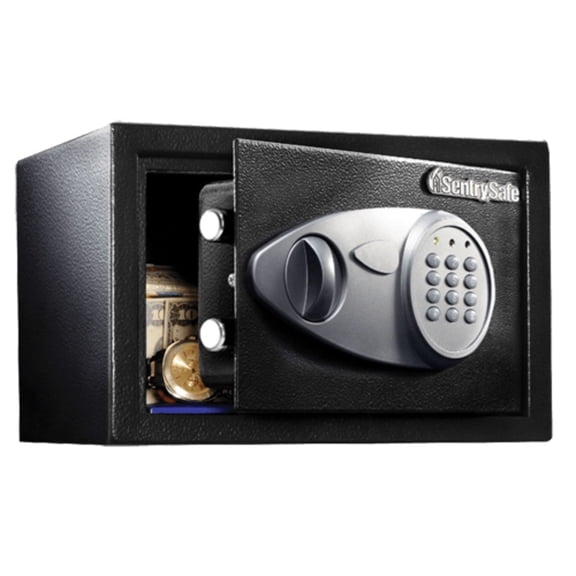
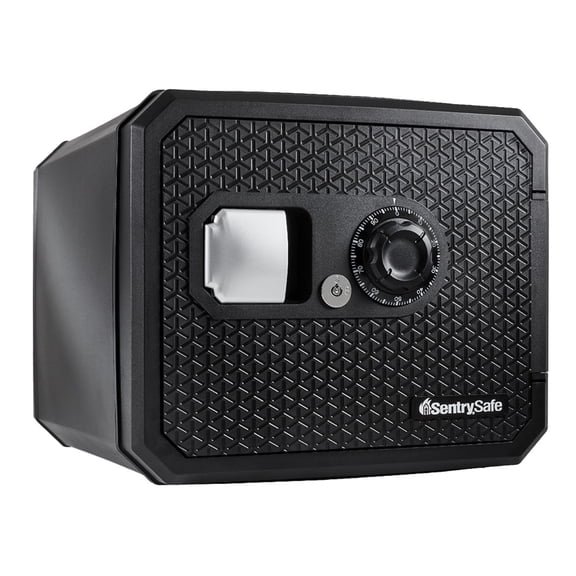
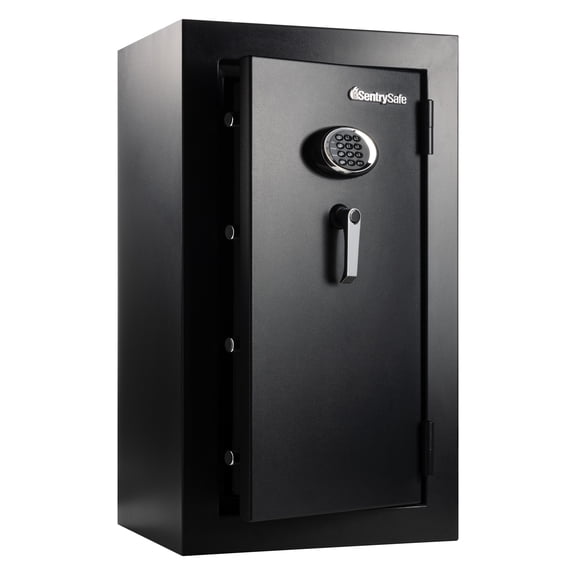
If you want familiar manual entry, you may prefer a combination dial that doesn't rely on batteries. If you want quick code entry, you might choose a digital keypad and check for a physical override key.
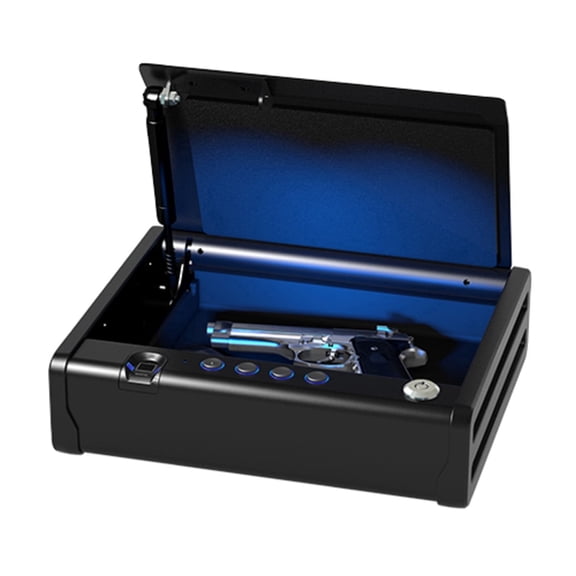
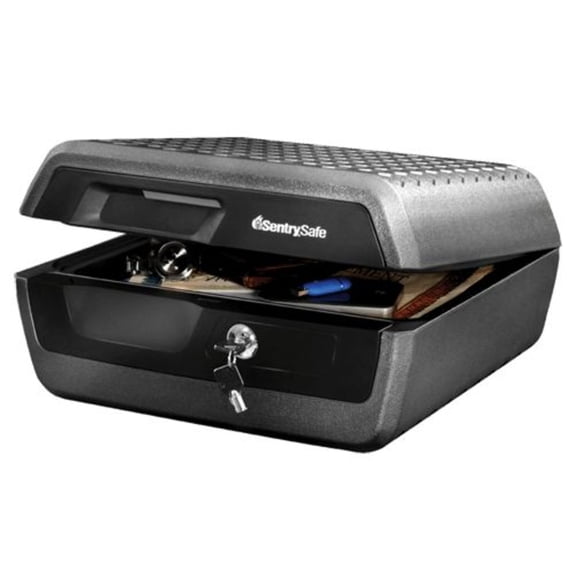
Biometric fingerprint access can work well when you want fast opening without remembering a code. Dual key styles can suit simpler setups when you want straightforward access for a smaller security box.
You should also consider who will use the safe and how often they need access. Your lock choice affects daily convenience, backup planning, and how easily you can manage owner routines.
Matching size and capacity to what you store
You should compare interior capacity with outer dimensions before you choose a small chest, medium security box, or large home safe. Your room may fit the exterior, but your folders or binders still need the right interior shape.
If you want standard letter or A4 documents to lie flat, you should measure before you decide. That step helps you avoid a tight fit when you store deeds, certificates, or tax folders.
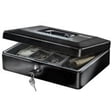
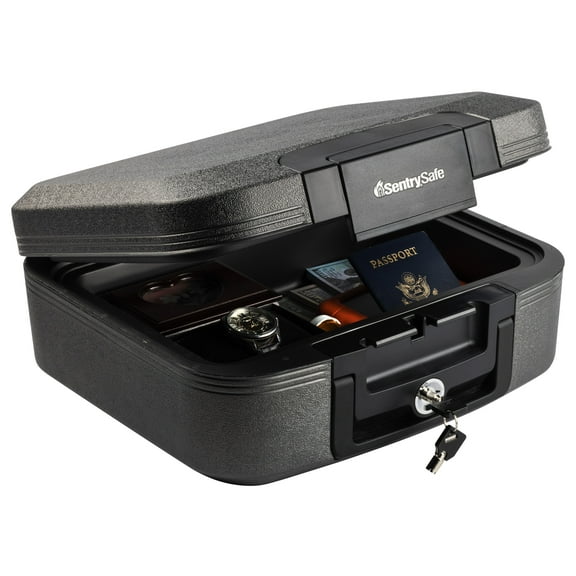
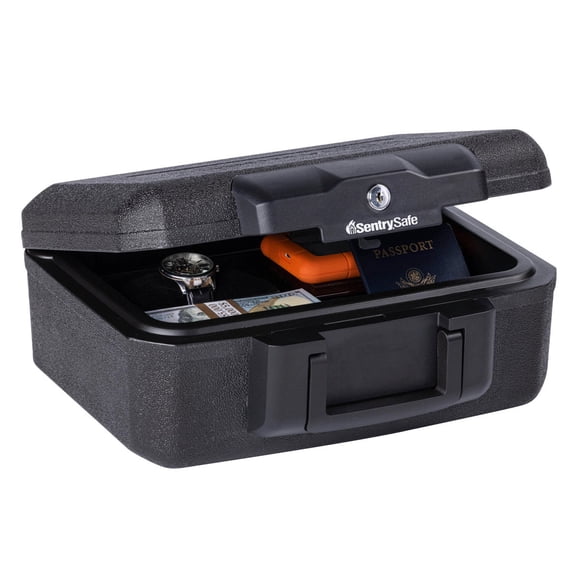
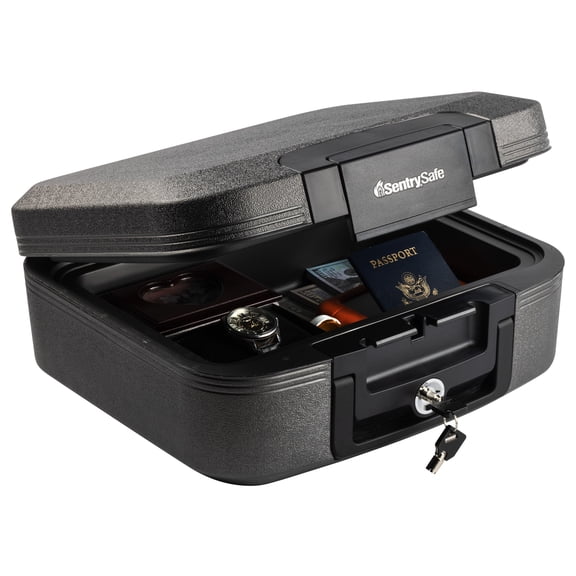
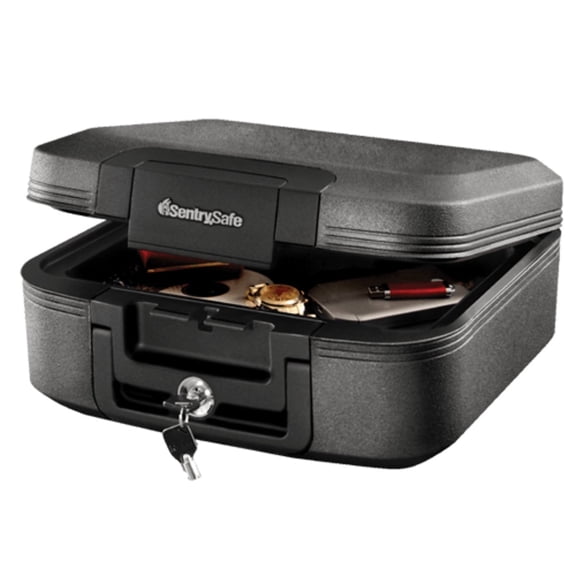
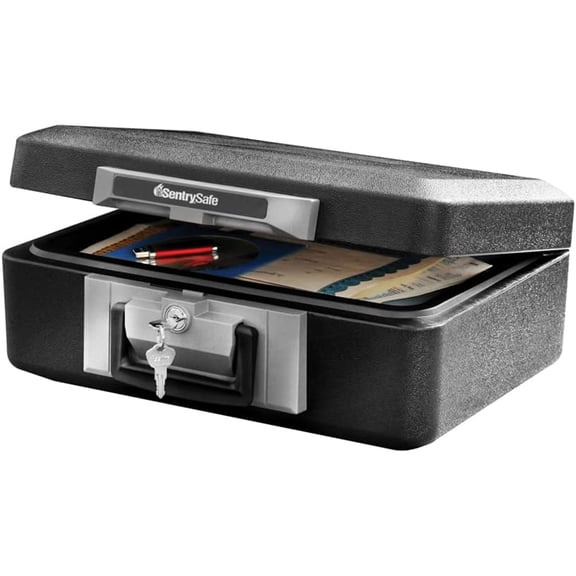
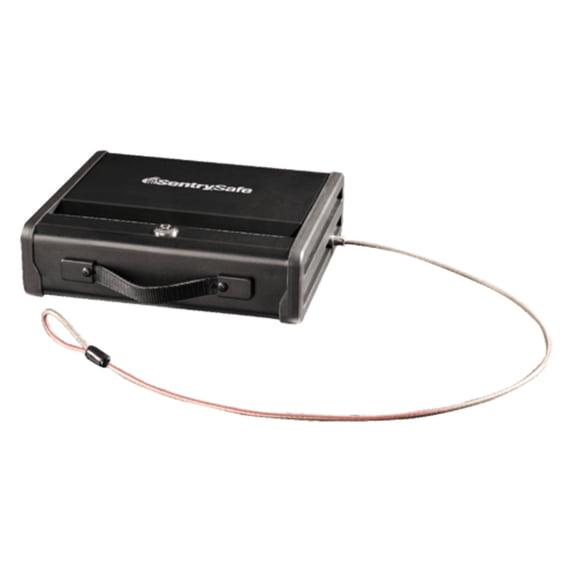
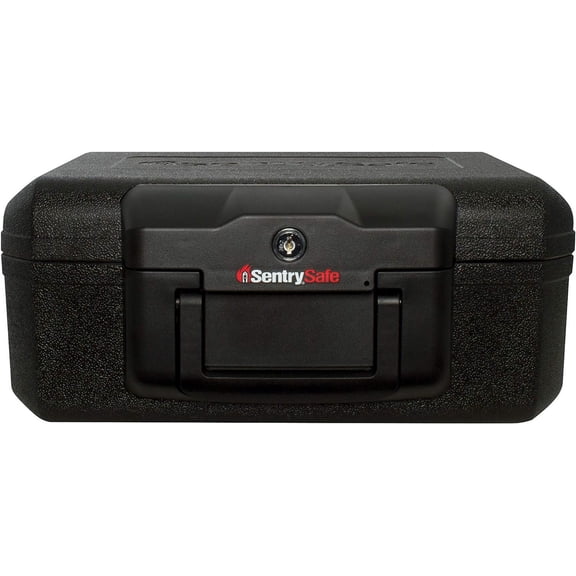
A small chest can work when you need compact storage for passports, jewelry, cash, or backup drives. A medium security box may suit mixed storage, while a large home safe can support broader document organization.
You should think about shelf layout, door swing, and the surface where the unit will sit. Your setup matters when you need easy access in a closet, office, bedroom, or shared family space.
What to look for in theft deterrence features
You may want to compare weight, bolt-down hardware, and pry-resistant hinge bars when security is a major concern. Those details matter when you need a stable setup that stays in place during everyday use.
If you plan to install a larger unit, you should check whether bolt-down hardware is included or supported. That feature can help you create a more fixed placement in a home office, bedroom, or utility area.
Pry-resistant hinge bars can be another decision point when you compare fire and waterproof safe box for home options. You should pair those features with a size and lock style that matches your actual routine.
Use cases for documents, media, and household valuables
You can use a small chest for birth certificates, passports, emergency cash, and USB drives that need organized storage. That format works well when you want quick placement on a shelf or in a closet.
A medium security box can fit households that keep property records, insurance papers, and external hard drives together. You may like this size when you need daily access without giving up document protection.
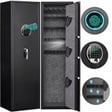
A large home safe can make sense when you manage multiple folders, family records, and layered storage needs. You should consider this option when you want broader capacity and a more permanent location.
If your priority is document protection, you should focus on interior dimensions and flat paper storage first. If your priority is digital media storage, you should confirm the listed protection details and compartment layout.
You may also keep accessory needs in mind, including replacement keys or parts for existing units. That way, you can keep your main safe search focused while still planning for long-term ownership needs.
With SentrySafe, you can compare meaningful protection ratings, practical lock options, and sizes that fit real household storage needs. That guidance helps you choose a safe that supports your documents, media, and valuables with clearer confidence.