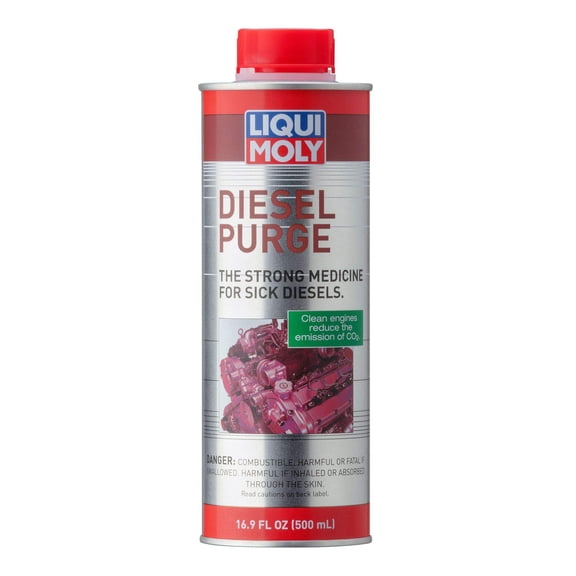
Rvs Technology(6)
RVS Technology T6A Automatic and Manual transmission Treatment. For transmissions with an oil capacity up to 6 qt $69.95

RVS Technology T6A Automatic and Manual transmission Treatment. For transmissions with an oil capacity up to 6 qt
RVS Technology G8 Engine Treatment. For Gasoline Engines with an Oil Capacity up to 9 quarts. Restore and Protect Your Engine, Save Fuel, Increase Power. Safe for All Engines. $79.95

RVS Technology G8 Engine Treatment. For Gasoline Engines with an Oil Capacity up to 9 quarts. Restore and Protect Your Engine, Save Fuel, Increase Power. Safe for All Engines.
RVS Technology P2 Power Steering Treatment. For Power Steering Units with an Oil Capacity up to 2 quarts. Restores Metal Surfaces in Your Power Steering Units, Safe for All Power Steering Pumps. $29.95

RVS Technology P2 Power Steering Treatment. For Power Steering Units with an Oil Capacity up to 2 quarts. Restores Metal Surfaces in Your Power Steering Units, Safe for All Power Steering Pumps.
RVS Technology G6 Engine Treatment. For Gasoline Engines with an Oil Capacity up to 6 quarts. Restore and Protect Your Engine, Save Fuel, Increase Power. Safe for All Engines. $59.95

RVS Technology G6 Engine Treatment. For Gasoline Engines with an Oil Capacity up to 6 quarts. Restore and Protect Your Engine, Save Fuel, Increase Power. Safe for All Engines.
RVS Technology G4 engine treatment for gasoline engines with an oil capacity up to 4 quarts. Restore and protect your engine $39.95

RVS Technology G4 engine treatment for gasoline engines with an oil capacity up to 4 quarts. Restore and protect your engine
RVS Technology D8 Engine Treatment. For Diesel Engines with an Oil Capacity up to 9 quarts. Restore and Protect Your Engine, Save Fuel, Increase Power. Safe for All Engines. $99.95

RVS Technology D8 Engine Treatment. For Diesel Engines with an Oil Capacity up to 9 quarts. Restore and Protect Your Engine, Save Fuel, Increase Power. Safe for All Engines.
FAQ
How do I pick the right RVS engine treatment?
Choosing the best engine treatment depends on your vehicle's engine oil capacity and type. Start by checking your owner's manual or under the hood for the oil capacity in quarts. For example:
- If you have a gasoline engine with up to 4 quarts, look for treatments designed for that size.
- Bigger gasoline engines may need a product made for 6 or 9 quarts.
- Diesel engines require a formula specified for diesel and an appropriate oil volume.
For other mechanical parts, like power steering or transmissions, select a treatment that matches their oil capacity and type. Always follow the instructions on the package for best results.
Can I use engine treatment in older cars?
Yes, many engine treatments are formulated for use in both new and older vehicles. These products can help address some common signs of engine wear by restoring metal surfaces and supporting smoother operation. However, it's important to confirm your engine's oil capacity and type to select the right treatment. Always review the directions included with the product and make sure your car's maintenance schedule is up to date for optimal performance. If you're unsure, consider checking with a trusted automotive professional before starting a new treatment.
How do I apply engine treatment correctly?
Applying an engine treatment usually involves adding it to your engine oil. Here’s a general approach:
- Warm up the engine by running it briefly.
- Turn off the engine and carefully add the treatment to the oil filler cap.
- Follow the specific amount instructions for your oil capacity.
- Run the engine at idle to help the treatment circulate.
Be sure to read the instructions on your product packaging for any extra steps or special timing. Remember, safety first: let your engine cool down as needed and avoid overfilling your oil.
Will engine treatment affect my next oil change?
Engine treatments are typically designed to work during a regular oil cycle. After using a treatment, you can change your oil as you normally would, following your vehicle's service schedule. Used treatments are removed with the old oil. If you're planning to use another dose, wait until your new oil is added and engine is ready. For best practices, always reference the product guidelines and your vehicle manual. If you have any concerns, ask your local service shop for advice specific to your car model.
Are engine treatments safe for all engine types?
Most engine treatments specify which engine types they're compatible with, such as gasoline or diesel engines, and detail the suitable oil capacity. Always double-check the label to make sure it's correct for your vehicle. These treatments are generally safe when used as directed but should only be used as intended—for example, a product for power steering units shouldn't be used in an engine or transmission. To avoid issues, never mix products not designed for your specific system, and always read the product instructions carefully.
Popular in Brand Engine Treatments for Oil Change and Protection
Related Products
RSC Chemical Solutions Gunk Transmedic Treatment Automatic Transmission Fluid, 12 oz
 RSC Chemical Solutions Gunk Transmedic Treatment Automatic Transmission Fluid, 12 oz$13.60current price $13.60
Lucas Oil Transmission Fix 24 Oz. — Residential Use, Standard Application
 Lucas Oil Transmission Fix 24 Oz. — Residential Use, Standard Application$27.99current price $27.99
gunk m2732 one each, 32 oz. power steering fluid
 gunk m2732 one each, 32 oz. power steering fluid$16.11current price $16.11
BlueDEF Peak Platinum Diesel Exhaust Fluid, 2.5 Gallon DEG002
 BlueDEF Peak Platinum Diesel Exhaust Fluid, 2.5 Gallon DEG002$35.45current price $35.45
Lucas Oil Products 10930-24 Octane Booster, 126 fl. oz, 1 Pack
 Lucas Oil Products 10930-24 Octane Booster, 126 fl. oz, 1 Pack$117.95current price $117.95
Hot Shot's Secret Industrial Grade Transmission Fluid Additive Stiction Eliminator, 1 QT
 Hot Shot's Secret Industrial Grade Transmission Fluid Additive Stiction Eliminator, 1 QT$34.62current price $34.62
Lucas Octane Booster 10930 Performance Enhancer Automotive Additive, 5.25 oz
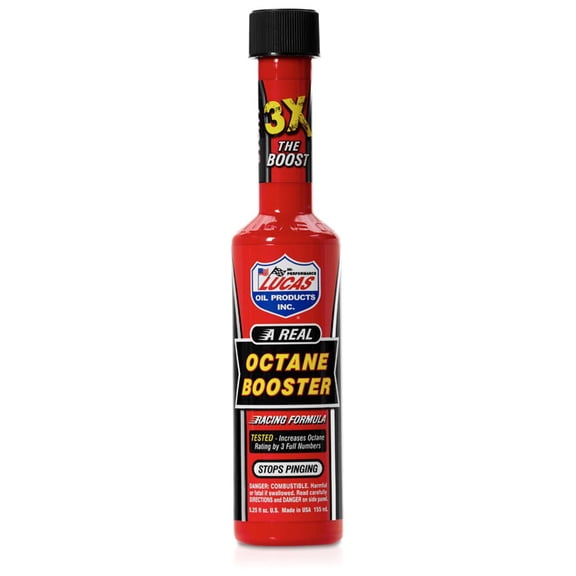 Lucas Octane Booster 10930 Performance Enhancer Automotive Additive, 5.25 oz$17.32current price $17.32
REDLINE OIL 60123 CASE/12 SI-1 Injector & Valve Detergent Case/12-15oz
 REDLINE OIL 60123 CASE/12 SI-1 Injector & Valve Detergent Case/12-15oz$215.88current price $215.88
Sea Foam 16 Ounce TT-16 Trans Tune Transmission Additive-16 oz
 Sea Foam 16 Ounce TT-16 Trans Tune Transmission Additive-16 oz$23.58current price $23.58
Lucas Sure Start Premium 50% Ether Starting Fluid 10.7 Ounce
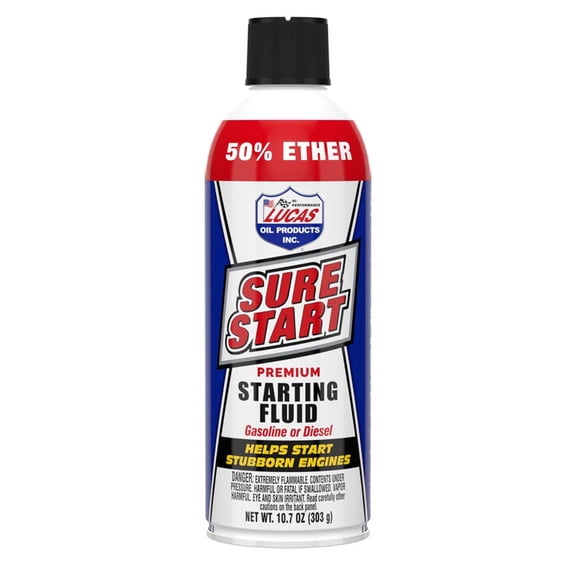 Lucas Sure Start Premium 50% Ether Starting Fluid 10.7 Ounce$16.27current price $16.27
Motor Medic Universal Power Steering Fluid with Stop Leak - 12 oz
 Motor Medic Universal Power Steering Fluid with Stop Leak - 12 oz$12.60current price $12.60
Liqui Moly 2002 Super Diesel Additive - 300 ml
 Liqui Moly 2002 Super Diesel Additive - 300 ml$22.00current price $22.00
Liqui Moly 20234 Fuel Performance Enhancers Automotive Additive Can, 8.4 Fl oz
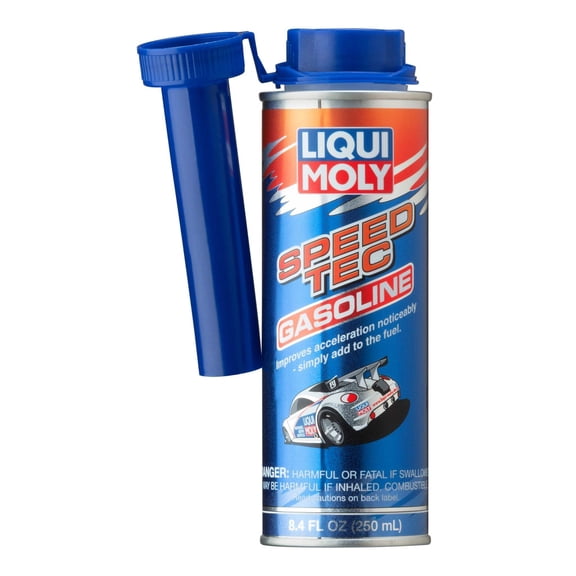 Liqui Moly 20234 Fuel Performance Enhancers Automotive Additive Can, 8.4 Fl oz$18.87current price $18.87
Crc Industries 11Oz Starting Fluid With Lubricity
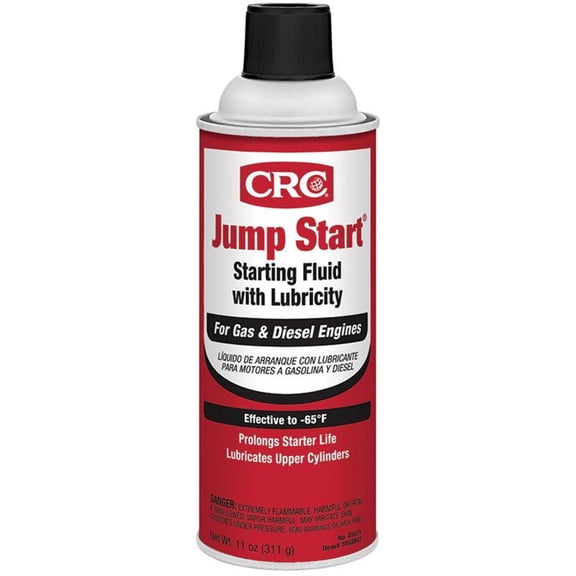 Crc Industries 11Oz Starting Fluid With Lubricity$15.99current price $15.99