

Ospho(4)
Skybryte GAL Ospho Rust Treatment, 1-Gallon
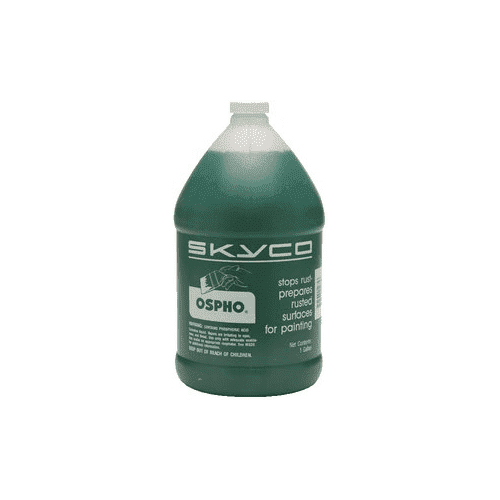
Skybryte GAL Ospho Rust Treatment, 1-Gallon
Best seller, Skyco Ospho 605 Metal Rust Prevention Treatment 1 Quart
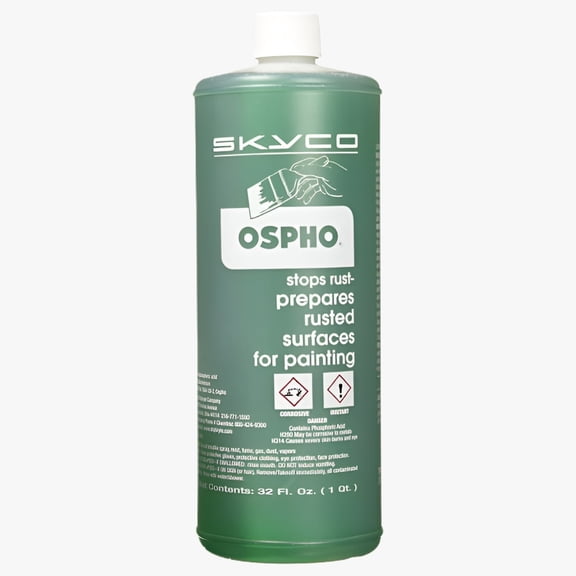
Skyco Ospho 605 Metal Rust Prevention Treatment 1 Quart
Ospho OSPHOG; Ospho Metal Treatment Gallon Made by Ospho- 2 Count

Ospho OSPHOG; Ospho Metal Treatment Gallon Made by Ospho- 2 Count
Rust Remover for Metal Surface Cleaner Ospho Rust for Metal Car Rust Remover Iron Remover Wheel Cleaner Multi Use Outdoor Cleaner 4 Fl Oz 1 Pack $11.88
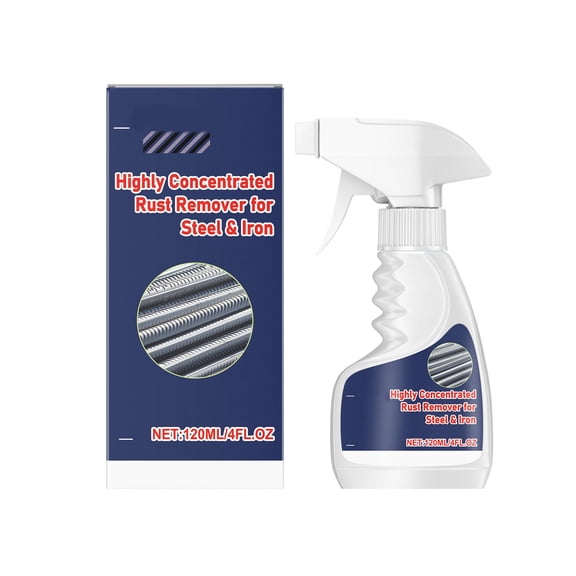
Rust Remover for Metal Surface Cleaner Ospho Rust for Metal Car Rust Remover Iron Remover Wheel Cleaner Multi Use Outdoor Cleaner 4 Fl Oz 1 Pack
FAQ
How should I handle rinsing after this rust treatment?
Rinsing and cleanup can vary by product and surface condition. For the best results, follow the timing and cleanup directions on the label.
- If rinsing is recommended: Use clean water, avoid forcing water into seams, and let the surface dry completely before coating.
- If it’s a leave-on treatment: Allow it to dry as directed and remove any loose, powdery residue with a dry cloth or light scuffing.
- Keep coats thin and avoid puddling; excess material can leave residue that affects adhesion.
Work in a ventilated area and use appropriate protective gear. A small test spot can help you confirm the right rinse and drying approach for your project. Results can vary based on application and conditions.
How does this rust treatment work on rust?
Rust treatments are generally formulated to interact with iron oxide and help create a more stable surface for primers and paints.
- They can help convert or neutralize existing rust, which may reduce active corrosion when properly topcoated.
- They don’t replace prep—remove loose scale, flaking paint, oils, and salts first for better results.
- After treatment and full drying, applying a compatible primer and topcoat can support long-term protection.
Actual performance depends on rust severity, preparation quality, and exposure. For specific chemistry and usage details, check the product’s label and guidance. Results may vary by application and conditions.
When can I paint over treated metal?
Timing depends on the product and environment, so use the dry and recoat windows on the label as your guide.
- Wait until the surface is fully dry, uniform in appearance, and not tacky to the touch.
- If a light, chalky film appears, gently wipe or lightly scuff and remove dust before priming.
- Use a compatible primer and topcoat recommended by the directions, and test a small area first.
- Apply coatings in suitable temperature and humidity, avoiding condensation or damp conditions.
These steps can help support good adhesion, but outcomes will depend on preparation and the coating system you choose.
How long does the treatment protection typically last?
Service life varies because corrosion protection is influenced by preparation, coating choices, and exposure.
- Without a sealing primer/topcoat, treated metal may need more frequent maintenance—especially outdoors or in coastal, wet, or high-salt environments.
- With thorough prep and compatible coatings, maintenance intervals can often be extended.
- Film thickness, edges, fasteners, and seams are common weak points—inspect them regularly and address damage quickly.
Plan routine checks, clean off contaminants, and repair chips promptly. Following the product’s directions and matching coatings to your environment can help maintain protection, though longevity will vary by use and conditions.
What prep is needed before applying this treatment?
Good surface prep helps the treatment perform as intended.
- Remove loose rust, mill scale, and flaking paint with appropriate mechanical methods for your project.
- Degrease to eliminate oils, road grime, and salts; rinse and let the surface dry.
- Mask nearby areas you don’t want treated and protect surrounding finishes.
- Stir and apply the product as directed, keeping coats thin and even and avoiding puddles.
Work within the temperature and ventilation guidance on the label. A small test spot can help you dial in dwell time and confirm compatibility before treating the full surface. Results will vary based on prep quality and conditions.
Popular in Shop Brand Products for Rust Prevention
Related Products
General Finishes, EXTERIOR 450 STAINS, Natural Base, Quart
 General Finishes, EXTERIOR 450 STAINS, Natural Base, Quart$44.95current price $44.95
ZAR Oil Based Interior Finish - 1 Quart - Satin - Translucent White
 ZAR Oil Based Interior Finish - 1 Quart - Satin - Translucent White$41.59current price $41.59
ZAR Oil Based Interior Finish - 1 Gallon - Satin - Translucent White
 ZAR Oil Based Interior Finish - 1 Gallon - Satin - Translucent White$107.12current price $107.12
1 qt General Finishes QPGY Perfect Gray Milk Paint Interior/Exterior Paint, Flat
 1 qt General Finishes QPGY Perfect Gray Milk Paint Interior/Exterior Paint, Flat$46.00current price $46.00
ZAR Oil Based Interior Finish - 1 Quart - Semi-Gloss - Translucent White
 ZAR Oil Based Interior Finish - 1 Quart - Semi-Gloss - Translucent White$38.06current price $38.06
True Value 253878 1 qt. Neutral Base Acrylic Polyurethane Cabinet Door & Trim Paint, Stain Finish
 True Value 253878 1 qt. Neutral Base Acrylic Polyurethane Cabinet Door & Trim Paint, Stain Finish$35.30current price $35.30
Exterior Paint, Flat, Water Base, Black, 1 gal 9612-01
 Exterior Paint, Flat, Water Base, Black, 1 gal 9612-01$67.73current price $67.73
qt UGL 51812 Exotic Redwood Zar Interior Oil-Based Wood Stain
 qt UGL 51812 Exotic Redwood Zar Interior Oil-Based Wood Stain$30.71current price $30.71
1 qt Daly’s 15040 Clear SeaFin Natural Wood Finish Teak Oil
 1 qt Daly’s 15040 Clear SeaFin Natural Wood Finish Teak Oil$44.68current price $44.68
200010 Kilz 2 Water-Based Sealer-Primer-Stain Blocker Gallon
 200010 Kilz 2 Water-Based Sealer-Primer-Stain Blocker Gallon$38.91current price $38.91
Deft® Interior/Exterior Water Based Acrylic Polyurethane, Gloss
 Deft® Interior/Exterior Water Based Acrylic Polyurethane, Gloss$50.55current price $50.55
Wolman 222952 5 gal Raincoat One Coat Transparent Stain, Cedar
 Wolman 222952 5 gal Raincoat One Coat Transparent Stain, Cedar$178.97current price $178.97
