Korad Technology(3)
KORAD KD3005D - Precision Variable Adjustable 30V, 5A DC Linear Power Supply Digital Regulated Lab Grade $109.99

KORAD KD3005D - Precision Variable Adjustable 30V, 5A DC Linear Power Supply Digital Regulated Lab Grade
KORAD KD3005P - Programmable Precision Variable Adjustable 30V, 5A DC Linear Power Supply Digital Regulated Lab Grade $143.99

KORAD KD3005P - Programmable Precision Variable Adjustable 30V, 5A DC Linear Power Supply Digital Regulated Lab Grade
KORAD KA6005D -Precision Variable Adjustable 60V, 5A DC Linear Power Supply Digital Regulated Lab Grade $229.99
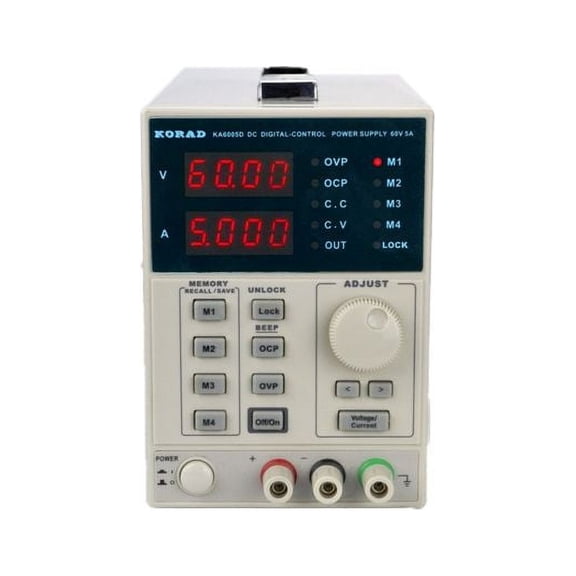
KORAD KA6005D -Precision Variable Adjustable 60V, 5A DC Linear Power Supply Digital Regulated Lab Grade
FAQ
how do you set the voltage on a power supply?
Adjusting the voltage on a variable DC power supply is pretty straightforward. Start by turning the unit on and making sure nothing is connected yet. Use the front panel knob or buttons to set your desired voltage level. Most models have a digital display to help you fine-tune the value. Once you've set the voltage, connect your device and monitor the display for any changes.
- Always double-check connections before powering up your device.
- Refer to the user manual for model-specific features.
This approach helps protect your equipment and get accurate results.
what can you use a lab power supply for?
Lab-grade variable DC power supplies are super handy for a bunch of tasks. They're commonly used in electronics testing, prototyping, and repairs. If you're building circuits, troubleshooting gadgets, or powering devices that need steady voltage, these supplies are ideal.
- Great for powering small motors, LEDs, and sensors.
- Useful in school labs, hobby projects, and professional workshops.
They're versatile tools that help you safely experiment with electronics.
is it safe to leave a power supply on?
Leaving a DC power supply on for extended periods can work in some setups, but it's important to consider safety. Make sure the unit is placed in a well-ventilated area and nothing flammable is nearby. Regularly check for overheating, unusual noises, or signs of wear on cables.
- Turn off the supply when not in use to extend its lifespan.
- Always follow the manufacturer's guidelines for safe operation.
Being cautious helps maintain the device and keep your workspace safe.
how do you connect a device to a power supply?
To connect your device to a DC power supply, start by matching the voltage and current requirements of your device with the supply settings. Use proper cables with secure connectors, and always connect the ground first. Double-check polarity so you don't accidentally damage your equipment.
- Set the voltage and current limits before powering up.
- Inspect cables for any damage before use.
Taking these steps helps ensure a smooth and safe connection.
can you use a power supply for battery charging?
Some variable DC power supplies can be used to charge batteries, but you need to match the voltage and current to the battery's specifications. It's important to monitor the charging process closely and avoid overcharging. Specialized battery chargers often have extra safety features, so consult the battery manufacturer's recommendations before using a lab power supply for charging.
- Adjust settings carefully to avoid damaging the battery.
- Never leave batteries unattended while charging.
Following these guidelines can help you charge safely and effectively.
Popular in Korad Technology
- Extech Power Supply
- DIY Power Supply
- Best Sellers In Lab Power Supplies
- Testing Computer Power Supply
- Power Supply Electrophoresis
- Constant Current Voltage Power
- J1772 Adapters & Connectors
- Computer Power Supplies
- CCS1 Adapters & Connectors
- NACS Adapters & Connectors
- CCS2 Adapters & Connectors
- Type 2 Adapters & Connectors
Related Products
Tekpower TP3005T Digital Variable DC Power Supply with Voltage Lock, 30V 5A, 10 lbs
 Tekpower TP3005T Digital Variable DC Power Supply with Voltage Lock, 30V 5A, 10 lbs$89.99current price $89.99
NICE-POWER DC Power Supply Variable 30V 20A 600W High Power Bench Power Supply with Encoder Knob and Output Switch Adjustable Switching Regulated Power Supply for Repair R-SPS3020
 NICE-POWER DC Power Supply Variable 30V 20A 600W High Power Bench Power Supply with Encoder Knob and Output Switch Adjustable Switching Regulated Power Supply for Repair R-SPS3020$129.99current price $129.99
Jesverty DC Power Supply Variable, 0-32V 0-10A Switching Bench Power Supply with 20W USB & Type-C Quick-Charge, Encoder Corase & Fine Adjustment Knob, Output Switch, 4-Digit LED Display - SPS-3010V
 Jesverty DC Power Supply Variable, 0-32V 0-10A Switching Bench Power Supply with 20W USB & Type-C Quick-Charge, Encoder Corase & Fine Adjustment Knob, Output Switch, 4-Digit LED Display - SPS-3010V$59.99current price $59.99
Lectron CCS to Tesla Adapter - 500A, 500V Tesla Charger Adapter - Compatible with All Tesla Models & CCS-Enabled NACS EVs - DC Fast Charging ONLY - NOT Compatible with Cybertruck (Black)
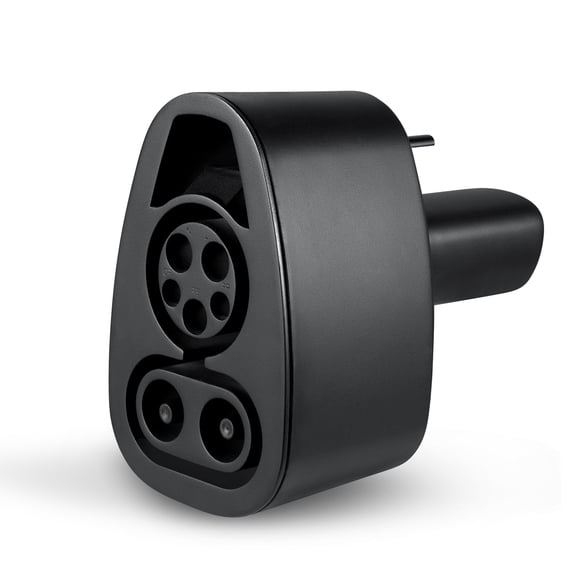 Lectron CCS to Tesla Adapter - 500A, 500V Tesla Charger Adapter - Compatible with All Tesla Models & CCS-Enabled NACS EVs - DC Fast Charging ONLY - NOT Compatible with Cybertruck (Black)$121.99current price $121.99
Raspberry Pi SC1153 Power Adapter Pi5 Official Original 27W Power PD Adapter USB-C 5.1V5A Type-C Interface (White)
 Raspberry Pi SC1153 Power Adapter Pi5 Official Original 27W Power PD Adapter USB-C 5.1V5A Type-C Interface (White)$18.55current price $18.55
SUPNICE 12v 30a Dc Universal Regulated Switching Power Supply 360w for CCTV, Radio, Computer Project
 SUPNICE 12v 30a Dc Universal Regulated Switching Power Supply 360w for CCTV, Radio, Computer Project$24.99current price $24.99
NICE-POWER DC Power Supply Variable 0-30V 0-10A Adjustable Lab Power Supply with 5V/2A USB Port Regulated 9v/12v/15v/24v Benchtop Power Supply SPS3010 110V input
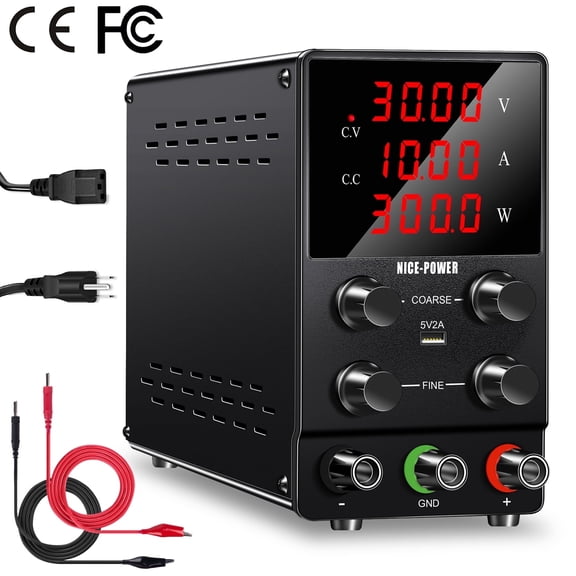 NICE-POWER DC Power Supply Variable 0-30V 0-10A Adjustable Lab Power Supply with 5V/2A USB Port Regulated 9v/12v/15v/24v Benchtop Power Supply SPS3010 110V input$39.59current price $39.59
AC Adapter for Zebra ZQ620 Healthcare Thermal Label Printer Labeler DC Power Supply Charger
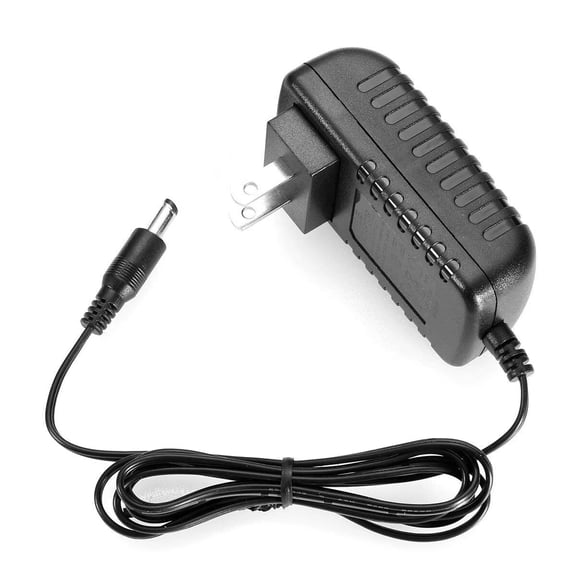 AC Adapter for Zebra ZQ620 Healthcare Thermal Label Printer Labeler DC Power Supply Charger$11.98current price $11.98
KUAIQU 30V 10A DC Power Supply Variable Adjustable Regulated OVP OCP Output Lock Lab Bench SPPS-G3010
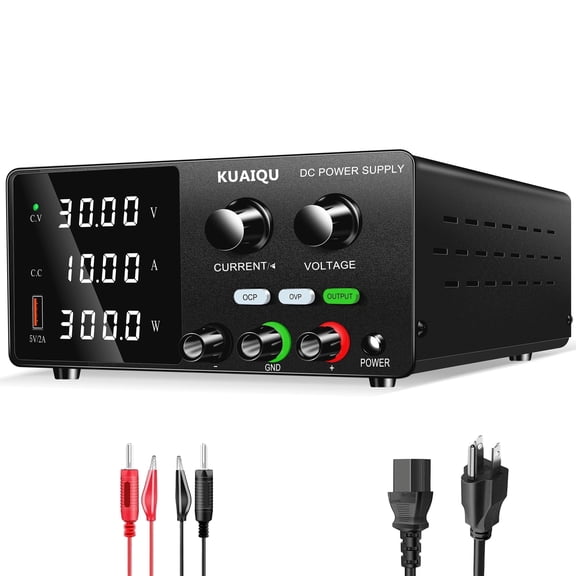 KUAIQU 30V 10A DC Power Supply Variable Adjustable Regulated OVP OCP Output Lock Lab Bench SPPS-G3010$86.12current price $86.12
PKPOWER 24V AC DC Adapter Replacement for ScanNCut 2 CM350 CM350H CM350R 891-Z03 CM-250 CM100DM CM550 CM550DX CM900 CM650 Home Hobby Cutting hine Scanner AD-2436PH1 SA142B-24U 24VDC
 PKPOWER 24V AC DC Adapter Replacement for ScanNCut 2 CM350 CM350H CM350R 891-Z03 CM-250 CM100DM CM550 CM550DX CM900 CM650 Home Hobby Cutting hine Scanner AD-2436PH1 SA142B-24U 24VDC$19.88current price $19.88
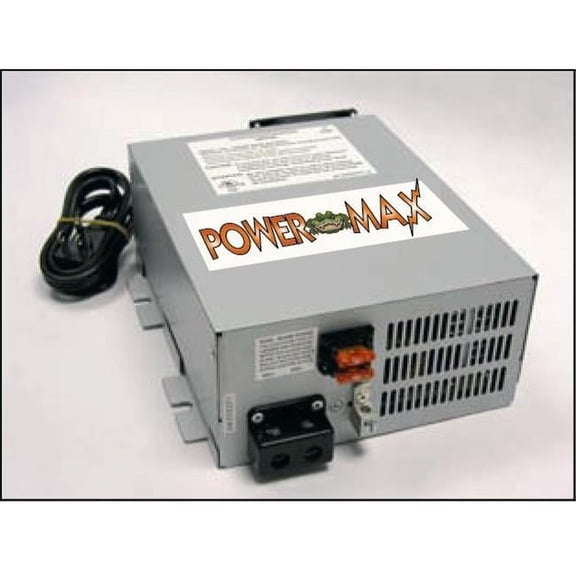
powermax pm3-55 110-120 volt to 12 volt 12v dc 55 amp power supply converter
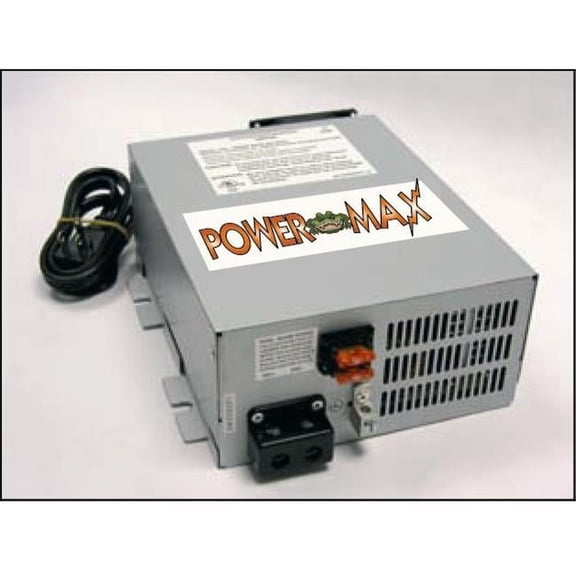 powermax pm3-55 110-120 volt to 12 volt 12v dc 55 amp power supply converter$155.26current price $155.26
Nite Ize INOVA T4R USB AC Power Supply 100v-240v Compatible
 Nite Ize INOVA T4R USB AC Power Supply 100v-240v Compatible$22.76current price $22.76
KUFptva Pack of 10pcs/8pcs Universal Power Adapter Tips Power Conversion Head Compatibility with Most Laptop Brands
 KUFptva Pack of 10pcs/8pcs Universal Power Adapter Tips Power Conversion Head Compatibility with Most Laptop Brands$9.11current price $9.11
12V 3A Replacement AC/DC Adapter Compatible with Calix GigaSpire BLAST u6.1 GS4220E u6.2 GS4227E u6x GS4227 GS4227W WiFi 6 Router Power Supply
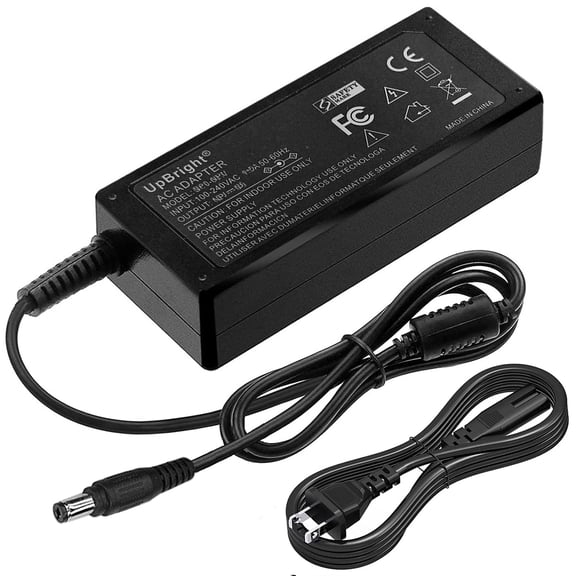 12V 3A Replacement AC/DC Adapter Compatible with Calix GigaSpire BLAST u6.1 GS4220E u6.2 GS4227E u6x GS4227 GS4227W WiFi 6 Router Power Supply$19.85current price $19.85
NICE-POWER Dual DC Power Supply Variable: 30V 10A Adjustable Switching Regulated Series (60V 10A) Parallel (30V 20A) High Precision 5V/2A USB Port Bench Lab Power Supplies
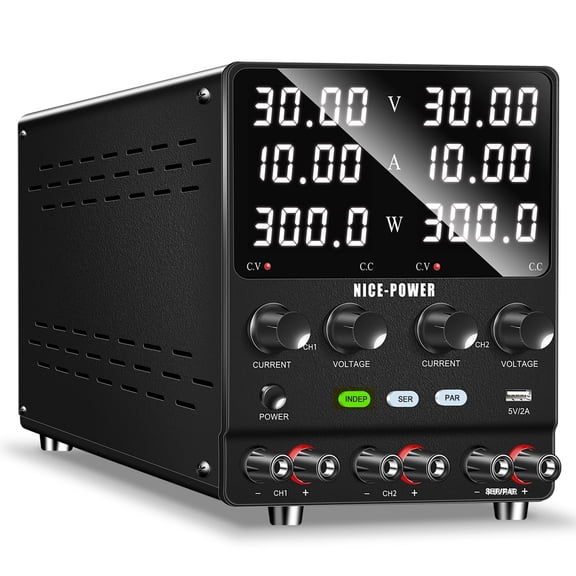 NICE-POWER Dual DC Power Supply Variable: 30V 10A Adjustable Switching Regulated Series (60V 10A) Parallel (30V 20A) High Precision 5V/2A USB Port Bench Lab Power Supplies$189.08current price $189.08