

Dog Training & Obedience in Dogs























About Dog Training & Obedience in Dogs - Walmart.com
Dog training obedience tools help you build clear routines at home, in the yard, and on walks. You can compare clickers, whistles, collars, and treat pouches by training goal, dog age, and daily use.
How to choose dog training obedience supplies
When you choose dog training supplies, you should start with the cue style your dog notices quickly. You may prefer a dog training clicker for short, sharp timing during reward-based lessons.
If you train at longer distances, you may prefer a dog whistle for training during recall drills or field practice. You can also compare treat pouches and target sticks when you want hands-on guidance and quick rewards.
- You can use clickers for precise timing during sit, stay, and leash lessons.
- You can use whistles when your dog works farther from you outdoors.
- You can use treat pouches to keep rewards ready during frequent practice sessions.
- You can use target sticks when you want to guide movement for agility or positioning.
For obedience training for dogs, you should match the tool to the behavior you want to reinforce. You can get steady sessions when your cues stay consistent from one lesson to the next.
Choosing dog obedience training tools by training goal
You should compare tools by the specific routine you’re teaching, not by looks alone. You may want different dog obedience training tools for housebreaking, bark control, agility, or loose-leash walking.
For basic obedience, you can use clickers, treats, and pouches to mark good timing and reward repetition. For agility, you may look for target sticks and lightweight accessories that move easily with you.
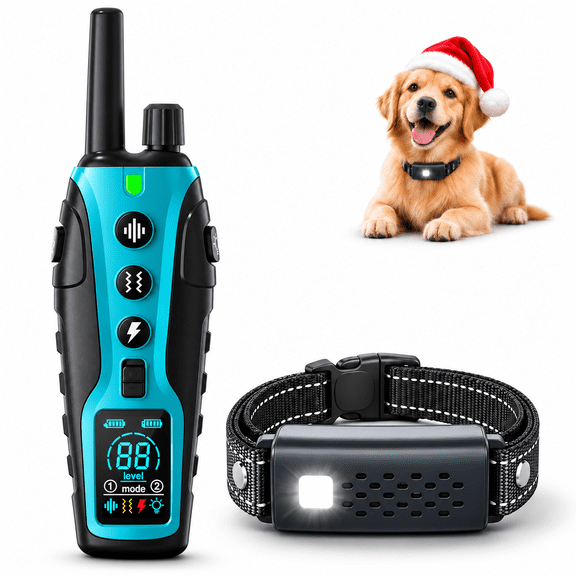
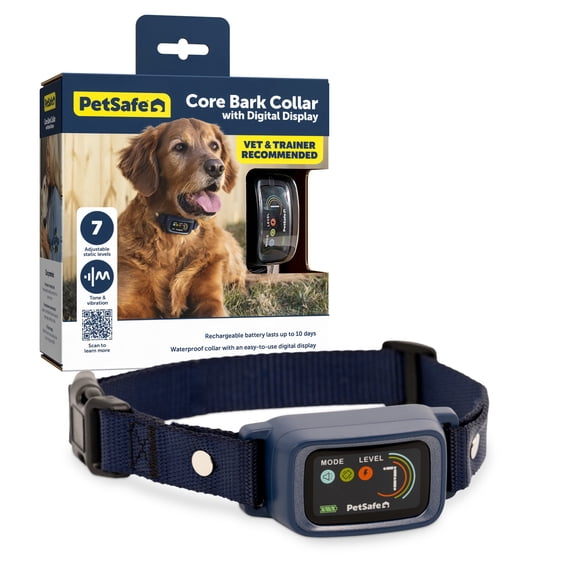
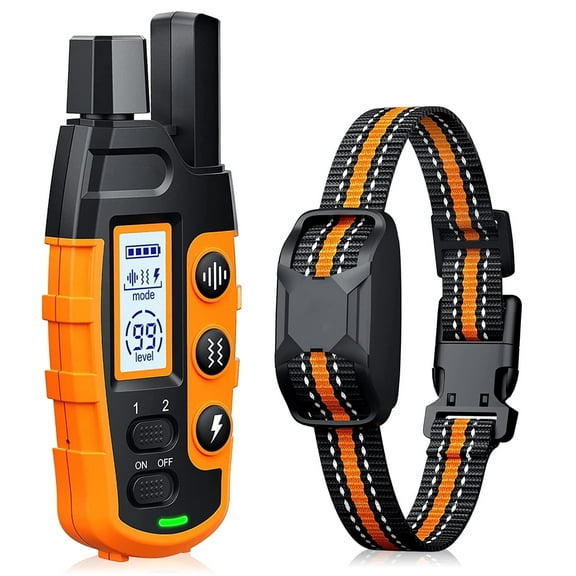
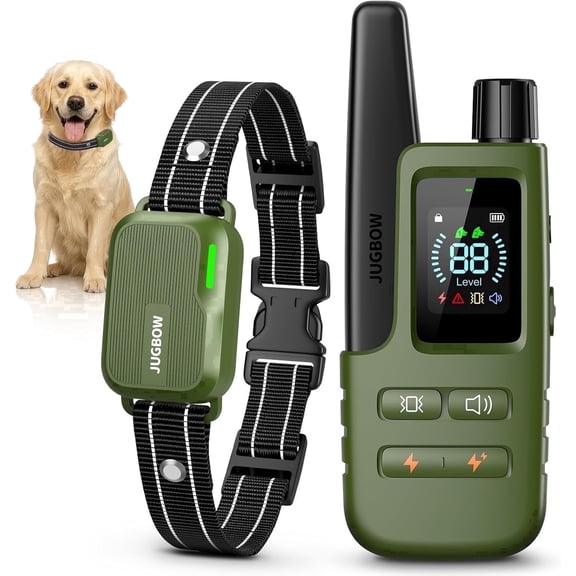
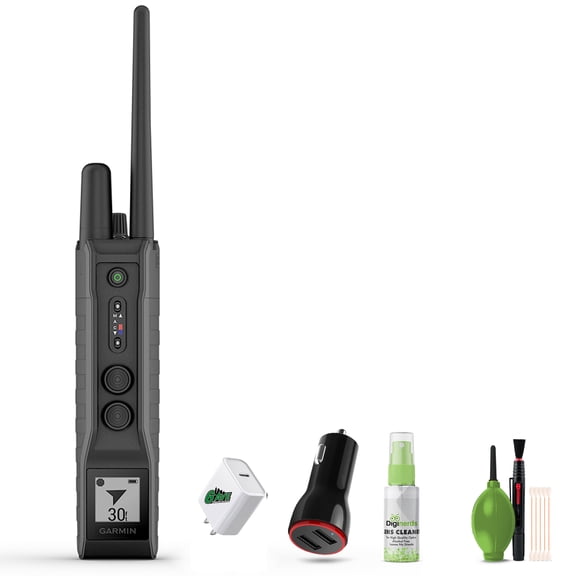
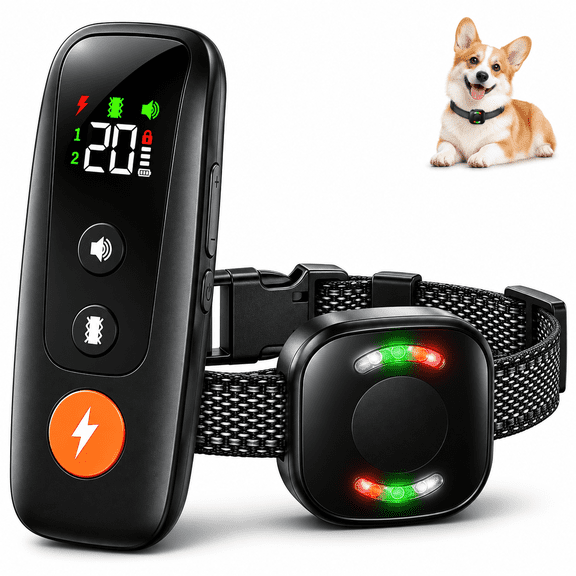
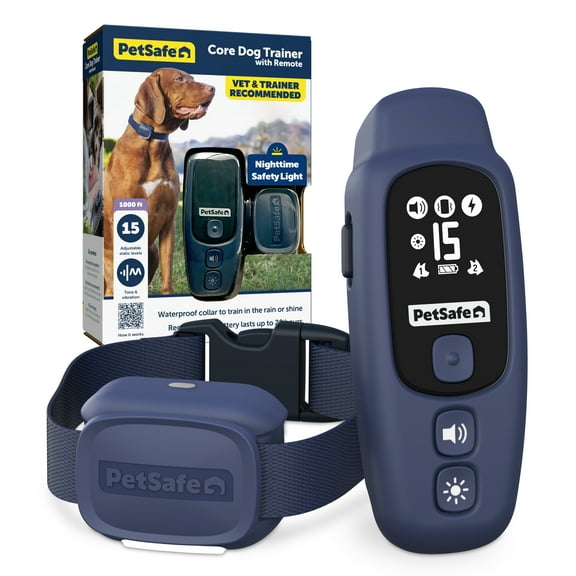
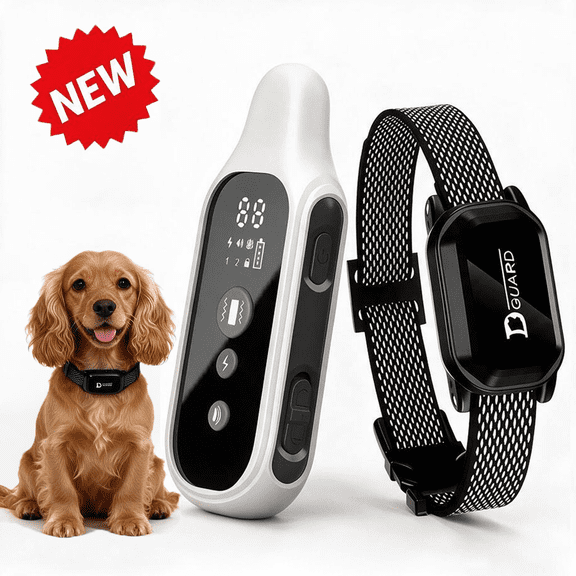
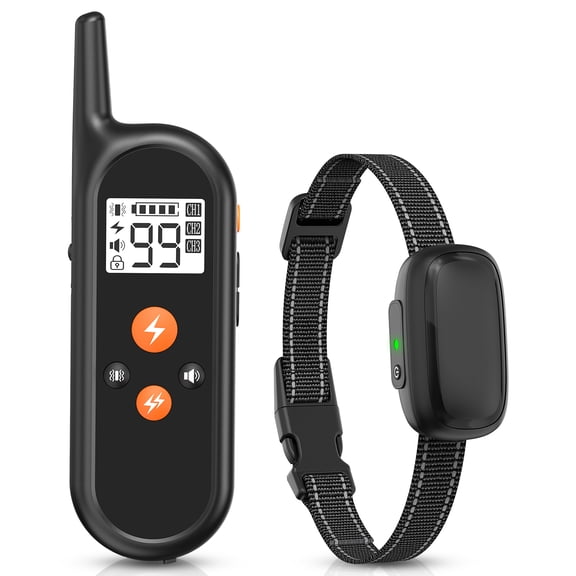
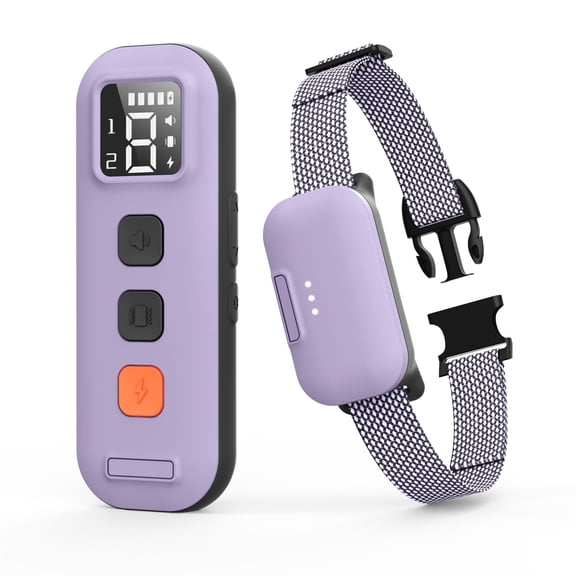
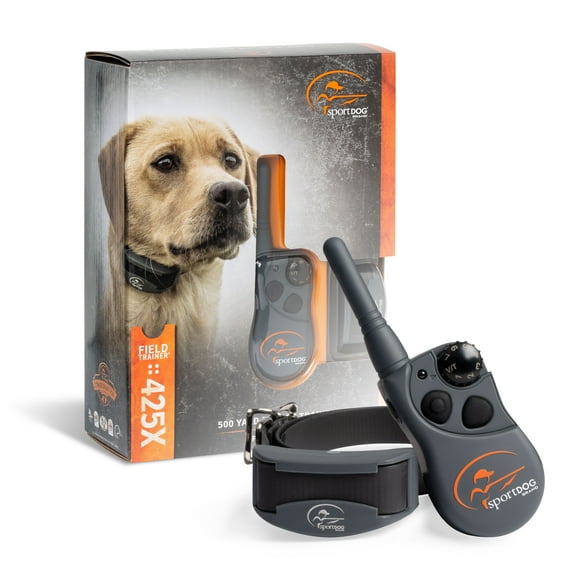
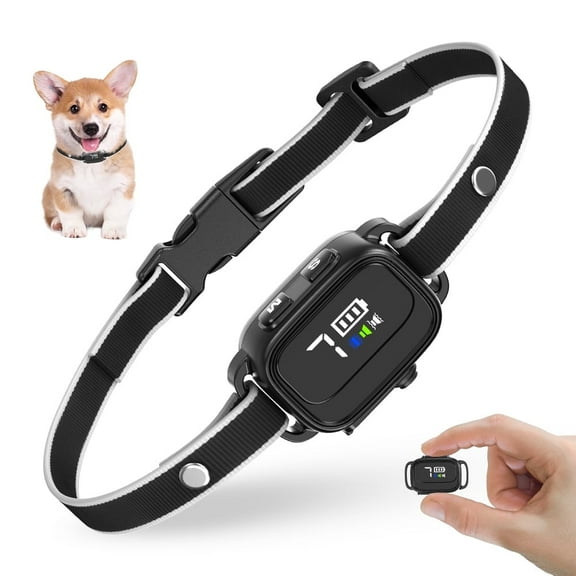
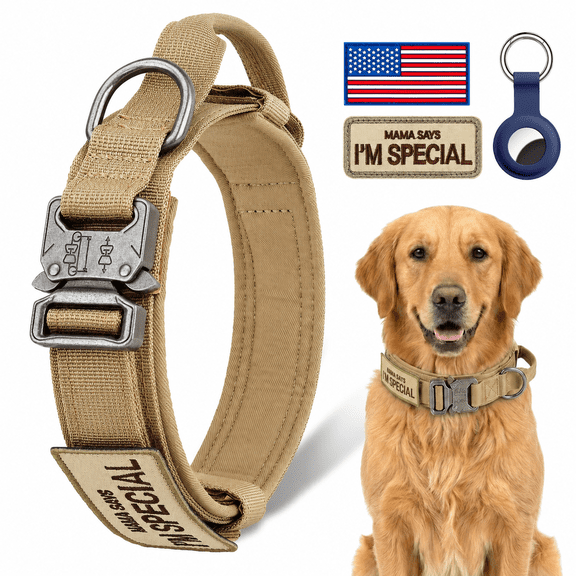
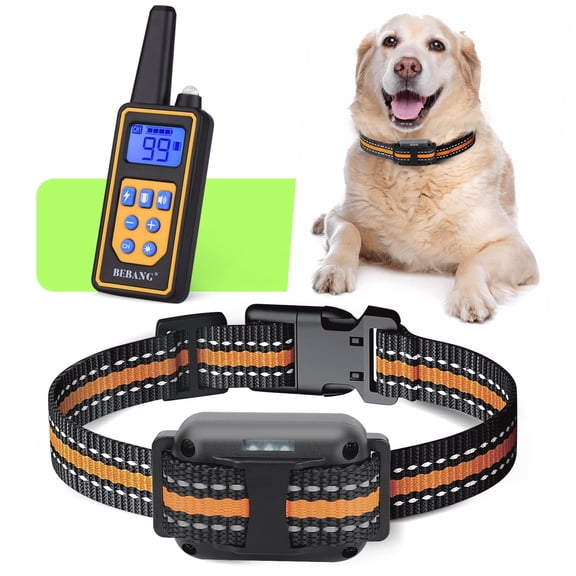
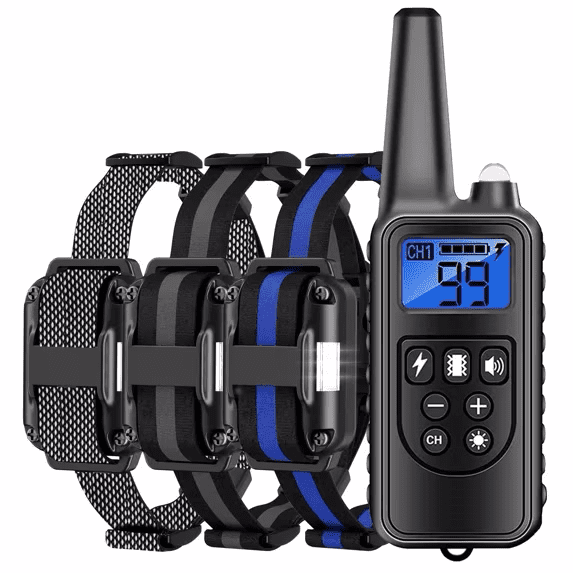
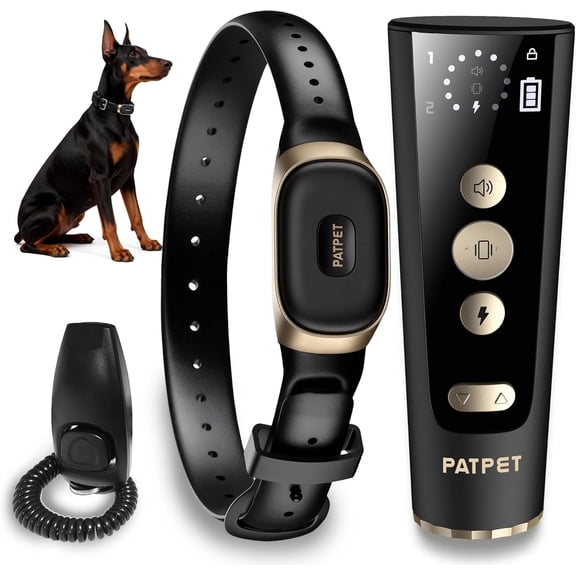
When you’re considering training collars, you should check stimulation levels, range, and waterproof rating before you choose. You should also consider professional guidance if you want help understanding setup and daily use.
If your sessions happen outside, you should compare weatherproof plastic, nylon, stainless steel, and heavy-duty silicone parts. You may notice durable materials hold up well during wet grass, muddy paths, and repeated handling.
Puppy training essentials and life stage choices
When you shop puppy training essentials, you should focus on simple cues and short sessions. You may want lighter accessories that fit smaller bodies and support frequent rewards.
Puppies often learn with repetition, so you should look for tools that feel easy to carry every day. You can keep treats close with a pouch and mark good moments quickly with a clicker.
Adult dogs may need tools that support longer sessions, stronger recall, or more distracting environments. Senior dogs may do well with easy-to-handle accessories that help you keep cues clear and routines steady.
If you’re comparing life stages, you should think about size, attention span, and training history. You can make a confident choice when the tool fits your dog’s age and the lesson length you expect.
Comparing clickers, whistles, collars, and materials
You should compare clicker training and whistle training by distance and sound style. You may like clickers for close practice, while whistles can help you communicate farther away.
Training collars need extra comparison because features change how you use them day to day. You should check range for open spaces, stimulation levels for adjustability, and waterproof ratings for outdoor routines.
Material also matters when you train often or store tools in a bag, pocket, or car. You may find nylon straps stay flexible, while stainless steel parts can feel sturdy during regular outdoor use.
Weatherproof plastic works well when you want lightweight tools for daily drills in changing conditions. Heavy-duty silicone can feel easy to grip, especially when your hands are wet or you train in light rain.
Using dog training obedience tools in real routines
You can use these tools during morning potty trips, evening leash practice, and weekend park sessions. You can build more predictable habits when your reward timing and cues stay the same.
For housebreaking, you can keep treats ready and reward the exact moment your puppy finishes outside. For recall work, you may use a whistle when you need a cue that carries farther across open space.
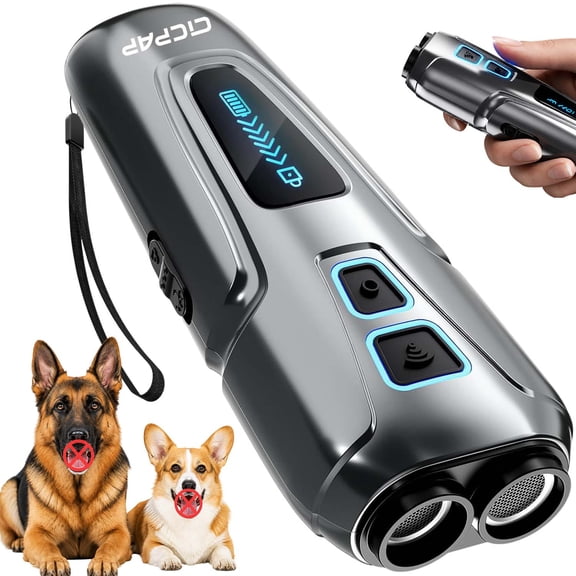
During agility practice, you can guide turns and positions with a target stick and reinforce effort with quick rewards. During bark control training, you should choose tools that match a structured routine and clear timing.
If you’re building a starter kit, you should consider one cue tool, one reward option, and one carry solution. You can cover many beginner lessons with a clicker, a treat pouch, and a collar setup that fits your routine.
When you choose dog training obedience supplies with your goal, dog age, and training space in mind, you create a more useful setup. You can get tools that fit everyday practice and help you keep lessons clear.