



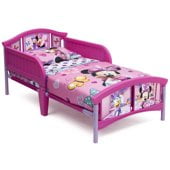
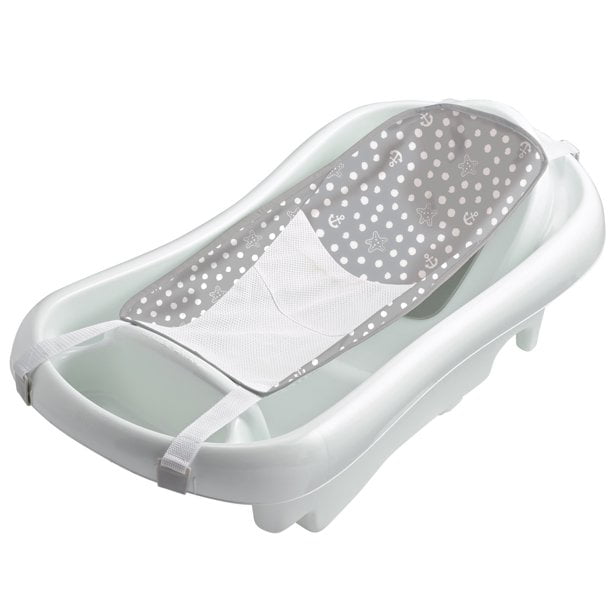



Diapers, Formula, Strollers & More
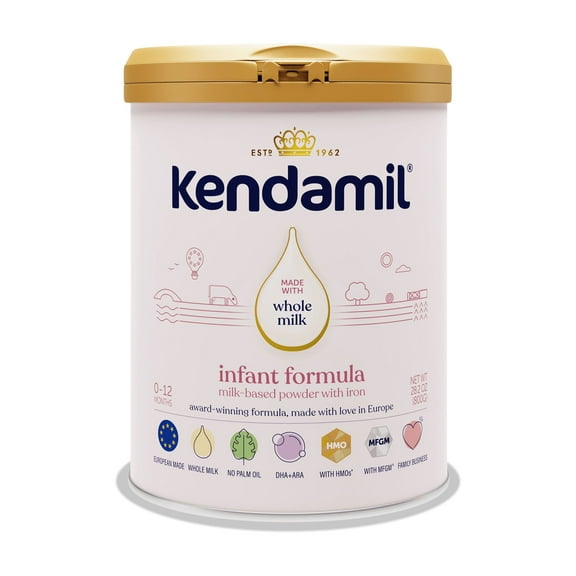










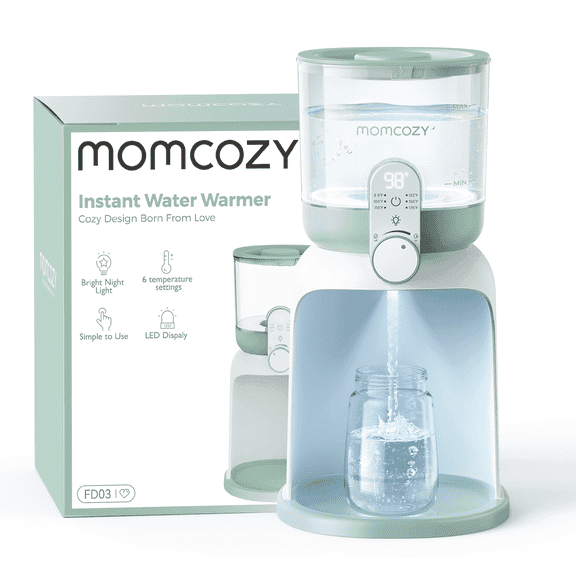





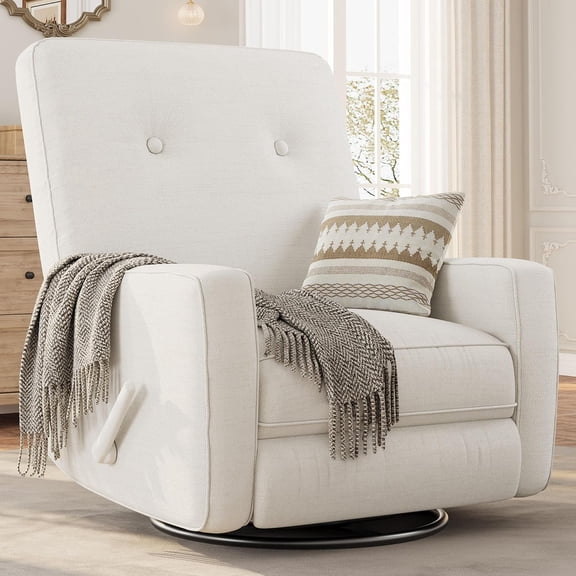








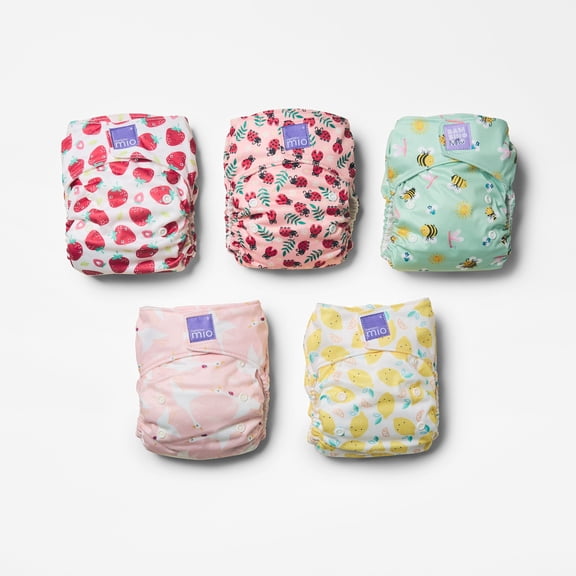


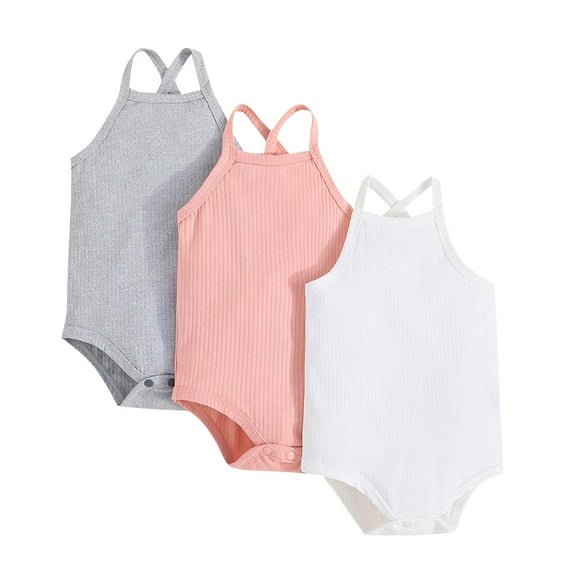


About Diapers, Formula, Strollers & More - Walmart.com
You need baby essentials that support daily care from the first days home through active toddler routines. You can compare baby gear, nursery priorities, and registry planning in one organized place.
When you're preparing for a new arrival, clear choices matter and extra clutter can distract you. You can focus on practical categories that fit your space, your schedule, and your child’s stage.
How to choose baby essentials for your routine
You can start with the categories families use frequently, including feeding, diapering, sleep, and travel. You may also use a baby registry checklist that separates daily needs from occasional extras.
If you're building your setup from scratch, you can focus first on newborn essentials for everyday use. You can compare strollers, car seats, high chairs, and cribs because those choices shape your routine.
- You can organize your nursery when you group sleep, feeding, and diapering items together.
- You can simplify outings when you choose baby travel gear with foldable frames and compact storage.
- You can plan for growth when you compare age ranges from newborn through toddler stages.
- You can narrow options quickly when you check materials, cleaning needs, and safety labels early.
For nursery planning, you may look for baby nursery items that fit small rooms or shared spaces. You can also choose products that work with dressers, changing stations, and compact storage.
Choosing baby gear by product category
You should compare each product category by how often you use it and where you place it. You can usually narrow baby gear choices by function before style.
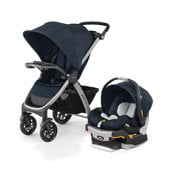
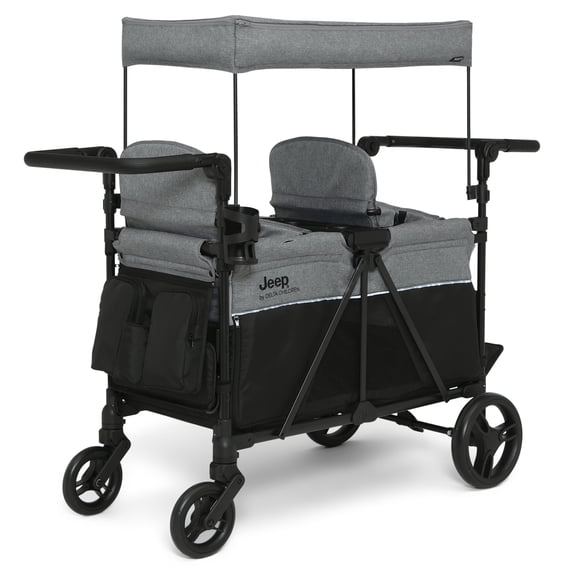
With strollers, you may want lightweight frames for sidewalks, errands, and quick car loading. If you travel often, you may prefer foldable designs that store neatly in trunks or closets.
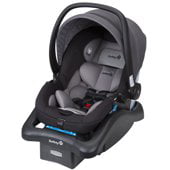
For car seats, you should check crash-testing ratings and fit guidance for your vehicle type. You can also compare infant-only seats with convertible designs if you want extended use.
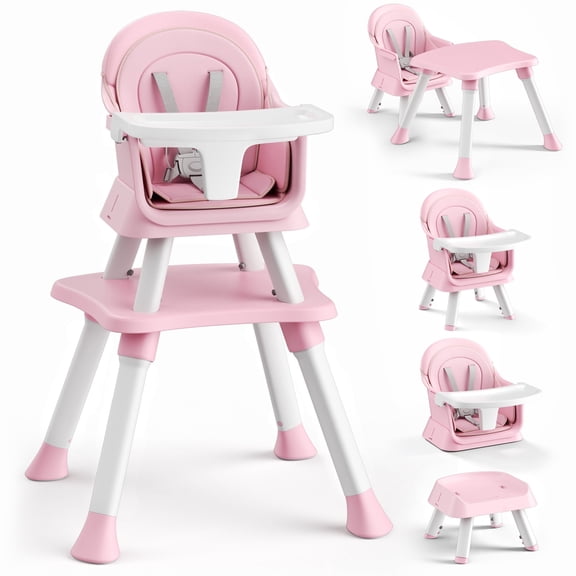
When you review high chairs, you may focus on tray cleanup, seat padding, and footprint size. You can appreciate easy-wipe surfaces and machine washable fabrics during everyday cleanup.
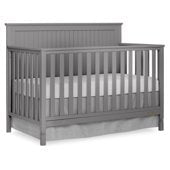
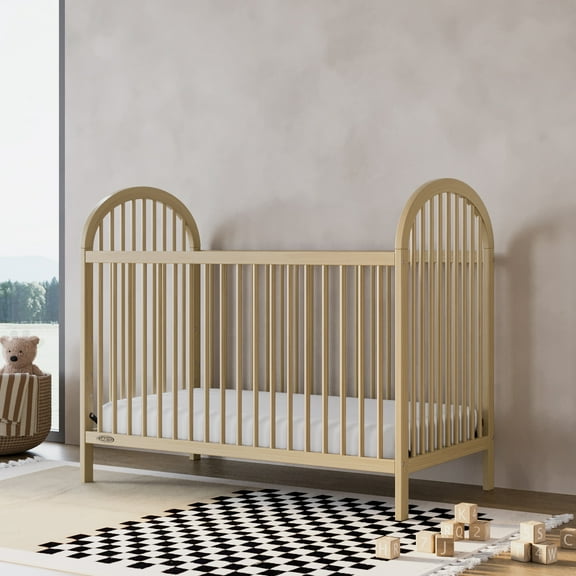
For cribs, you should measure your room before you choose standard or compact sizing. You may also look for designs that coordinate with storage pieces and other baby nursery items.
What to look for in newborn essentials and age range
You should match newborn essentials to your child’s stage, since daily needs change quickly. You can avoid replacing core items too soon when you compare age ranges carefully.
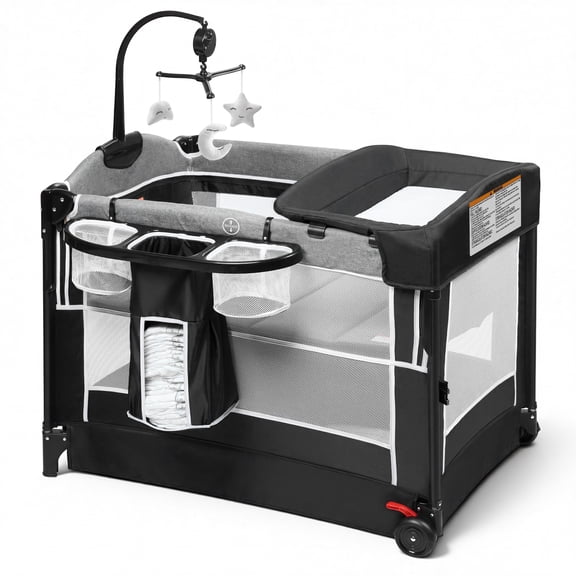
During the newborn stage, you may prioritize sleep spaces, feeding support, swaddles, and diapering basics. You can look for soft fabrics, simple access, and compact gear that fits beside your bed.
For infants, you can shift toward activity items, structured seating, and travel setups for longer outings. You may also want gear that adjusts as your child becomes more alert and mobile.
By the toddler stage, you might look for convertible features that extend everyday use. You can benefit from products with adjustable heights, removable inserts, or roomier seating positions.
If you're building a registry, you can mix immediate-use items with pieces designed for later stages. You can create a more useful baby registry checklist when you balance short-term and longer-term needs.
Choosing portability for home and travel
You should think about where your gear stays before you compare portability features. You can choose differently for apartment living, frequent travel, or mostly at-home use.
If you navigate elevators, sidewalks, or tight trunks, you may prefer lightweight and foldable options. You can notice smooth day-to-day handling when frames lift easily and close in few steps.
For suburban routines, you might choose larger gear with extra storage and a sturdy base. You can choose compact size or added capacity based on your car space and home storage.
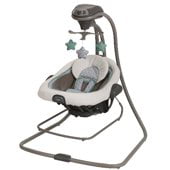
Stationary items can work well when you want a dedicated spot for feeding or sleeping. You may not need compact features if the item stays in one room for daily use.
When you're choosing baby travel gear, you should compare folded dimensions and carry weight together. You can get a clearer picture of portability when both measurements fit your routine.
Checking materials and safety details for baby gear
You should review materials and safety notes early because they can narrow choices quickly. You can compare labels like BPA-free, organic cotton, non-toxic, and JPMA certified with more confidence.
For feeding and seating items, you may look for BPA-free components and smooth surfaces. You can find those details useful when you want simple cleaning and daily care.
With fabrics, you might prefer organic cotton or machine washable covers for repeated use. You can keep routines organized when seat pads, liners, and covers are easy to remove.
For nursery furniture, you should check whether JPMA certified options match your room and setup needs. You may also compare finish details and hardware design when you want a cohesive nursery look.
When safety terms appear technical, you can still use them as practical buying clues. You can look for crash-testing ratings for car seats and certification details for cribs and other infant care products.
Using your checklist with confidence
You can build a useful setup when each item matches your space, travel habits, and child’s stage. You can feel prepared when your checklist covers sleep, feeding, cleanup, and daily movement.
With the right mix of baby essentials, you can create organized routines from the nursery to the car. You can keep daily care focused on what your household actually uses.