

Steam Mops



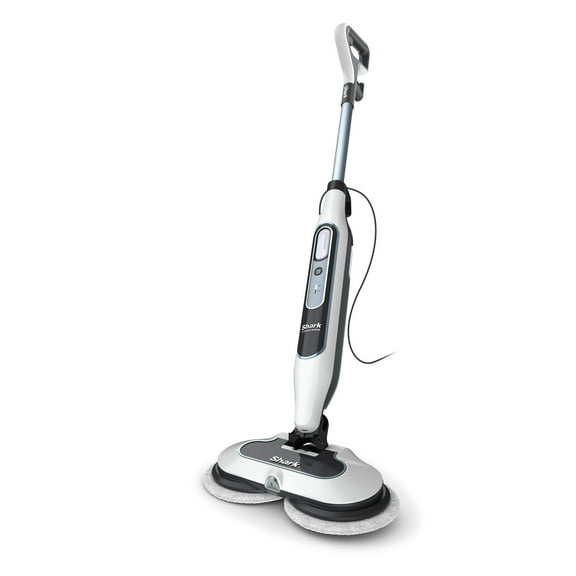
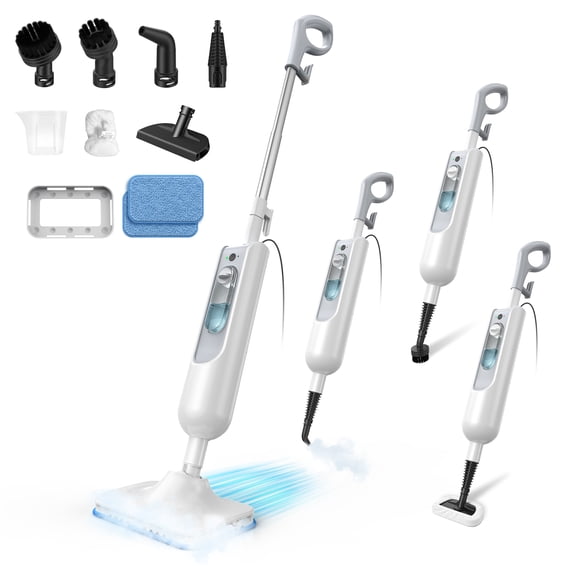
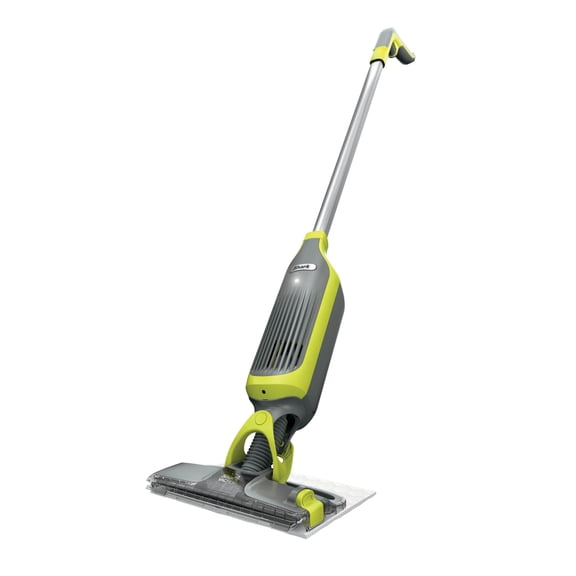


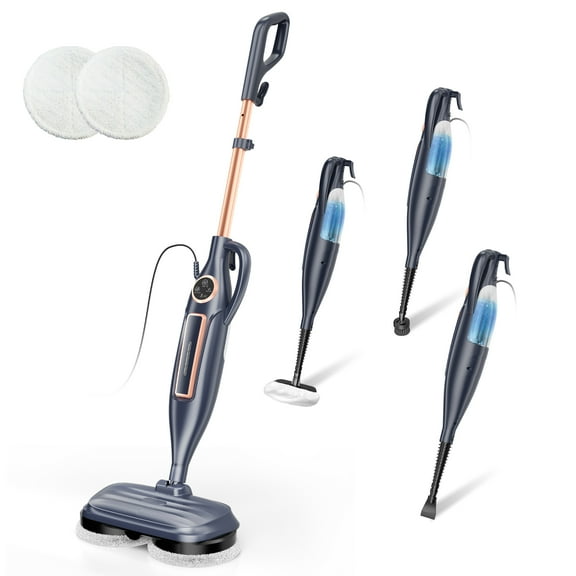











About Steam Mops - Walmart.com
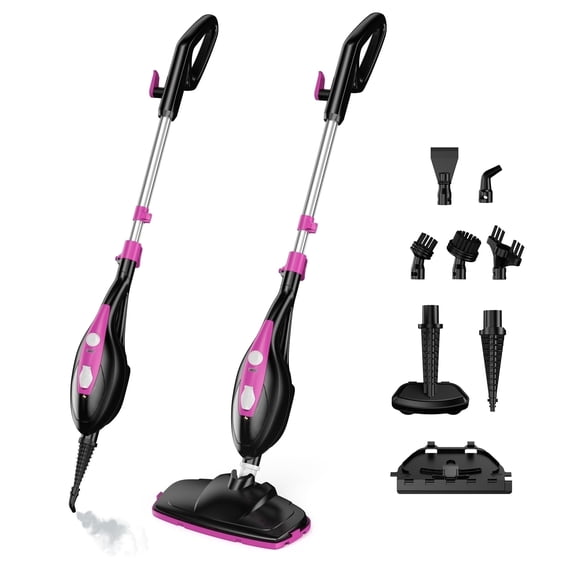
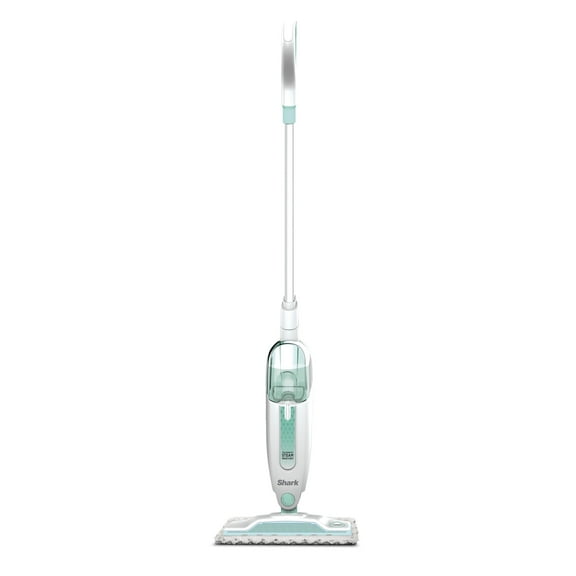
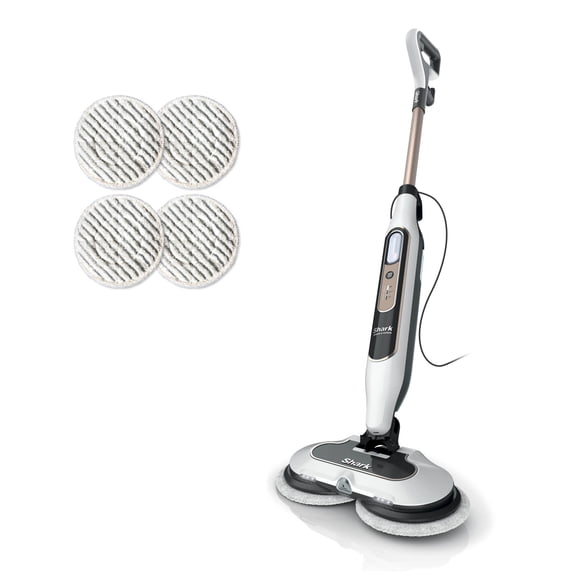
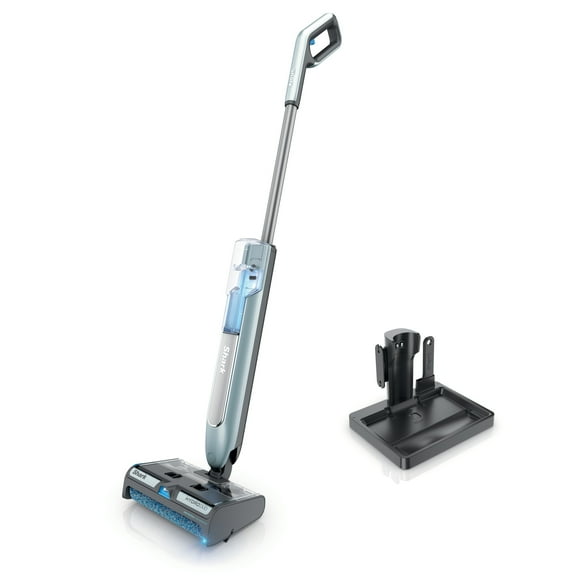
Steam mops help you clean sealed hard floors with hot steam and washable pads. You can compare floor safety, tank size, cord reach, and lift-away designs in one place.
If you want quick refreshes between deeper cleaning days, steam mops fit busy routines well. You’ll also find options made for sealed hardwood, tile, laminate, vinyl, and occasional carpet refreshing.
Choosing steam mops by floor type
When you compare steam mops, you should start with your floor material first. You’ll want settings and pads that match sealed surfaces, because sealed wood and tile need different moisture levels.
For hardwood floor steam mops, you should check whether your wood is sealed before you clean. You’ll usually want controlled steam output, because excess moisture can leave your routine less precise.
If you need a steam mop for tile floors, you may prefer stronger steam and scrubby pad options. You’ll often notice tile and grout benefit from wider cleaning paths and steady steam coverage.
Laminate and vinyl shoppers should look for gentle steam settings and smooth-glide mop heads. You’ll want even steam distribution, because these surfaces respond well to lighter passes.
Some floor steamers include carpet gliders for refreshing low-pile rugs without soaking fibers. You should check the included attachments first, because hard floor cleaning remains the main job here.
Comparing floor steamers by tank size and heat-up time
Water tank capacity shapes how often you stop to refill during cleaning. You’ll usually find small tanks under 10 ounces, medium tanks from 10 to 15 ounces, and large tanks above 15 ounces.
If you clean a bathroom or kitchen at a time, a small tank may suit your routine. You’ll get a lighter feel in hand, which can make quick touch-ups easier.
For several rooms in one pass, medium tanks often balance weight and runtime well. You can keep moving longer without carrying a unit that feels bulky.
Large tanks fit bigger jobs, especially when you clean long hallways or open hard floors. You’ll refill less often, though you may notice a heavier feel as you push.
Heat-up time matters when you want to start cleaning fast after a spill or muddy entryway. You should compare how quickly steam is ready, because a short wait keeps your routine simple.
- You can choose small tanks for lighter handling and quick room refreshes.
- You can choose medium tanks for balanced runtime across several rooms.
- You can choose large tanks for fewer refills on bigger floor plans.
- You should compare heat-up times when you want fast, convenient cleaning.
- You may prefer reusable microfiber pads when you want easy washing between uses.
What to look for in steam cleaners for floors
When you compare steam cleaners for floors, cord length changes how far you can move. You’ll typically see corded models from 15 to 20 feet, extra-long cords over 25 feet, and cordless options.
A standard cord works well when you clean smaller rooms near outlets. You can cover everyday spaces without extra cord management getting in your way.
An extra-long cord helps when you clean larger living areas or connected rooms. You’ll spend less time unplugging and switching outlets as you move around furniture.
If you prefer cordless cleaning, you should check runtime before you choose. You’ll trade outlet freedom for a shorter session, which may suit spot cleaning or apartments.
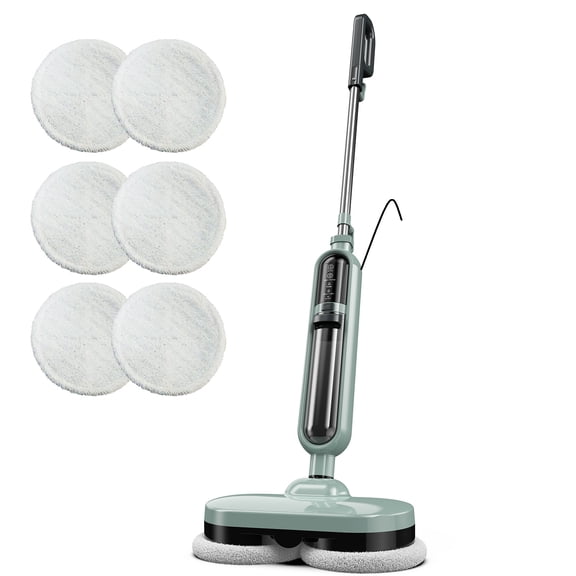
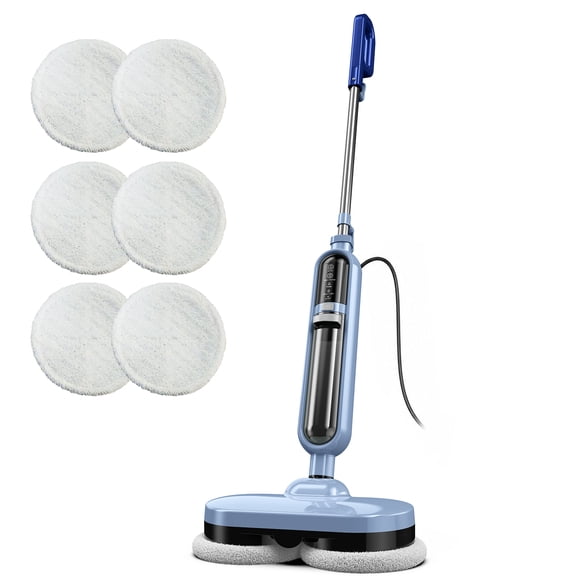
Pad style also matters when you want a routine that feels simple. You can compare reusable microfiber pads and disposable pads based on laundry habits and cleanup preferences.
Reusable microfiber pads work well if you want a washable option for repeated use. You’ll often like how they pick up everyday dust and footprints on sealed hard floors.
Disposable pads can feel convenient when you want a quick cleanup with less laundry. You should confirm compatibility first, because not every model uses the same pad format.
Choosing form factor for grout, corners, and everyday floors
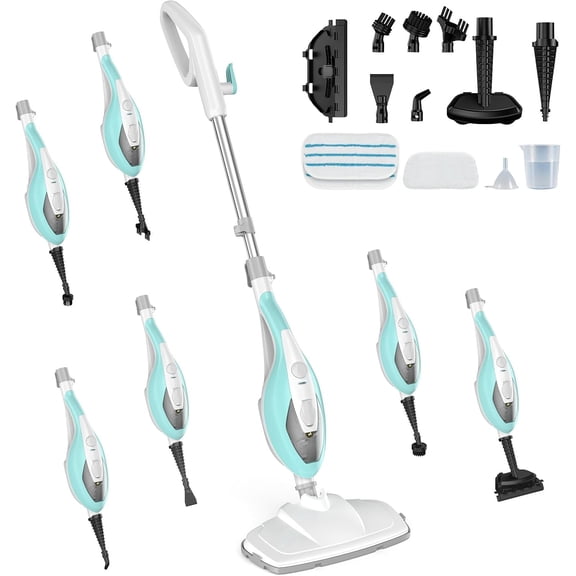
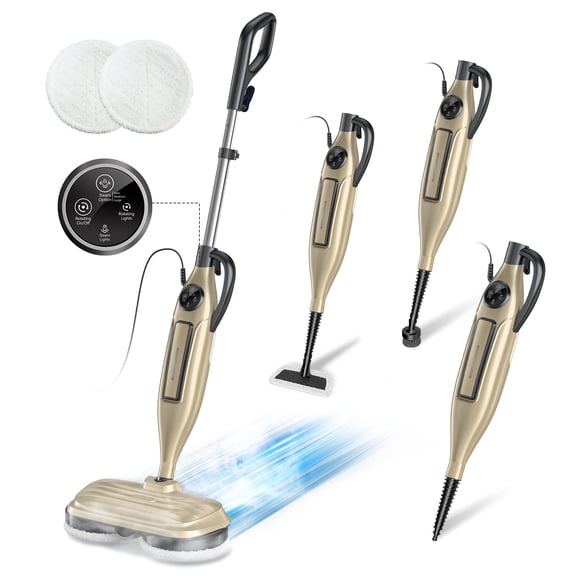
Form factor affects how your steam mop handles floors, edges, and above-floor tasks. You can choose upright models, 2-in-1 lift-away styles, or handheld hybrid designs.
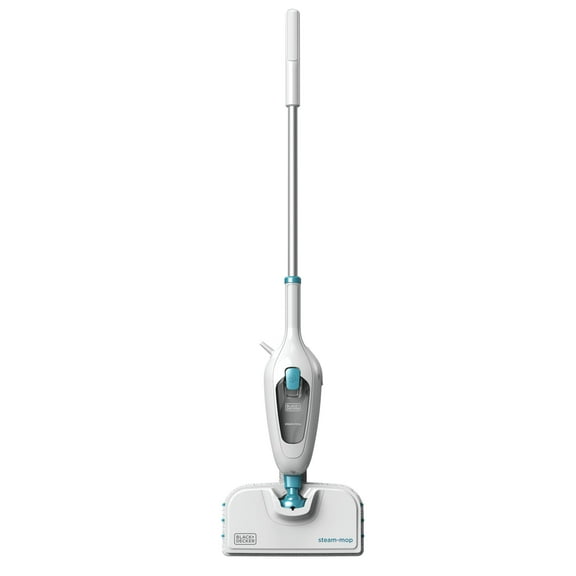
Upright steam mops suit shoppers who mostly clean open floor areas every week. You’ll usually get a familiar push-and-glide feel that works well in kitchens and hallways.
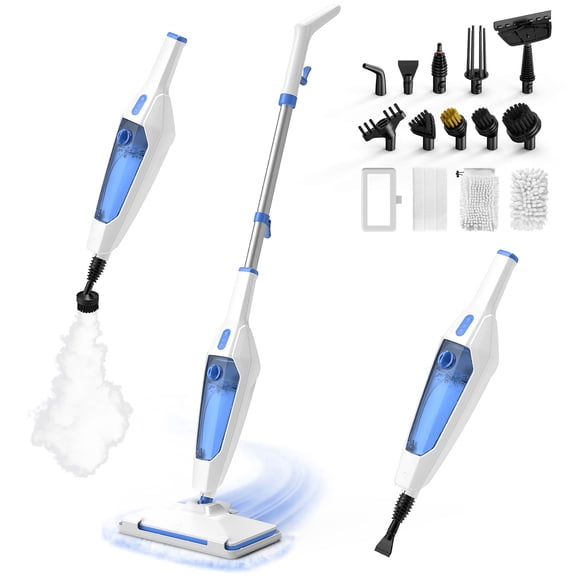
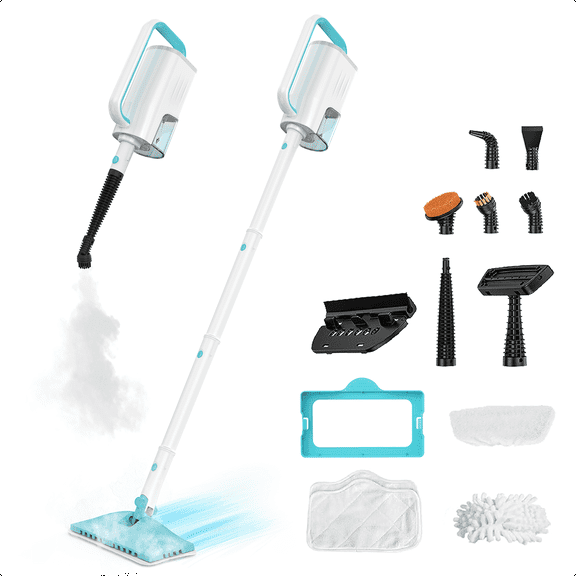
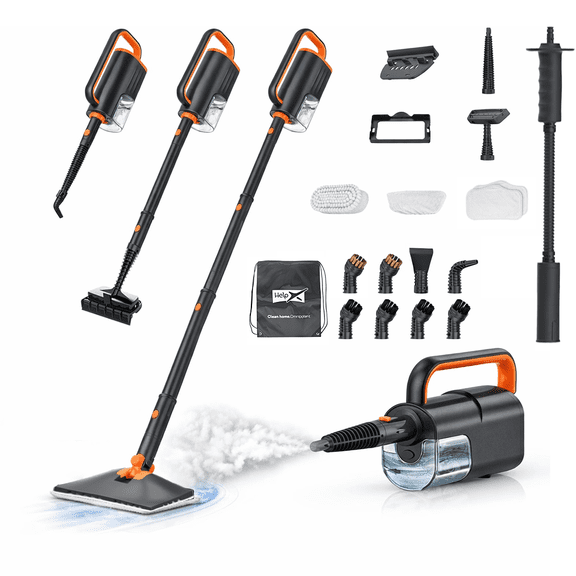
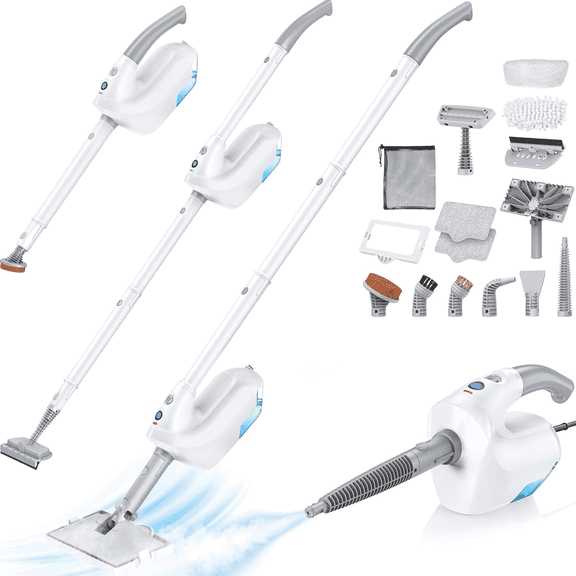
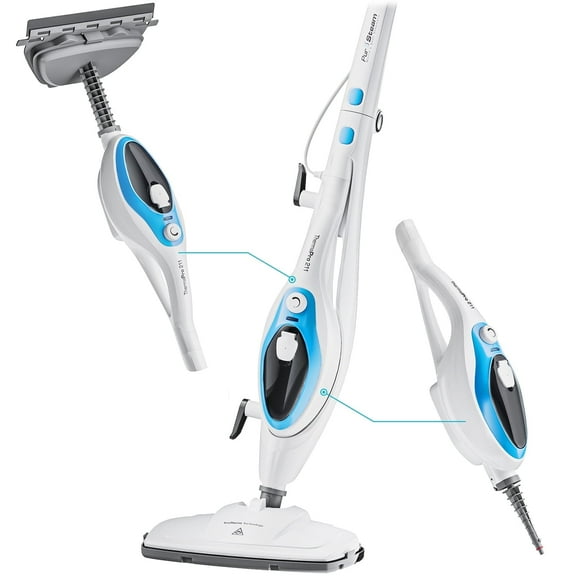
A 2-in-1 lift-away model gives you more flexibility around grout lines and tight corners. You can detach the portable section when you want steam for smaller targeted jobs.
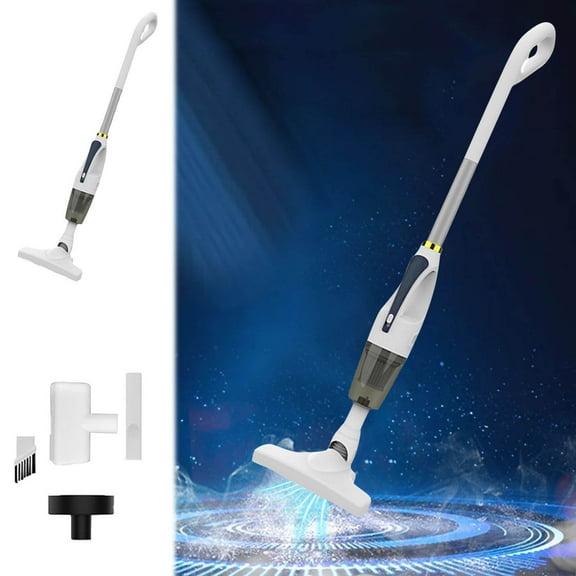
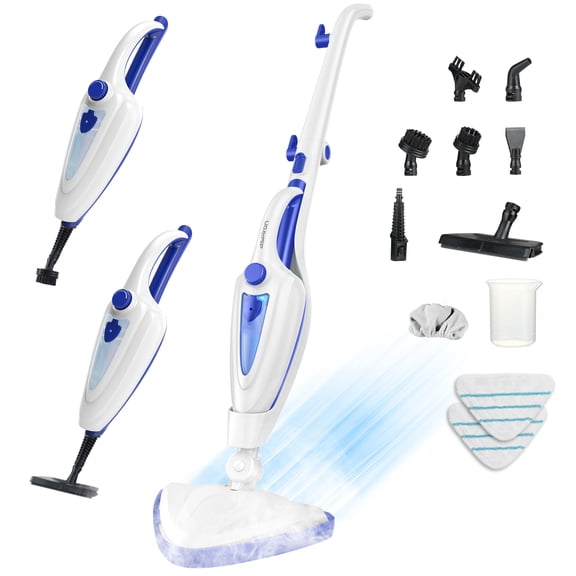
With a handheld hybrid or handheld steam mop style, you can switch between floor cleaning and detail work. You’ll want to check included tools if you plan to clean grout, fixtures, or upholstery.
Swivel steering helps when you clean around table legs, islands, and bathroom bases. You’ll also want to compare mop head shape, because triangular heads can reach corners more easily.
Steam level control is another decision point for floor safety and cleaning feel. You should look for adjustable output when you move from sealed hardwood to tile in the same home.
Matching steam mops to your home and routine
If you live with sealed hardwood in bedrooms and tile in bathrooms, adjustable steam can simplify your routine. You can use gentler output on wood and stronger output where grout needs extra attention.
For apartments or smaller homes, a lightweight upright with a small or medium tank may fit well. You’ll likely appreciate quick heat-up, easy storage, and a standard cord length.
In larger homes, you may want a bigger tank and an extra-long cord for fewer interruptions. You can cover more square footage without frequent refills or outlet changes.
If your cleaning plan includes baseboards, grout, or upholstery, a lift-away or hybrid design makes sense. You’ll get more use from one tool without keeping a separate handheld steamer nearby.
When you choose steam mops with the right floor match, tank size, and form factor, cleaning feels more straightforward. You’ll finish with a tool that suits your sealed floors and your weekly routine.