

Toys








![Barbie Malibu House Dollhouse Playset with 25+ Furniture and Accessories [Walmart Exclusive]](https://i5.walmartimages.com/seo/Barbie-Malibu-House-Dollhouse-Playset-with-25-Furniture-and-Accessories-6-Rooms-Multicolor_654b7755-0e85-42fb-8e1d-3cb57642e6c8.6c76ae3e49bb457b55e7717281f3bb84.jpeg?odnHeight=576&odnWidth=576&odnBg=FFFFFF)









![Hot Wheels Boulevard 25-Car Factory Set 2024, 25 Premium Die-Cast 1:64 Scale Sports Cars [Walmart Exclusive]](https://i5.walmartimages.com/seo/Hot-Wheels-Boulevard-25-Car-Factory-Set-25-Premium-Die-Cast-1-64-Scale-Sports-Cars-Walmart-Exclusive_9954f215-07e6-4324-8059-3414ccf370e8.67dd5796403ada86a33e10b41dd9f7dd.jpeg?odnHeight=576&odnWidth=576&odnBg=FFFFFF)


About
Toys help you match playtime to your child’s age, interests, and energy. You can compare baby toys, toddler toys, kids toys, and outdoor toys with clear decision points.
How to choose toys by age group
Age group is often your first decision because you want the right level of challenge. You can start with simple textures and sounds for babies, then move to pretend play and motion for toddlers.
As your child grows, you may look for kids toys that support rules, strategy, and collecting. You can also compare teen-friendly options that lean into puzzles, building sets, and skill-based games.
When you choose by age, you help play feel engaging instead of frustrating. You can check packaging guidance, piece size, and gameplay length before you decide.
Choosing toys by toy type
Toy type shapes how your child plays and what your household needs. You can compare action figures, dolls, board games, and puzzles based on imagination, group play, or quiet focus.
Action figures often fit storytelling, role play, and collecting. Dolls can support nurturing play, outfit changes, and room setups that keep hands busy.
Board games work well when you want shared turns and simple rules. Puzzles can help you choose a calm activity with visible progress from the first piece.
- You can pick action figures for character play and display shelves.
- You can choose dolls for pretend routines, accessories, and dress-up fun.
- You can use board games for family game nights and group participation.
- You can select puzzles for solo focus, pattern matching, and table play.
What to look for in kids toys and toddler toys
Kids toys and toddler toys call for different levels of movement, grip, and attention. You can compare button size, piece count, and simple cause-and-effect play before you commit.
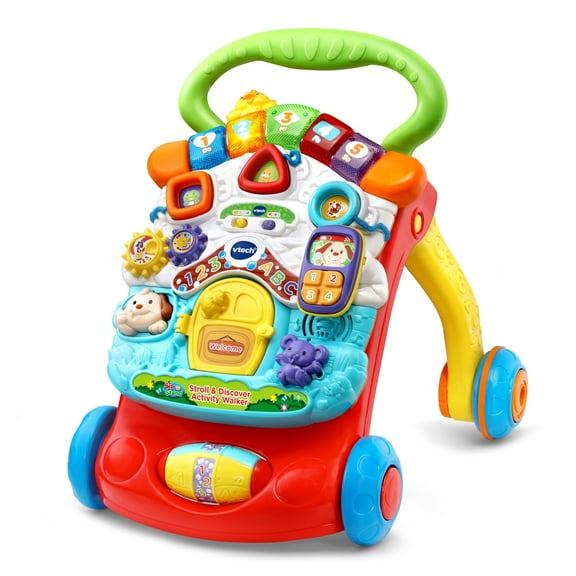
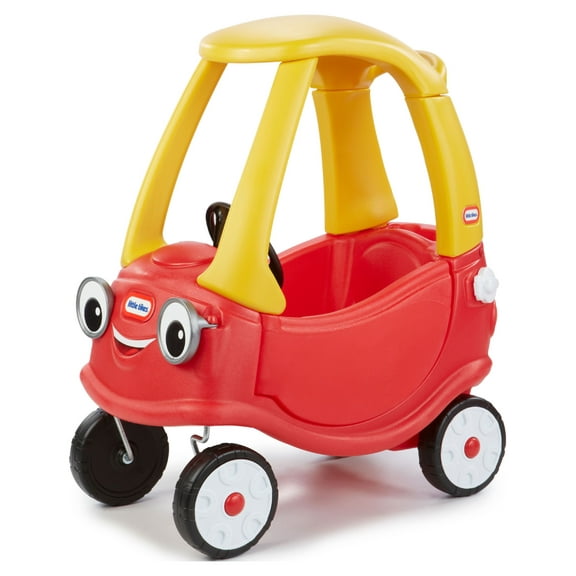
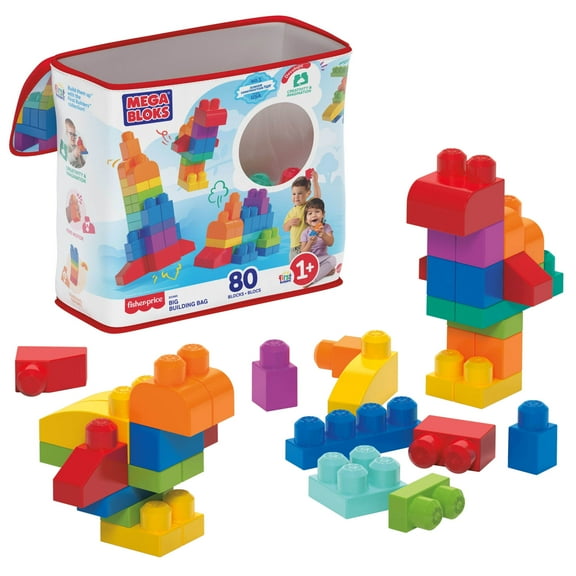
For toddler toys, you may want chunky shapes, push-and-pull movement, and easy stacking. You can look for toy designs that fit small hands and shorter play sessions.
For older kids, you might compare building steps, game rules, and character themes. You can also check whether the toy supports solo play, sibling play, or group play.
Comparing learning toys and developmental focus
Learning toys help you align play with STEM, sensory, creative, or educational goals. You can compare what each focus means in everyday play, not just on the box.
STEM options often involve building, counting, coding basics, or simple problem solving. Sensory play usually centers on texture, sound, lights, or hands-on motion you can repeat.
Creative toys can include drawing, crafting, pretend scenes, and design play. Educational formats may support letters, numbers, matching, and memory through play you can use at home.
When you compare developmental focus, you can narrow choices faster for gifts or daily routines. You can also mix categories so your child gets active play, quiet play, and skill practice.
Choosing indoor, outdoor toys, and backyard play
Play environment matters because you may need toys that fit your space and cleanup routine. You can compare indoor sets for table play and outdoor toys for movement and open areas.
Indoor picks often suit apartments, bedrooms, and rainy afternoons. You can look for compact storage, smaller footprints, and activities that reset quickly between uses.
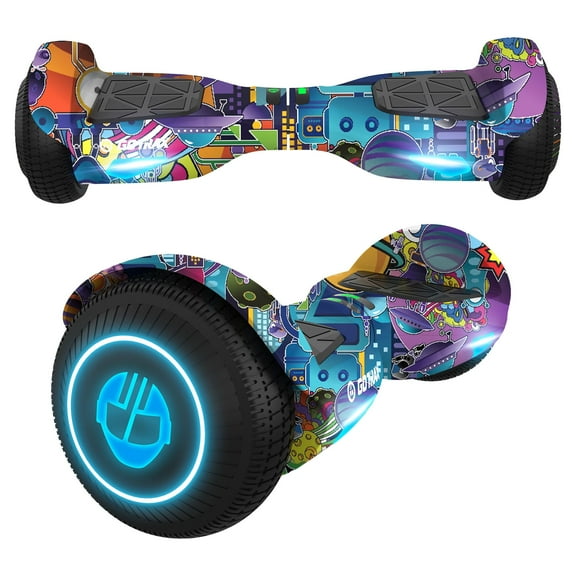
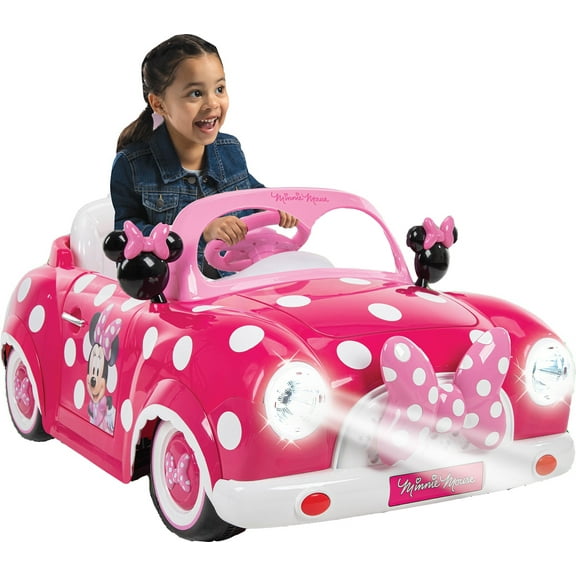
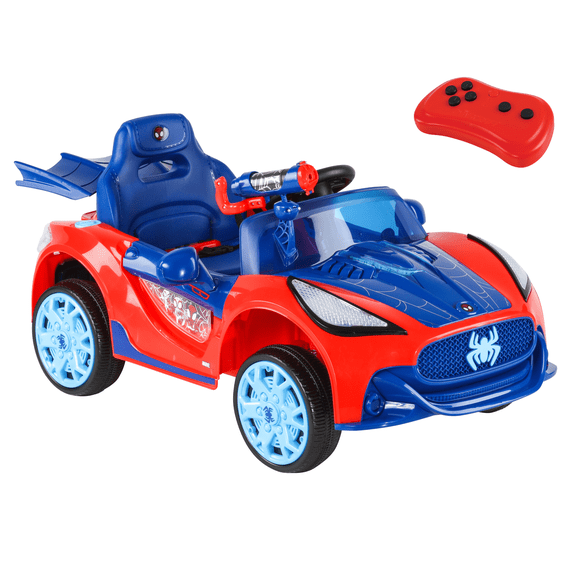
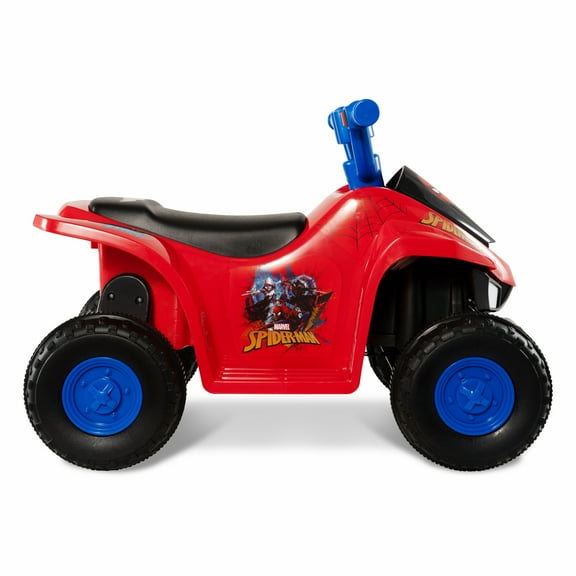
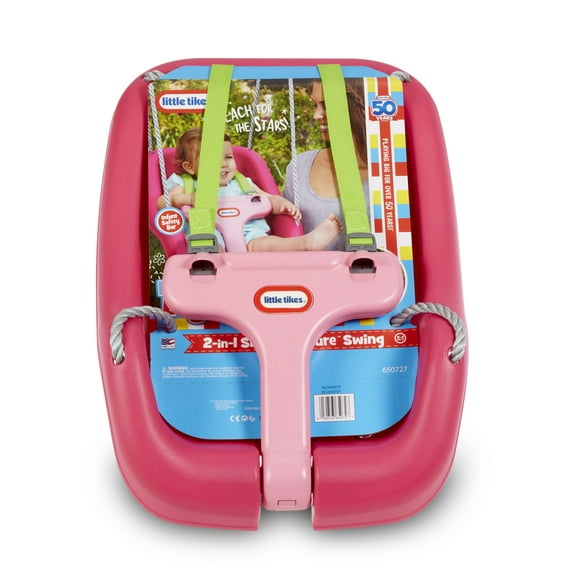
Outdoor toys usually fit yards, driveways, patios, and park trips. You can compare ride-ons, sports play, bubble play, and water-friendly options for active afternoons.
Backyard play can work well when you want repeat use without a big setup. You can check whether the toy folds, stacks, or stores easily between play sessions.
Checking safety standards, materials, and power details
Safety details matter when you compare materials and age fit across a large toy category. You can look for BPA-free materials and non-toxic certifications when those details appear on packaging.
You should also check piece size, fabric surfaces, and finish details before you choose. You can compare smooth edges, washable parts, and sturdy construction for everyday handling.
Battery information can change how quickly your toy is ready to use. You can check whether batteries are included, required, or rechargeable before gifting or setting up play.
Power details are especially useful when you choose lights, sounds, or motion features. You can avoid setup surprises by checking battery type and charger notes in advance.
Matching toys to real-life play moments
You may need baby toys for tummy-time mats, rattles, and soft sensory exploration. You can choose toddler toys for push play, stacking, bath play, and early pretend routines.
If you’re planning family time, you can turn to board games and large-piece puzzles. If you need independent play, you can compare dolls, action figures, and creative sets.
For birthdays and holidays, you can match the gift to age group and play environment. You can pair outdoor toys with backyard space or choose learning toys for desk and floor play.
Durability also matters when you want repeat play across siblings or frequent use. You can compare materials, moving parts, and storage needs for toys that stay in rotation.
With toys organized by age, type, play space, and learning focus, you can choose with more clarity. You can narrow the right fit faster and bring home play that keeps kids engaged.