

Tackle Boxes in Fishing Tackle Boxes
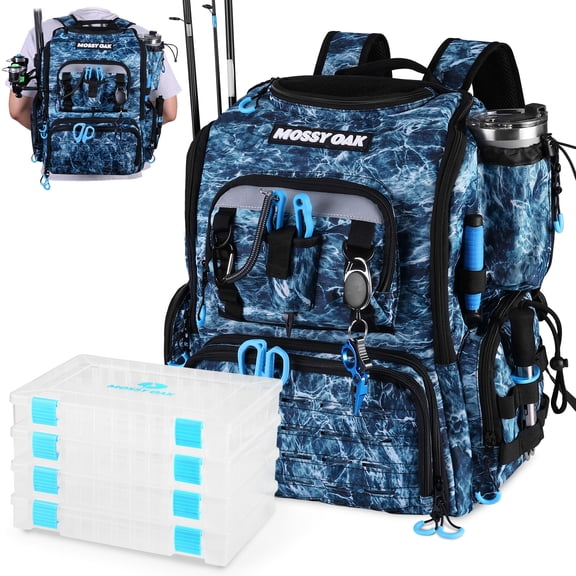


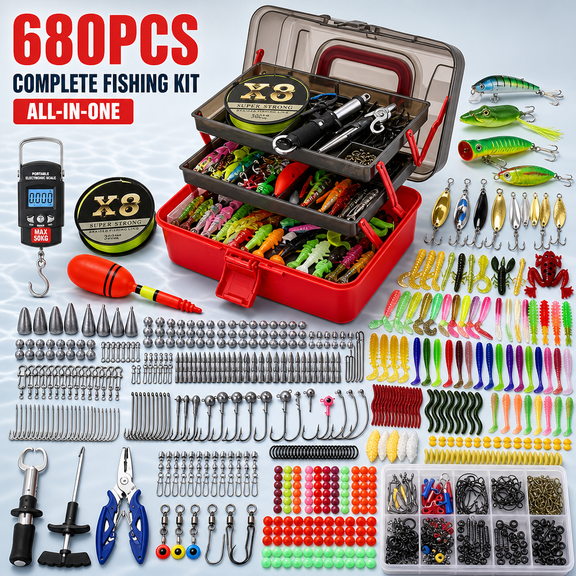

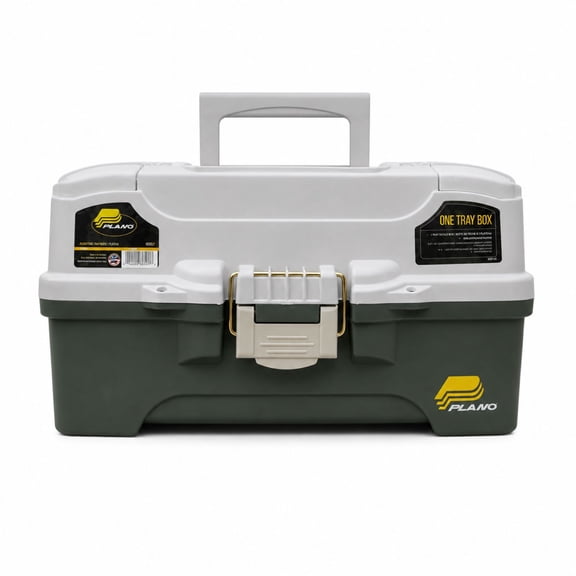
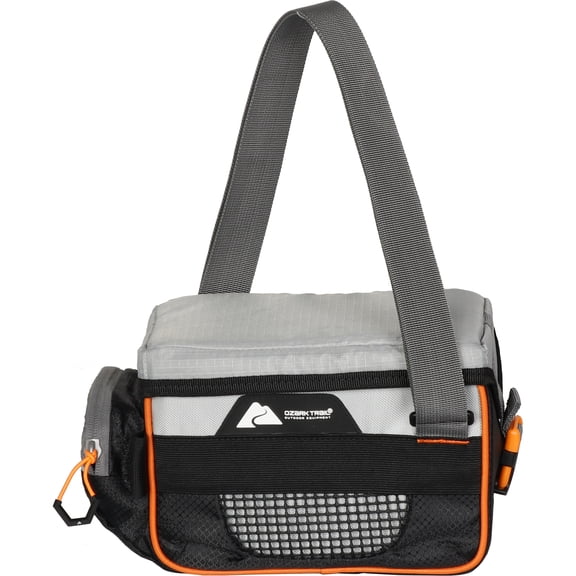


















About Tackle Boxes in Fishing Tackle Boxes - Walmart.com
Tackle boxes keep fishing gear sorted, protected, and ready for the next trip. This page focuses on tackle storage built for hooks, lures, sinkers, line tools, and small accessories.
Anglers often need fast access without digging through loose gear. The right box helps separate terminal tackle, protects hard baits, and keeps tray layouts easy to scan.
Tackle boxes that simplify fishing prep
Well-designed fishing tackle boxes cut down clutter before you reach the water. Dividers, trays, and latch systems help you pack by species, location, or technique.
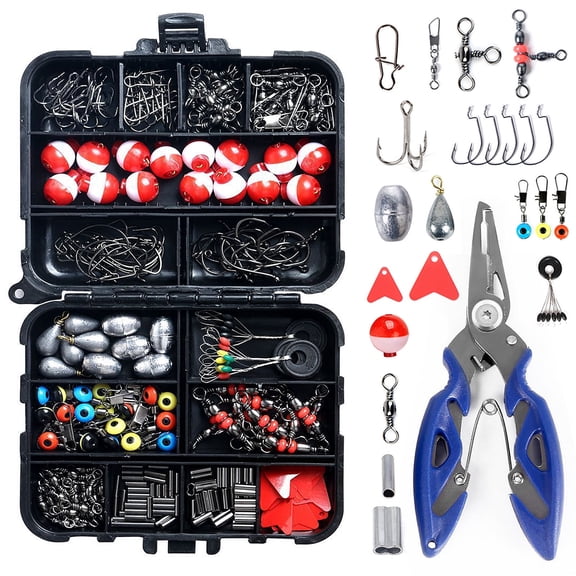
That organization matters when crankbaits, soft plastics, swivels, and jig heads all need separate spaces. A dedicated case also helps keep sharp hardware from mixing together.
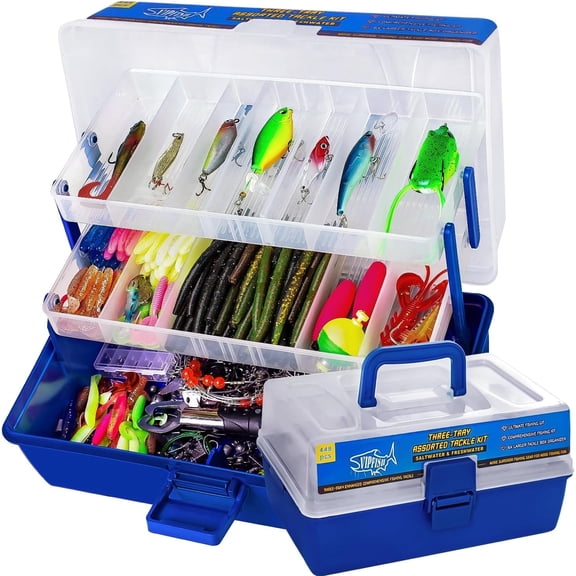
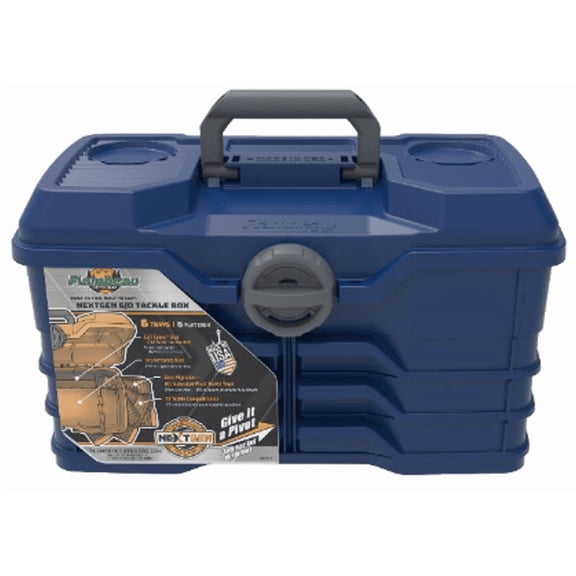
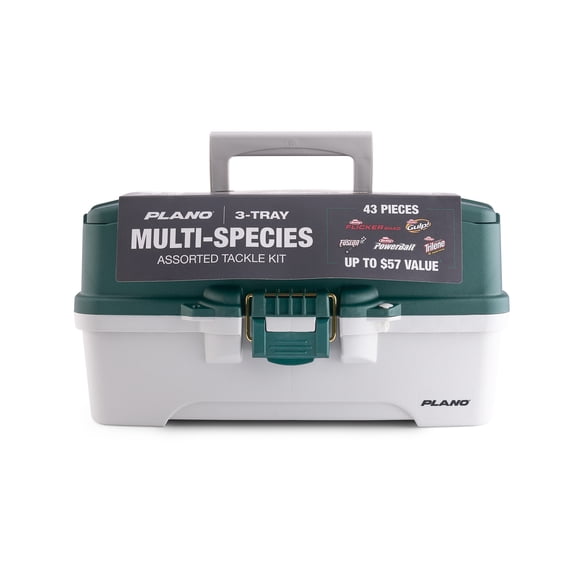
- Multi-tray designs create clear layers for lures, weights, and small tools.
- Compact cases fit easily in a boat compartment, backpack, or dock cart.
- Waterproof tackle storage helps shield contents from spray and wet conditions.
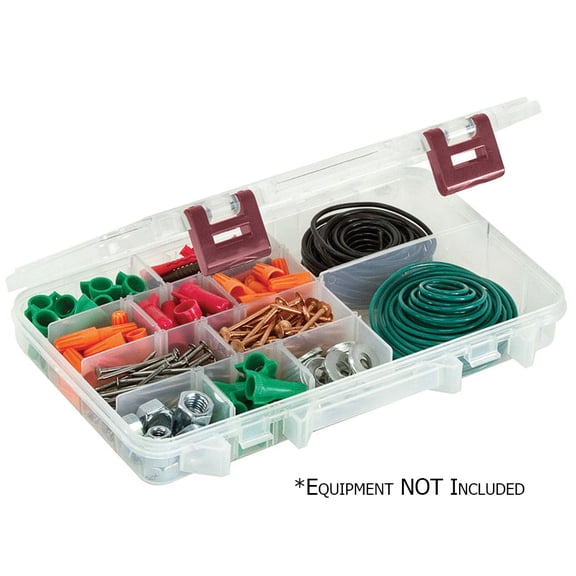
- Transparent lids let you identify colors, sizes, and shapes at a glance.
- Carry handles and secure latches simplify transport from truck to shoreline.
Many shoppers want one organizer for weekend trips and another for targeted setups. Smaller utility boxes work for finesse kits, while larger cases hold bulkier hard baits.
Tray tackle boxes also support cleaner prep at home. You can sort seasonal gear, rotate lure styles, and keep extra terminal tackle grouped by size.
How to choose tackle boxes for your setup
Size is a practical starting point. Think about whether you carry bass lures, panfish tackle, catfish rigs, or a mixed assortment.
Hard-sided models offer structured storage and stack neatly in garages, boats, and vehicle trunks. Soft-sided systems may include utility trays, but this page centers on box-style organization.
Tray count affects access and capacity. Two-tray and three-tray boxes suit lighter kits, while deeper bodies hold line spools, pliers, and packaged tackle.
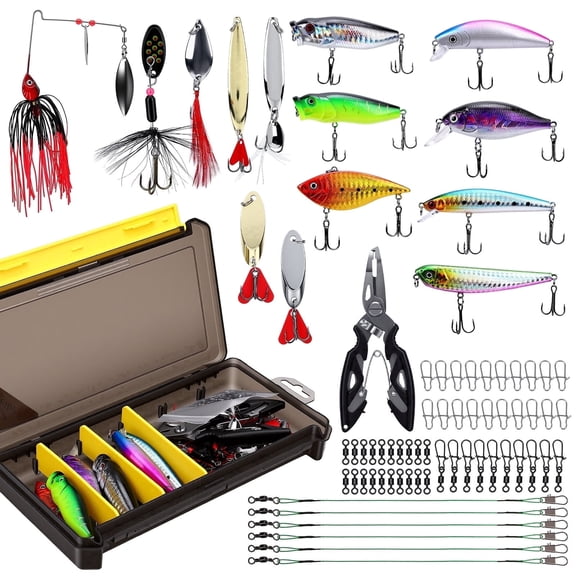
Adjustable dividers give you flexibility for long jerkbaits, spinnerbaits, and short terminal items. Fixed compartments can work well when you keep the same gear categories together.
Look closely at latch design and hinge construction. Frequent open-and-close use calls for secure closures that feel stable during transport.
Clear lids help when you want a quick visual check before leaving. Opaque bodies can still be useful for larger gear stored below the top tray.
Material also shapes performance. Molded plastic shells are common because they balance durability, lighter carry weight, and easy wipe-clean surfaces.
If you fish from kayaks, docks, or open boats, waterproof tackle boxes deserve extra attention. Gasketed edges and tight seals support drier storage in wet environments.
Use tackle storage for specific fishing situations
Bank anglers often need compact fishing gear organizers that travel light. A smaller box with adjustable compartments keeps essential lures and terminal tackle easy to carry.
Boat setups usually benefit from larger tackle boxes with layered storage. Deeper compartments can hold bulk packs, leader spools, and tools alongside everyday bait choices.
For family fishing trips, simple layouts help with sharing gear. You can assign one tray to bobbers and hooks, another to sinkers, and another to small lures.
Species-specific kits are another smart use case. Build one box for bass tackle, another for crappie jigs, and another for surf or catfish rigs.
Seasonal organization helps when techniques change through the year. Swap trays based on water conditions, lure size, and the presentations you use often.
Home storage matters too. Tackle boxes can keep shelves tidier, reduce loose gear around the garage, and make pre-trip packing more efficient.
Many anglers also pair tackle storage with line, hooks, and lure refills kept in separate sections. That setup makes it easier to track what needs replenishing.
When building a full fishing kit, it also helps to coordinate with related essentials. Fishing lures, fishing line, and terminal tackle fit more neatly when your storage plan starts first.
What experienced shoppers notice first
Experienced buyers usually check compartment shape before color or exterior styling. Long lure channels, small parts sections, and roomy lower storage affect everyday usability.
They also compare how a box opens in tight spaces. A tray that lifts smoothly on a boat seat or dock is simple to use mid-trip.
Secure latches, sturdy hinges, and practical handle placement often stand out after repeated use. Those details shape how confidently you can carry loaded gear.
For many anglers, tackle boxes work hardest before the first cast. Effective organization means less time sorting gear and more time fishing with the right setup ready.