




Pacifiers & Binkies



























About Pacifiers & Binkies - Walmart.com
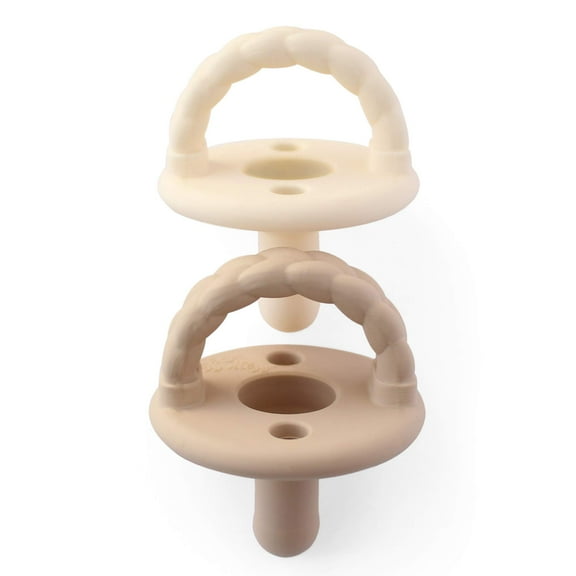
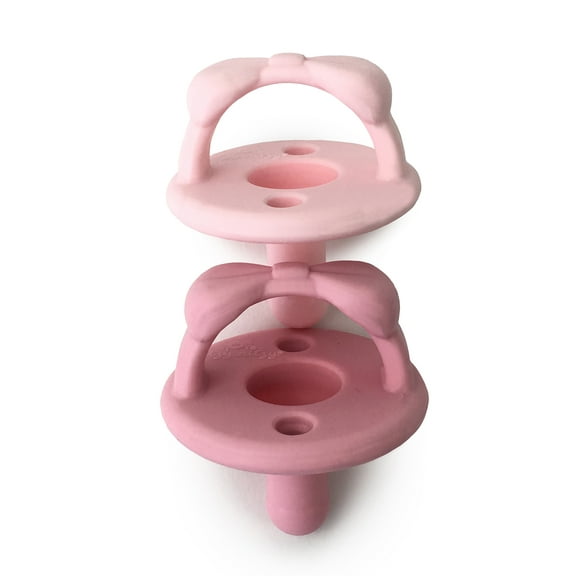
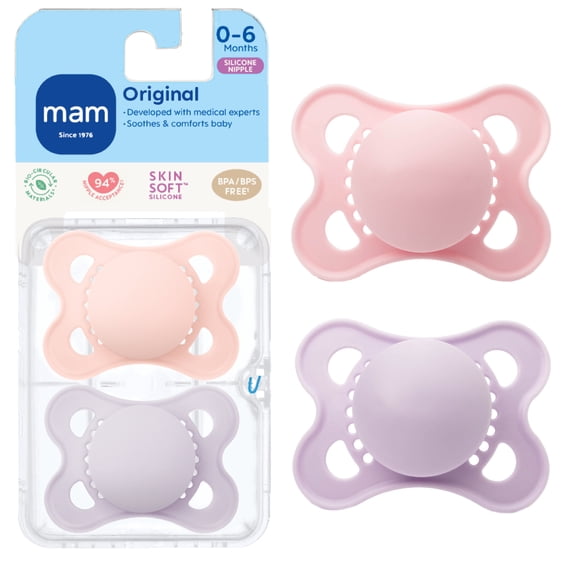
Pacifiers help you handle soothing moments with age-based sizing, shape choices, and easy-clean materials that fit your baby’s stage. You can compare newborn pacifiers, shield designs, and nipple materials in one place, so your decision feels more practical.
Choosing pacifiers by age range
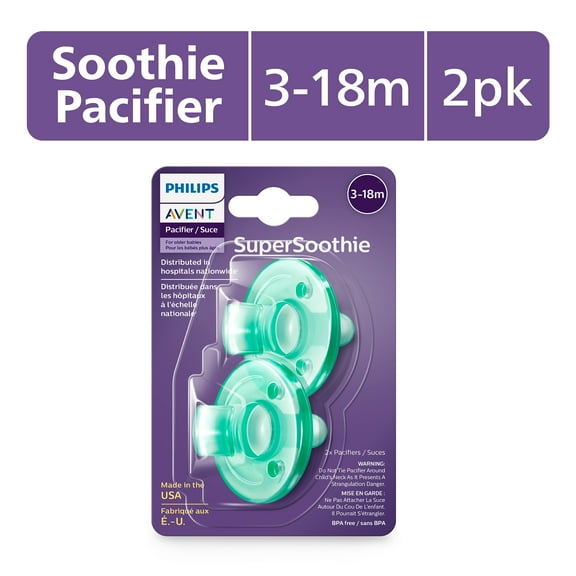
You should start with age range, because nipple length and shield size change as your baby grows. You can compare 0-3 months, 0-6 months, 6-18 months, and 18-36 months options.
When you match sizing to your baby’s stage, you get a fit that feels more natural during short soothing sessions. You can also check package guidance, so your choice aligns with everyday routines.
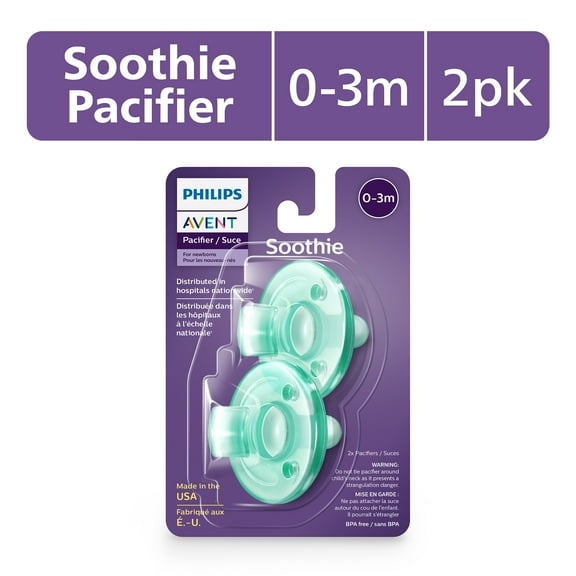
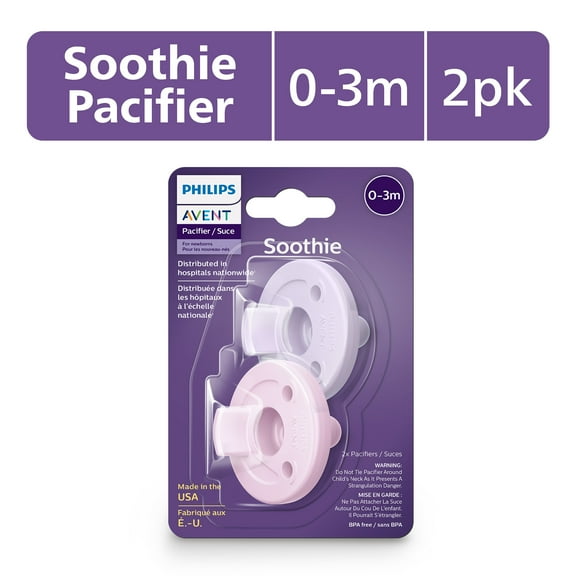
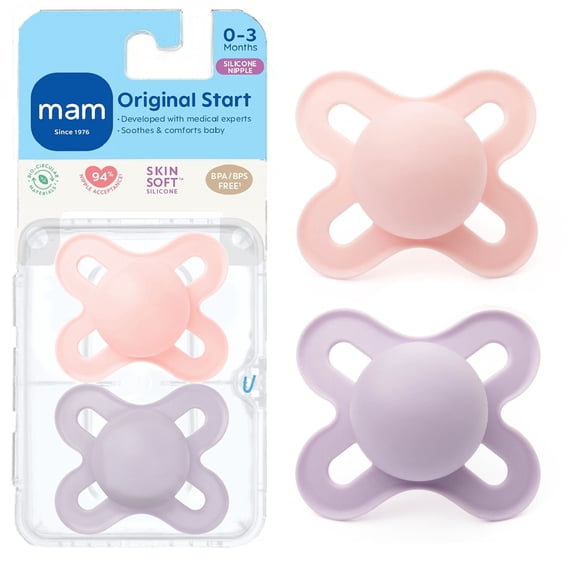
If you’re shopping for newborn pacifiers, you may prefer a smaller shield and a shorter nipple profile. You’ll often see those details designed for early feeding routines, swaddled naps, and frequent on-the-go use.
- You can choose smaller sizes for early months and larger sizes for later stages.
- You can match shield size and nipple length to your baby’s age range.
- You can narrow options faster when you shop by 0-3, 0-6, 6-18, or 18-36 months.
Choosing between orthodontic pacifiers and other shapes
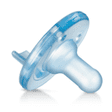
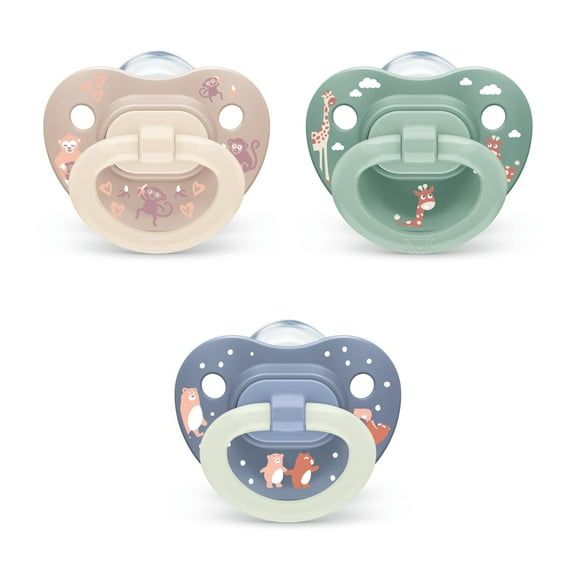
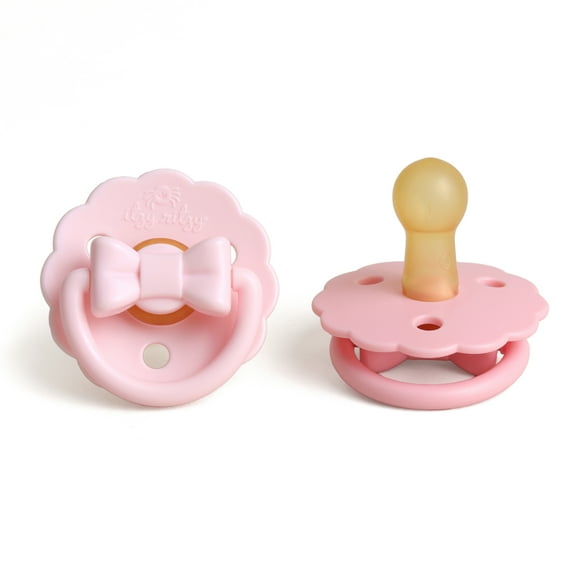
You’ll notice that nipple shape is a major decision when you compare baby pacifiers. You can choose orthodontic pacifiers, symmetrical styles, or round bulb shapes based on your baby’s routine.
If you’re balancing bottle feeding or breastfeeding, you may compare shapes for a familiar feel during soothing breaks. You can try orthodontic designs for a flatter profile, while round options offer a classic shape.
Symmetrical nipples can make quick positioning easier, because you don’t need to orient them as carefully. You may find this helpful during nighttime soothing, diaper changes, and stroller walks.
When you compare shape choices, you make it easier to find a style your baby accepts more consistently. You can keep backups in a diaper bag, nursery, or car, so daily transitions feel smoother.
Comparing silicone pacifiers and latex pacifiers
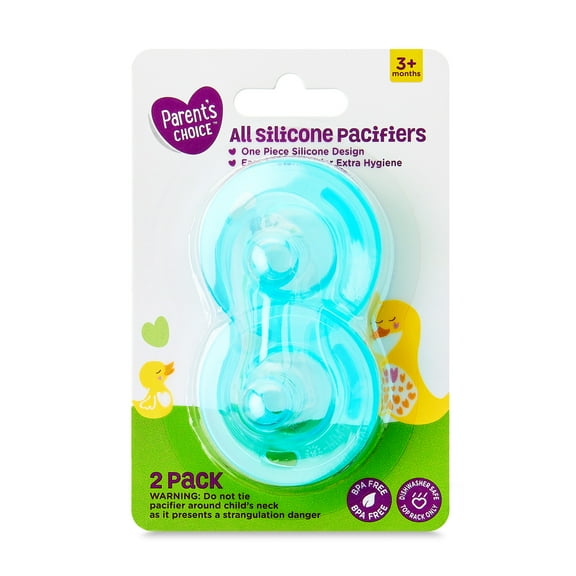
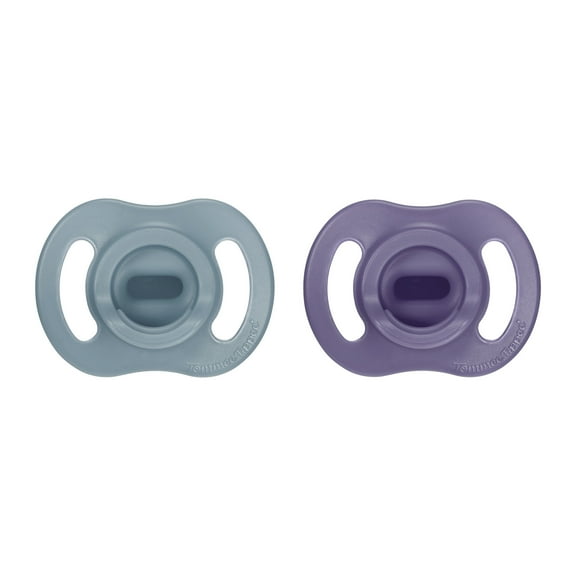
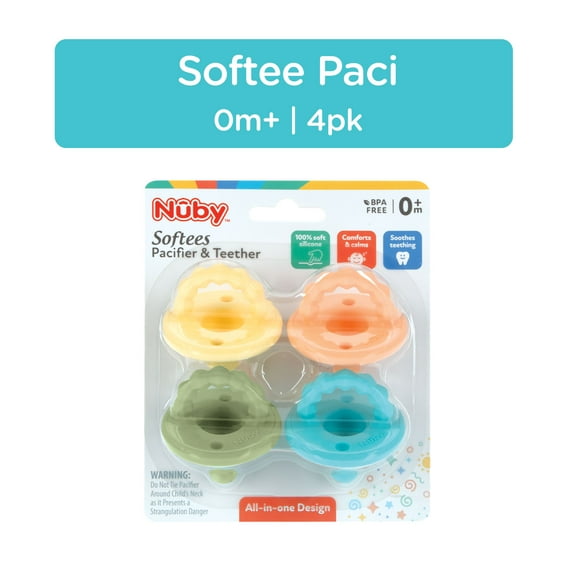
You’ll often choose between silicone pacifiers and natural rubber latex based on feel, flexibility, and cleaning preferences. You can look for one-piece or multi-piece styles, depending on how you plan to clean and rotate them.
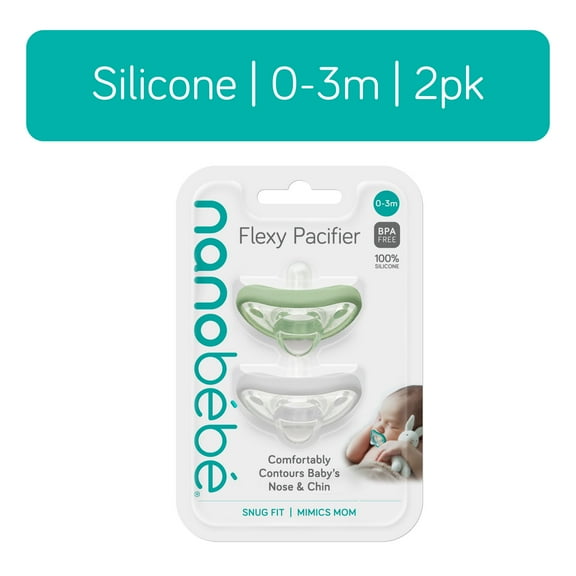
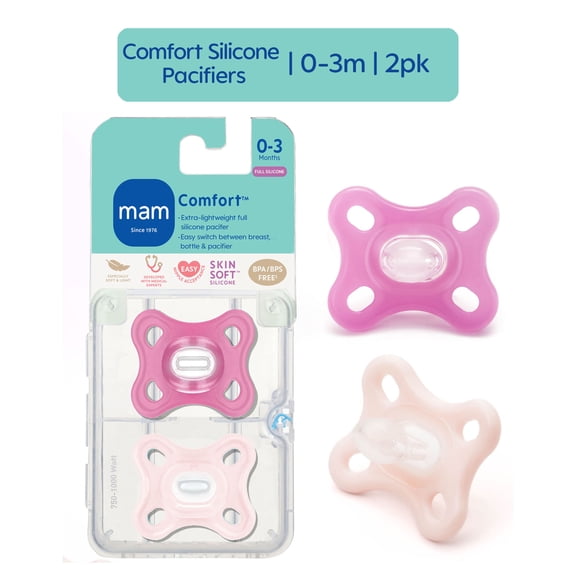
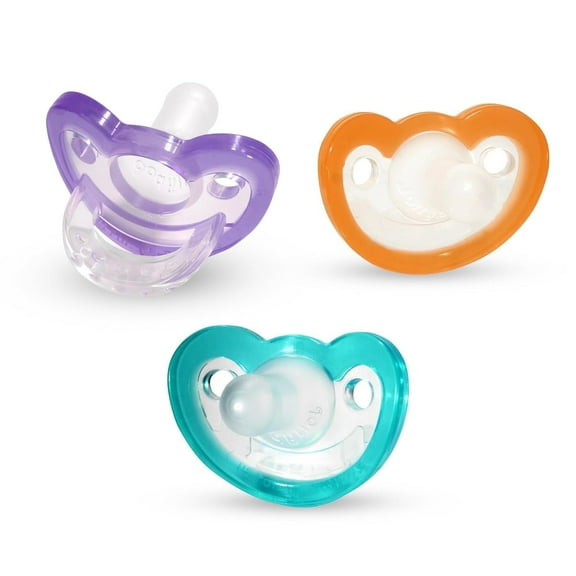
Silicone pacifiers usually give you a smooth nipple that’s easy to rinse and inspect. You may prefer them when your routine includes frequent dishwasher or sterilizer cycles.
Latex pacifiers offer a softer, more flexible feel that your baby may like during calming moments. You can compare that softer texture with your usual cleaning routine before choosing a material.
As you review material details, you should also check whether the package includes a sterilizer case. You may appreciate that added convenience during daycare prep, travel, or overnight visits.
What to look for in shield design and skin comfort
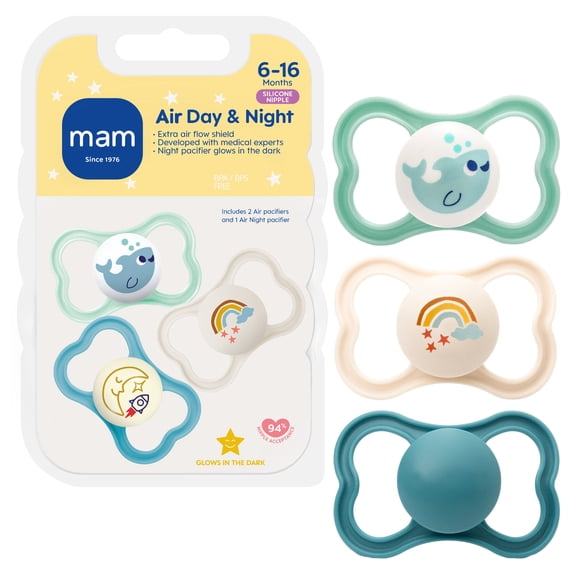
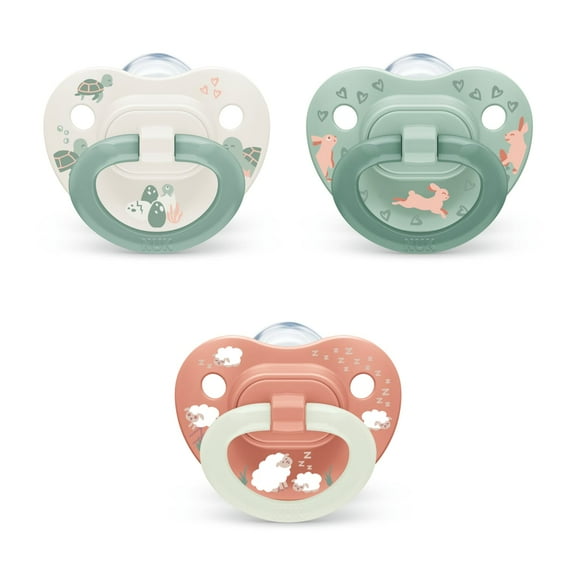
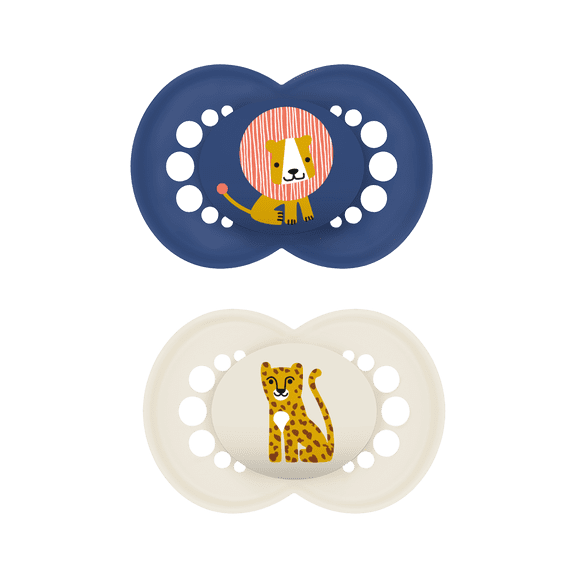
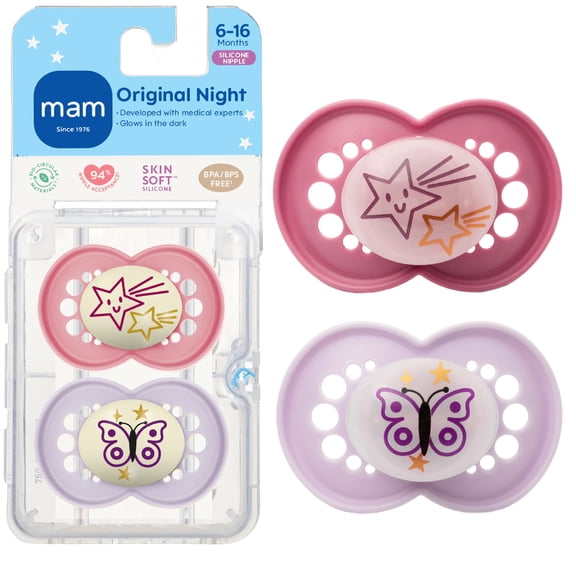
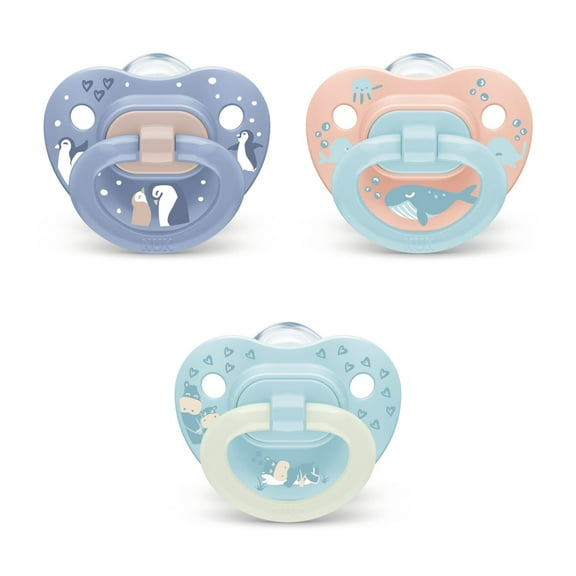
You can use shield design to narrow choices when your baby uses a pacifier often during naps or outings. You’ll want to compare breathable, lightweight, and glow-in-the-dark styles based on daily habits.
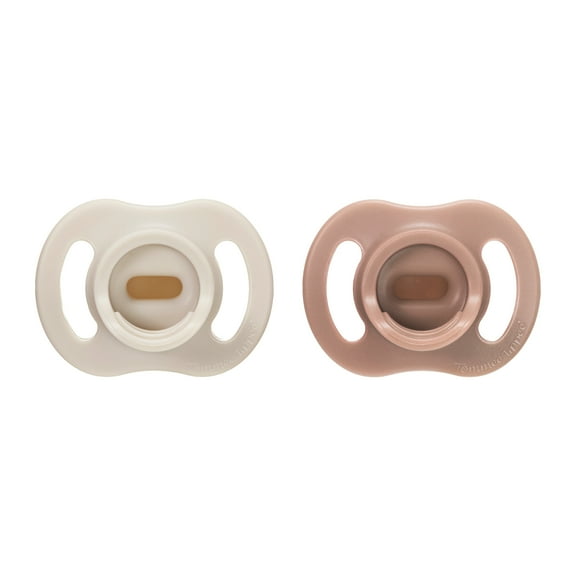
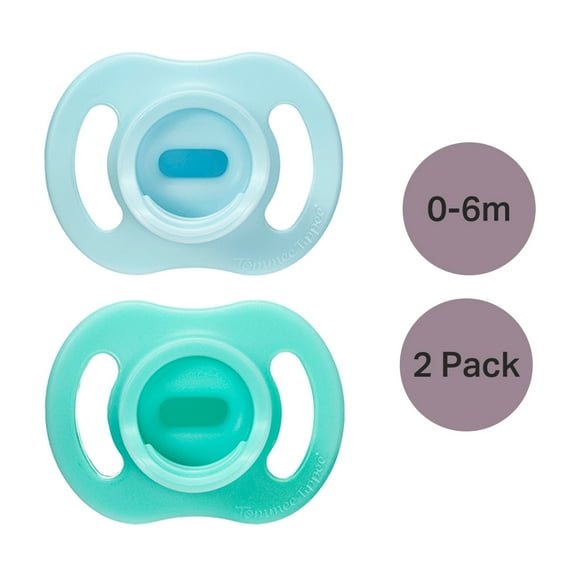
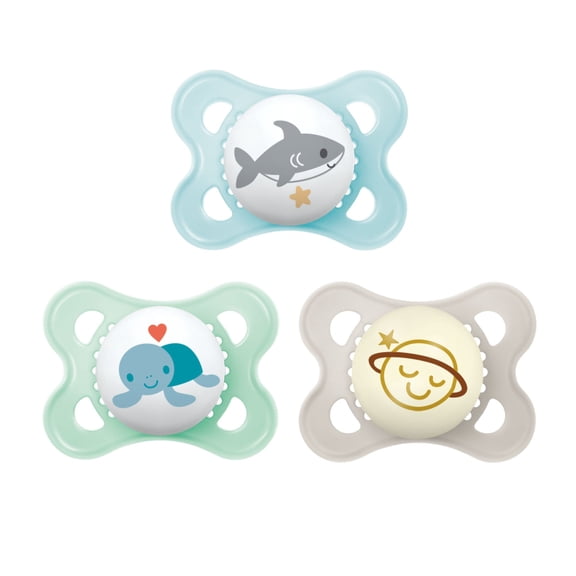
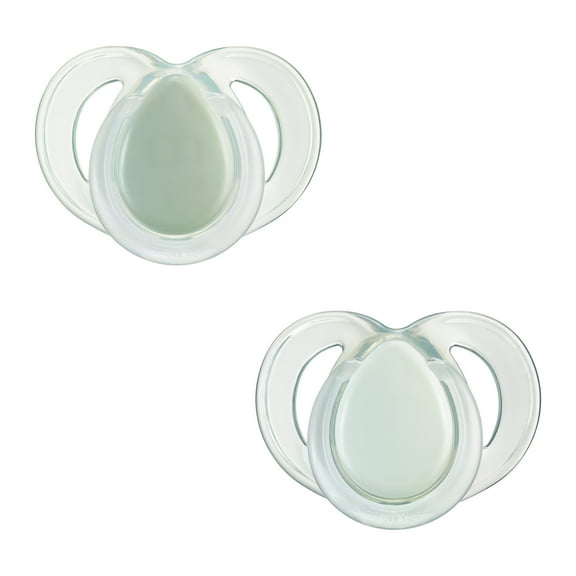
Breathable shields often include ventilation holes that allow more airflow around your baby’s mouth area. You may prefer that design during warm naps, stroller time, or longer soothing periods.
Lightweight shields can feel less bulky, which you may consider for younger babies and frequent use. You can also compare curved shapes that sit comfortably around little cheeks and noses.
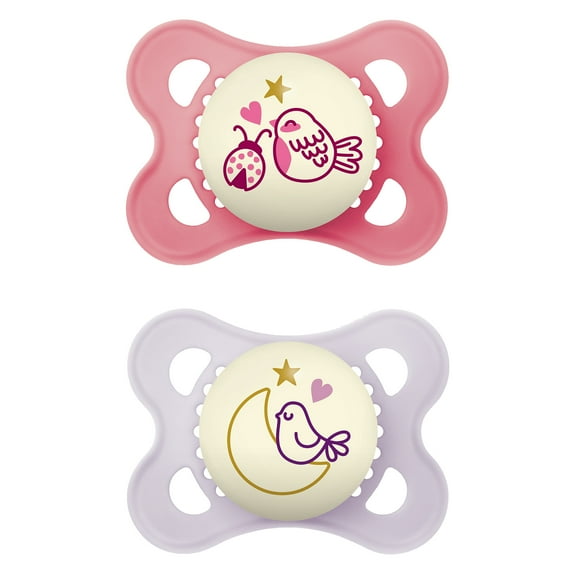
Nighttime pacifiers with glow-in-the-dark details can help you spot them faster in a dim nursery. This helps you spend less time looking around the crib area or changing table.
Features that make daily pacifier routines easier
You’ll want features that fit your cleaning routine, storage needs, and everyday schedule. You can check for dishwasher-safe parts, sterilizer compatibility, and included cases before narrowing your options.
If you rotate several pacifiers each day, easy-clean materials can simplify your routine between feedings and naps. You can also look for one-piece construction when you want fewer seams to inspect.
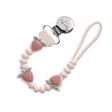
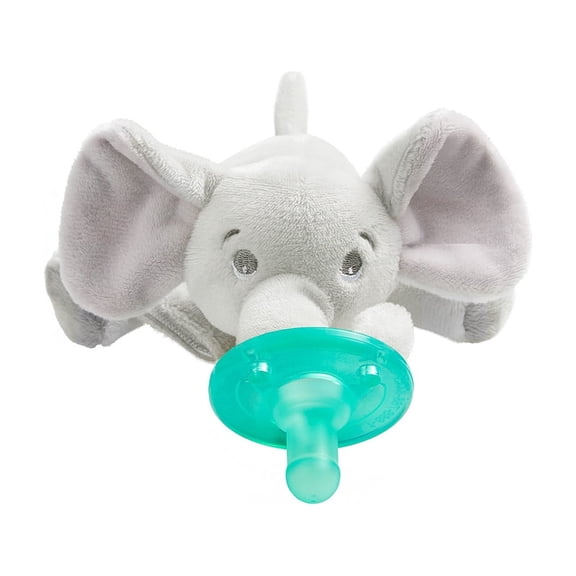
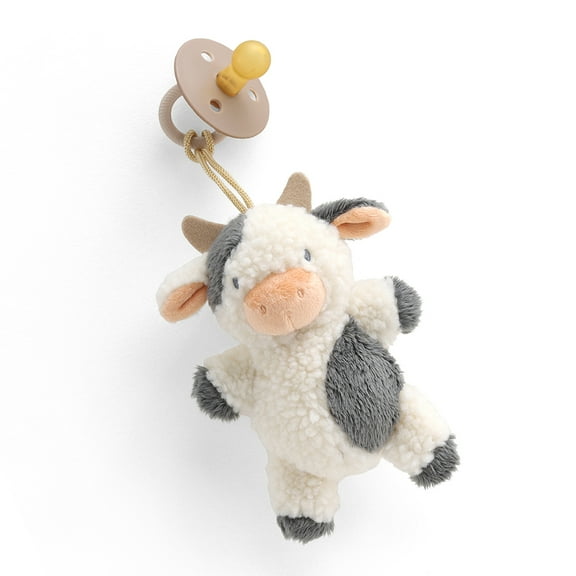
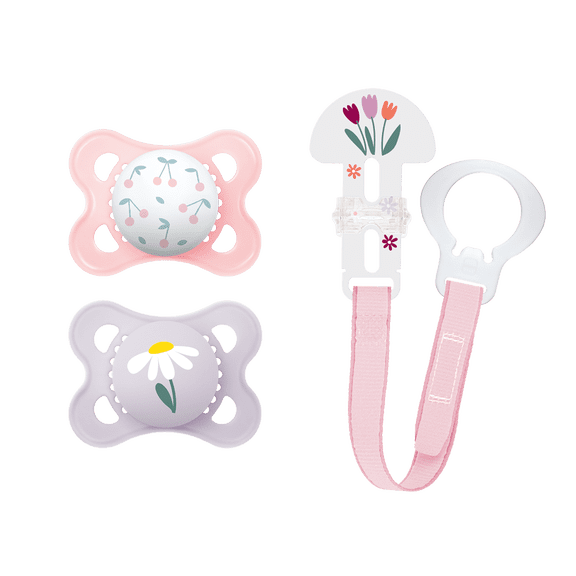
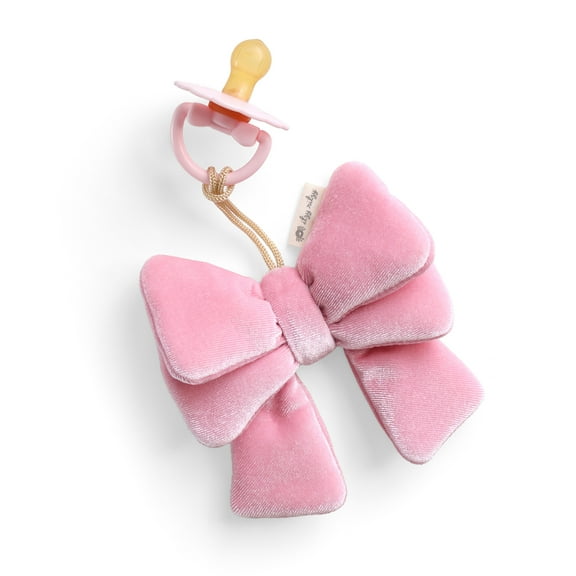
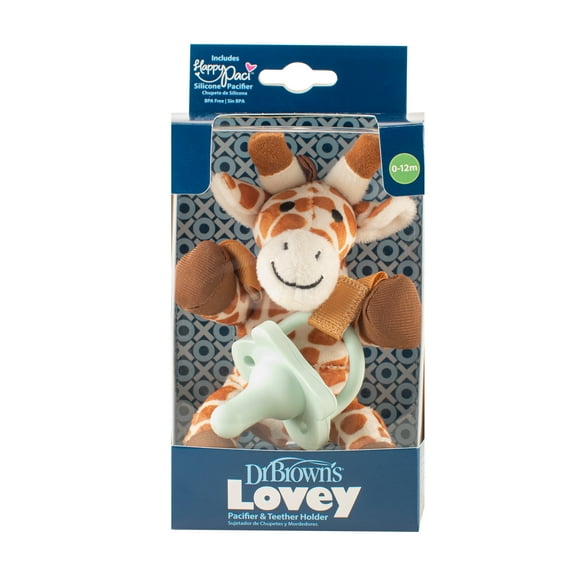
Clip compatibility matters when you use pacifiers during errands, walks, or daycare drop-off. You’ll find that a secure handle shape can make attaching and removing clips easier.
Color coding and multipacks can also help you organize pacifiers by room, diaper bag, or age stage. You can keep one set at home and another packed for travel days.
Using pacifiers through everyday routines
You can match different pacifiers to different moments, which makes the category easier to shop. You may choose newborn pacifiers for early soothing, then move toward larger sizes as routines change.
For naps and bedtime, you might prefer lightweight or nighttime pacifiers that are easy to spot and reposition. You can keep extras near the crib, rocker, and changing area for faster access.
During outings, you may want silicone pacifiers with a travel case that fits neatly in your diaper bag. You’ll appreciate quick cleaning options when you move between the car, stroller, and relatives’ homes.
If your baby responds differently throughout the day, you can compare orthodontic, symmetrical, and round bulb shapes side by side. This can give you a clearer path to a pacifier setup that fits changing routines.
With pacifiers organized by age range, material, shape, and shield design, you can choose with more clarity. This helps you feel prepared for feeding breaks, nap routines, and nighttime soothing.