


Find auto parts that fit
Let’s search for parts that fit your vehicle.
Gates Auto Parts for Engine and Drive Systems
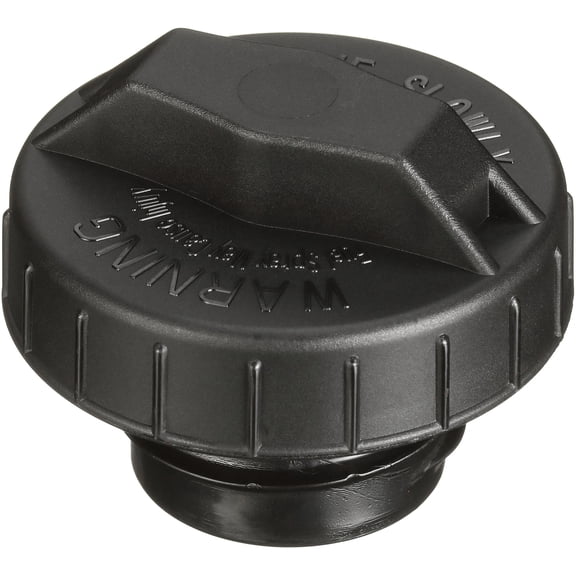

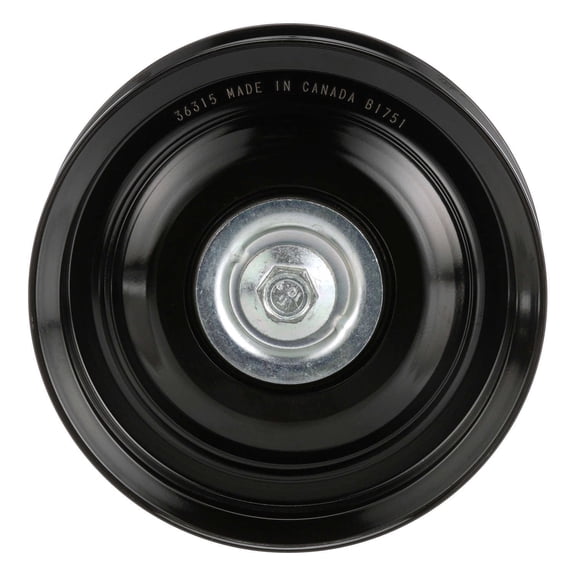
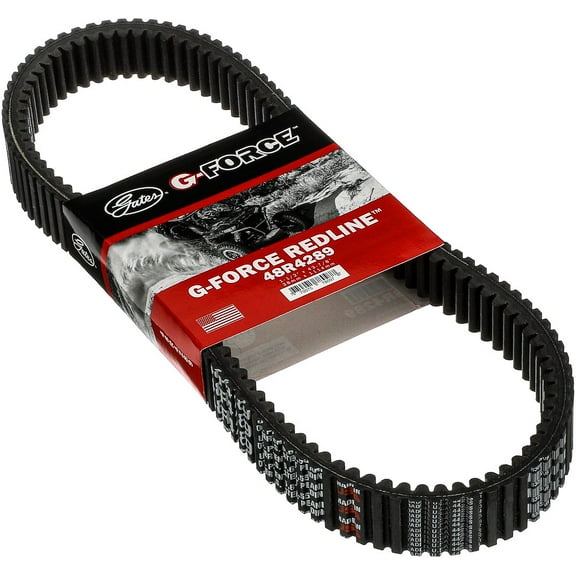
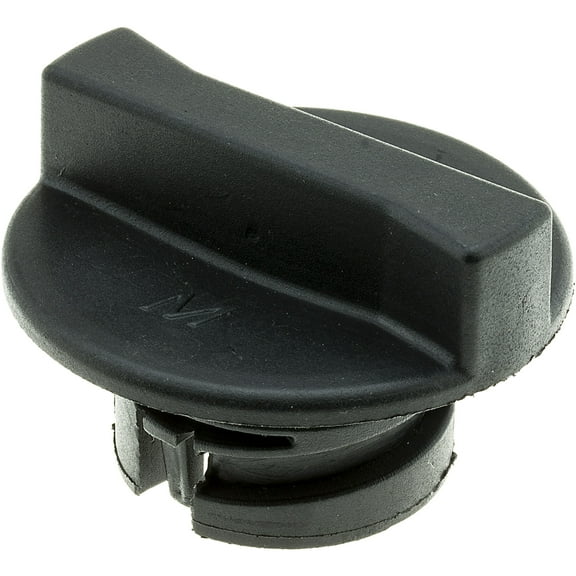
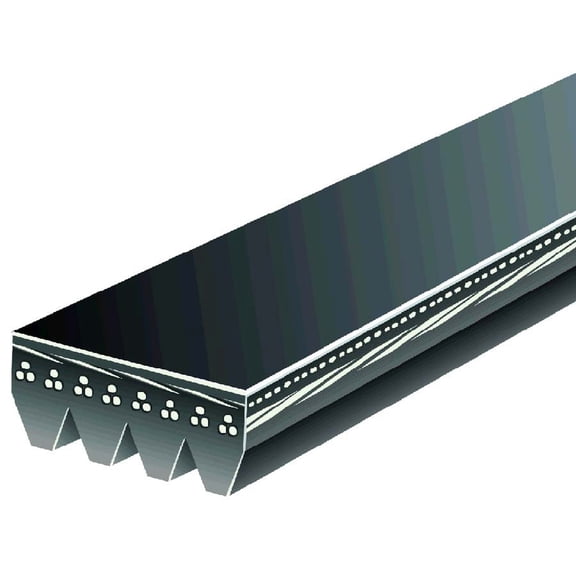

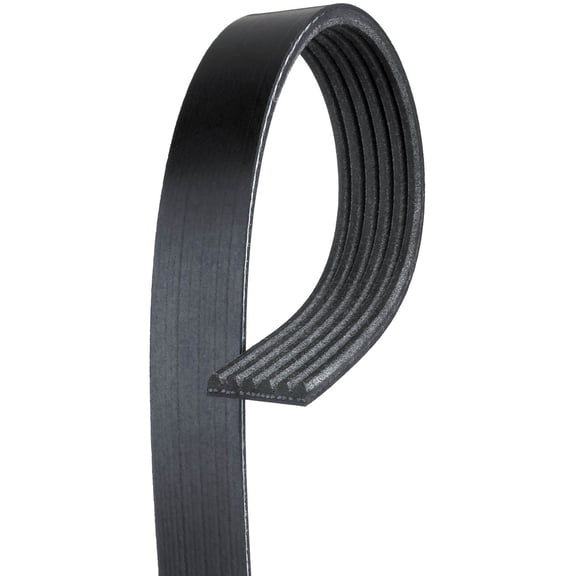
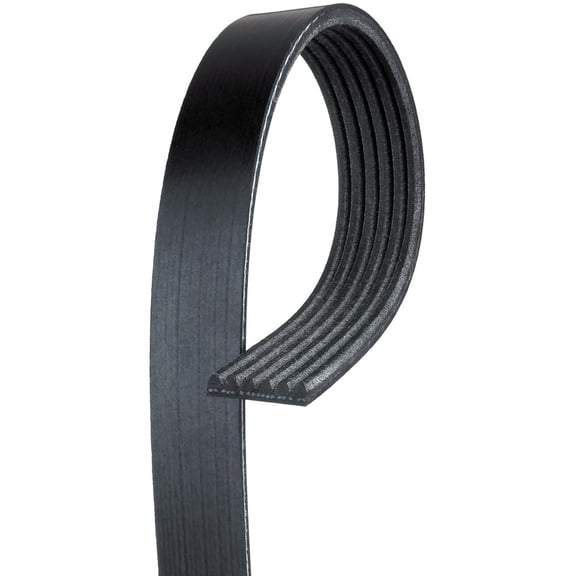

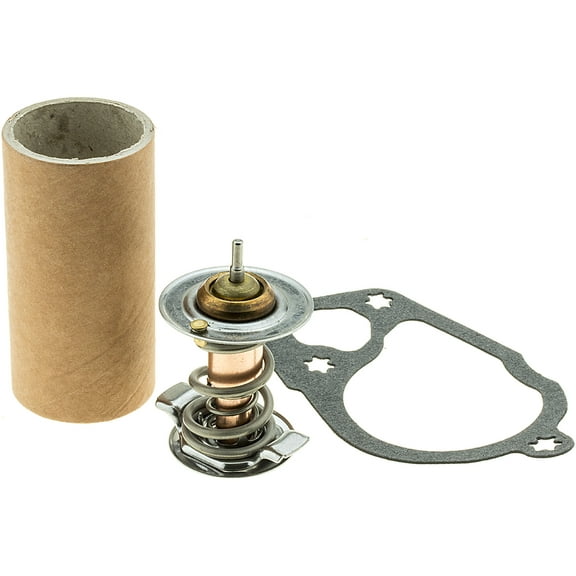

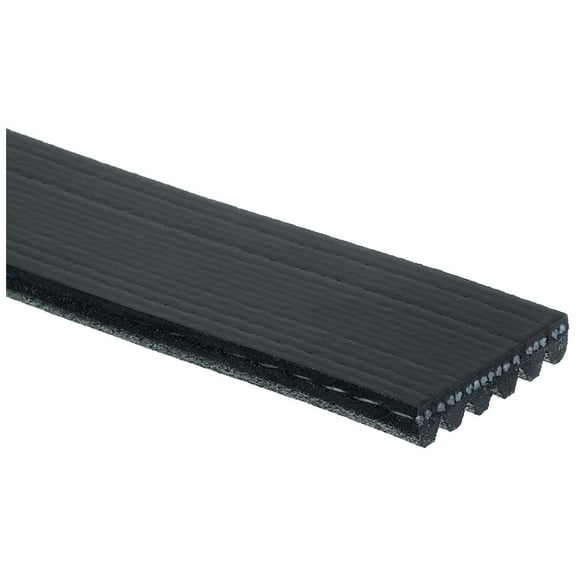

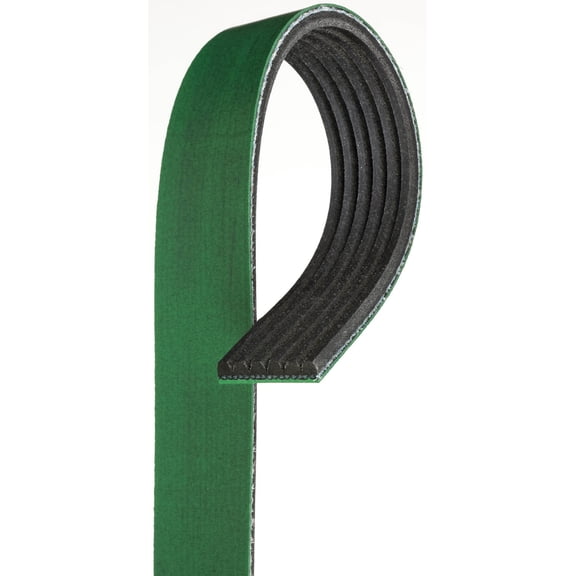
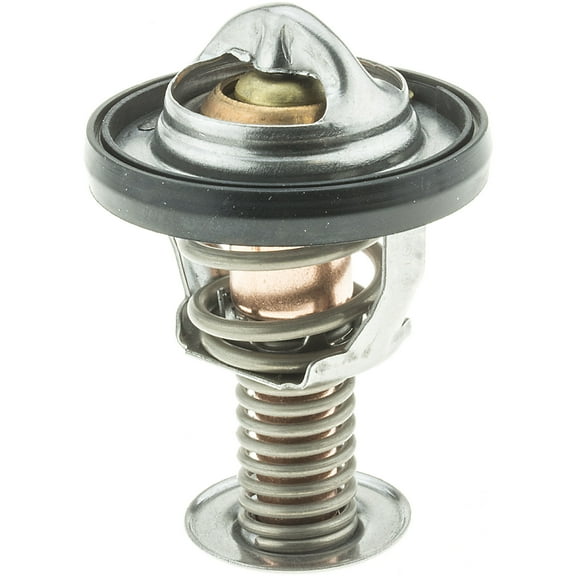

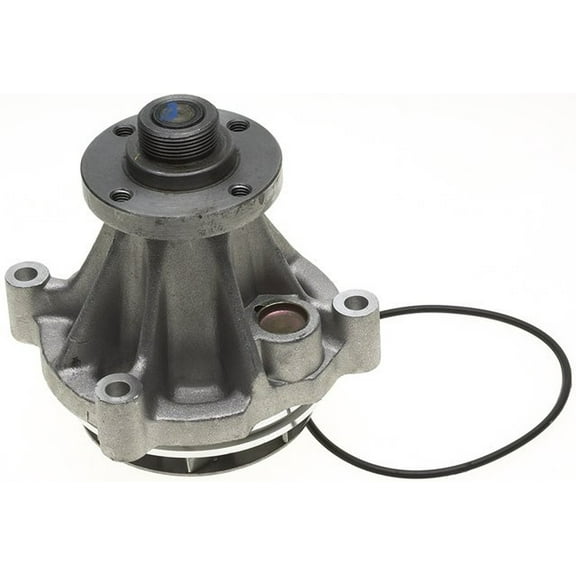
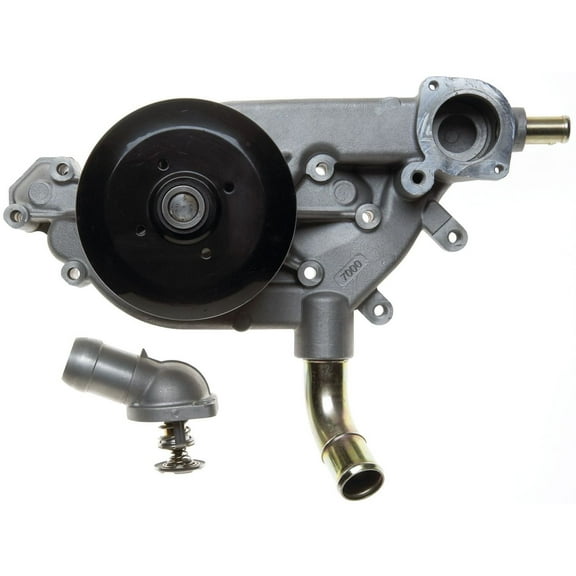

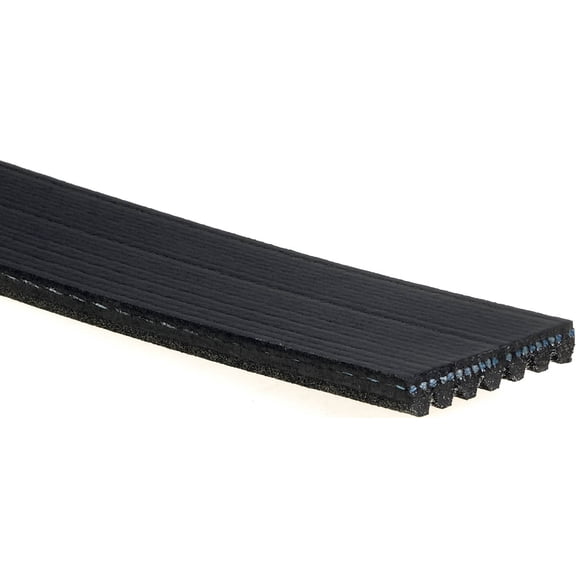
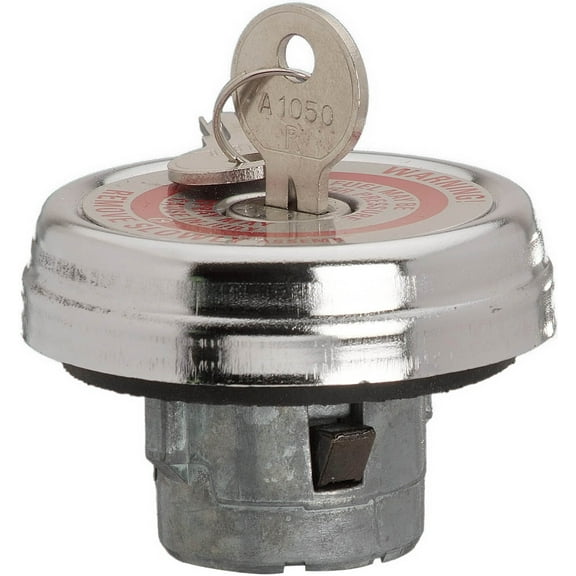

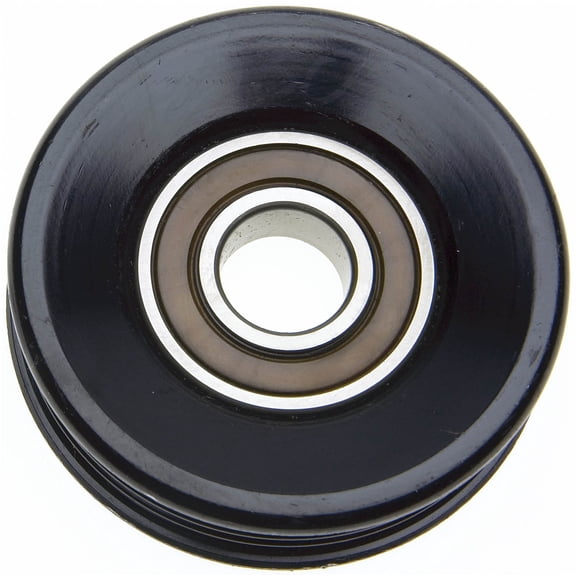
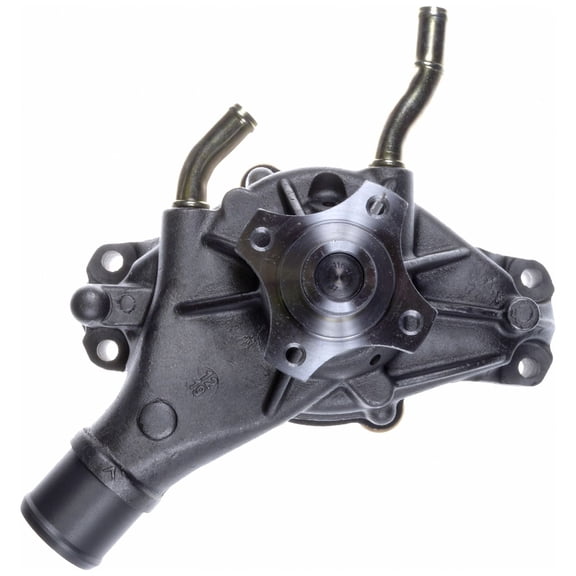

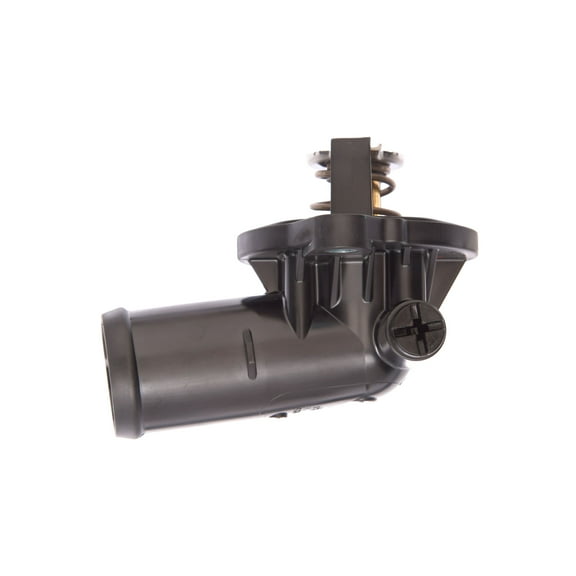
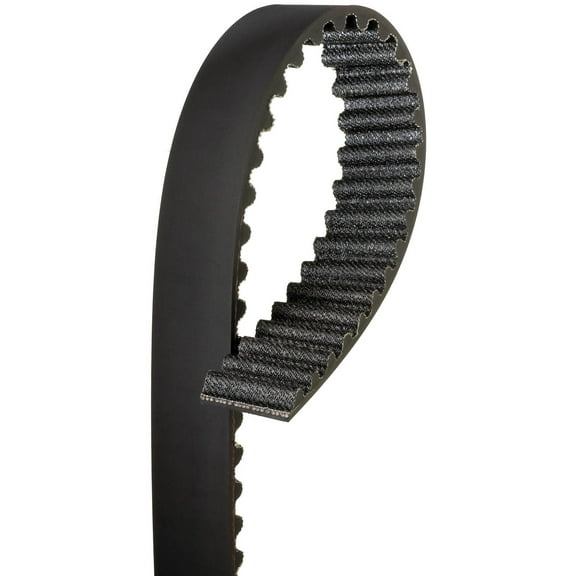



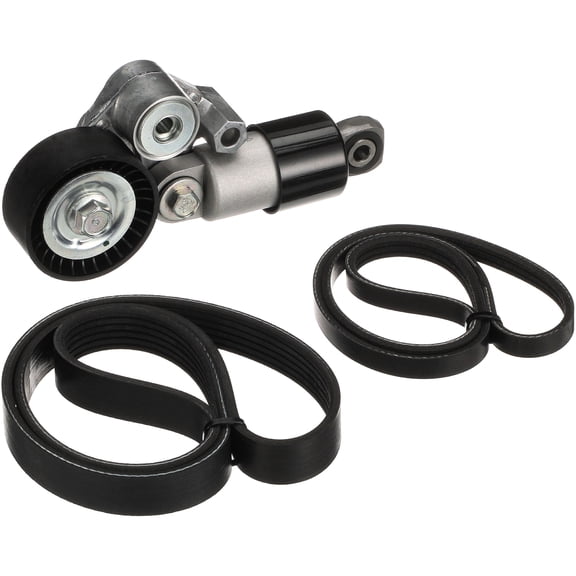





About Gates Auto Parts for Engine and Drive Systems - Walmart.com
Gates auto parts help you handle replacement needs across belts, hoses, and tensioners with fitment-focused options for daily drivers, work vehicles, and fleet service. You can compare part type, vehicle compatibility, material, and application so your replacement matches your engine setup and maintenance plan.
How to choose Gates auto parts by part type
You should start with the part type your vehicle needs, because a serpentine belt, timing belt, radiator hose, and belt tensioner serve different systems. You can narrow choices quickly when you match the part to accessory drive, timing system, or engine cooling needs.
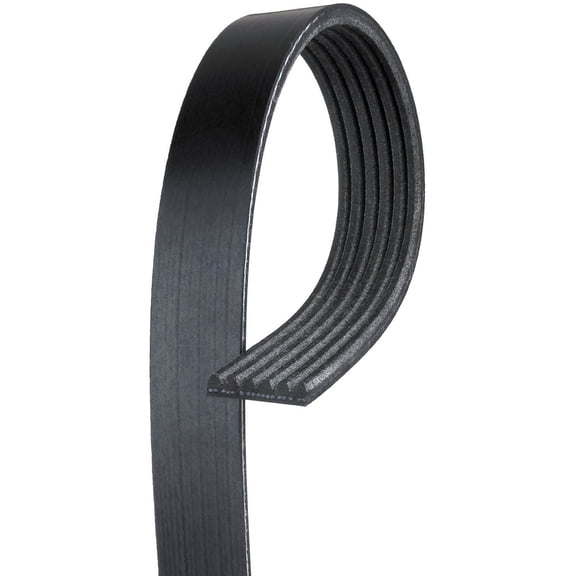
When you compare Gates serpentine belts, you’re looking at a belt that drives accessories like the alternator and power steering components. You’ll want the correct length, rib count, and vehicle fitment for steady operation and straightforward replacement planning.
If you’re choosing Gates timing belts, you’re selecting a part tied to precise engine timing and scheduled maintenance intervals. You should check your year, make, model, engine size, and service requirements before you choose this category.
For engine cooling needs, you may compare Gates radiator hoses that route coolant between major cooling components. You’ll want the right shape, diameter, and connection style so your hose matches your factory routing.
You can also look at a Gates belt tensioner when you need the belt path to maintain proper tension. You’ll notice this part matters when you’re replacing a worn drive component or refreshing the whole accessory drive system.
What to look for in Gates auto parts materials
You should compare material details because belts and hoses face heat, movement, and constant engine-bay exposure. You can use material information to judge how a part may hold its shape, flexibility, and fit over time.
- You’ll often look for EPDM rubber when you want a belt or hose material used for modern heat and wear demands.
- You can compare reinforced synthetic construction when you want added structure in hoses and other replacement parts.
- You may check for aramid cord in select belts when you need strength for demanding timing system applications.
With EPDM rubber, you’re considering a material commonly used in modern serpentine belts and hoses. You’ll appreciate that it offers steady flexibility across changing temperatures inside the engine bay.
When you review reinforced synthetic hose construction, you’re checking for a build that supports shape retention under normal system pressure. You can use that detail to compare replacement hoses for passenger cars, light duty trucks, and service vehicles.
If you see aramid cord in a timing belt listing, you’re looking at a reinforcement detail tied to strength and dimensional stability. You should pair that technical term with exact fitment, because timing components depend on precise sizing.
Choosing vehicle compatibility and application
You should treat vehicle compatibility as a decision-critical step, because auto parts must match your exact vehicle information. You can avoid guesswork when you confirm year, make, model, engine size, and application before purchase.
For passenger car maintenance, you may need a serpentine belt or radiator hose sized for compact engine bays and daily commuting use. You’ll benefit from checking routing, hose bends, and engine-specific notes before you finalize your choice.
With light duty trucks, you’re often balancing towing use, accessory load, and routine maintenance intervals. You should compare Gates auto parts by application so your belt, hose, or tensioner aligns with your engine layout.
If you maintain heavy duty or fleet vehicles, you may prioritize repeatable fitment and straightforward replacement scheduling across multiple units. You can keep accurate records when you match part type and compatibility details across each vehicle in service.
You should also compare by application, because accessory drive parts differ from timing system parts and engine cooling components. You’ll make a direct choice when you connect the part to the exact system you’re servicing.
Installation and maintenance scenarios for Gates auto parts
You may choose Gates automotive replacement parts during scheduled maintenance, visible wear checks, or a full system refresh. You can also replace related components together when you want your service visit to cover connected wear items.
For an accessory drive update, you might pair Gates serpentine belts with a Gates belt tensioner when both parts show age. You should consider professional installation if your routing path is tight or your tensioner access is limited.
During cooling system service, you may replace Gates radiator hoses when you’re already working around coolant connections and related hardware. You’ll want to compare hose shape and end connections carefully so installation lines up with your vehicle layout.
When your maintenance plan calls for timing service, you may look at Gates timing belts for the correct engine application. You should strongly consider professional installation here, because timing alignment depends on exact placement and engine-specific procedures.
You can also shop with seasonality in mind when cooling system maintenance becomes part of your regular vehicle checklist. You may notice related parts like a Gates thermostat while reviewing engine cooling components for a comprehensive service plan.
As you compare a Gates belt catalog, you should focus on fitment details instead of choosing by appearance alone. You’ll get a confident match when you measure your need by system, material, and compatibility data.
With Gates auto parts, you can make an informed replacement choice by matching the right part type to your vehicle and service job. You’ll leave with clearer fitment, material, and installation guidance for belts, hoses, and tensioners.