





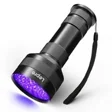


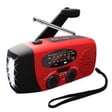


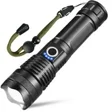


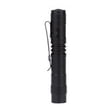

Flashlights for Camping and Outdoor Sports


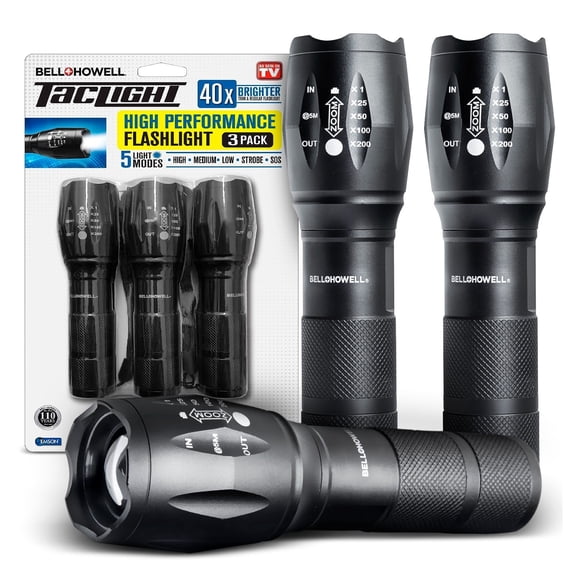


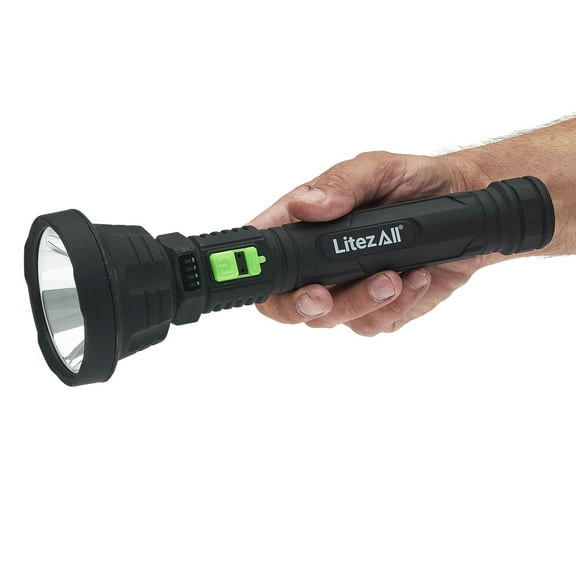

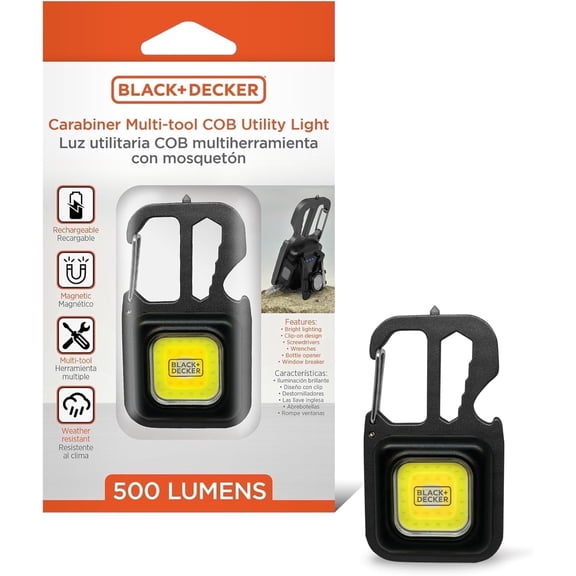

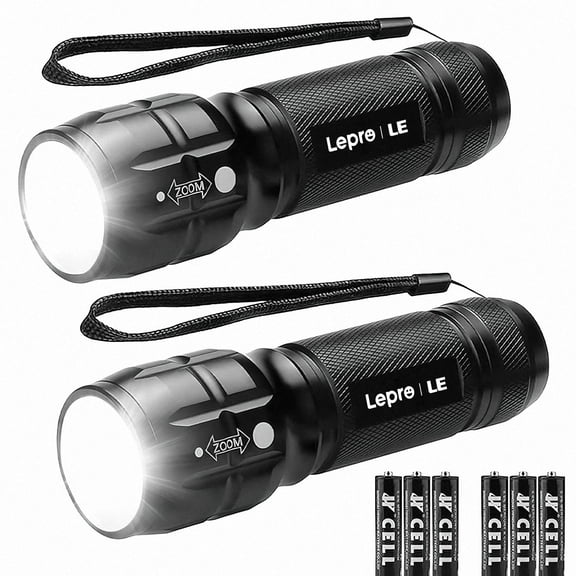


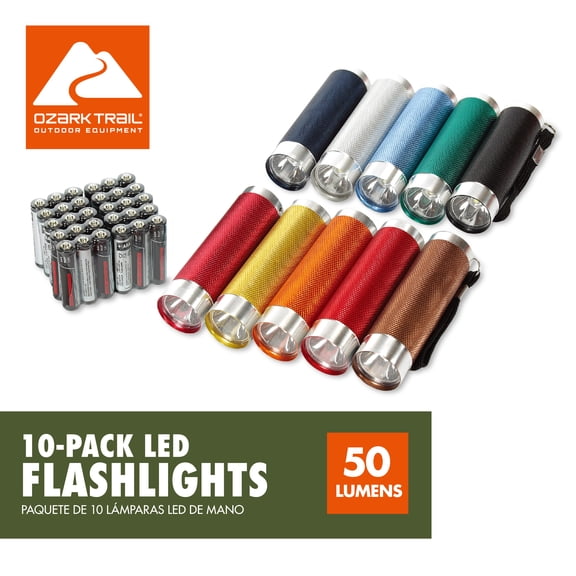
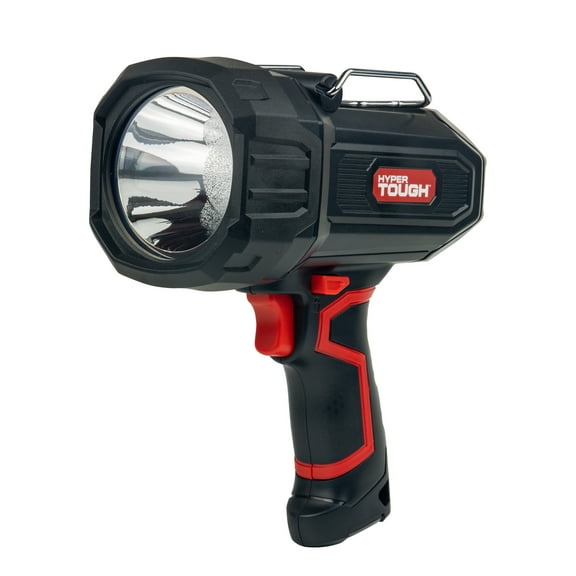

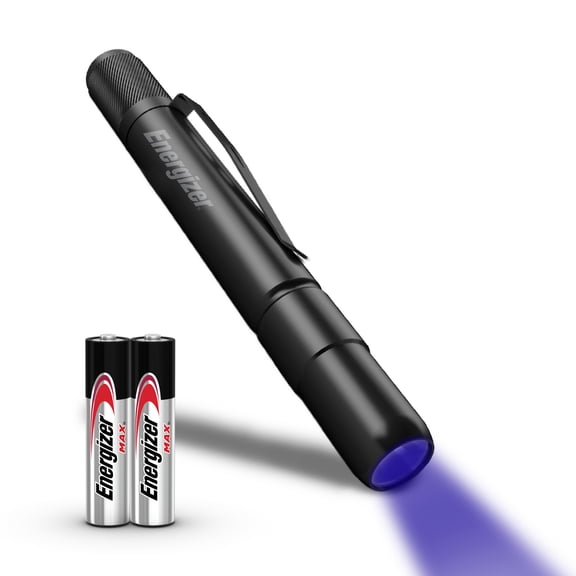








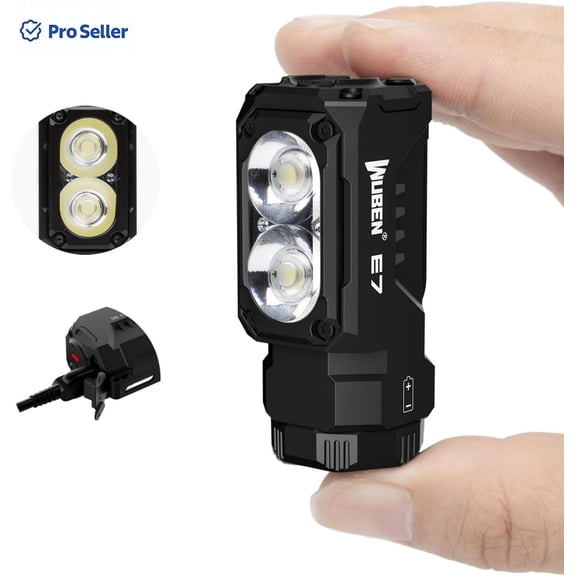


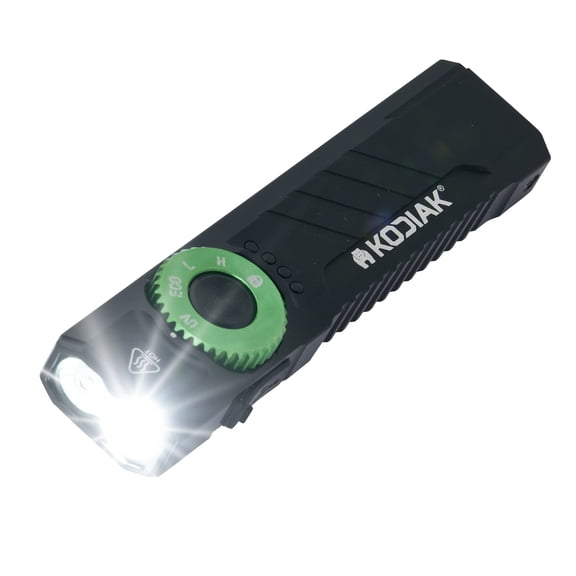
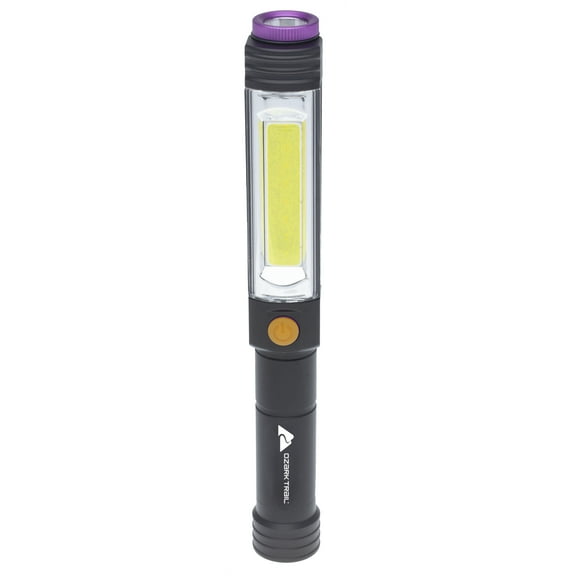
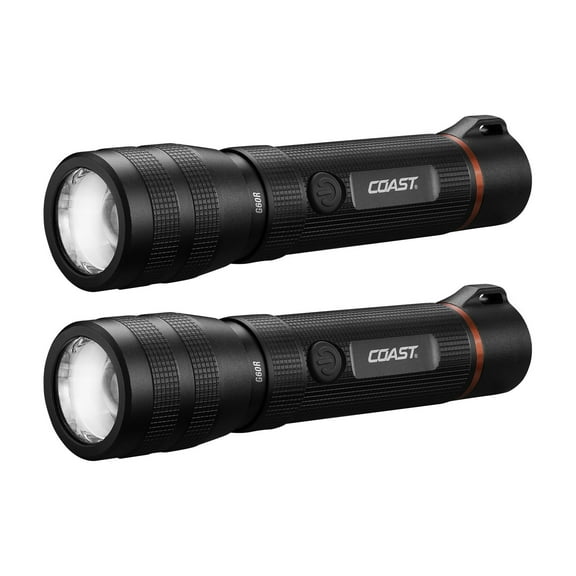



About Flashlights for Camping and Outdoor Sports - Walmart.com
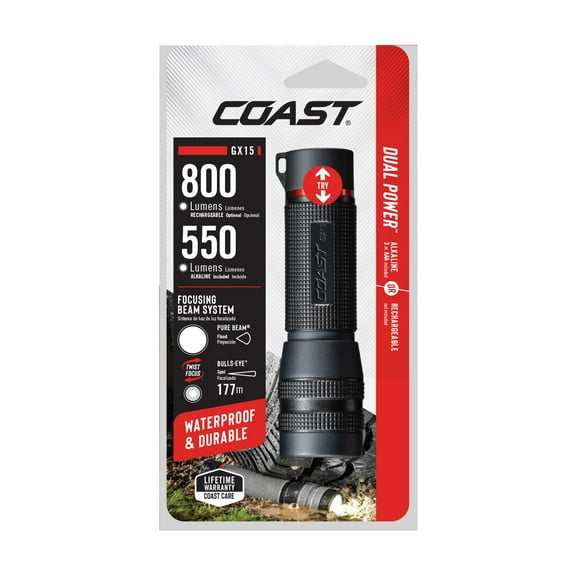
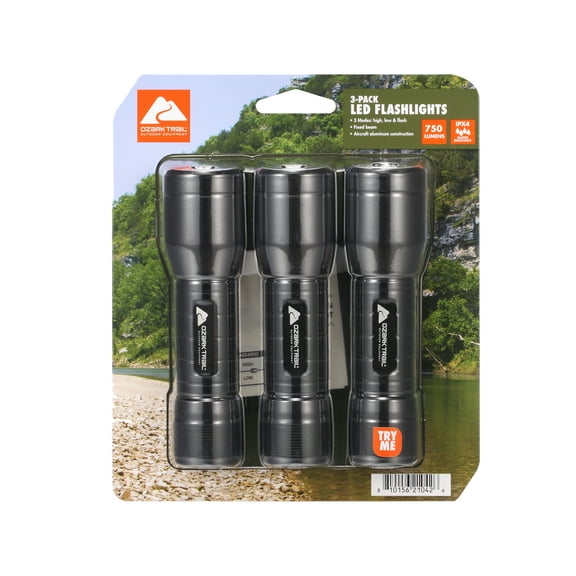
Led flashlights help you see clearly during camping trips, power outages, and late-night tasks around your home or vehicle. You can compare brightness, power source, and durability in one place, so your choice fits how you actually use a flashlight.
How to choose led flashlights for your routine
When you compare led flashlights, you should start with where and how often you'll use them. Your everyday drawer light needs different features than your trail, worksite, or emergency light.
You’ll also want to balance brightness with runtime, because higher output can drain power faster. If you check lumens and runtime together, you can avoid choosing a light that feels too dim or fades too soon.
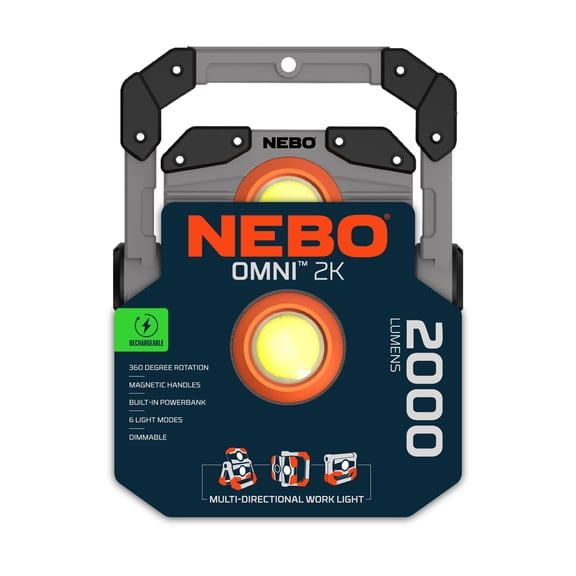
- You can pick rechargeable models when your flashlight gets frequent use at home, work, or camp.
- You can choose battery-powered options when you want quick swaps and easy backup storage.
- You can look for solar charging when you want another power option for outdoor or emergency kits.
- You can compare high lumen output with runtime in hours for stronger visibility during demanding tasks.
- You can check waterproof and impact-resistant details for rough weather, wet gear bags, and active trips.
Choosing power source and brightness
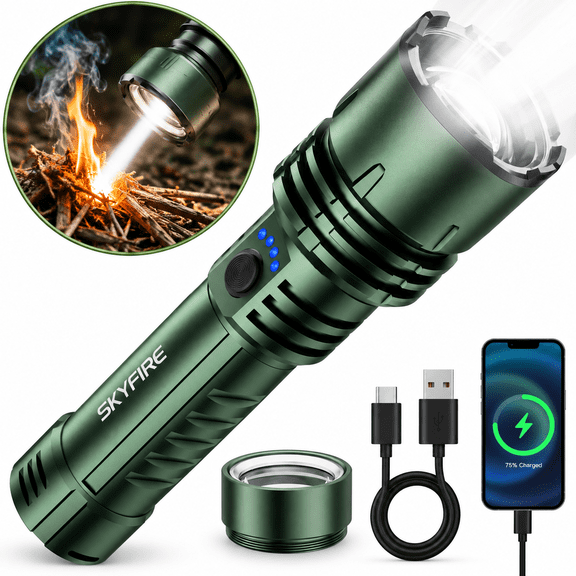
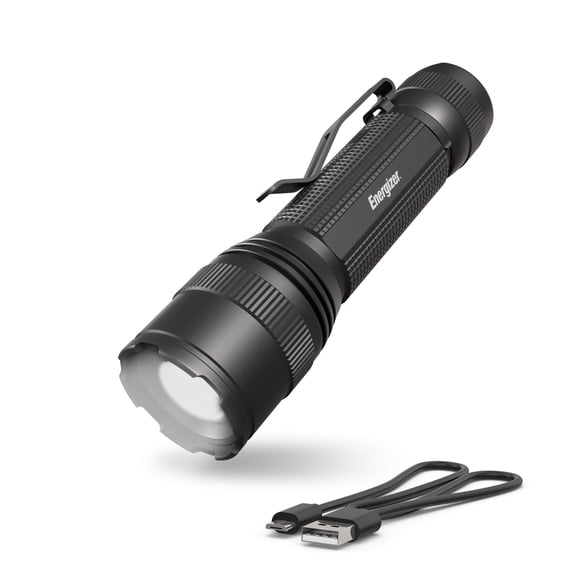
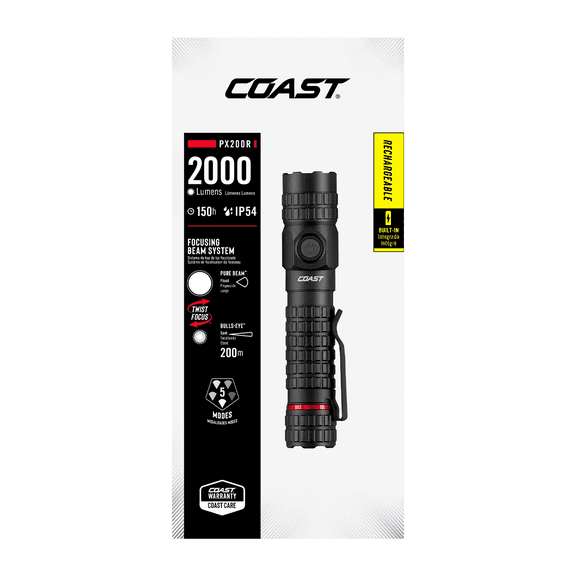
Rechargeable led flashlights work well when you use your light often and want simple charging between uses. You can keep one in your car, garage, or backpack and recharge it instead of replacing cells.
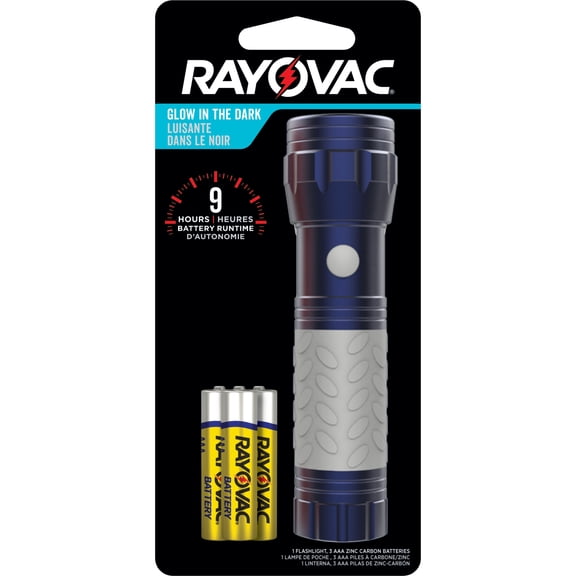
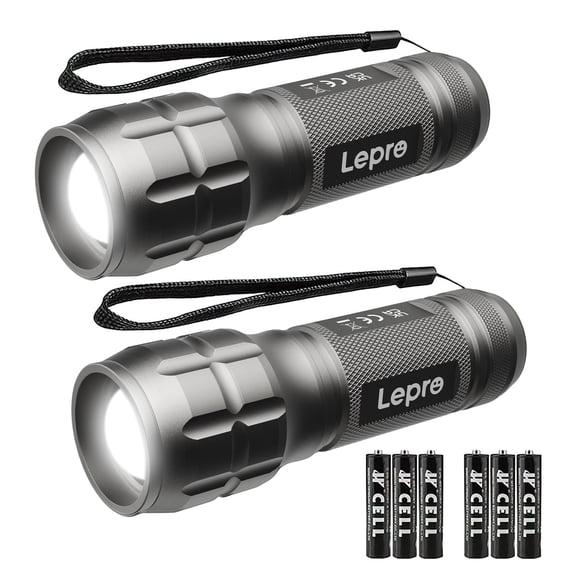
Battery-powered models make sense when you want familiar power options and easy battery swaps. You may prefer them for emergency flashlights, because you can store fresh batteries separately and rotate them as needed.
Solar options can help when you spend time outdoors and want another charging method available. You should still check charging speed and stored runtime, so your light matches your expected use.
Brightness usually starts with lumens, and higher numbers often mean a stronger beam. You should compare high lumen led flashlights with runtime in hours, because extra output can shorten how long your light stays bright.
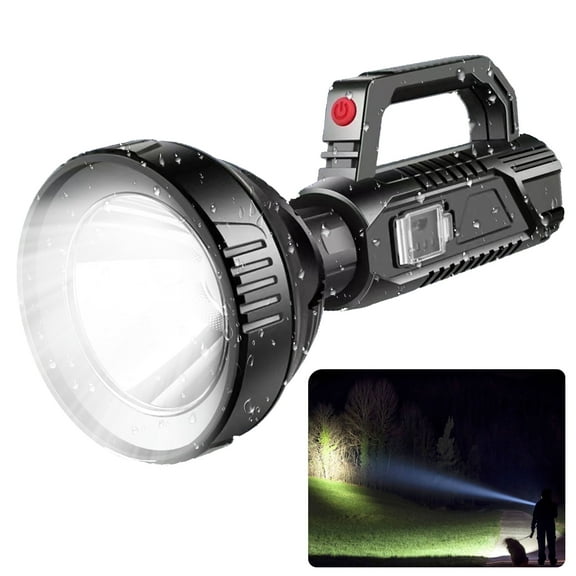
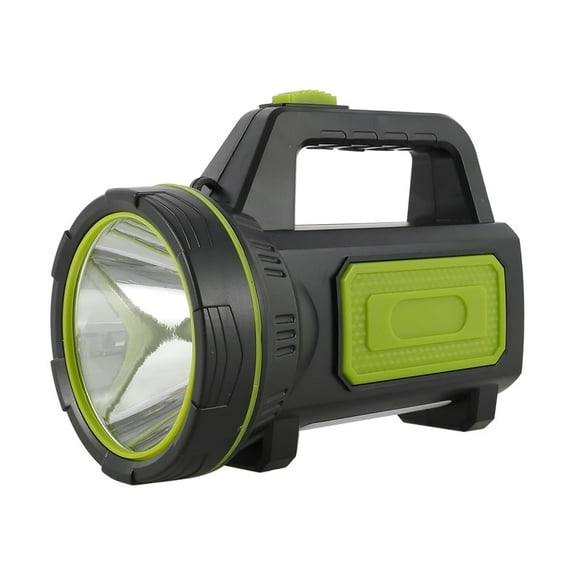
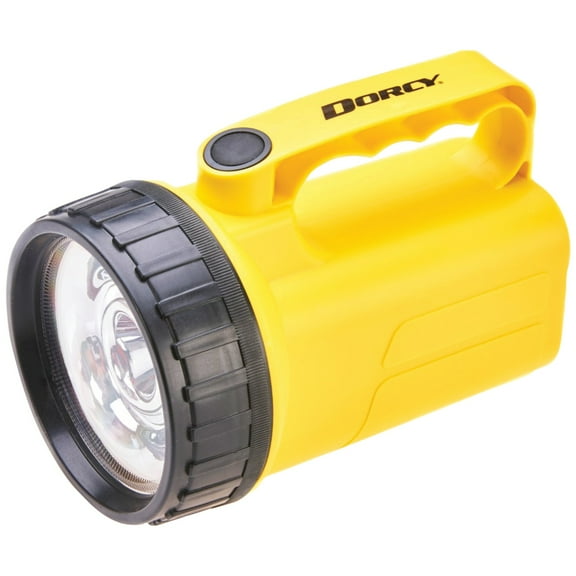
Beam shape matters too, especially when you move between close work and long-distance viewing. You can use a wider flood beam for campsites and repairs, while a tighter spotlight helps you see farther ahead.
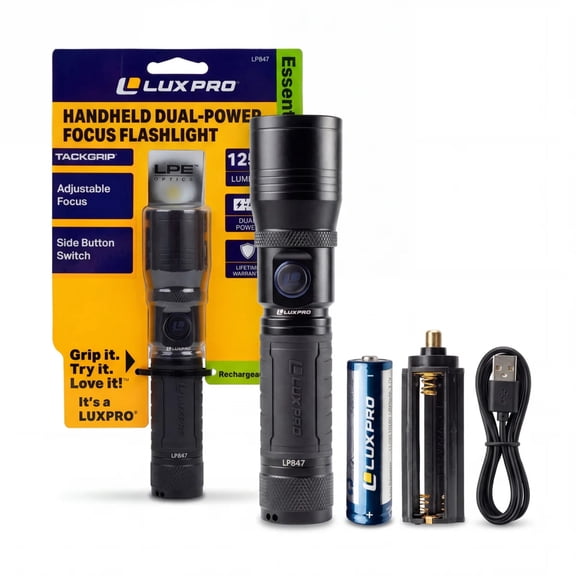
If your flashlight offers focus adjustment, you can switch between broad and narrow beams as your setting changes. That flexibility helps when you need one handheld flashlight for both trail walking and gear checks.
Comparing tactical led flashlights and durability
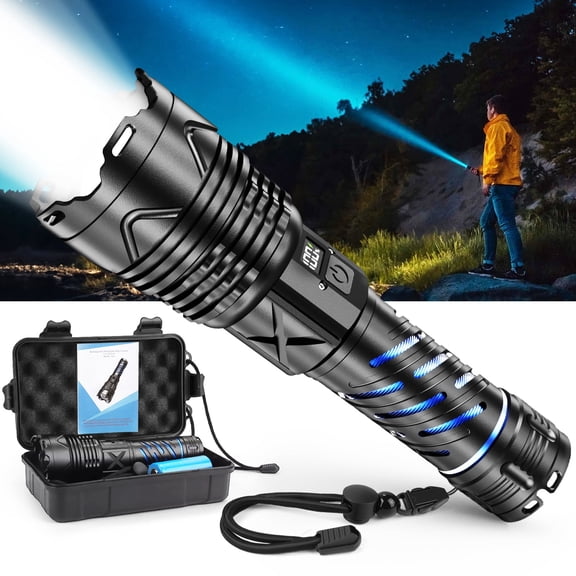
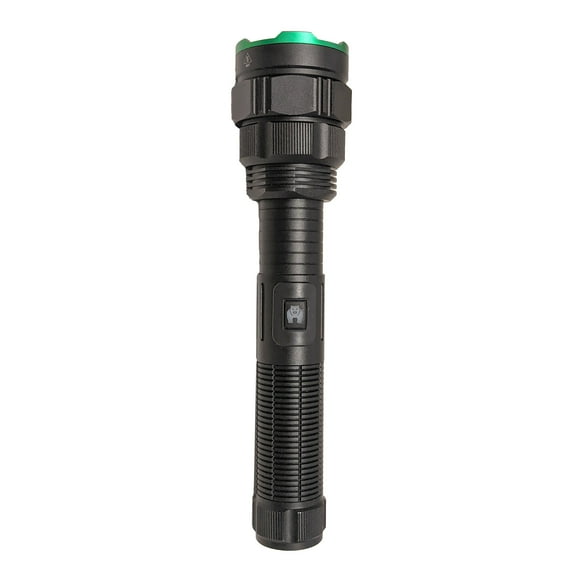
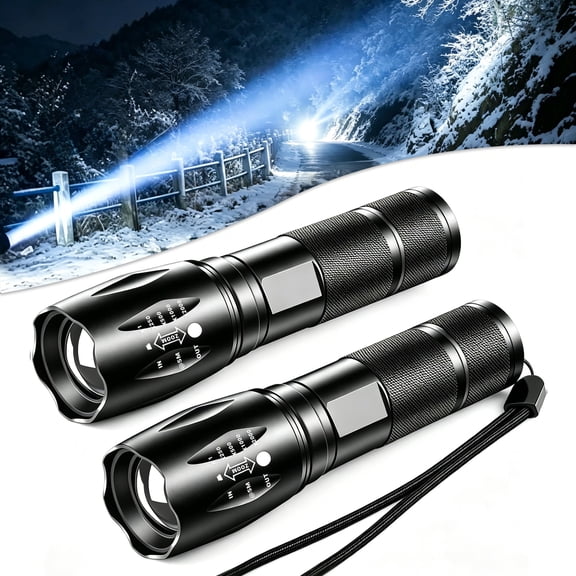
Tactical led flashlights usually emphasize grip, beam control, and high output for demanding conditions. You may prefer them when your activities involve night hiking, field tasks, or packed gear that sees heavy use.
Outdoor and emergency use often call for durability details that go beyond simple brightness claims. You should look for waterproof flashlights or lights with an IPX rating, because that rating helps you compare water resistance more clearly.
An IPX7 rating, for example, tells you the light withstands temporary water immersion within defined limits. You don’t need technical jargon alone, because your real goal is a flashlight that keeps working in rain or wet conditions.
Impact resistance matters when your flashlight rides in a toolbox, truck, or camping bin. If you check a stated drop-test height, you can better judge whether the light suits active outdoor use.
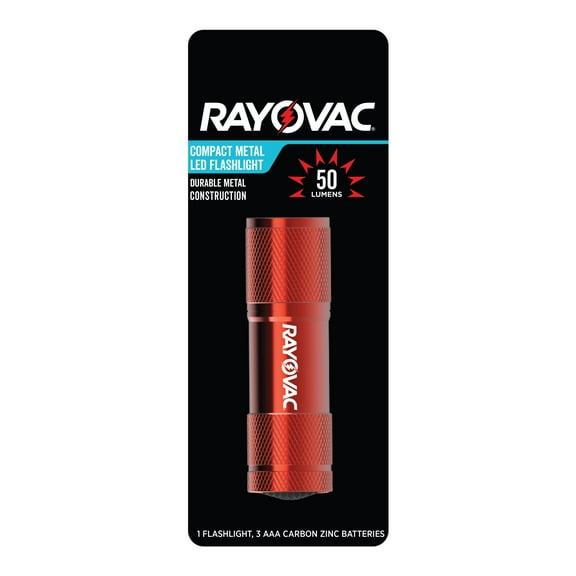
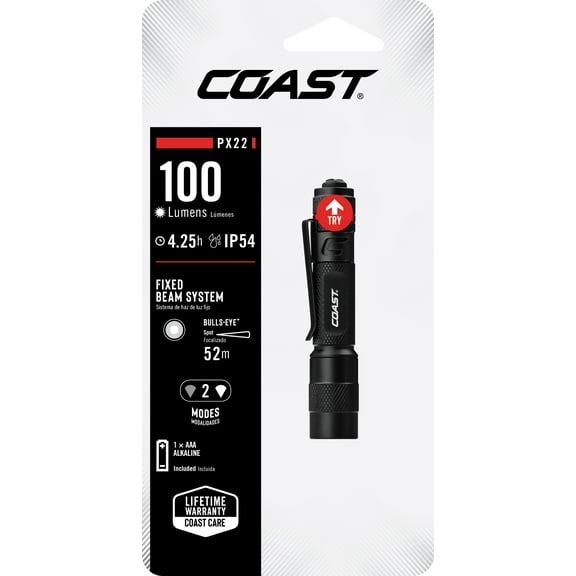
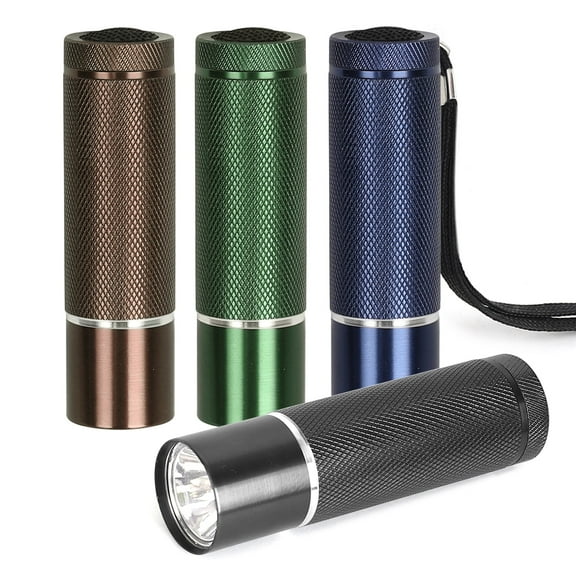
Small led flashlights can be useful when you want compact carry in a pocket, glove box, or kitchen drawer. You should still compare grip and switch placement, because a tiny body can feel different during longer tasks.
Matching led flashlights to real use cases
For camping, you may want a rechargeable light with moderate to high output and a wider beam. That combination helps you light a tent area, sort gear, and walk short paths without carrying bulky equipment.
For storm prep, you may want emergency flashlights with straightforward controls and dependable runtime. You can keep one by your bed, one in your vehicle, and one with backup batteries or a charging cable.
If you work outdoors or move through dark spaces regularly, you may want tactical led flashlights with focused beams. You can use the tighter throw to check distant objects, fence lines, or trail markers more easily.
For household use, standard brightness can be enough for closets, breaker panels, and nighttime dog walks. You don’t always need an intense beam if you mainly want quick visibility and simple storage.
When you pack for travel, compact handheld flashlights can fit easily into bags and car compartments. You should compare lockout features or protected switches, so your light doesn’t turn on while packed.
If your weather conditions change often, waterproof flashlights and impact-resistant builds can add peace of mind. You can rely on those details when you toss your flashlight into damp packs, utility drawers, or boat gear.
What to look for before you decide
You should measure your choice against four key points: power source, lumen output, runtime, and durability. When you compare those details together, you can narrow the field quickly and pick a light that suits your routine.
Your ideal flashlight depends on whether you need compact carry, longer runtime, stronger throw, or tougher construction. With the right led flashlights, you get clear visibility where you need it and reliable performance when conditions change.