






Comforters in Bedding









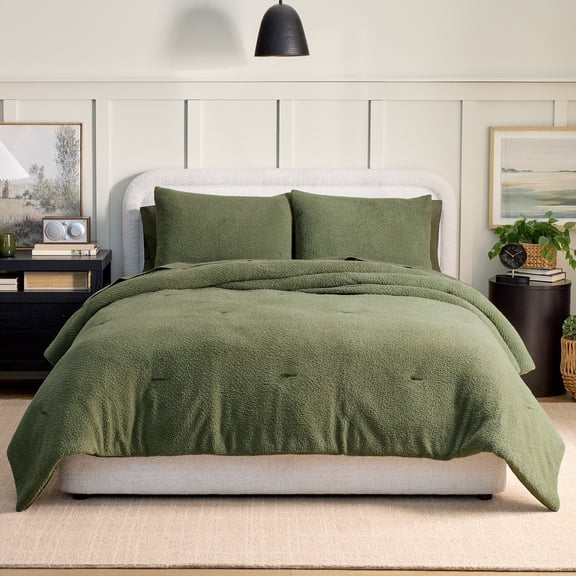


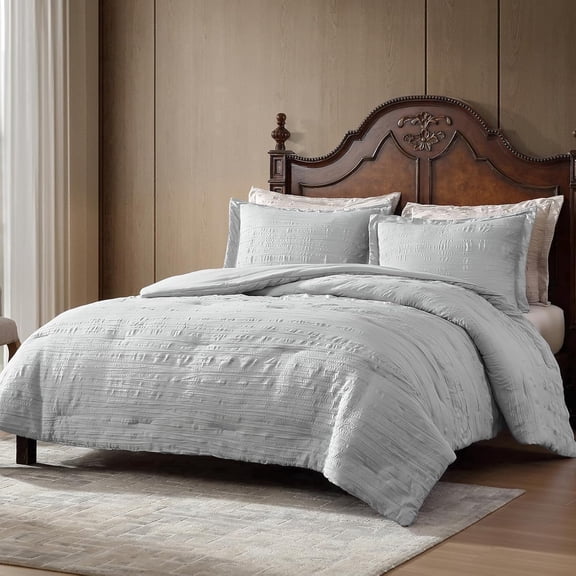


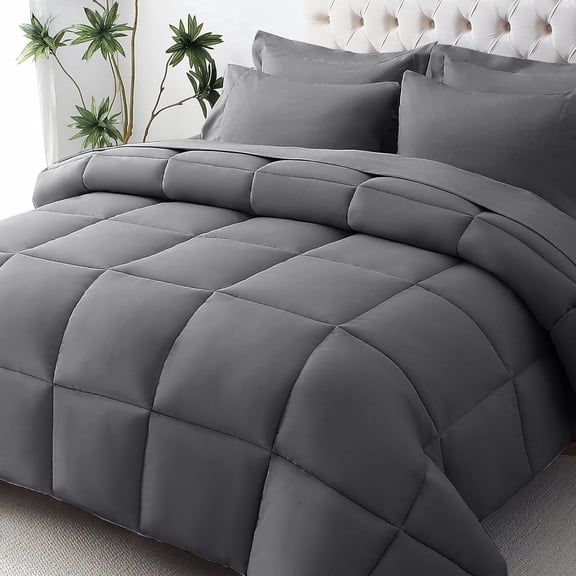
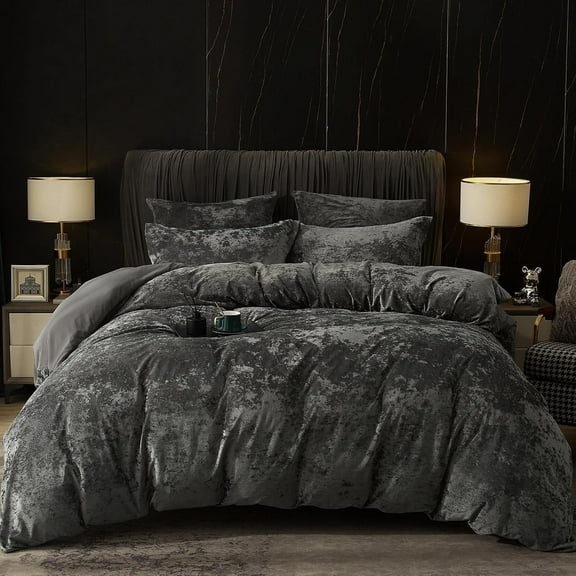


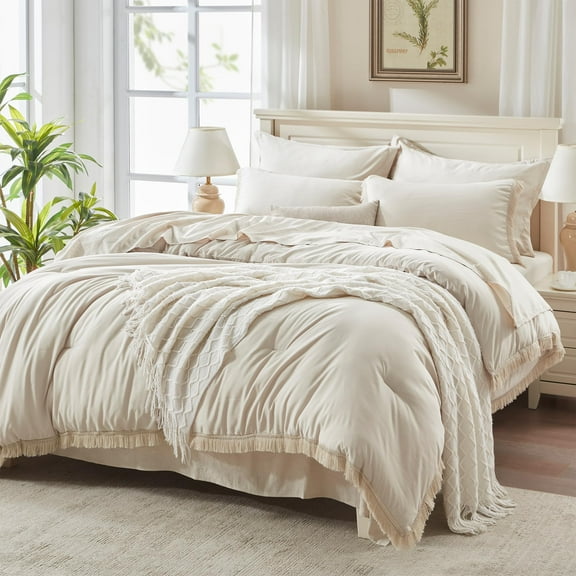


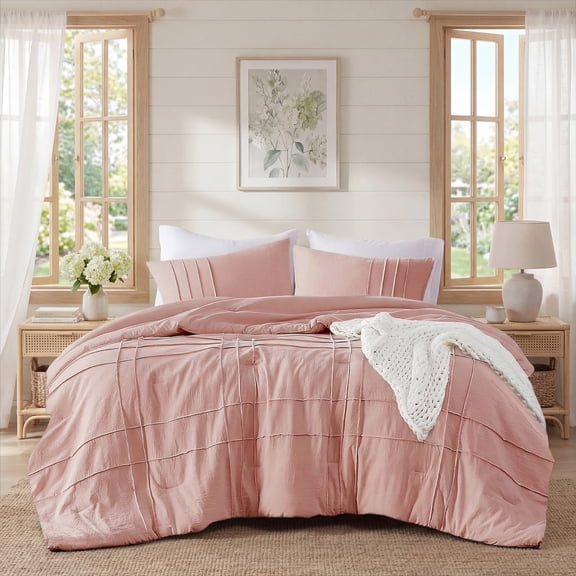


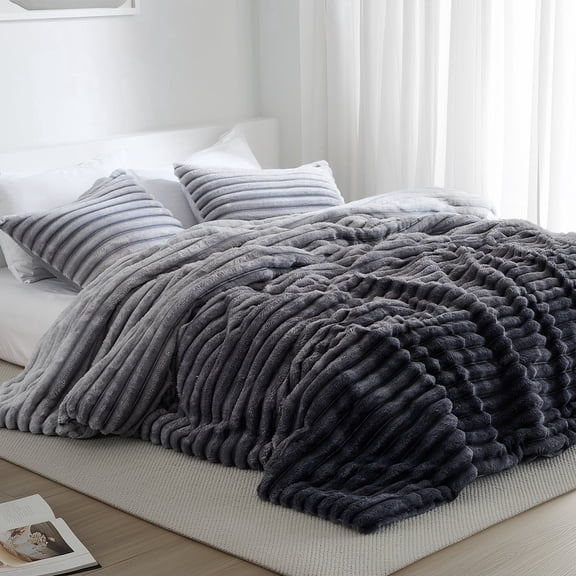


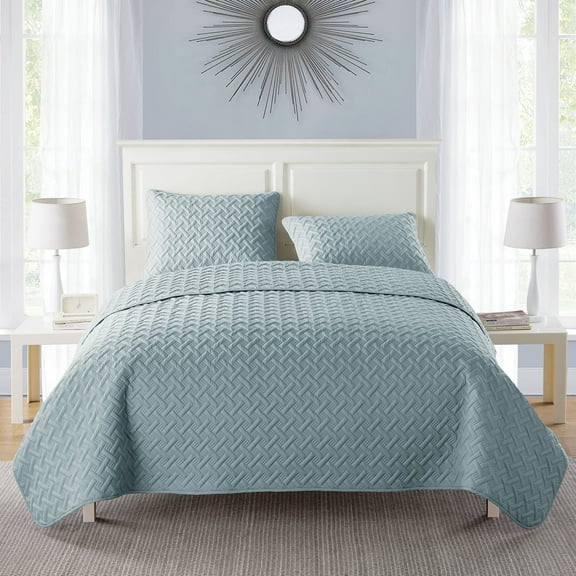


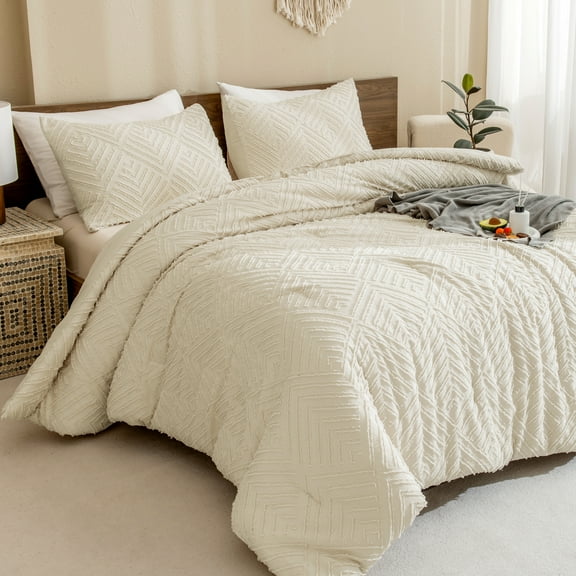


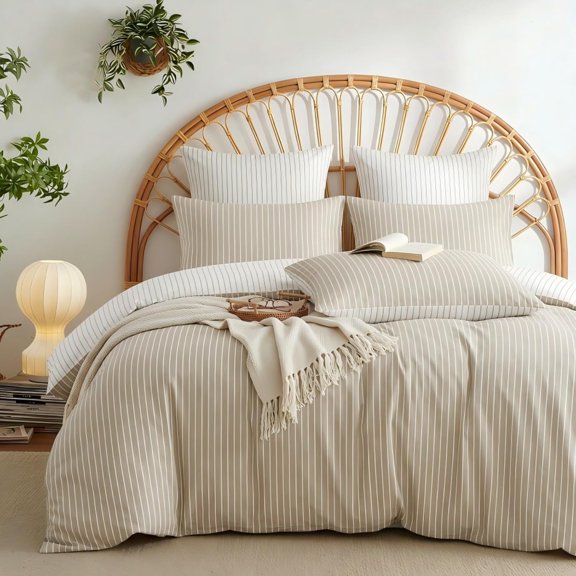


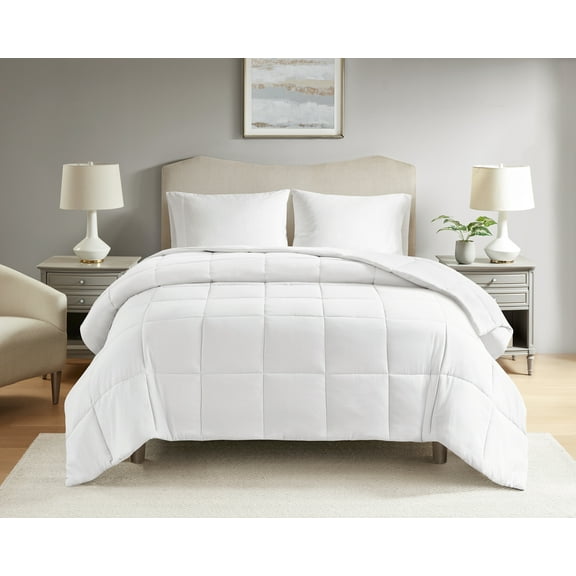


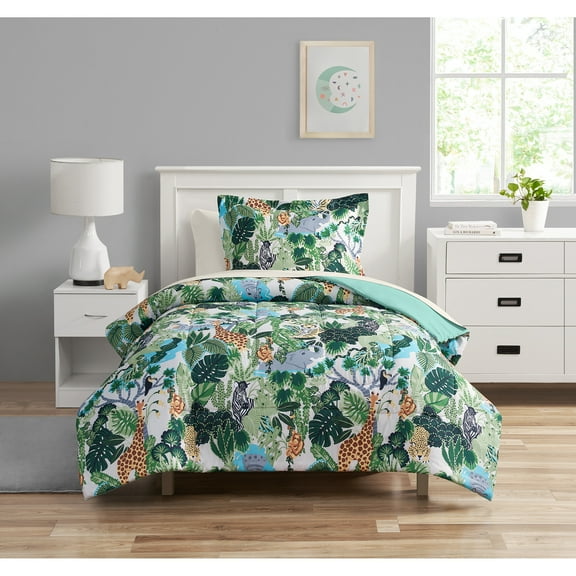
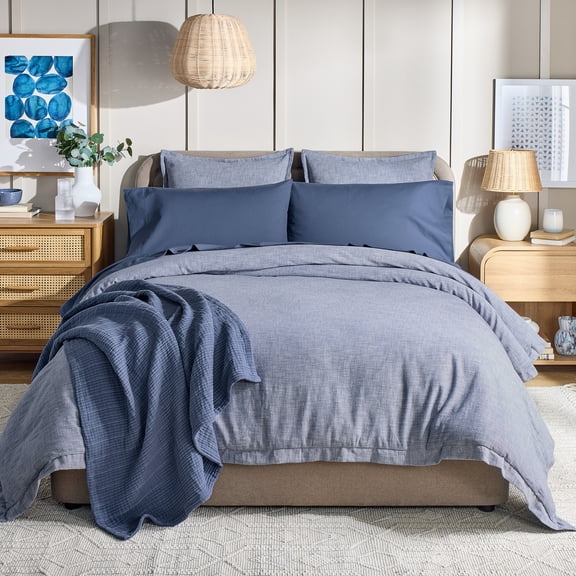


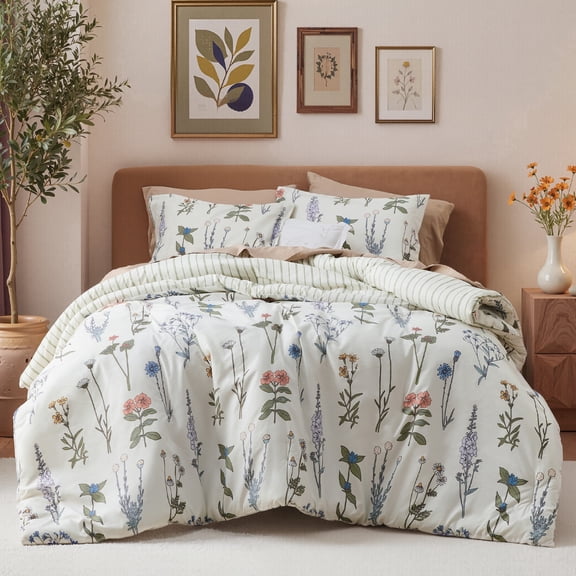
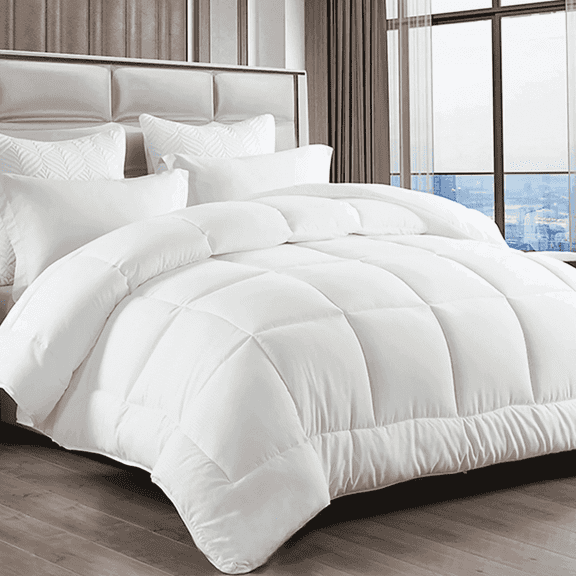
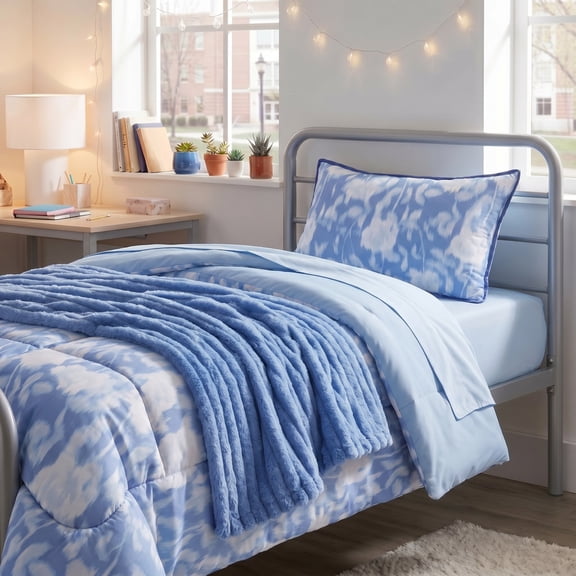


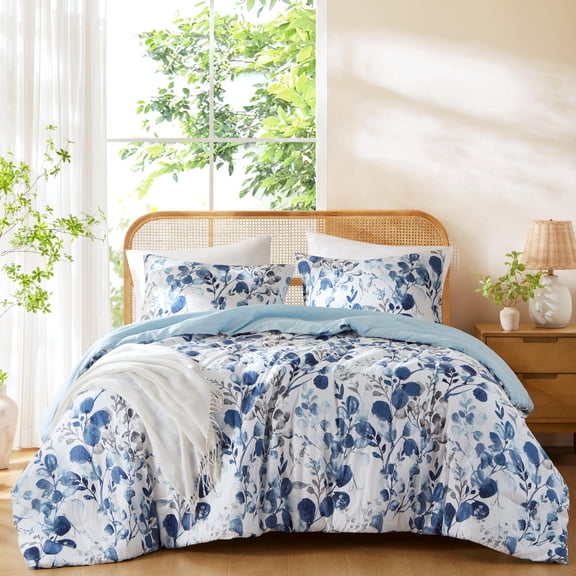


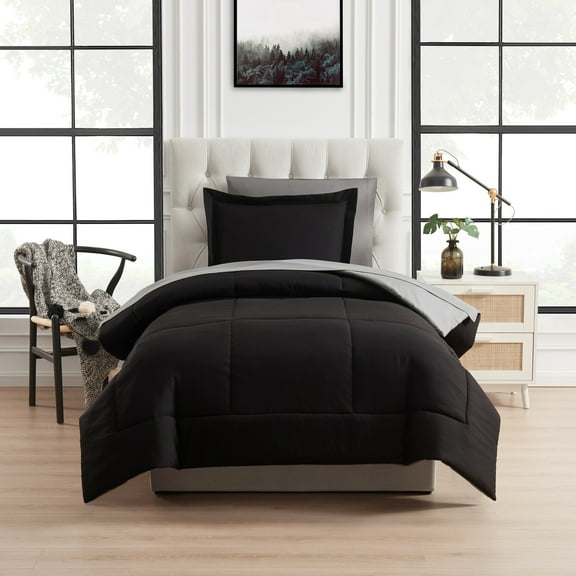


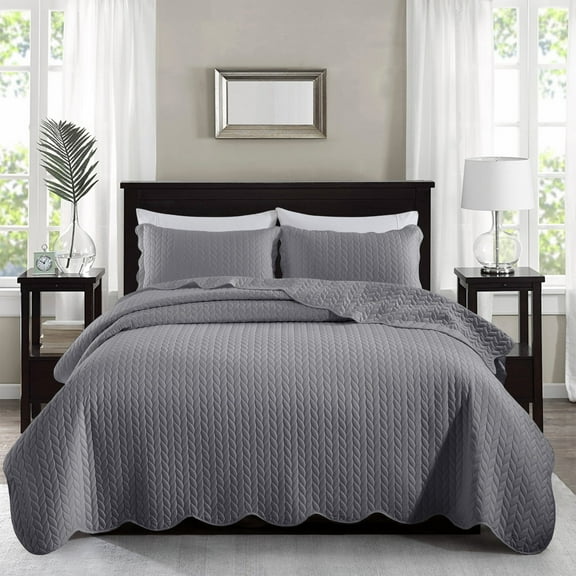


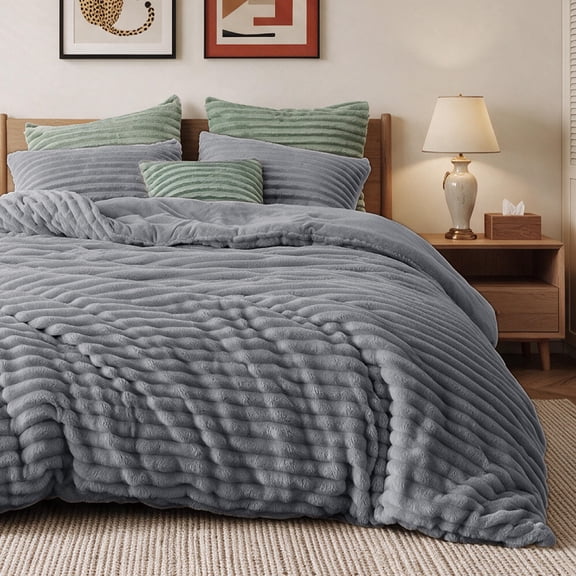










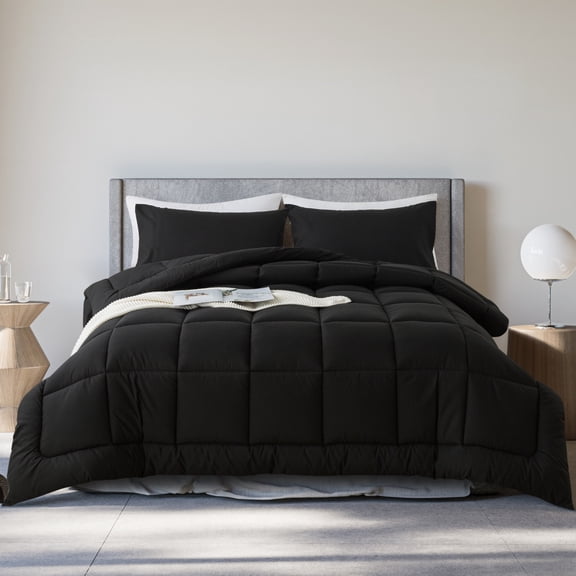




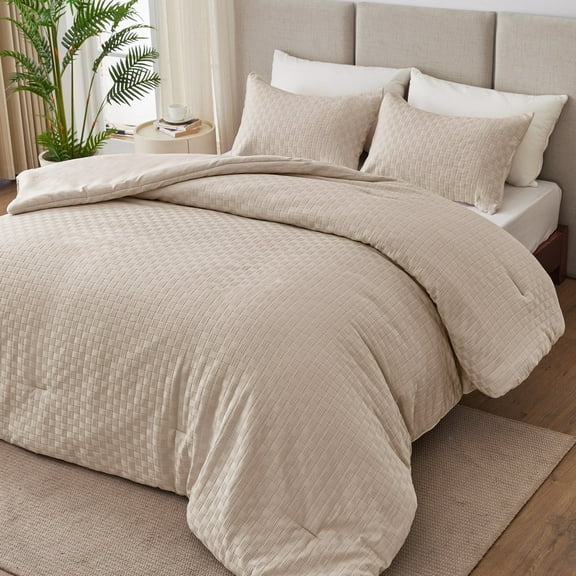


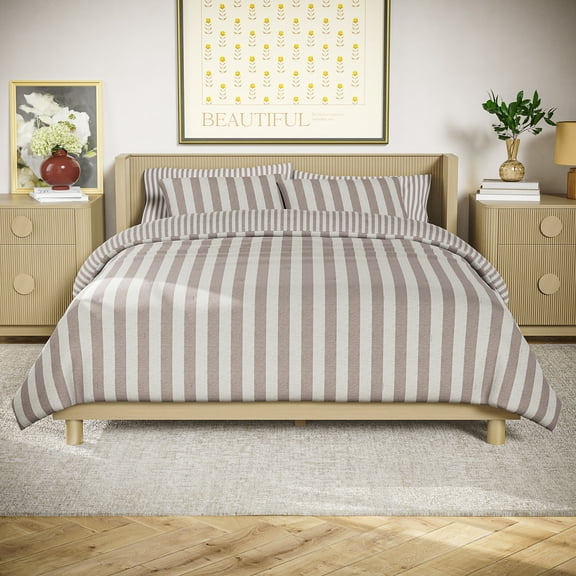


About Comforters in Bedding - Walmart.com
Comforters help you build a warmer, more finished bed with the right loft, size, and feel for your room. You can compare fill, warmth, and set options here, so your bedding feels coordinated and easy to live with.
How to choose comforters by size
You should start with your mattress size, then think about how much drape you want at the sides. If your bed has extra depth, you may prefer sizing up for fuller coverage.
A twin option works well when you want a neat fit for smaller beds and guest spaces. A queen comforter gives you flexible coverage for many primary bedrooms and shared beds.
If you dress a larger mattress, a king comforter gives you more overhang and a broader look. You can also compare dimensions closely when your bed includes a pillow top.
- You can choose twin for compact beds and simple layering.
- You can pick full or queen when you want balanced coverage and easy styling.
- You can select king when you want extra width across a larger mattress.
- You can size up when your deep mattress needs more drape at the edges.
Choosing between comforter sets and bedding comforters
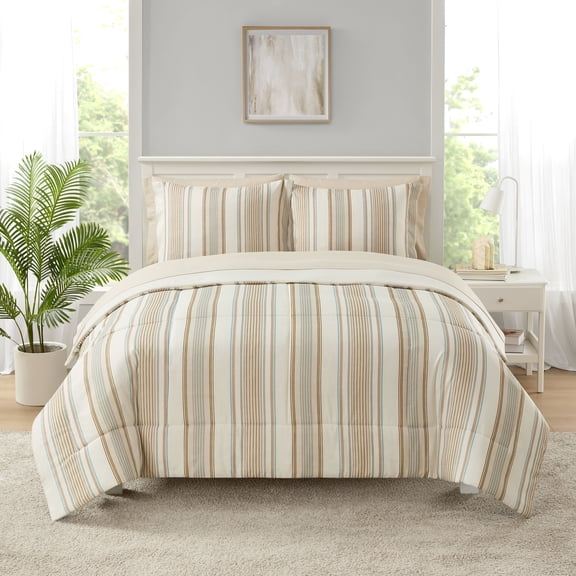
You may want comforter sets when you prefer a pulled-together look without matching pieces separately. You can often coordinate shams or extra layers more easily with a multi-piece setup.
If you want only the main layer, you can choose a comforter only option for simple seasonal updates. A bed-in-a-bag setup can help you cover more of your bed styling in one choice.
When you compare bedding comforters, you should think about how much coordination matters in your room. You can keep things minimal with one layer or create a more complete bed with added pieces.
What to look for in down comforters and other fills
You should compare fill material because it shapes loft, warmth, and overall feel on your bed. Down comforters usually feel airier, while still giving you noticeable puff and insulation.
If you review fill power, you can think of it as loft that affects how full and fluffy your comforter feels. Higher fill power usually means you get more warmth from less weight.
You may prefer down alternative when you want a similar look with straightforward care and broad everyday appeal. Cotton and polyester fills can also give you different textures, weight, and maintenance needs.
For allergy-sensitive households, you may lean toward down alternative for easier everyday comfort choices. If you like natural fill, you should check care details before choosing your preferred loft level.
Deciding on lightweight, all-season, and warm comforters
You should match warmth level to your room temperature, sleep preferences, and seasonal routine. Lightweight options can feel easier for layering, while warm comforters add more insulation for cooler nights.
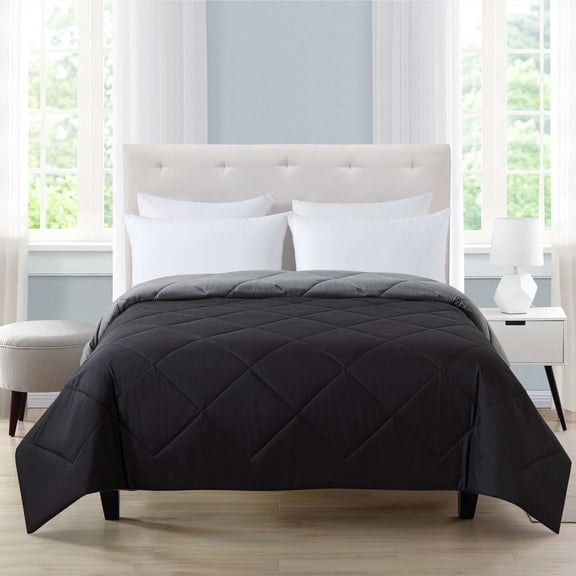
An all season comforter works well when you want one layer that handles changing weather without frequent swaps. You can keep your bedding routine simpler when your room stays fairly consistent year-round.
If your space runs cool, you may want a heavier option with a fuller look and denser feel. If your room stays warmer, you may prefer less bulk and easier airflow.
Features that make everyday care easier
You should always check the care label before deciding, especially if you want simple laundering at home. Some comforters are machine-washable, while others may need more specialized care.
If your schedule stays busy, you may prefer materials and fills that fit your washer and dryer routine. You can also compare shell fabrics when you want a smoother hand or a crisp finish.
Stitching pattern matters because you want fill to stay distributed across the bed after regular use. You should look for construction that keeps the comforter looking even from edge to edge.
How your comforters fit real rooms and routines
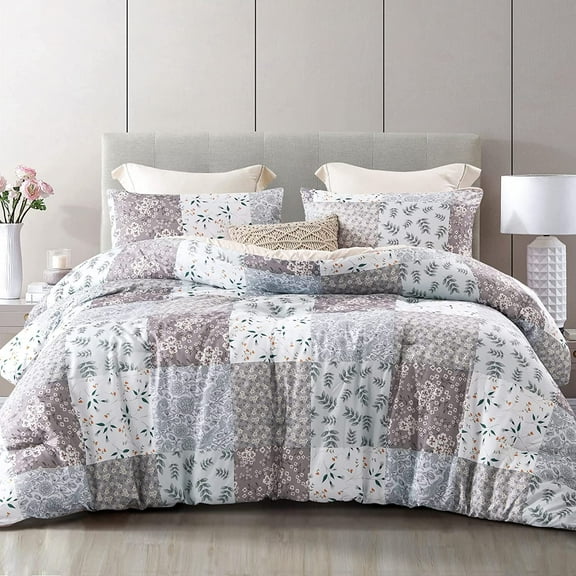
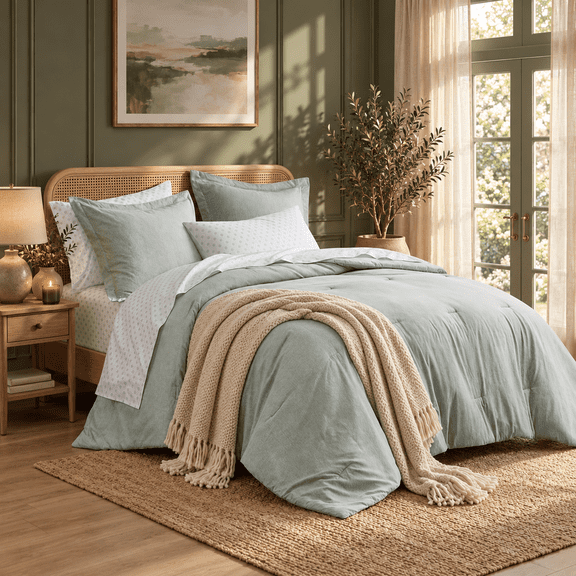
You might choose a queen comforter for a main bedroom where you want comfort and polished coverage every night. You can pair it with sheets and pillows to create a layered look that feels complete.
In guest rooms, you may want an all season comforter that works across changing temperatures and visit lengths. You can keep the bed welcoming without storing several bulky layers.
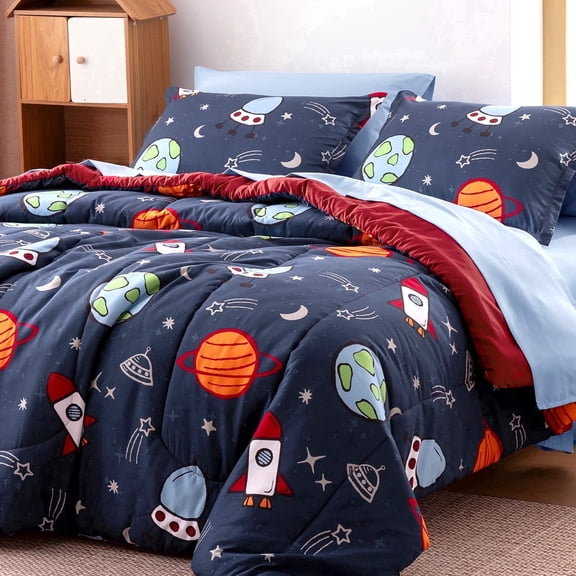
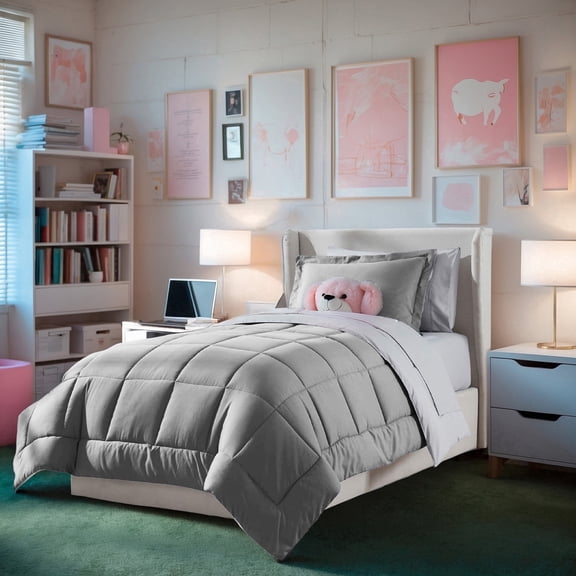
For dorms, kids' rooms, or smaller spaces, you may prefer a twin size with lightweight fill and easy care. You can refresh the room quickly when the comforter is simple to wash and style.
If you share a larger bed, you may want a king comforter with extra width and a fuller drape. You can reduce edge tugging and keep the bed looking more balanced through the week.
You can feel more confident when your comforters match your mattress, warmth needs, and care routine. That kind of fit helps your bed look finished and feel comfortable night after night.