

Blinds in Blinds & Shades






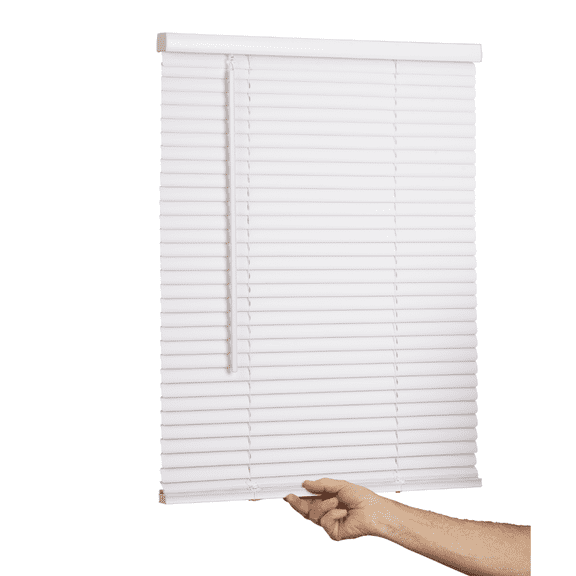
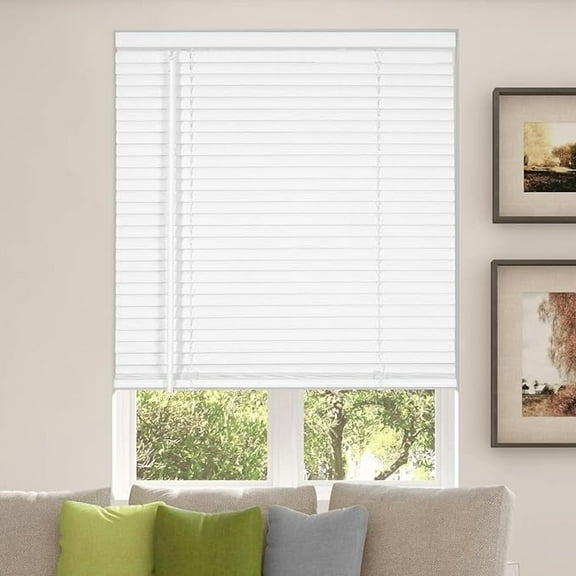
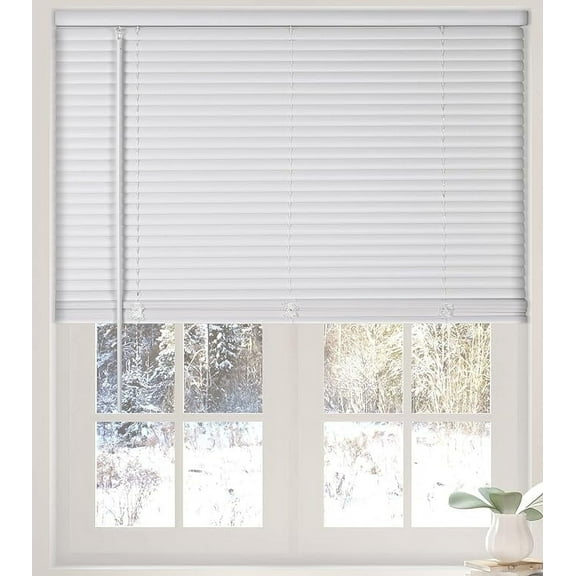


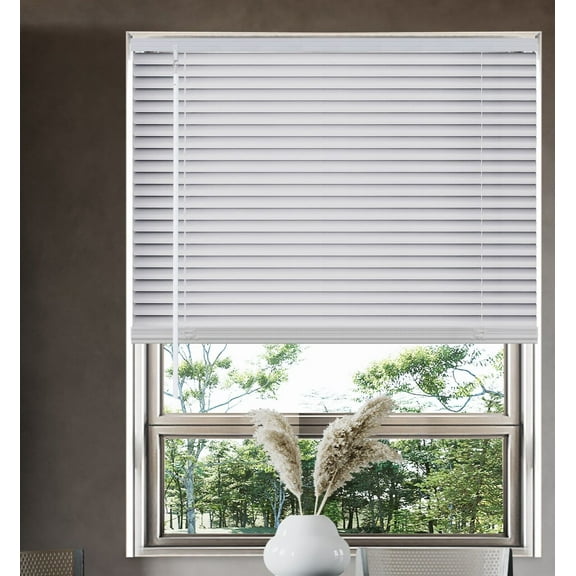


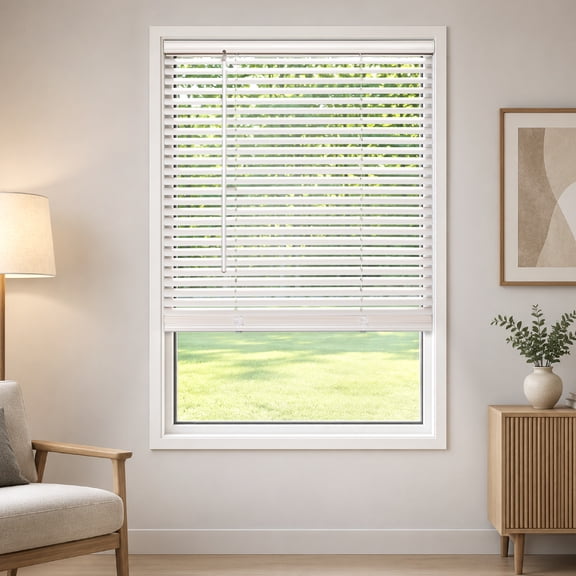


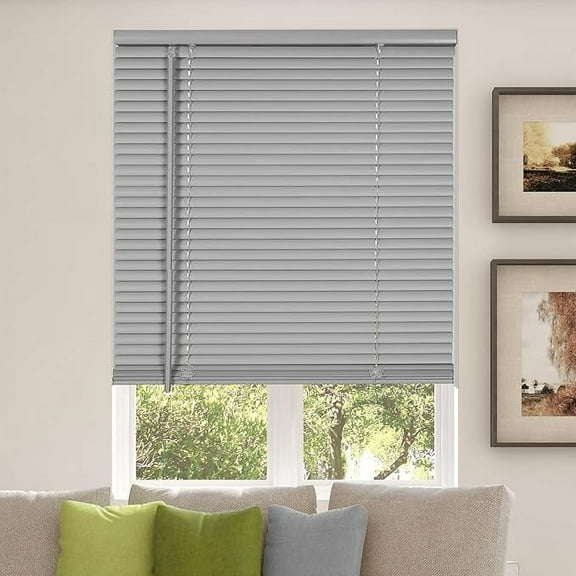


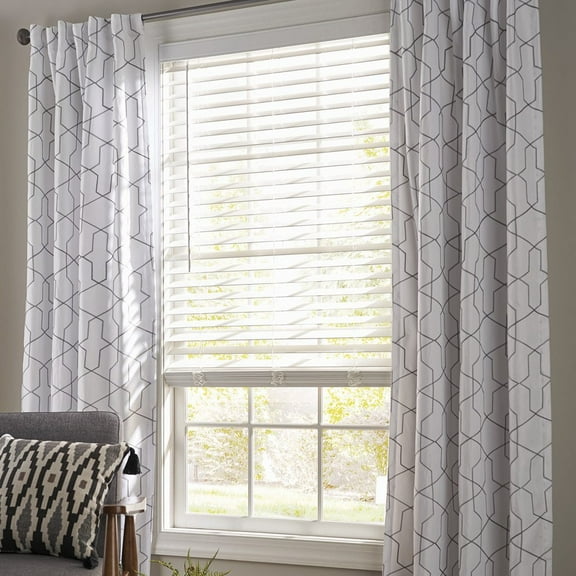

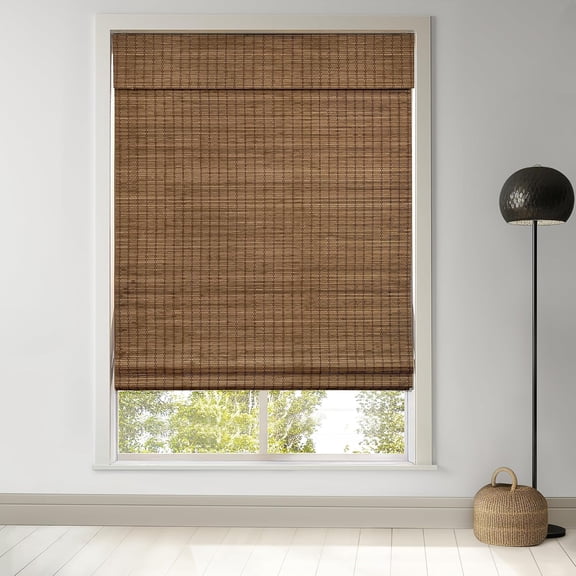


















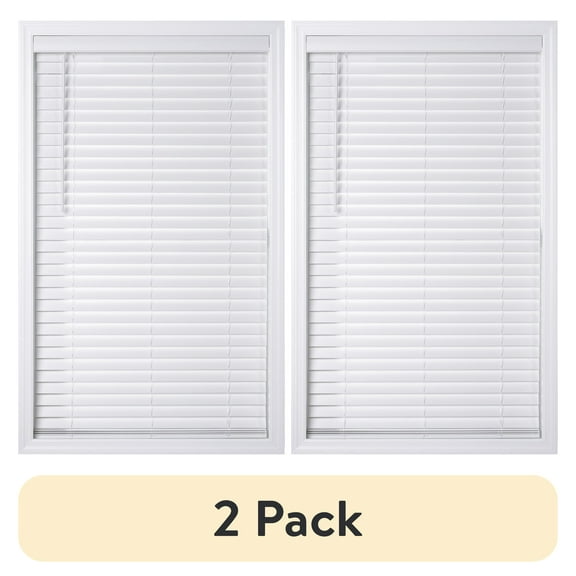


About Blinds in Blinds & Shades - Walmart.com
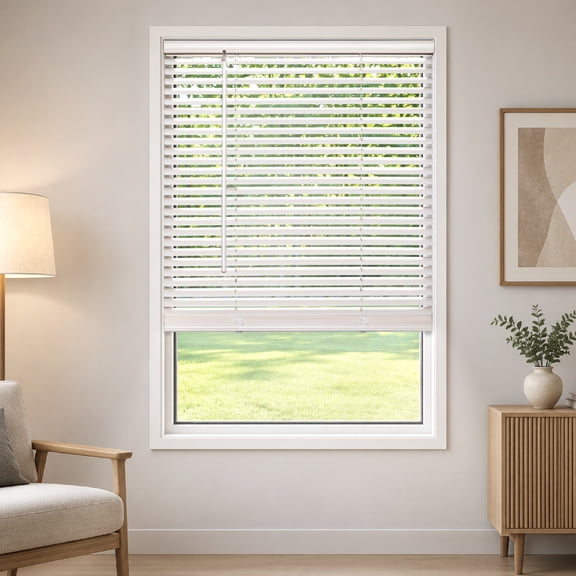
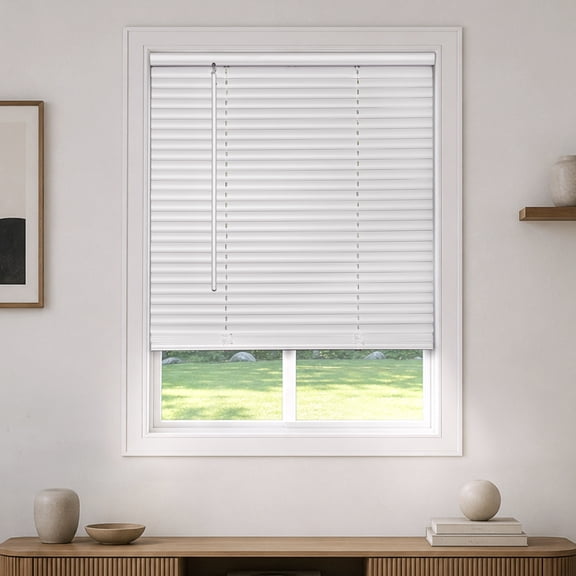
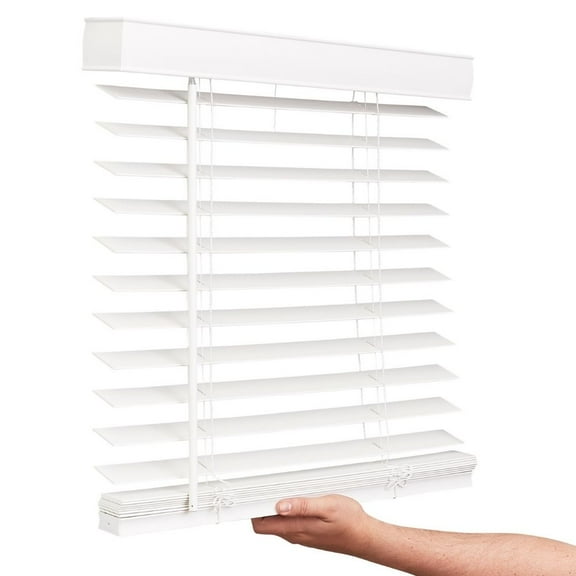
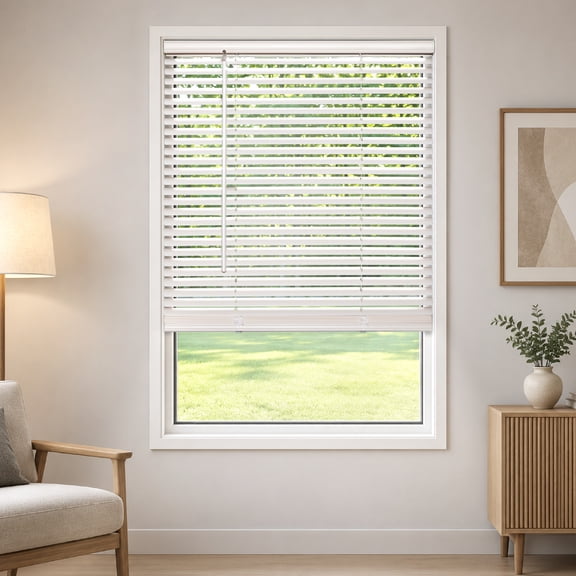
Blinds help you control light, privacy, and window coverage with choices that fit your room and your routine. You can compare mount type, control style, material, slat size, and light control before you narrow your pick.
How to choose blinds for your windows
Window blinds work differently depending on how you plan to mount them and how much trim you want to show. You should measure first, because inside mount and outside mount need different dimensions.
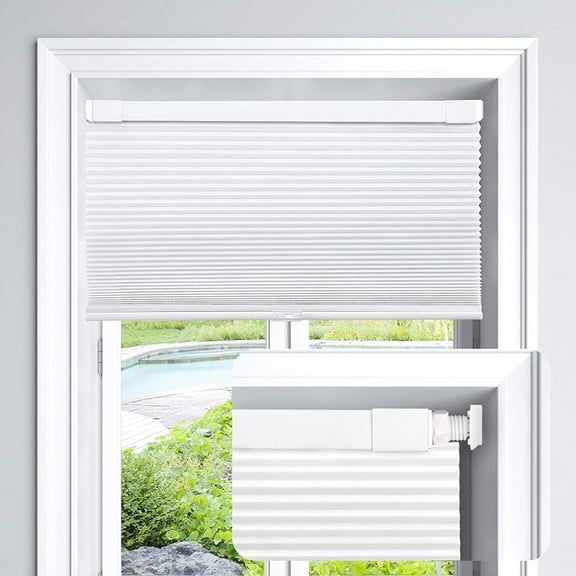
With an inside mount, you fit blinds within your window frame for a cleaner, built-in look. You should check your frame depth and measure width and height in several spots.
With an outside mount, you place blinds above or beyond the frame for more coverage. You can use this option when your frame is shallow or when you want to cover more light.
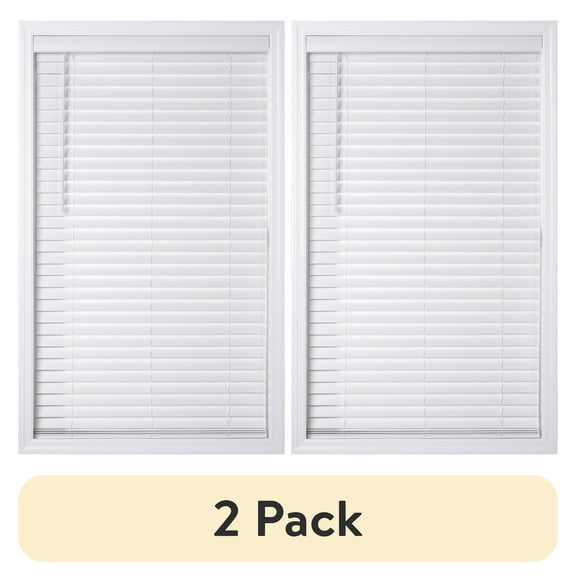
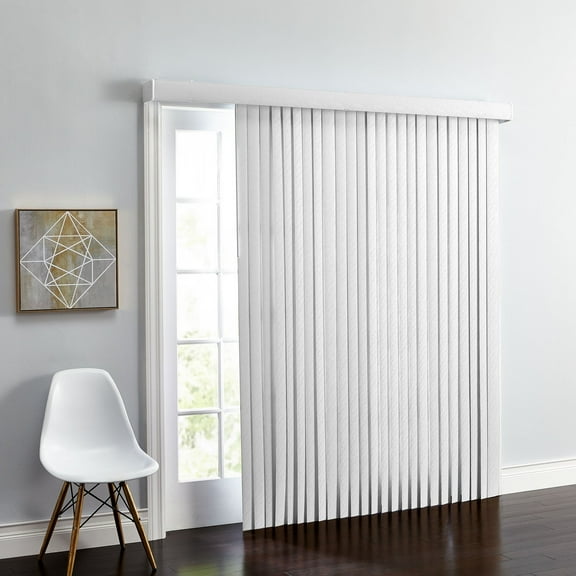
You may also compare room needs before choosing a style. Vertical blinds often suit sliding doors, while horizontal blinds usually fit standard windows and smaller openings.
Key decisions when you compare window blinds
You can narrow choices faster when you match each feature to your space. You should focus on daily use, room moisture, light preference, and how much reach you want.
- You can choose cordless blinds when you want a cleaner look and simpler everyday raising and lowering.
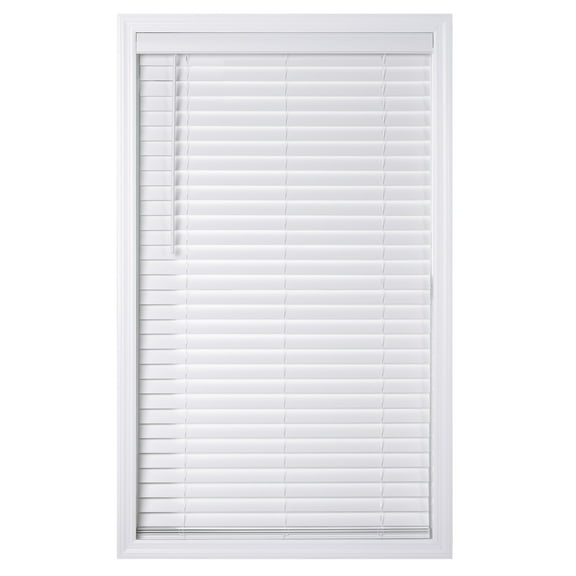
- You can choose faux wood blinds when your kitchen or bathroom needs a material that handles humidity more comfortably.
- You can choose blackout blinds when you want stronger light blocking for bedrooms, media rooms, or afternoon naps.
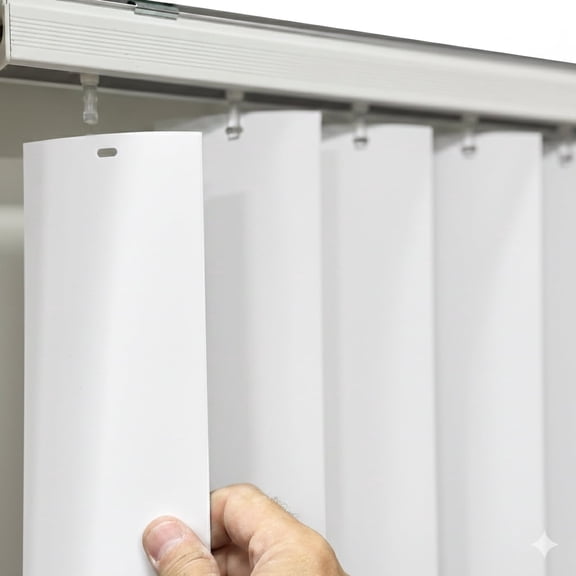
- You can choose vertical blinds when you need wider coverage for patio doors and large glass areas.
- You can choose mini blinds when you want a slim profile for tighter spaces and straightforward window coverage.
Your room layout can also guide your pick. You may want a low-profile option for an office, or a wider slat for a more substantial look.
Choosing control type for daily use
You should compare how often you adjust your blinds and who uses the room most. Cordless, corded, and motorized options each change how you open, close, and tilt slats.
Cordless blinds give you a streamlined appearance and simple hand-operated movement. You may prefer this style when you want fewer visible parts and a tidier window line.
Corded styles can suit rooms where you want familiar adjustment points and quick tilt control. You should check product details so your size and lift style match your window setup.
Motorized styles can help when your windows sit high or behind furniture. You may find them useful when reaching the window area takes extra effort.
Comparing materials and slat sizes
You should compare material based on moisture, appearance, and maintenance. Faux wood blinds, real wood, vinyl, and aluminum each create a different fit for your space.
Faux wood blinds can make sense in kitchens, bathrooms, and laundry areas with frequent humidity. You may like how they give you a wood-look style with easier moisture resistance.
Real wood can suit living rooms, dining areas, and offices where you want a warmer natural look. You should consider your room conditions before placing wood in more humid spaces.
Vinyl can work well when you want a practical surface that wipes clean easily. Aluminum can suit modern spaces where you want a lighter look and a slimmer slat profile.
Slat size also changes how your blinds look and function. You can choose 1-inch slats for a narrower profile, 2-inch slats for a classic look, or 2.5-inch slats for larger windows.
Picking light control for each room
You should match your blinds to how bright or private you want the room to feel. Blackout, room darkening, and light filtering options each shape your space differently.
Blackout blinds can suit bedrooms, nurseries, and media rooms where you want stronger light blocking. You may prefer them when morning sun reaches the room too early.
Room darkening styles can balance privacy and reduced brightness without fully blocking daylight. Light filtering options can soften sunlight while keeping the room more open and bright.
You should also think about the direction of your windows. If your room gets strong afternoon sun, you may want more coverage than you would in a shaded room.
Matching blinds to real rooms and projects
You can use faux wood or vinyl in bathrooms, kitchens, and laundry spaces where moisture matters. You may want horizontal blinds there because they pair familiar operation with easy everyday upkeep.
For bedrooms, you might compare blackout blinds with cordless blinds for a cleaner setup and stronger light control. You should measure carefully if you want an inside mount that sits neatly within the frame.
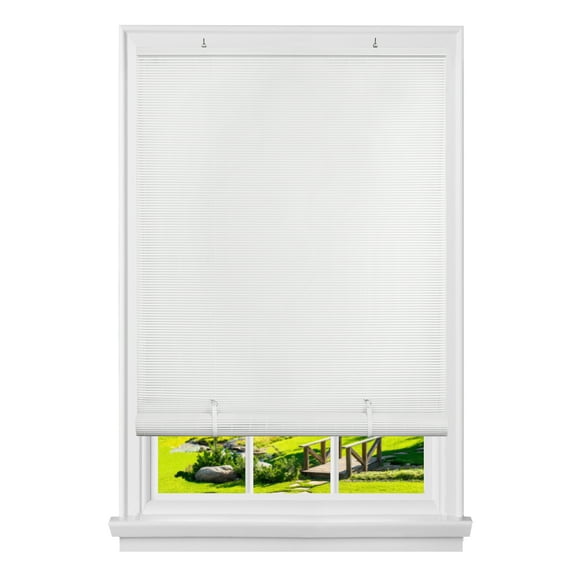
For patio doors or wide glass panels, vertical blinds can give you broader coverage and easier side-to-side movement. You may prefer outdoor blinds or patio blinds for seasonal exterior spaces with sun exposure.
In offices and living rooms, you can compare real wood, faux wood, or aluminum by décor style and window size. You should also consider slat width, because wider slats can look more balanced on larger windows.
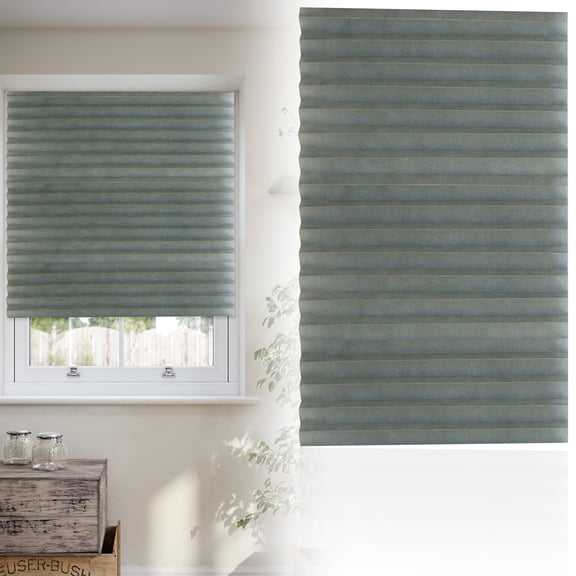
You can build a more complete window plan by pairing blinds with roller shades, cellular shades, or curtains in other rooms. Your mix can keep the look coordinated while matching light control to each space.
Blinds give you practical control over light, privacy, and fit when you start with the right measurements and features. You can feel confident when your choice matches your mount type, material, and daily routine.