

Decor Accents for Home Spaces

Fall decor editFall decor edit
Rich textures, inviting decor & more seasonal charm.Shop nowMake your space feel new
Tonal details, marble & more.
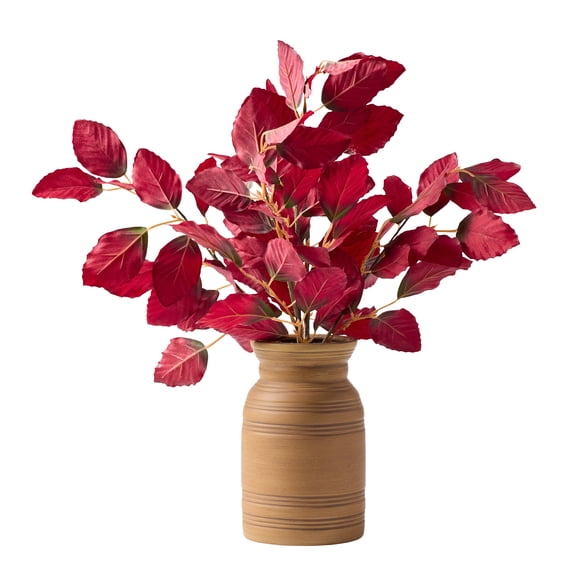
Better Homes and Gardens 19.5"H Artificial Real Touch Burgundy Leaves in 7.38"H Brown Ceramic Vase Made for Tabletops - 1.76 lbs $20.98
 $2098current price $20.98
Better Homes and Gardens 19.5"H Artificial Real Touch Burgundy Leaves in 7.38"H Brown Ceramic Vase Made for Tabletops - 1.76 lbs
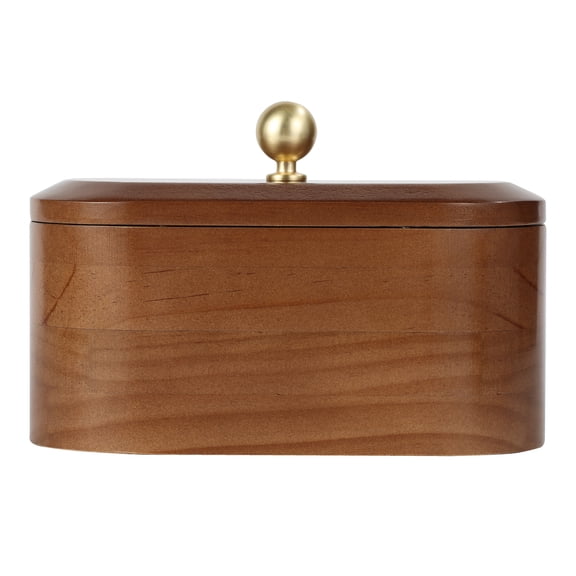
1234.5 out of 5 Stars. 123 reviews4.5 out of 5 starsMainstays Wooden Decorative Tabletop Capsule Box with Gold Knob $19.72
 $1972current price $19.72
Mainstays Wooden Decorative Tabletop Capsule Box with Gold Knob
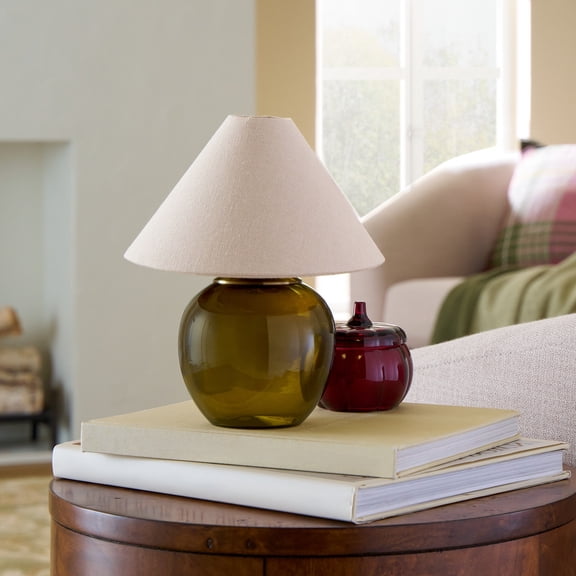
704.5 out of 5 Stars. 70 reviews4.5 out of 5 starsBetter Homes & Gardens Lyla 8.5 in Green Glass Rechargeable LED Portable Table Lamp with Dimmable Touch Sensor $17.97
 3 optionsAvailable in additional 3 options$1797current price $17.97
Better Homes & Gardens Lyla 8.5 in Green Glass Rechargeable LED Portable Table Lamp with Dimmable Touch Sensor
IDEA4WALL Premium Frame Wall Art Rustic Wildflower Country Landscape Print Nature Wilderness Illustrations Fine Art Floral Botanical Farmhouse Wall Decor for Living Room, Office - 26"x36" Natural $75.99
 2 optionsAvailable in additional 2 options$7599current price $75.99
IDEA4WALL Premium Frame Wall Art Rustic Wildflower Country Landscape Print Nature Wilderness Illustrations Fine Art Floral Botanical Farmhouse Wall Decor for Living Room, Office - 26"x36" Natural
134.6 out of 5 Stars. 13 reviews4.6 out of 5 starsNuptio 2 Sets(6 Pcs) Brass Taper Candle Holders for Candlestick , Vintage Gold Candle stick Holders for Table Centerpiece Housewarming Home Decor $24.98
 10 optionsAvailable in additional 10 options$2498current price $24.98
Nuptio 2 Sets(6 Pcs) Brass Taper Candle Holders for Candlestick , Vintage Gold Candle stick Holders for Table Centerpiece Housewarming Home Decor
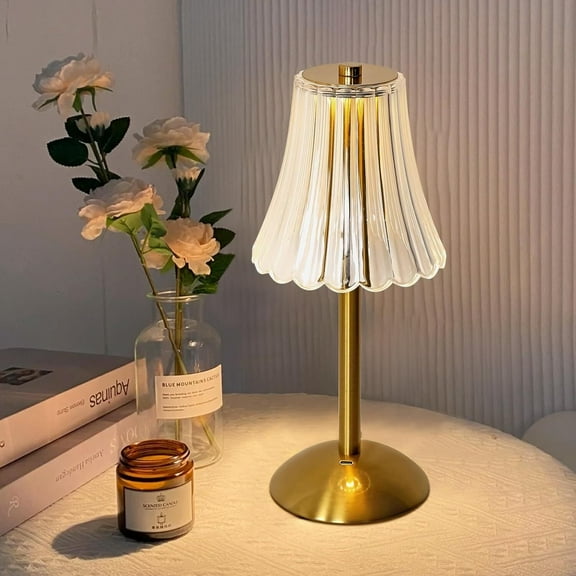
Touch Cordless Table Lamp, Dimmable Crystal Lamp, Battery Operated Light, Lamp for Bedroom Living Room Bathroom Hotel Bar $16.34
 $1634current price $16.34
Touch Cordless Table Lamp, Dimmable Crystal Lamp, Battery Operated Light, Lamp for Bedroom Living Room Bathroom Hotel Bar
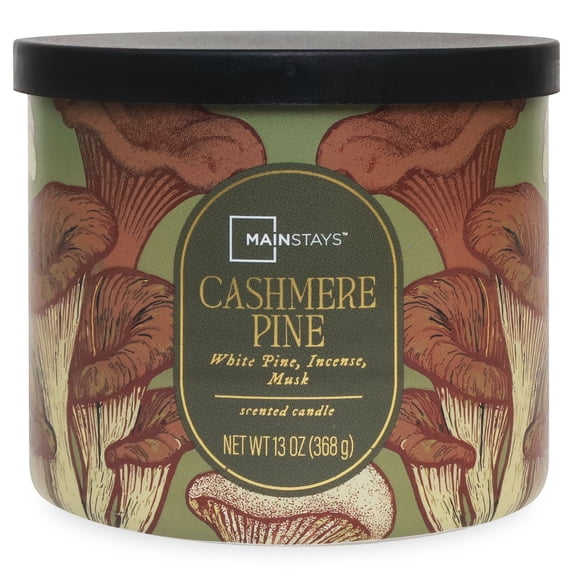
1174.3 out of 5 Stars. 117 reviews4.3 out of 5 starsMainstays Cashmere Pine 3-Wick Scented Candle, 13 Ounce $4.97 38.2 ¢/oz
 $497current price $4.9738.2 ¢/oz
Mainstays Cashmere Pine 3-Wick Scented Candle, 13 Ounce
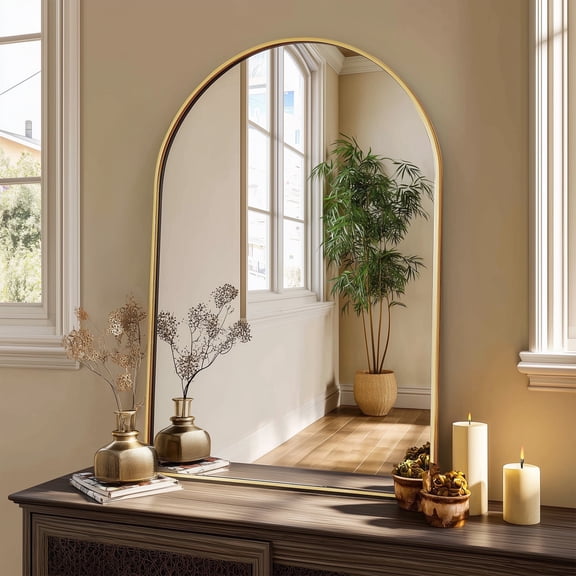
2334.5 out of 5 Stars. 233 reviews4.5 out of 5 starsCONCETTA 26"x38" Bathroom Mirror, Decor Arched Wall Mirror, Bedroom Vanity Mirror with Metal Frame, Gold $36.99 Was $56.99
 3 optionsAvailable in additional 3 optionsNow$3699current price Now $36.99, Was $56.99$56.99
CONCETTA 26"x38" Bathroom Mirror, Decor Arched Wall Mirror, Bedroom Vanity Mirror with Metal Frame, Gold
Mainstays 14 in x 20 in Chambray Floral Sunflower Lumbar Decorative Throw Pillow $10.94
 $1094current price $10.94
Mainstays 14 in x 20 in Chambray Floral Sunflower Lumbar Decorative Throw Pillow
1334.8 out of 5 Stars. 133 reviews4.8 out of 5 starsDesignOvation – 8x10 Picture Frame – Beaded Medium Walnut Tabletop Photo Frame $14.97
 3 optionsAvailable in additional 3 options$1497current price $14.97
DesignOvation – 8x10 Picture Frame – Beaded Medium Walnut Tabletop Photo Frame
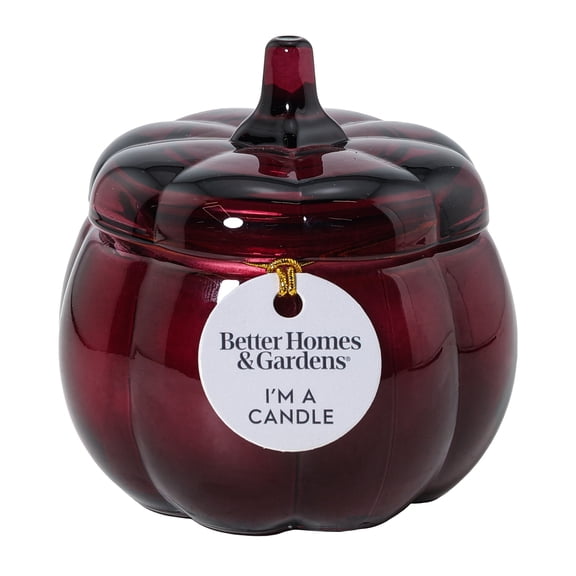
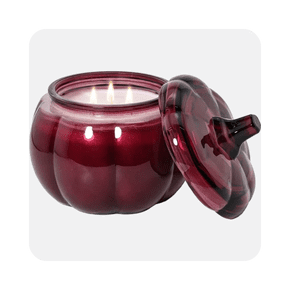
324.4 out of 5 Stars. 32 reviews4.4 out of 5 starsBetter Homes & Gardens 5 oz Black Crimson Glass Pumpkin Jar Candle, Farm Apple Pumpkin $4.78 95.6 ¢/oz
 $478current price $4.7895.6 ¢/oz
Better Homes & Gardens 5 oz Black Crimson Glass Pumpkin Jar Candle, Farm Apple Pumpkin
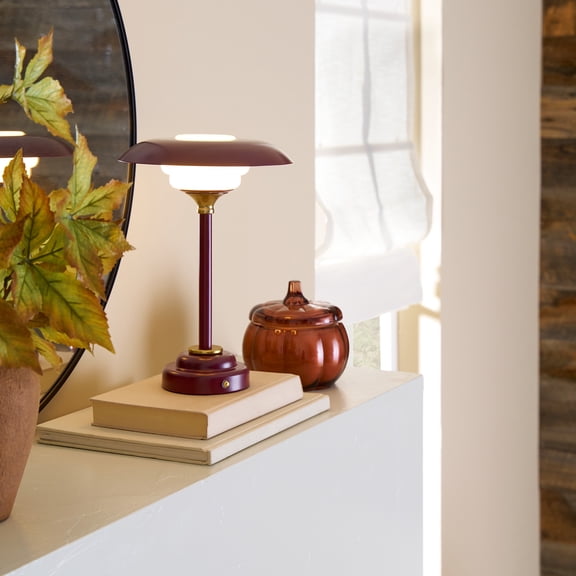
5454.5 out of 5 Stars. 545 reviews4.5 out of 5 starsBetter Homes & Gardens 12" Portable Red Ripple Lamp, dimmable with touch switch and USB-C $19.97
 $1997current price $19.97
Better Homes & Gardens 12" Portable Red Ripple Lamp, dimmable with touch switch and USB-C
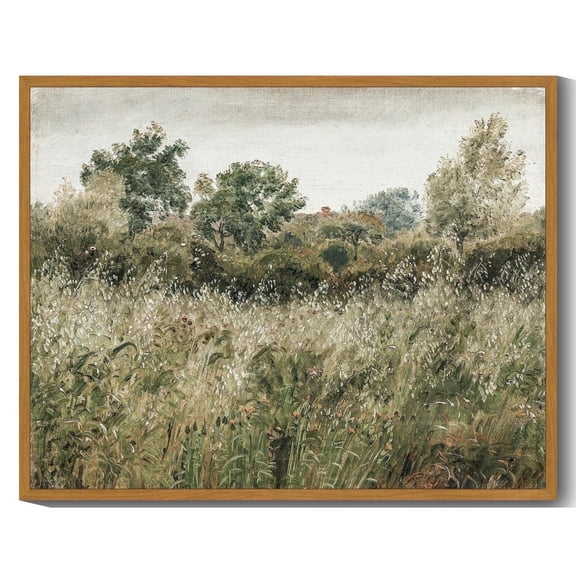
584.5 out of 5 Stars. 58 reviews4.5 out of 5 starsDrsoum Landscape Framed Canvas Wall Art 11x14in Nature Framed Vintage Classical Wilderness Prints Kitchen Bathroom Office Decor $19.99
 182 optionsAvailable in additional 182 options$1999current price $19.99
Drsoum Landscape Framed Canvas Wall Art 11x14in Nature Framed Vintage Classical Wilderness Prints Kitchen Bathroom Office Decor
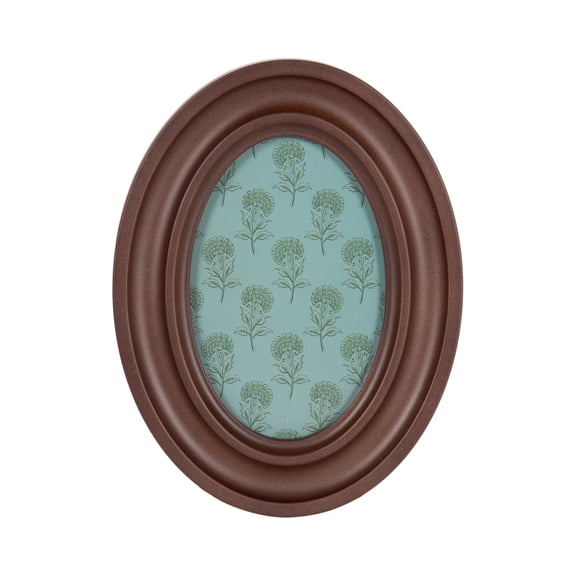
DesignOvation – 4x6 Picture Frame – Oval Walnut Tabletop Photo Frame $8.46
 $846current price $8.46
DesignOvation – 4x6 Picture Frame – Oval Walnut Tabletop Photo Frame
54.8 out of 5 Stars. 5 reviews4.8 out of 5 starsClearance, Sanmadrola Beige Pillow Covers 18x18 Set of 2 Chenille Throw Pillow Cover with Elegant Design Soft and Luxurious Decorative Throw Pillows for Couch Bed and Home Decor $17.99 Was $29.99
 9 optionsAvailable in additional 9 optionsNow$1799current price Now $17.99, Was $29.99$29.99
Sanmadrola Beige Pillow Covers 18x18 Set of 2 Chenille Throw Pillow Cover with Elegant Design Soft and Luxurious Decorative Throw Pillows for Couch Bed and Home Decor
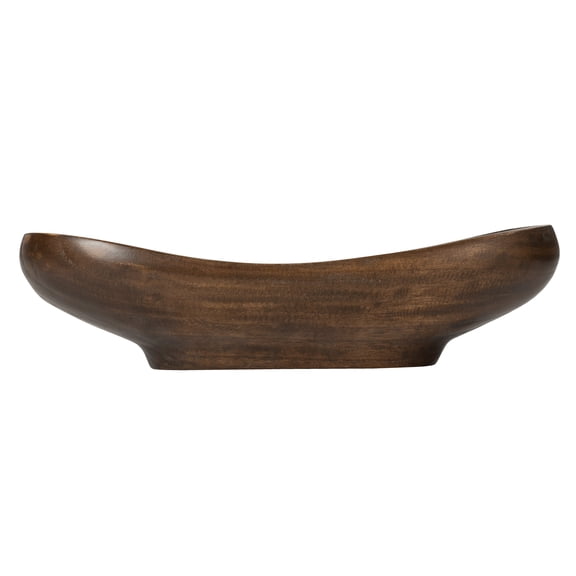
Better Homes & Gardens Carved Wood Decorative Bowl, Walnut Finish $19.86
 2 optionsAvailable in additional 2 options$1986current price $19.86
Better Homes & Gardens Carved Wood Decorative Bowl, Walnut Finish
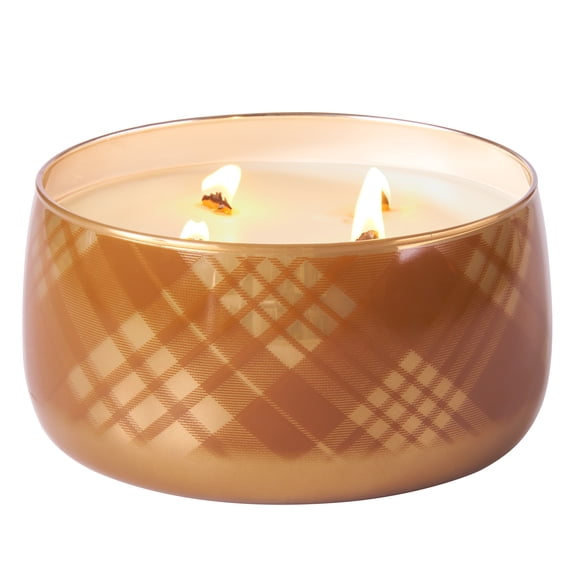
Better Homes & Gardens 4-Wick 60 oz Plaid Glass Jar Candle, Intense Farm Apple Pumpkin $37.28
 5 optionsAvailable in additional 5 options$3728current price $37.28
Better Homes & Gardens 4-Wick 60 oz Plaid Glass Jar Candle, Intense Farm Apple Pumpkin
Better Homes and Gardens 9.25"H Ceramic Chic Neutral Vase Made for Tabletops - 4.75 lbs $19.86
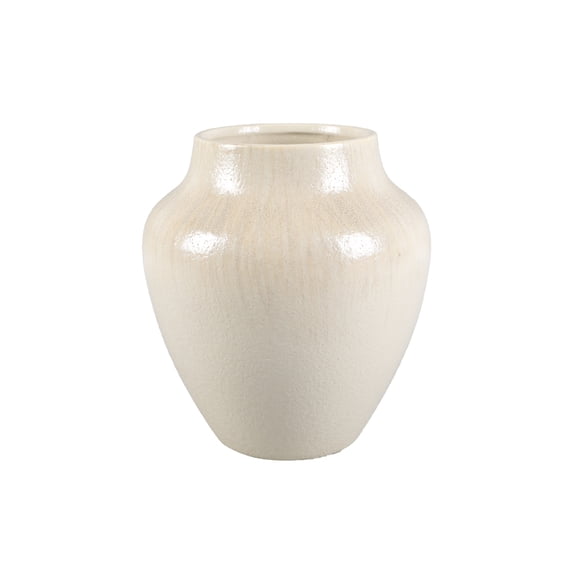 $1986current price $19.86
Better Homes and Gardens 9.25"H Ceramic Chic Neutral Vase Made for Tabletops - 4.75 lbs
444.8 out of 5 Stars. 44 reviews4.8 out of 5 starsBetter Homes & Gardens Natural Pinecone Acorn Filler, 11 oz $12.74 $1.16/oz
 $1274current price $12.74$1.16/oz
Better Homes & Gardens Natural Pinecone Acorn Filler, 11 oz
464.6 out of 5 Stars. 46 reviews4.6 out of 5 starsSun Zero Oslo Theater Grade 100% Blackout Grommet Curtain Panel, 52"W x 84"L, Wine Red (1 Panel) $22.99
 30 optionsAvailable in additional 30 options$2299current price $22.99
Sun Zero Oslo Theater Grade 100% Blackout Grommet Curtain Panel, 52"W x 84"L, Wine Red (1 Panel)
10074.7 out of 5 Stars. 1007 reviews4.7 out of 5 stars
Decor must-haves

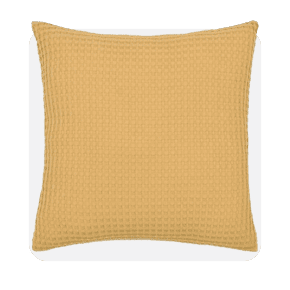

More decor

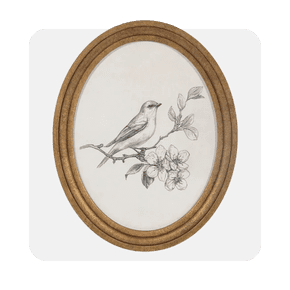
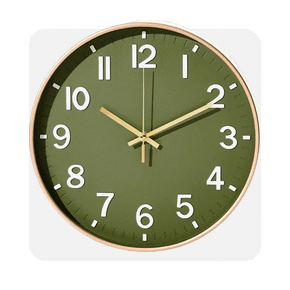
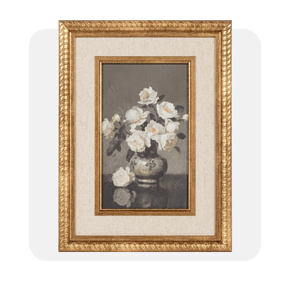


Light up your space
Free to glow where you are.
Best seller, Better Homes & Gardens Rechargeable 14 in Stone Gourd Table Lamp with Fabric Dome Shade $24.97
Best seller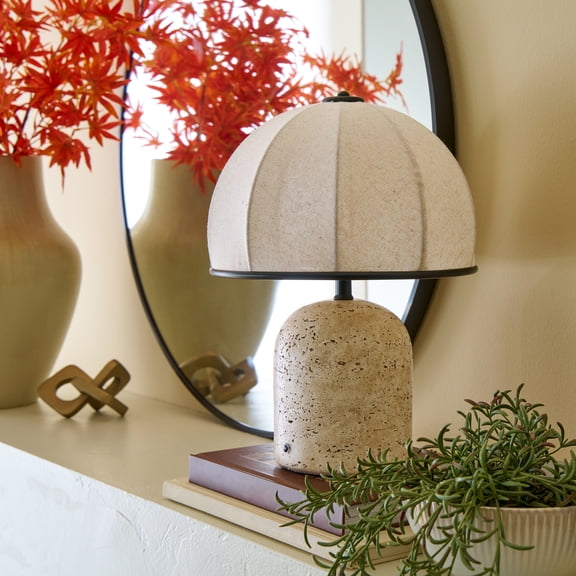 2 optionsAvailable in additional 2 options$2497current price $24.97
Better Homes & Gardens Rechargeable 14 in Stone Gourd Table Lamp with Fabric Dome Shade
Save with
 Delivery as soon as 33 minsShipping arrives tomorrowPickup as soon as 8pm
Best seller, Better Homes & Gardens 12 in Green Dome Rechargeable LED Portable Lamp with Dimmable Touch Sensor $17.23
Best seller $1723current price $17.23
Better Homes & Gardens 12 in Green Dome Rechargeable LED Portable Lamp with Dimmable Touch Sensor
3124.2 out of 5 Stars. 312 reviews4.2 out of 5 starsSave withDelivery as soon as 33 minsShipping arrives tomorrowPickup as soon as 8pmBest seller, Better Homes & Gardens 9 inch Height Glass Uplight, Touch switch, USB-C Charging Cable included $17.38
Best seller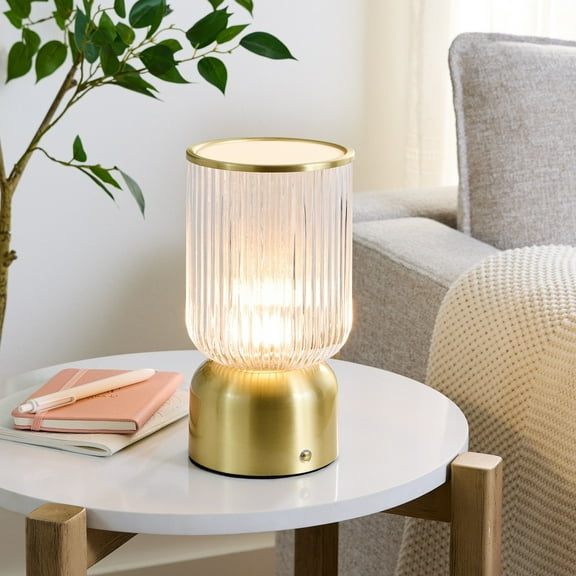 $1738current price $17.38
Better Homes & Gardens 9 inch Height Glass Uplight, Touch switch, USB-C Charging Cable included
1694.2 out of 5 Stars. 169 reviews4.2 out of 5 starsSave withDelivery as soon as 33 minsShipping arrives tomorrowPickup as soon as 8pmBest seller, Touch Cordless Table Lamp, Dimmable Crystal Lamp, Battery Operated Light, Lamp for Bedroom Living Room Bathroom Hotel Bar $16.34
Best seller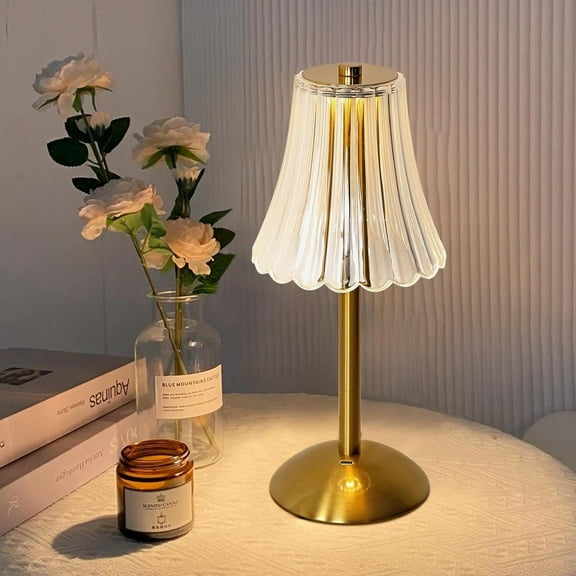 $1634current price $16.34
Touch Cordless Table Lamp, Dimmable Crystal Lamp, Battery Operated Light, Lamp for Bedroom Living Room Bathroom Hotel Bar
1174.3 out of 5 Stars. 117 reviews4.3 out of 5 starsShipping arrives in 3+ daysBest seller, Sterling & Noble Cordless Brass Rechargeable Wall Sconce with Scalloped Fabric Shade and Remote $29.97
Best seller 4 optionsAvailable in additional 4 options$2997current price $29.97Options from $29.97 – $34.97
Sterling & Noble Cordless Brass Rechargeable Wall Sconce with Scalloped Fabric Shade and Remote
Save withDelivery as soon as 33 minsShipping arrives tomorrowPickup as soon as 8pmBest seller, Better Homes & Gardens Lyla 8.5 in Green Glass Rechargeable LED Portable Table Lamp with Dimmable Touch Sensor $17.97
Best seller3 optionsAvailable in additional 3 options$1797current price $17.97Better Homes & Gardens Lyla 8.5 in Green Glass Rechargeable LED Portable Table Lamp with Dimmable Touch Sensor
Save withDelivery as soon as 33 minsShipping arrives tomorrowPickup as soon as 8pmBest seller, (2 pack) Home Decor Collection Sterling & Noble Home Cordless Rechargeable 11.9" Brass Table Lamp with Dimmable 3 Option Lights $35.92
Best seller $3592current price $35.92More options from $17.96
(2 pack) Home Decor Collection Sterling & Noble Home Cordless Rechargeable 11.9" Brass Table Lamp with Dimmable 3 Option Lights
Save withDelivery as soon as 33 minsShipping arrives tomorrowPickup as soon as 8pmClearance, DAYBETTER Cordless Table Lamp, 3 Lighting Modes and Stepless Dimming, Table Lamp with Rechargeable for Bedroom, Living Room, Reading $22.99 Was $39.99
Clearance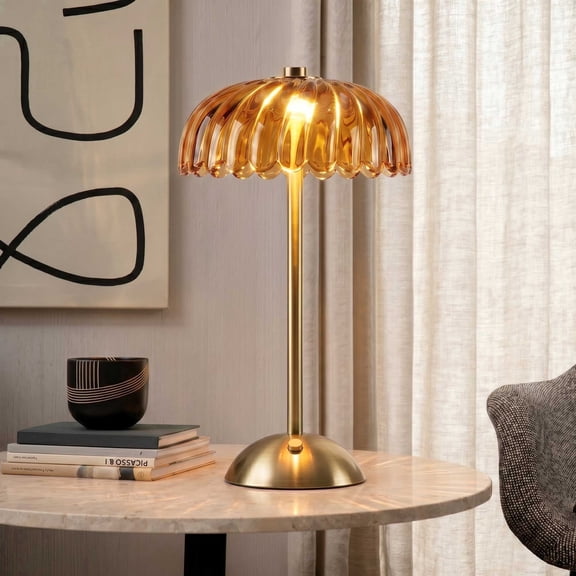 Now$2299current price Now $22.99, Was $39.99$39.99
DAYBETTER Cordless Table Lamp, 3 Lighting Modes and Stepless Dimming, Table Lamp with Rechargeable for Bedroom, Living Room, Reading
84.9 out of 5 Stars. 8 reviews4.9 out of 5 starsSave withShipping arrives tomorrowBest seller, Home Decor Collection Sterling & Noble Home Cordless Brass Wall Sconce with Scallop Shade and Remote, 13.07" $24.88
Best seller $2488current price $24.88
Home Decor Collection Sterling & Noble Home Cordless Brass Wall Sconce with Scallop Shade and Remote, 13.07"
1044.4 out of 5 Stars. 104 reviews4.4 out of 5 starsSave withShipping arrives tomorrowBest seller, Home Decor Collection Sterling & Noble Home Brown Floral Rechargeable Table Lamp $23.96
Best seller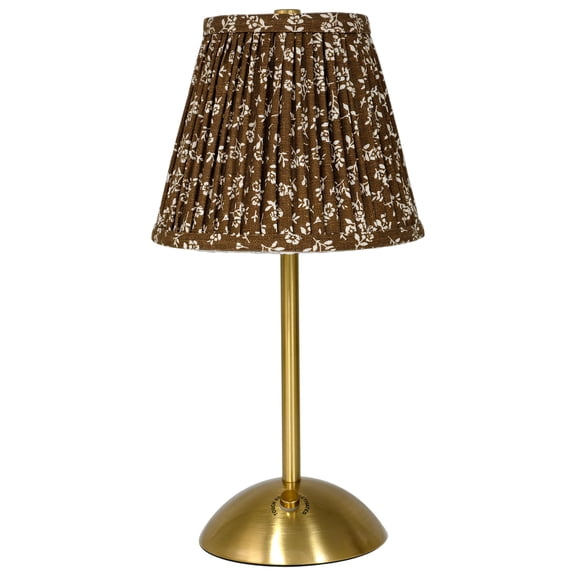 3 optionsAvailable in additional 3 options$2396current price $23.96
Home Decor Collection Sterling & Noble Home Brown Floral Rechargeable Table Lamp
Save withDelivery as soon as 33 minsShipping arrives tomorrowPickup as soon as 8pmClearance, VOLIVO Cordless Table Lamp, Brass Rechargeable Desk Lamp with 3 Color Temperatures, Dimmable Night Lights for Modern Bedroom, Office $17.99 Was $29.99
Clearance Now$1799current price Now $17.99, Was $29.99$29.99
VOLIVO Cordless Table Lamp, Brass Rechargeable Desk Lamp with 3 Color Temperatures, Dimmable Night Lights for Modern Bedroom, Office
154.2 out of 5 Stars. 15 reviews4.2 out of 5 starsSave withShipping arrives tomorrowBest seller, Better Homes & Gardens Lyla 8.5 in Amber Glass Rechargeable LED Portable Table Lamp with Dimmable Touch Sensor $17.97
Best seller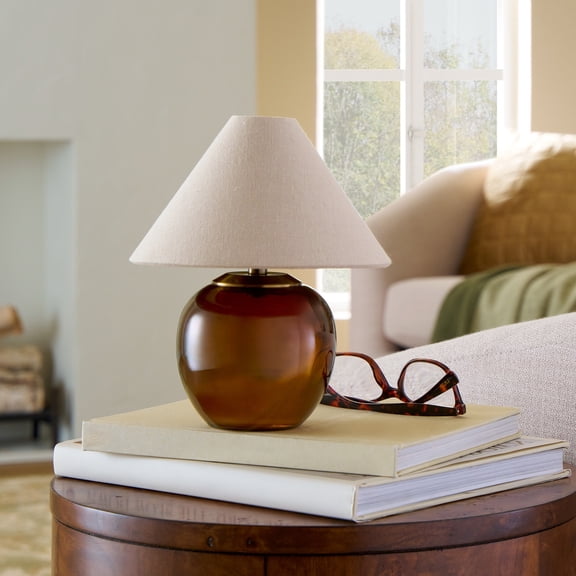 3 optionsAvailable in additional 3 options$1797current price $17.97
Better Homes & Gardens Lyla 8.5 in Amber Glass Rechargeable LED Portable Table Lamp with Dimmable Touch Sensor
Save withDelivery as soon as 33 minsShipping arrives tomorrowPickup as soon as 8pmBest seller, Home Decor Collection Sterling & Noble Home Cordless Indoor Rattan and Gold Colored Table Lamp with Touch Switch/Dimmer $23.67
Best seller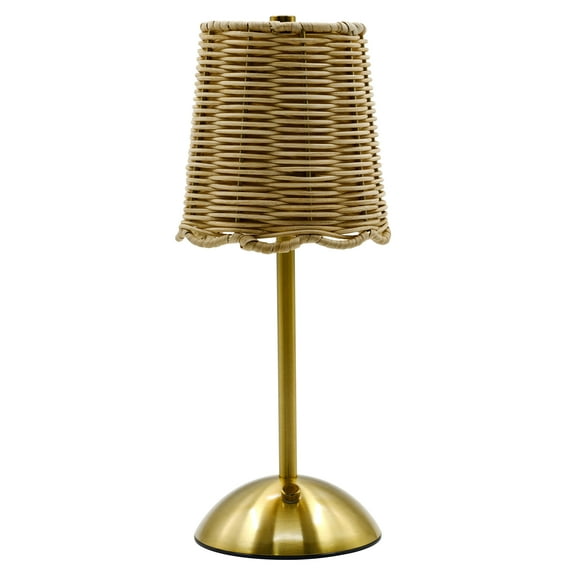 2 optionsAvailable in additional 2 options$2367current price $23.67Options from $23.67 – $39.99
Home Decor Collection Sterling & Noble Home Cordless Indoor Rattan and Gold Colored Table Lamp with Touch Switch/Dimmer
Save withDelivery as soon as 33 minsShipping arrives tomorrowPickup as soon as 8pmBest seller, Better Homes & Gardens Portable Rechargeable Milk Glass Table Lamp $14.97
Best seller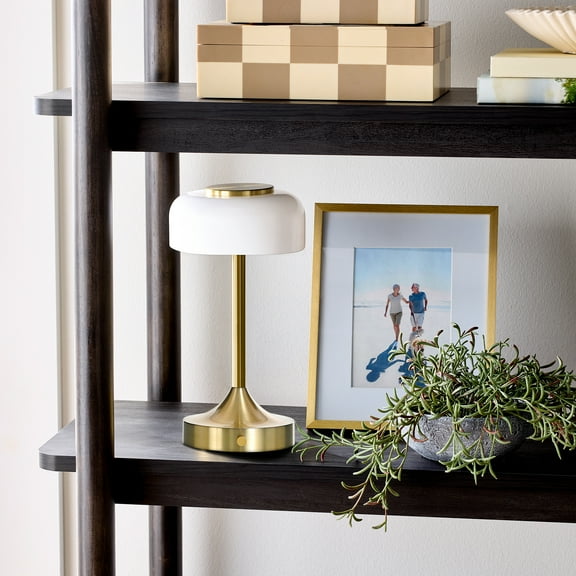 $1497current price $14.97
Better Homes & Gardens Portable Rechargeable Milk Glass Table Lamp
4024.2 out of 5 Stars. 402 reviews4.2 out of 5 starsSave withDelivery as soon as 33 minsShipping arrives tomorrowPickup as soon as 8pmBest seller, Stylehouse 13" Printed Pleated Rechargeable LED Lamp $16.97
Best seller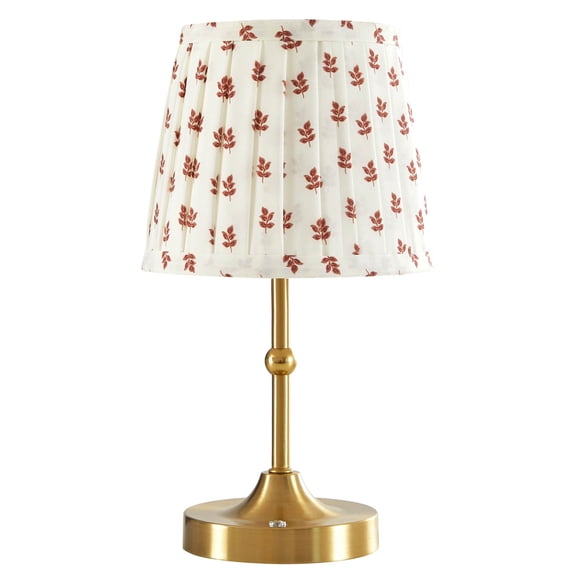 $1697current price $16.97
Stylehouse 13" Printed Pleated Rechargeable LED Lamp
264.8 out of 5 Stars. 26 reviews4.8 out of 5 starsSave withShipping arrives Fri, Oct 16Clearance, DAYBETTER Battery Operated Wall Sconces Set of 2, Wireless Rechargeable Hallway Light with Remote, 3 Color Temps Dimmable Lamp for Living Room $39.99 Was $89.99
Clearance Now$3999current price Now $39.99, Was $89.99$89.99
DAYBETTER Battery Operated Wall Sconces Set of 2, Wireless Rechargeable Hallway Light with Remote, 3 Color Temps Dimmable Lamp for Living Room
Save withShipping arrives tomorrowWalchoice Cordless Table Lamp, Rechargeable Touch Control Lamp with Glass Dome Shade, 3 Color Modes & Stepless Dimming, Portable LED Table Lamp with Gold Metal Base for Bedroom Nightstand $26.99 Was $38.99
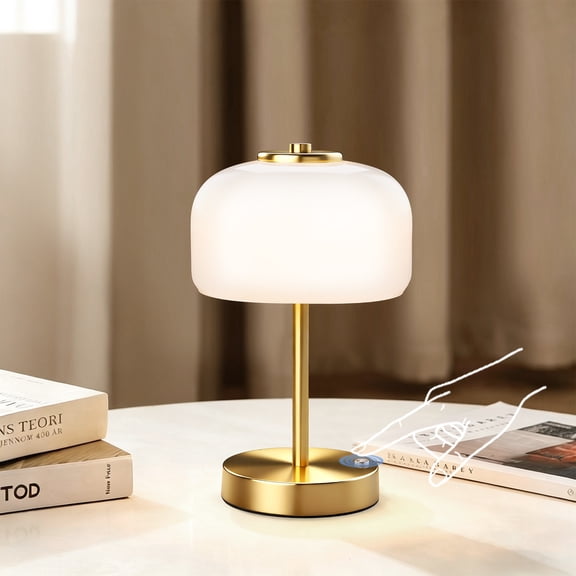 Now$2699current price Now $26.99, Was $38.99$38.99
Walchoice Cordless Table Lamp, Rechargeable Touch Control Lamp with Glass Dome Shade, 3 Color Modes & Stepless Dimming, Portable LED Table Lamp with Gold Metal Base for Bedroom Nightstand
Save withShipping arrives Thu, Oct 15Best seller, Home Decor Collection Sterling & Noble Home Cordless Rechargeable 11.9" Brass Table Lamp with Dimmable 3 Option Lights $17.96
Best seller 2 optionsAvailable in additional 2 options$1796current price $17.96Options from $17.96 – $35.92
Home Decor Collection Sterling & Noble Home Cordless Rechargeable 11.9" Brass Table Lamp with Dimmable 3 Option Lights
Save withDelivery as soon as 33 minsShipping arrives tomorrowPickup as soon as 8pmBeautiful Thyme Green Marble Uplight by Drew Barrymore, 9.25" H $22.66
 $2266current price $22.66
Beautiful Thyme Green Marble Uplight by Drew Barrymore, 9.25" H
323.9 out of 5 Stars. 32 reviews3.9 out of 5 starsSave withShipping arrives tomorrowBest seller, Noahstrong Night Light, Dimmable Touch Lamp for Bedroom, Portable Table Bedside Desk Lamps, 5 Brightness and 13 RGB Colors, Suitable for Bedroom/Bathroom/Hallways/Living Room/Office $12.99 Was $22.99
Best seller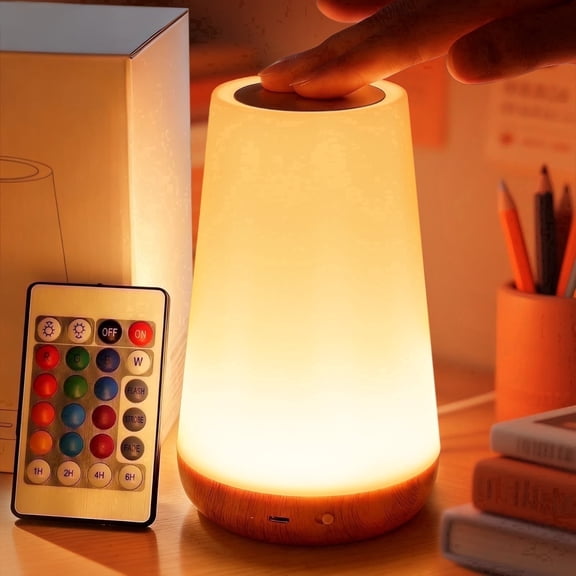 3 optionsAvailable in additional 3 optionsNow$1299current price Now $12.99, Was $22.99$22.99
Noahstrong Night Light, Dimmable Touch Lamp for Bedroom, Portable Table Bedside Desk Lamps, 5 Brightness and 13 RGB Colors, Suitable for Bedroom/Bathroom/Hallways/Living Room/Office
Save withShipping arrives Thu, Oct 15


Refresh your home for less
Little touches with lasting style.
The Pioneer Woman Ceramic Vase $34.99
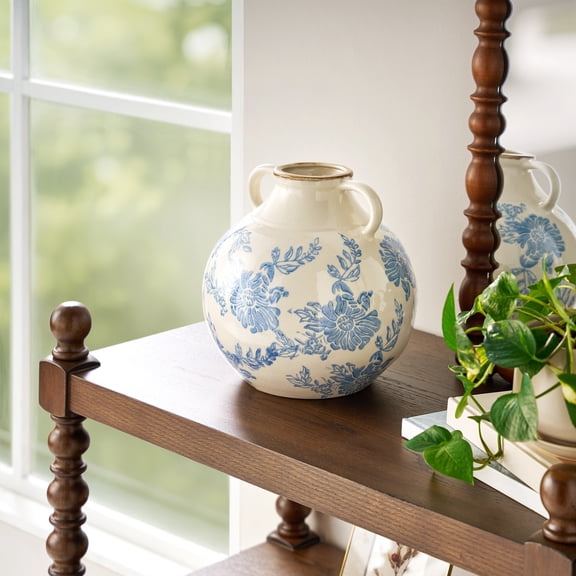 $3499current price $34.99
The Pioneer Woman Ceramic Vase
134.8 out of 5 Stars. 13 reviews4.8 out of 5 starsSave withShipping arrives tomorrowBest seller, The Pioneer Woman Brown Glass Candleholder, Large $6.97
Best seller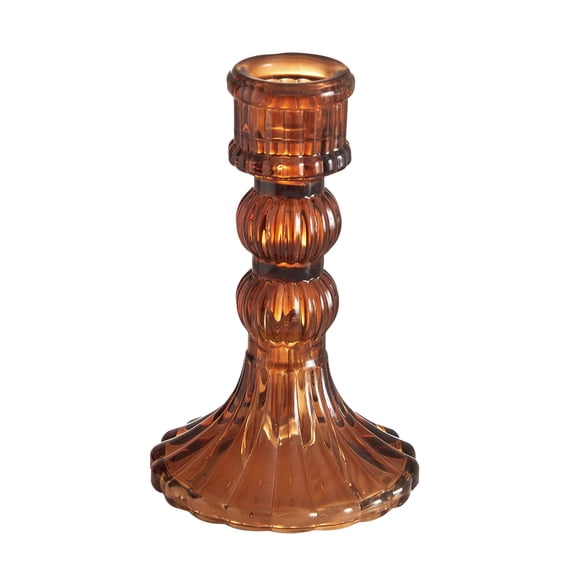 2 optionsAvailable in additional 2 options$697current price $6.97
The Pioneer Woman Brown Glass Candleholder, Large
354.7 out of 5 Stars. 35 reviews4.7 out of 5 starsSave withShipping arrives Thu, Oct 15Best seller, The Pioneer Woman Western Farmhouse Wall Art Set of 3 Framed Prints $29.99
Best seller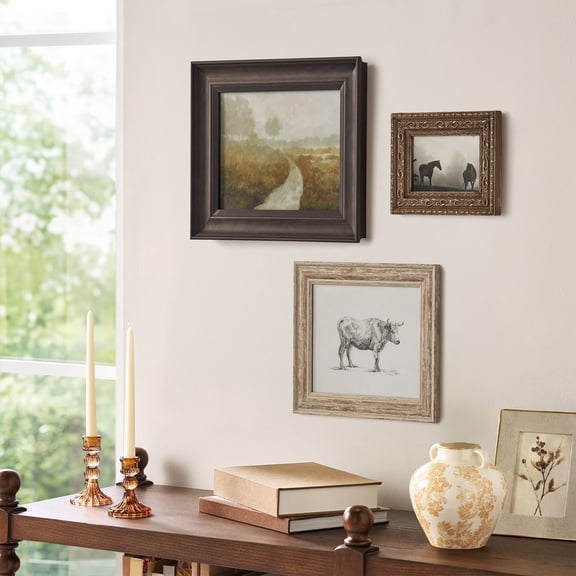 $2999current price $29.99
The Pioneer Woman Western Farmhouse Wall Art Set of 3 Framed Prints
323.5 out of 5 Stars. 32 reviews3.5 out of 5 starsSave withShipping arrives tomorrowBest seller, The Pioneer Woman Western Landscape Wall Art Set: Rustic Cowboy Nature Canvas Prints, Vintage Ranch Decor $23.33
Best seller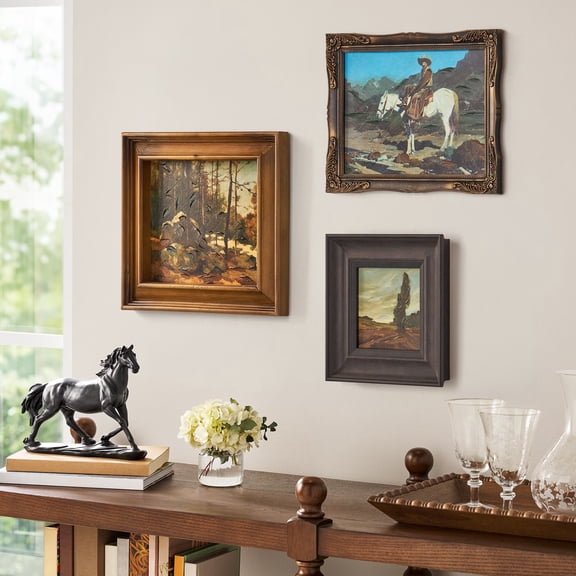 $2333current price $23.33
The Pioneer Woman Western Landscape Wall Art Set: Rustic Cowboy Nature Canvas Prints, Vintage Ranch Decor
333.5 out of 5 Stars. 33 reviews3.5 out of 5 starsSave withShipping arrives tomorrowThe Pioneer Woman Velvet Embroidered Floral Pink Decorative Pillow, 18" x 18" $18.96
 3 optionsAvailable in additional 3 options$1896current price $18.96
The Pioneer Woman Velvet Embroidered Floral Pink Decorative Pillow, 18" x 18"
Save withShipping arrives Thu, Oct 15The Pioneer Woman Agatha Floral Ceramic Decorative Tray, 13 in $14.99
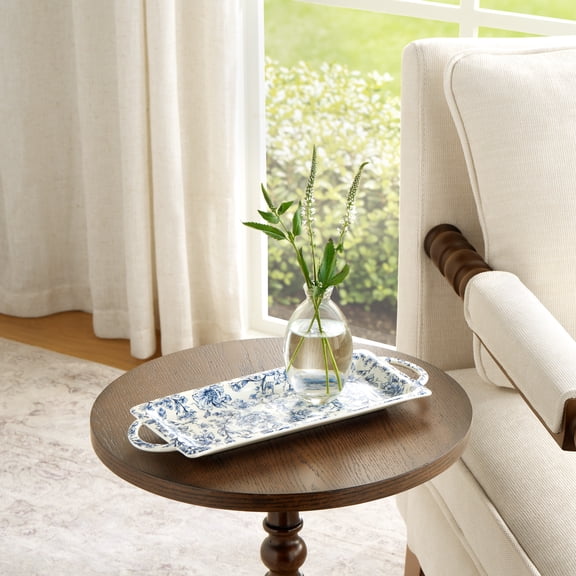 $1499current price $14.99
The Pioneer Woman Agatha Floral Ceramic Decorative Tray, 13 in
243.9 out of 5 Stars. 24 reviews3.9 out of 5 starsSave withShipping arrives Thu, Oct 15The Pioneer Woman Green Daisy Bouclé Decorative Pillow, 20 in x 20 in $22.96
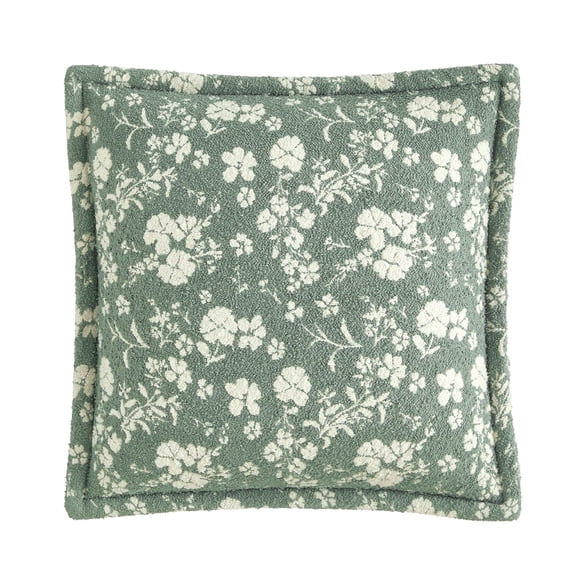 3 optionsAvailable in additional 3 options$2296current price $22.96
The Pioneer Woman Green Daisy Bouclé Decorative Pillow, 20 in x 20 in
314.6 out of 5 Stars. 31 reviews4.6 out of 5 starsSave withShipping arrives tomorrowThe Pioneer Woman Green Decorative Lumbar Pillow, Matelassé Floral Crochet Ruffle $19.96
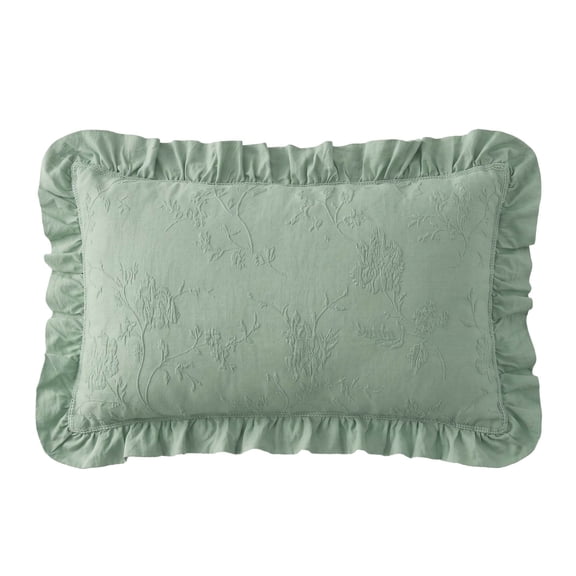 3 optionsAvailable in additional 3 options$1996current price $19.96
The Pioneer Woman Green Decorative Lumbar Pillow, Matelassé Floral Crochet Ruffle
114.8 out of 5 Stars. 11 reviews4.8 out of 5 starsSave withShipping arrives tomorrowThe Pioneer Woman Blue and White Floral Ceramic Pitcher Vase with Handle $27.99
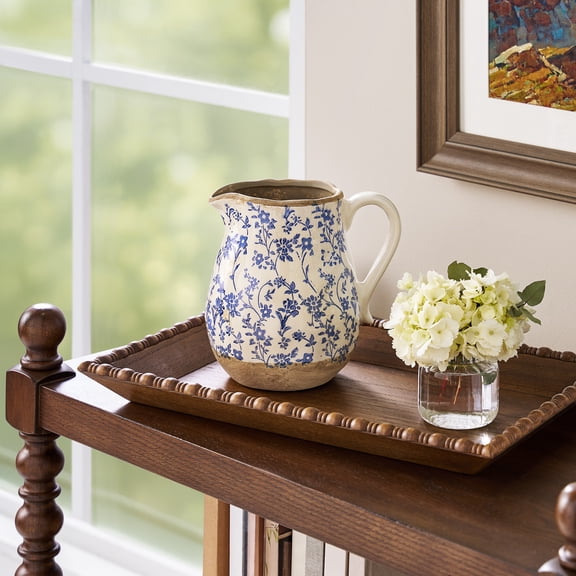 $2799current price $27.99
The Pioneer Woman Blue and White Floral Ceramic Pitcher Vase with Handle
263.7 out of 5 Stars. 26 reviews3.7 out of 5 starsSave withShipping arrives Thu, Oct 15The Pioneer Woman Floral Ceramic Tabletop Vase with Dual Handles, White and Yellow, 6.5 in $17.99
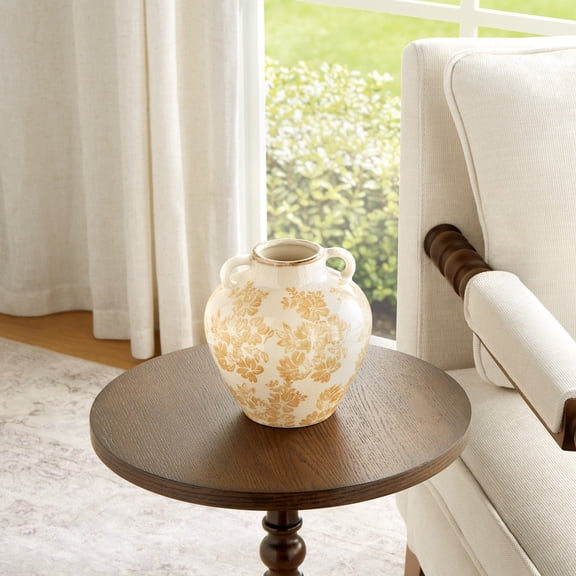 $1799current price $17.99
The Pioneer Woman Floral Ceramic Tabletop Vase with Dual Handles, White and Yellow, 6.5 in
104.3 out of 5 Stars. 10 reviews4.3 out of 5 starsSave withShipping arrives tomorrowThe Pioneer Woman Cream Matelassé Floral Crochet Trim Decorative Bolster Pillow $19.96
 3 optionsAvailable in additional 3 options$1996current price $19.96
The Pioneer Woman Cream Matelassé Floral Crochet Trim Decorative Bolster Pillow
105 out of 5 Stars. 10 reviews5 out of 5 starsSave withShipping arrives tomorrowThe Pioneer Woman Grey Antique Floral Scatter Accent Rug, 30 in x 46 in $29.96
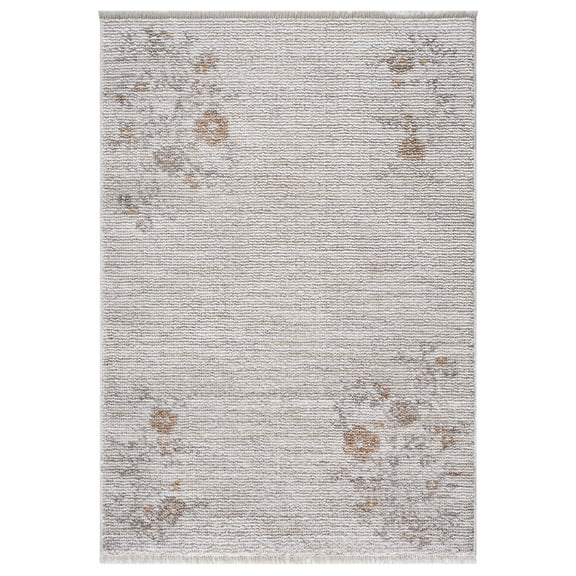 $2996current price $29.96
The Pioneer Woman Grey Antique Floral Scatter Accent Rug, 30 in x 46 in
314.7 out of 5 Stars. 31 reviews4.7 out of 5 starsSave withShipping arrives tomorrow
Explore more



FAQ
What does decor mean for my home?
Decor refers to the items and style choices you use to personalize and enhance your living space. This can include everything from wall art and throw pillows to rugs, curtains, and decorative accents. Decor helps set the mood and express your personality, making your home feel more comfortable and inviting. Whether you prefer a cozy vibe or a modern look, choosing the right decor can transform any room into a space that feels uniquely yours.
Is it spelled decor or décor?
Both decor and décor are correct, but you'll often see "decor" without the accent in American English, especially in the U.S. retail space. "Décor" with the accent comes from the French word for decoration and is sometimes used for a more formal or stylistic touch. No matter how you spell it, both terms refer to the same idea: the items and style choices that make a space feel special.
What counts as home decor?
- Wall art: Paintings, prints, or photos that add personality to your walls.
- Textiles: Throw pillows, blankets, curtains, and rugs that bring texture and color.
- Decorative accents: Vases, candles, figurines, and other small items that add charm.
- Lighting: Lamps, string lights, and lanterns to set the mood.
Basically, anything that helps create a style or vibe in your space can be considered home decor.
Is decor short for something?
Yes, "decor" is short for "decoration" or "décor," which comes from the French word for ornamentation or style. In everyday use, "decor" simply means the way you choose to style and furnish your space with decorative items. It's a handy way to talk about all the little touches that make a room feel complete, from wall hangings to table centerpieces.
How do I pick decor that matches my style?
- Start with inspiration: Browse magazines, websites, or in-store displays to see what catches your eye.
- Choose a color palette: Pick a few colors you love to keep things cohesive.
- Mix textures and materials: Combine different fabrics, woods, or metals for a layered look.
- Add personal touches: Include items that reflect your interests or memories.
Remember, your style is unique—there's no right or wrong way to decorate. Try different combinations until your space feels just right for you.
About Decor Accents for Home Spaces - Walmart.com
Discover effortless ways to refresh your home with decor that fits every style and season. Whether you're searching for cozy accents or statement pieces, this selection offers versatile options to enhance any room, from the living area to bedrooms and more.
- Personalize your space: Mix and match from a variety of decorative items, including plush throw pillows, striking wall art, and elegant artificial arrangements for an instant style boost.
- Set the perfect mood: Create an inviting atmosphere with scented candles and dimmable lighting options, ideal for relaxing evenings or lively gatherings.
- Flexible for every room: Portable lamps and thoughtfully designed accessories make it simple to refresh entryways, tabletops, or office corners as your needs change.
- Quality materials and finishes: Choose from glass, ceramic, and metal accents that bring texture and visual interest while blending seamlessly with classic or modern themes.
- Easy home updates: Swap out seasonal details like autumn-inspired scents and botanical prints to keep your space feeling current all year long.
Enjoy peace of mind shopping with Walmart’s reliable service and diverse decor assortment—making it simple to turn every house into a home that reflects your unique style.